Hillbilly Cider
Highlights
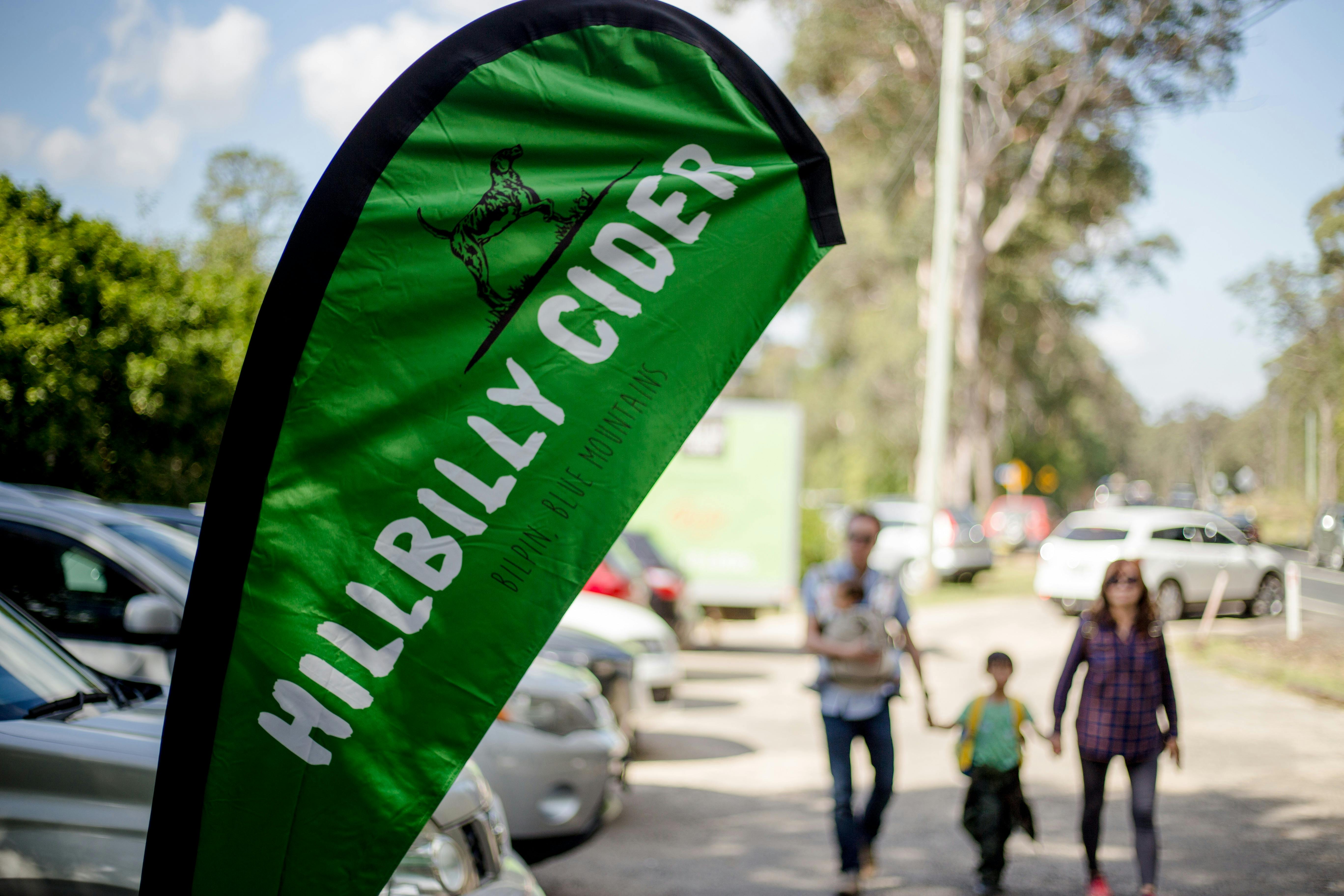
- Wander the scenic Bells Line of Road to discover the unique Hillbilly Cider Shed at Shields Orchard.
- Pick fresh apples and enjoy exclusive tastings of award-winning ciders, including limited releases not found elsewhere.
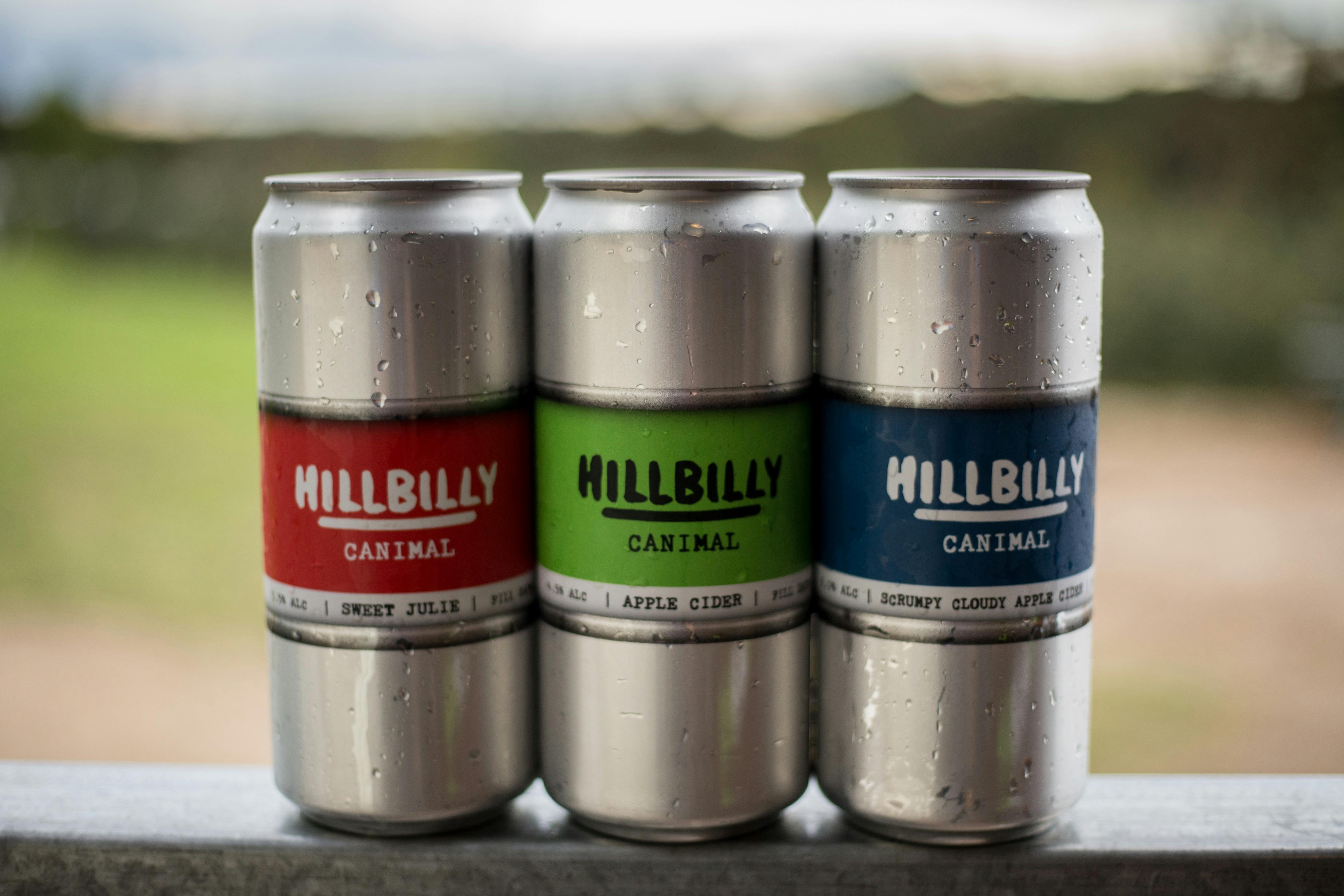
- Savour the distinct taste of the Sweet Julie Cider, crafted from the rare 'Julie' apple, a local treasure.
- Experience gluten-free, vegan-friendly ciders made from pure mountain apples, free from added sugars or artificial flavours.
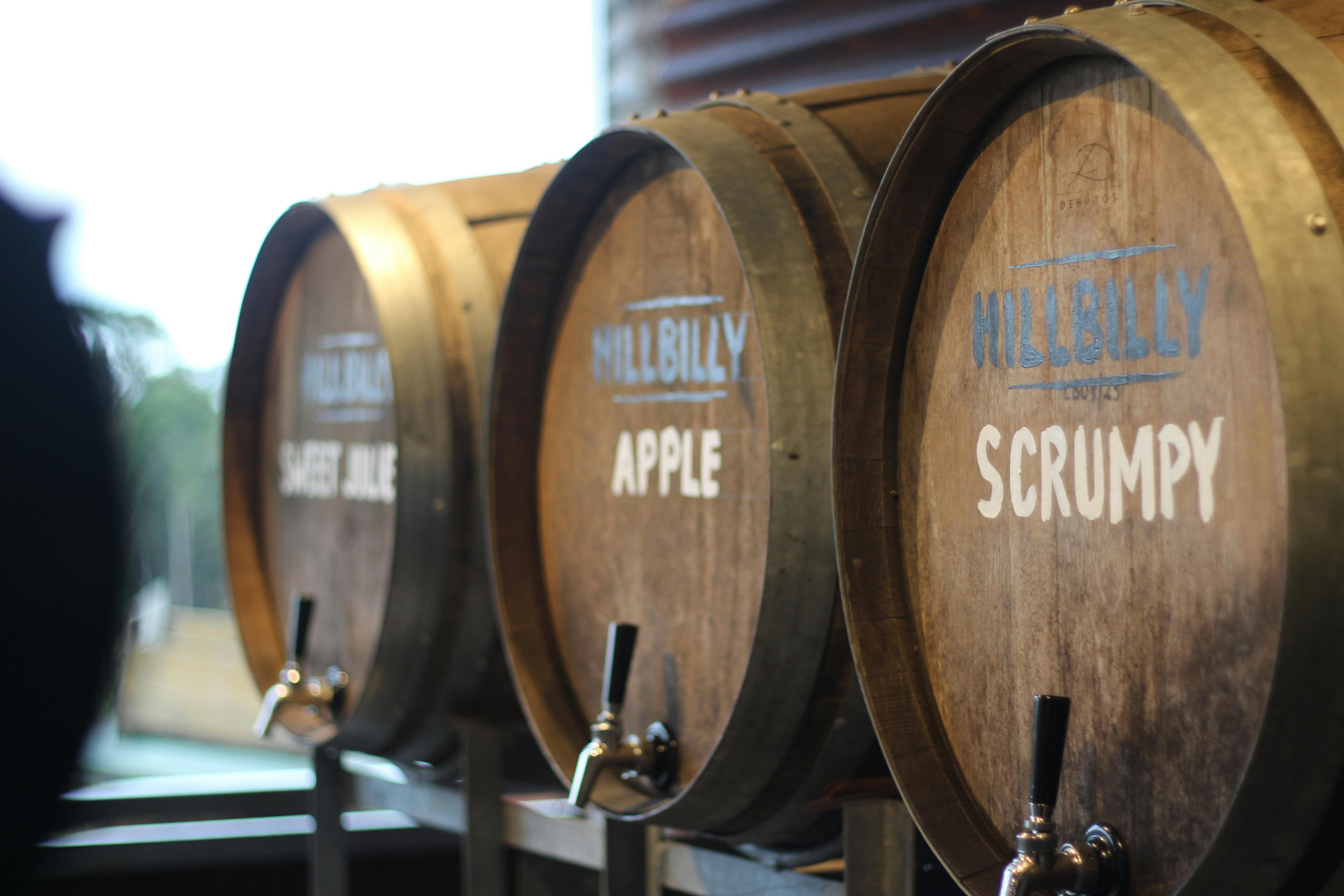
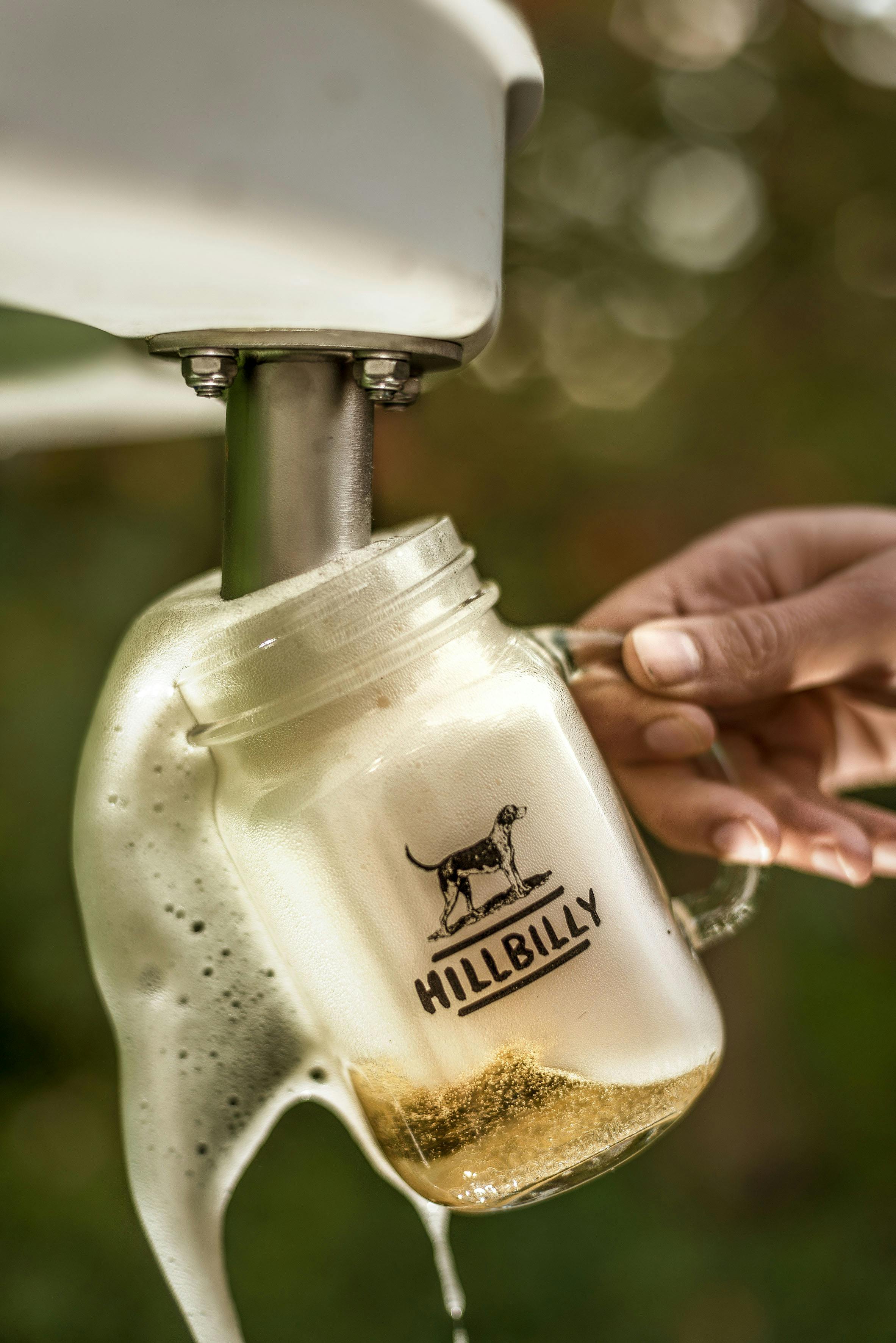
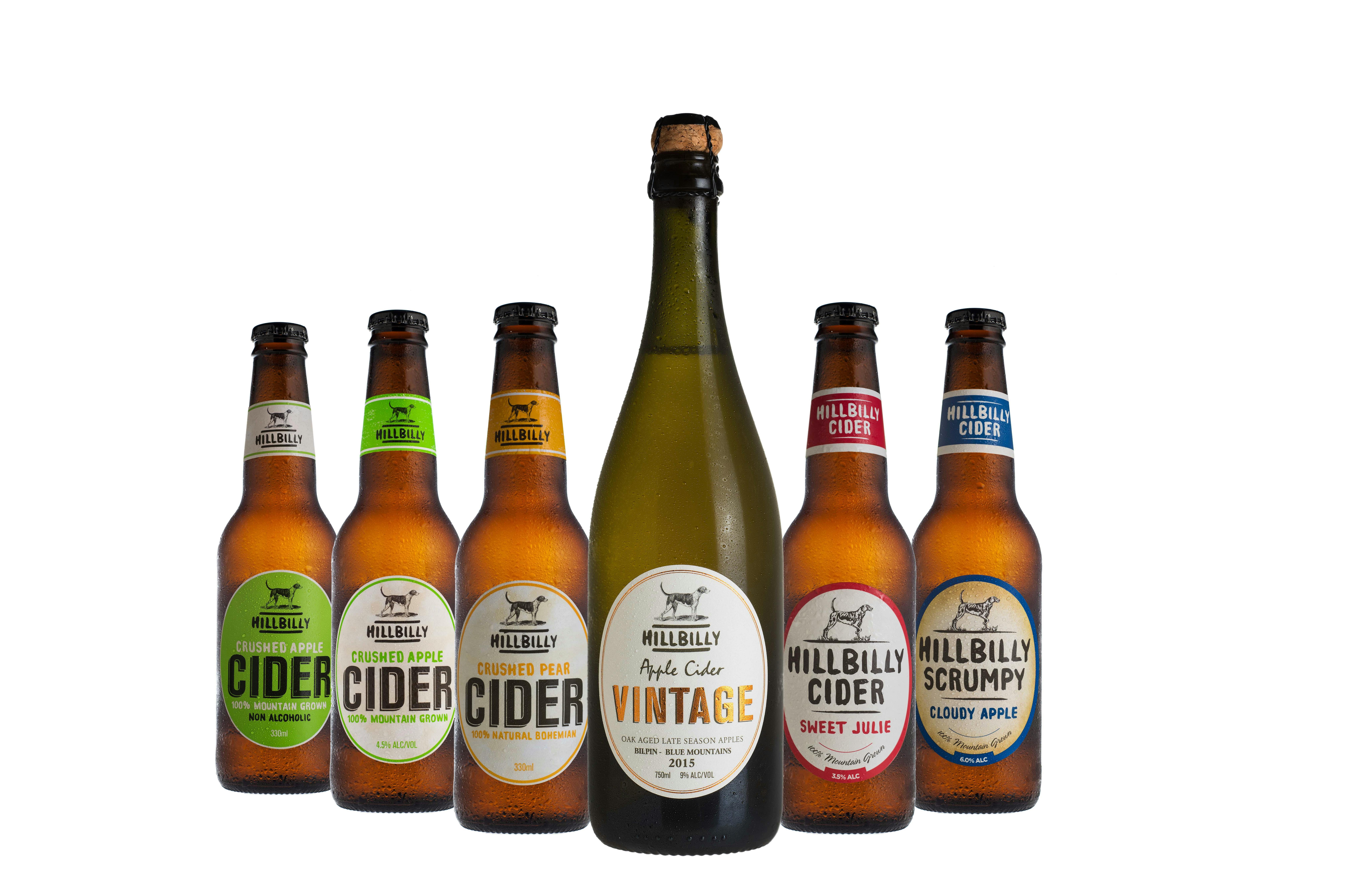
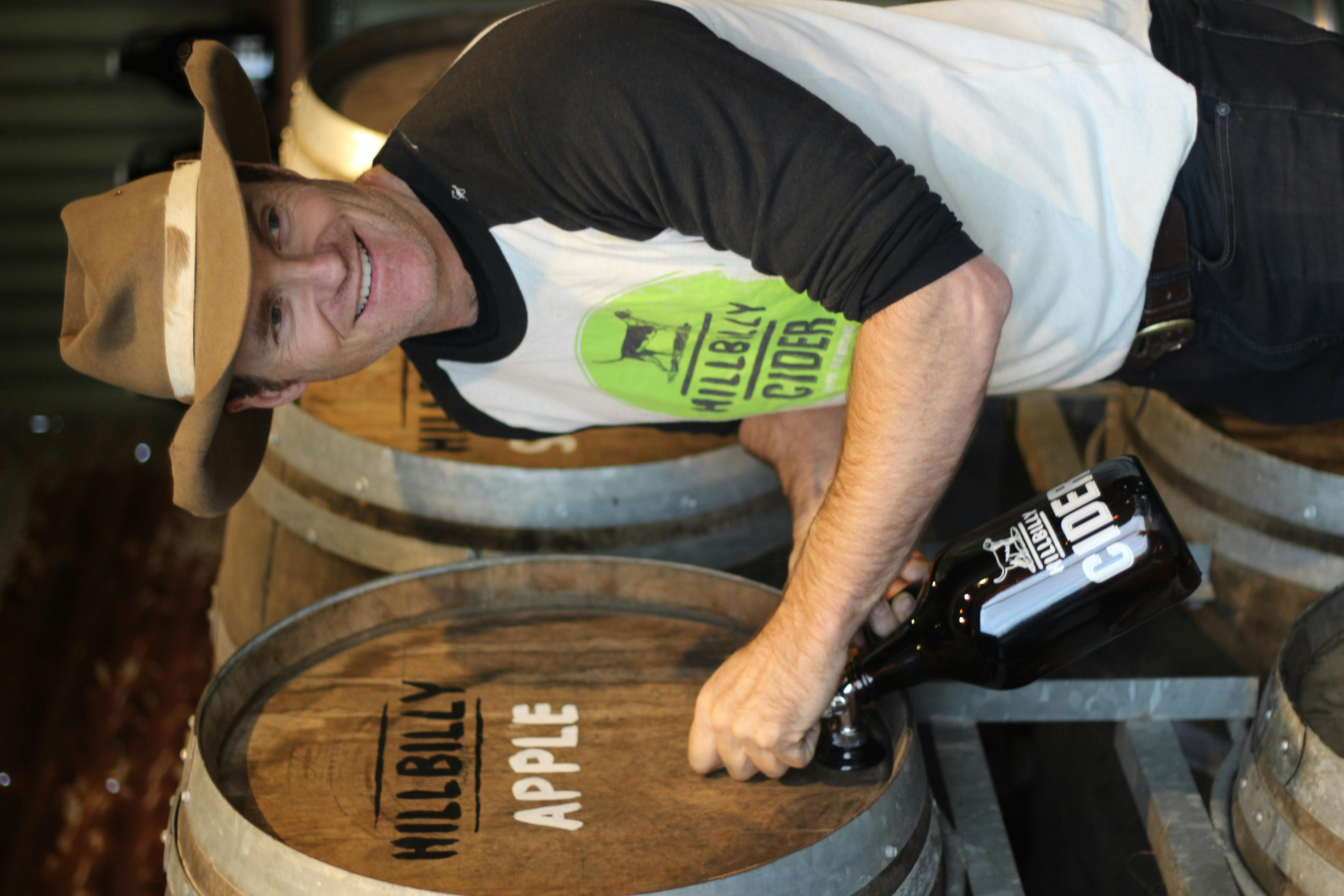
Wind your way up the picturesque Bells Line of Road to The Hillbilly Cider Shed at Shields orchard. Pick some apples and then head to the shed to sample the award winning range including limited releases not available elsewhere.
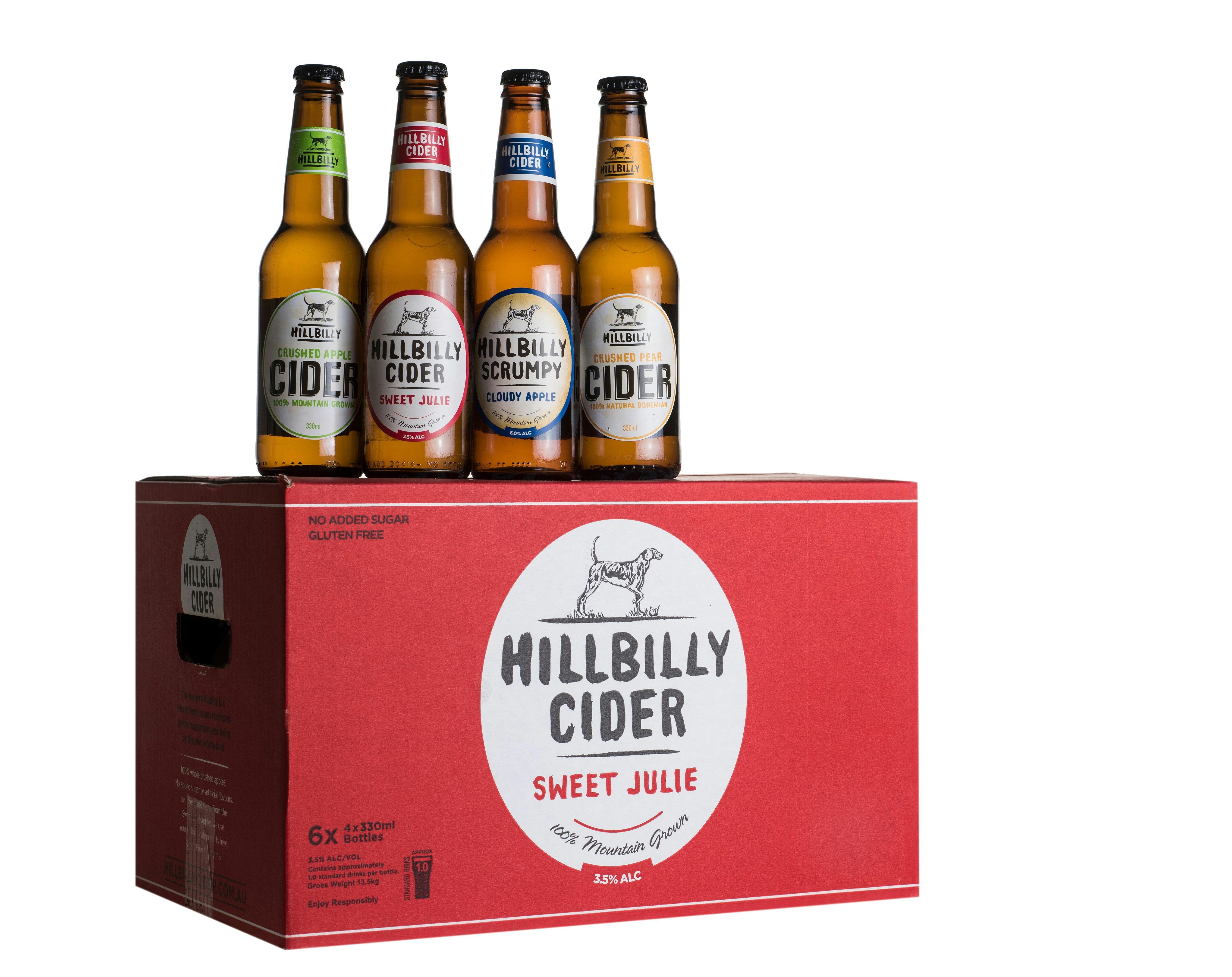
Hillbilly is the only cider in the world that uses the ‘Julie’ apple discovered at Shields Orchard and now heralded as the first new apple discovery in the Sydney area since the Granny Smith over 100 years ago! The Hillbilly Sweet Julie Cider won a “Best in Class” in the latest Australian Cider awards.
Hillbilly has won awards in every Australian cider awards since launching 5 years ago – including 3 times “Best in Class”. Hillbilly has also achieved highest scoring Australian cider in the UK’s International cider awards with a silver medal.
The ciders are made purely from local mountain apples with no added sugar or artificial flavours. They are gluten free and suitable for Vegans.
Images and Video

Features
Tags
Actively welcomes people with access needs.
General access

- Offers multiple options for booking – web, email, phone is available.
- Offers a range of contact methods for receiving complaints.
- Staff are trained in disability awareness.
- Website meets <a href="https://www.w3.org/WAI/standards-guidelines/wcag/" target="_blank">WCAG 2.0</a> accessibility standards
- Advise tour guides of the access needs of guests at the time of booking (includes pick up and drop off requirements)
- Assistance with booking arrangements (includes providing clear itineraries with written instructions on what to do at various destinations)
Communication

Welcomes and assists people who have challenges with learning, communication, understanding and behaviour. (includes people with autism, intellectual disability, Down syndrome, acquired brain injury (ABI), dyslexia and dementia)
- Staff are trained in communicating with people with learning or behavioural challenges.
- Uses Plain English / easy read signage and information (includes menus and emergency information)
- A quiet space is available at the venue/ facility.
Vision

Caters for people who are blind or have vision loss.
- Uses easy to read fonts in their signage and communication materials (Helvetica and Arial).
- An appropriate area for toileting an assistance dog is available.
- Handrails on all stairways
- Exit signs which are visible at a ground level (high level signs are difficult to see in a fire) are available.
Hearing

Caters for people who are deaf or have hearing loss.
- Staff are trained in communicating with people who are deaf or have hearing loss.
- A low noise reception areas with hearing loss friendly acoustics and adequate lighting for viewing facial expressions (includes common areas which are free of background noise, background music) is available.
Physical – Mobility

Caters for people with sufficient mobility to climb a few steps but who would benefit from fixtures to aid balance. (This includes people using walking frames and mobility aids)
- Uses floors/coverings which are slip resistant, firm and smooth
- Uses non-slip tiles in the bathroom or slip resistant matting
- Seating in common areas including reception area
Physical – Wheelchair

Caters for people who use a wheelchair.
- Step free outdoor pathways (includes picnic areas, barbecues and shelters)
- A step free main entrance to the building and/or reception area (includes ramps or slopes with a maximum gradient of 1:14, otherwise are too steep for wheelchairs)
- Step free access to restaurant, lounge and bar
- Doorways which are easy to open and have lever handles (doorways 850mm or wider when open and not heavy).
Plan more around this area
 Bilpin, NSW
 The Folly
Located at the end of a meandering lane, The Folly greets you with the air of a majestic county estate.
 Kurrajong Heights, NSW
 Madisons Mountain Retreat
Madisons Mountain Retreat is so close to Sydney (just one hour's drive), yet so far away from everything.

 Bilpin, NSW
 Bilpin Country Lodge
Bilpin Country Lodge is an outstanding country house/farmstay in the Blue Mountains and Hawkesbury region, located 1.5 hours from central Sydney.
 Kurrajong Heights, NSW
 Rusticspirit and Quiessence Guesthouse
Rusticspirit offers rustic cabin and cottage style accommodation amidst a picturesque, natural wonderland set on 25 acres at the edge of the Wollemi National Park.
 Bilpin, NSW
 Blue Apple Lodge
Blue Apple Lodge has everything to ensure a fabulous mountain holiday escape!
 Bilpin, NSW
 The Old School Bus
The Old School Bus offers guests a truly unique accommodation experience. Overlooking the Wollemi National Park with views to Mt Irvine.
 Kurrajong Heights, NSW
 Alpaca Experience
Hand feed the animals at the paddock and learn some interesting facts about Alpacas from the knowledgeable staff.
 Kurrajong Heights, NSW
 Special Event Photos with Alpacas
Madison’s Mountain Retreat will offer you up to two hours roaming the property with your own Photographer.
 Kurrajong, NSW
 A Curated Literary Retreat
A pilates & wellness retreat to train the nervous system – not to escape it.
 Faulconbridge, NSW
 Norman Lindsay Vintage Fair
Celebrate all things vintage at the Norman Lindsay Vintage Fair; a unique day out in historic surrounds. After delighting visitors in 2025 – where we
 Bilpin, NSW
 Astronomy at Mount Tomah
Join a night of astronomy and star gazing immersed in the World Heritage National Park, in the heart of the Blue Mountains Botanic Garden.
 Kurrajong, NSW
 From Within – A Pilates Retreat
A pilates & wellness retreat to train the nervous system – not to escape it.
