Gippsland Regional Maritime Museum Port Albert
Highlights
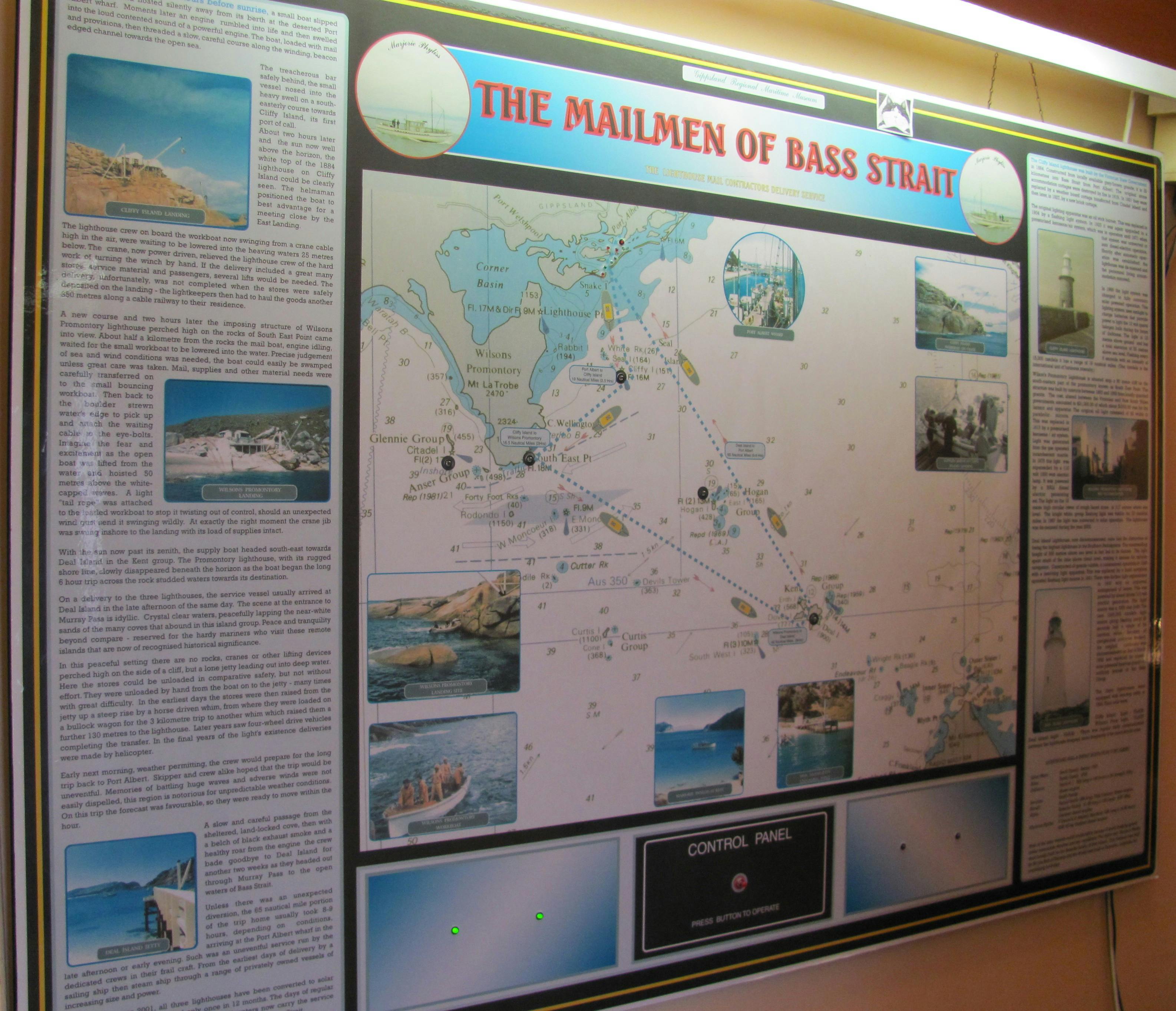
- Explore Gippsland's maritime history through captivating exhibits, including a restored lighthouse lens and historic shipwreck stories.
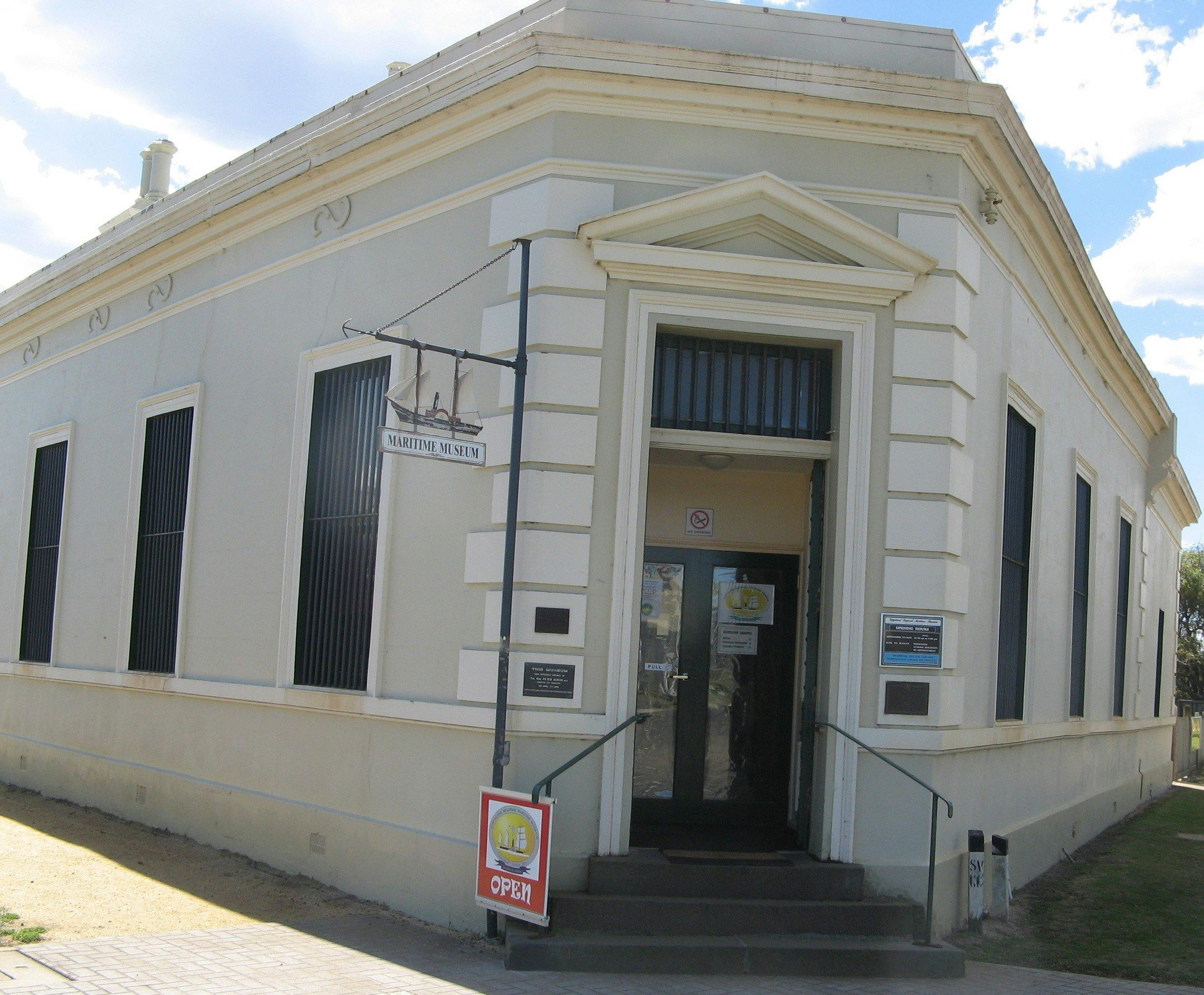
- Discover the 1861 bank vault showcasing goldfields treasures, offering a glimpse into the region's rich mining past.
- Marvel at the original Breeches Buoy Rocket Lifesaving system, one of the few intact examples globally, enhancing your maritime knowledge.
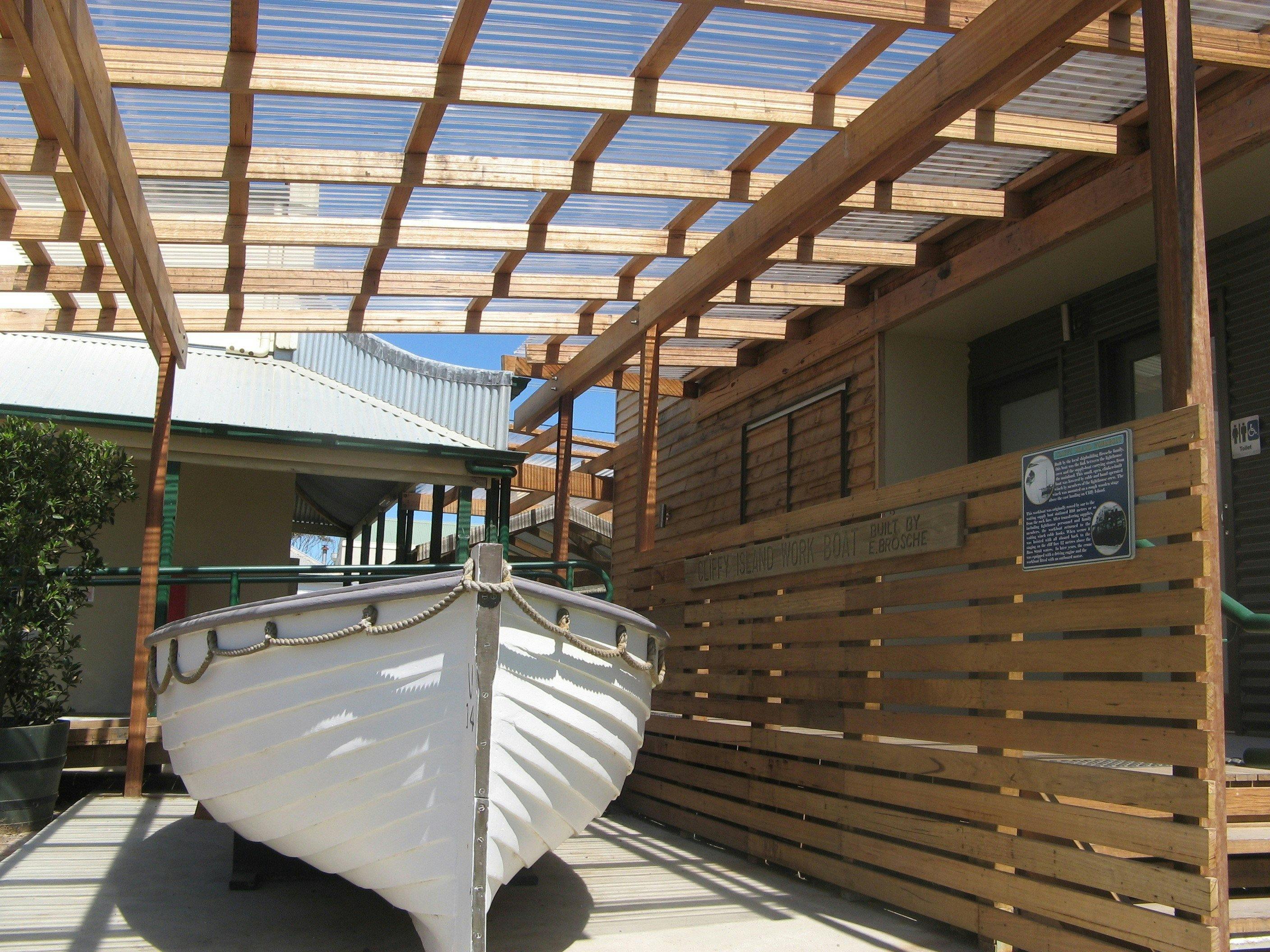
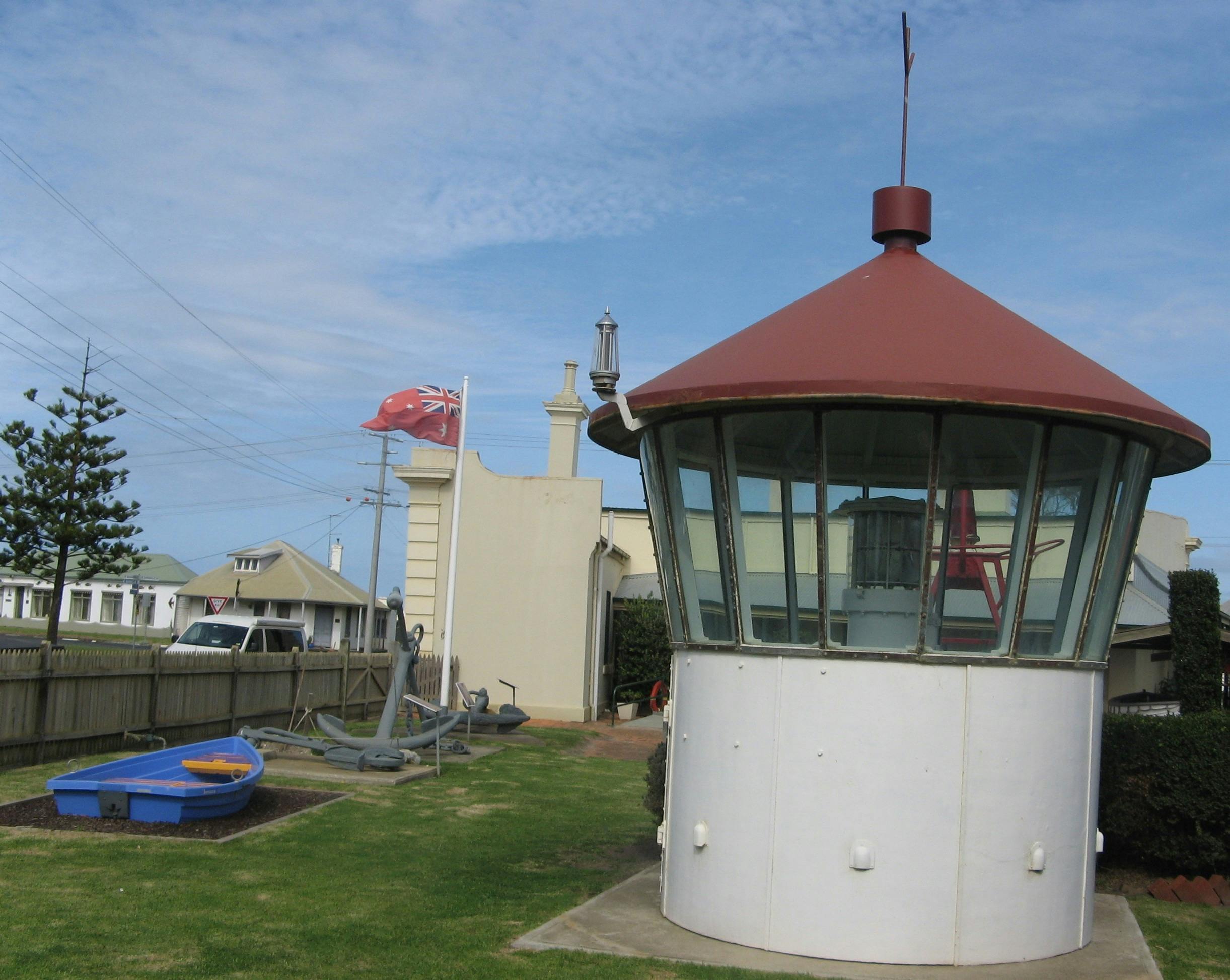
- Wander through outdoor displays featuring restored work boats and the Citadel Island light, connecting you to Australia's maritime heritage.
From its Gunaikurnai origins to the arrival of European settlers in 1841 establishing a port servicing pastoralists and later the Gippsland goldfields, the rise and fall of the local fishing industry, right up to the OMEGA satellite navigation station at Woodside – all on display at the museum.
The moment you enter and see the restored 1.3-metre-high lens from the Cape Liptrap lighthouse and a cannon used at the Cliffy Island Station, you know you could easily while away hours.
The 1861 bank’s former vault houses a goldfields display in the very room which stored bullion from strikes at places like Omeo and Walhalla awaiting shipment from Port Albert, reputedly 1,000 ounces every week.
One of the key exhibits tells the story of the loss of the CLONMEL, a timber paddle steamer wrecked near the entrance to Port Albert, along with details of 23 other ships lost nearby.
You’ll be intrigued by the display of an original Breeches Buoy Rocket Lifesaving system which went into service in Port Albert in 1871, described by the Smithsonian as one of only a few intact examples to be found anywhere in the world.
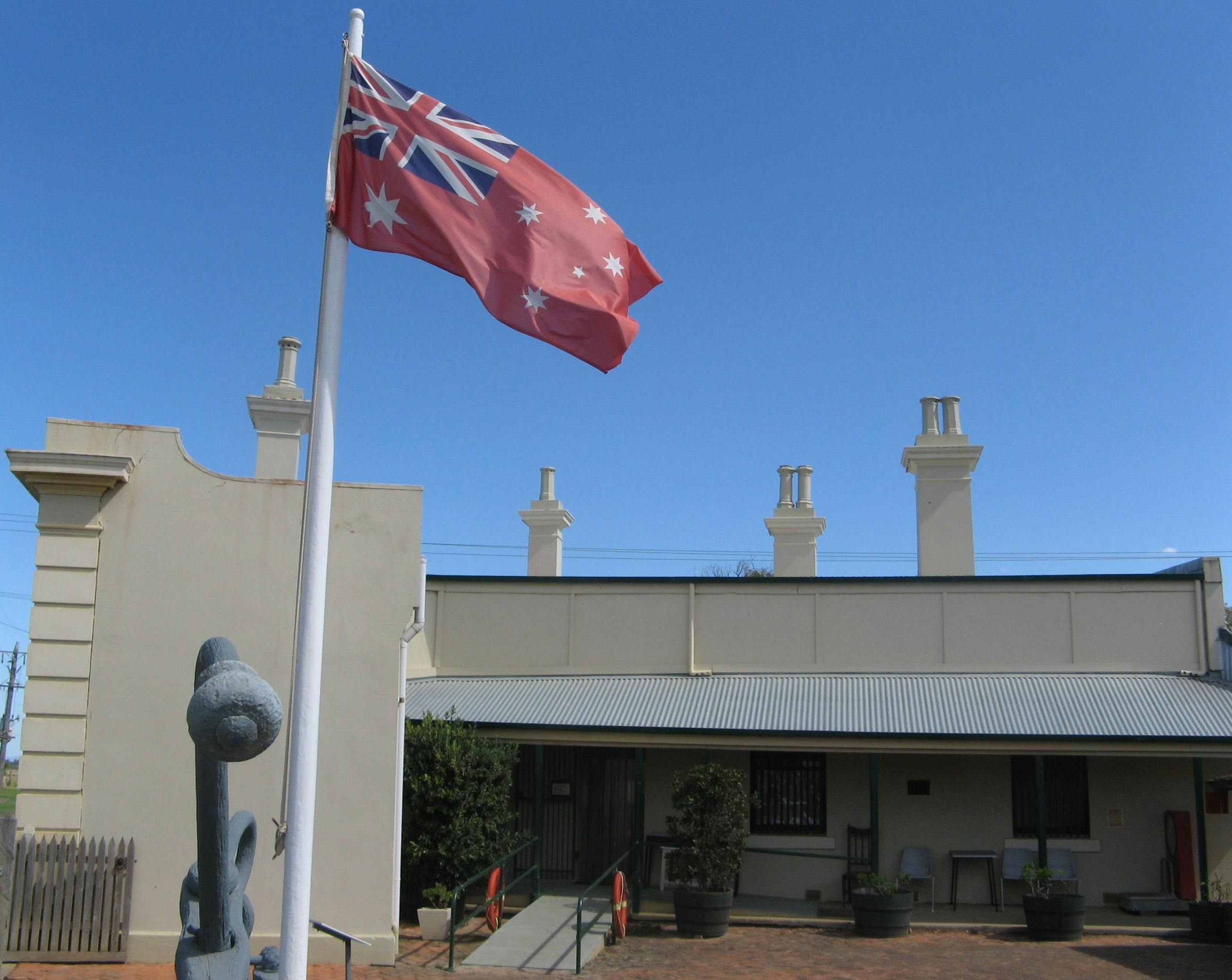
Outdoor exhibits include restored work boats, the original Port Albert wharf crane, anchors and the Citadel Island light, Australia’s first automatic acetylene light installed in 1913 on a rocky islet off Wilson’s Promontory.
Images and Video
Accreditations
- Australian Museums and Galleries Association
- Regional Tourist/Tourism Association/Organisation
Features
Tags
Actively welcomes people with access needs.
General access

- Offers a range of contact methods for receiving complaints.
- Employs people with disabilities.
- Staff are trained in disability awareness.
- Assistance with booking arrangements (includes providing clear itineraries with written instructions on what to do at various destinations)
Communication

Welcomes and assists people who have challenges with learning, communication, understanding and behaviour. (includes people with autism, intellectual disability, Down syndrome, acquired brain injury (ABI), dyslexia and dementia)
- Staff are trained in communicating with people with learning or behavioural challenges.
- Uses Plain English / easy read signage and information (includes menus and emergency information)
- A quiet space is available at the venue/ facility.
Physical – Mobility

Caters for people with sufficient mobility to climb a few steps but who would benefit from fixtures to aid balance. (This includes people using walking frames and mobility aids)
- Uses floors/coverings which are slip resistant, firm and smooth
- Uses non-slip tiles in the bathroom or slip resistant matting
- Grab rails in the bathroom
- Seating in common areas including reception area
Physical – Wheelchair

Caters for people who use a wheelchair.
- Step free outdoor pathways (includes picnic areas, barbecues and shelters)
- A step free main entrance to the building and/or reception area (includes ramps or slopes with a maximum gradient of 1:14, otherwise are too steep for wheelchairs)
- Doorways which are easy to open and have lever handles (doorways 850mm or wider when open and not heavy).
- An accessible public toilet which is unlocked.
- A wheelchair accessible toilet / shower and change room is available.
- Wheelchair access to amusements and activities including boats and bush trails (includes tour rides, skyways, trolley cars, flying fox, amusement rides and boating).
Plan more around this area
 Port Albert, VIC
Boat Harbour Jetty BnB
Boat Harbour Jetty BnB is an adult only award-winning waterfront accommodation in historic Port Albert, Gippsland.
 Port Albert, VIC
 Port Albert Waterview Retreat
Port Albert Waterview Retreat is the ideal holiday house accommodation for couples, families and friends. It sleeps 6 people with 2 Queen beds and 2

 Port Albert, VIC
 29 on Wharf
29 on Wharf is a modern, luxury three-bedroom property with uninterrupted water views.
 Port Albert, VIC
Port Albert Motel
Port Albert Motel is an affordable accommodation for couples, families and small groups.
 Port Albert, VIC
 Hooked Inn Cottages
Situated at Historic Port Albert, these self contained cottages offer luxury farm stay accommodation on a quiet wildflower farm.
 Yarram, VIC
 Ship Inn Motel Yarram
The Ship Inn Motel offers a charming, welcoming stay amidst Gippsland's serene countryside.
