Cobar Heritage Walk
Highlights
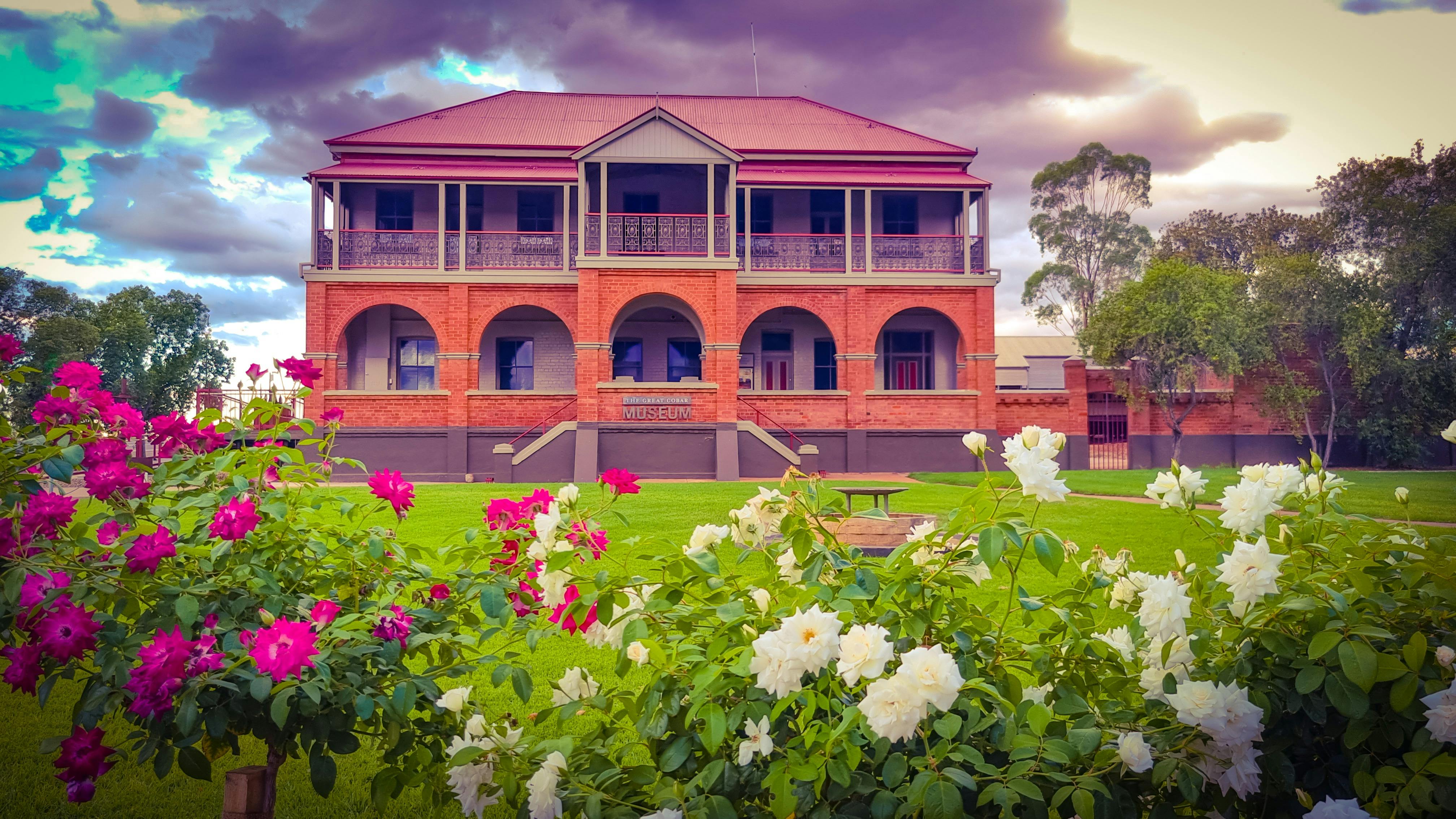
- Collect a tourism guide at The Great Cobar Museum to embark on a fascinating journey through local history.
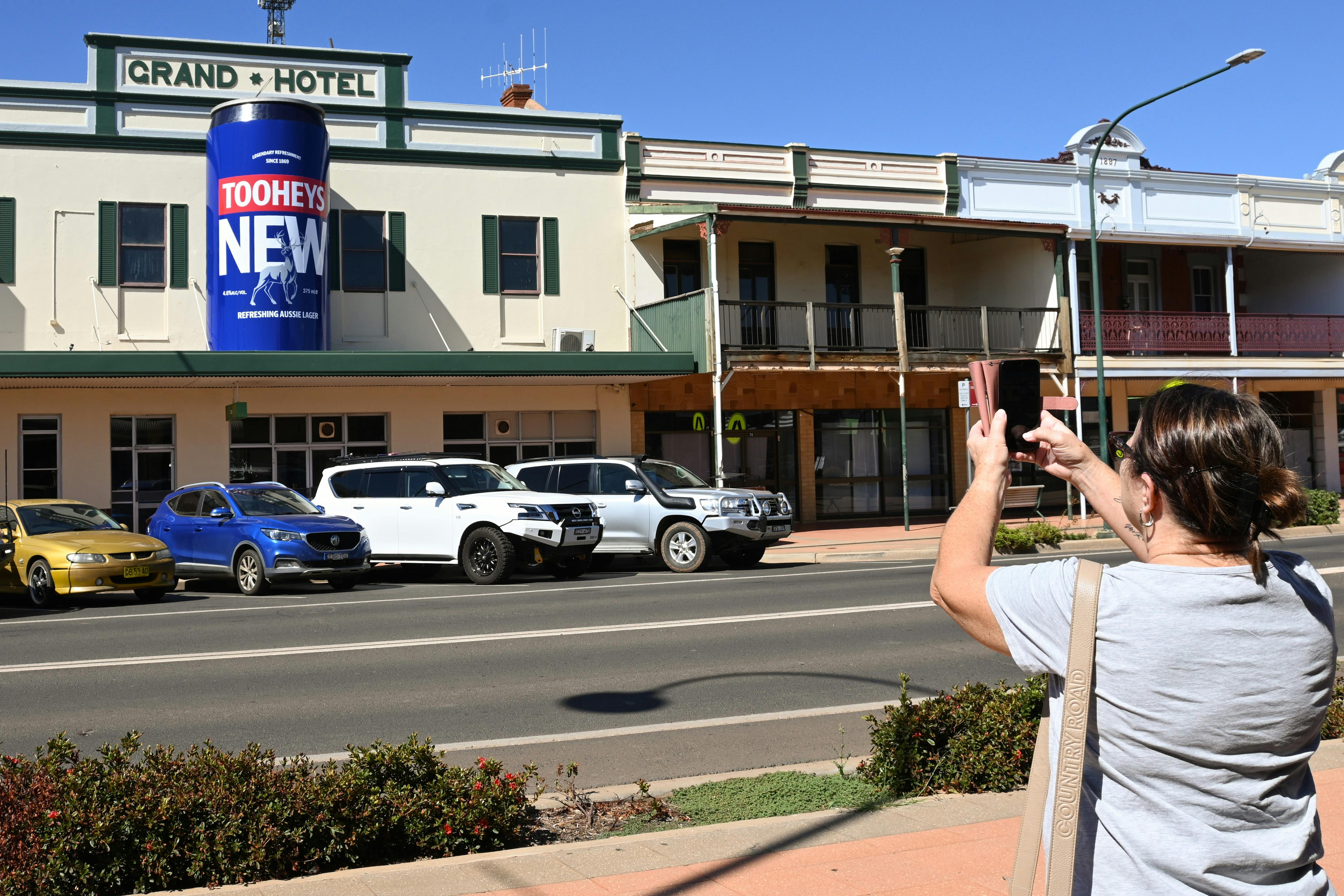
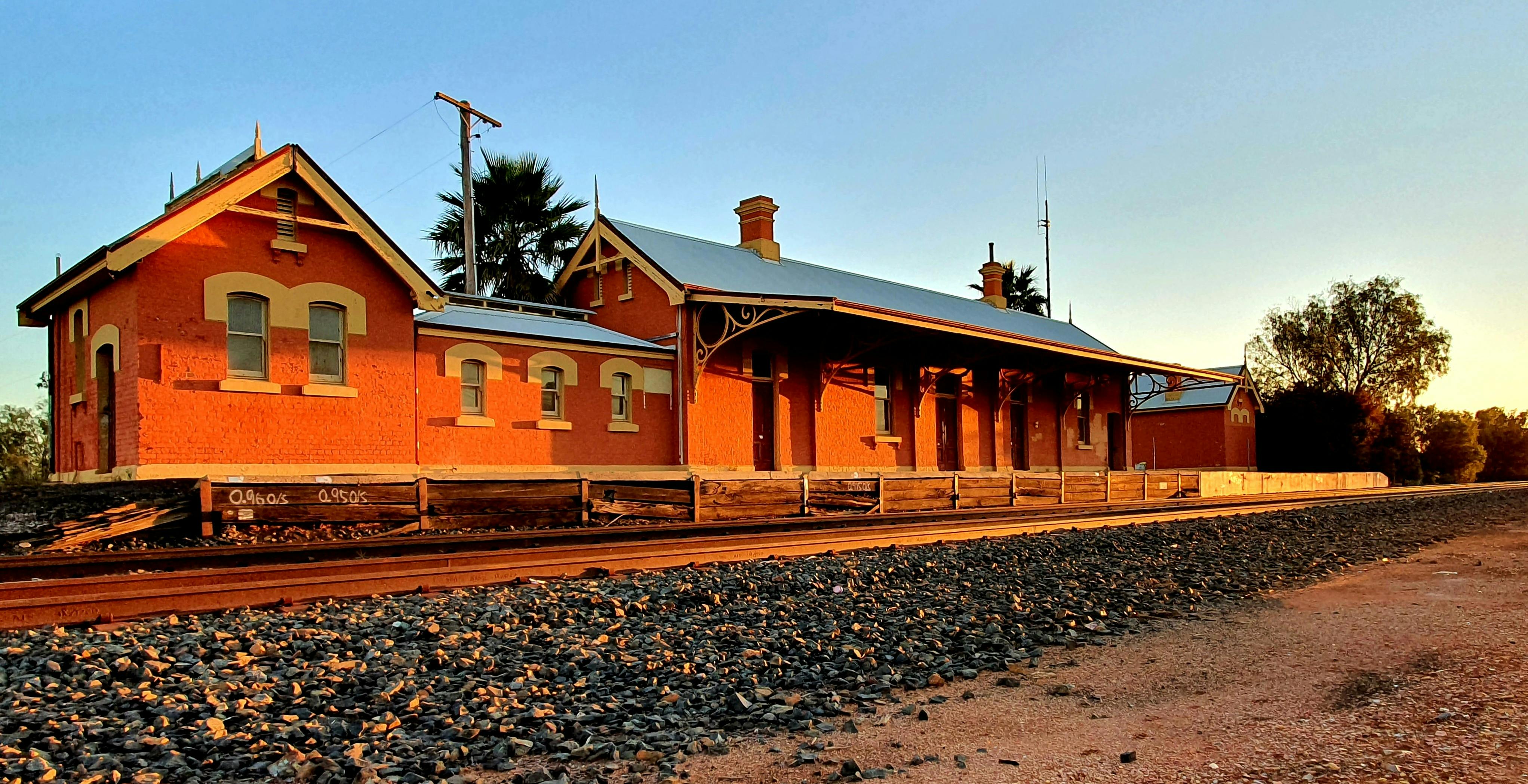
- Explore heritage buildings and their stories, immersing yourself in Cobar's rich past and resilient spirit.
- Download an audio tour by curator Kay Stingemore for an engaging, informative experience on the go.
- Savour lunch at local pubs or cafes, enjoying the warm hospitality of Cobar's friendly staff and vibrant atmosphere.
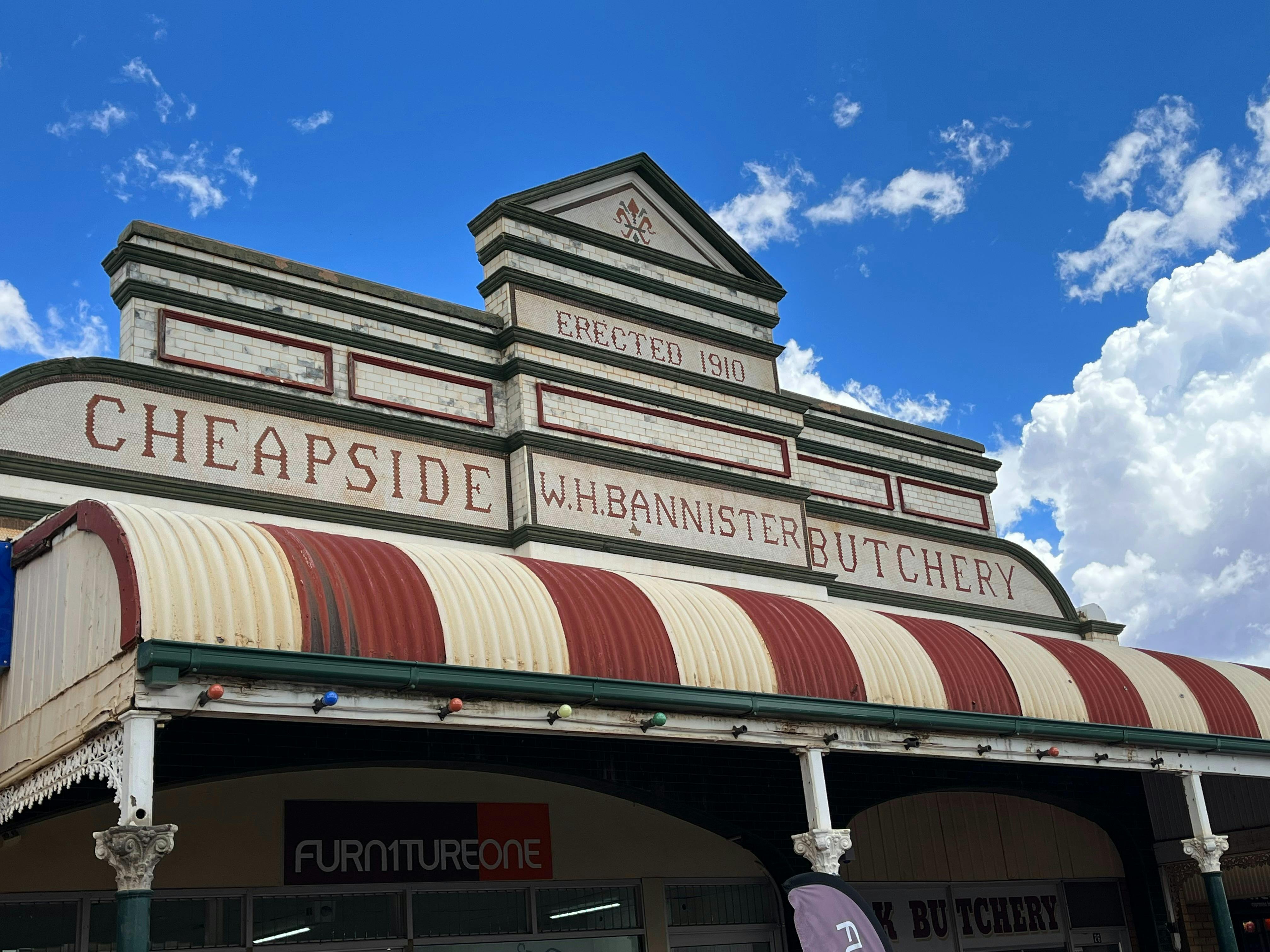
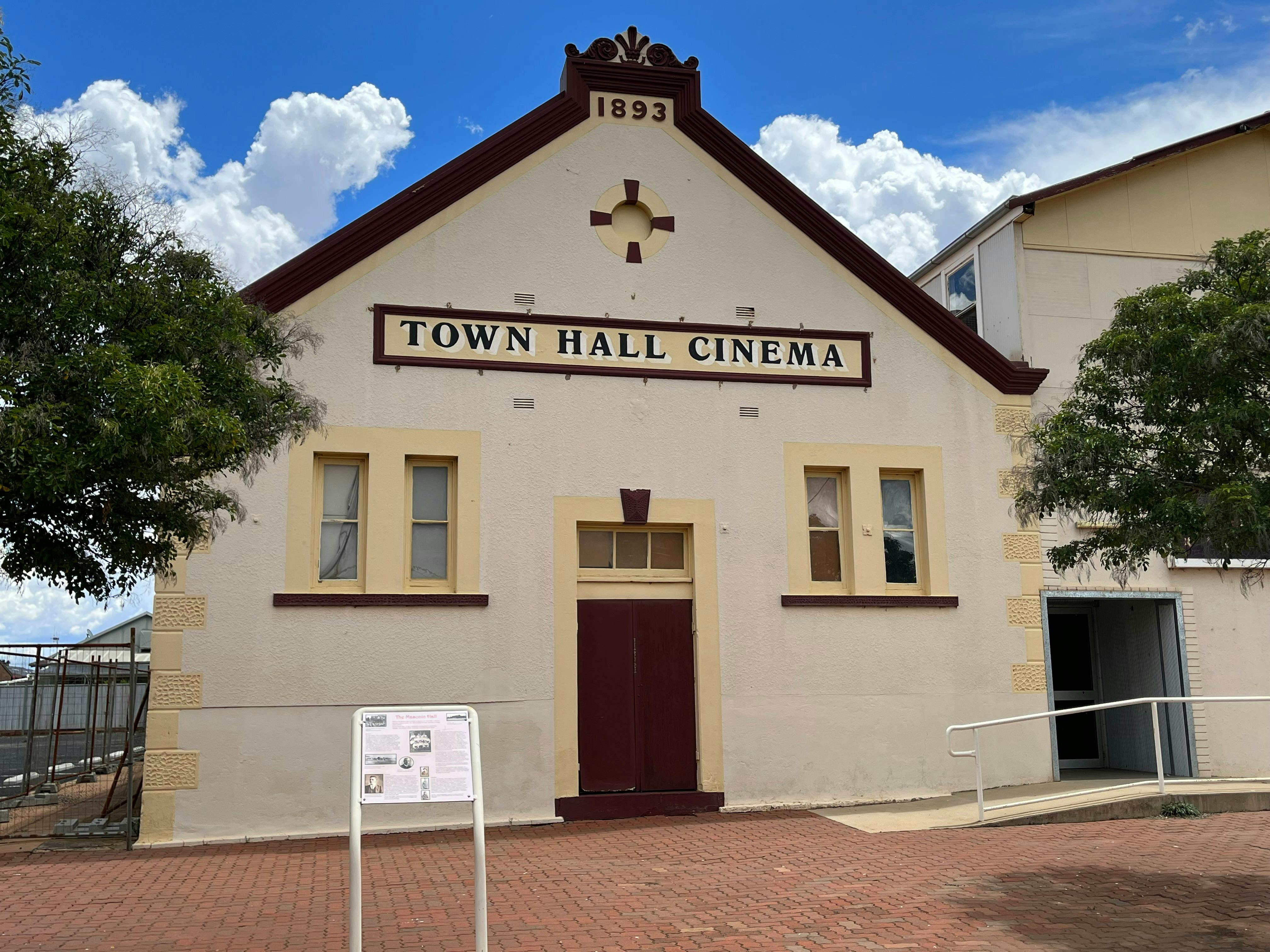
Come into the Visitor Information Centre at The Great Cobar Museum to collect a tourism guide and head out on a fact finding mission into Cobar’s past. This walk takes you around places of local significance and provides a time-walk of selected heritage buildings, the occupants and their stories.
You can also join Kay Stingemore, Curator of The Great Cobar Museum in an audio tour by downloading the files from the website.
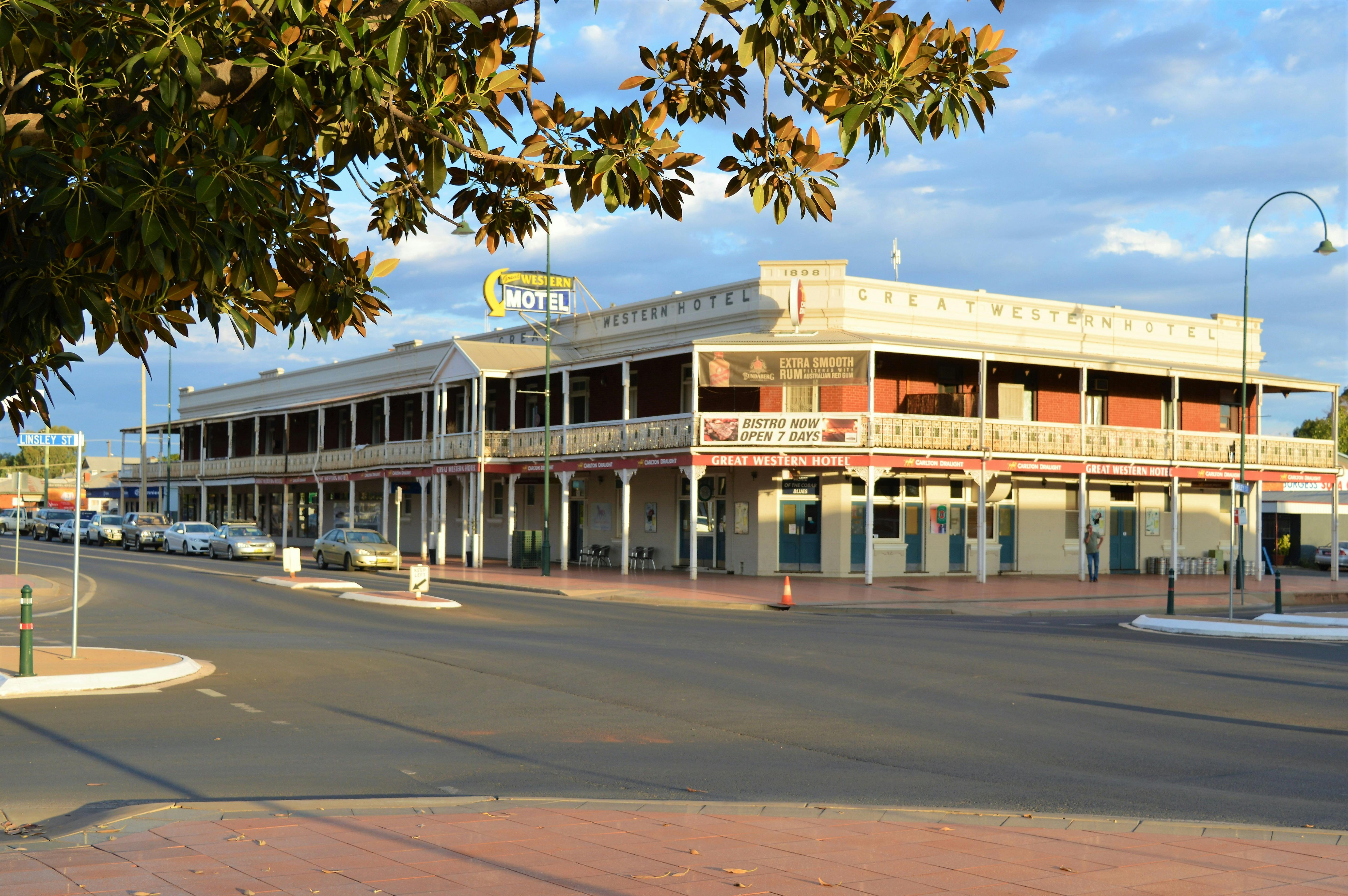
Enjoy learning the history in between ducking in and out of Cobar’s businesses to meet the friendly staff. Have lunch at the pub or one of the cafes along the main road and marvel at how resilient this outback town is and how intact the heritage streetscape remains.
Images and Video

Features
Actively welcomes people with access needs.
Communication

Welcomes and assists people who have challenges with learning, communication, understanding and behaviour. (includes people with autism, intellectual disability, Down syndrome, acquired brain injury (ABI), dyslexia and dementia)
- Staff are trained in communicating with people with learning or behavioural challenges.
Vision

Caters for people who are blind or have vision loss.
- Information in audio format (includes an audio described map of their venue, audio descs of performances and/ or displays) is available.
Physical – Mobility

Caters for people with sufficient mobility to climb a few steps but who would benefit from fixtures to aid balance. (This includes people using walking frames and mobility aids)
- Grab rails in the bathroom
Physical – Wheelchair

Caters for people who use a wheelchair.
- Step free outdoor pathways (includes picnic areas, barbecues and shelters)
- A step free main entrance to the building and/or reception area (includes ramps or slopes with a maximum gradient of 1:14, otherwise are too steep for wheelchairs)
- An accessible public toilet which is unlocked.
- At least one wheelchair accessible parking space with wheelchair accessible signage clearly displayed (International standards are 3200mm wide x 2500 mm high).
Plan more around this area
 Cobar, NSW
 Cobar Caravan Park
Cobar is situated at the crossroads of the Barrier Highway and the Kidman Way. It is a historic town.

 Cobar, NSW
 Cobar Town and Country Motor Inn
The Cobar Town and Country Motor Inn offers a range of accommodation from Executive Queen size rooms to Spa Room and Family Rooms too.
 Cobar, NSW
 Cobar Accommodation – Beds on Becker
Beds on Becker is location-perfect, right behind the main street shops. The supermarket is almost at the back door!
 Cobar, NSW
 Great Western Hotel and Motel
The Great Western Hotel and Motel (1898) makes a big impact on the streetscape as you arrive into this outback gold mining town.
 Cobar, NSW
 Cobar Central Motor Inn
Cobar Central Motor Inn is situated in a quiet location off the Barrier Highway.
 Cobar, NSW
 Oasis Motel Cobar
Oasis Motel are a fully renovated motel in Cobar to suit people of all ages, couples, singles or families.
 Cobar, NSW
 Empire Hotel and Bottle Shop
The Empire Hotel Cobar is your local pub for good hearty pub food and a catch up with mates.
 Cobar, NSW
 Gumnut Cafe
Gumnut Cafe is an outback gem, specialising in amazing coffee, refreshments and freshly made light meals.
 Cobar, NSW
 Country Simplicity
Different, delightful and delicious! These are the words that sum up the Country Simplicity experience.
 Cobar, NSW
 Ay-Jays Cafe
Ay Jays is a friendly cafe that is all about fantastic food, coffee and having fun while catering to their customers!
 Cobar, NSW
 Abby's Cakes and Catering
Cobar-born and raised, Abby has had a lifelong dream of opening her own cafe.
 Cobar, NSW
 Great Western Hotel
The Great Western Hotel is a family friendly establishment which offers bar facilities and dining facilities open for lunch and dinner seven days a week.
