Murchison Ossario
Highlights
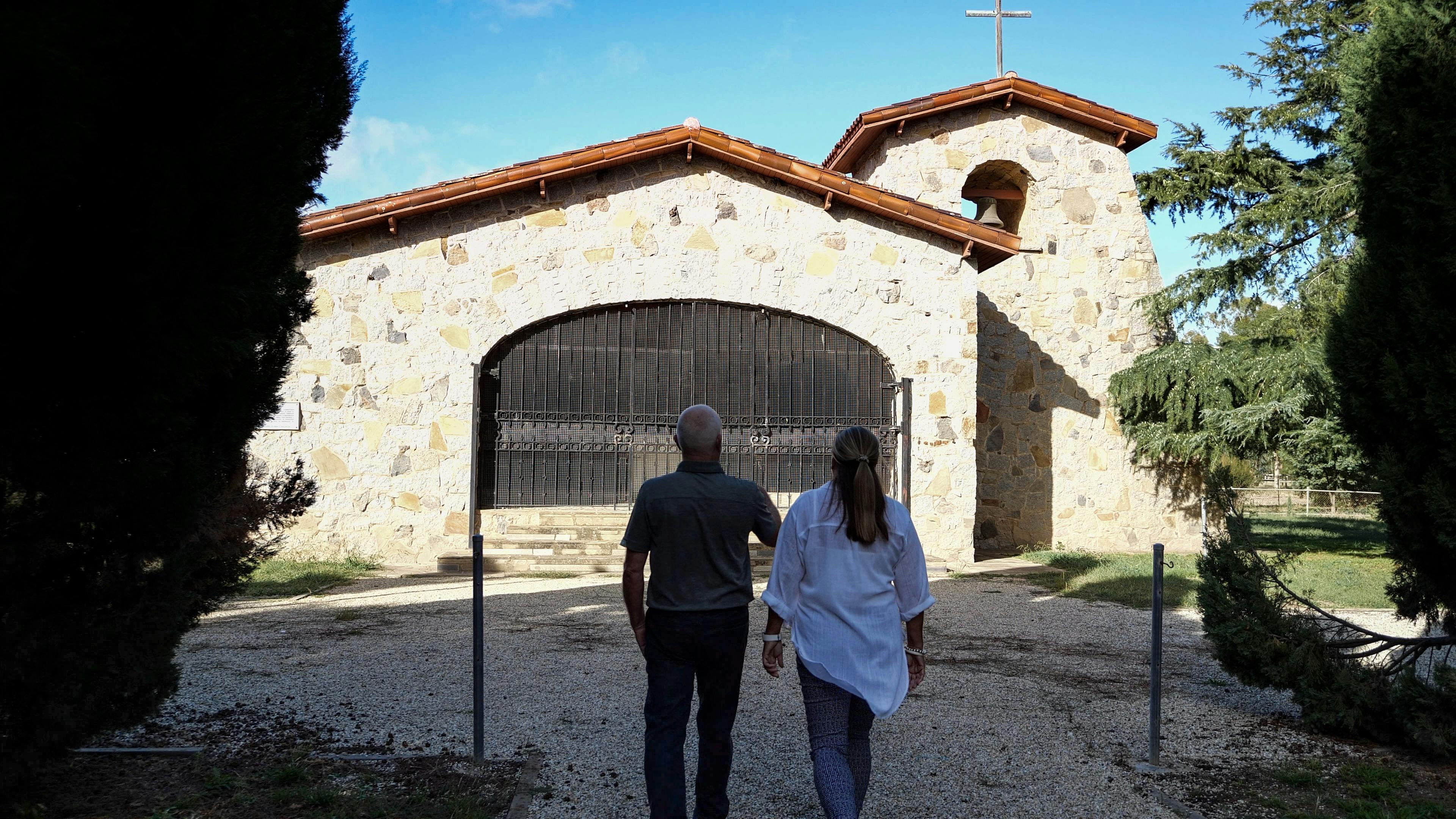
- Explore the striking Italian-style mausoleum built from Castlemaine stone, offering a unique historical perspective.
- Attend the annual Remembrance Day mass, connecting with the local community and honouring those who served.
- Discover the adjacent graves of King Charles Tattambo and his family, enriching your understanding of Indigenous history.
- Enjoy convenient access with on-site car parking, making your visit to Murchison Ossario hassle-free.
During World War II, 4000 Italian, German and Japanese Prisoners of War were detained at Murchison. Those who died at Murchison were buried in the local cemetery but floods in 1956 did major damage to the graves. The Italian families in the municipality were persuaded by Luigi Gigliotti to pay for the building of a mausoleum – the Ossario.
Luigi also convinced authorities to bury all the Italian Prisoners of War and detainees who died in Australian prison camps in the mausoleum. The Ossario is the home of mass celebrations each year around the time of Remembrance Day.
The mausoleum, completed in 1961, is in Italian style. It is built of Castlemaine stone with Roman roof tiles, a campanile and an altar of Italian marble. Each year, on Remembrance Day, mass is celebrated before a large gathering. There is also an Italian war memorial and chapel.
Elsewhere in the cemetery is the grave of King Charles Tattambo, the leader of the Goulburn tribe at the time of white arrival. He died in 1866. His son (the next leader) and widow were buried adjacent in 1874.
Images and Video



Features
Tags
This business does not currently offer accessible facilities.
Plan more around this area
 Goulburn Weir, VIC
 Hide and Seek Retreat
Just 90 minutes from Melbourne, Hide and Seek is a private waterfront retreat with luxury accommodation and a vineyard. The 100-acre property spreads along 3km
 Nagambie, VIC
 Centre Town Motel
Centre Town Motel offers comfortable, convenient accommodation in the heart of Nagambie.
 Nagambie, VIC
 Discovery Parks – Nagambie Lakes
Nagambie Lakes Leisure Park offers a vast range of accommodation facilities, from intimate riverside cabins to family cabins and lodges … from centrally located ensuite

 Murchison, VIC
 Longleat Wines
Guido and Sandra invite you to their cellardoor and casual café which is nestled amongst the Longleat vineyard. Taste the wines with the winemaker and

