Parker Estate Cellar Door
Highlights
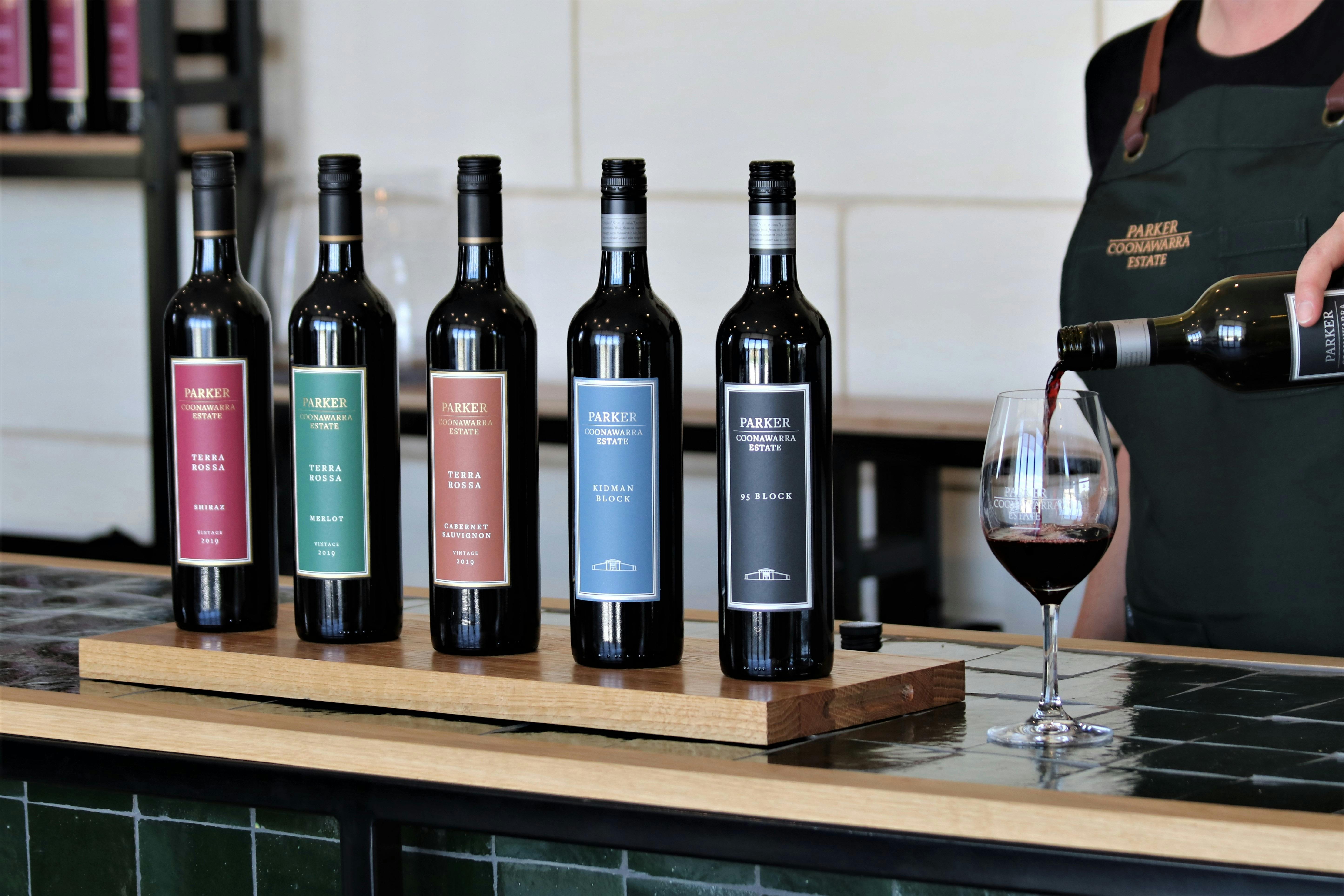
- Savour exceptional Cabernet crafted from the renowned terra rossa soil at Parker Estate Cellar Door.
- Explore the legacy of John Parker's vision through award-winning wines in Penola's picturesque setting.
- Enjoy family-friendly facilities including a bar and refreshments while soaking in the vineyard atmosphere.
- Discover the craftsmanship behind the 1988 First Growth, a wine that put Parker Estate on the global map.
Parker Estate was founded on one man’s vision to defy expectations. Their story is a story of Australian ambition and craftmanship.
John Parker believed that with the right patch of dirt, the right climate and the right clones, he could craft Cabernet which rivalled Bordeaux. And he did.
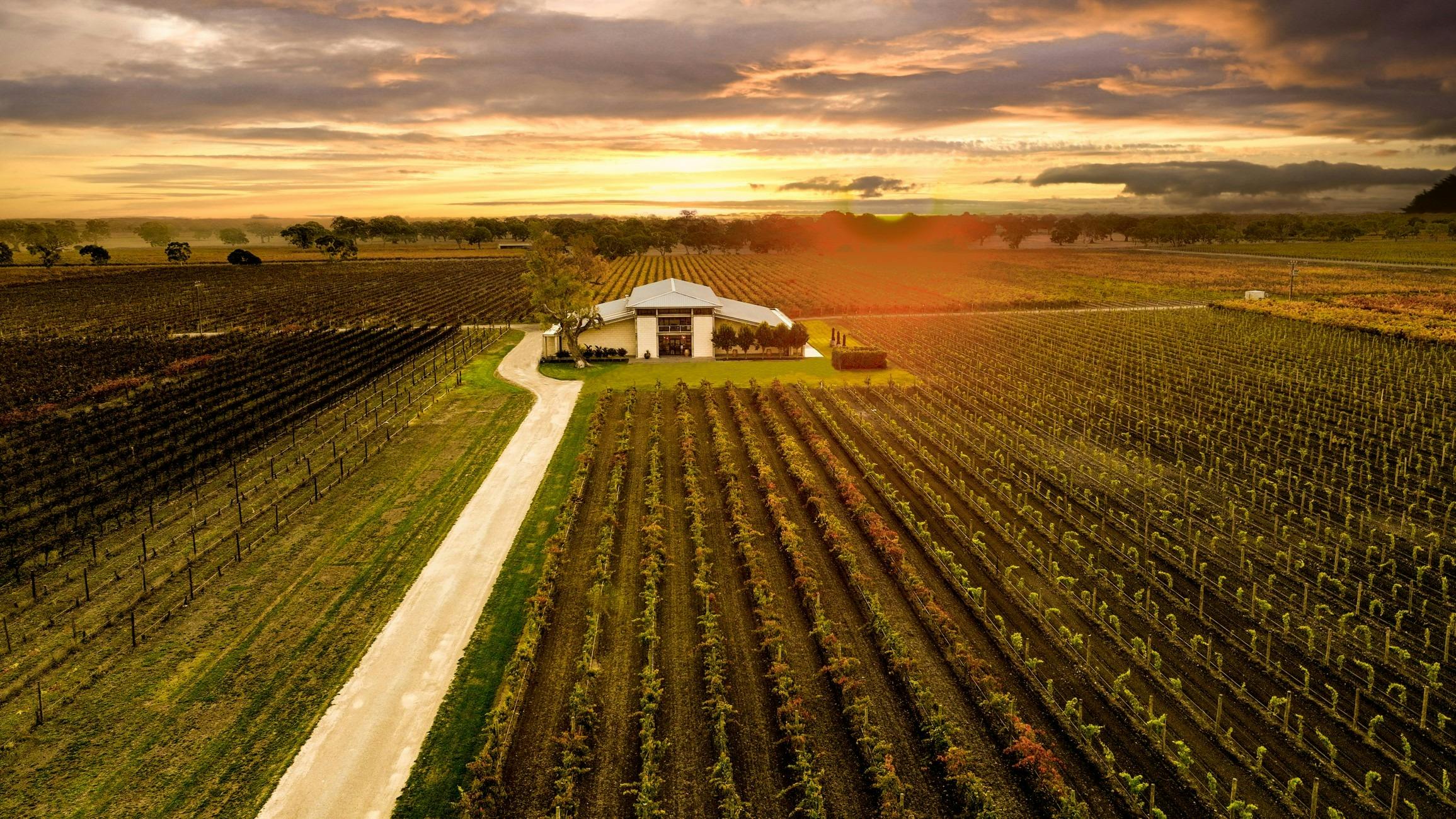
In 1985 he planted twenty hectares of vine on the 27-kilometre cigar-shaped strip of terra rossa soil that is famous for crafting some of Australia’s most famous Cabernet.
His inaugural release, the 1988 First Growth, caught the world’s attention. The wine won the Penfold Hyland Trophy in Perth and was judged the sixth highest-rated Bordeaux-style in the 1991 International Wine Challenge in London. With just one wine, John Parker put Parker Estate and his Abbey Vineyard on the map.
Today, the Parker Estate winery still stands tall and proud on the famous terra rossa soil they are so proud to celebrate with the wines they craft. It’s a symbol of their ongoing commitment to John Parker’s vision. Parker Estate continues to achieve recognition through medals, trophies and accolades. In 2010, First Growth entered the Langton’s Classification of Australian Wine as ‘Excellent’.
Parker Estate remains focused on its endeavour to craft the best Cabernet for the world to enjoy.
Images and Video



Accreditations
- Sustainable Winegrowing Australia Membership
Features
Tags
Actively welcomes people with access needs.
General access

- Offers multiple options for booking – web, email, phone is available.
- Offers a range of contact methods for receiving complaints.
- Companion Cards are accepted.
- Asks all visitors if there are any specific needs to be met.
- Website meets <a href="https://www.w3.org/WAI/standards-guidelines/wcag/" target="_blank">WCAG 2.0</a> accessibility standards
Communication

Welcomes and assists people who have challenges with learning, communication, understanding and behaviour. (includes people with autism, intellectual disability, Down syndrome, acquired brain injury (ABI), dyslexia and dementia)
- A quiet space is available at the venue/ facility.
Physical – Mobility

Caters for people with sufficient mobility to climb a few steps but who would benefit from fixtures to aid balance. (This includes people using walking frames and mobility aids)
- Uses non-slip tiles in the bathroom or slip resistant matting
- Grab rails in the bathroom
- Seating in common areas including reception area
Physical – Wheelchair

Caters for people who use a wheelchair.
- Step free outdoor pathways (includes picnic areas, barbecues and shelters)
- A step free main entrance to the building and/or reception area (includes ramps or slopes with a maximum gradient of 1:14, otherwise are too steep for wheelchairs)
- Step free access to restaurant, lounge and bar
- Step free access to the conference or function room
- Accessible seating areas in theatrette
- An accessible public toilet which is unlocked.
- Wheelchair accessible picnic tables (picnic tables require 720mm knee clearance and 800mm maximum height).
- At least one wheelchair accessible parking space with wheelchair accessible signage clearly displayed (International standards are 3200mm wide x 2500 mm high).
Allergies and intolerances

Caters for people with allergies and intolerances.
- Modify their cooking and cleaning practices to cater for people with food allergies or chemical intolerances (could include menus with meals free from: nuts, dairy, seafood, eggs, gluten etc).
Plan more around this area
 Penola, SA
A Coonawarra Experience Apartment
Located in the heart of Penola on the Limestone Coast, this renovated two bedroom accommodation both with queen beds and a brand new bathroom.
 Penola, SA
 Davidson's Cottage Penola
Historic Davidson’s Cottage Penola is a delightful timber cottage located in the Coonawarra wine region of South Australia. It pays homage to the Scottish pioneers
 Penola, SA
 Royal Oak Hotel Penola
Experience classic Australian hospitality and award-winning dining at the historic Royal Oak Penola.
 Penola, SA
 The White House at Penola
Welcome to The White House, this beautifully styled villa is located in the heart of the historic town of Penola.
 PENOLA, SA
 Cobb 'n' Co Cottages Penola
Cobb'n'Co Cottages offers three two-bedroom fully self-contained, spacious cottages, in a central but quiet location.
 Penola, SA
 Sarah's Cottage, Penola
Charming 1870s stone cottage accommodation for adults with private garden, spa and open fire place in the Coonawarra wine region.
 Penola, SA
Raidis Estate Coonawarra
Most things in life are better when they’re shared. At Raidis Estate, that’s done over the table – loaded with backyard produce.

 Penola, SA
 Hollick Estates Coonawarra
Hollick Estates is a boutique winery located on the famed terra rossa soils of Coonawarra. Renowned for its extensive range of premium table wines
 Penola, SA
 Upstairs at Hollick Restaurant
Upstairs at Hollick Restaurant offers classic house made pasta or gnocchi paired perfectly with Estate wines.
 Coonawarra, SA
 The Blok Coonawarra
The Blok Coonawarra was established in 1998 with the cellar door taking up residence in an old homestead in world class wine region Coonawarra.
 Penola, SA
 Balnaves of Coonawarra
The Balnaves family have been associated with the district since 1855 with the first wines under the Balnaves of Coonawarra label.
 Penola, SA
 Prince of Wales Hotel Motel
There's plenty to love about The POW, the affectionate nickname for the Prince of Wales Hotel Motel, located in Penola.
