Facing Modernity: Degas to Picasso
Highlights
- Explore 37 exceptional paintings and sculptures at Shepparton Art Museum, showcasing modern art's radical shifts.
- Experience the journey through major art movements, from Impressionism to Surrealism, in a stunning collection.
- Admire works from iconic artists like Picasso and Dalí, revealing their innovative visions and techniques.
- Relax at the on-site café, enjoying a break amidst the vibrant atmosphere of contemporary art.
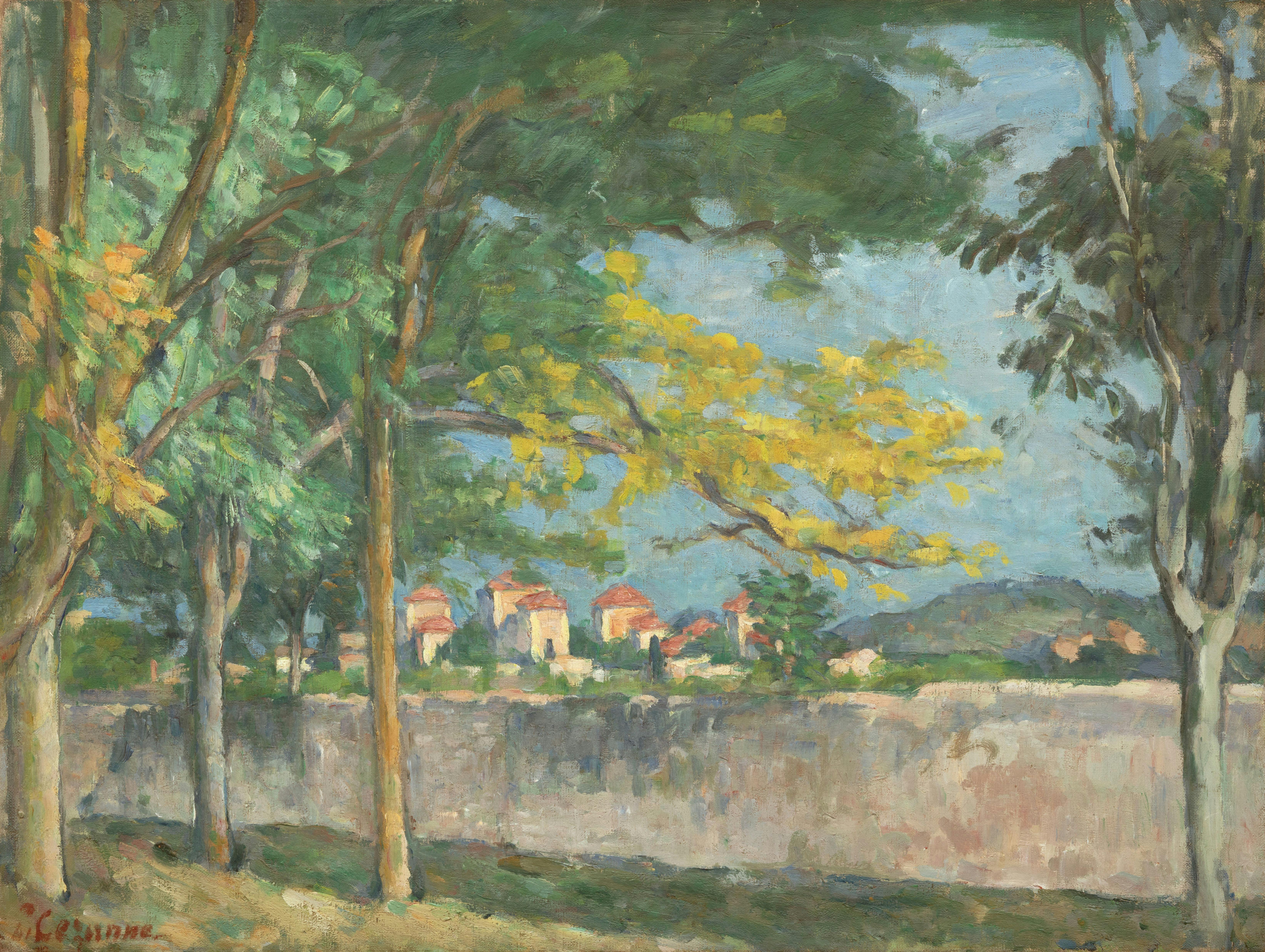
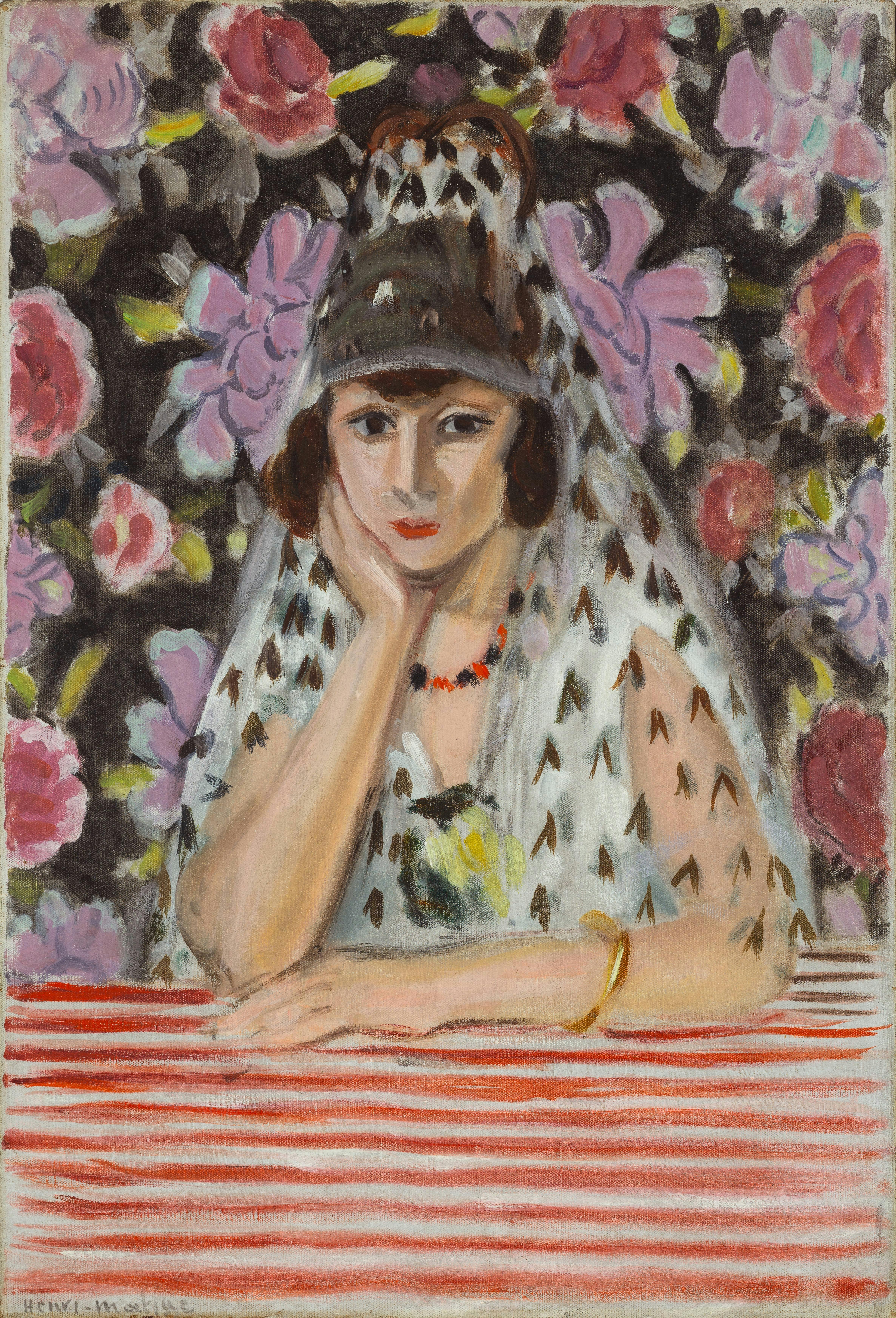
Spanning nearly a century of artistic innovation, Facing Modernity: Degas to Picasso at Shepparton Art Museum (SAM) brings together 37 exceptional paintings and sculptures from the Auckland Art Gallery Toi o Tamaki, never before shown in Australia, that capture the radical shifts in art from the late 19th century to the mid-20th century.
Audiences will embark on a journey tracing the major art movements of the modern era, from Impressionism and Post-Impressionism to Fauvism, Cubism, Surrealism and post-war abstraction, through works from icons of the age, including Pierre Bonnard, Georges Braque, Paul Cezanne, Salvador Dalí, Paul Gauguin, Barbara Hepworth, Fernand Leger, Henri Matisse, and Pablo Picasso.
This significant collection includes a major philanthropic gift from New York-based collectors Julian Robertson (1932-2022) and Josie Robertson (1943-2010) to Auckland Art Gallery Toi o Tamaki in 2023. Their generous bequest offers a rare glimpse into the vision of two passionate art patrons and their lifelong commitment to sharing and celebrating modern art.
From the sensual nudes and atmospheric brushwork of late 19th century Impressionism to the geometric intensity of Cubism and the dreamlike worlds of Surrealism, Facing Modernity traces how artists shattered conventions and reimagined the world anew.
Facing Modernity: Degas to Picasso is a ticketed exhibition. Tickets will be on sale from 23 April, available online and in person at the Shepparton Art Museum.
Images and Video
Dates & times
- Next occurrence: reoccurring
Accreditations
- Australian Museums and Galleries Association
Features
Tags
Actively welcomes people with access needs.
General access

- Staff are trained in disability awareness.
- Accessibility information and photos, including of a bathroom, room and/or floor plan on their website (can be emailed on request).
- Advise tour guides of the access needs of guests at the time of booking (includes pick up and drop off requirements)
Communication

Welcomes and assists people who have challenges with learning, communication, understanding and behaviour. (includes people with autism, intellectual disability, Down syndrome, acquired brain injury (ABI), dyslexia and dementia)
- Uses Plain English / easy read signage and information (includes menus and emergency information)
- A quiet space is available at the venue/ facility.
Vision

Caters for people who are blind or have vision loss.
- Braille and tactile signage on all information and paths of travel are available.
- Raised tactile buttons in lifts are available.
- Handrails on all stairways
- Exit signs which are visible at a ground level (high level signs are difficult to see in a fire) are available.
Hearing

Caters for people who are deaf or have hearing loss.
- A hearing loop is available.
- Caption all entertainment (TVs, live shows, performances) is available.
- A low noise reception areas with hearing loss friendly acoustics and adequate lighting for viewing facial expressions (includes common areas which are free of background noise, background music) is available.
Physical – Mobility

Caters for people with sufficient mobility to climb a few steps but who would benefit from fixtures to aid balance. (This includes people using walking frames and mobility aids)
- Uses floors/coverings which are slip resistant, firm and smooth
- Grab rails in the bathroom
- Seating in common areas including reception area
Physical – Wheelchair

Caters for people who use a wheelchair.
- Step free outdoor pathways (includes picnic areas, barbecues and shelters)
- A step free main entrance to the building and/or reception area (includes ramps or slopes with a maximum gradient of 1:14, otherwise are too steep for wheelchairs)
- Step free access to restaurant, lounge and bar
- Step free access to the conference or function room
- Accessible seating areas in theatrette
- Lifts with enough space for people using a mobility aid to enter and turn around to use the lift buttons. Buttons are at accessible height.
- Doorways which are easy to open and have lever handles (doorways 850mm or wider when open and not heavy).
- An accessible public toilet which is unlocked.
- A wheelchair accessible toilet / shower and change room is available.
- At least one wheelchair accessible parking space with wheelchair accessible signage clearly displayed (International standards are 3200mm wide x 2500 mm high).
Physical – High support needs

Caters for people with high support needs who travel with a support person.
- Have a Changing Places or Lift & Change toilet with a hoist and adult change table
- A place to store medical equipment (eg oxygen).
Plan more around this area
 Shepparton, VIC
 Quest Shepparton
Welcome to Quest Shepparton, it is located in the fantastic Murray region, a great place to visit anytime of the year. Shepparton has a temperate

 Shepparton, VIC
 Mantra Shepparton
The newly built Mantra Shepparton boasts a prime location just 1.6 km from the town's CBD. With 59 modern rooms and ample parking, it offers
 Kialla, VIC
 BIG4 Shepparton Park Lane Holiday Park
BIG4 Shepparton Park Lane Holiday Park offers a tranquil, relaxed atmosphere in clean, well maintained surrounds. The park is the perfect place to settle in
 Orrvale, VIC
 Shepparton Holiday Park
Gateway Lifestyle Shepparton East Holiday Park is the only owner operated caravan park in Shepparton, you are guaranteed great service when you stay. Gateway Lifestyle
 Shepparton, VIC
 Elsewhere at SAM
Elsewhere at SAM is Shepparton's premier licensed destination for the best coffee, food, and service. Elsewhere is located within Shepparton Art Museum and offers a
 Shepparton, VIC
 Shepparton Brewery and Side Hustle Distillery
Shepparton's very own brewery. Come and try their very own beers brewed on site, specialising in wood fired pizza, burgers, smoked and barbecue meats
 Shepparton, VIC
 Shepparton RSL
The Shepparton RSL is conveniently located in the heart of Shepparton with plenty of free parking at the rear. The venue is very popular among
