Emerald Museum & Nobelius Heritage Park
Highlights
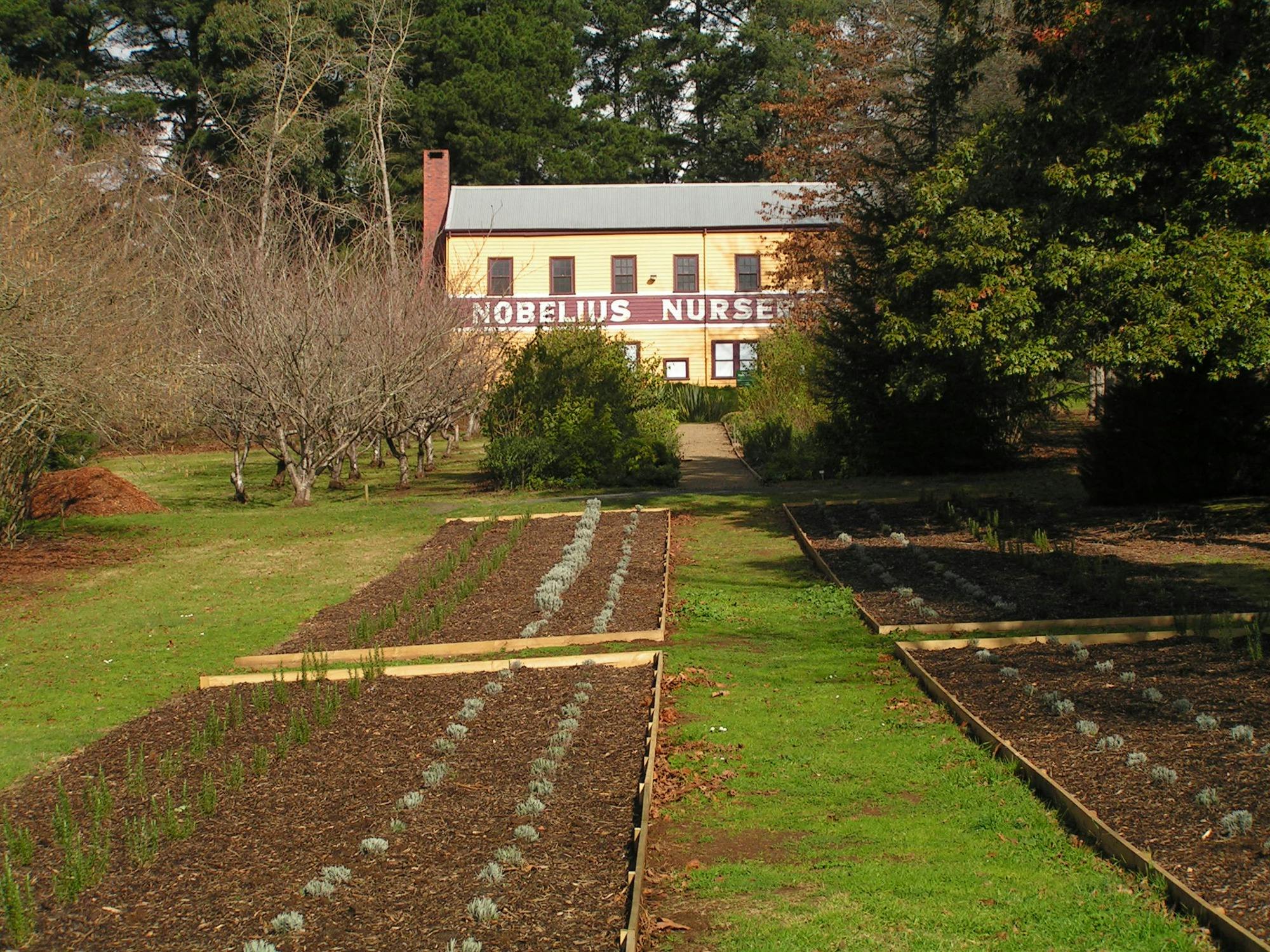
- Explore the lush greenery of Nobelius Heritage Park while discovering the rich history of the former Nobelius Nursery.
- Admire a diverse collection of cultural materials from the 1880s to the 1960s, showcasing the region's vibrant community.
- Wander through the museum's exhibits featuring horticultural tools and personal belongings that tell stories of local life.
- Relax in picnic areas surrounded by beautiful gardens, perfect for a family-friendly day out in Emerald.
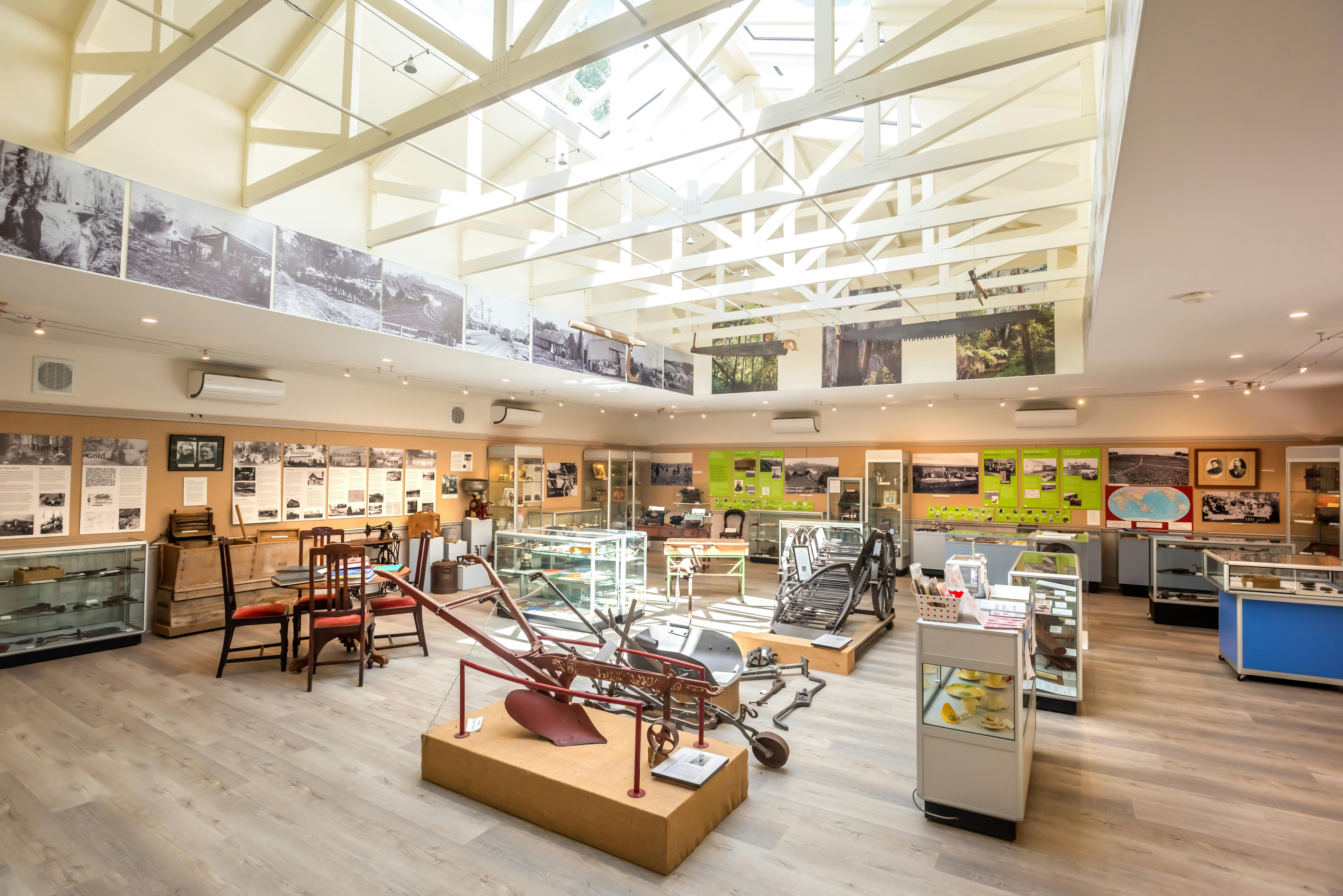
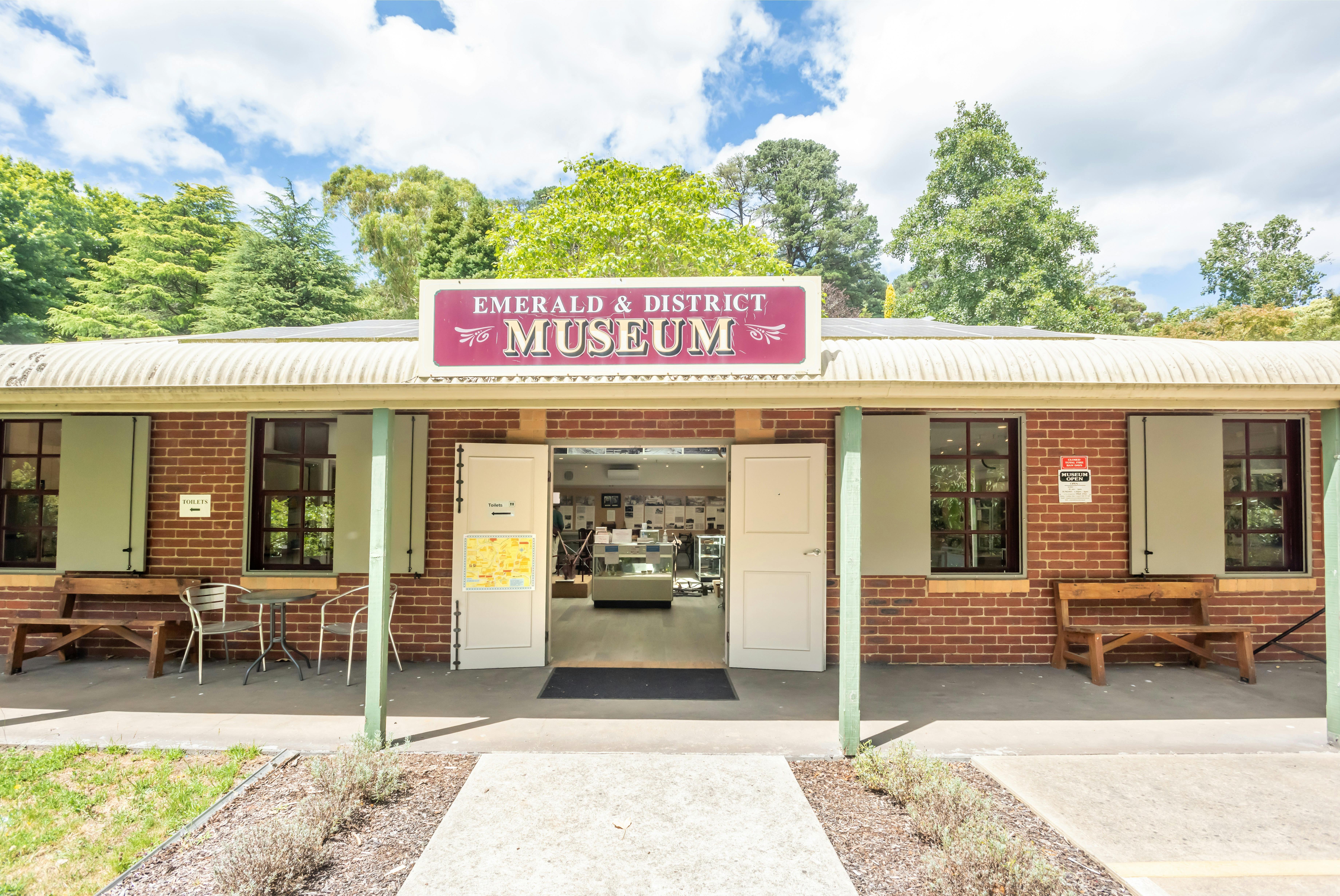
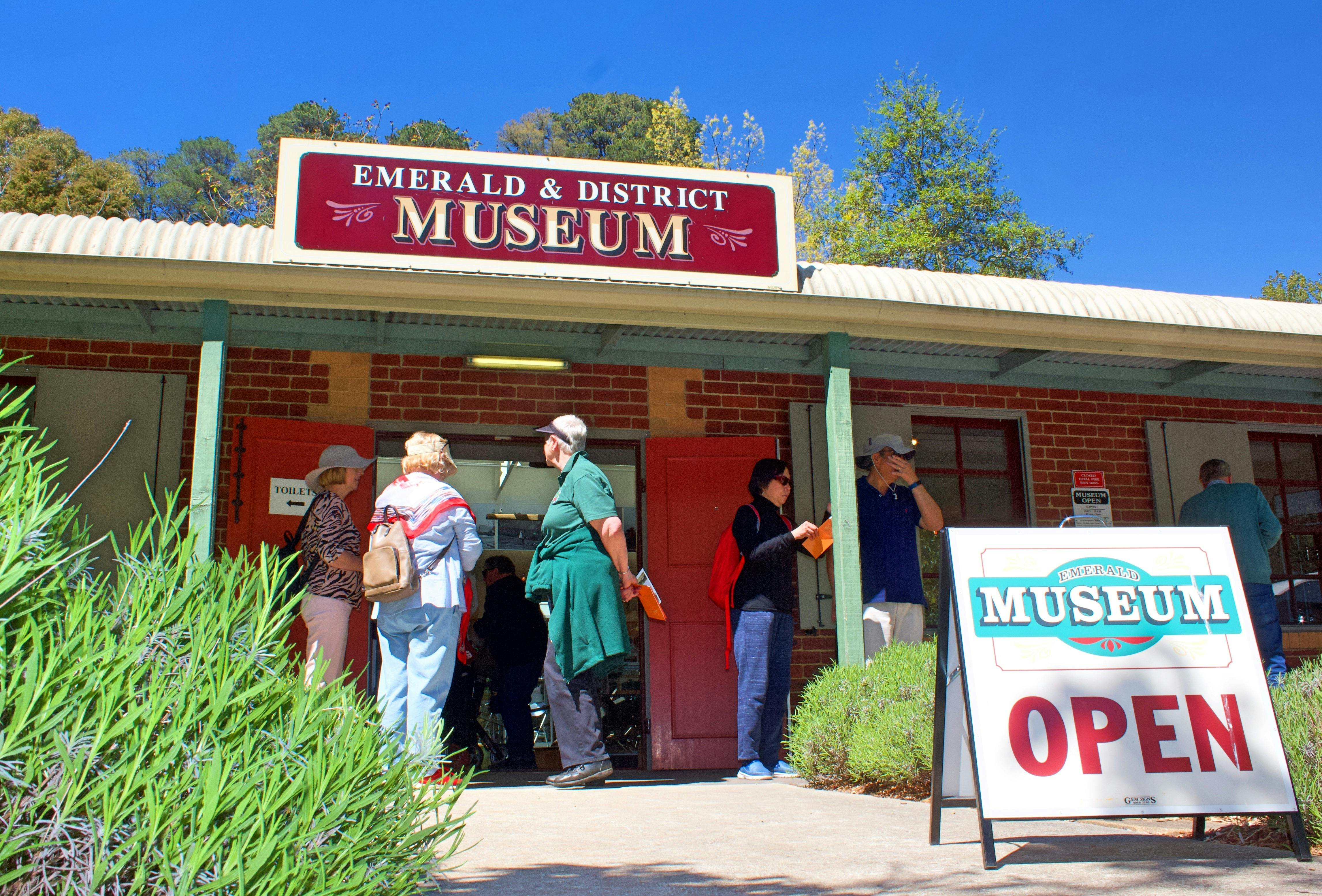
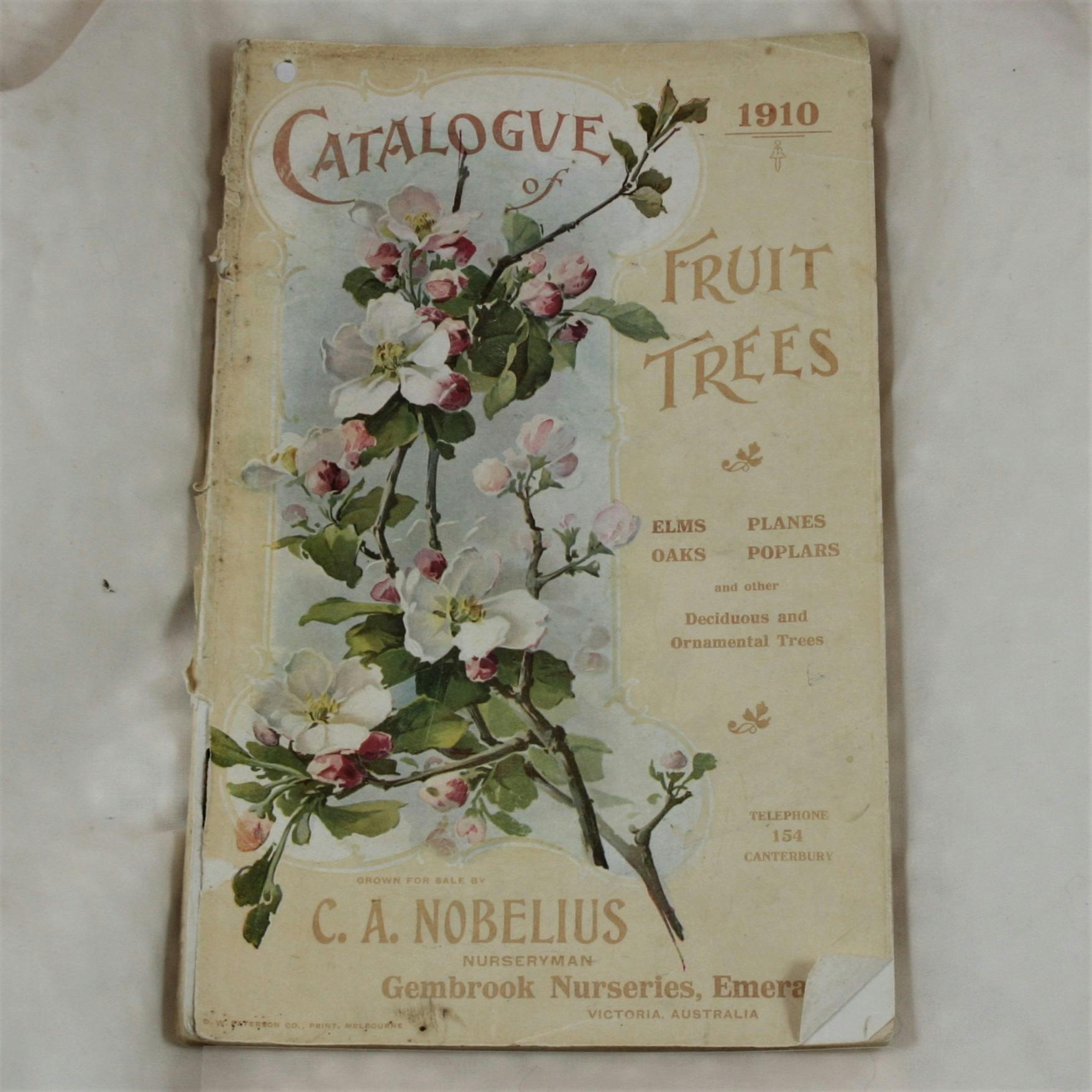
Emerald Museum situated in the beautiful leafy green Nobelius Heritage Park exhibits a collection of cultural material from the operations of the former Nobelius Nursery dating from the 1880s to the 1960s including horticultural and gardening implements, family belongings, photographs, ledgers, sales catalogues, stock records and wage books, as well as live horticultural stock, which continues to grow on the grounds of the surrounding Nobelius Heritage Park.
Emerald Museum also displays a range of social and cultural history items from the residents of Emerald and it’s surrounding districts limited to Menzies Creek and Avonsleigh, Gembrook, Macclesfield, Cockatoo and Clematis. This collection features a variety of visual art, literature and numerous ethnographic objects. Take a journey back in time to learn more about the regions vibrant community.
Images and Video

Accreditations
- Australian Museums and Galleries Association
Features
Actively welcomes people with access needs.
General access

- Offers multiple options for booking – web, email, phone is available.
- Offers a range of contact methods for receiving complaints.
- Employs people with disabilities.
- Staff are trained in disability awareness.
- Asks all visitors if there are any specific needs to be met.
- Advise tour guides of the access needs of guests at the time of booking (includes pick up and drop off requirements)
Communication

Welcomes and assists people who have challenges with learning, communication, understanding and behaviour. (includes people with autism, intellectual disability, Down syndrome, acquired brain injury (ABI), dyslexia and dementia)
- Staff are trained in communicating with people with learning or behavioural challenges.
- Uses Plain English / easy read signage and information (includes menus and emergency information)
- A quiet space is available at the venue/ facility.
Physical – Mobility

Caters for people with sufficient mobility to climb a few steps but who would benefit from fixtures to aid balance. (This includes people using walking frames and mobility aids)
- Uses floors/coverings which are slip resistant, firm and smooth
- Grab rails in the bathroom
- Seating in common areas including reception area
Physical – Wheelchair

Caters for people who use a wheelchair.
- Step free outdoor pathways (includes picnic areas, barbecues and shelters)
- A step free main entrance to the building and/or reception area (includes ramps or slopes with a maximum gradient of 1:14, otherwise are too steep for wheelchairs)
- Doorways which are easy to open and have lever handles (doorways 850mm or wider when open and not heavy).
- An accessible public toilet which is unlocked.
- At least one wheelchair accessible parking space with wheelchair accessible signage clearly displayed (International standards are 3200mm wide x 2500 mm high).
Plan more around this area
 Doveton, VIC
 Atura Dandenong
High on character, service and value, Atura Hotels are a place to escape the predictable and embrace a new style of travel. Atura Dandenong lies

 Lilydale, VIC
 Lilydale Pine Hill Caravan Park
An exciting new development has transformed Pine Hill. We offer tourism sites in a rural setting. Open space and native landscaping which will grow to

 Croydon, VIC
Dorset Gardens Hotel
Dorset Gardens is one of the most comfortable hotels in the eastern suburbs of Melbourne, at such an affordable price. Located in Croydon with 45
 Yarra Junction, VIC
 Mount View Estate
Nestled in the picturesque Upper Yarra Ranges, this 10 acre haven offers seclusion and luxury with breathtaking panoramic views. A destination for lavish friends and
 Scoresby, VIC
 Hyatt Place Melbourne Caribbean Park
Hyatt Place Melbourne Caribbean Park sets a new standard of accommodation located in the south-eastern suburbs of Melbourne, a mere 27 kilometres from the CBD.
 Croydon, VIC
 Bungunyah Apartments
Bungunyah Apartments are quality self contained, free standing villa units in Croydon. Being based in the Eastern suburbs of Melbourne they are your perfect gateway
 Emerald, VIC
 The General Food Store
Opening in July 2011, The General Food Store loves sharing our passion for wholesome food and vibrant hospitality with our fellow hills residents and visitors
 Emerald, VIC
 Incy Wincy
Opening in July 2011, The General Food Store loves sharing our passion for wholesome food and vibrant hospitality with our fellow hills residents and visitors
 Avonsleigh, VIC
 Bam Bam Italian
A modern, all day Italian restaurant, Bam Bam Italian is a friendly, bustling place celebrating fresh, seasonal Italian fare and vibrant hospitality. Sourcing the highest
 Clematis, VIC
Paradise Valley Hotel
Located within an easy 50-minute drive from Melbourne’s CBD, the Paradise Valley Hotel is able to cater for those wanting to sample the best of
 Monbulk, VIC
 Yarra Ranges Estate
Yarra Ranges Estate is a truly exceptional award-winning wedding venue, winery and restaurant.
 Belgrave, VIC
Babajis Kerala Kitchen Belgrave
Charming South Indian restaurant in the heart of the Dandenong Ranges, just a five minute walk from Puffing Billy. Catch them cooking at festivals across
