Chat Thai – Galeries Victoria
Highlights
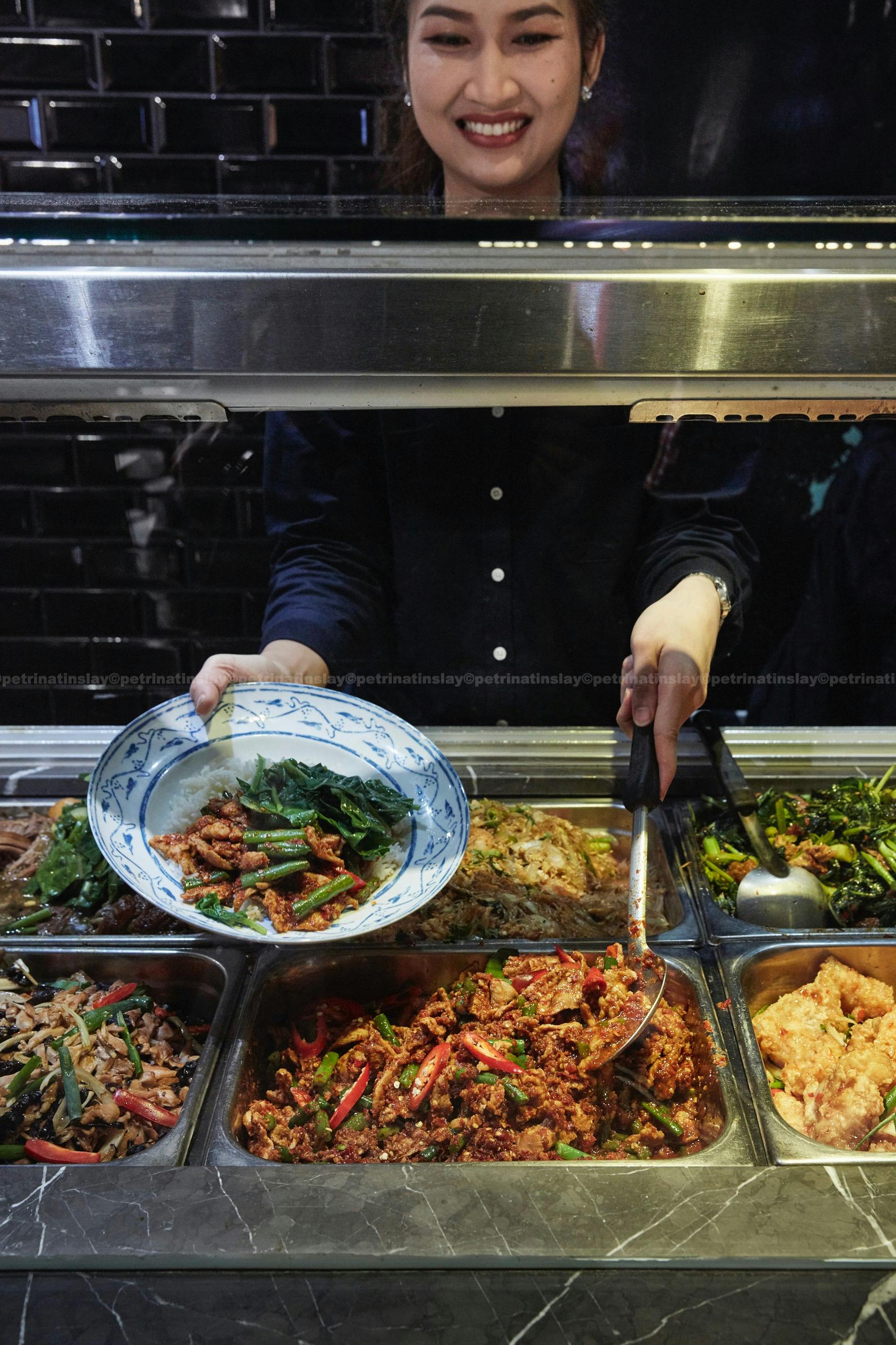
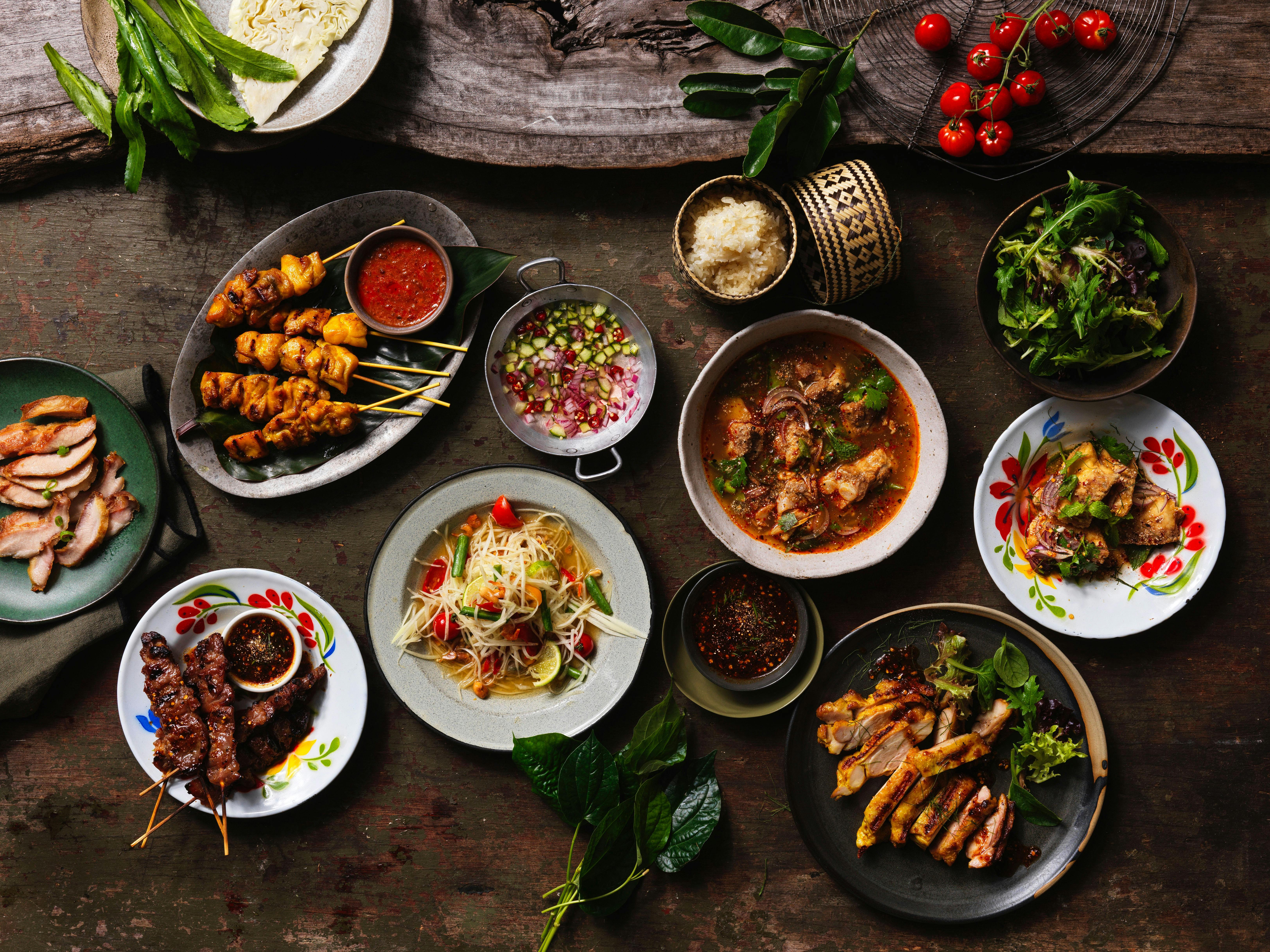
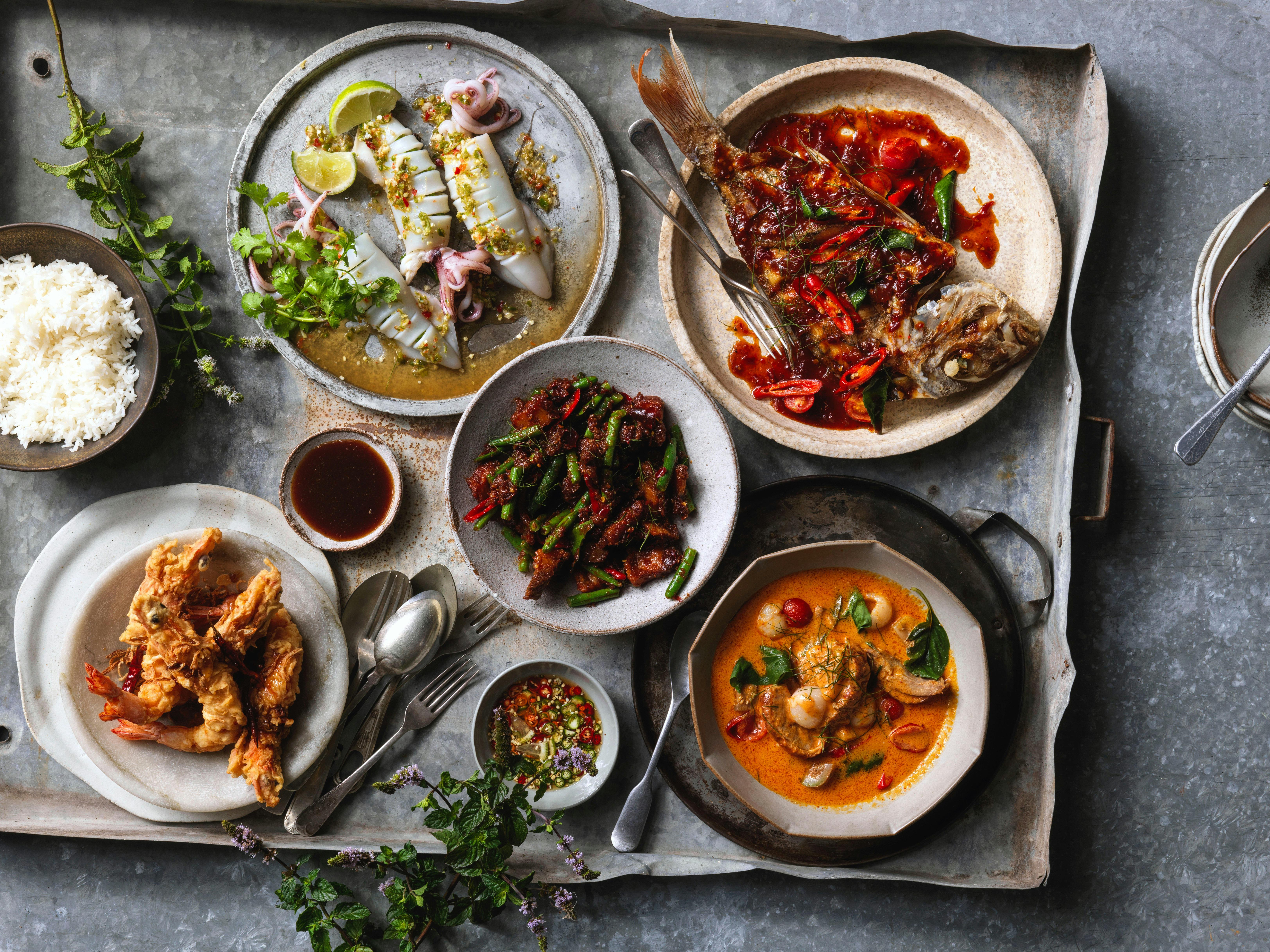
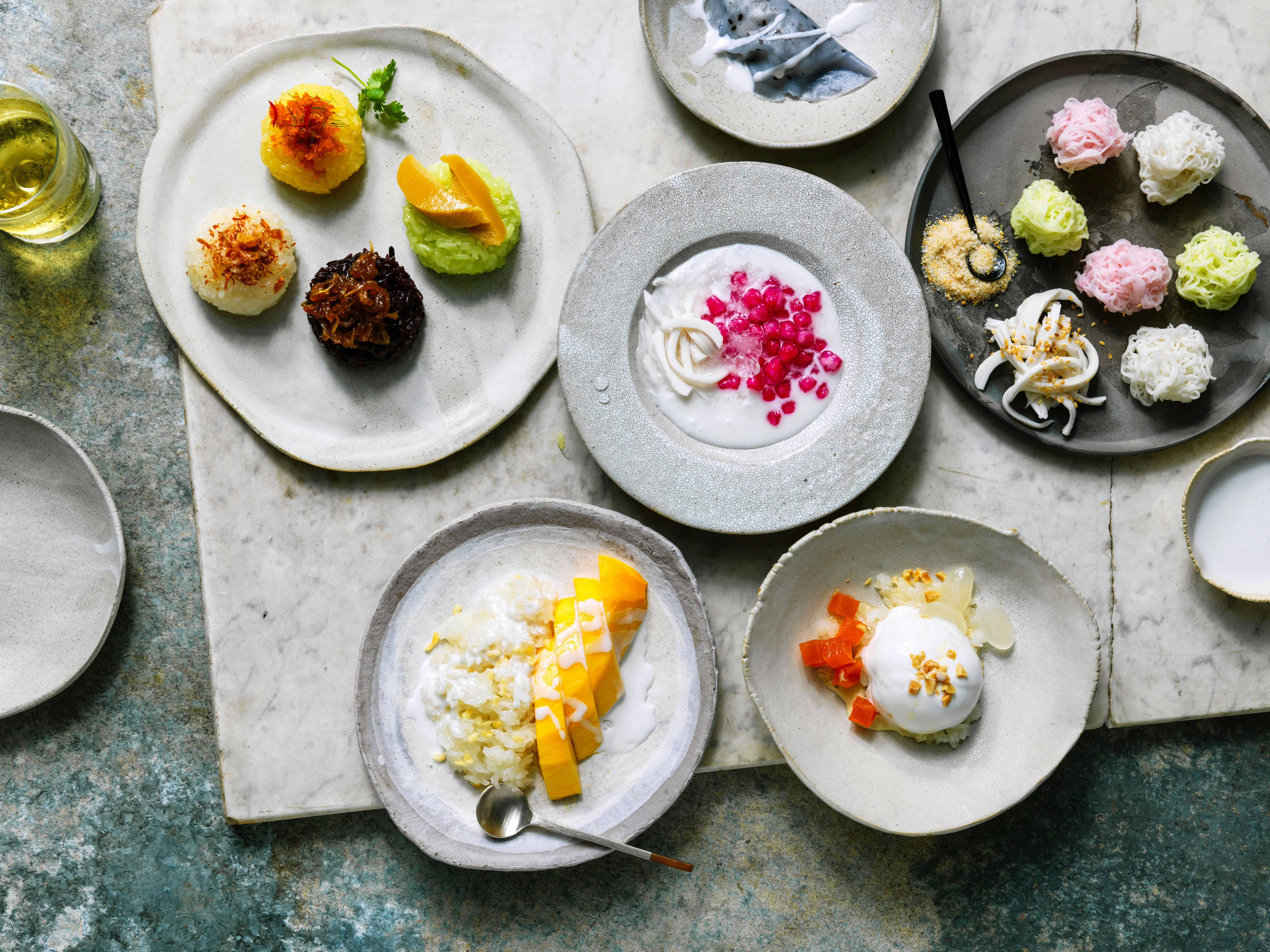
- Savour authentic Isaan and Bangkok street flavours crafted from premium ingredients for a true taste of Thailand.
- Enjoy organic vegetables and herbs sourced from Byron Bay, enhancing every dish with fresh, local goodness.
- Experience family-friendly dining in a vibrant atmosphere at Galeries Victoria, perfect for all ages.
- Order online or opt for takeaway, ensuring a delicious meal anytime, anywhere in Sydney.
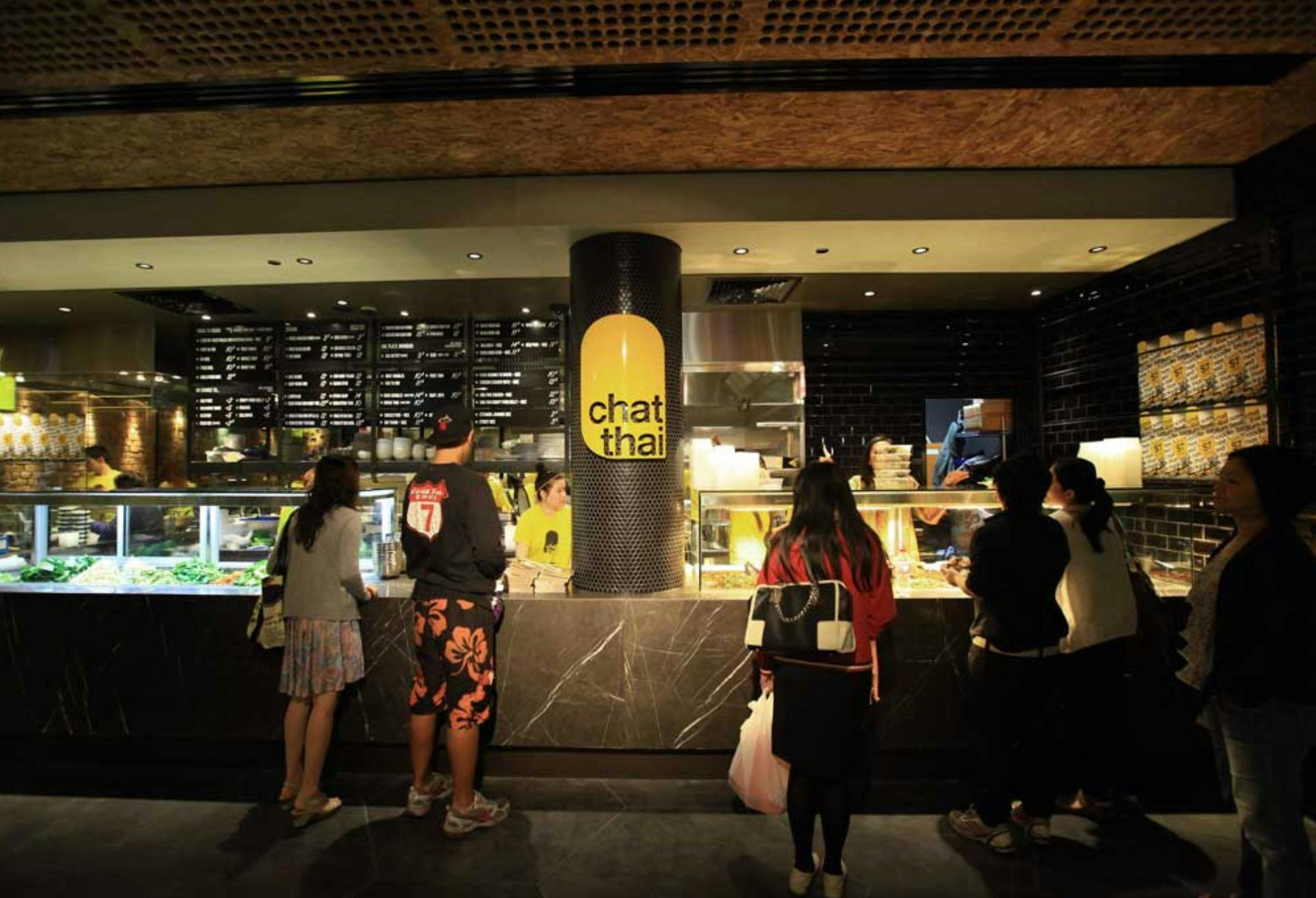
A trailblazer in Australia’s Thai restaurant scene since 1989. Amy Chanta bravely served strictly, and proudly, authentic Isaan and Bangkok street flavours that were then-unknown to Sydney diners – and they were an instant smash hit.
Now her daughter Palisa is at the helm and she has added organic, healthy vegetables, herbs, fruit and honey to the menu from her own farm in Byron Bay, alongside premium ingredients.
Believing it is this attention to detail that makes all the difference to the taste and the experience.
Images and Video



Features
Actively welcomes people with access needs.
General access

- Offers multiple options for booking – web, email, phone is available.
- Offers a range of contact methods for receiving complaints.
- Asks all visitors if there are any specific needs to be met.
- Assistance with booking arrangements (includes providing clear itineraries with written instructions on what to do at various destinations)
Communication

Welcomes and assists people who have challenges with learning, communication, understanding and behaviour. (includes people with autism, intellectual disability, Down syndrome, acquired brain injury (ABI), dyslexia and dementia)
- Uses Plain English / easy read signage and information (includes menus and emergency information)
- A quiet space is available at the venue/ facility.
Allergies and intolerances

Caters for people with allergies and intolerances.
- Modify their cooking and cleaning practices to cater for people with food allergies or chemical intolerances (could include menus with meals free from: nuts, dairy, seafood, eggs, gluten etc).
- Staff are trained to respond to allergic reactions.
- Complies with The Food Authority requirements for allergy management in food preparation.
Plan more around this area
 Sydney, NSW
 Hilton Sydney
Perfectly positioned in Sydney’s CBD, Hilton Sydney offers contemporary design and unpretentious luxury. With unparalleled connectivity to the city’s best shopping, dining and tourism experiences.


 Sydney, NSW
QT Sydney
Layers of time make QT Sydney a one of a kind experience. Reinvention. Exploration, the wild geography of a colourful life.

 Sydney, NSW
 Park Regis City Centre
Park Regis City Centre is surrounded by Sydney's best shopping, restaurants, sightseeing, and entertainment and cannot be beaten for location, service, and value for money.
 Sydney, NSW
 Castlereagh Boutique Hotel
Be transported back to the elegance and glamour of 1920s Sydney, complemented by a sense of modern style.
 Sydney, NSW
Sheraton Grand Sydney Hyde Park
Enjoy a warm Australian welcome at the Sheraton on the Park. Located directly opposite Hyde Park in the heart of Sydney's business and retail districts,
 Sydney, NSW
Mantra on Kent
Mantra on Kent is located in the heart of Sydney's central business district ideally positioned on the doorstep of beautiful Darling Harbour.
 Sydney, NSW
 Go Your Own Way The Fleetwood Mac Legacy -Sydney
From the Adelphi Theatre in London's West End, Go Your Own Way is a Global smash hit spellbinding show featuring the music from the legendary
 Sydney, NSW
 The Ultimate Vegas Show
Step into the glitz, glamour and electrifying spectacle of Las Vegas.
 Sydney, NSW
 The Australian Bee Gees Show – Sydney
Fresh from celebrating 15 years and more than 4,500 shows headlining on the Las Vegas Strip, The Australian Bee Gees Show is heading Down Under
 Sydney, NSW
 Cirque Nouvelle
Following sell-out performances across Australia, Cirque Nouvelle returns with a bold new era of circus set to captivate Sydney audiences.
 Sydney, NSW
 Dee Dee Bridgewater Duo With Helen Sung
Over the course of a remarkable and many-faceted career, multiple Grammy and Tony Award-winner Dee Dee Bridgewater has become one of the defining voices in
 Sydney, NSW
 Lawrence Mooney – Full Moon Party – Sydney
Lawrence Mooney is an acclaimed stand-up comedian who has been regarded by critics and fans as properly hilarious whether appearing as himself.
