Accessible Accommodation
Highlights
- Explore over 350 accessible accommodation options across Australia, ensuring comfort and security for every guest.
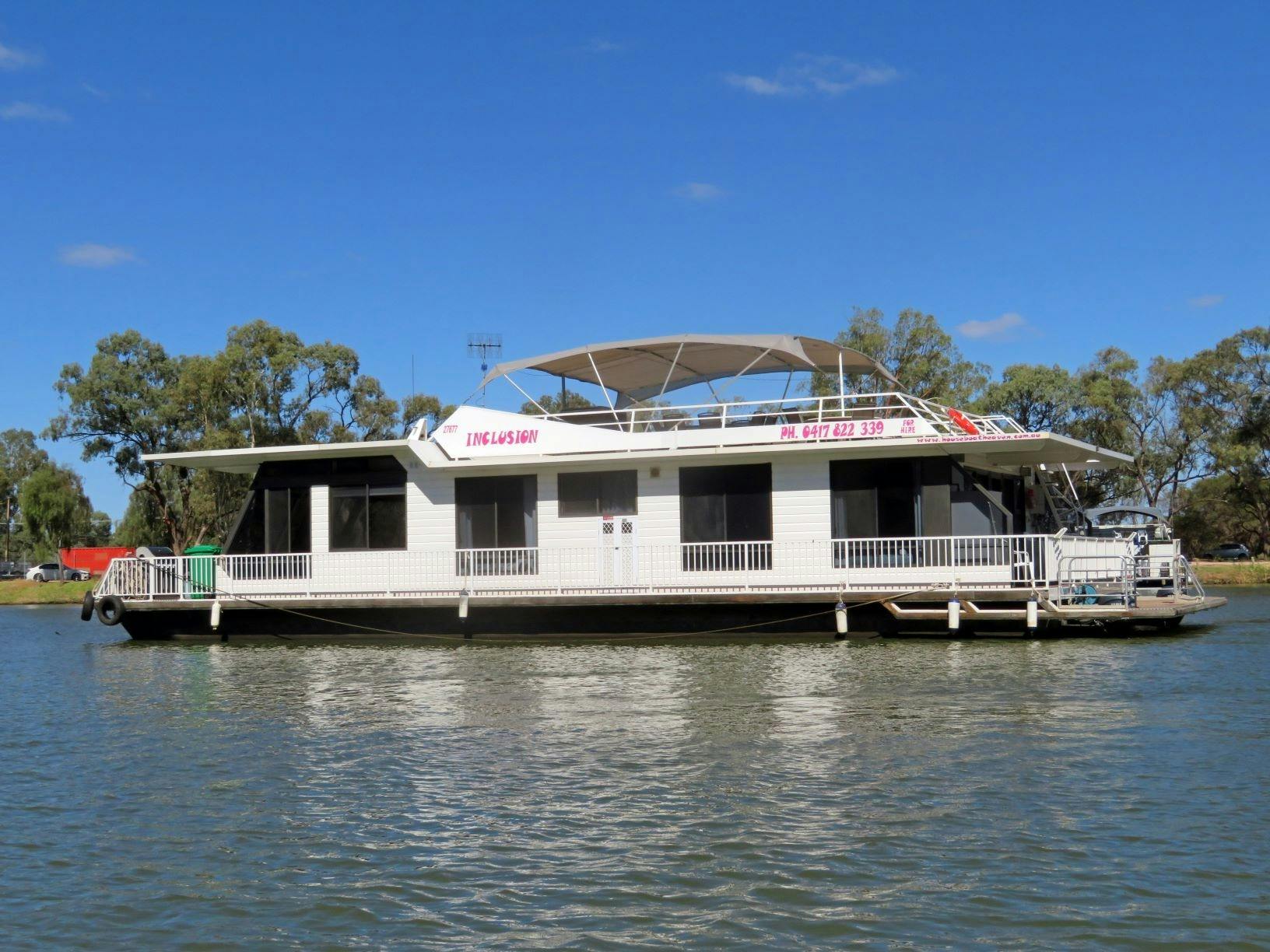
- Choose from diverse stays like houseboats and glamping, catering to unique accessibility needs and preferences.
- Book with confidence knowing each listing meets the Accessible Tourism Accreditation Program's high standards.
- Participate in inclusion training programs to enhance the tourism experience for guests with disabilities across the industry.
Accessible Accommodation is the go-to website for people with disabilities to look for and book highly qualified accessible accommodation. Offering accommodation for holiday, respite, and short stays for people with disabilities and seniors with access comfort needs, all over Australia.
With over 350 locations Australia-wide, you can find and book accessible accommodation, feeling secure knowing what you see here is exactly what to expect on arrival.
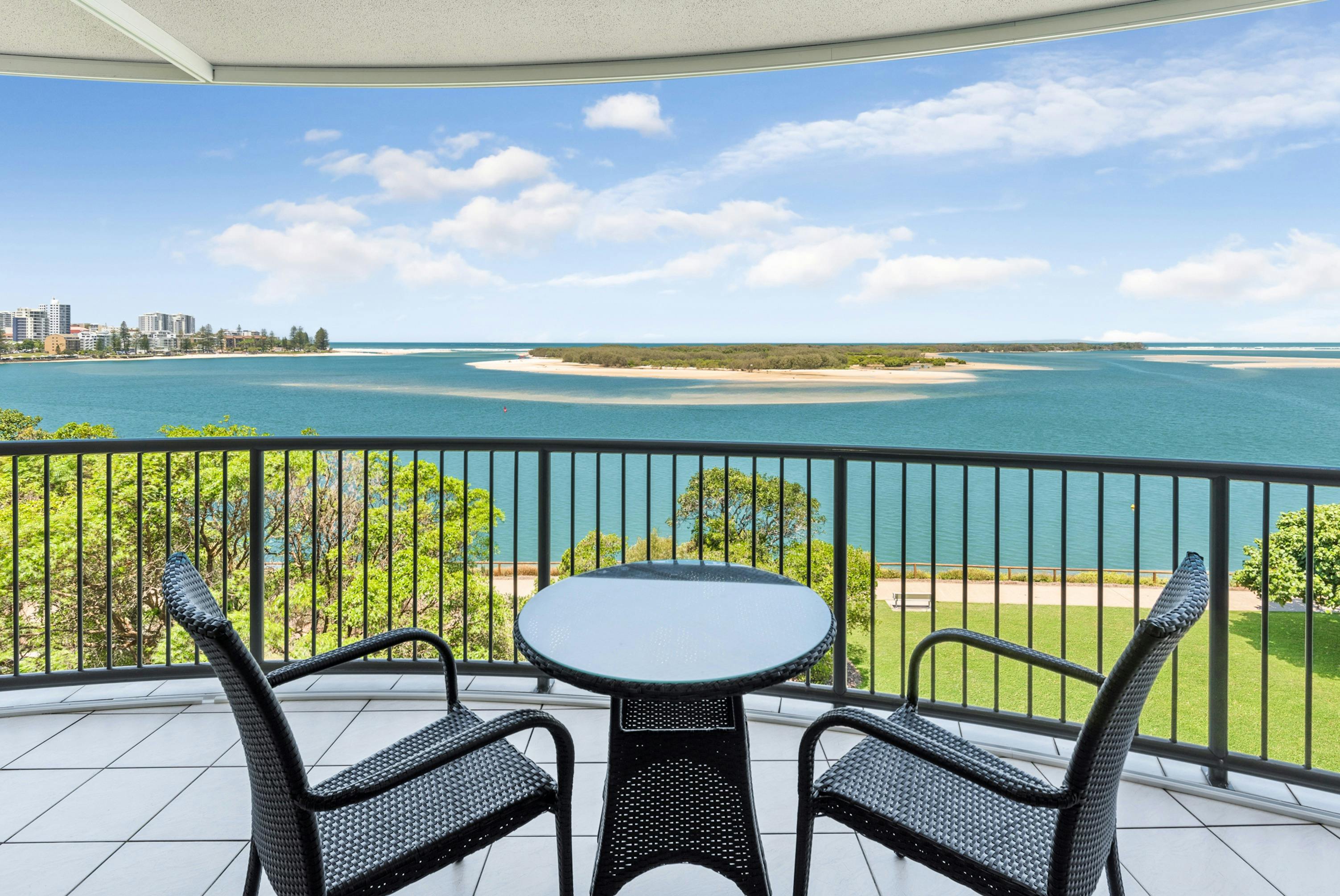
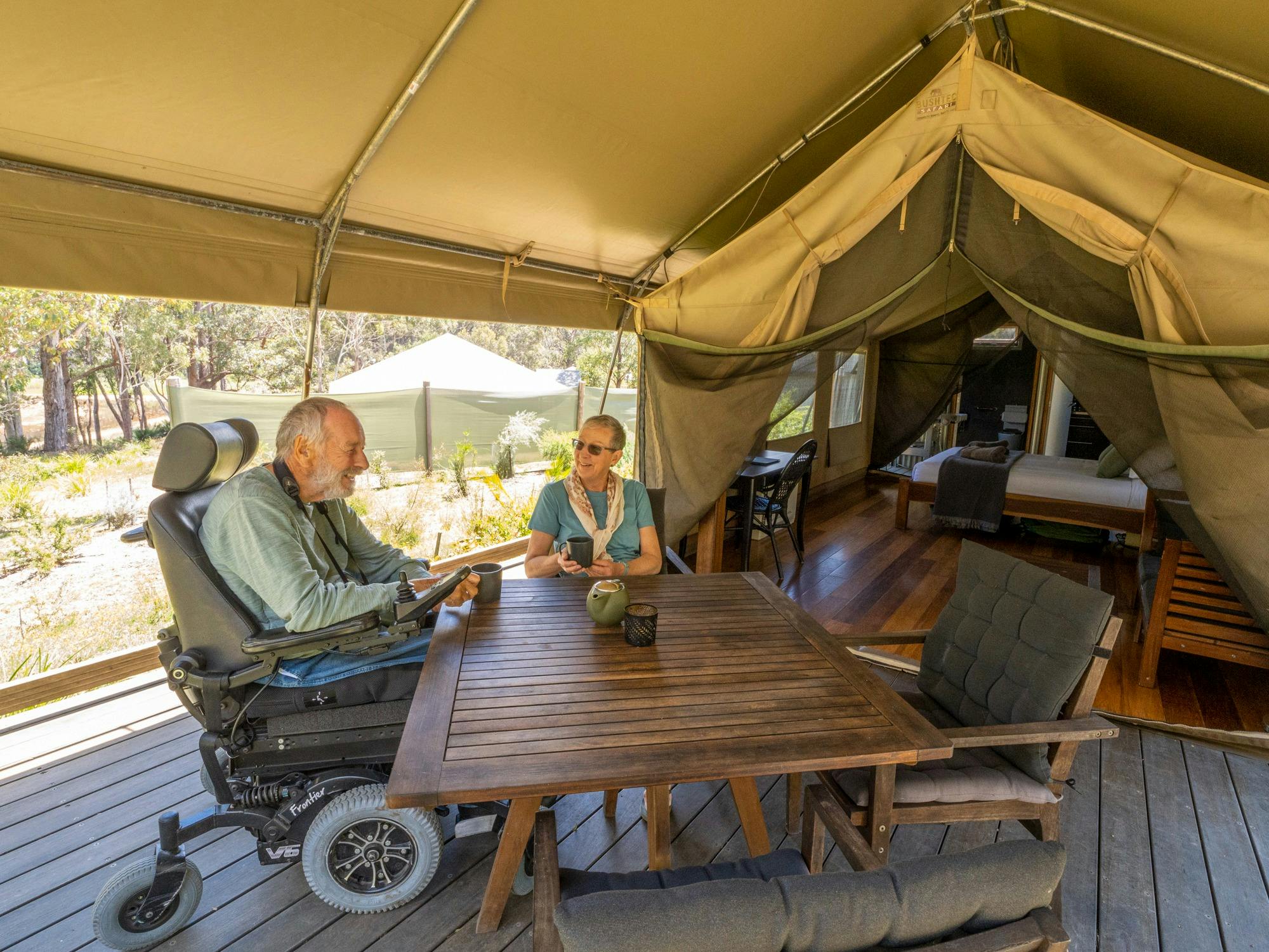
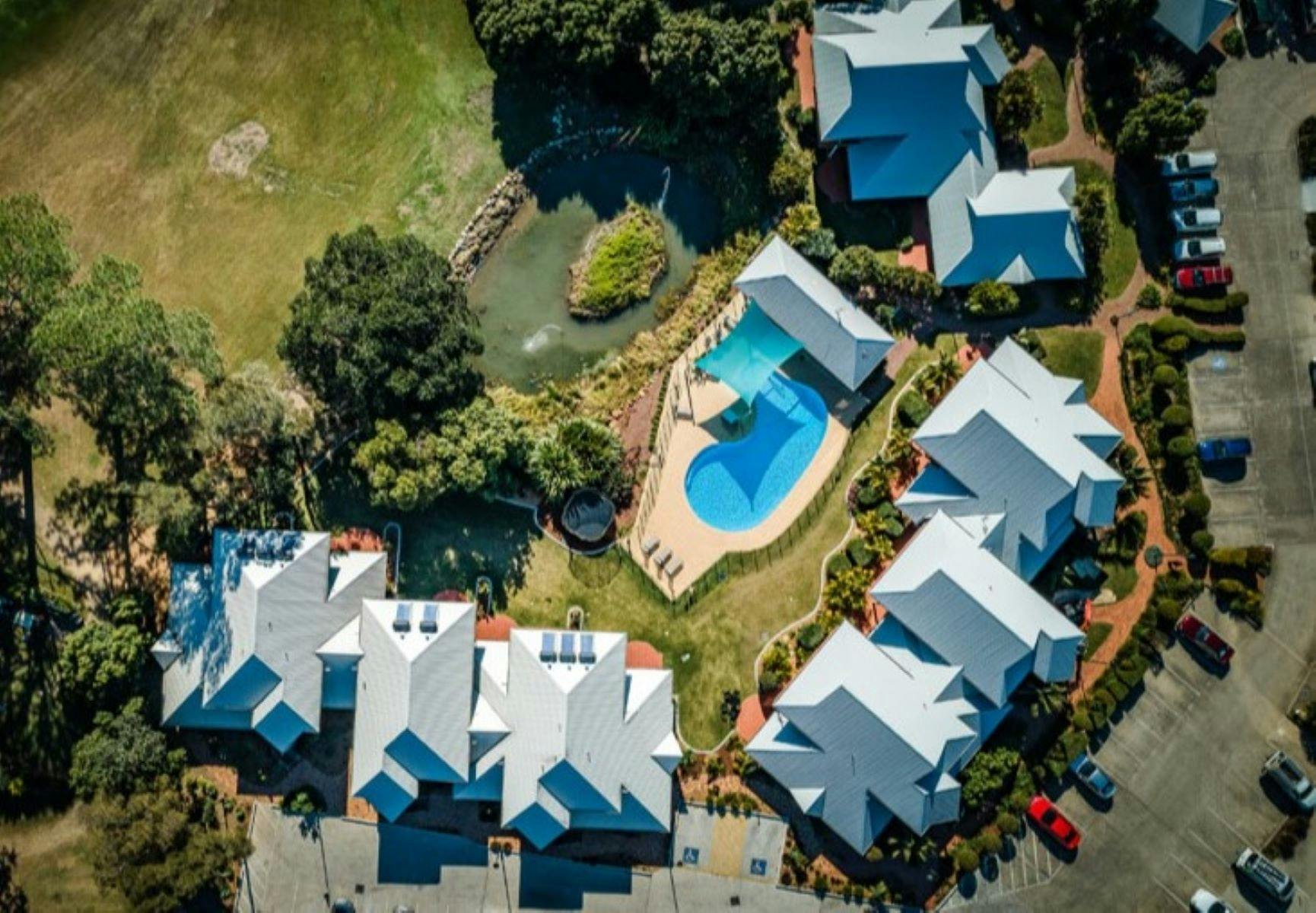
Choose from houseboats, hotels, resorts, glamping, apartments and holiday houses in every state.
Their tiered accreditation system, the Accessible Tourism Accreditation Program, has been adopted by the Tourism Industry as the benchmark by which tourism operators should follow for accessibility. Because everyone’s needs differ, they have categorised differing needs of easily identifiable accommodation.
Assisted walking: for walking frame or cane users. Some accessible amenities would come in handy.
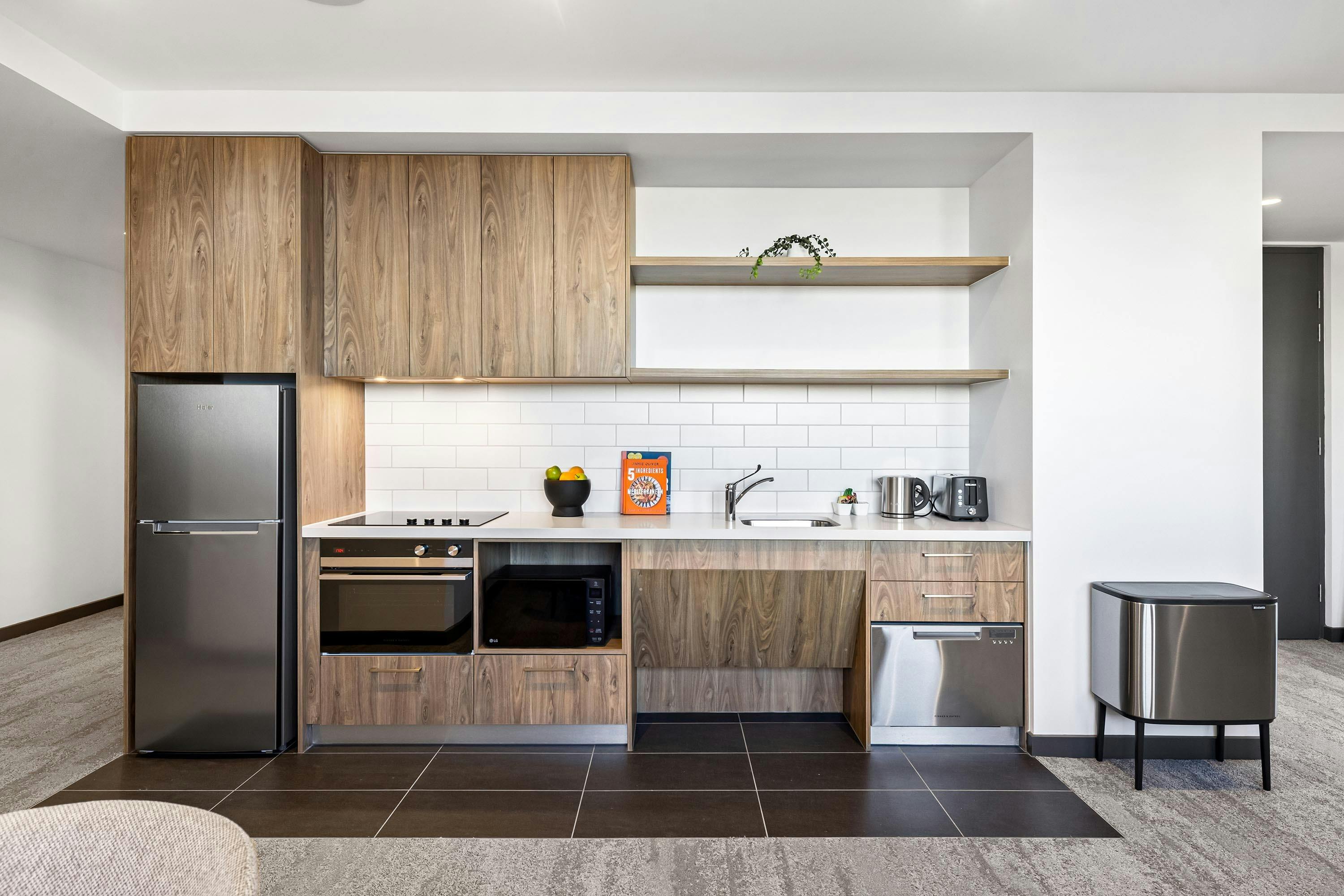
Independent wheelchair user: Wheelchair users who can self-transfer to bed and toilet.
Assisted wheelchair user: The guest is unable to lift themselves. Requires assistance of a support person or equipment, such as a hoist or an electric bed.
Sensory: Blindness and low vision, autism spectrum disorder, hearing loss and deafness and sensory processing disorder.
Accessible Accommodation also provides inclusion training programs and workshops for the tourism industry as well as consulting for new and existing site on how to improve the guest experience for people with Disabilities. More information on website.
Images and Video


Accreditations
-
 Quality Tourism Accreditation
-
Sustainable Tourism Accreditation by ATIC
- Victoria Tourism Industry Council
- Brisbane City Council
- Broadbeach Alliance
- Burleigh Tourism
- Destination Gympie Region
- Ipswich Tourism Operators Network (ITON)
- Logan City Council
- Moreton Bay Regional Council
- NSW – Blue Mountains Tourism
- NSW – Central Coast Tourism
- NSW – Central NSW Tourism
- NSW – Crown Lands
- NSW – Destination Wollongong
- NSW – Hills, Hawkesbury and Riverlands Tourism
- NSW – Local – New England High Country
- NSW – Mid North Coast NSW Regional Tourism
- NSW – Mudgee Region Tourism
- NSW – Murray Regional Tourism Board
- NSW – New England North West
- NSW – North Coast Destination Network
- NSW – Northern Rivers Tourism
- NSW – Orange360
- NSW – Riverina Tourism
- NSW – South Coast Regional Tourism Organisation
- NSW – Tourism Hunter
- NSW – Visit Griffith
- NSW – Visit Shellharbour
- NT – Tourism Central Australia
- NT – Tourism Top End
- QLD – Capricorn Tourism
- QLD – Destination Scenic Rim
- QLD – Mackay Tourism
- QLD – Queensland Country Tourism
- QLD – Southern Downs Tourism
- QLD – Tourism Tropical North Qld
- SA – Adelaide Hills Tourism
- SA – Destination Riverland
- SA – Fleurieu Penninsula Tourism
- SA – Flinders Ranges & Outback SA Tourism
- SA – Murraylands Tourism Partnership
- SA – Whyalla & Eyre Peninsula
- TAS – COH (City of Hobart)
- TAS – CoL (City of Launceston)
- TAS – DCC (Devonport City Council)
- VIC – Bendigo Regional Tourism
- VIC – City of Ballarat
- VIC – Daylesford Macedon Tourism
- VIC – Destination Gippsland
- VIC – Destination Phillip Island
- VIC – Grampians Tourism
- VIC – Great Ocean Road Regional Tourism
- VIC – Mornington Peninsula Regional Tourism
- VIC – Murray Regional Tourism
- VIC – Tourism Greater Geelong & the Bellarine
- VIC – Tourism North East
- VIC – Yarra Ranges Tourism
- WA – Australia's Coral Coast
- WA – Australia's South West
- WA – Destination Perth
Features
Actively welcomes people with access needs.
General access

- Offers multiple options for booking – web, email, phone is available.
- Offers a range of contact methods for receiving complaints.
- Employs people with disabilities.
- Staff are trained in disability awareness.
- Accessibility information and photos, including of a bathroom, room and/or floor plan on their website (can be emailed on request).
- Asks all visitors if there are any specific needs to be met.
- Website meets <a href="https://www.w3.org/WAI/standards-guidelines/wcag/" target="_blank">WCAG 2.0</a> accessibility standards
- Advise tour guides of the access needs of guests at the time of booking (includes pick up and drop off requirements)
- Assistance with booking arrangements (includes providing clear itineraries with written instructions on what to do at various destinations)
Communication

Welcomes and assists people who have challenges with learning, communication, understanding and behaviour. (includes people with autism, intellectual disability, Down syndrome, acquired brain injury (ABI), dyslexia and dementia)
- Staff are trained in communicating with people with learning or behavioural challenges.
- Uses Plain English / easy read signage and information (includes menus and emergency information)
Vision

Caters for people who are blind or have vision loss.
- Information in large print is available.
- Digital communication materials (hard copy information also online) is available.
- Uses easy to read fonts in their signage and communication materials (Helvetica and Arial).
- Staff are trained in customer service for people with vision loss (training would incorporate way finding and communicating with people with vision loss).
Hearing

Caters for people who are deaf or have hearing loss.
- Staff are trained in communicating with people who are deaf or have hearing loss.
Physical – Mobility

Caters for people with sufficient mobility to climb a few steps but who would benefit from fixtures to aid balance. (This includes people using walking frames and mobility aids)
- Uses floors/coverings which are slip resistant, firm and smooth
- Uses non-slip tiles in the bathroom or slip resistant matting
- Grab rails in the bathroom
- Seating in common areas including reception area
Physical – Wheelchair

Caters for people who use a wheelchair.
- Step free outdoor pathways (includes picnic areas, barbecues and shelters)
- A doorbell or intercom at an accessible height and display a contact number (accessible height is 900mm-1100 mm)
- A step free main entrance to the building and/or reception area (includes ramps or slopes with a maximum gradient of 1:14, otherwise are too steep for wheelchairs)
- Step free access to restaurant, lounge and bar
- Step free access to the conference or function room
- Accessible seating areas in theatrette
- Lifts with enough space for people using a mobility aid to enter and turn around to use the lift buttons. Buttons are at accessible height.
- Doorways which are easy to open and have lever handles (doorways 850mm or wider when open and not heavy).
- An accessible public toilet which is unlocked.
- A wheelchair accessible toilet / shower and change room is available.
- Wheelchair access to spa/gym.
- Wheelchair accessible picnic tables (picnic tables require 720mm knee clearance and 800mm maximum height).
- Wheelchair access to amusements and activities including boats and bush trails (includes tour rides, skyways, trolley cars, flying fox, amusement rides and boating).
- A wheelchair/scooter charging station (power point) in an accessible location is available.
- Beach matting and beach wheelchairs for people to access the water is available.
- Portable hoist is available.
- Portable commode chairs are available.
- Portable ramps.
- At least one wheelchair accessible parking space with wheelchair accessible signage clearly displayed (International standards are 3200mm wide x 2500 mm high).
- Wheelchair accessible transport options available in the general vicinity (provide information on name of the operator, phone and website link to individual providers for private vehicles, community transport train, mini vans, hire cars, buses, taxis, ferry, tram, light rail etc in their access statement).
Physical – High support needs

Caters for people with high support needs who travel with a support person.
- A bathroom which is fully accessible and equipped with ceiling hoist and adult change table.
- Twin beds available on request.
- Rooms which are interconnecting.
- Have a Changing Places or Lift & Change toilet with a hoist and adult change table
- Room for hoist under the bed (minimum 100mm required to store a hoist).
- Staff are trained to use a DeafBlind Communicator (a portable device consisting of a DB-Phone and DB-Braille with QWERTY or Perkins keyboard).
- Options available for easier communication for people with dual sensory loss (Includes adapted telephones, adapted mobile telephones and Telephone Typewriters (TTY’s). For some people the fax machine is useful for sending messages in large print).
- A place to store medical equipment (eg oxygen).
Access & Inclusion

An access and inclusion statement is available on the business website.
- https://www.accessibleaccommodation.com/information-for-guests/
Plan more around this area
 Southbank, VIC
 AC Hotel by Marriott Melbourne Southbank
The newly built AC Hotel by Marriott Melbourne Southbank is located on the city fringe of Southbank, guests will have an easy 300-meter walk into

 South Wharf, VIC
 Pan Pacific Melbourne
Set in the heart of one of Melbourne's newest lifestyle precincts of South Wharf, Hilton Melbourne South Wharf offers the heritage and expertise of the
 Docklands, VIC
 1 Hotel Melbourne
Discover 1 Hotel Melbourne, a serene riverside retreat where sustainable luxury meets the energy of the city. Nestled along the Yarra River, this eco-conscious sanctuary
 Southbank, VIC
 Urban Rest City Road
Discover the perfect blend of lifestyle and hotel-like living at Urban Rest City Road. Featuring beautifully styled studio, one-bedroom and two-bedroom serviced apartments, Urban Rest
 Docklands, VIC
Melbourne Lifestyle Apartments
Melbourne Lifestyle Apartments provide you with truly the ‘best views on Collins Street' and premium accommodation for the discerning traveller.
 Southbank, VIC
Shadow Play by Peppers
Whether you’re in Melbourne for leisure, business or to enjoy a sporting event at Etihad Stadium, Peppers Docklands places you in the ideal location.


 South Wharf, VIC
 BangPop South Wharf
Fresh, fragrant, fun, with a ‘no worries’ attitude and full of colour, BangPop is welcoming to all and provides an exceptional standard of Thai cuisine.
 South Wharf, VIC
 The Boatbuilders Yard
The Boatbuilders Yard, near Melbourne Convention and Exhibition Centre and the Polly Woodside sailing ship, is a highlight of the Melbourne drinking and dining scene.
 Docklands, VIC
 An Di
An Di brings the authentic flavours of Vietnam to your plate, using only the freshest and highest quality ingredients. Our menu is carefully crafted to
 Melbourne, VIC
 Byblos Melbourne
Byblos Restaurant and Bar combines imaginative Lebanese and Mediterranean cuisine with lavish hospitality, luxurious surroundings, and a world-class drink selection.
 Southbank, VIC
 Patient Wolf Distilling Co.
Patient Wolf Distilling Co. is an independent producer of one of Australia’s favourite gins. Patient Wolf’s distillery bar offers gin tastings and world-class cocktails inside
 Docklands, VIC
 Quarterhouse
Tucked at the edge of Melbourne's CBD, Quarterhouse is your go-to for good food, cold drinks, and great times across every level. Downstairs, the Public
