Archibald Prize 2026
Highlights
- Experience the Archibald Prize 2026 finalists at Shepparton Art Museum, showcasing Australia's most prestigious portraiture.
- Explore diverse stories through portrait paintings that reflect local heroes and famous faces since 1921.
- Enjoy family-friendly facilities including a cafe and public toilets, ensuring a comfortable visit for all.
- Discover the vibrant art scene while taking advantage of electric vehicle charging points on-site.
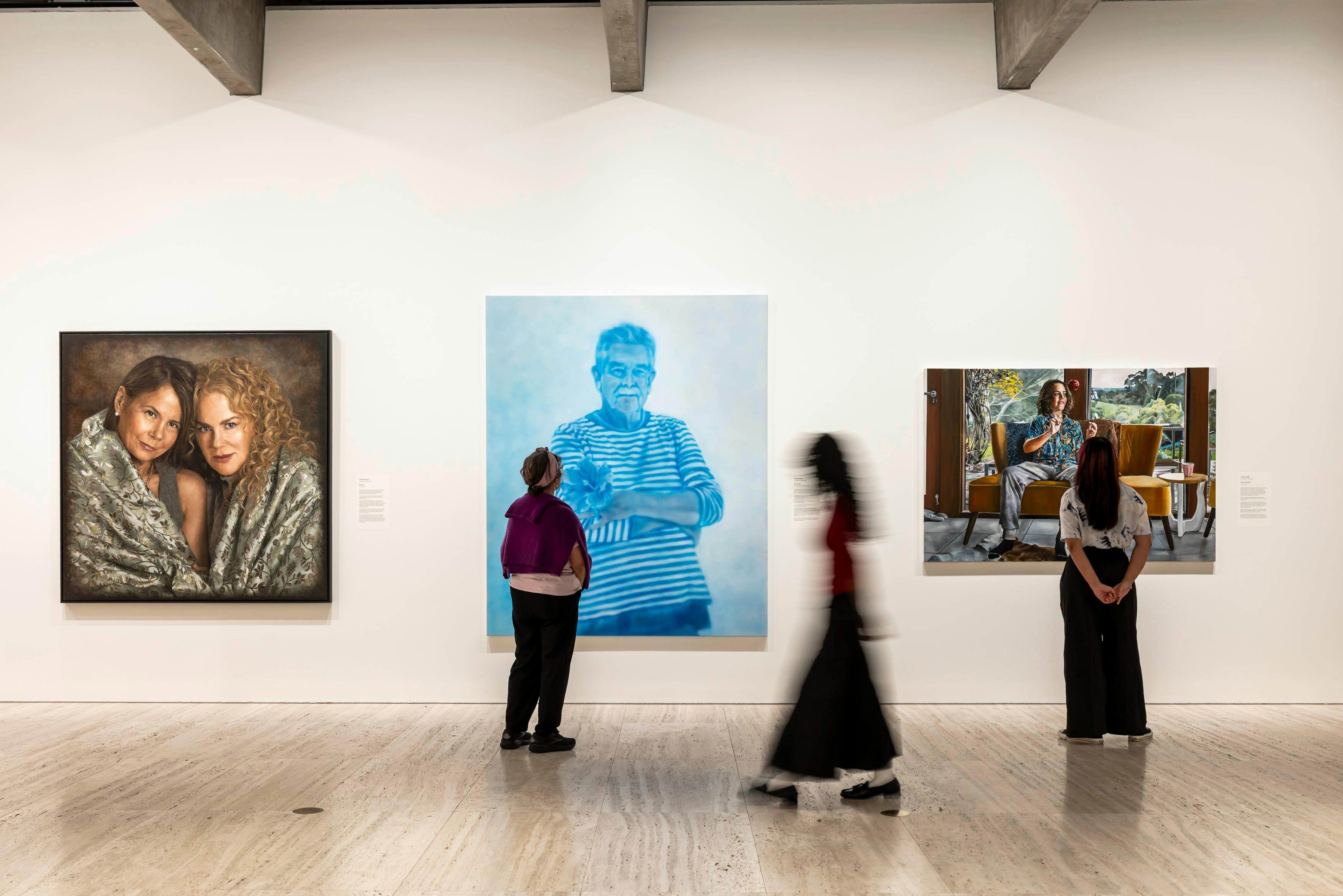
The annual Archibald Prize is eagerly anticipated by artists and audiences alike. Judged by the trustees of the Art Gallery of New South Wales, the prize is awarded to the best portrait painting. Since 1921, it has highlighted figures from all walks of life, from famous faces to local heroes, reflecting back the stories of those times.
This touring exhibition from the Art Gallery of New South Wales is an opportunity to see the finalists in the Archibald Prize 2026 and experience the country’s most prestigious portraiture prize in its exclusive Victorian showing at Shepparton Art Museum.
Images and Video
Dates & times
- Next occurrence: reoccurring
Accreditations
- Australian Museums and Galleries Association
Features
Actively welcomes people with access needs.
General access

- Offers multiple options for booking – web, email, phone is available.
- Offers a range of contact methods for receiving complaints.
- Companion Cards are accepted.
- Accessibility information and photos, including of a bathroom, room and/or floor plan on their website (can be emailed on request).
- Asks all visitors if there are any specific needs to be met.
- Advise tour guides of the access needs of guests at the time of booking (includes pick up and drop off requirements)
- Assistance with booking arrangements (includes providing clear itineraries with written instructions on what to do at various destinations)
Communication

Welcomes and assists people who have challenges with learning, communication, understanding and behaviour. (includes people with autism, intellectual disability, Down syndrome, acquired brain injury (ABI), dyslexia and dementia)
- Uses Plain English / easy read signage and information (includes menus and emergency information)
- A quiet space is available at the venue/ facility.
Vision

Caters for people who are blind or have vision loss.
- Braille and tactile signage on all information and paths of travel are available.
- Information in large print is available.
- Information in audio format (includes an audio described map of their venue, audio descs of performances and/ or displays) is available.
- Digital communication materials (hard copy information also online) is available.
- Uses easy to read fonts in their signage and communication materials (Helvetica and Arial).
- An appropriate area for toileting an assistance dog is available.
- Raised tactile buttons in lifts are available.
- Handrails on all stairways
- Exit signs which are visible at a ground level (high level signs are difficult to see in a fire) are available.
Hearing

Caters for people who are deaf or have hearing loss.
- A hearing loop is available.
- Caption all entertainment (TVs, live shows, performances) is available.
- Visual alerts for emergencies (Include flashing light) are available.
Physical – Mobility

Caters for people with sufficient mobility to climb a few steps but who would benefit from fixtures to aid balance. (This includes people using walking frames and mobility aids)
- Uses floors/coverings which are slip resistant, firm and smooth
- Grab rails in the bathroom
- Seating in common areas including reception area
Physical – Wheelchair

Caters for people who use a wheelchair.
- Step free outdoor pathways (includes picnic areas, barbecues and shelters)
- A step free main entrance to the building and/or reception area (includes ramps or slopes with a maximum gradient of 1:14, otherwise are too steep for wheelchairs)
- Step free access to restaurant, lounge and bar
- Step free access to the conference or function room
- Accessible seating areas in theatrette
- Lifts with enough space for people using a mobility aid to enter and turn around to use the lift buttons. Buttons are at accessible height.
- Doorways which are easy to open and have lever handles (doorways 850mm or wider when open and not heavy).
- An accessible public toilet which is unlocked.
- At least one wheelchair accessible parking space with wheelchair accessible signage clearly displayed (International standards are 3200mm wide x 2500 mm high).
- Wheelchair accessible transport options available in the general vicinity (provide information on name of the operator, phone and website link to individual providers for private vehicles, community transport train, mini vans, hire cars, buses, taxis, ferry, tram, light rail etc in their access statement).
Physical – High support needs

Caters for people with high support needs who travel with a support person.
- A bathroom which is fully accessible and equipped with ceiling hoist and adult change table.
- Have a Changing Places or Lift & Change toilet with a hoist and adult change table
- A place to store medical equipment (eg oxygen).
Plan more around this area
 Shepparton, VIC
 Quest Shepparton
Welcome to Quest Shepparton, it is located in the fantastic Murray region, a great place to visit anytime of the year. Shepparton has a temperate

 Shepparton, VIC
 Mantra Shepparton
The newly built Mantra Shepparton boasts a prime location just 1.6 km from the town's CBD. With 59 modern rooms and ample parking, it offers
 Kialla, VIC
 BIG4 Shepparton Park Lane Holiday Park
BIG4 Shepparton Park Lane Holiday Park offers a tranquil, relaxed atmosphere in clean, well maintained surrounds. The park is the perfect place to settle in
 Orrvale, VIC
 Shepparton Holiday Park
Gateway Lifestyle Shepparton East Holiday Park is the only owner operated caravan park in Shepparton, you are guaranteed great service when you stay. Gateway Lifestyle
 Shepparton, VIC
 Elsewhere at SAM
Elsewhere at SAM is Shepparton's premier licensed destination for the best coffee, food, and service. Elsewhere is located within Shepparton Art Museum and offers a
 Shepparton, VIC
 Shepparton Brewery and Side Hustle Distillery
Shepparton's very own brewery. Come and try their very own beers brewed on site, specialising in wood fired pizza, burgers, smoked and barbecue meats
 Shepparton, VIC
 Shepparton RSL
The Shepparton RSL is conveniently located in the heart of Shepparton with plenty of free parking at the rear. The venue is very popular among
