
Australian Centre for Contemporary Art
Highlights
- Explore cutting-edge exhibitions that challenge your thinking and connect you with diverse artistic perspectives.
- Engage with local and international artists through ambitious new works and thought-provoking public programs.
- Stroll through Melbourne's iconic Arts Precinct, just a short tram ride from Flinders Street Station.
- Relax in the picnic area, enjoying a moment of calm amid the vibrant cultural atmosphere.
The Australian Centre for Contemporary Art (ACCA) plays an inspirational and critical role in investing in the creative, artistic and wider communities, leading the cultural conversation and setting the agenda for contemporary art.
ACCA has a long and celebrated history of investing in, nurturing and propelling the careers of contemporary artists by supporting them to make new, risk-taking and experimental work that challenges thinking, encourages new perspectives, and connects and resonates with diverse communities.
ACCA develops exhibitions exploring the ideas and work of significant artists from around the world, commissions ambitious new works by local and international artists, and delivers a range of curatorial, educational and public programs including talks, lectures, symposia, performances, screenings, music and events.
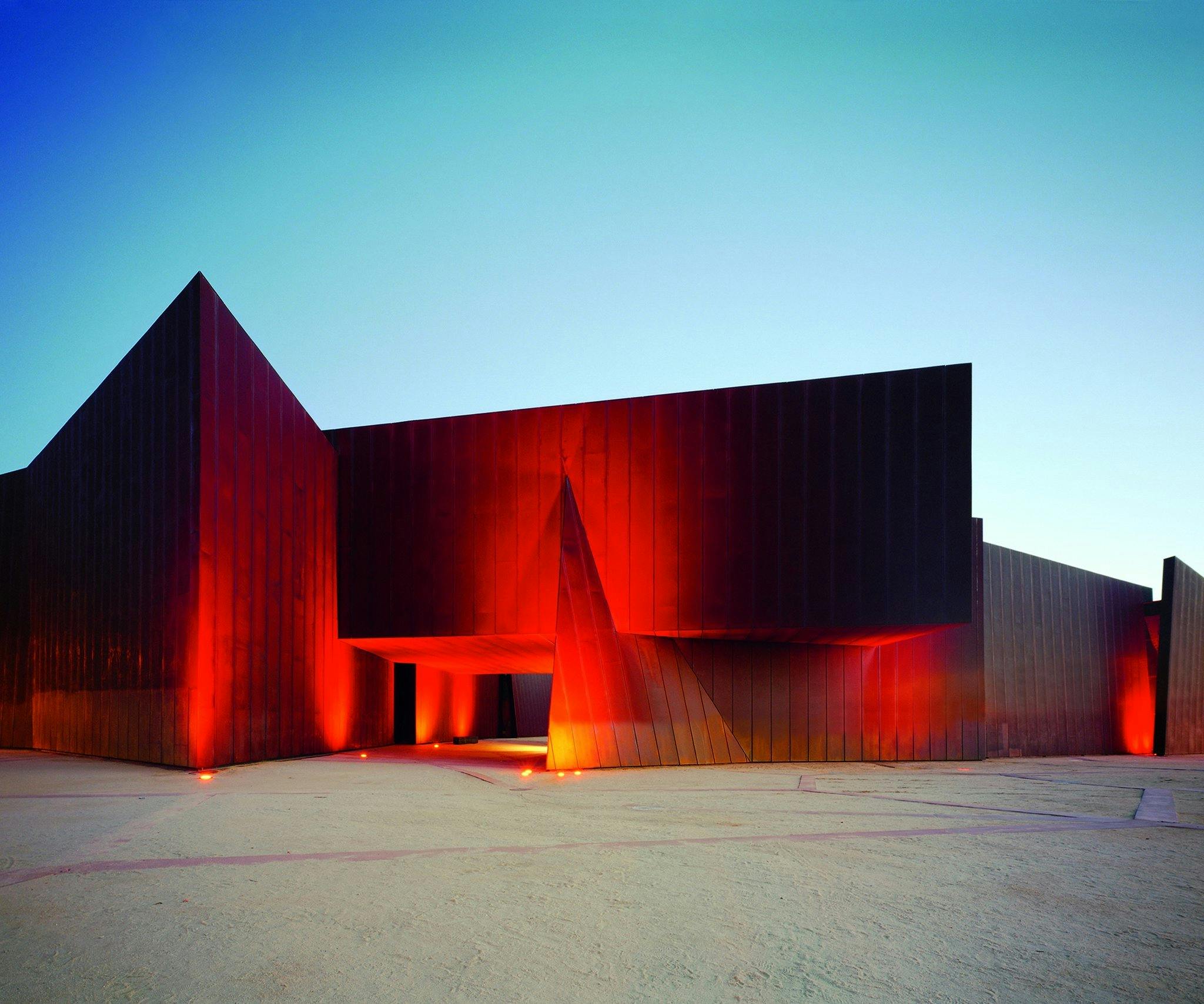
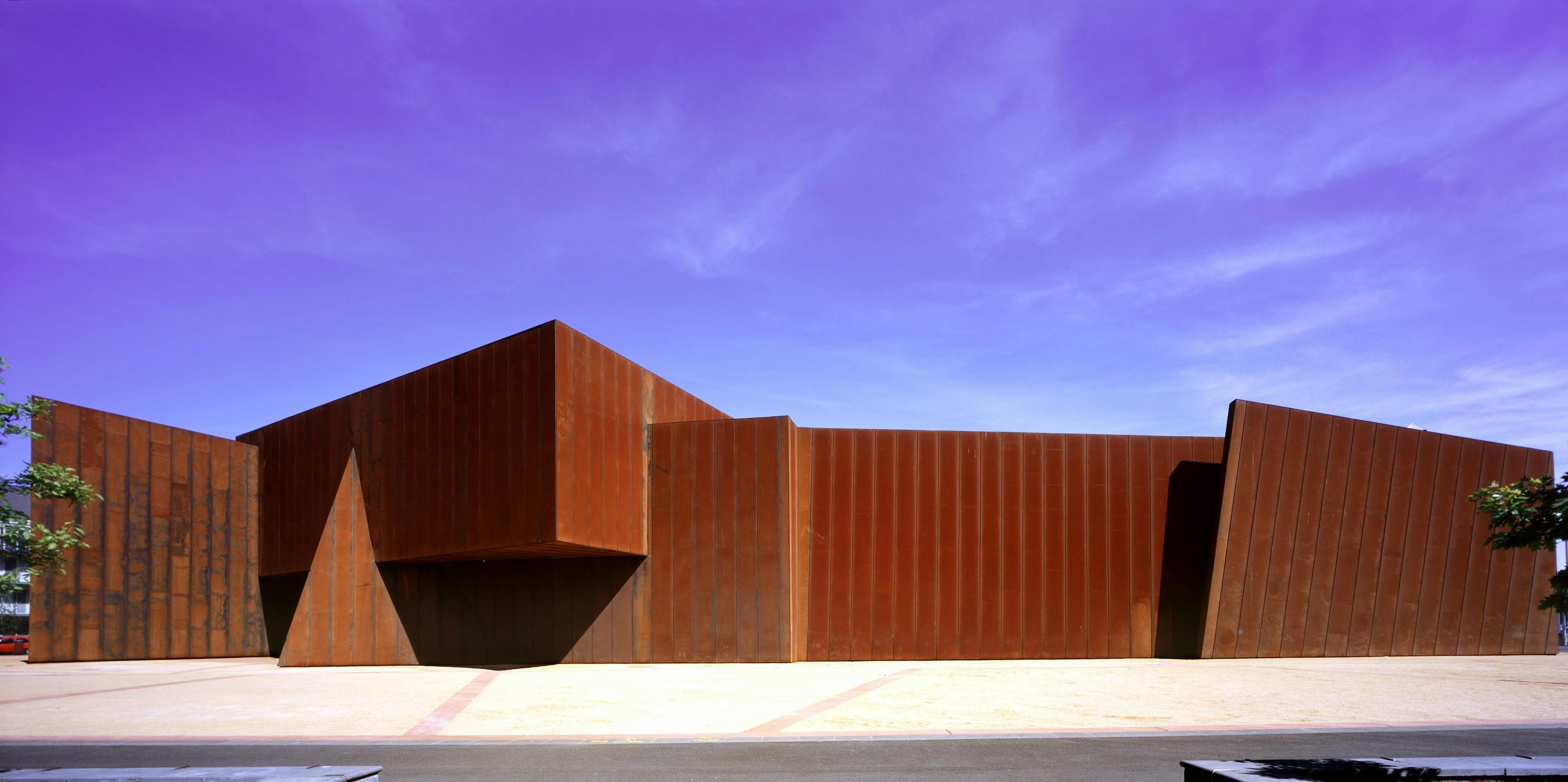
Housed in one of Melbourne’s most iconic buildings on Sturt Street in the Melbourne Arts Precinct, ACCA is a short tram ride or 10 minute walk from Flinders Street Station.
Please visit the website for the latest information on exhibitions and events.
Images and Video

Features
Actively welcomes people with access needs.
General access

- Offers a range of contact methods for receiving complaints.
- Staff are trained in disability awareness.
Communication

Welcomes and assists people who have challenges with learning, communication, understanding and behaviour. (includes people with autism, intellectual disability, Down syndrome, acquired brain injury (ABI), dyslexia and dementia)
Physical – Mobility

Caters for people with sufficient mobility to climb a few steps but who would benefit from fixtures to aid balance. (This includes people using walking frames and mobility aids)
- Grab rails in the bathroom
- Seating in common areas including reception area
Physical – Wheelchair

Caters for people who use a wheelchair.
- A step free main entrance to the building and/or reception area (includes ramps or slopes with a maximum gradient of 1:14, otherwise are too steep for wheelchairs)
- An accessible public toilet which is unlocked.
- At least one wheelchair accessible parking space with wheelchair accessible signage clearly displayed (International standards are 3200mm wide x 2500 mm high).
Plan more around this area
 Southbank, VIC
 Crown Promenade Melbourne
Stylish, modern and relaxed, Crown Promenade offers accommodation featuring natural light, earthy tones with wood and stone finishes.
 Southbank, VIC
 Crown Towers Melbourne
Situated in the heart of Melbourne's Southbank precinct, Crown Towers is synonymous with elegance and luxury.
 Southbank, VIC
Shadow Play by Peppers
Whether you’re in Melbourne for leisure, business or to enjoy a sporting event at Etihad Stadium, Peppers Docklands places you in the ideal location.


 Southbank, VIC
 Crown Metropol Melbourne
Crown Metropol Melbourne is a modern gateway in one of the world's most liveable cities. Redefine style at Melbourne's most striking and sophisticated hotels. This
 Southbank, VIC
 Urban Rest City Road
Discover the perfect blend of lifestyle and hotel-like living at Urban Rest City Road. Featuring beautifully styled studio, one-bedroom and two-bedroom serviced apartments, Urban Rest

 Melbourne, VIC
 Vibe Hotel Melbourne
Metal accents and raw materials create a dramatic but inviting feel on entry and the hotel’s architectural eras blend seamlessly, allowing an immediate connection between
 Southbank, VIC
 Ludlow Bar and Dining Room
Ludlow, a modern riverside pub along Southbank, laid back and buzzy, with a public bar, dining room and huge beer garden terrace overlooking Melbourne. Serving
 Southbank, VIC
 BearBrass
BearBrass is a relaxed venue on the banks of the Yarra River, overlooking our beautiful city of Melbourne. Our barista's supply the promenade with fresh
 Melbourne, VIC
 Protagonist
Much like the name suggests, Protagonist promises to play a lead role in creating a distinctive and memorable first impression at Arts Centre Melbourne. Protagonist
 Southbank, VIC
Eureka 89
Eureka 89 is located on the top floor of Eureka Tower in Southbank Melbourne. Eureka 89 offers a truly memorable experience with glorious views through
 Southbank, VIC
 Patient Wolf Distilling Co.
Patient Wolf Distilling Co. is an independent producer of one of Australia’s favourite gins. Patient Wolf’s distillery bar offers gin tastings and world-class cocktails inside
 Southbank, VIC
 P.J.O'Brien's – Melbourne
For more than two decades, P.J.O'Brien's has been the heart of Southgate. This traditional Irish pub is known for its warm hospitality, lively atmosphere, quality
