
Australian Orphanage Museum
Highlights
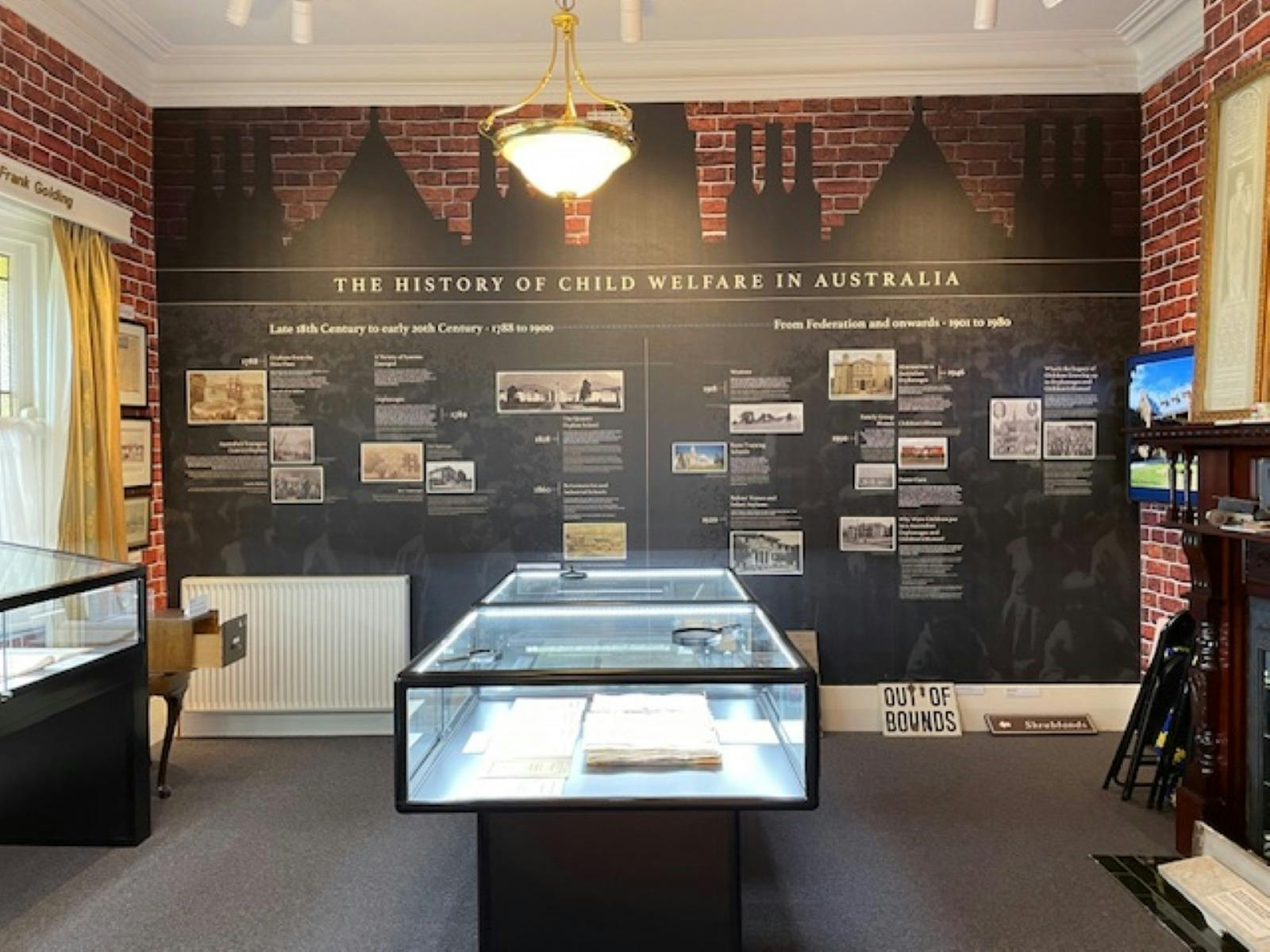
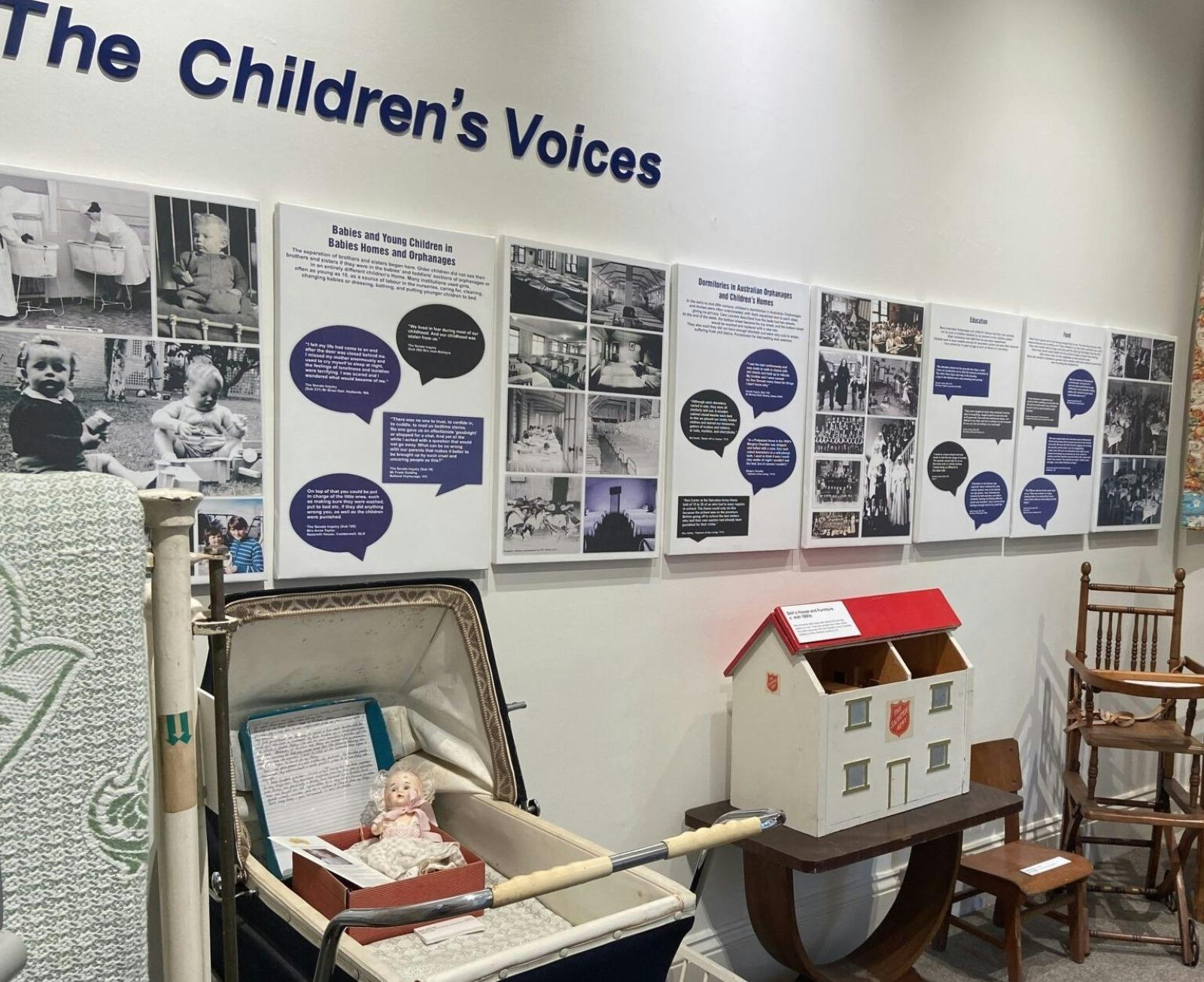
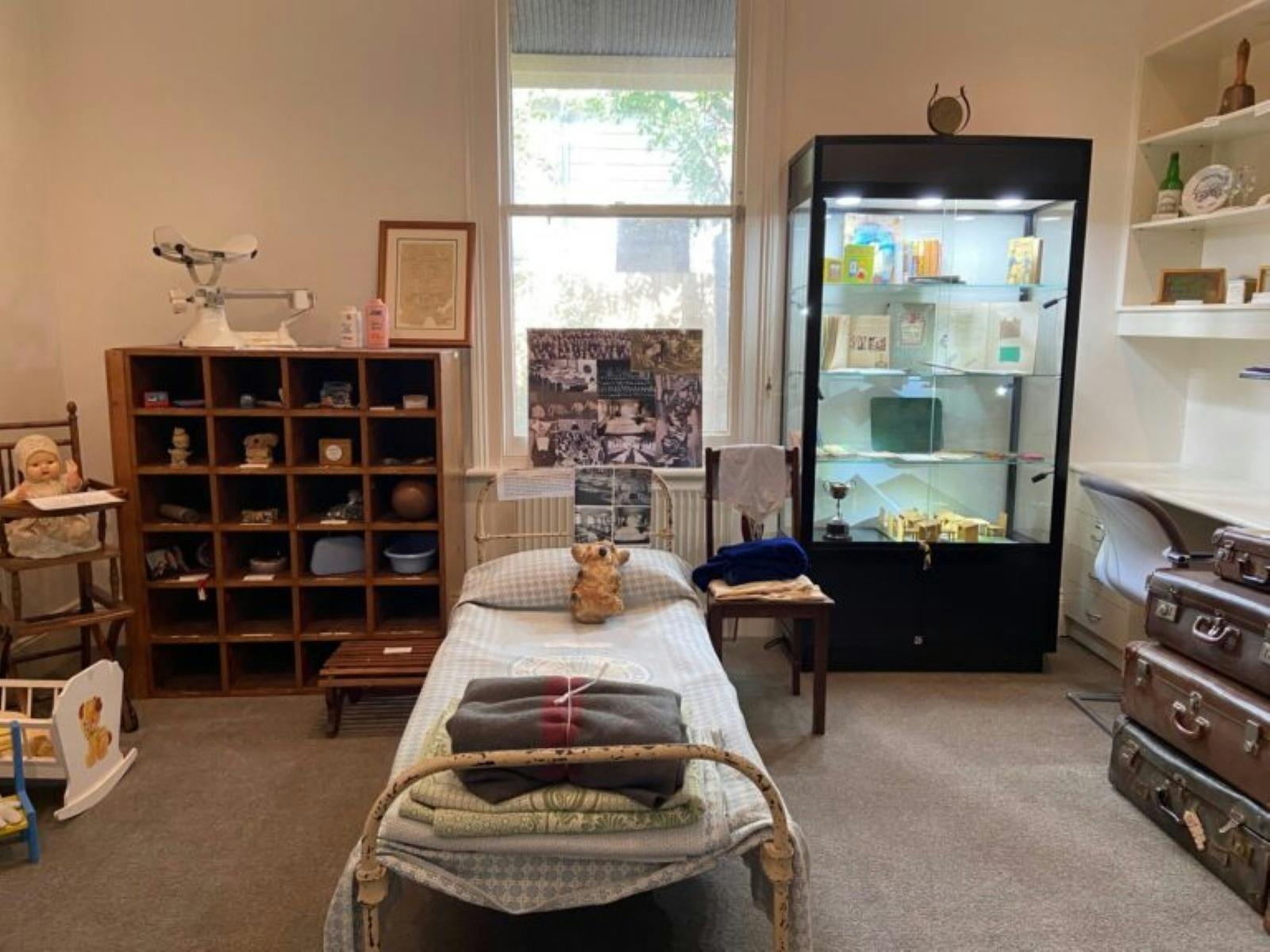
- Explore over 2,000 authentic items that reveal the complex histories of growing up in Australian orphanages.
- Engage with diverse narratives presented respectfully, allowing care leavers to share their own powerful stories.
- Wander through the museum's interactive centre, designed to educate visitors about this significant chapter in Australian history.
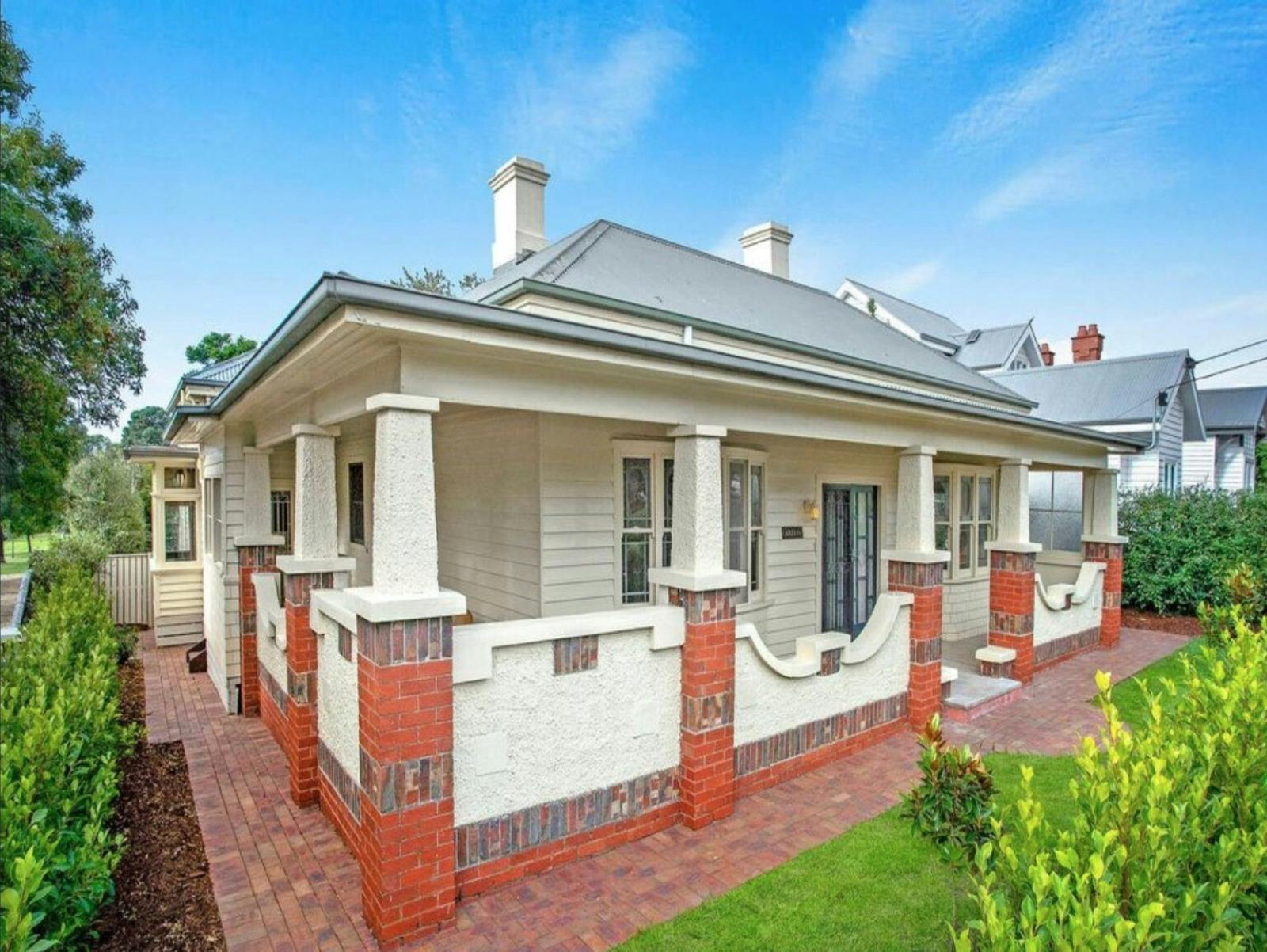
- Visit the Australian Orphanage Museum in Geelong, a unique attraction that fosters understanding and empathy within the community.
The only one of its kind in Australia, the Australian Orphanage Museum (AOM) is dedicated to exhibiting authentic social histories about the experience of growing up in orphanages, children’s homes, missions and other institutions, including foster care, in Australia. The museum comprises over 2,000 items, many of which have been donated by care leavers during their time in institutional care.
The diverse exhibits and narratives are presented in ways that respect the rights of Care Leavers to present their own accounts – and to tell the true stories of the vulnerable people that endured a dark chapter in Australian history.
Established by the Care Leavers Australasia Network (CLAN) to preserve and share this history for future generations, the Australian Orphanage Museum is accessible to everyone in the community.
Images and Video

Accreditations
- Visitor Information Centre
Features
Actively welcomes people with access needs.
General access

- Offers multiple options for booking – web, email, phone is available.
- Offers a range of contact methods for receiving complaints.
- Employs people with disabilities.
- Staff are trained in disability awareness.
- Accessibility information and photos, including of a bathroom, room and/or floor plan on their website (can be emailed on request).
- Asks all visitors if there are any specific needs to be met.
- Advise tour guides of the access needs of guests at the time of booking (includes pick up and drop off requirements)
Communication

Welcomes and assists people who have challenges with learning, communication, understanding and behaviour. (includes people with autism, intellectual disability, Down syndrome, acquired brain injury (ABI), dyslexia and dementia)
- Uses Plain English / easy read signage and information (includes menus and emergency information)
- A quiet space is available at the venue/ facility.
Vision

Caters for people who are blind or have vision loss.
- An appropriate area for toileting an assistance dog is available.
- Handrails on all stairways
Hearing

Caters for people who are deaf or have hearing loss.
- TVs with captioning option is available.
Physical – Mobility

Caters for people with sufficient mobility to climb a few steps but who would benefit from fixtures to aid balance. (This includes people using walking frames and mobility aids)
- Uses non-slip tiles in the bathroom or slip resistant matting
- Grab rails in the bathroom
- Seating in common areas including reception area
Physical – Wheelchair

Caters for people who use a wheelchair.
- Step free outdoor pathways (includes picnic areas, barbecues and shelters)
- A doorbell or intercom at an accessible height and display a contact number (accessible height is 900mm-1100 mm)
- A step free main entrance to the building and/or reception area (includes ramps or slopes with a maximum gradient of 1:14, otherwise are too steep for wheelchairs)
- Step free access to restaurant, lounge and bar
- Step free access to the conference or function room
- Accessible seating areas in theatrette
- A wheelchair accessible toilet / shower and change room is available.
- At least one wheelchair accessible parking space with wheelchair accessible signage clearly displayed (International standards are 3200mm wide x 2500 mm high).
- Wheelchair accessible transport options available in the general vicinity (provide information on name of the operator, phone and website link to individual providers for private vehicles, community transport train, mini vans, hire cars, buses, taxis, ferry, tram, light rail etc in their access statement).
Plan more around this area
 Geelong, VIC
 Oaks R Suites Geelong
Just a five-minute walk to Eastern Beach, R Hotel Geelong is nestled within a heritage-listed building (c 1854) overlooking Austin Park.

 Geelong, VIC
 Oaks Vue Suites Geelong
Experience Geelong's newest boutique accommodation option, offering views to beautiful Eastern Beach and on the edge of the CBD.
 Geelong, VIC
 Novotel Geelong
Novotel Geelong is the city’s premier hotel and conference venue, located in the heart of the waterfront with breathtaking views across the bay. Offering the

 Geelong, VIC
 Quest Geelong Central
Quest Geelong Central is located minutes from the city’s renowned waterfront, GMHBA stadium, Geelong Performing Arts Centre, Geelong Botanic Gardens as well as its bustling
 Geelong, VIC
Rydges Geelong
Conveniently located Rydges Geelong offers stylish and affordable Geelong accommodation for business and leisure travellers alike.
 Geelong, VIC
Holiday Inn & Suites Geelong
A refreshing place to work, play and stay! Welcome to Holiday Inn & Suites Geelong, a bright social hub in heart of the Geelong CBD.
 Geelong, VIC
 Wharf Shed
For quality food with a stunning ocean backdrop and a relaxed atmosphere, you can’t go past our waterfront restaurant. Since the late 1990s, the Wharf
 Geelong, VIC
 Tempo Kitchen and Bar
Tempo is a new kitchen and bar in the heart of the Geelong Waterfront and promises an unforgettable dining experience that pays homage to the
 Geelong, VIC
 Edge Geelong
Based on Geelong's spectacular waterfront, Edge Geelong is the place to be.
 Geelong, VIC
 Geelong Cellar Door
Geelong Cellar Door is located in the heart of Geelong’s inner CBD, conveying an ‘old world’ charm, with the intended ambience of a smart, sophisticated,
 Geelong, VIC
 Black Sheep Geelong
They are a little odd. They bend the rules. They are Black Sheep. Welcome to the family.
 Geelong, VIC
 Sailors' Rest
Sailors' Rest have been dishing up delicious food to locals and tourists alike since 2001 steadily building a reputation for excellence.
