Bellarine Estate
Highlights
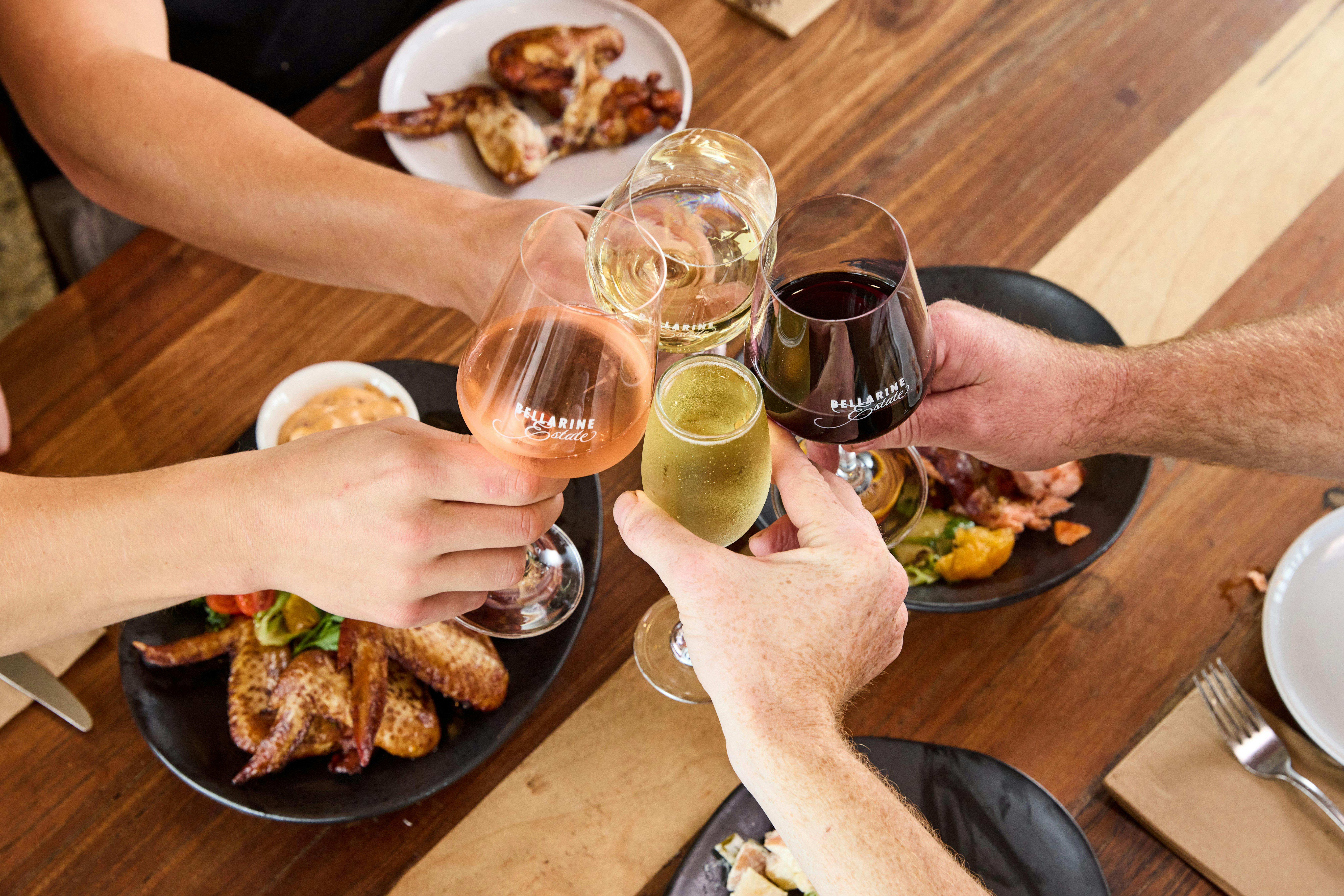
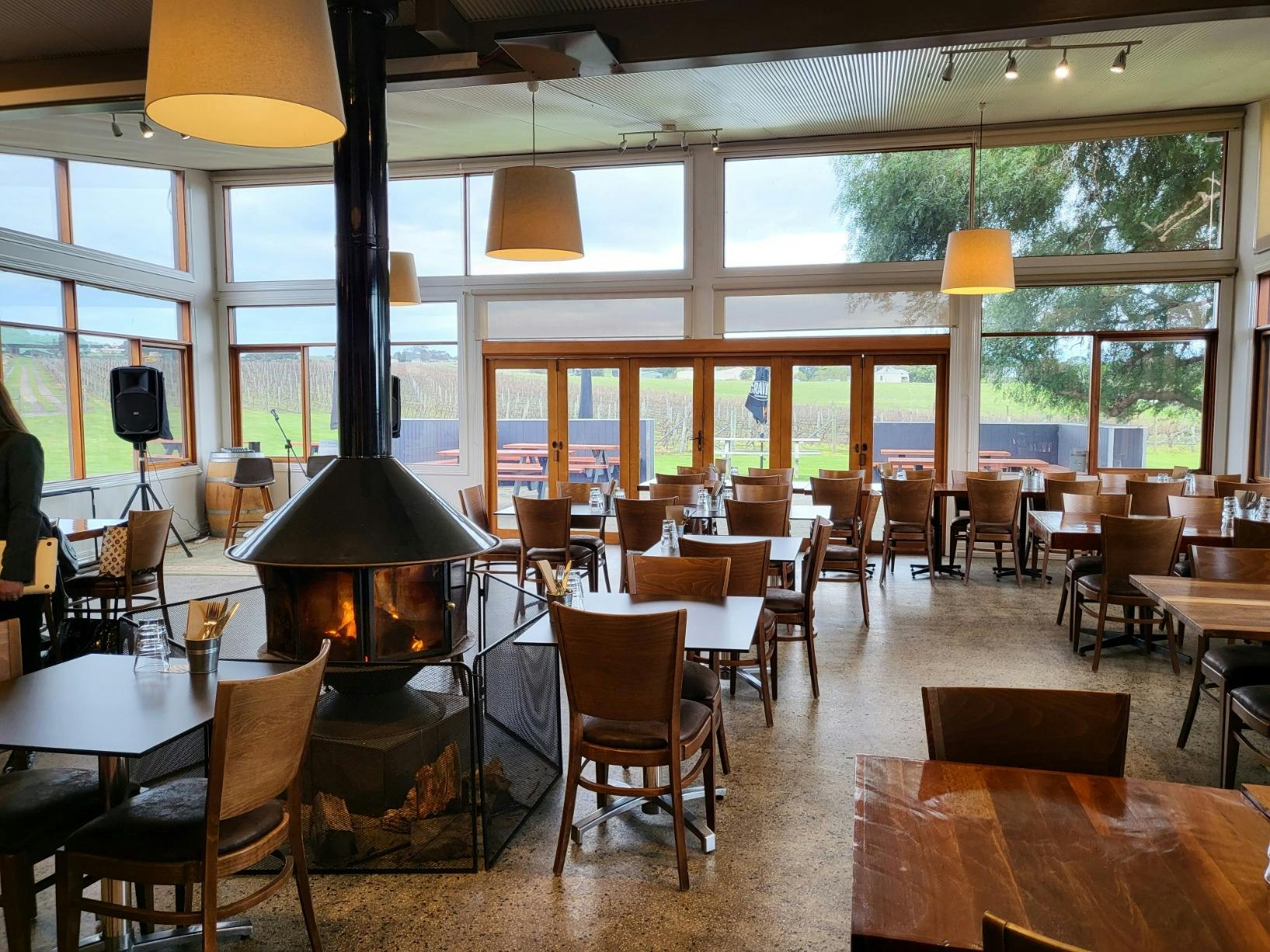

- Savour exquisite wine tastings while overlooking the vineyard and Corio Bay at Bellarine Estate.
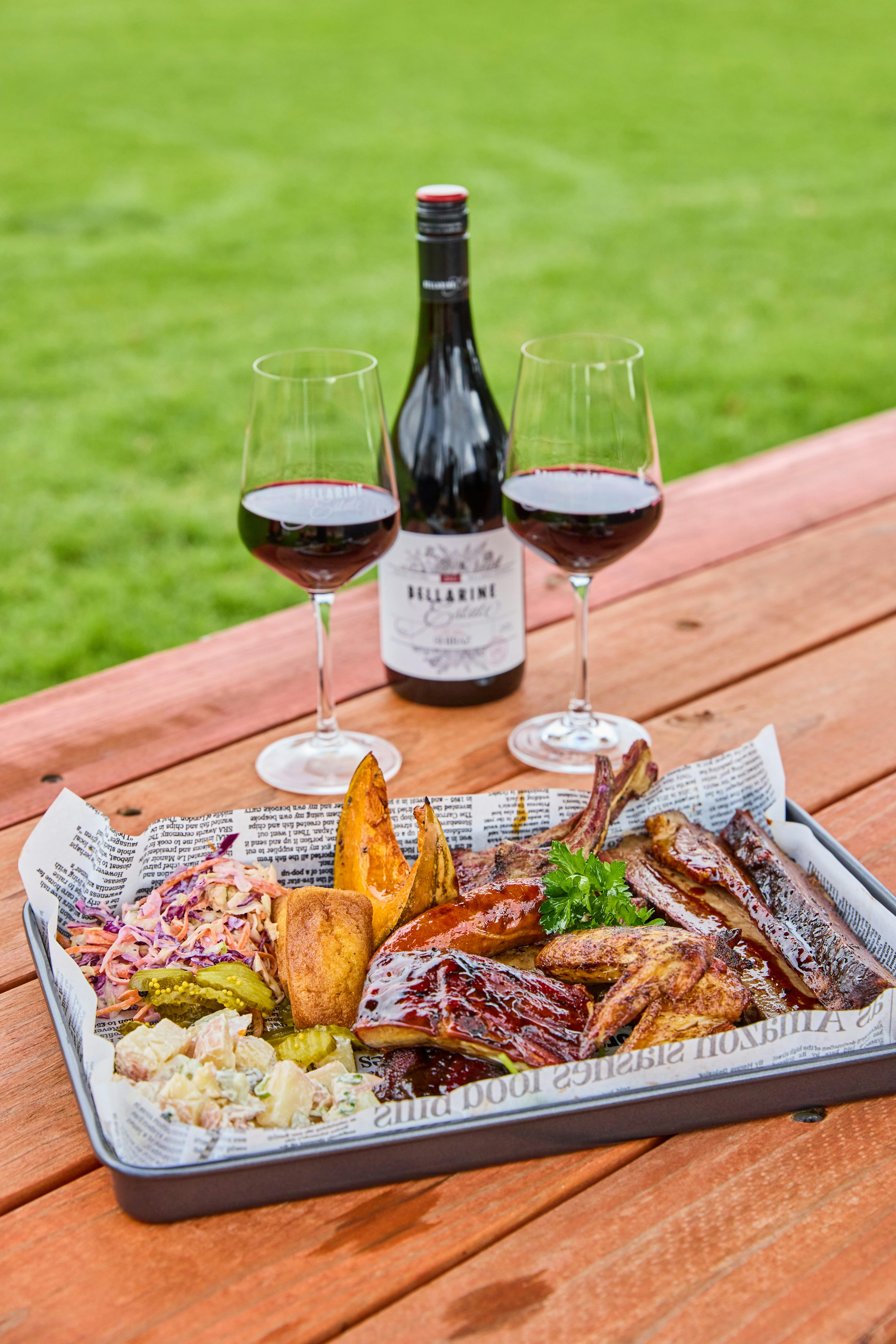
- Indulge in unique Texas BBQ dining, offering a distinctive culinary experience amidst scenic views.
- Enjoy live music performances showcasing local talent, enhancing your visit with vibrant entertainment.
- Relax with easy access from Geelong or Melbourne, perfect for a leisurely day out in the Bellarine Peninsula.
Founded in 1996 by Peter and Lizette Kenny, Bellarine Estate is nestled on the scenic hills of the Bellarine Peninsula, offering sweeping views of Corio Bay. It has grown into a renowned, family-operated business.
Conveniently located less than 20 minutes from Geelong, providing easy access to visitors seeking quality wine, spirits and a specialty restaurant service. For a relaxing day out take the ferry service, just 70 minutes from Melbourne. Alternatively, its an easy 90 minutes by road from Melbourne.
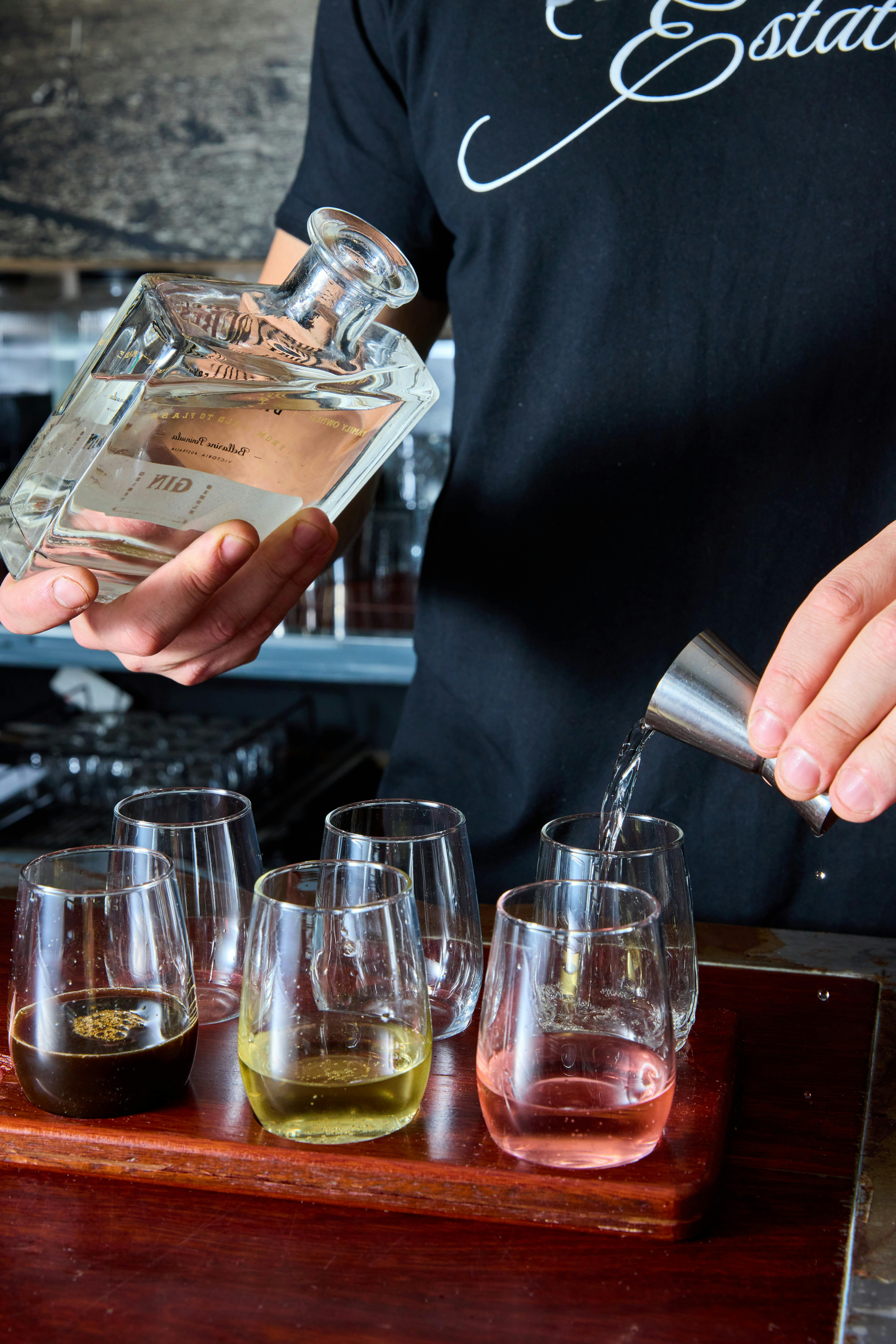
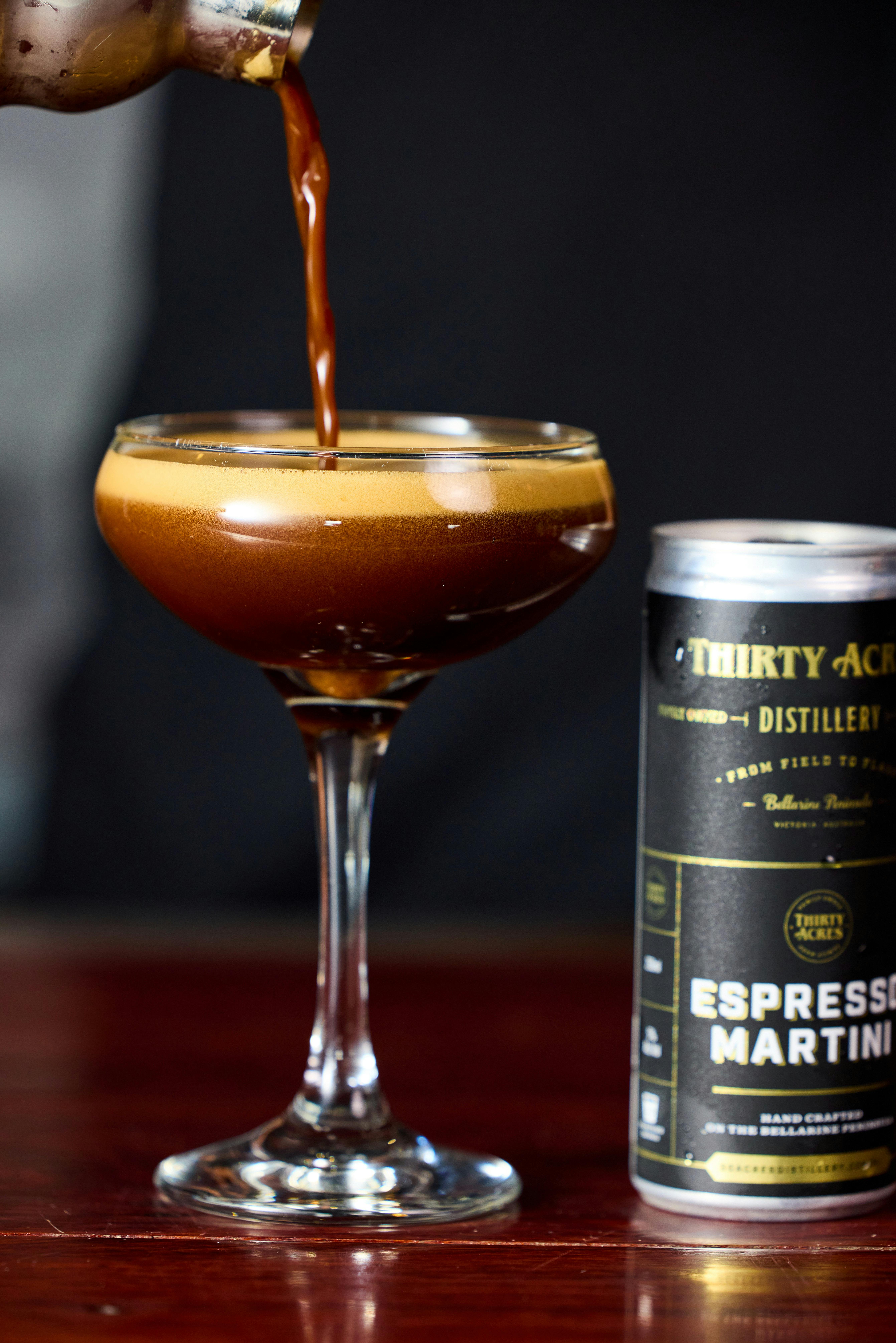
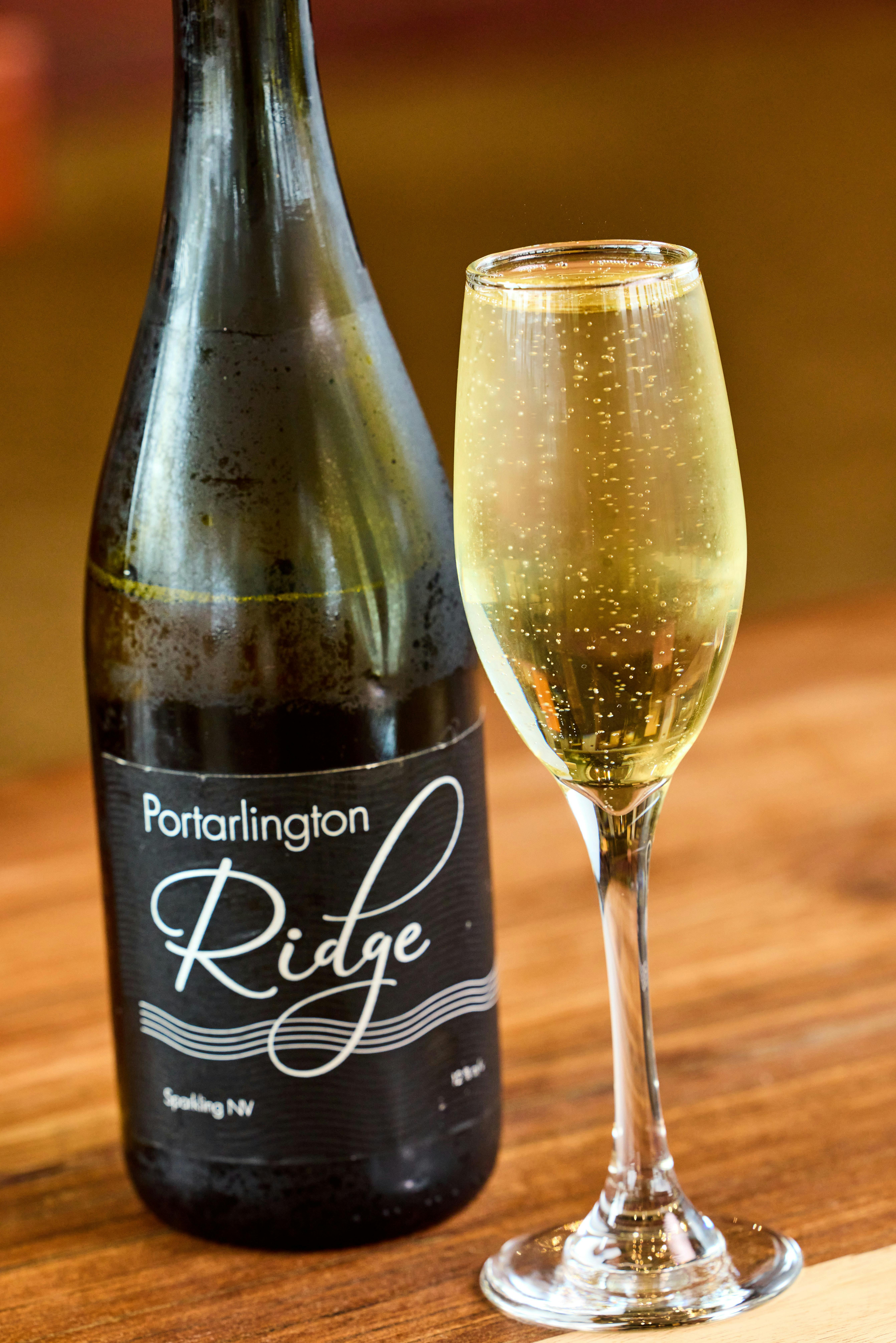
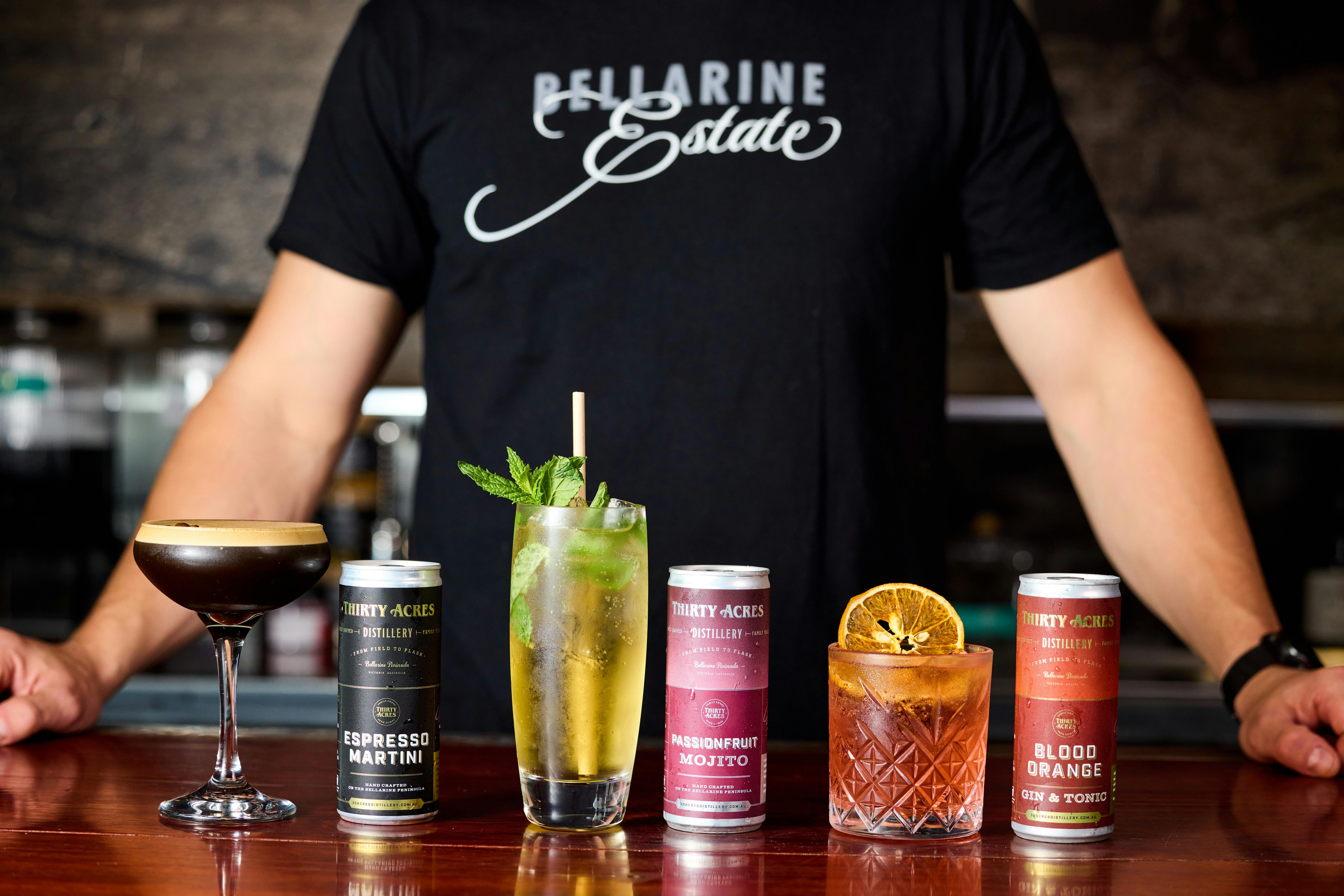
Their two principal wine labels are Bellarine Estate and Portarlington Ridge. Texas BBQ at Bellarine Estate offers a distinctive dining option. Thirty Acres Distillery at Bellarine Estate produces estate-grown gin.
Bellarine Estate is also building a reputation as the Bellarine’s top live music venue. They support the region’s emerging local talent and offer visitors some of the best acts in the current music scene. Check out the website’s What’s On page for more details.
Images and Video

Features
Tags
Actively welcomes people with access needs.
General access

- Offers multiple options for booking – web, email, phone is available.
- Offers a range of contact methods for receiving complaints.
- Companion Cards are accepted.
- Staff are trained in disability awareness.
- Accessibility information and photos, including of a bathroom, room and/or floor plan on their website (can be emailed on request).
- Asks all visitors if there are any specific needs to be met.
- Advise tour guides of the access needs of guests at the time of booking (includes pick up and drop off requirements)
- Assistance with booking arrangements (includes providing clear itineraries with written instructions on what to do at various destinations)
Communication

Welcomes and assists people who have challenges with learning, communication, understanding and behaviour. (includes people with autism, intellectual disability, Down syndrome, acquired brain injury (ABI), dyslexia and dementia)
- Uses Plain English / easy read signage and information (includes menus and emergency information)
- A quiet space is available at the venue/ facility.
Vision

Caters for people who are blind or have vision loss.
- Information in large print is available.
- Uses easy to read fonts in their signage and communication materials (Helvetica and Arial).
- Staff are trained in customer service for people with vision loss (training would incorporate way finding and communicating with people with vision loss).
- An appropriate area for toileting an assistance dog is available.
Hearing

Caters for people who are deaf or have hearing loss.
- Staff are trained in communicating with people who are deaf or have hearing loss.
Physical – Mobility

Caters for people with sufficient mobility to climb a few steps but who would benefit from fixtures to aid balance. (This includes people using walking frames and mobility aids)
- Uses floors/coverings which are slip resistant, firm and smooth
- Uses non-slip tiles in the bathroom or slip resistant matting
- Seating in common areas including reception area
Physical – Wheelchair

Caters for people who use a wheelchair.
- Step free outdoor pathways (includes picnic areas, barbecues and shelters)
- A step free main entrance to the building and/or reception area (includes ramps or slopes with a maximum gradient of 1:14, otherwise are too steep for wheelchairs)
- Step free access to restaurant, lounge and bar
- Doorways which are easy to open and have lever handles (doorways 850mm or wider when open and not heavy).
- An accessible public toilet which is unlocked.
Allergies and intolerances

Caters for people with allergies and intolerances.
- Modify their cooking and cleaning practices to cater for people with food allergies or chemical intolerances (could include menus with meals free from: nuts, dairy, seafood, eggs, gluten etc).
- Staff are trained to respond to allergic reactions.
- Complies with The Food Authority requirements for allergy management in food preparation.
- Equipment to respond to anaphylactic shock such as epi–pens and defibrillator.
- Toiletries which are chemical and fragrance free (if requested).
Plan more around this area
 Leopold, VIC
 Kilmoyla Farm Stay
Kilmoyla gently elevated on 25 acres with views of Geelong landmarks. The house provides five bedrooms, ensuite, full bathroom and two powder rooms. There are
 Ocean Grove, VIC
 Riverview Family Caravan Park
Riverview Family Caravan Park offers accommodation in Ocean Grove, located on the sand spit between the ocean and the river.
 Barwon Heads, VIC
 Barwon Heads Caravan Park
Give yourself a break from the stress of everyday life, relax at Barwon Heads. Explore 13 kilometres of clean ocean, surf and river beaches protected

 Barwon Heads, VIC
 The Barwon Heads Golf Club
Nestled amongst the coastal dunes and just metres from the spectacular 13th Beach Surf Coast, the Barwon Heads Golf Club is one of the region's
 Barwon Heads, VIC
 13th Beach Golf Lodges
13th Beach Golf Lodges is the newest addition to 13th Beach Golf Links. Offering 16 luxurious & spacious accommodation rooms, all with an outdoor patio

 Barwon Heads, VIC
 Barwon Heads Resort at 13th Beach
Barwon Heads Resort at 13th Beach is the ideal place to spend quality time with family and friends in a peaceful coastal environment. Nestled within
 Queenscliff, VIC
 Artfully Repurposed Exhibition 2026
Artfully Repurposed is an exhibition of art and fashion from upcycled and recycled objects and clothing, brought to you by Queenscliff Neighbourhood House Gallery.
 Queenscliff, VIC
 Nightide Fringe: Between the Devil
WINTER SOLSTICE FESTIVAL | THE COOL, DARK, EDGE OF WINTER IS COMING! Venture into the heart of winter’s darkness at Nightide, Queenscliff’s most enigmatic, FREE
 Queenscliff, VIC
 Nightide
WINTER SOLSTICE FESTIVAL | THE COOL, DARK, EDGE OF WINTER IS COMING! Venture into the heart of winter’s darkness at Nightide, Queenscliff’s most enigmatic, FREE
 Queenscliff, VIC
 Nightide Solstice Feast
EXPERIENCE THE EXCLUSIVITY OF AN IMMERSIVE DESSERT EVENT AT TARRA QUEENSCLIFF Celebrate the winter solstice with this sinful, devilishly good four-course dessert menu. Be a
 Queenscliff, VIC
 Family Free Fun Day
WINTER SOLSTICE FESTIVAL | THE COOL, DARK, EDGE OF WINTER IS COMING! Venture into the heart of winter’s darkness at Nightide, Queenscliff’s most enigmatic, FREE
 Queenscliff, VIC
 Krazy Koala Puppet Show – Queenscliff
To celebrate the school holidays Searoad Ferries offer a range of fantastic on board activities included in the ferry ticket price. The Krazy koala puppet
