
Bribie Island Seaside Museum
Highlights
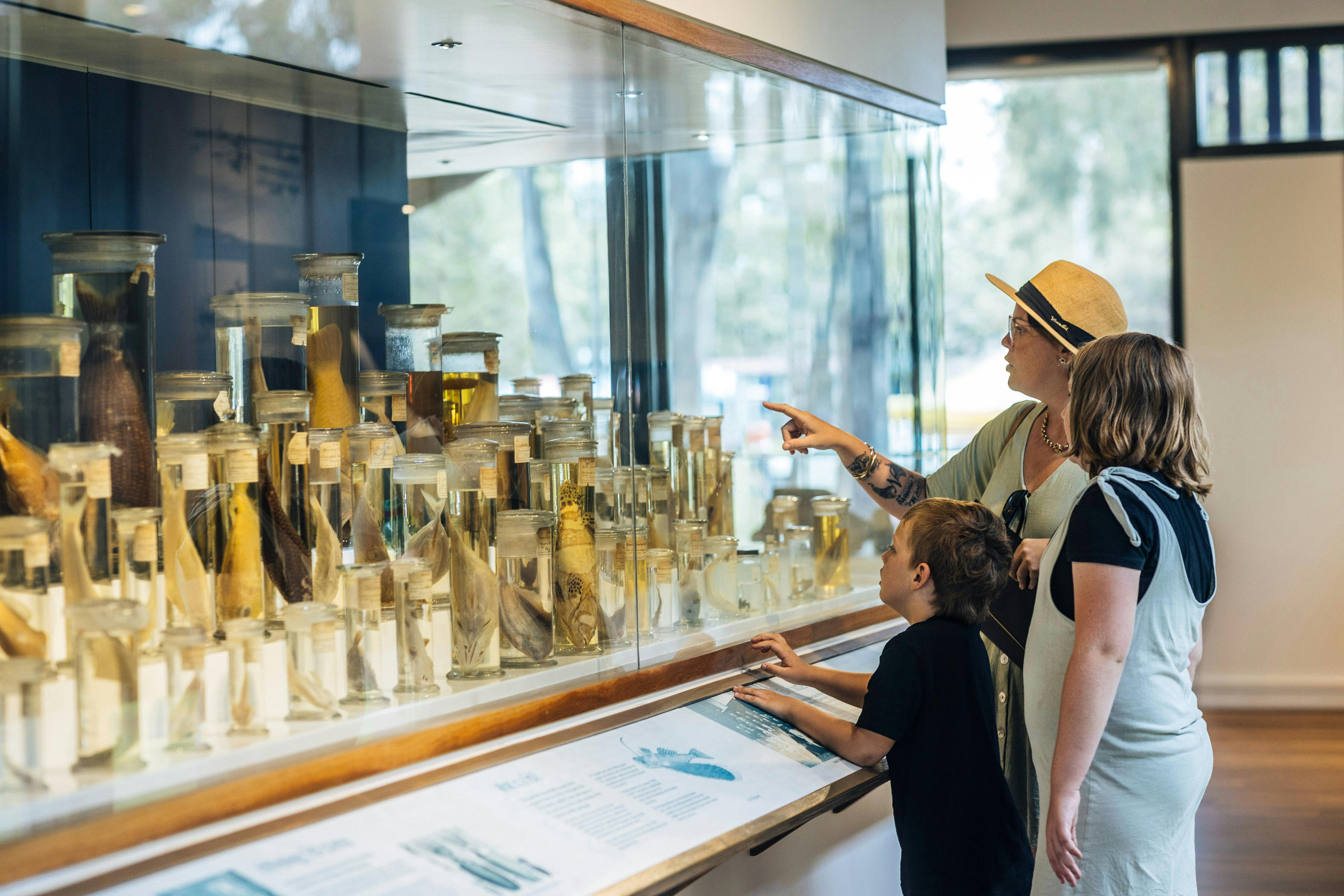
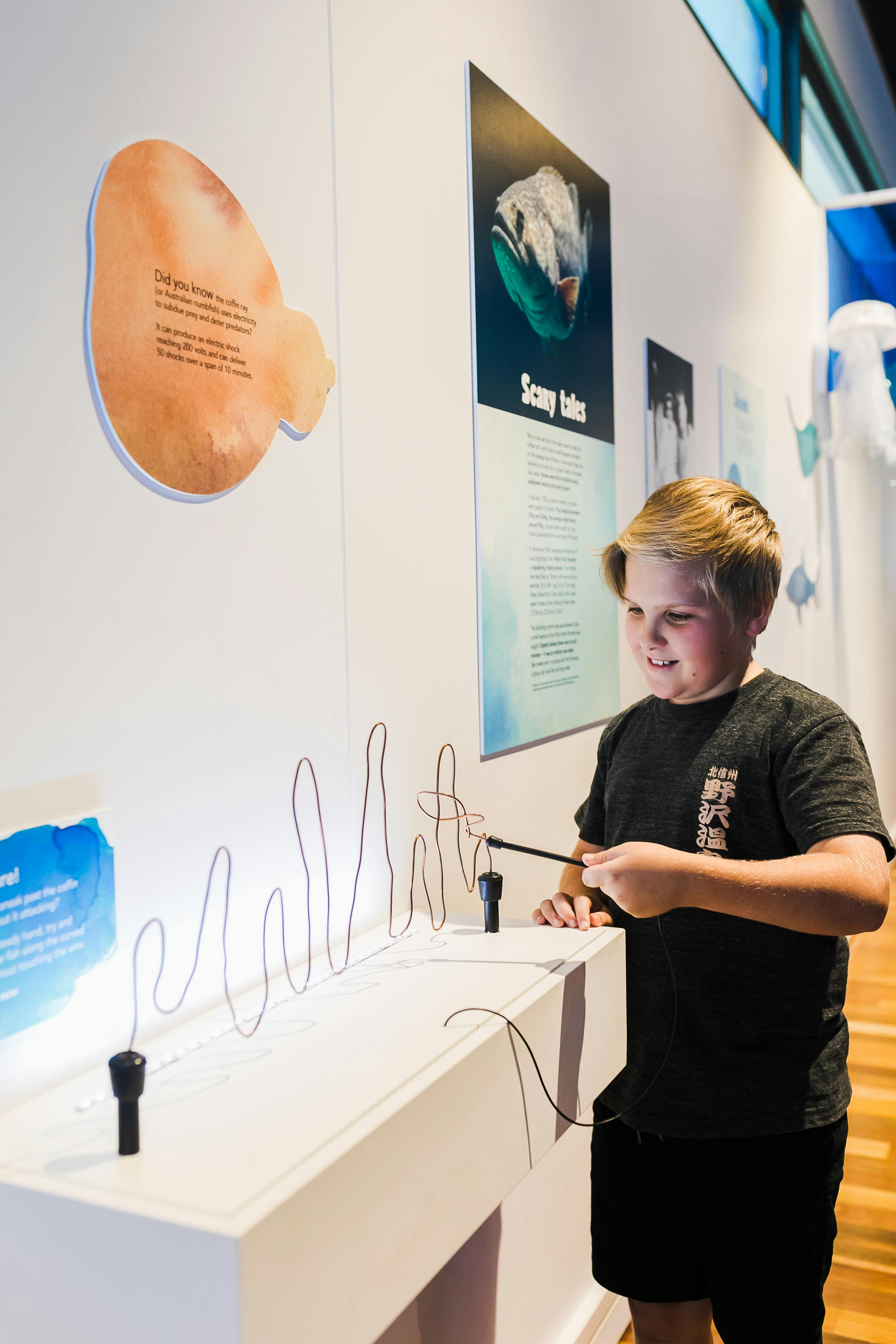
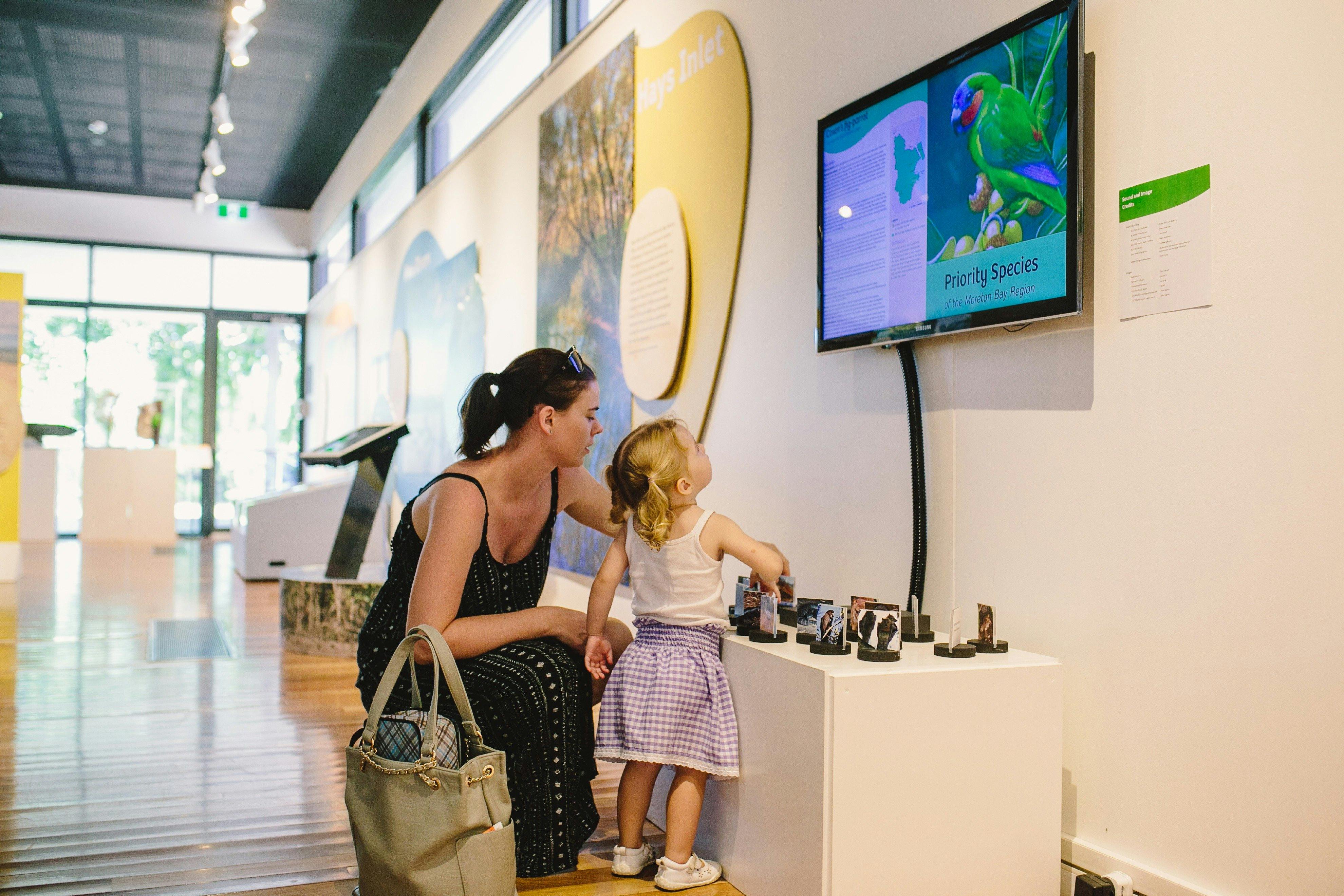
- Explore interactive displays that engage young minds and bring Bribie Island’s history to life.
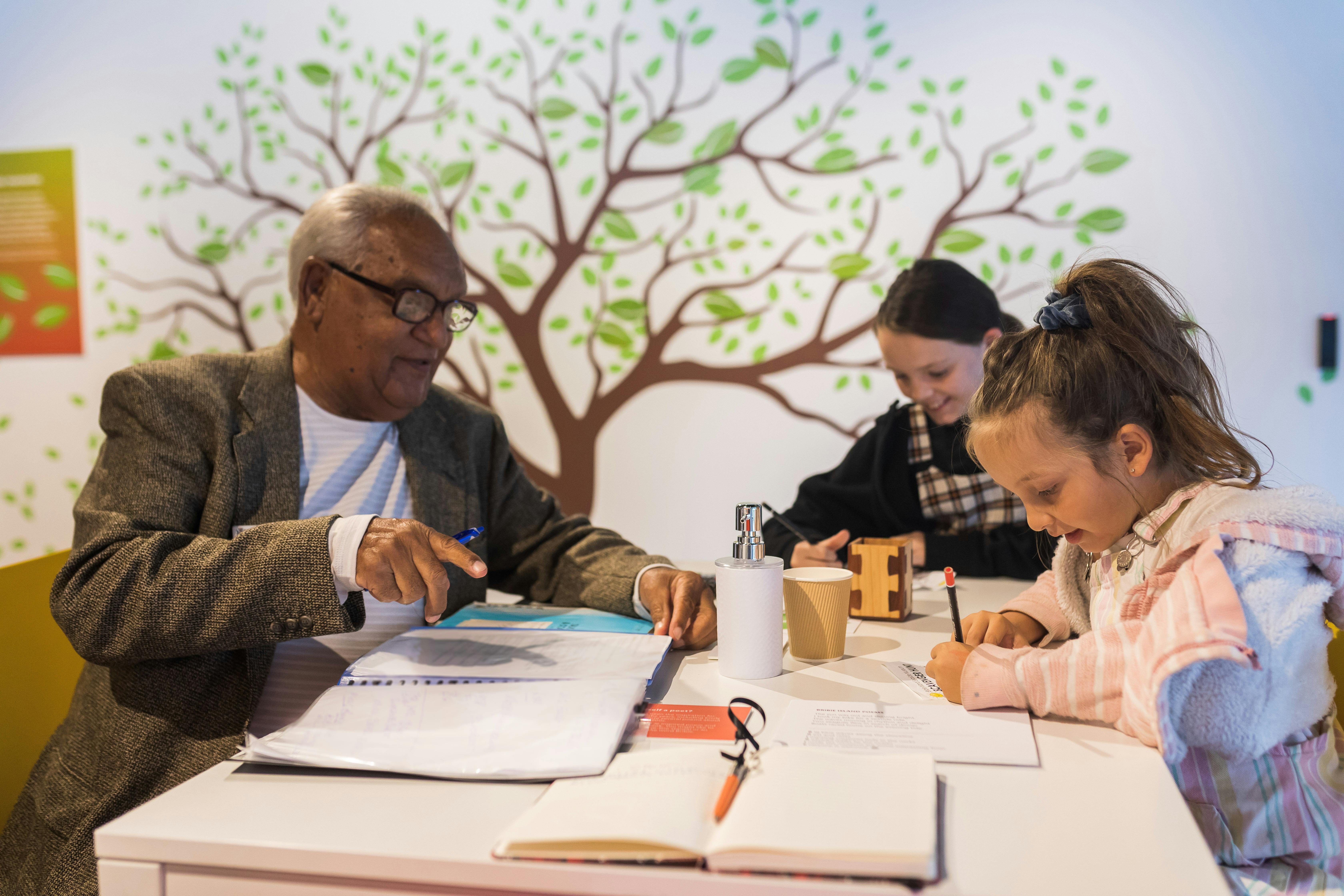
- Discover First Nations Elder stories that deepen your connection to the island’s rich cultural heritage.
- Enjoy scenic views of Pumicestone Passage while immersing yourself in the museum’s fascinating exhibits.
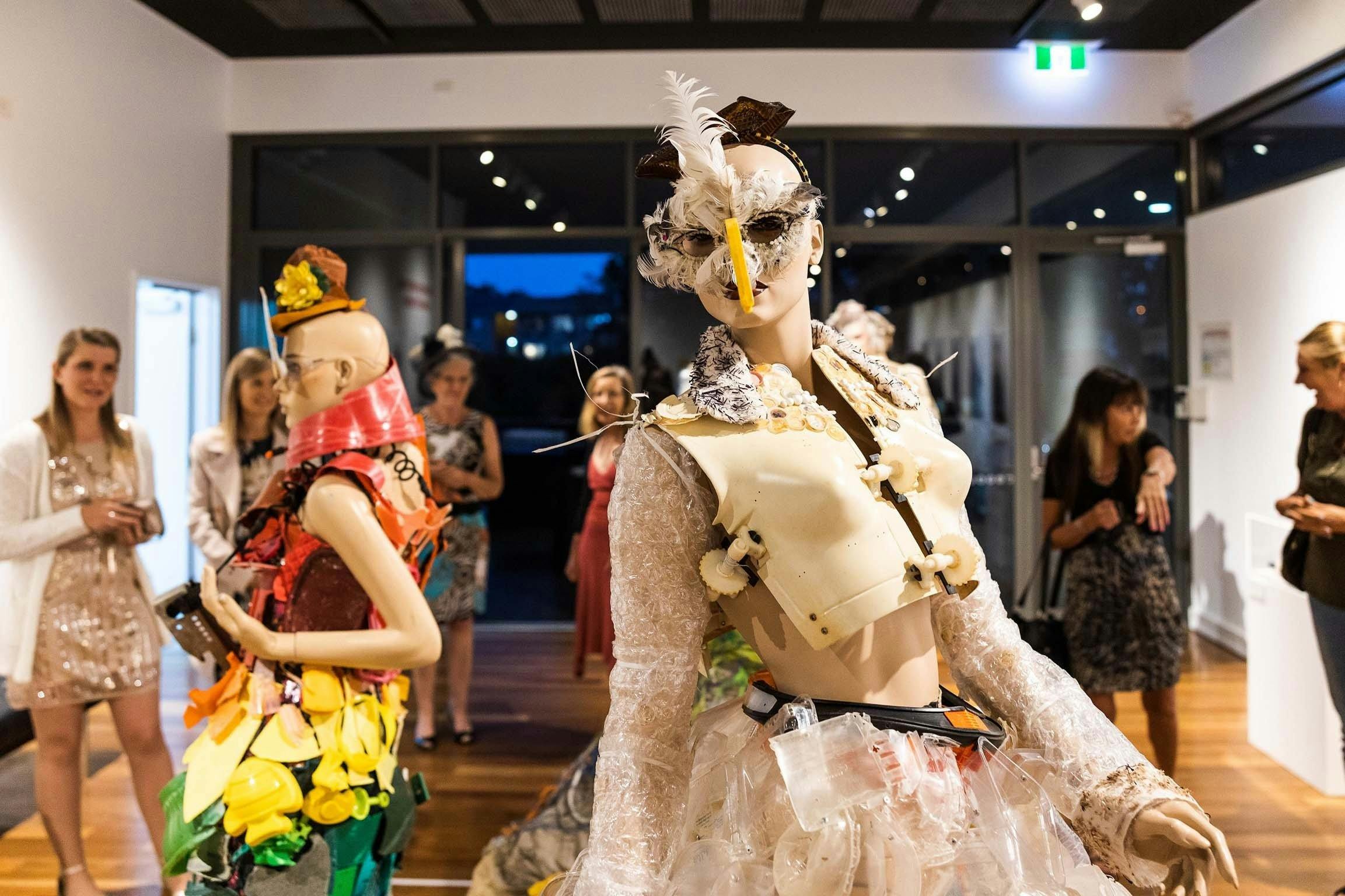
- Attend diverse events and workshops that enhance your understanding of Bribie Island’s unique stories.
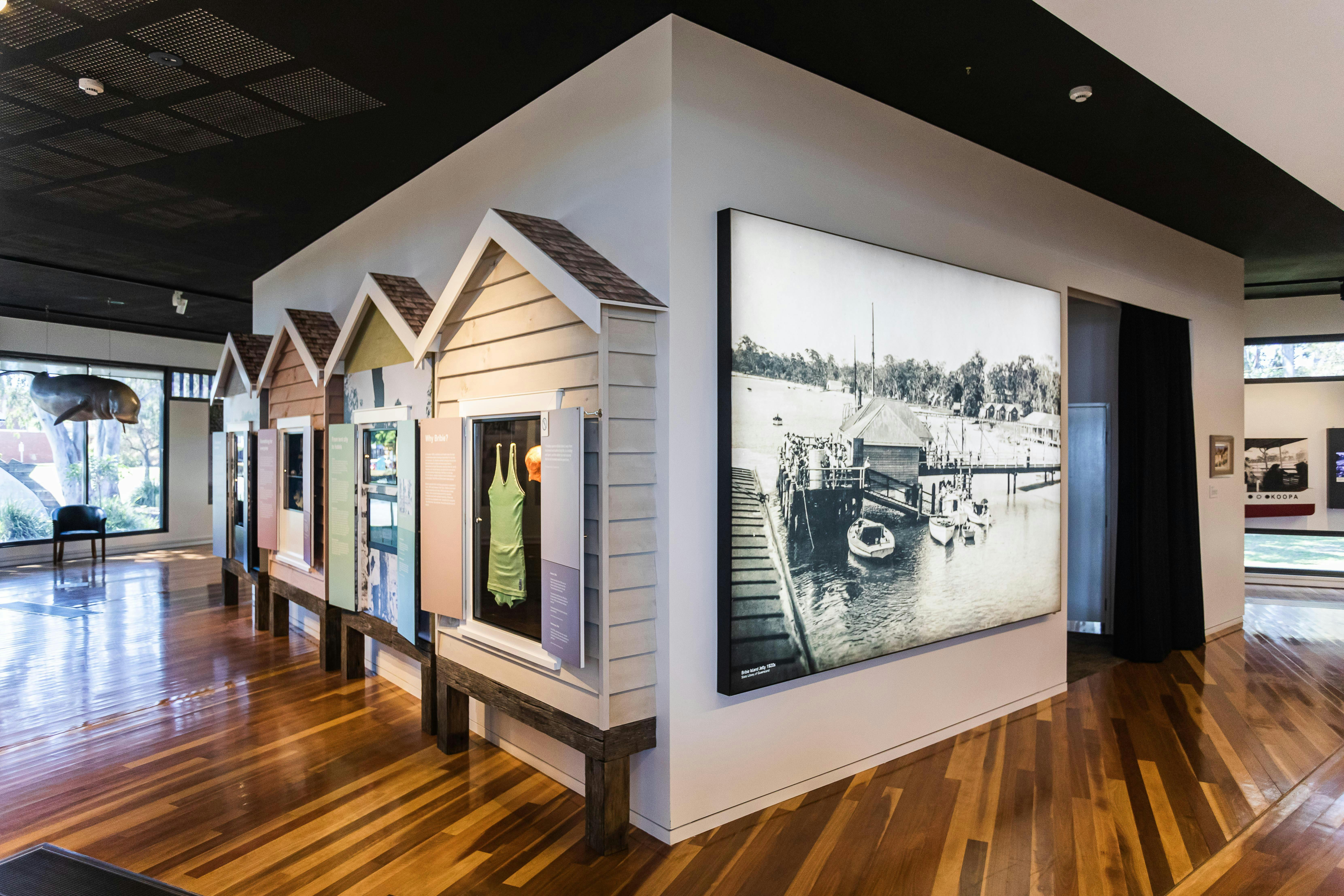
Discover your next day out at the scenic Bribie Island Seaside Museum. Located only metres from the waterfront overlooking the iconic Pumicestone Passage, the museum celebrates the rich and fascinating history and stories of Bribie Island.
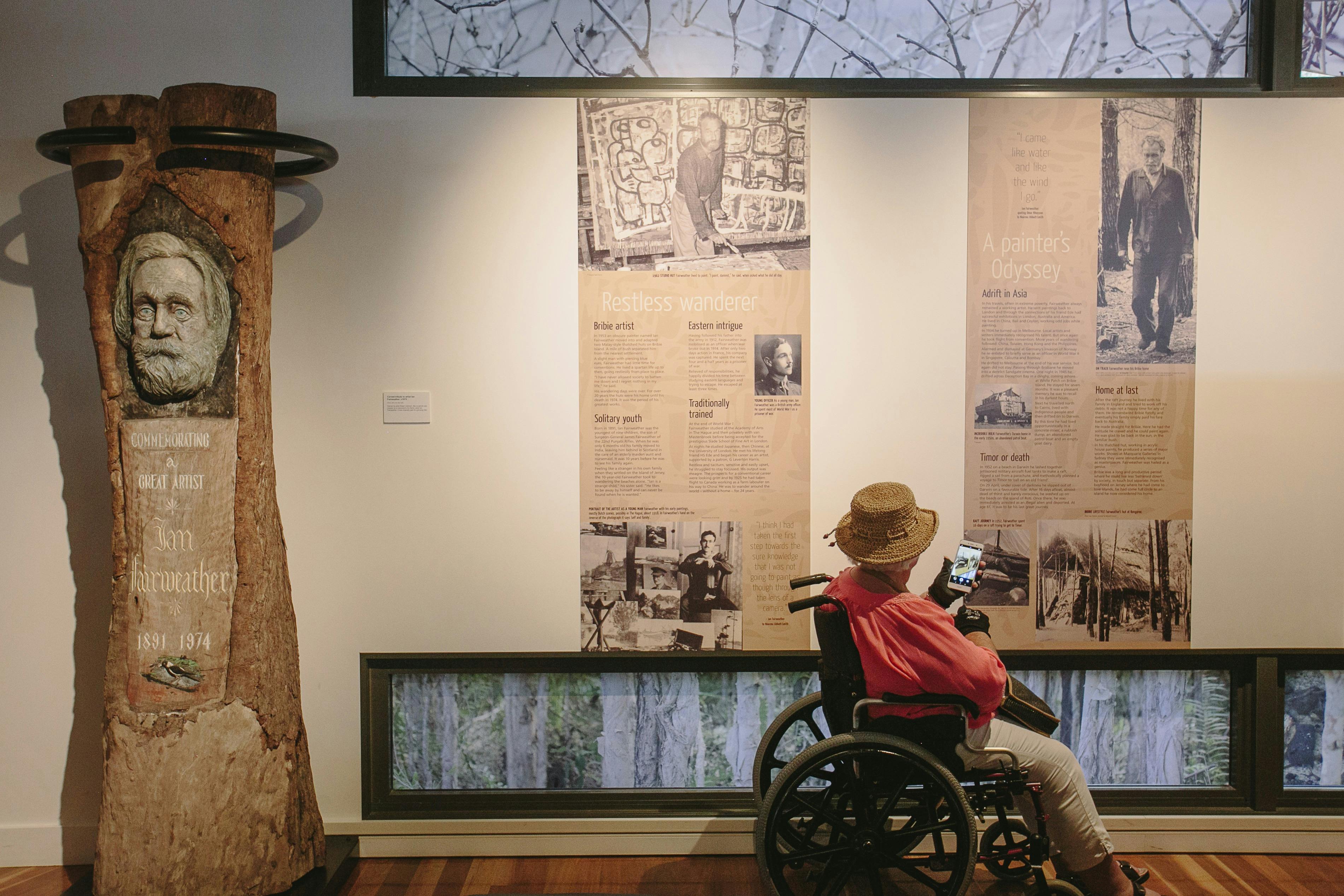
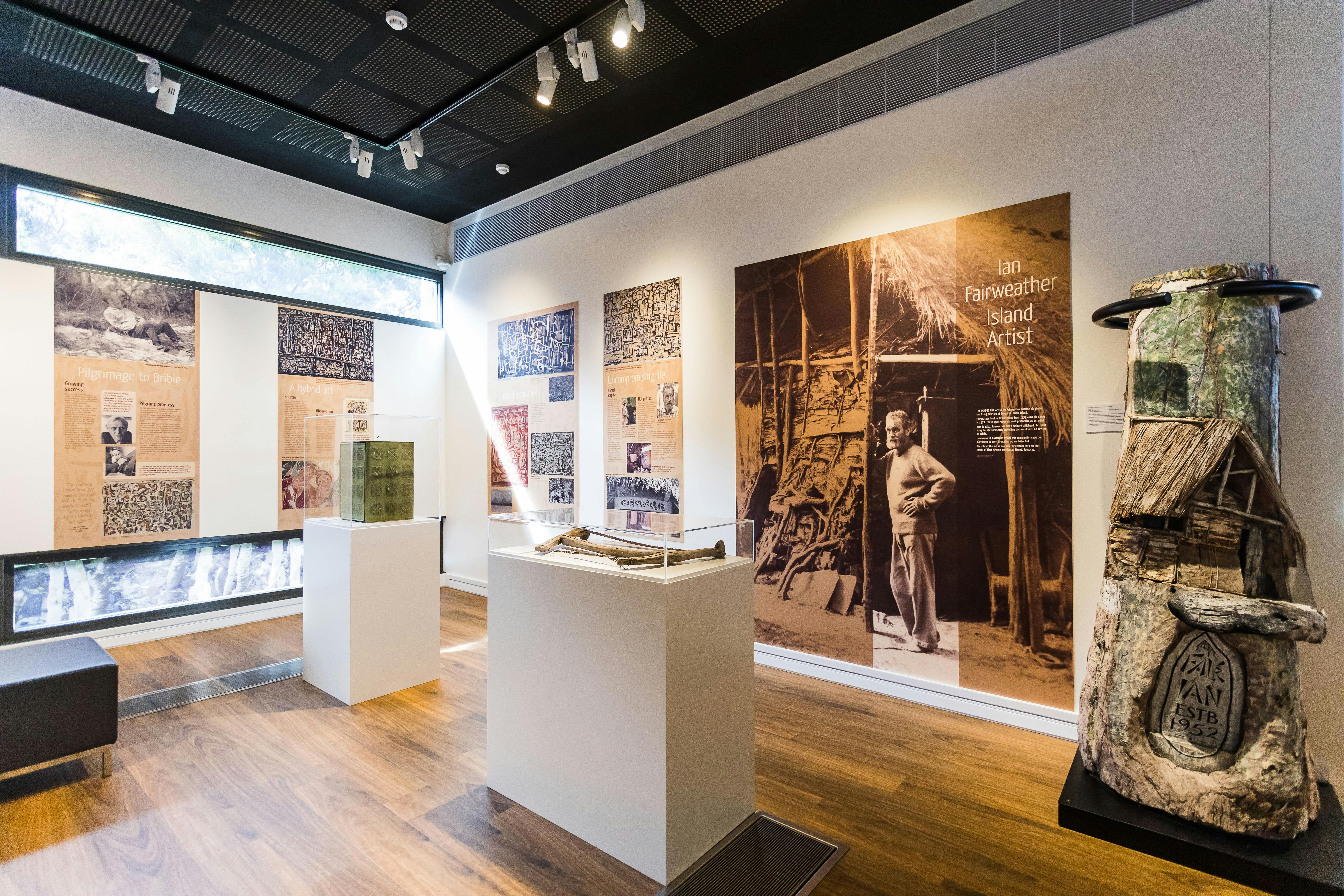
The museum features First Nations Elder stories, a theatre showing films about the famous S.S Koopa (1180-1953), stories of Bribie Island’s important role during World War II, and the story of internationally renowned artist Ian Fairweather.
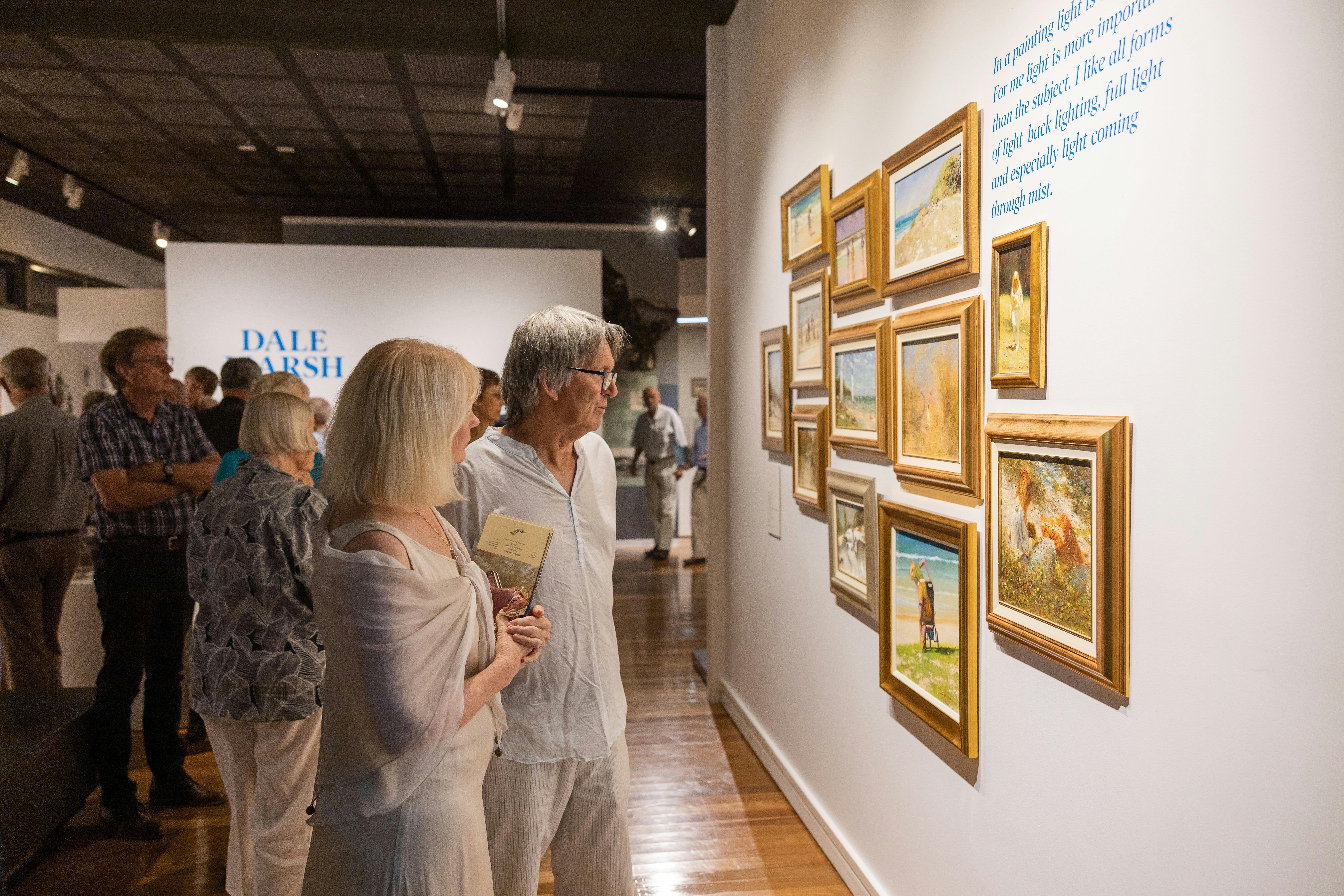
Visitors can explore the intriguing and unique people and places of Bribie Island through the immersive and interactive displays throughout the museum or extend their experience through the museum’s diverse range of events and workshops.
Images and Video

Features
Tags
Actively welcomes people with access needs.
General access

- Offers multiple options for booking – web, email, phone is available.
- Offers a range of contact methods for receiving complaints.
- Companion Cards are accepted.
- Employs people with disabilities.
- Staff are trained in disability awareness.
- Accessibility information and photos, including of a bathroom, room and/or floor plan on their website (can be emailed on request).
- Asks all visitors if there are any specific needs to be met.
- Advise tour guides of the access needs of guests at the time of booking (includes pick up and drop off requirements)
- Assistance with booking arrangements (includes providing clear itineraries with written instructions on what to do at various destinations)
Communication

Welcomes and assists people who have challenges with learning, communication, understanding and behaviour. (includes people with autism, intellectual disability, Down syndrome, acquired brain injury (ABI), dyslexia and dementia)
- Staff are trained in communicating with people with learning or behavioural challenges.
- Uses Plain English / easy read signage and information (includes menus and emergency information)
- A quiet space is available at the venue/ facility.
Vision

Caters for people who are blind or have vision loss.
- Information in large print is available.
- Digital communication materials (hard copy information also online) is available.
- Uses easy to read fonts in their signage and communication materials (Helvetica and Arial).
- An appropriate area for toileting an assistance dog is available.
- Audio enabled lifts are available.
- Handrails on all stairways
- Exit signs which are visible at a ground level (high level signs are difficult to see in a fire) are available.
Hearing

Caters for people who are deaf or have hearing loss.
- Volume controlled phones are available.
Physical – Mobility

Caters for people with sufficient mobility to climb a few steps but who would benefit from fixtures to aid balance. (This includes people using walking frames and mobility aids)
- Uses non-slip tiles in the bathroom or slip resistant matting
- Grab rails in the bathroom
- Seating in common areas including reception area
Physical – Wheelchair

Caters for people who use a wheelchair.
- Step free outdoor pathways (includes picnic areas, barbecues and shelters)
- A step free main entrance to the building and/or reception area (includes ramps or slopes with a maximum gradient of 1:14, otherwise are too steep for wheelchairs)
- Accessible seating areas in theatrette
- Doorways which are easy to open and have lever handles (doorways 850mm or wider when open and not heavy).
- An accessible public toilet which is unlocked.
- A wheelchair accessible toilet / shower and change room is available.
- A wheelchair/scooter charging station (power point) in an accessible location is available.
- At least one wheelchair accessible parking space with wheelchair accessible signage clearly displayed (International standards are 3200mm wide x 2500 mm high).
- Wheelchair accessible transport options available in the general vicinity (provide information on name of the operator, phone and website link to individual providers for private vehicles, community transport train, mini vans, hire cars, buses, taxis, ferry, tram, light rail etc in their access statement).
Allergies and intolerances

Caters for people with allergies and intolerances.
- Staff are trained to respond to allergic reactions.
Plan more around this area
 Bongaree, QLD
 Nelly's Hidden Cottage
Hide away in this cottage nestled in the trees just walking distance to the waterfront.

 Bongaree, QLD
 Magical Water Views
Take in the spectacular water views from this modern second floor unit on the peaceful and private South Esplanade in Bongaree.
 Bongaree, QLD
 Pumicestone Porch
Located in the heart of Bongaree, Pumicestone Porch is a charming and comfortable pet-friendly holiday home just a short walk from the beautiful Pumicestone Passage.

 Bongaree, QLD
 Tidal Dreams
This is a place to put away the phone, xbox, and ipads and light a fire in the fire pit of the front yard.
 Bongaree, QLD
 Tip-Sea Pelican Villa
If you love the peace and quiet of beautiful Bribie Island this immaculate townhouse will provide you with the relaxing holiday of your dreams.
 Bongaree, QLD
 Buckley's Cottage By The Sea
Executive style cottage with breathtaking views of Moreton Bay plus a walking track to the beach at your doorstep!
 Woody Point, QLD
 The Belvedere
Just 25 minutes from Brisbane Airport, The Belvedere is an iconic waterfront venue located in Woody Point Redcliffe.
 Caboolture, QLD
 Shapeshifter Cafe
A funky specialty cafe has landed in the heart of Caboolture, "A cozy, lived-in space filled with plants, local art, and soul".
 Dakabin, QLD
 Okami Japanese Restaurant – Dakabin
At Okami, they offer an authentic Japanese All You Can Eat dining experience with the highest quality ingredients sourced locally and the finest services.
