Cape to Cape MTB
Highlights
- Experience breathtaking views as you ride along stunning private trails in Margaret River's picturesque landscapes.
- Explore local flavours with vineyard visits and brewery finishes that showcase the region's renowned hospitality.
- Conquer diverse terrains, from fast flowing single trails to groomed downhill paths, suitable for various skill levels.
- Join a vibrant community of riders in Australia's largest MTB stage race, celebrating adventure and camaraderie over four unforgettable days.
Cape to Cape is Australia’s largest and most popular four day MTB stage race. Based in Margaret River Western Australia, this iconic riding experience includes access to stunning private trails, vineyard visits, brewery finishes and some of the warmest hospitality the region has to offer.
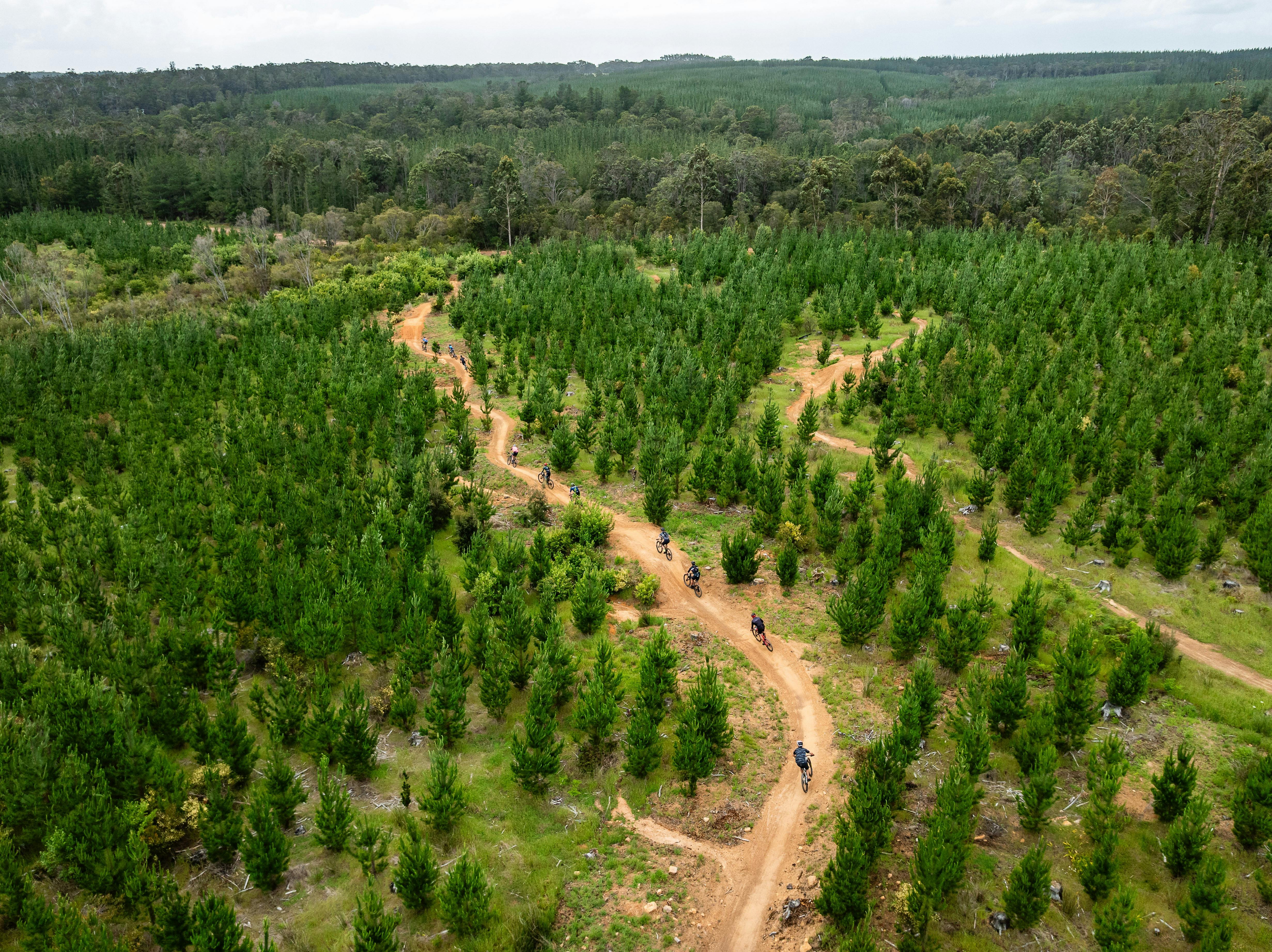
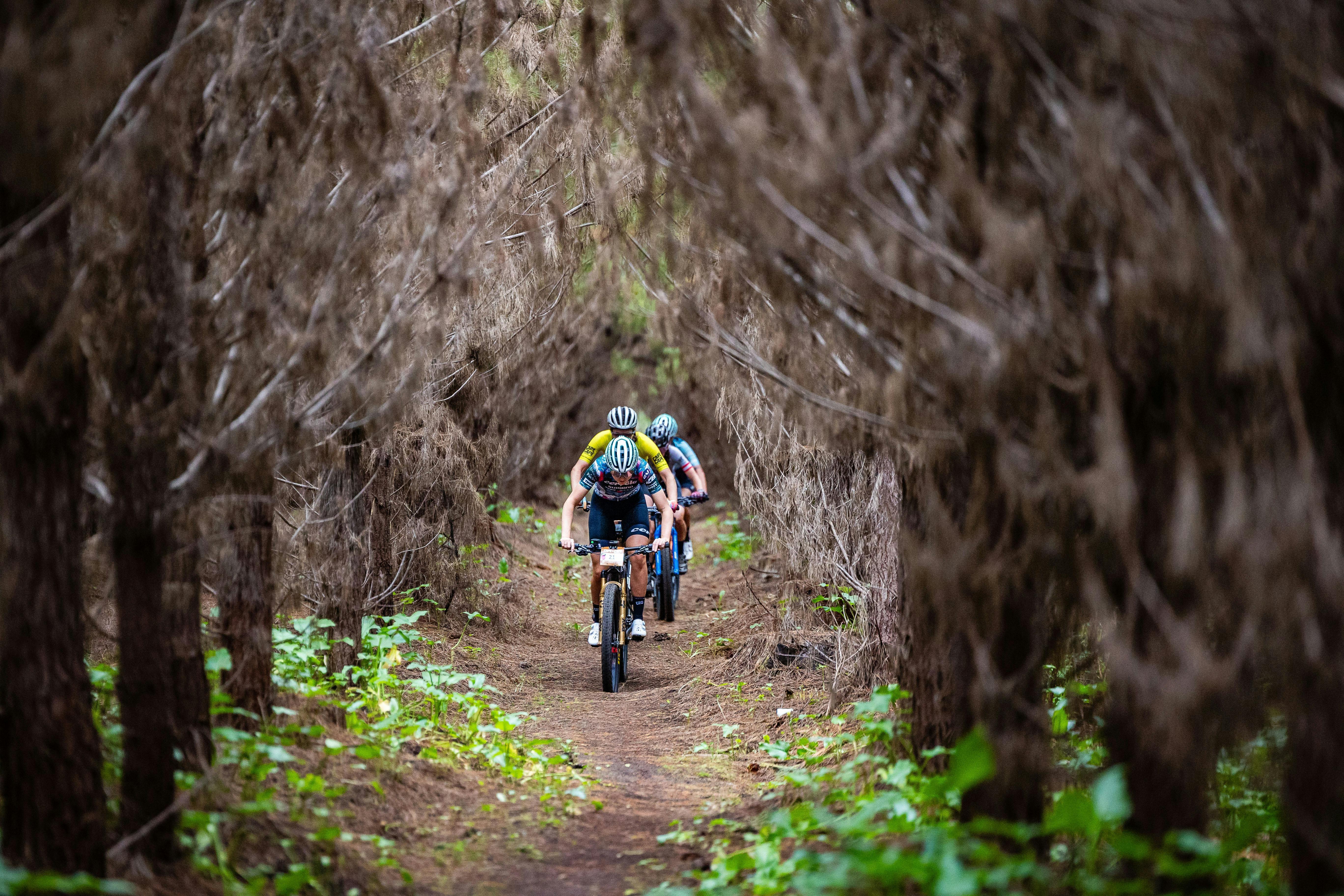
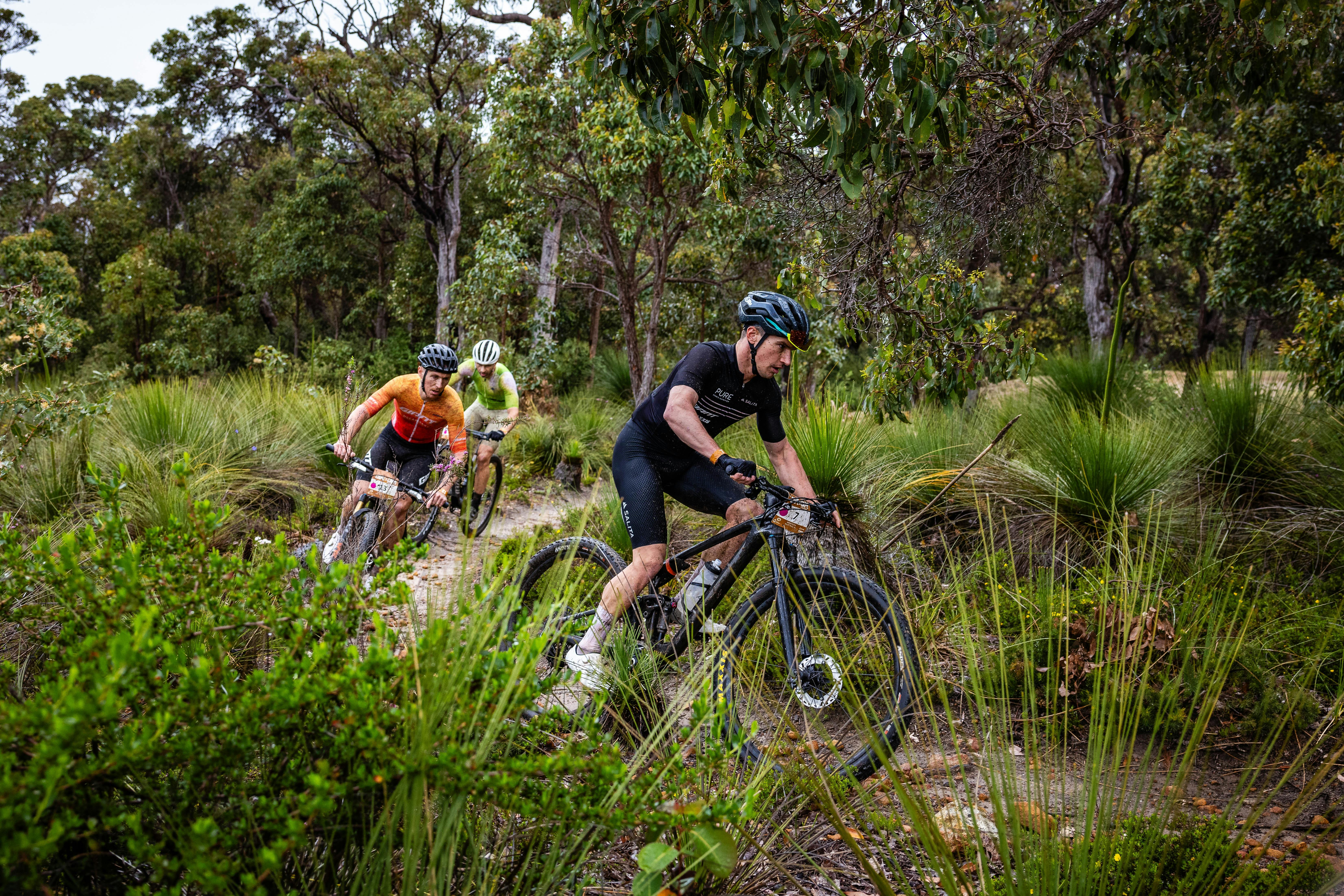
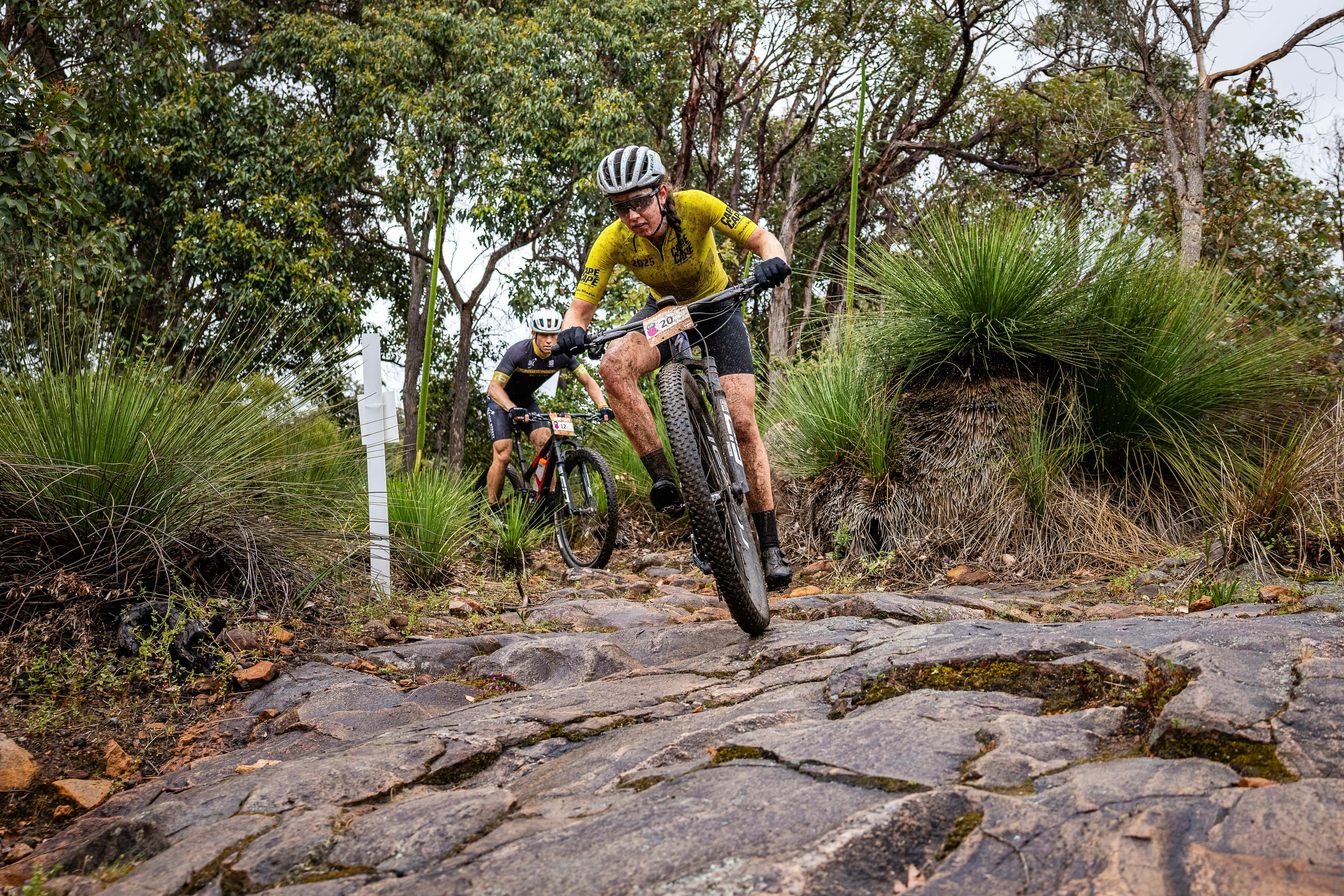
Starting at Cape Leeuwin lighthouse and finishing four days later up at Cape Naturaliste, the course makes its way through a network of trails along the coast, through National Parks, forest, farm lands, mountain bike parks, and bush before heading up to the northern cape of the South West WA region.
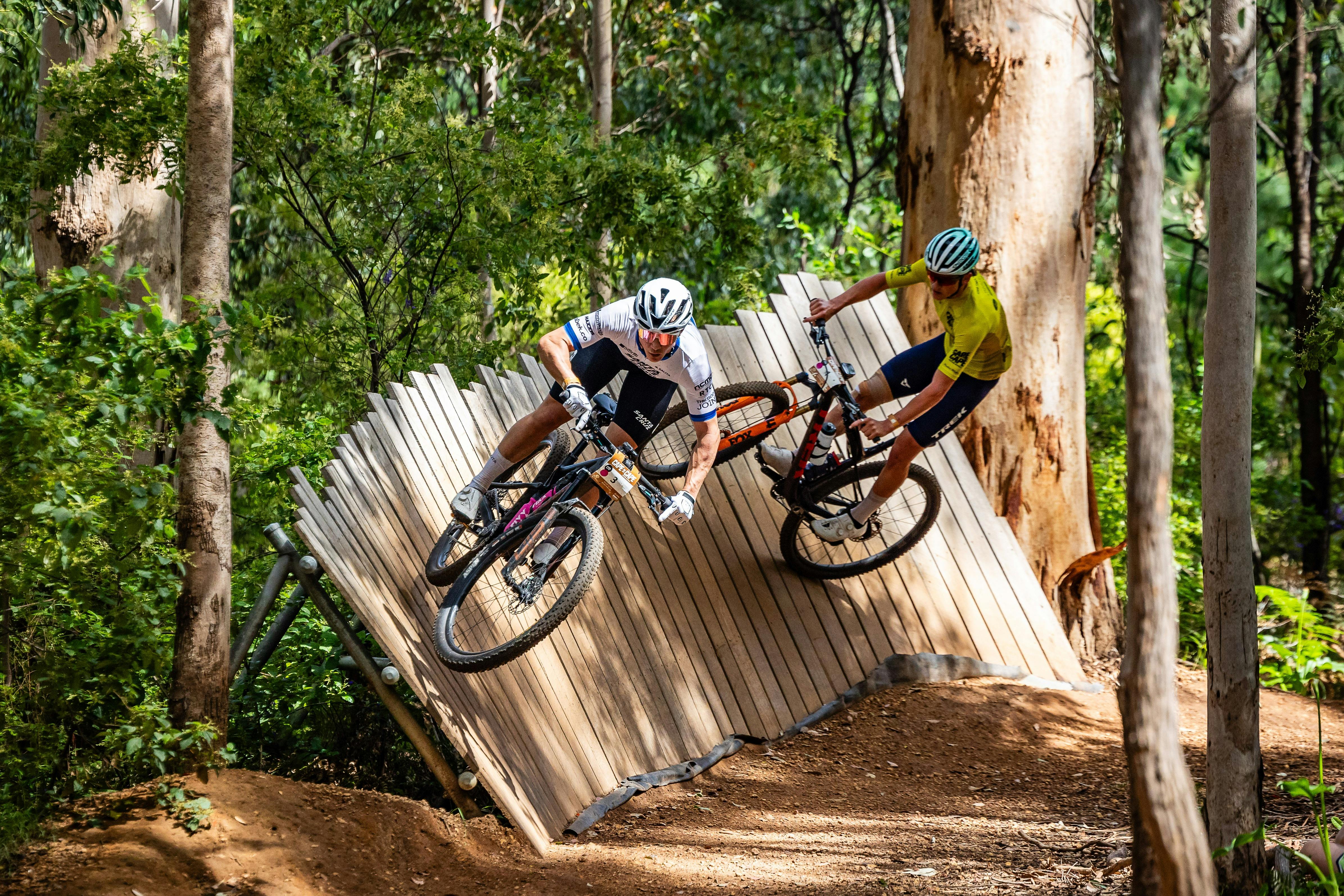
Roughly 200km and 2,500m of climbing in total, each day’s riding is between 34km and 59km and has its own special terrain and environment to keep things interesting with a mix of fast flowing single trail, farm tracks, groomed downhill trails and fire trails – many through private land that can only be ridden while racing the Cape to Cape.
There’s nothing too technical and it’s ridable for anyone with a reasonable level of fitness and MTB skills. Check out the course overview.
Images and Video

Dates & times
- Next occurrence: reoccurring
Accreditations
- WA – Australia's South West
Features
Actively welcomes people with access needs.
General access

- Offers multiple options for booking – web, email, phone is available.
- Offers a range of contact methods for receiving complaints.
- Companion Cards are accepted.
- Staff are trained in disability awareness.
- Asks all visitors if there are any specific needs to be met.
- Assistance with booking arrangements (includes providing clear itineraries with written instructions on what to do at various destinations)
Physical – Mobility

Caters for people with sufficient mobility to climb a few steps but who would benefit from fixtures to aid balance. (This includes people using walking frames and mobility aids)
- Grab rails in the bathroom
- Seating in common areas including reception area
Physical – Wheelchair

Caters for people who use a wheelchair.
- Step free outdoor pathways (includes picnic areas, barbecues and shelters)
- A doorbell or intercom at an accessible height and display a contact number (accessible height is 900mm-1100 mm)
- A step free main entrance to the building and/or reception area (includes ramps or slopes with a maximum gradient of 1:14, otherwise are too steep for wheelchairs)
- Step free access to restaurant, lounge and bar
- Step free access to the conference or function room
- Accessible seating areas in theatrette
- Doorways which are easy to open and have lever handles (doorways 850mm or wider when open and not heavy).
- An accessible public toilet which is unlocked.
- A wheelchair accessible toilet / shower and change room is available.
- At least one wheelchair accessible parking space with wheelchair accessible signage clearly displayed (International standards are 3200mm wide x 2500 mm high).
- Wheelchair accessible transport options available in the general vicinity (provide information on name of the operator, phone and website link to individual providers for private vehicles, community transport train, mini vans, hire cars, buses, taxis, ferry, tram, light rail etc in their access statement).
Allergies and intolerances

Caters for people with allergies and intolerances.
- Modify their cooking and cleaning practices to cater for people with food allergies or chemical intolerances (could include menus with meals free from: nuts, dairy, seafood, eggs, gluten etc).
- Staff are trained to respond to allergic reactions.
- Equipment to respond to anaphylactic shock such as epi–pens and defibrillator.
Plan more around this area
 Margaret River, WA
 Forest Edge Villa
Forest Edge Villa is perfectly positioned between the forest fringe and Margaret River town central.
 Margaret River, WA
 Three Seven Six
Private spacious apartment ideally located in the heart of Margaret River.
 Margaret River, WA
 Suite 26
This comfortable first floor holiday suite is the perfect rest point for business travellers or holiday couples alike.
 Margaret River, WA
 Apartment 46
A stylish, deluxe townhouse (privately owned) in the heart of Margaret River.
 Margaret River, WA
Margarets Forest Holiday Apartments
Margarets Forest four-star rated self-contained apartments are situated where the towering forest meets the cafe strip in the Margaret River town centre.
 Margaret River, WA
 Josephines Luxury Accommodation Margaret River
Boutique style hotel in the heart of Margaret River. Stylish accommodation with Kingsize beds, kitchenette, coffee machines and complimentary breakfast items supplied in your room.
 Cowaramup, WA
 Miss Chow's Margaret River
Miss Chow's brings its signature modern Asian dining experience to the heart of wine country with the launch of its Margaret River venue at Edwards

 Cowaramup, WA
Passel Estate
Passel Estate is a family owned vineyard and tasting room in the heart of the Margaret River wine region.
 Bramley, WA
 Evoi Wines
Evoi Wines started in 2007 and is a very highly regarded award-winning boutique winery.
 Witchcliffe, WA
 Amato Vino
Amato Vino are small-batch artisan winemakers with a 'lo-fi' winemaking philosophy, embracing wild ferments, minimal adjustments and employing traditional processes.
 Rosa Brook, WA
 Brown Hill Estate
Margaret River is home to many iconic Australian wineries, including Brown Hill Estate.
 Margaret River, WA
 Mr Barval Fine Wines
Wine Maker Robert Gherardi, remembers as a child the excitement of waking up pre-sunrise to head out to the Swan Valley, or even a world
