Cradle Mountain Wilderness Gallery
Highlights
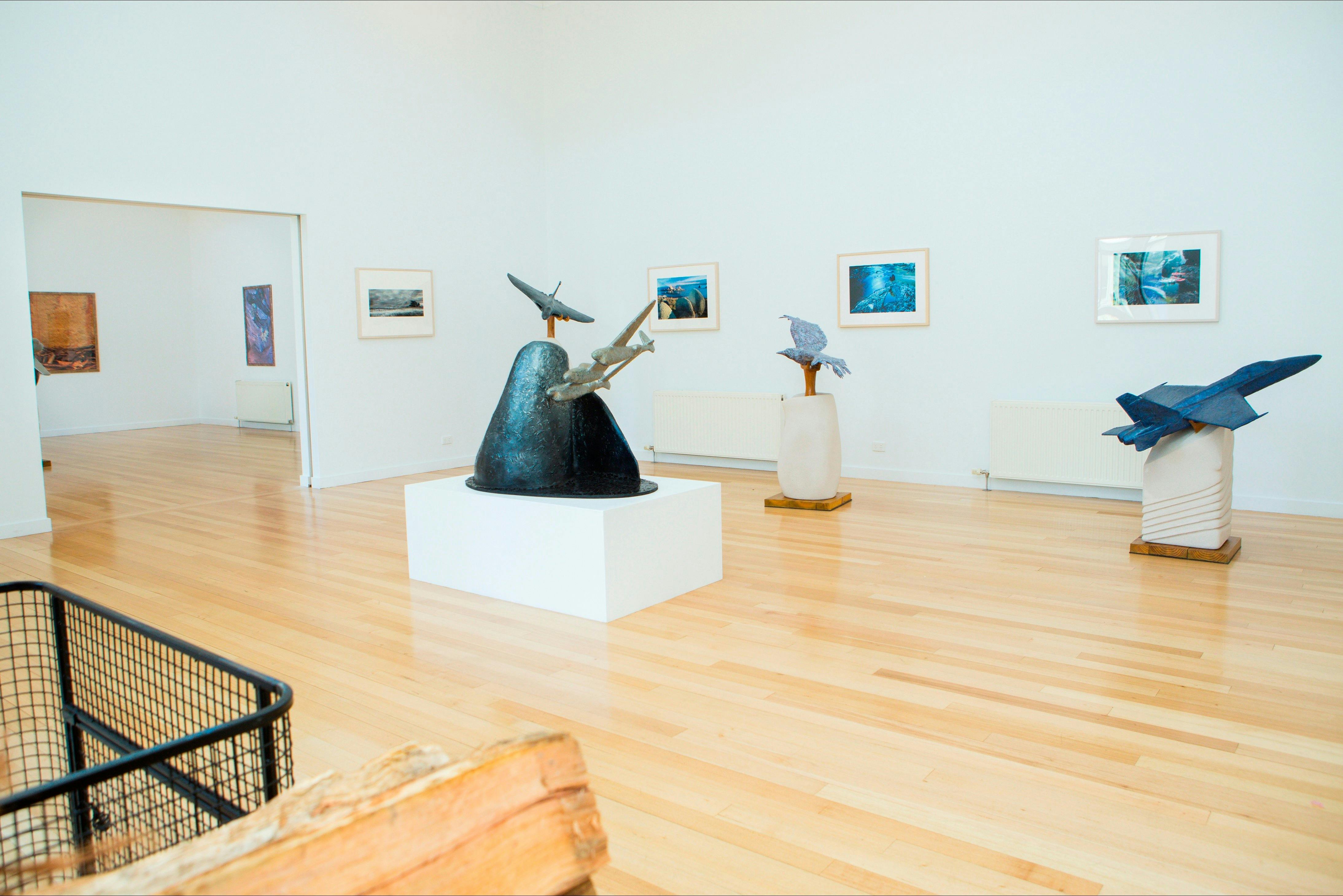
- Explore diverse mediums in nine exhibit rooms, showcasing Tasmanian and visiting artists in a stunning natural setting.
- Discover unique Tasmanian art and craft in the gift shop, perfect for memorable souvenirs from your adventure.
- Enjoy a leisurely visit with family-friendly facilities, including a cafe and electric vehicle charging points.
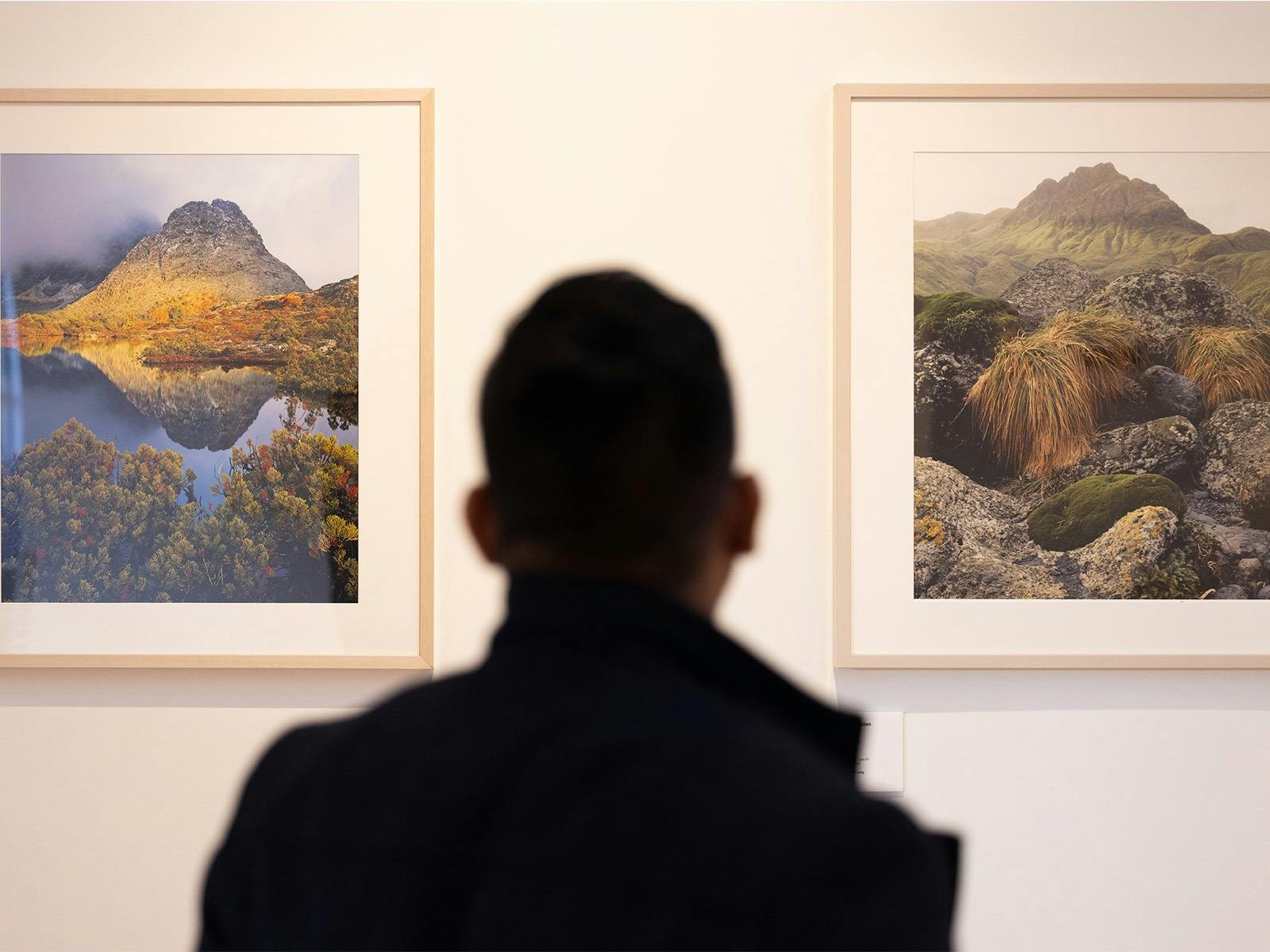
- Experience the beauty of Cradle Mountain while appreciating environmental photography that captures the wild essence of Tasmania.
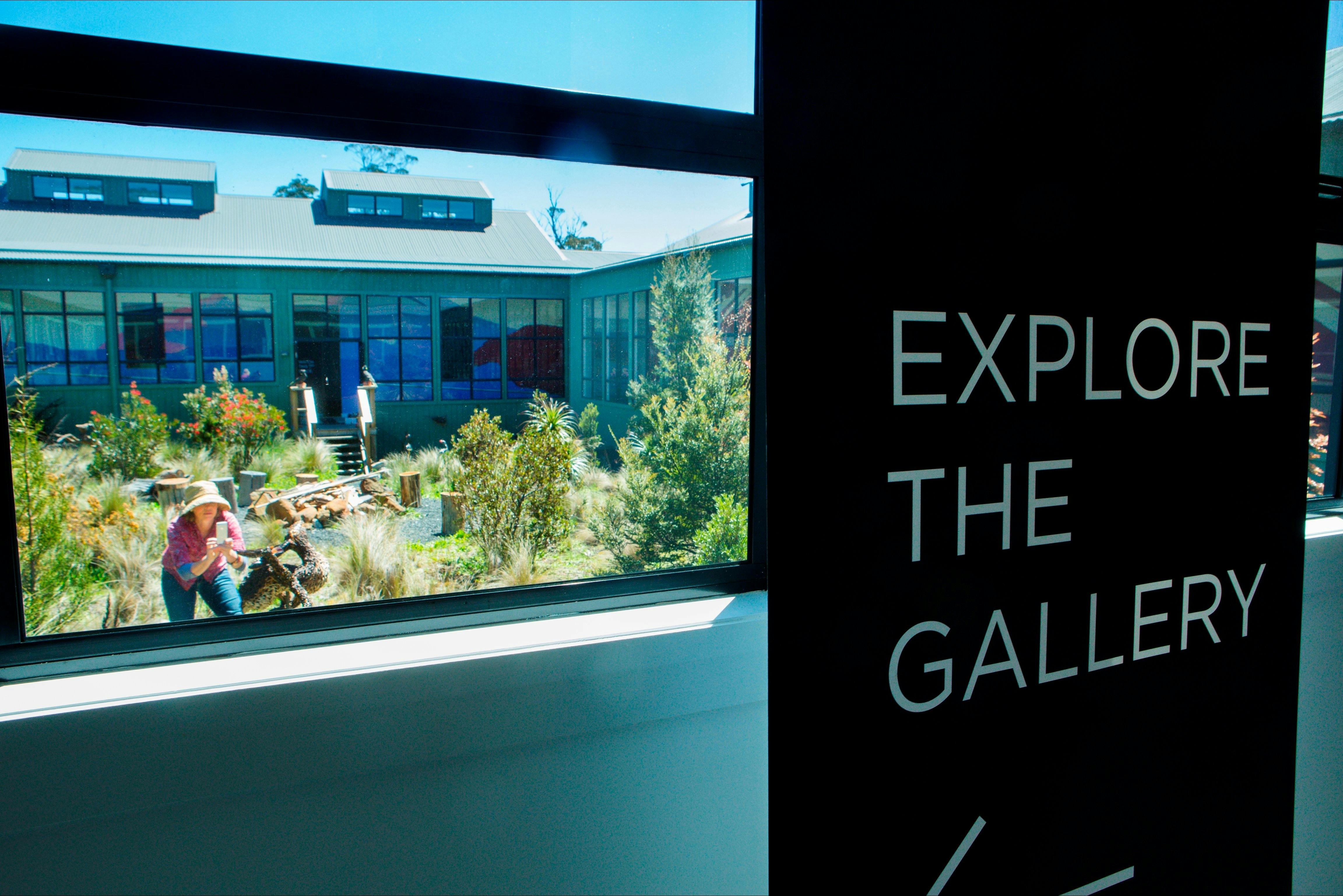
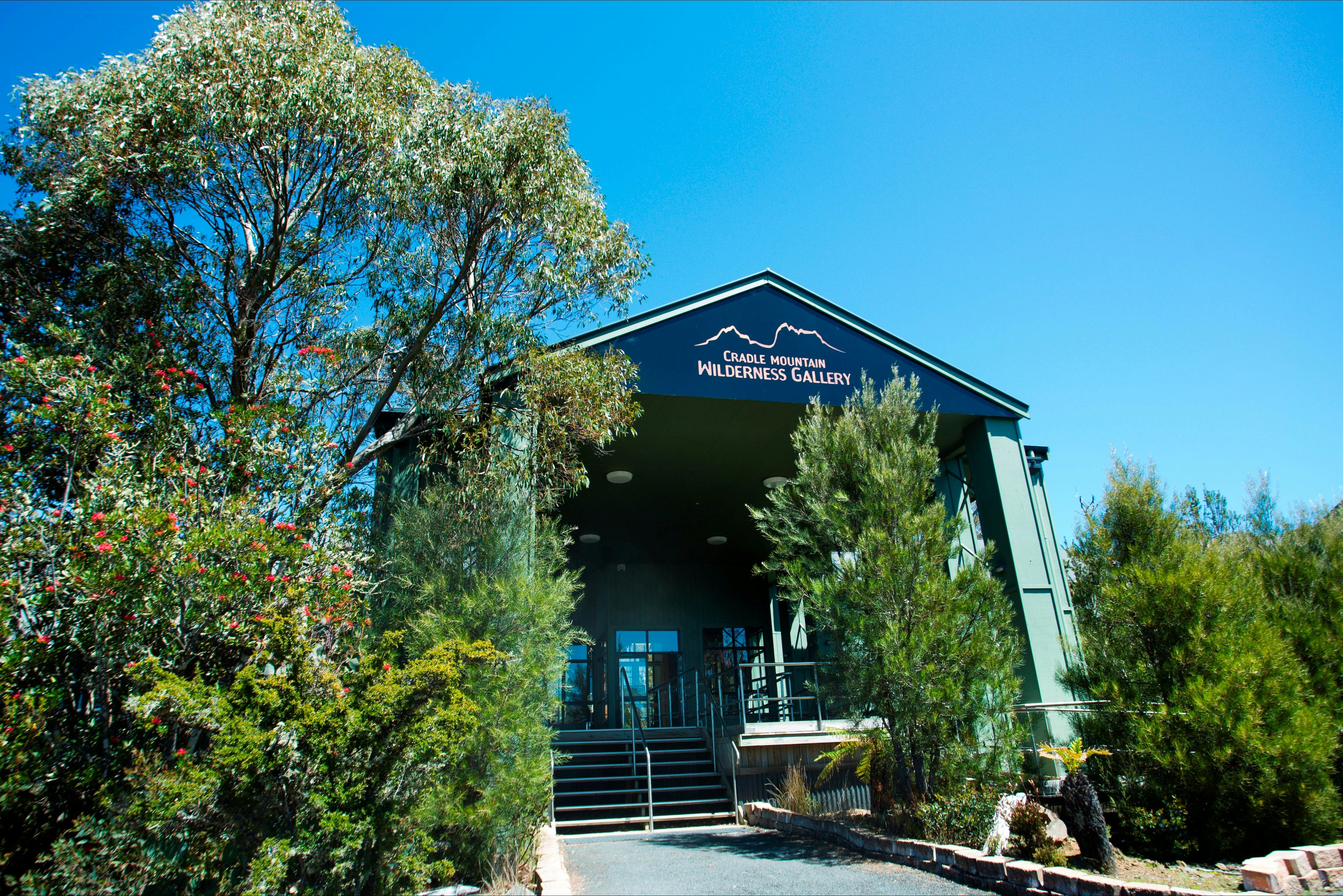
The Cradle Mountain Wilderness Gallery is a purpose-built gallery showcasing works from Tasmanian and visiting artists in a wild setting. It’s provides an opportunity for artists to present their work in one of Australia’s most revered natural areas and plays host to artists in residence.
The Gallery is located at Cradle Mountain Hotel, a two-and-a-half-hour drive west of Launceston (144 km) and a 90-minute drive from Devonport (83 km).
The Cradle Mountain Wilderness Gallery exhibits a range of mediums, including sculpture, digital art, photography, drawings and paintings showcased across nine exhibit rooms.
Alongside the Gallery is a gift shop with a superb range of Tasmanian art, craft and produce available to purchase.
Images and Video

Accreditations
-
 Quality Tourism Accreditation
-
Sustainable Tourism Accreditation by ATIC
Features
Tags
Actively welcomes people with access needs.
General access

- Offers multiple options for booking – web, email, phone is available.
- Offers a range of contact methods for receiving complaints.
- Companion Cards are accepted.
- Staff are trained in disability awareness.
Communication

Welcomes and assists people who have challenges with learning, communication, understanding and behaviour. (includes people with autism, intellectual disability, Down syndrome, acquired brain injury (ABI), dyslexia and dementia)
- Staff are trained in communicating with people with learning or behavioural challenges.
- A quiet space is available at the venue/ facility.
Vision

Caters for people who are blind or have vision loss.
- Information in large print is available.
- Uses easy to read fonts in their signage and communication materials (Helvetica and Arial).
Hearing

Caters for people who are deaf or have hearing loss.
- A low noise reception areas with hearing loss friendly acoustics and adequate lighting for viewing facial expressions (includes common areas which are free of background noise, background music) is available.
Physical – Mobility

Caters for people with sufficient mobility to climb a few steps but who would benefit from fixtures to aid balance. (This includes people using walking frames and mobility aids)
- Uses floors/coverings which are slip resistant, firm and smooth
- Grab rails in the bathroom
- Seating in common areas including reception area
Physical – Wheelchair

Caters for people who use a wheelchair.
- Step free access to the conference or function room
- An accessible public toilet which is unlocked.
- A wheelchair accessible toilet / shower and change room is available.
Allergies and intolerances

Caters for people with allergies and intolerances.
- Modify their cooking and cleaning practices to cater for people with food allergies or chemical intolerances (could include menus with meals free from: nuts, dairy, seafood, eggs, gluten etc).
- Staff are trained to respond to allergic reactions.
- Complies with The Food Authority requirements for allergy management in food preparation.
- Equipment to respond to anaphylactic shock such as epi–pens and defibrillator.
Plan more around this area
 Erriba, TAS
 Erriba House
Cradled by the mountains of North West Tasmania is Erriba House. A self-contained guest house with two bedrooms each with their own shower room.

 Staverton, TAS
 The Good Place
The Hut and Tiny Cradle where is the place you can be yourself and don't give a damn about what is happening in the world.
 Cradle Mountain, TAS
 Altitude Restaurant
Altitude Restaurant presents a variety of meals and snacks made with fresh local produce, accompanied by a handpicked selection of wines from around Tasmania.
 Cradle Mountain, TAS
 Hellyers Restaurant at Cradle Mountain
Cradle Mountain Wilderness Village is situated in the temperate rainforest in Cradle Valley on the edge of the World Heritage-listed Cradle Mountain/Lake St Clair National.
 Cradle Mountain, TAS
 Tavern Bar & Bistro
Open 7 days a week the Tavern Bar & Bistro provides a warm, casual, rustic tavern atmosphere complete with a roaring log fire.
 Cradle Mountain, TAS
 Highland Restaurant
Considered a destination in its own right, Highland Restaurant is recognised as one of Tasmania’s premier dining experiences.
