DownsSteam Toowoomba
Highlights
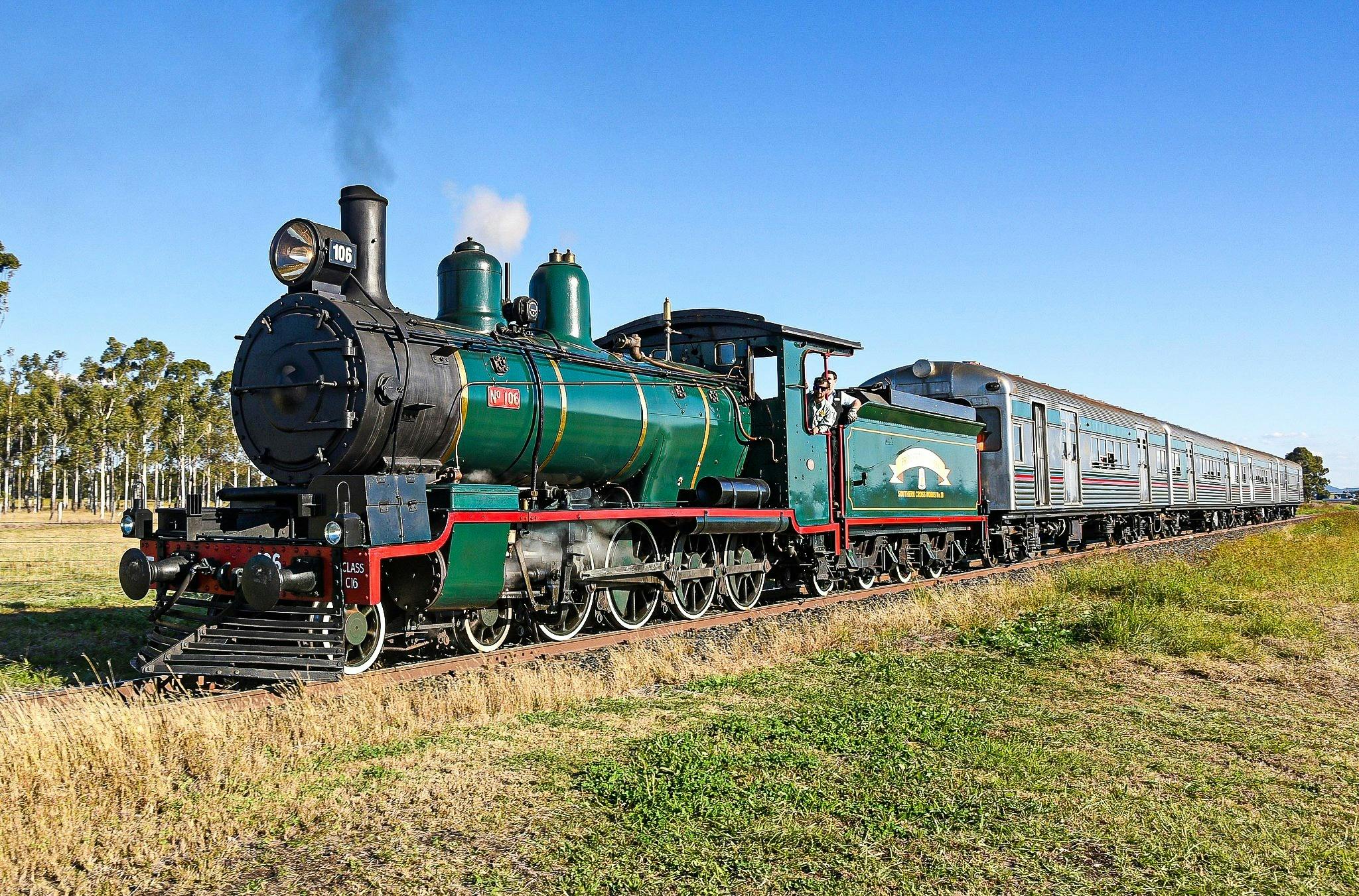
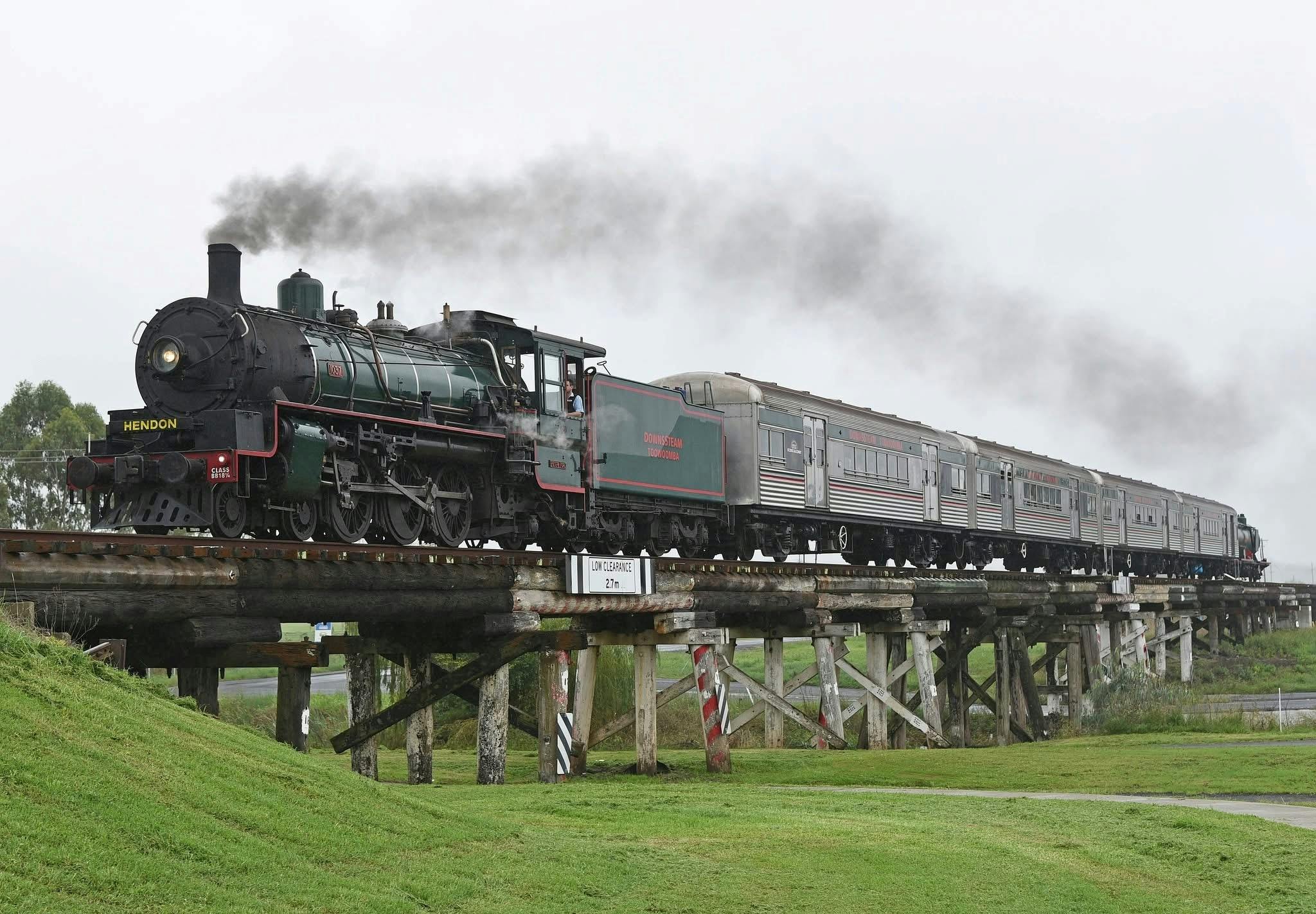
- Experience the thrill of a steam train ride on the historic C16 106, connecting you to Toowoomba's rich heritage.
- Immerse yourself in local history with the Pint and Plate excursion, perfect for families seeking unique adventures.
- Explore the charming gallery and museum, showcasing the fascinating story of Toowoomba's railway legacy.
- Enjoy convenient facilities like food and refreshments, ensuring a comfortable visit for all ages.
Getting in touch with the past has never been more thrilling, with DownsSteam Toowoomba carrying steam locomotive passengers for the first time in 25 years.
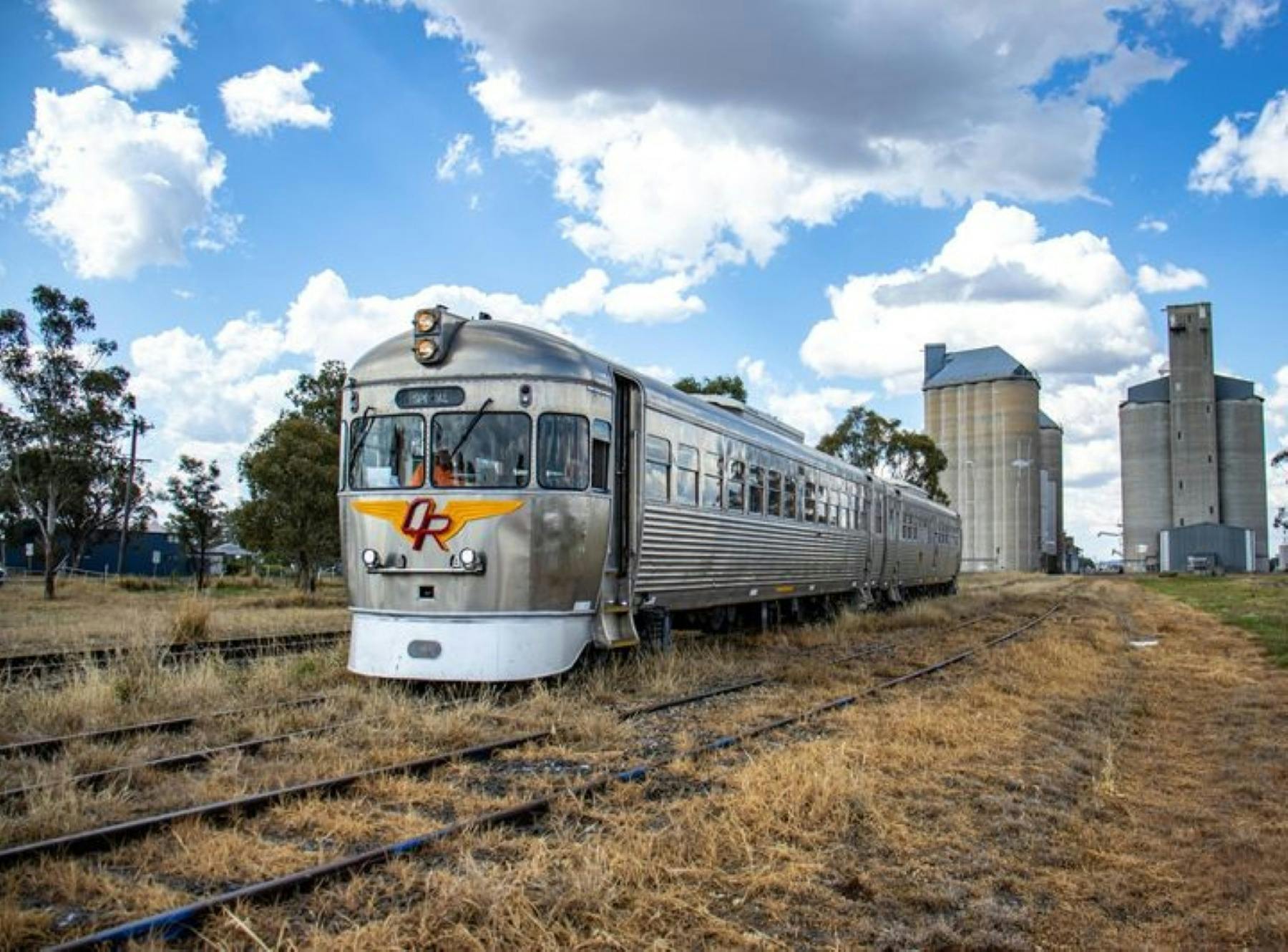
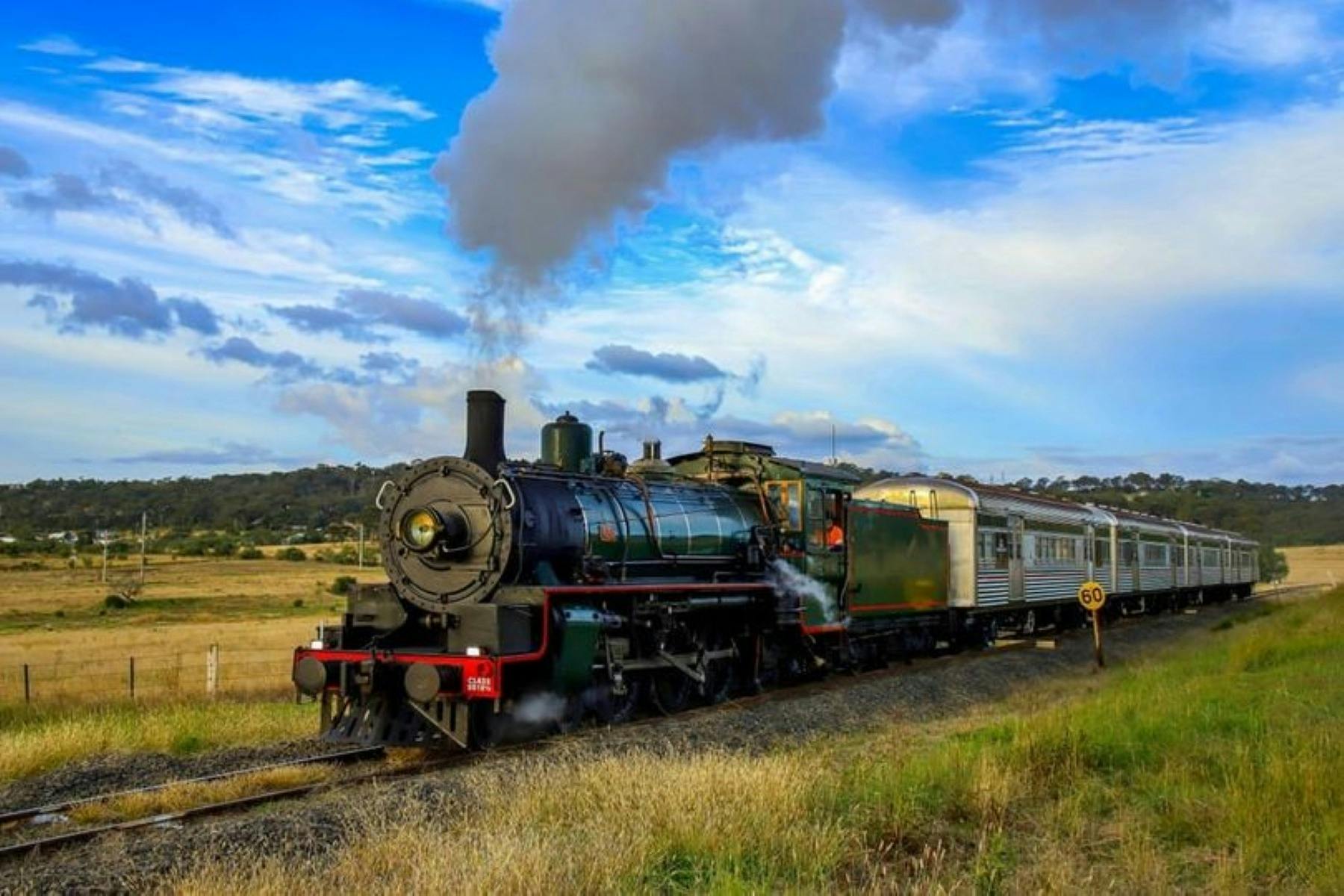
Experience a much-loved piece of Toowoomba history with a train trip on the Steam Engine C16 106, aptly named ‘The Pride of Toowoomba’, which was built by the Toowoomba Foundry Company in 1914 or the BB18 1/4-1037 steam locomotive, donated by the Ford Family from Mackay.
Immerse yourself in the rich rail history of the Toowoomba Region by booking a variety of services including the Pint and Plate excursion or grab the whole family to enjoy the novelty of riding a real steam train.
Images and Video


Accreditations
- Regional Tourist/Tourism Association/Organisation
Features
Tags
Actively welcomes people with access needs.
General access

- Offers multiple options for booking – web, email, phone is available.
- Offers a range of contact methods for receiving complaints.
- Employs people with disabilities.
- Staff are trained in disability awareness.
- Asks all visitors if there are any specific needs to be met.
- Advise tour guides of the access needs of guests at the time of booking (includes pick up and drop off requirements)
- Assistance with booking arrangements (includes providing clear itineraries with written instructions on what to do at various destinations)
Communication

Welcomes and assists people who have challenges with learning, communication, understanding and behaviour. (includes people with autism, intellectual disability, Down syndrome, acquired brain injury (ABI), dyslexia and dementia)
- Staff are trained in communicating with people with learning or behavioural challenges.
- Uses Plain English / easy read signage and information (includes menus and emergency information)
- A quiet space is available at the venue/ facility.
Vision

Caters for people who are blind or have vision loss.
- Information in large print is available.
- Digital communication materials (hard copy information also online) is available.
- Uses easy to read fonts in their signage and communication materials (Helvetica and Arial).
- Staff are trained in customer service for people with vision loss (training would incorporate way finding and communicating with people with vision loss).
- Handrails on all stairways
- Exit signs which are visible at a ground level (high level signs are difficult to see in a fire) are available.
Hearing

Caters for people who are deaf or have hearing loss.
- Staff are trained in communicating with people who are deaf or have hearing loss.
- Visual alerts for emergencies (Include flashing light) are available.
Physical – Mobility

Caters for people with sufficient mobility to climb a few steps but who would benefit from fixtures to aid balance. (This includes people using walking frames and mobility aids)
- Uses floors/coverings which are slip resistant, firm and smooth
- Grab rails in the bathroom
- Seating in common areas including reception area
Physical – Wheelchair

Caters for people who use a wheelchair.
- Step free outdoor pathways (includes picnic areas, barbecues and shelters)
- A step free main entrance to the building and/or reception area (includes ramps or slopes with a maximum gradient of 1:14, otherwise are too steep for wheelchairs)
- Step free access to restaurant, lounge and bar
- Step free access to the conference or function room
- Doorways which are easy to open and have lever handles (doorways 850mm or wider when open and not heavy).
- A wheelchair accessible toilet / shower and change room is available.
- Wheelchair access to amusements and activities including boats and bush trails (includes tour rides, skyways, trolley cars, flying fox, amusement rides and boating).
- Portable ramps.
- At least one wheelchair accessible parking space with wheelchair accessible signage clearly displayed (International standards are 3200mm wide x 2500 mm high).
- Wheelchair accessible transport options available in the general vicinity (provide information on name of the operator, phone and website link to individual providers for private vehicles, community transport train, mini vans, hire cars, buses, taxis, ferry, tram, light rail etc in their access statement).
Allergies and intolerances

Caters for people with allergies and intolerances.
- Modify their cooking and cleaning practices to cater for people with food allergies or chemical intolerances (could include menus with meals free from: nuts, dairy, seafood, eggs, gluten etc).
- Staff are trained to respond to allergic reactions.
- Complies with The Food Authority requirements for allergy management in food preparation.
- Equipment to respond to anaphylactic shock such as epi–pens and defibrillator.
Plan more around this area
 Harristown, QLD
Clifford Gardens Motor Inn
Clifford Gardens Motor Inn will look forward to giving you a warm and friendly welcome at their beautiful motel.
 Kearneys Spring, QLD
 Allan Cunningham Motel
Allan Cunningham Motel has new modern kitchenette rooms, microwaves and fridges in every room.

 Toowoomba, QLD
 Ruthmor Villas
Ruthmor Villas have 1 and 2 Bedroom executive self contained serviced villas in close walking proximity to the award winning City Golf Club and course.
 Newtown, QLD
 Best Western Tuscany On Tor Motor Inn
When staying in Toowoomba for business or pleasure, choose to stay at Best Western Tuscany on Tor Motor Inn, a modern luxuriously appointed motel.
 Newtown, QLD
 Clifford Park Holiday Motor Inn
Explore Toowoomba's charm, from the nearby Clifford Park Racecourse to the vibrant local attractions..
 South Toowoomba, QLD
Highlander Motor Inn and Apartments
Highlander Motor Inn and Apartments is known as Toowoomba’s friendliest place to stay.
 Harristown, QLD
 Perfect Catering Co
Family run catering business that excels in grazing boards, picnics & family get-togethers. Breakfasts for your stay or wedding.
 Toowoomba City, QLD
 Clifton Arms Hotel
The Clifton Arms Hotel offers a welcoming atmosphere with a bistro, bar, and comfortable accommodation.
 Toowoomba, QLD
 The Rock
Regarded for decades as a Toowoomba icon, The Rock is synonymous with good times.
 North Toowoomba, QLD
 Seasons on Ruthven Restaurant
Located onsite at Ambassador On Ruthven Motel is a quintessential Toowoomba dining venue – Seasons On Ruthven Restaurant and Wine Bar.
 Harlaxton, QLD
 Tony's Community Fruit and Veg Stall
Tony's Community will hold their annual fruit and veg stall featuring delicious seasonal Mangos just off the New England Highway at Harlaxton (corner Goombungee Road)
 Cambooya, QLD
 Bull and Barley Inn
The Bull & Barley Inn is located in the heart of Cambooya, a quaint country town nestled on the city outskirts south of Toowoomba
