Images and Video


Great Alpine Walk 7 Day – Self-Guided
Highlights
- Traverse pristine alpine forests and high plains, immersing yourself in the breathtaking diversity of the Victorian Alps.
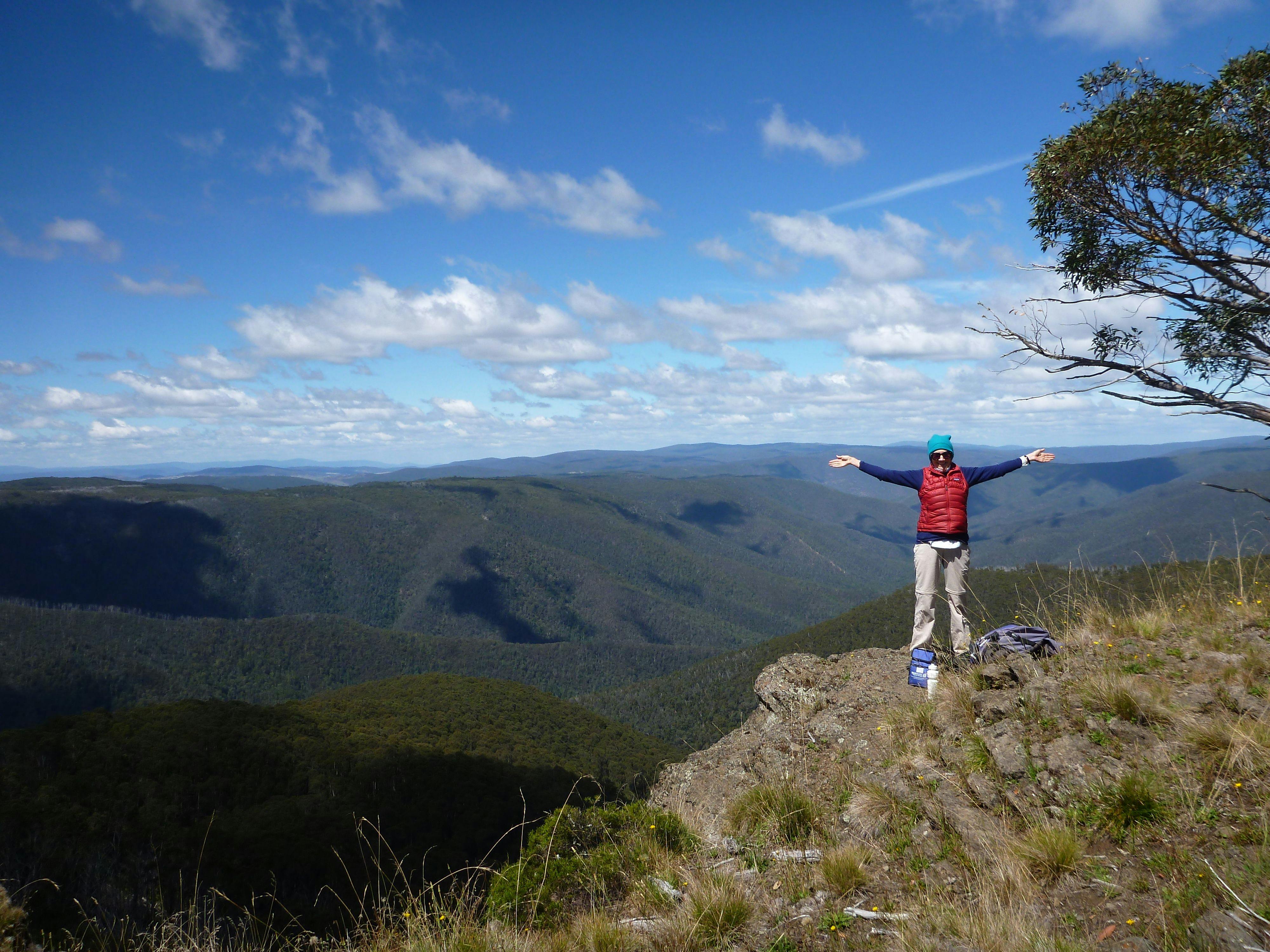
- Savour dramatic views from Razorback Ridge to Mt Feathertop, experiencing the majesty of Victoria's second highest peak.
- Breathe in fresh alpine air, leaving modern stresses behind while enjoying the tranquility of nature's untouched beauty.
- Enjoy chef-prepared dinners and comfortable accommodations, ensuring you recharge for each day's epic adventure.
Few places in Australia offer such a diversity of pristine scenery and hiking options as the Victorian Alps. This inn-to-inn walk traverses striking landscapes of alpine forests, grassland, snow-blanketed mountains, precipitous ridges and high plains. The alpine hiking trails cover some of the most spectacular sections of the 700km Alpine Walking Track from Walhalla to Canberra.
With each breath of fresh alpine air, the stresses of modern life will slowly be left behind. Take in dramatic views from the breathtaking Razorback Ridge to Mt Feathertop, the second highest peak in Victoria. The undulating ridge walk is complemented beautifully by the decent through stunning Mountain Ash forest to Harrietville. The walk from Hotham to Falls Creek via the Cobungra Valley, Derrick Hut and Dibbins Hut is not only epic but provides a real sense of accomplishment.
The Great Alpine walk is an epic immersive mountain experience where you will be supported by the team on the ground all the way. At the end of each day you’ll have the luxury of having a hot shower, a chef prepared dinner and breakfast and a good night’s sleep in a comfortable bed, rising refreshed and primed for each day.
Itinerary highlights
Ovens River
Turn L and cross the river at “Vic Attridge Bridge”, a steel footbridge. This is the Ovens River.
Cope Hut
At the time it was built in 1929, Cope Hut was the most spacious and comfortable hut of the High Plains. It was funded by the state government and even had fresh water piped to it! It was even known as “The Menzies of the High Plains” (only older Victorians will get that one!)
Most huts were built by cattlemen as basic accommodation during the summer season when their cattle grazed the mountains. During this walk you’ll see huts that vary from fairly substantial structures to very basic. Many have been burnt to the ground by bushfire or by careless occupants lighting too large a fire on cold nights. Due to concerns for the environment and quality of water, cattle numbers on the high plains have been decreasing since about 1980, and grazing was finally banned in August 2006.
Wallace Hut
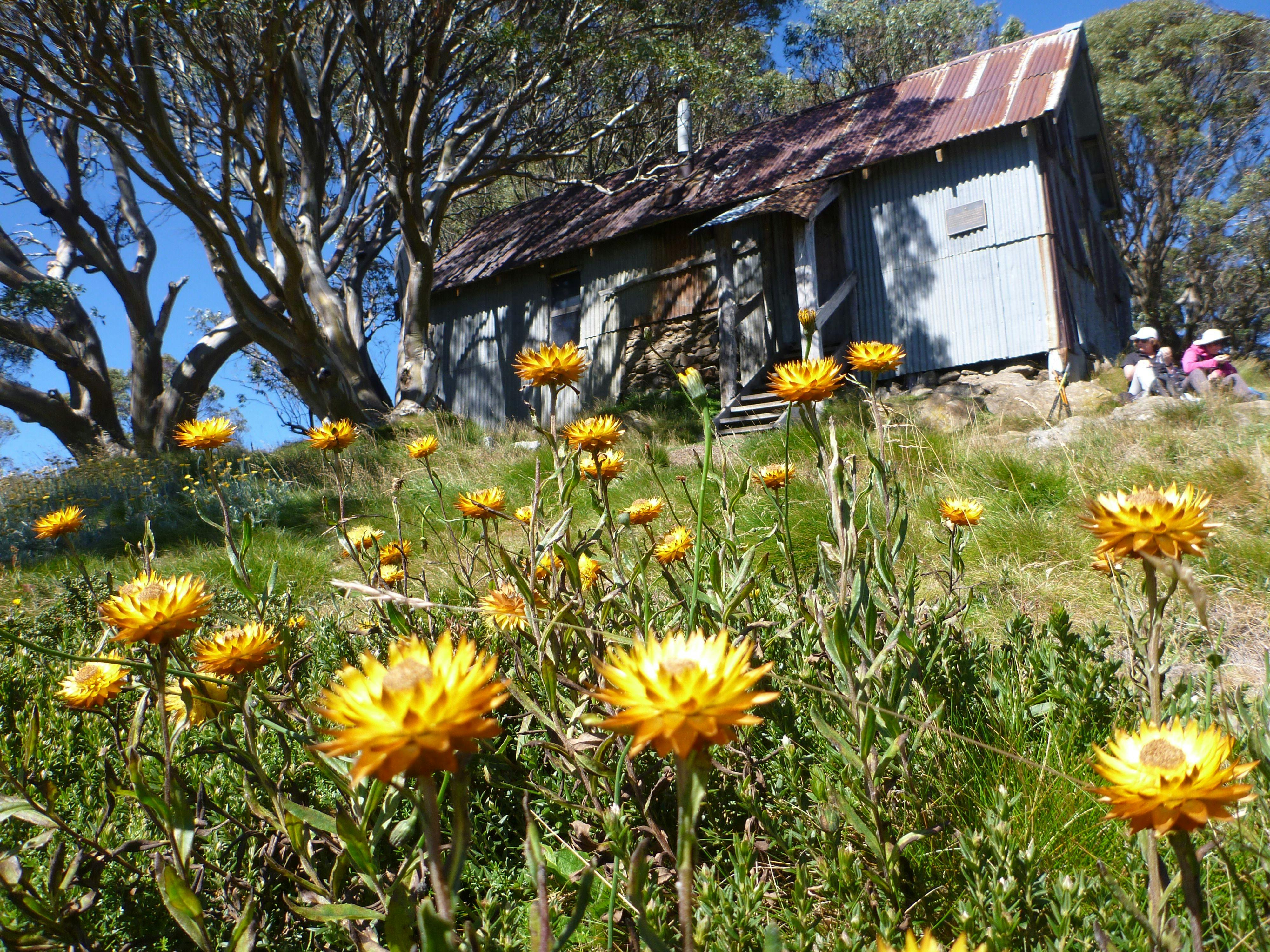
Wallace’s Hut is a delightful place to stop for lunch. There is a toilet, a picnic table and many huge snow gums to shelter under. It is the oldest hut on the High Plains, originally built in 1889 by the three Wallace brothers (Arthur, William and Stewart), using snowgum slabs laid on their sides, and wooden woollybut shingles for the roof. Nestling in a grove of ancient snowgums, the hut’s old name of “Seldom Seen Inn” was well deserved. The SEC took over the hut in the 1930s when the Wallace’s grazing lease expired. They modernized it and an employee working on the survey team lived here. When the SEC had no further use for it they took away the corrugated iron roof and left the old hut to the mercy of the elements. A reprieve for the hut came in the nick of time when the Rover Scouts raised enough money to buy and restore it. Today the hut is protected by the National Trust. The most recent restoration works occurred in early 2012, when rotting posts, slabs and wall plates were replaced, and the chimney and entry door were rebuilt.
Falls Creek
Falls Creek Village (ie the post office) is at 1585 metres elevation. How did Falls Creek resort start? After working each day on the Kiewa hydro scheme, construction workers travelled about 20 mins down the valley to Bogong Village for the night or even further to Mt Beauty. During the 1950’s, about ten of these workers found a sheltered valley close to Rocky Valley Dam. They decided to build a simple hut in the valley, stay some nights and learn to ski after work. Their site was chosen carefully to provide protection from storms and there was plenty of fresh water from a nearby stream that they named “Falls Creek”.
As you walk through the village area, note how most of the roofs don’t have gutters or downpipes. This allows heavy snowfalls to slide off the roof without damaging the guttering.
Roper Lookout
There is a great view down the Kiewa Valley and across to Falls Creek Village. After work each day on the hydro scheme, the construction workers travelled about 20 mins down the valley to Bogong Village (or 40 mins to Mt Beauty) for the night. During the 1950’s, about ten of these workers found a sheltered valley close to Rocky Valley Dam. They decided to build a simple hut in the valley, stay some nights and learn to ski after work. Their site was chosen carefully to provide protection from storms and there was plenty of fresh water from a nearby stream that they named “Falls Creek”. That’s how the resort started.
Dibbins Hut
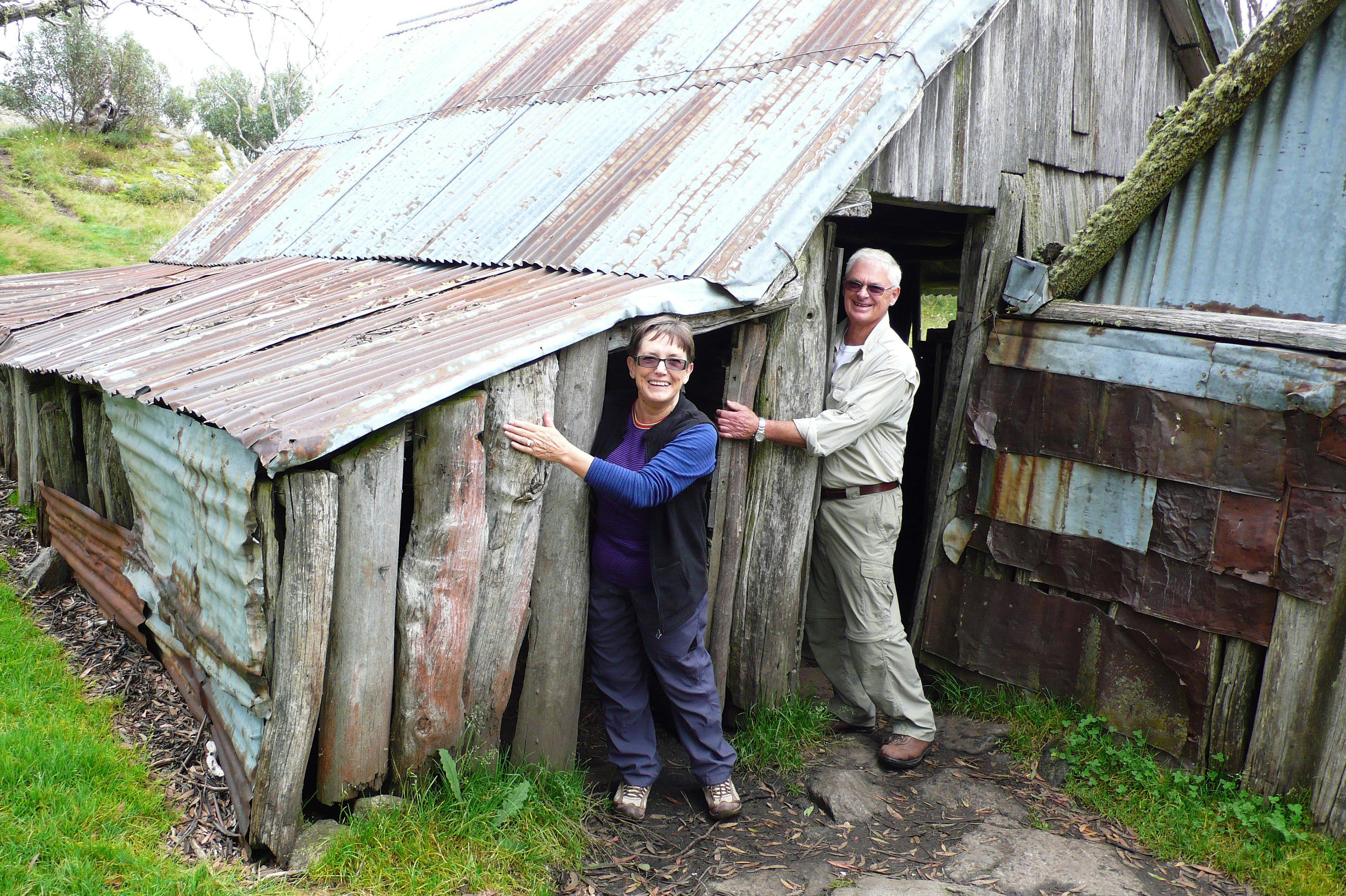
Dibbins Hut has been built three times. After the first one burnt down, Arthur Dibbins built number two in about 1919-1920. It was constructed of huge heavy timbers laid horizontally, and the doorway was so low that its nickname was the “Creep Inn”. It was really dark and gloomy inside. The present hut is the result of substantial restoration work done in 1987, though the low doorway still remains. During the 2003 bushfires it was only saved by a lot of helicopter water bombing, and even so, fire still burnt to within a few metres of the hut. The river in front of the hut is a pleasant place to stop.
Mt Tabletop Lookout
Mt Tabletop is a distinctive flat plateau linked to the Great Dividing Range by a low ridge. It’s remote and offers spectacular views over an area that you won’t see from anywhere else. The mountain exists because of a layer of hard basalt on top that has resisted weathering better than the surrounding areas. The start of the track can be a bit tricky to find. After about 10 mins of walking it becomes much clearer. This is an out-and-back walk so if at any time you are having trouble finding the route, stop and retrace your steps back to the start.
Razorback Ridge
The walk follows the impressive Razorback Ridge all the way to its other end (where you can do a side walk to the summit of Mt Feathertop if you want), then continues down the well graded Bungalow Spur to Harrietville. You should presume there will be no water available along the route (although there may be some at a spring 10 mins past Federation Hut), so carry what you need for the day.
Mount Feathertop
Mt Feathertop (at 1922m) is the 2nd highest mountain in Victoria and undoubtedly one of Australia’s most dramatic and most photographed peaks.
Harrietville
The pole line from here was first established in the 1860’s as part of a network of tracks linking the goldfields of Harrietville, Glen Willis and Omeo. In 1939, the pole line was re-aligned to be more useful to winter skiers, and still follows the same route.
This is a good area for spotting wild brumbies. Brumbies are feral animals, descended from runaway horses. Because of their weight, feral horse inflict heavy damage on sensitive sub-alpine vegetation and also spread weeds. Parks Victoria operate a brumby removal programme. Foxes are also common above the treeline. They’re large, plentiful and sometimes hunt in broad daylight.
Tour details
-
Available from 1 December 2026 to 20 April 2027
Features
Service facilities
This business does not currently offer accessible facilities.
Operation information
Auswalk Walking Holidays
The highlights of an Auswalk walking holiday go far beyond exploring the iconic landmarks that you are going to experience on the track.
Auswalk allows you to discover Australia’s greatest landscapes in comfort. You will be carrying only a day pack as your luggage is transferred on to your next accommodation while you progress along the track. Arrive each evening to your next comfortable accommodation, ready to enjoy another display of the local produce. Rest assured that a wine list will also never be too far away.
On group guided trips you will travel with a group of like-minded people, accompanied by two professional guides allowing for the flexibility of easier and harder walk options.
For the ultimate adventure and flexibility Auswalk’s self guided inn-to-inn trips allow you to walk any day in the season, with your own group of two or more people. You will still enjoy their full support as you progress along the track from one accommodation to the next with luggage transfers, marked maps and detailed walk notes.
Tags
Accreditations
-
 ECO Certified (Advanced Ecotourism) by Ecotourism Australia
Plan more around this area
 Bright, VIC
Chestnut Tree Holiday Units
Once arriving at Chestnut Tree Holiday Units, relax and take in the wonders of scenic views from the sunny north facing verandas. Choose from modern
 Bright, VIC
 Tyntynder Garden Cottages
Tyntynder Garden Cottages are situated on a tranquil, tree lined country lane just a short 2 minute walk to the Ovens River. The cottages are

 Bright, VIC
 Monterey
Peaceful and cosy villa for couples or small families, with plenty of space for everyone. A true charmer. Monterey is a beautiful cosy home perfect
 Bright, VIC
 The Outta Towner
The perfect family getaway is waiting for you, or perhaps it is that cycling trip, or girls weekend or something else?
 Bright, VIC
 Tasman Holiday Parks – South Bright
Bright will delight you all year round and Bright Pine Valley is the perfect place to stay while enjoying all the region has to offer.

 Bright, VIC
 Hampton Cottage
Modelled on the railway cottages of yesteryear but with all the modern conveniences of today with a "French Provincial" flair. Autumn Affair Cottages offer first
 Bright, VIC
 La Cigale
A French inspired place to enjoy life through food, cheese, wine, beautiful local products and more. Gourmet food corner to meet with friends for a
 Bright, VIC
 Rich Glen Bright – Provedore, Skin and Beauty
Our passion for food and providence carries through to our RG Provedore. The RG Provedore celebrates what our region has and offers the following: -Locally
 Bright, VIC
 Beechworth Bakery Bright
Situated in one of Australia’s prettiest villages, with a centre classified by the national trust, the Beechworth Bakery Yackandanda.
 Bright, VIC
Bright Brewery
Bright Brewery uses fresh mountain water, quality ingredients and craft brewing techniques to brew an award-winning range of MountainCrafted beers.
 Bright, VIC
 Elm Dining
Experience the difference at Elm Dining, a standout dining experience in the heart of Bright, Victoria.
 Bright, VIC
 The Yard Bright
The Yard Bright is your go-to spot for fun and flavour in the heart of Bright, Victoria.
