Hawkesbury Regional Museum
Highlights
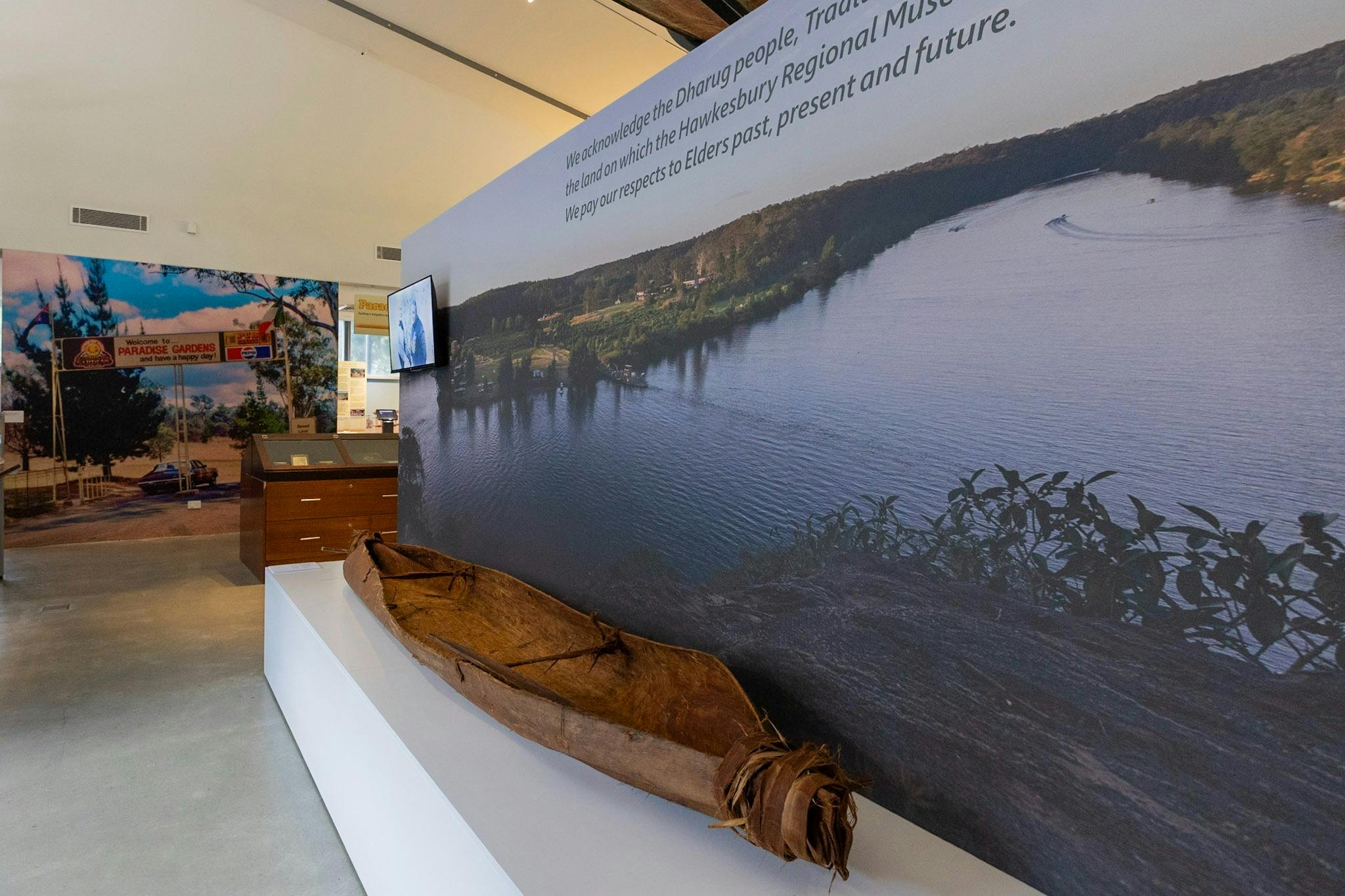
- Explore the rich Indigenous cultural heritage of the Dharug people at Hawkesbury Regional Museum in Windsor.
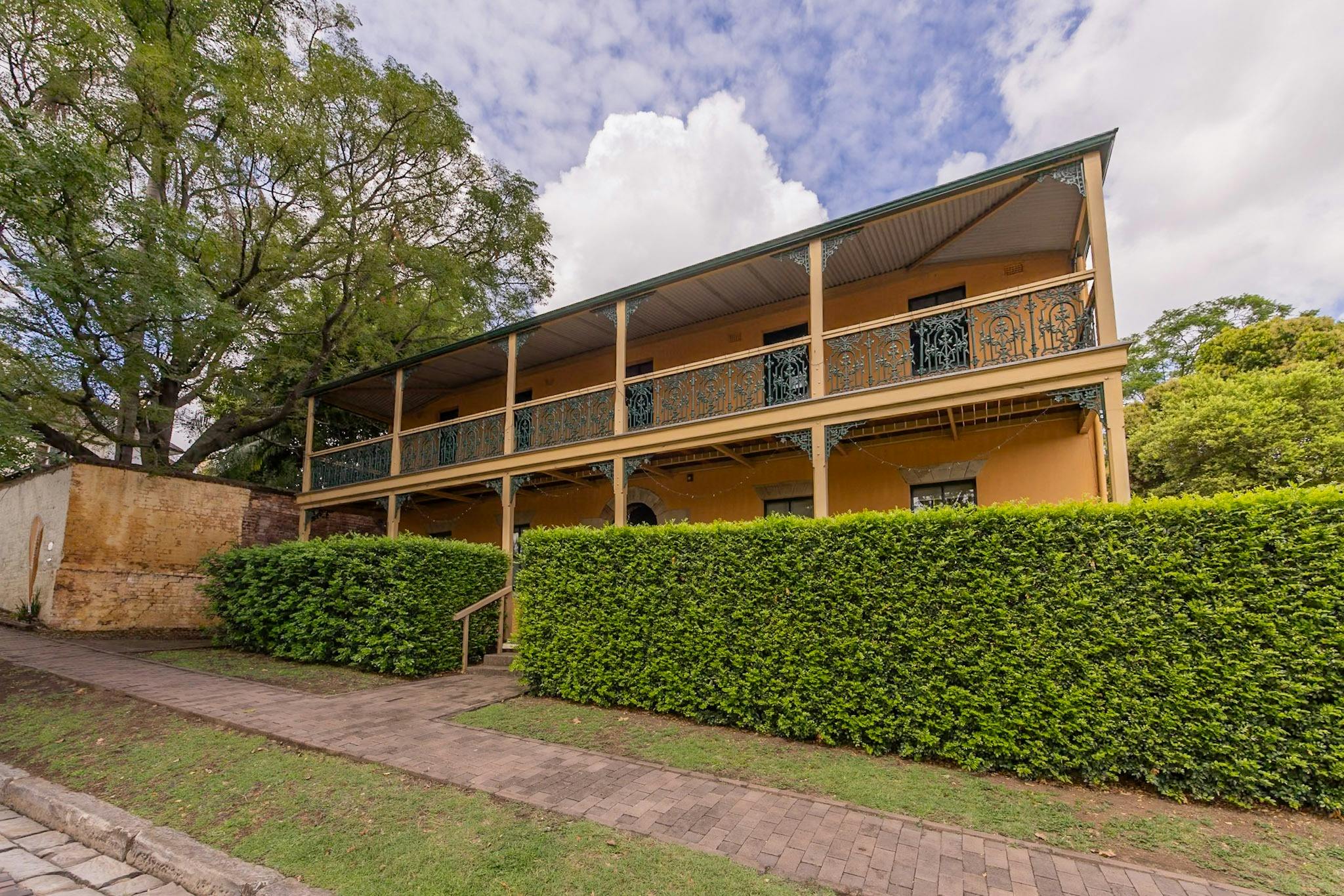
- Discover the distinctive built environment of Howe House, reflecting the earliest days of the colony.
- Engage with permanent exhibitions on the themes of river, land, and people, showcasing local history.
- Enjoy family-friendly facilities including picnic areas and landscaped gardens for a relaxing visit.
Hawkesbury Regional Museum in Windsor has a long history including a rich Indigenous cultural heritage established by the Dharug people, as well as a distinctive built environment dating back to the earliest days of the colony. The Museum conserves and interprets that heritage to residents and visitors, many of whom have family links to the area.
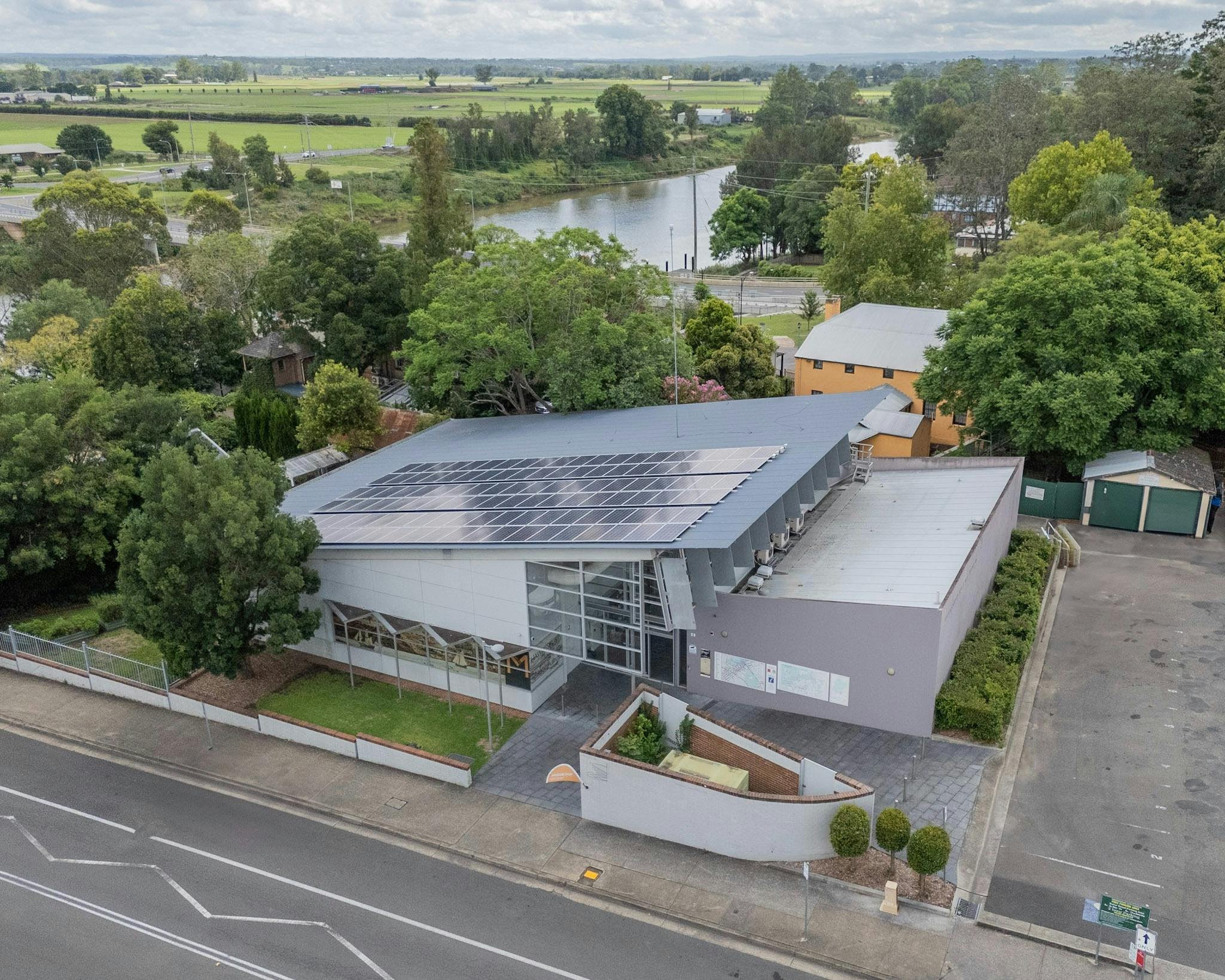
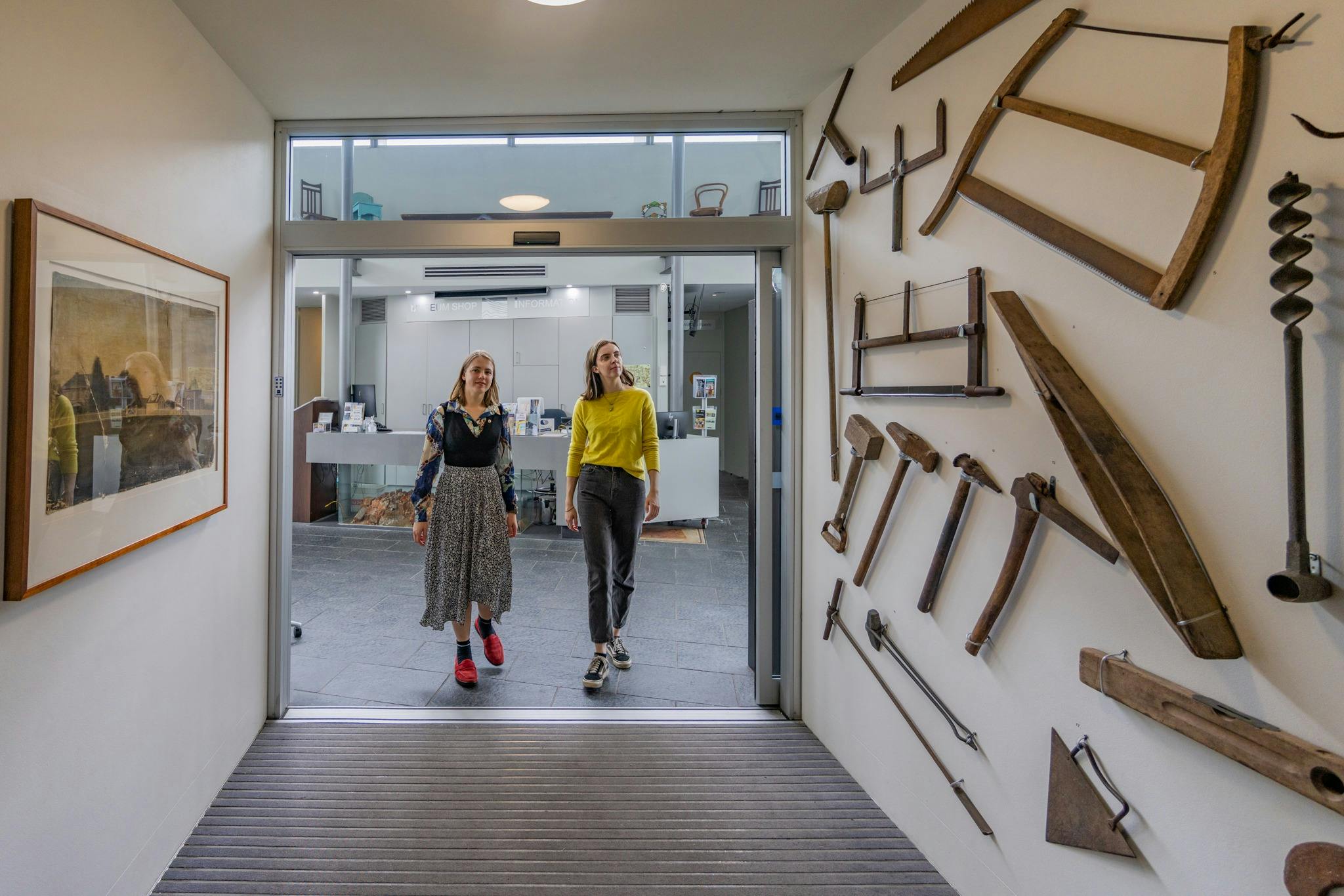
The visitor experience comprises a new, purpose-built museum, and the heritage building known as Howe House. Together they form a unique cultural facility located on one of the oldest land grants in Australia. As well as a permanent exhibition on the themes of the river, land and people, the museum offers a program of changing temporary exhibitions on a wide variety of subjects.
Images and Video
Accreditations
- National Trust
-
 Visitor Information Centre National Accreditation
- Australian Museums and Galleries Association
- National Trust
- Regional Tourist/Tourism Association/Organisation
- NSW – Hills, Hawkesbury and Riverlands Tourism
Features
Activities
Tags
Actively welcomes people with access needs.
General access

- Offers multiple options for booking – web, email, phone is available.
- Offers a range of contact methods for receiving complaints.
- Staff are trained in disability awareness.
- Accessibility information and photos, including of a bathroom, room and/or floor plan on their website (can be emailed on request).
- Asks all visitors if there are any specific needs to be met.
- Website meets <a href="https://www.w3.org/WAI/standards-guidelines/wcag/" target="_blank">WCAG 2.0</a> accessibility standards
- Advise tour guides of the access needs of guests at the time of booking (includes pick up and drop off requirements)
- Assistance with booking arrangements (includes providing clear itineraries with written instructions on what to do at various destinations)
Communication

Welcomes and assists people who have challenges with learning, communication, understanding and behaviour. (includes people with autism, intellectual disability, Down syndrome, acquired brain injury (ABI), dyslexia and dementia)
- Uses Plain English / easy read signage and information (includes menus and emergency information)
Vision

Caters for people who are blind or have vision loss.
- Information in large print is available.
- Uses easy to read fonts in their signage and communication materials (Helvetica and Arial).
- Staff are trained in customer service for people with vision loss (training would incorporate way finding and communicating with people with vision loss).
- Handrails on all stairways
- Exit signs which are visible at a ground level (high level signs are difficult to see in a fire) are available.
Hearing

Caters for people who are deaf or have hearing loss.
- A hearing loop is available.
- Volume controlled phones are available.
Physical – Mobility

Caters for people with sufficient mobility to climb a few steps but who would benefit from fixtures to aid balance. (This includes people using walking frames and mobility aids)
- Uses floors/coverings which are slip resistant, firm and smooth
- Uses non-slip tiles in the bathroom or slip resistant matting
- Grab rails in the bathroom
- Seating in common areas including reception area
Physical – Wheelchair

Caters for people who use a wheelchair.
- Step free outdoor pathways (includes picnic areas, barbecues and shelters)
- A step free main entrance to the building and/or reception area (includes ramps or slopes with a maximum gradient of 1:14, otherwise are too steep for wheelchairs)
- Step free access to the conference or function room
- Accessible seating areas in theatrette
- Doorways which are easy to open and have lever handles (doorways 850mm or wider when open and not heavy).
- An accessible public toilet which is unlocked.
- A wheelchair accessible toilet / shower and change room is available.
- At least one wheelchair accessible parking space with wheelchair accessible signage clearly displayed (International standards are 3200mm wide x 2500 mm high).
Plan more around this area
 Windsor Downs, NSW
 Warm Corner
This is a hosted stay through Hipcamp, below is the information provided by the Host regarding their offering. 25 acres of rural land next to
 Cattai, NSW
 Cattai campground
Cattai campground is a great place for a weekend getaway with family or friends and a good place to stop with your campervan.
 Maraylya, NSW
 Billabong Retreat
Billabong Retreat is a magical nature paradise near to Sydney, just 45 minutes away, yet it feels a million miles.
 East Kurrajong, NSW
 Bullridge Farm-Secluded & Uncrowded
This is a hosted stay through Hipcamp, below is the information provided by the Host regarding their offering. Want somewhere quiet, peaceful and relaxing…
 North Richmond, NSW
 A Place To Be
This is a hosted stay through Hipcamp, below is the information provided by the Host regarding their offering. A place to be says it…
 Cattai, NSW
 Sweven Estate
Nestled on the gentle banks of the Hawkesbury river, and only one hour from Sydney, Sweven is one of Australia’s greatest estates.
 St Marys, NSW
Signatures Buffet
Signatures is an “all you can eat” buffet for the whole family offering a great selection of Chinese, Asian and Australian dishes.

 St Marys, NSW
 Saints Sports
It's Game On! This unique American-styled sports bar offers an experience like no other. Saints Sports is (quite literally) in a league of its own.
 Rooty Hill, NSW
 The Woodstock Hotel
Located on the corner of Woodstock Avenue and Duke St, the Carousel Inn is a locals pub through and through.
 Bowen Mountain, NSW
 Restaurant Amara
Amara provides a unique, rewarding experience that reconnects guests with the very best of the land, and surprises with its sheer originality.
 Rooty Hill, NSW
 CHU Restaurant by China Doll
Showcasing premium and ethically sourced produce, the menu presents a modern take on culinary traditions from China, Hong Kong, Japan and South East Asia.
 Penrith, NSW
 Rusty Penny Brewing Co
Two best mates established Penrith’s first nano-brewery, experimenting and striving for the ultimate brew.
