Mogo Wildlife Park
Highlights
- Explore diverse wildlife, including rare species like Sumatran tigers and Nepalese red pandas, in a lush bushland setting.
- Engage in memorable up-close experiences with exotic animals, enhancing your connection to nature and wildlife conservation.
- Stroll through a botanical haven that harmonises with animal enclosures, offering a tranquil escape just south of Batemans Bay.
- Relax at the onsite café or picnic area, enjoying refreshments while surrounded by the vibrant sights and sounds of wildlife.
Mogo Wildlife Park is situated 10 kilometres south of Batemans Bay. It was established in 1989 and has attained an international reputation as one of the most successful private zoos in Australia with the most diverse collection of exotic wildlife.
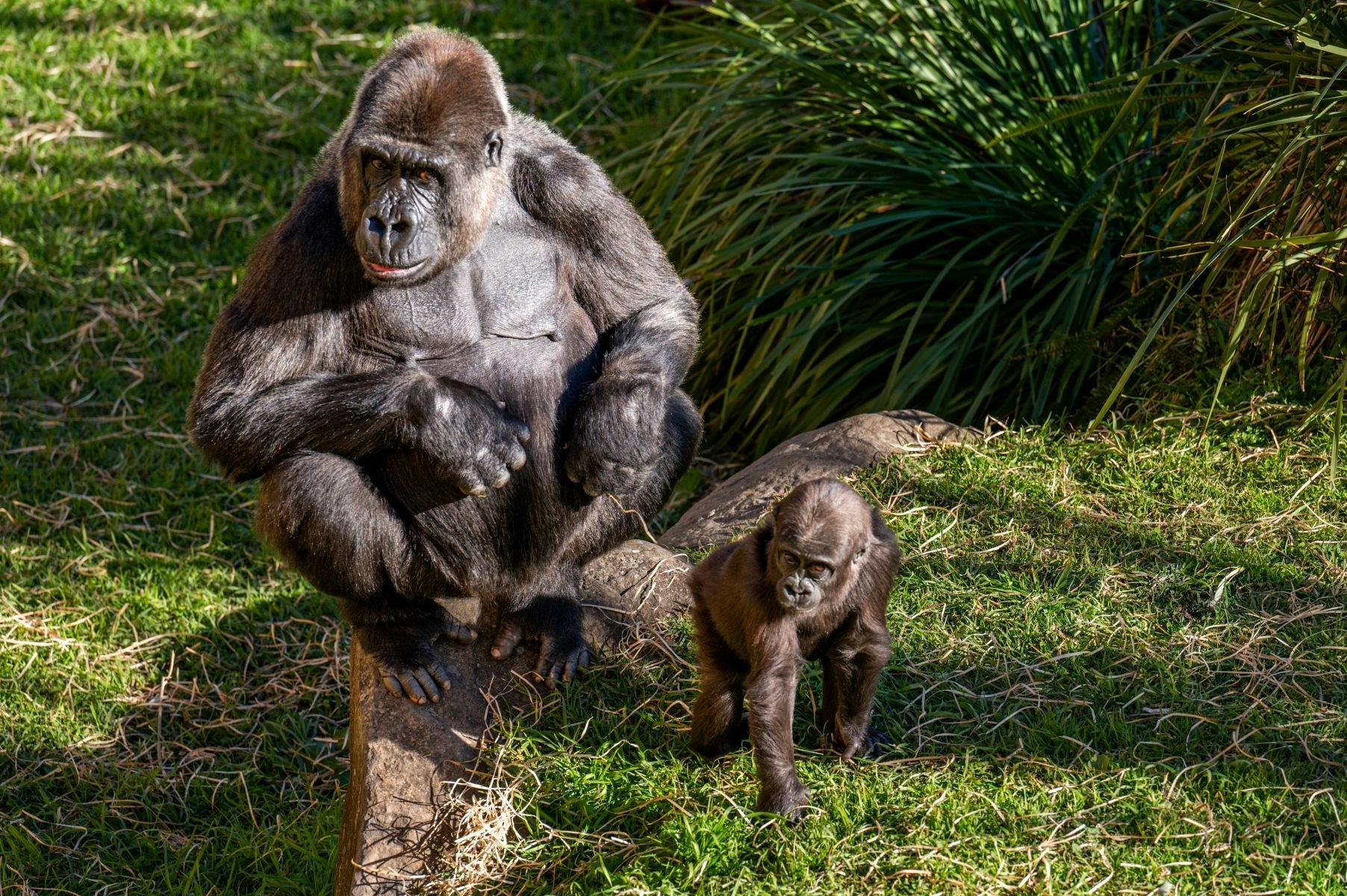
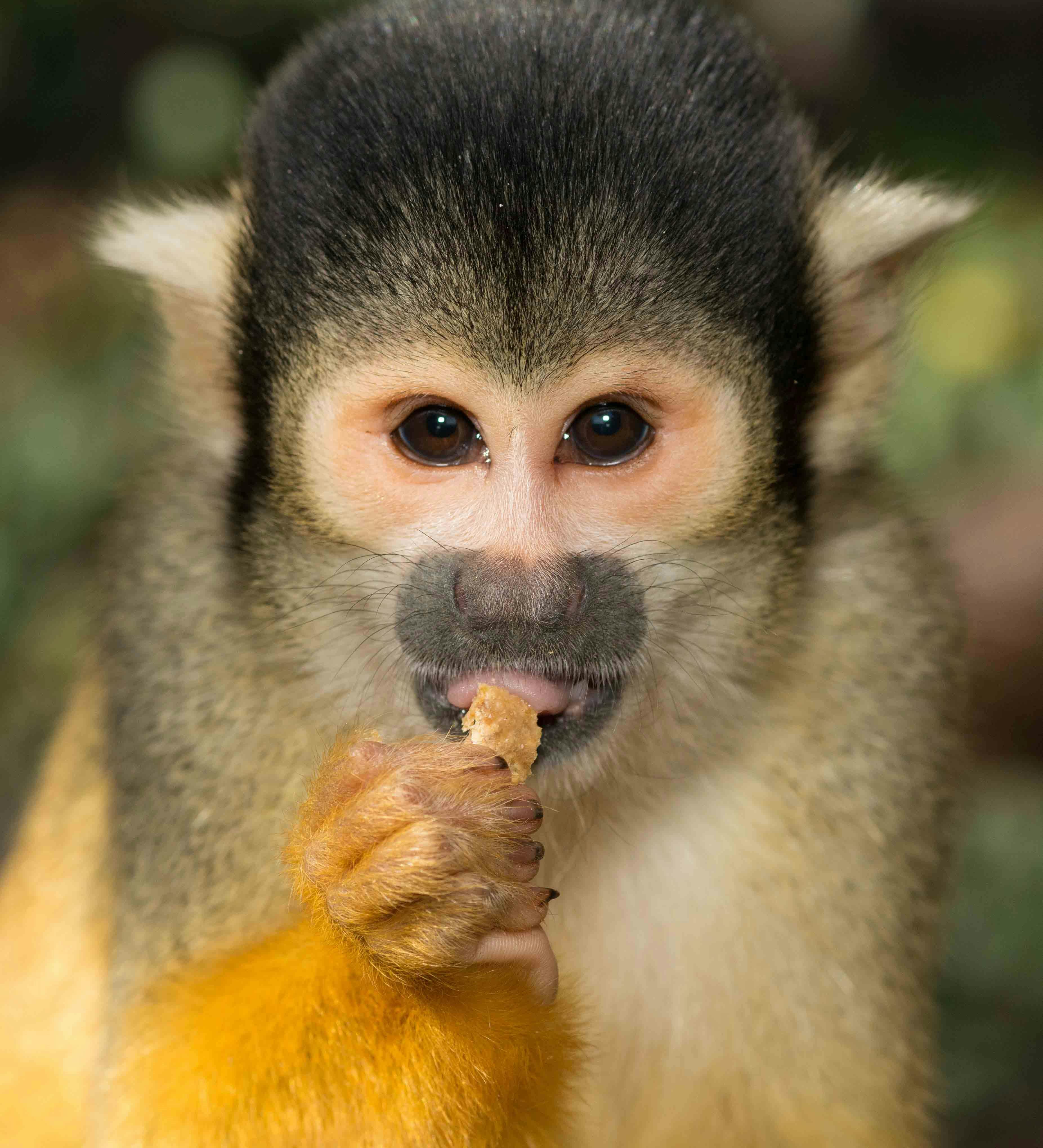
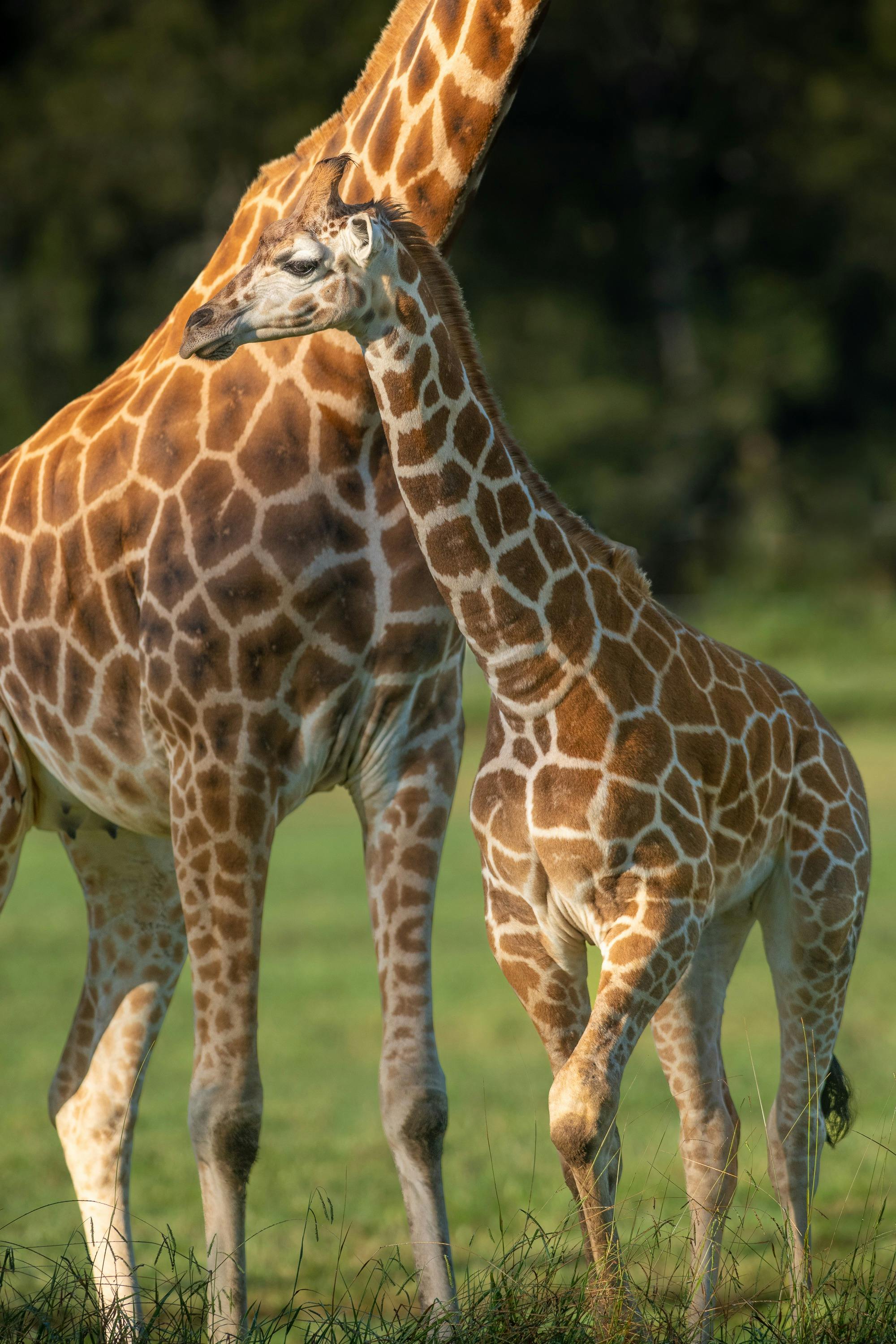
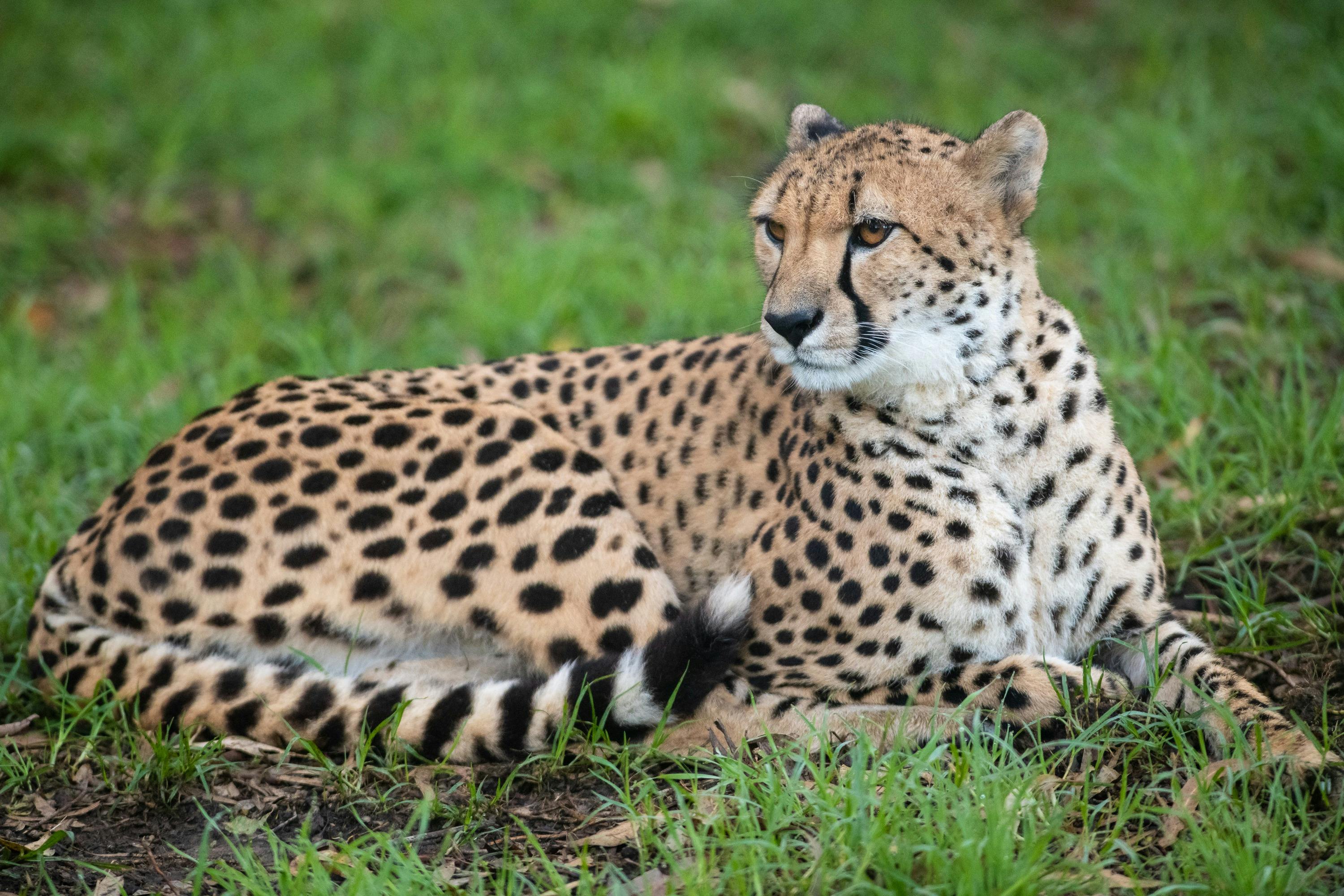
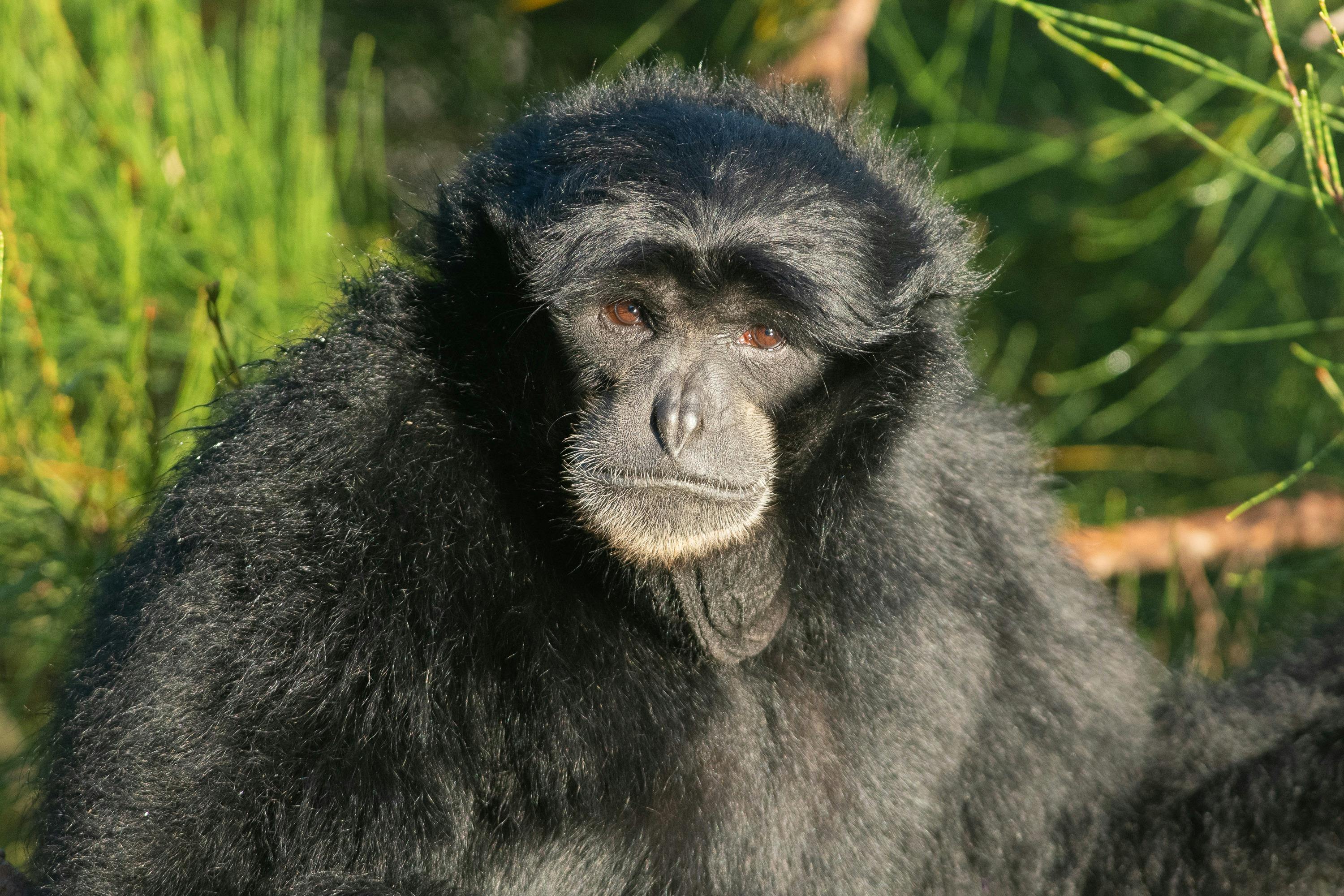
This extraordinary collection includes gorillas, rhinoceros, silvery gibbons, Bolivian squirrel monkeys, giraffe, zebra, meerkats, cheetah, cotton-top tamarins, snow leopards, Sumatran tigers, Nepalese red pandas, ring-tailed lemurs, oriental small-clawed otters, siamangs and white lions. They have a wide range of memorable up close and personal experiences available.
Delivering world standard facilities for over 250 animals, of which more than 44 are rare or exotic species, Mogo Wildlife Park’s commitment to the conservation of endangered species is balanced with fulfilling today’s visitor expectations zoological gardens. The bushland has been developed into a botanical haven for wildlife and visitors, creating an atmosphere of unity with the natural surrounds and animal enclosures.
Images and Video



Accreditations
- Regional Tourist/Tourism Association/Organisation
Features
Activities
Tags
Actively welcomes people with access needs.
General access

- Offers multiple options for booking – web, email, phone is available.
- Offers a range of contact methods for receiving complaints.
- Companion Cards are accepted.
- Employs people with disabilities.
- Staff are trained in disability awareness.
- Accessibility information and photos, including of a bathroom, room and/or floor plan on their website (can be emailed on request).
- Asks all visitors if there are any specific needs to be met.
- Advise tour guides of the access needs of guests at the time of booking (includes pick up and drop off requirements)
- Assistance with booking arrangements (includes providing clear itineraries with written instructions on what to do at various destinations)
Communication

Welcomes and assists people who have challenges with learning, communication, understanding and behaviour. (includes people with autism, intellectual disability, Down syndrome, acquired brain injury (ABI), dyslexia and dementia)
- Uses Plain English / easy read signage and information (includes menus and emergency information)
- A quiet space is available at the venue/ facility.
Vision

Caters for people who are blind or have vision loss.
- Uses easy to read fonts in their signage and communication materials (Helvetica and Arial).
- An appropriate area for toileting an assistance dog is available.
- Handrails on all stairways
- Exit signs which are visible at a ground level (high level signs are difficult to see in a fire) are available.
Hearing

Caters for people who are deaf or have hearing loss.
- Caption all entertainment (TVs, live shows, performances) is available.
- TVs with captioning option is available.
- A low noise reception areas with hearing loss friendly acoustics and adequate lighting for viewing facial expressions (includes common areas which are free of background noise, background music) is available.
Physical – Mobility

Caters for people with sufficient mobility to climb a few steps but who would benefit from fixtures to aid balance. (This includes people using walking frames and mobility aids)
- Uses floors/coverings which are slip resistant, firm and smooth
- Uses non-slip tiles in the bathroom or slip resistant matting
- Grab rails in the bathroom
- Seating in common areas including reception area
Physical – Wheelchair

Caters for people who use a wheelchair.
- Step free outdoor pathways (includes picnic areas, barbecues and shelters)
- A doorbell or intercom at an accessible height and display a contact number (accessible height is 900mm-1100 mm)
- A step free main entrance to the building and/or reception area (includes ramps or slopes with a maximum gradient of 1:14, otherwise are too steep for wheelchairs)
- Step free access to restaurant, lounge and bar
- Step free access to the conference or function room
- Doorways which are easy to open and have lever handles (doorways 850mm or wider when open and not heavy).
- An accessible public toilet which is unlocked.
- A wheelchair accessible toilet / shower and change room is available.
- Wheelchair accessible picnic tables (picnic tables require 720mm knee clearance and 800mm maximum height).
- At least one wheelchair accessible parking space with wheelchair accessible signage clearly displayed (International standards are 3200mm wide x 2500 mm high).
- Wheelchair accessible transport options available in the general vicinity (provide information on name of the operator, phone and website link to individual providers for private vehicles, community transport train, mini vans, hire cars, buses, taxis, ferry, tram, light rail etc in their access statement).
Allergies and intolerances

Caters for people with allergies and intolerances.
- Modify their cooking and cleaning practices to cater for people with food allergies or chemical intolerances (could include menus with meals free from: nuts, dairy, seafood, eggs, gluten etc).
- Staff are trained to respond to allergic reactions.
- Complies with The Food Authority requirements for allergy management in food preparation.
- Equipment to respond to anaphylactic shock such as epi–pens and defibrillator.
Plan more around this area
 Mogo, NSW
 Somerset Stables
A small rural property formerly used for training sport horses, where the stable barn has been converted into a fully self-contained two-bedroom loft apartment.
 Mogo, NSW
 Jaguar Stay
Jaguar Stay is high-end, architecturally designed tourist accommodation situated on a 170-acre cattle farm with three kilometres of river frontage.

 Mogo, NSW
 Mogo Creek Homestead
This is a hosted stay through Hipcamp, below is the information provided by the Host regarding their offering. *** New feature added! Composting toilets!!***…
 Tomakin, NSW
 River Haven Tourist Park
Unwind, rejuvenate, and relish your time at the park – the perfect destination for relaxation and enjoyment.
 Mogo, NSW
 DoLittle Farm
This is a hosted stay through Hipcamp, below is the information provided by the Host regarding their offering. A flat paddock in the Mogo…
 Jeremadra, NSW
 The Oaks Ranch Mossy Point
Set on 300 acres of countryside, The Oaks Ranch is surrounded by tranquil bushland and open pastures, with stunning beaches just minutes away.
 Mossy Point, NSW
The Mossy Cafe
At Mossy on Pacific they want to create a warm, welcoming space that is visually appealing and filled with happy, attentive staff and content customers.
 Mossy Point, NSW
 The Boat Shed – Mossy Point
Down at the Boat Shed – Mossy Point, they are all about good vibes, great views and scratch-made, ethically conscious goods.
 Malua Bay, NSW
 Blue Salt Dining
Offering a modern Australian menu with a few twists and turns. It's a casual dining experience have something for everyone.
 Broulee, NSW
 Broulee Brewhouse
Broulee Brewhouse is more than just a brewery, they are community hub situated right by the seaside. A local place for the community to gather.
 Surf Beach, NSW
 Holy Crust Pizza
Serving delicious homemade pizza, pasta, calzone and salads in a relaxed, modern atmosphere, across the road from stunning Surf Beach.
 Broulee, NSW
 Single Fin Canteen and Goods
Single Fin Canteen and Goods radiates with a chilled out coastal vibe. Their eclectic little café serves amazing coffee and baked goods.
