Museum of Human Disease
Highlights
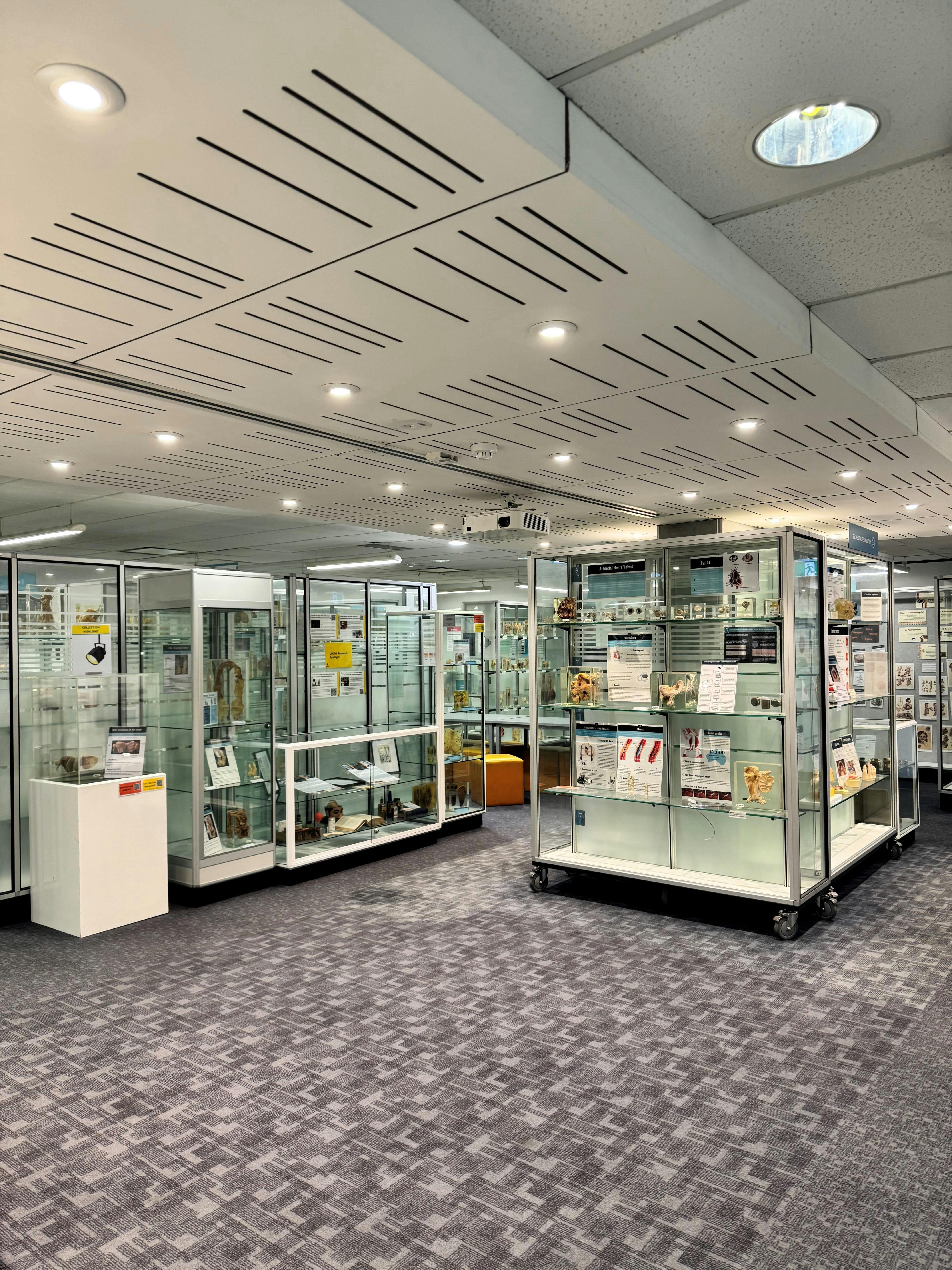
- Explore over 1500 specimens of diseased human tissue, gaining insights into health and disease at the Museum of Human Disease.
- Engage with an informative self-guided tour, perfect for curious minds eager to learn about human anatomy and biology.
- Discover various infectious and genetic diseases, enhancing your understanding of lifestyle-related health issues in a unique setting.
- Relax at the on-site café, enjoying refreshments amidst the educational atmosphere of the University of New South Wales.
The Museum of Human Disease, at the University of New South Wales, is Australia’s only publicly accessible medical pathology collection.
Home to more than 1500 specimens of diseased human tissue, the Museum of Human Disease provides information to the public about health, disease, human anatomy and biology. Visitors will see and learn about various infectious, genetic and lifestyle-related diseases.
With an engaging self-guided tour for the public as well as a beloved education program for high school students, the Museum is both educational and entertaining.
Images and Video


Accreditations
- Australian Museums and Galleries Association
Features
Activities
Actively welcomes people with access needs.
General access

- Companion Cards are accepted.
- Staff are trained in disability awareness.
- Accessibility information and photos, including of a bathroom, room and/or floor plan on their website (can be emailed on request).
- Assistance with booking arrangements (includes providing clear itineraries with written instructions on what to do at various destinations)
Communication

Welcomes and assists people who have challenges with learning, communication, understanding and behaviour. (includes people with autism, intellectual disability, Down syndrome, acquired brain injury (ABI), dyslexia and dementia)
Physical – Wheelchair

Caters for people who use a wheelchair.
- A doorbell or intercom at an accessible height and display a contact number (accessible height is 900mm-1100 mm)
- A step free main entrance to the building and/or reception area (includes ramps or slopes with a maximum gradient of 1:14, otherwise are too steep for wheelchairs)
- Accessible seating areas in theatrette
- An accessible public toilet which is unlocked.
- At least one wheelchair accessible parking space with wheelchair accessible signage clearly displayed (International standards are 3200mm wide x 2500 mm high).
Access & Inclusion

An access and inclusion statement is available on the business website.
- https://www.unsw.edu.au/medicine-health/disease-museum/accessibility
Plan more around this area
 Waterloo, NSW
Meriton Suites Waterloo
Meriton Serviced Apartments – Danks Street is located only minutes from Sydney's central business district in the leafy suburb of Waterloo.
 South Coogee, NSW
 Bunya
This four-bedroom multi-level home offers unforgettable views and design elements, from the elevated living to the majestic master suite.
 Bondi Junction, NSW
 Holiday Inn Bondi Junction
Holiday Inn Bondi Junction prides itself on delivering warm and welcoming hospitality.

 Bondi Junction, NSW
 lyf Bondi Junction Sydney
lyf Bondi Junction Sydney aims to blend business and leisure with a vibrant community atmosphere.
 Bondi Junction, NSW
 Bondi Junction Stylish Retreat
Bondi Junction Stylish Retreat offers a modern two-bedroom, two-bathroom apartment with contemporary design and convenience.
 Maroubra, NSW
 Waterfront House with Pool – South Coogee
Waterfront House with Pool offers a luxurious four-bedroom home blending modern elegance with oceanfront tranquillity.
 Bondi Junction, NSW
 Bonnibel
Bonnibel brings Bondi's relaxed spirit to life in the Junction, with great food and warm hospitality.
 Woollahra, NSW
 The Wine Library
The Wine Library's in-house wine expert carefully selects wines from all over the world, with extra attention given to organic wines from the small vineyards.
 Bondi Junction, NSW
 Anita Gelato Bondi Junction
Anita is a gelato lover's paradise, and along with exceptional customer service, features stunning store fit-outs where you can dine in until late.
 Waterloo, NSW
 Social Hideout
Home to Sydney's prettiest cafe, located in Waterloo and Parramatta. Be sure to bring your brunch squad to indulge in a gorgeous and unforgettable feast!
 Woollahra, NSW
 Light Brigade Hotel
Sitting at 83 metres above sea level, Brigade Rooftop also boasts a stunning urban outlook.
 Bronte, NSW
 The Bogey Hole Cafe
The Bogey Hole Café is found in the charming heart of Bronte Beach’s bustling café scene. Fresh, honest food is this cafe's philosophy.
