Museum of the Riverina – Historic Council Chambers
Highlights
- Explore over 15,000 objects that reveal the rich tapestry of Riverina's history and culture.
- Experience captivating touring shows that highlight national significance alongside local stories.
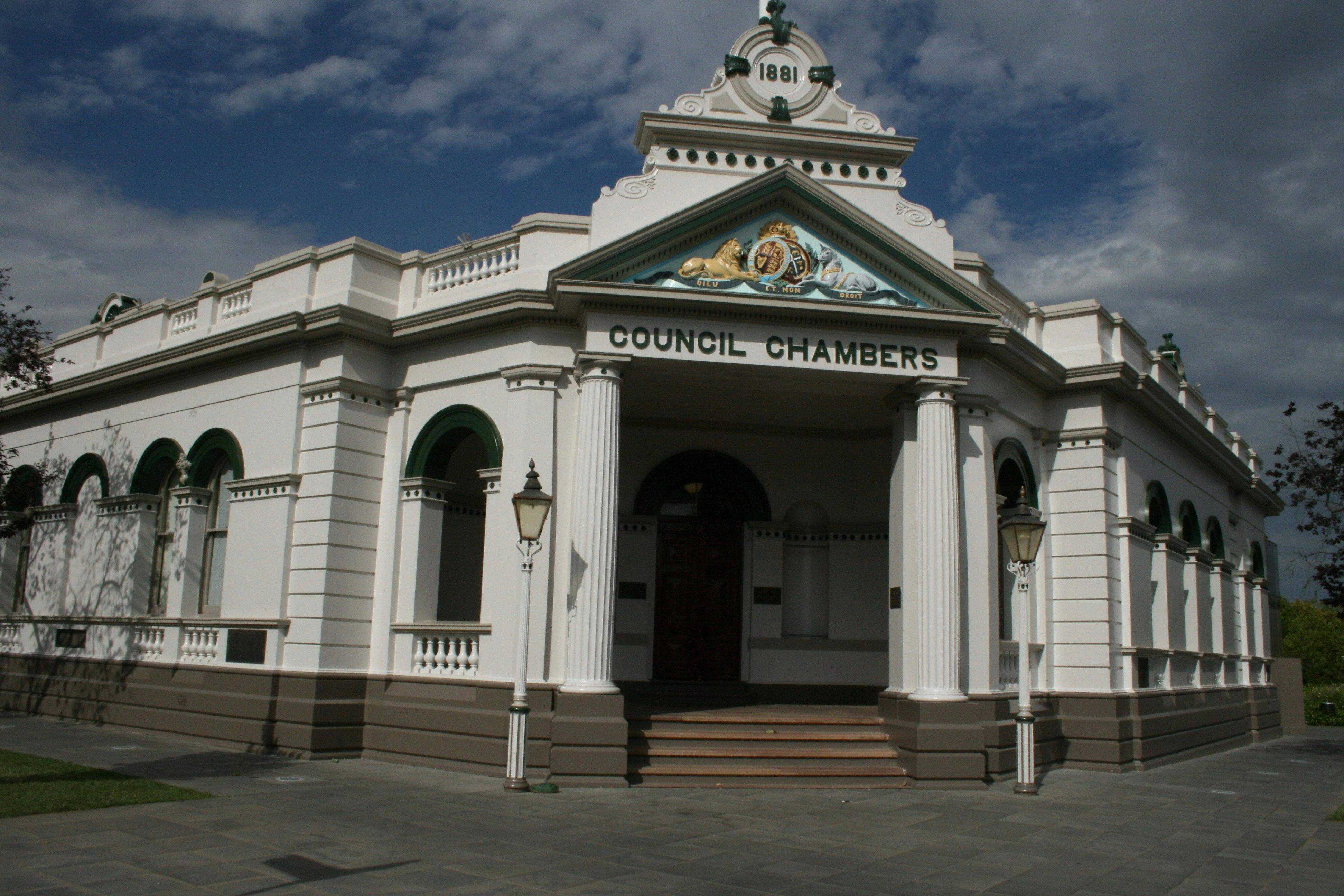
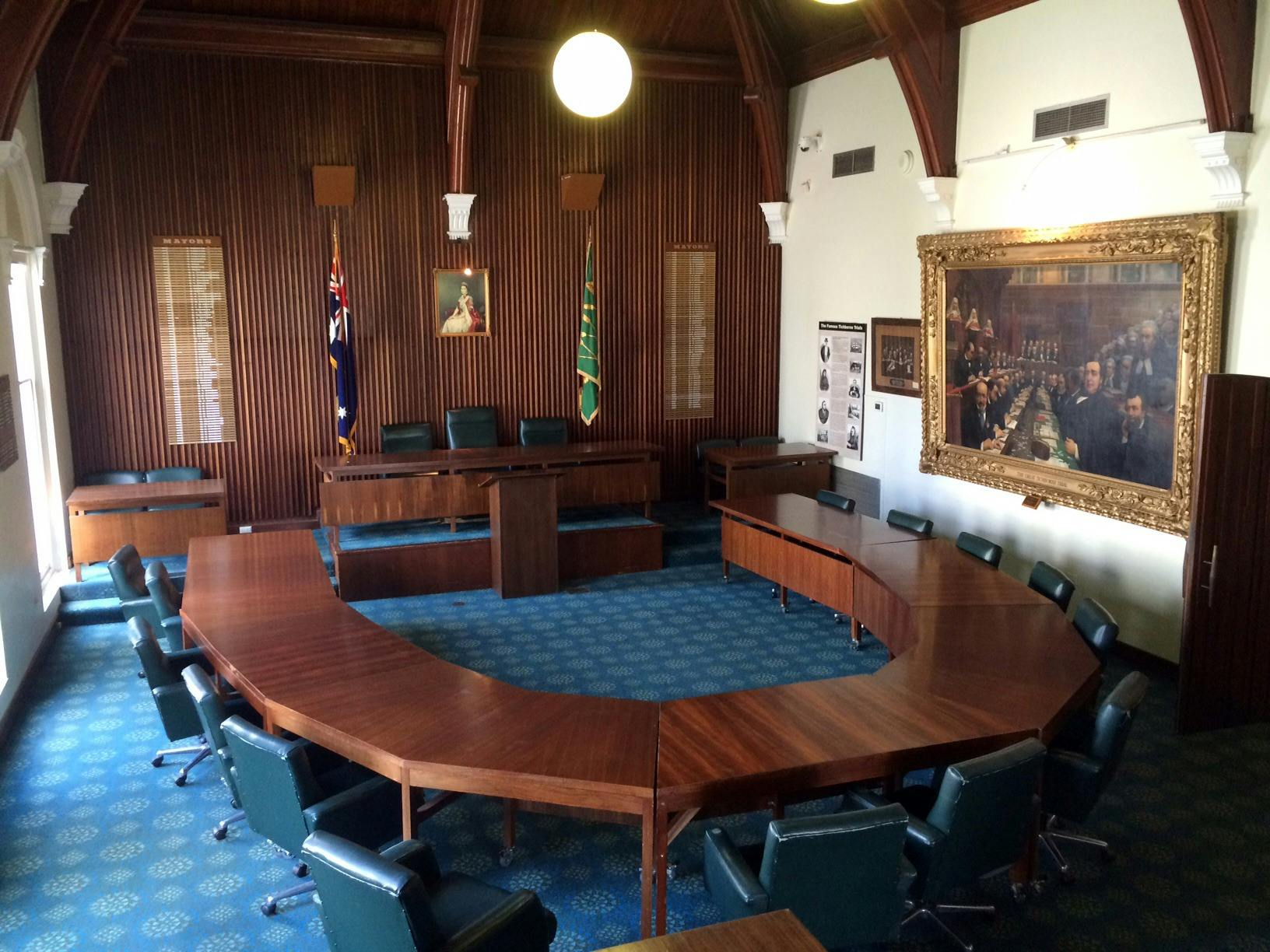
- Wander through the historic Council Chambers and connect with Wagga Wagga's past.
- Enjoy a family-friendly environment that welcomes visitors of all ages to learn and discover.
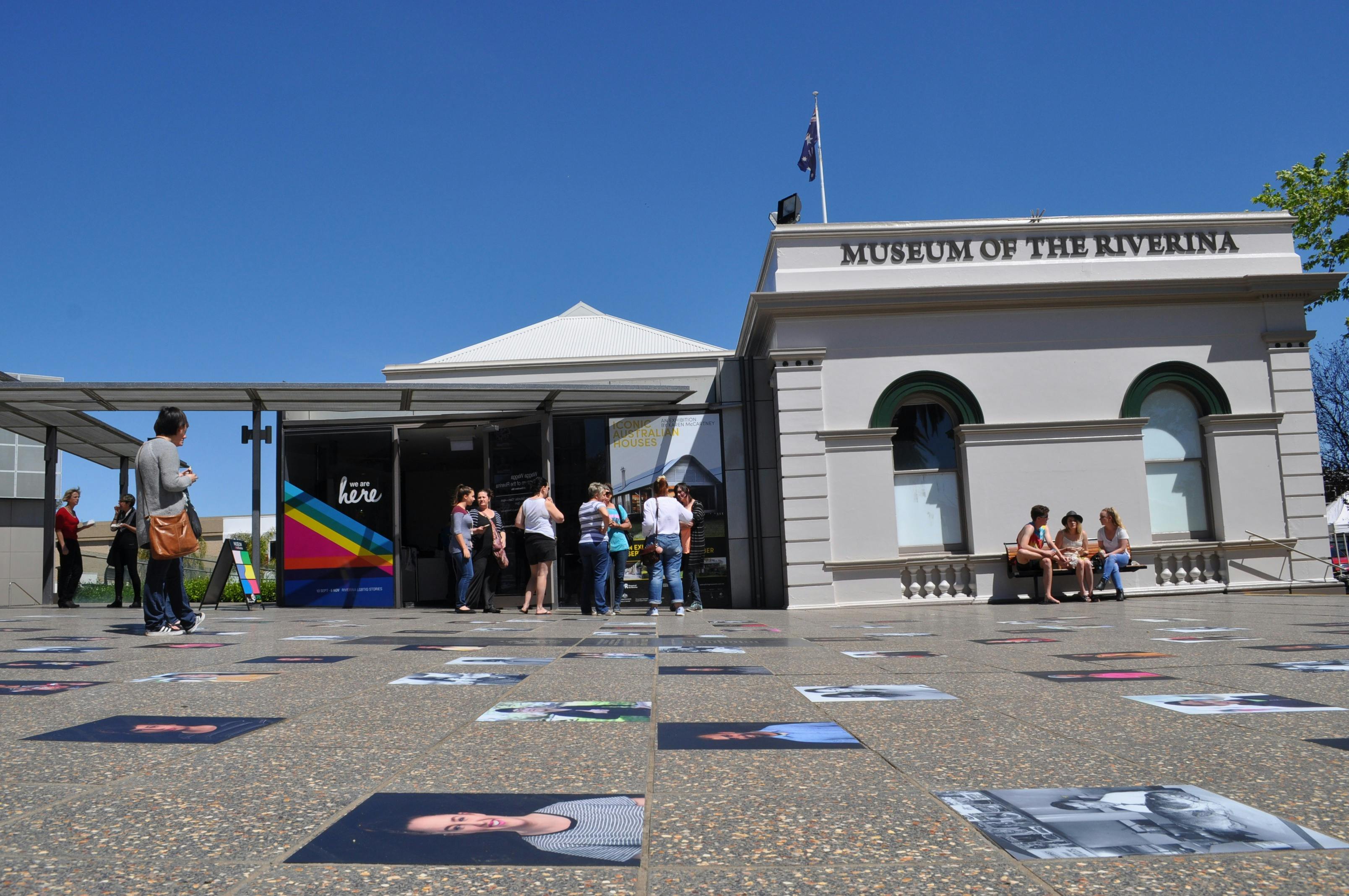
The Museum of the Riverina is a social history museum that combines touring shows of national significance and local stories about life in the Riverina.
Over two sites, the Museum of the Riverina tells stories about the people and events that have helped shape Wagga Wagga and the Riverina region. They’re responsible for collecting and caring for more than 15,000 objects, photographs, textiles and paper-based materials which help to tell those stories.
Images and Video
Accreditations
- Australian Museums and Galleries Association
Features
Tags
Actively welcomes people with access needs.
General access

- Offers a range of contact methods for receiving complaints.
Communication

Welcomes and assists people who have challenges with learning, communication, understanding and behaviour. (includes people with autism, intellectual disability, Down syndrome, acquired brain injury (ABI), dyslexia and dementia)
- Uses Plain English / easy read signage and information (includes menus and emergency information)
Vision

Caters for people who are blind or have vision loss.
- Uses easy to read fonts in their signage and communication materials (Helvetica and Arial).
Hearing

Caters for people who are deaf or have hearing loss.
- Caption all entertainment (TVs, live shows, performances) is available.
Physical – Mobility

Caters for people with sufficient mobility to climb a few steps but who would benefit from fixtures to aid balance. (This includes people using walking frames and mobility aids)
- Seating in common areas including reception area
Physical – Wheelchair

Caters for people who use a wheelchair.
- Step free outdoor pathways (includes picnic areas, barbecues and shelters)
- A step free main entrance to the building and/or reception area (includes ramps or slopes with a maximum gradient of 1:14, otherwise are too steep for wheelchairs)
Plan more around this area
 Wagga Wagga, NSW
 Wagga RSL Motel and Apartments
The RSL Motel is conveniently located in Central Wagga. Enjoy a relaxed stay complemented by outstanding customer service, modern decor and high quality facilities.
 Wagga Wagga, NSW
 International Hotel Wagga Wagga
The International Hotel Wagga Wagga is located just two minutes from the central business district, 10 kilometres from Wagga Wagga Airport.

 Wagga Wagga, NSW
 Boulevarde Motor Inn
Boulevarde Motor Inn offers quality accommodation at an affordable price. All rooms are fully furnished with air-conditioning, free WiFi, television and DVD player.
 Wagga Wagga, NSW
 "The Leagues"
A modern heritage-style 3-story home purpose built for overnight and short-term stays, close to CBD and Hospital and RSL and Murrumbidgee Turf Club. Rooms to
 Wagga Wagga, NSW
Best Western Ambassador Motor Inn and Apartments
All ground floor, four-star quality accommodation. Motel units and suites, plus fully self contained family suites and two bedroom villa apartments.
 East Wagga Wagga, NSW
 BIG4 Ingenia Holidays Wagga Wagga
The BIG4 Wagga Wagga Holiday Park is located a 15-minute stroll from the heart of town and is close to all the main attractions.

 Wagga Wagga, NSW
 Olivette
Step into the underground speakeasy, where the Roaring '20s come alive!
 Wagga Wagga, NSW
 Gelatissimo Wagga Wagga
Life tastes better with gelato! Gelatissimo Wagga Wagga's artisan gelato makers are always churning freshly made gelato in-store, created with only the finest ingredients!
 Wagga Wagga, NSW
 The Hampden
The Hampden is located within Romano’s Hotel. Recently refurbished, it has exposed brick walls and ceilings, polished concrete floors, rustic floorboards.
 Wagga Wagga, NSW
 Fitz Cafe
Fitzmaurice Café offers all-day breakfast, great food, great coffee, great atmosphere, great super shakes and free Wifi.
 Wagga Wagga, NSW
 Schnitz
At Schnitz, we bring the age-old culinary tradition of the schnitzel to modern-day tastebuds through fresh ingredients, a healthier pan-cooking technique.
 Wagga Wagga, NSW
 Thaigga
A unique twist on the favourites plus traditional dishes means there is something for everyone at Thaigga.
