
My Dilly Bag
Highlights
- Savour native Australian ingredients in diverse products, celebrating unique flavours while supporting sustainable practices.
- Enjoy complimentary tastings of bushfood favourites like jams and relishes, enhancing your culinary experience.
- Relax with a cuppa and yarn with Bushtucker Besties, immersing yourself in local culture and community.
- Join engaging workshops to learn about native foods, gaining hands-on experience from plant to plate.
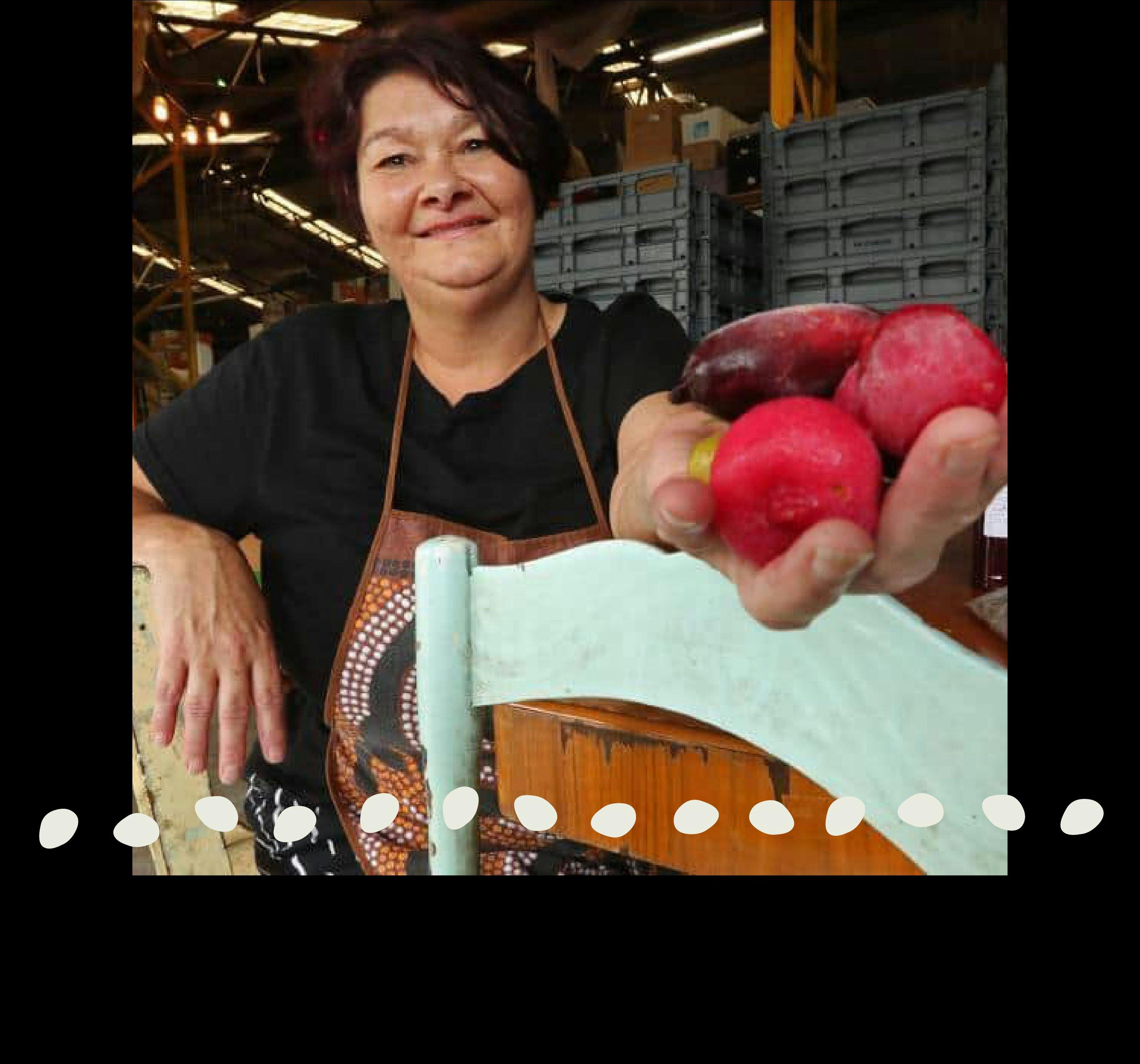
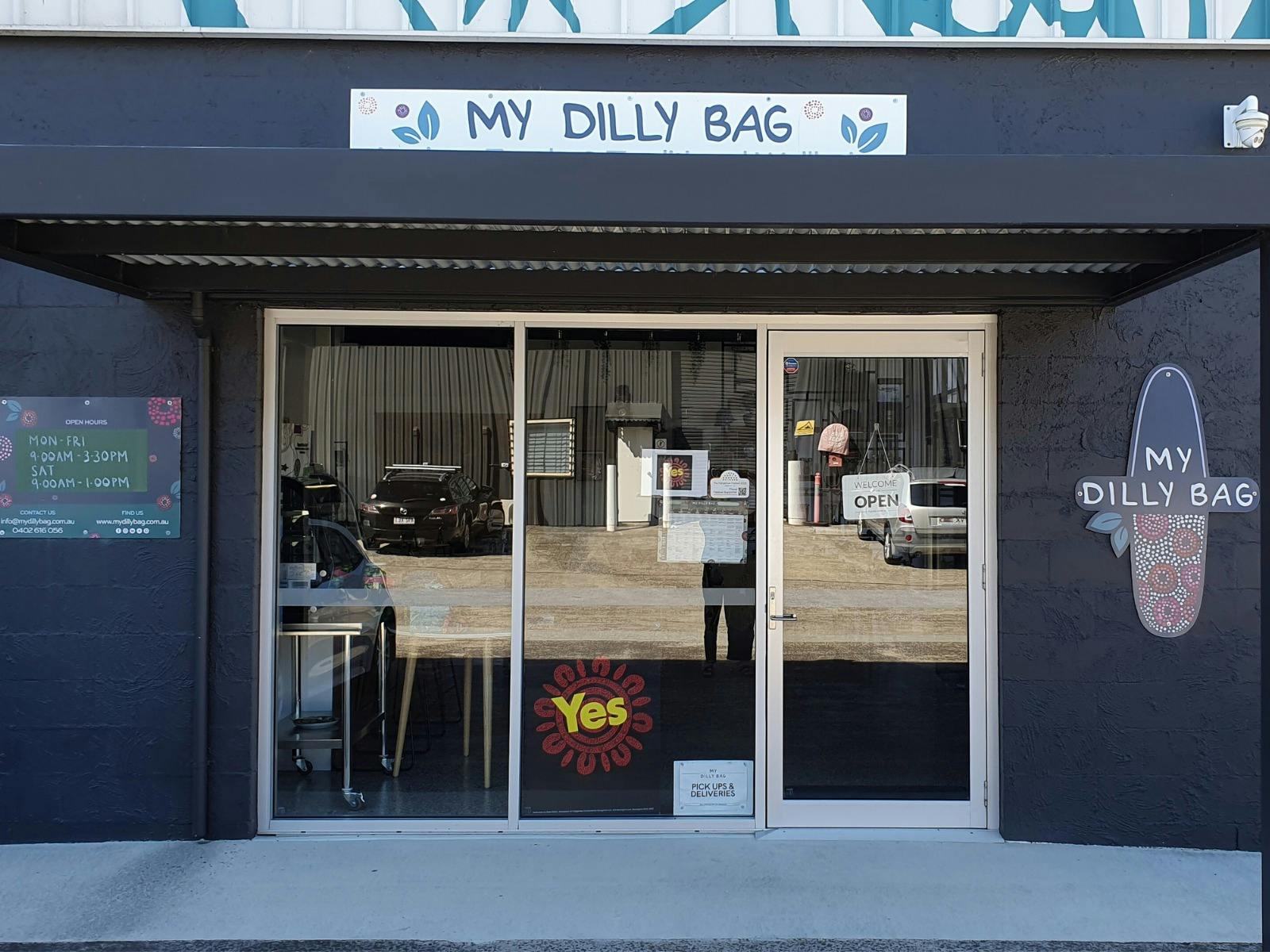
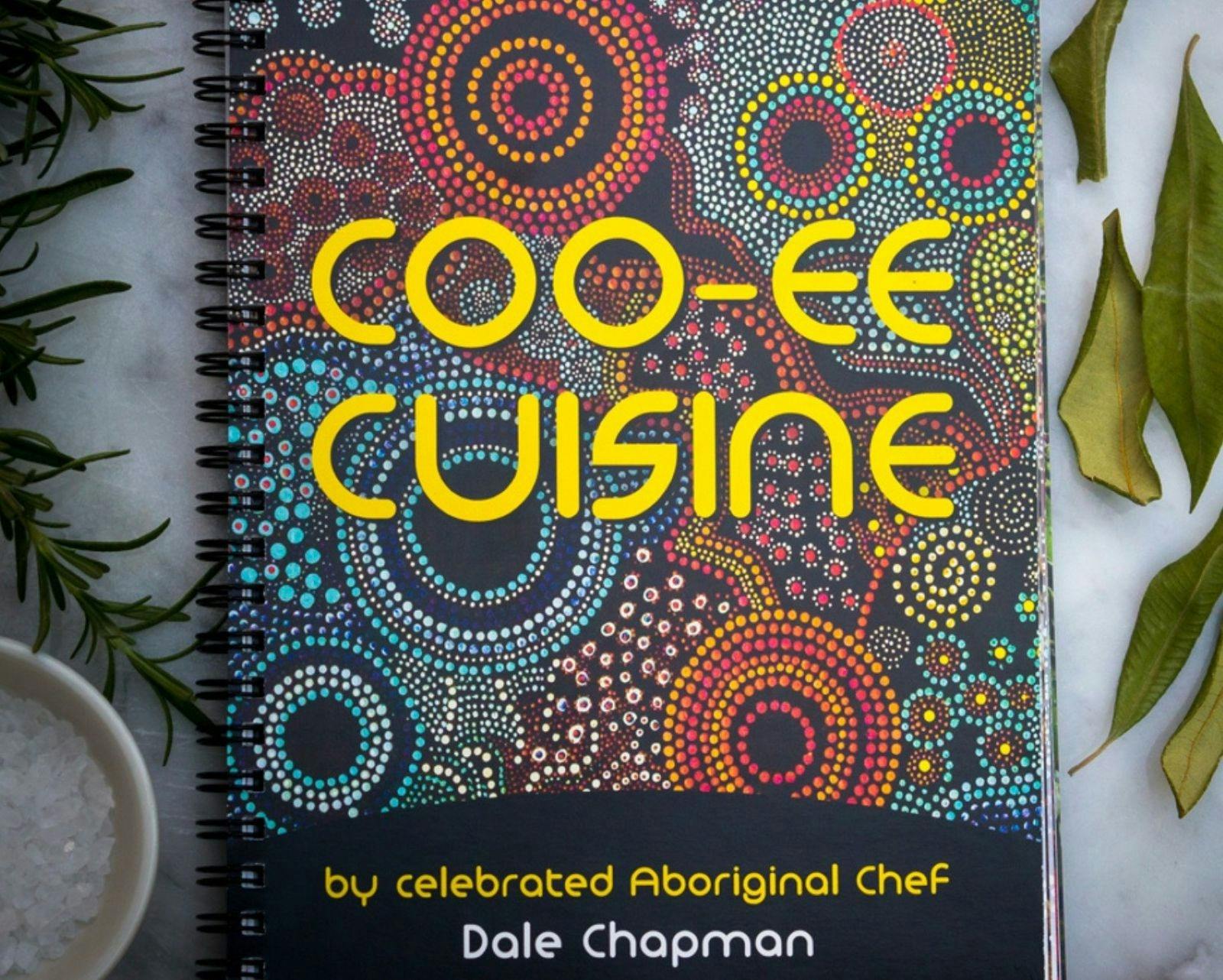
Meet Aunty Dale Chapman, a proud Yuwaalaraay Kooma woman and the driving force behind My Dilly Bag, located on Gubbi Gubbi Country on the Sunshine Coast. For more than two decades, My Dilly Bag has partnered with Aboriginal communities to grow and share Australian Sovereign Foods and Botanicals, supporting sustainable cultivation and community-led enterprise.
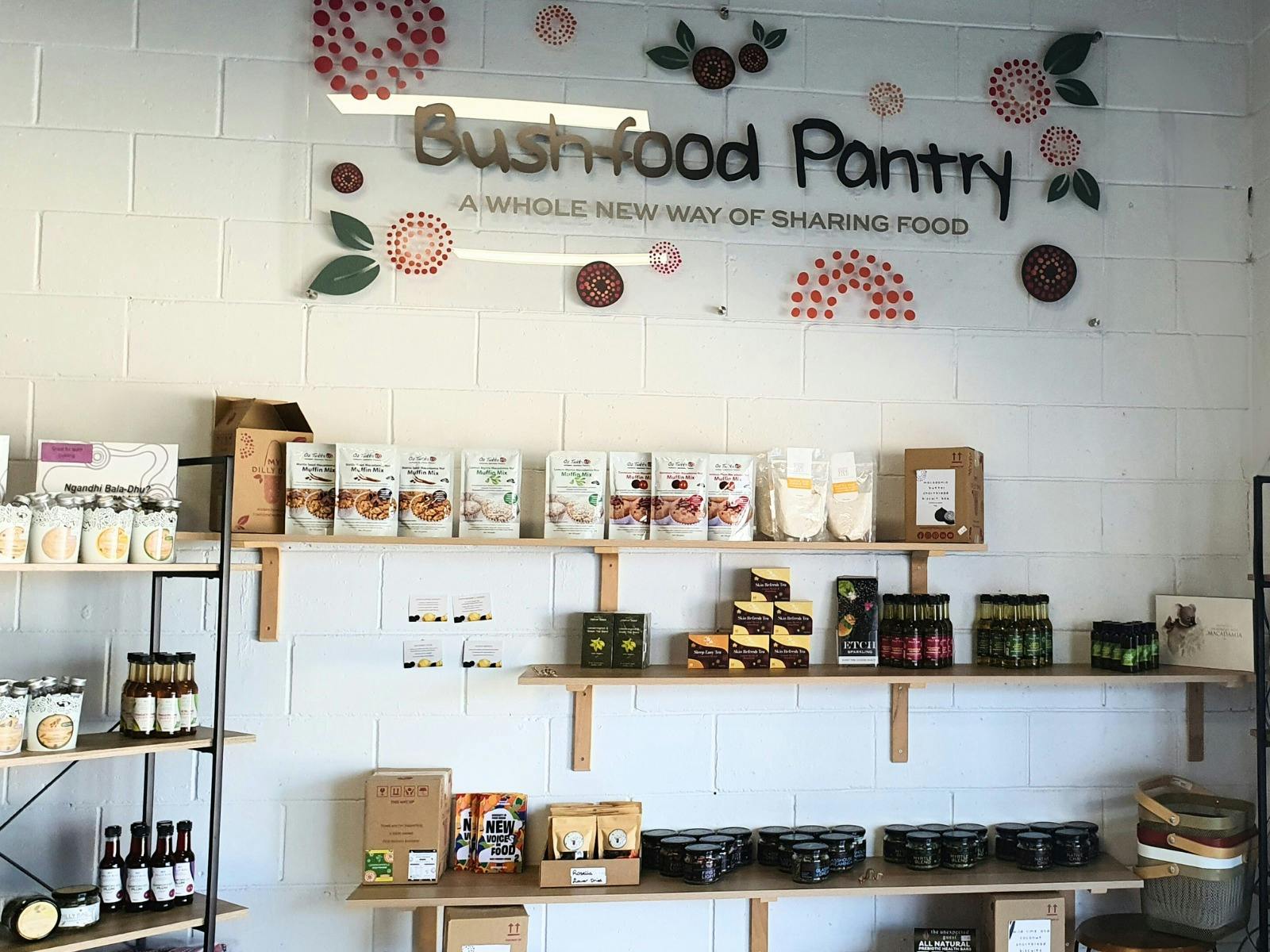
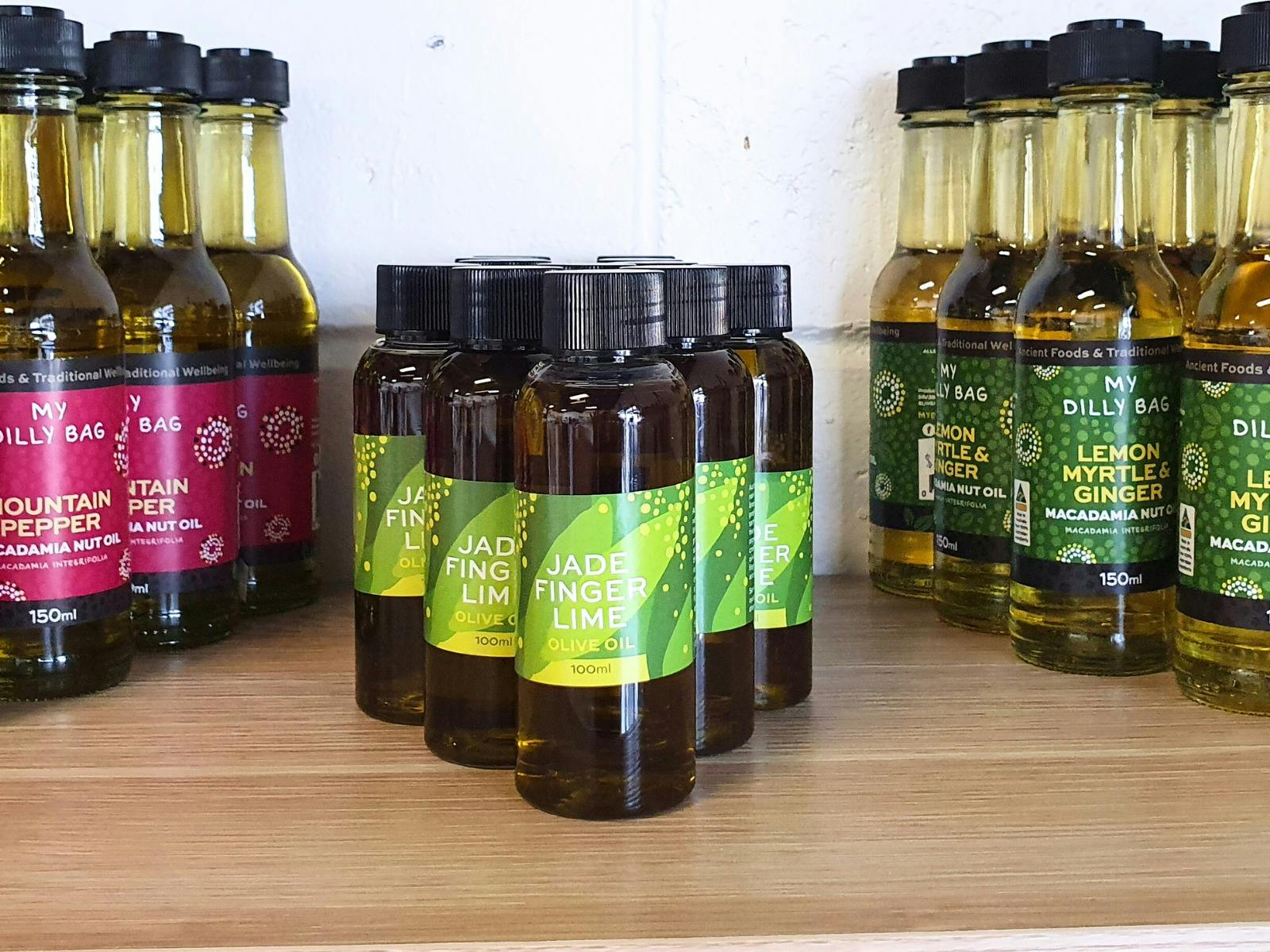
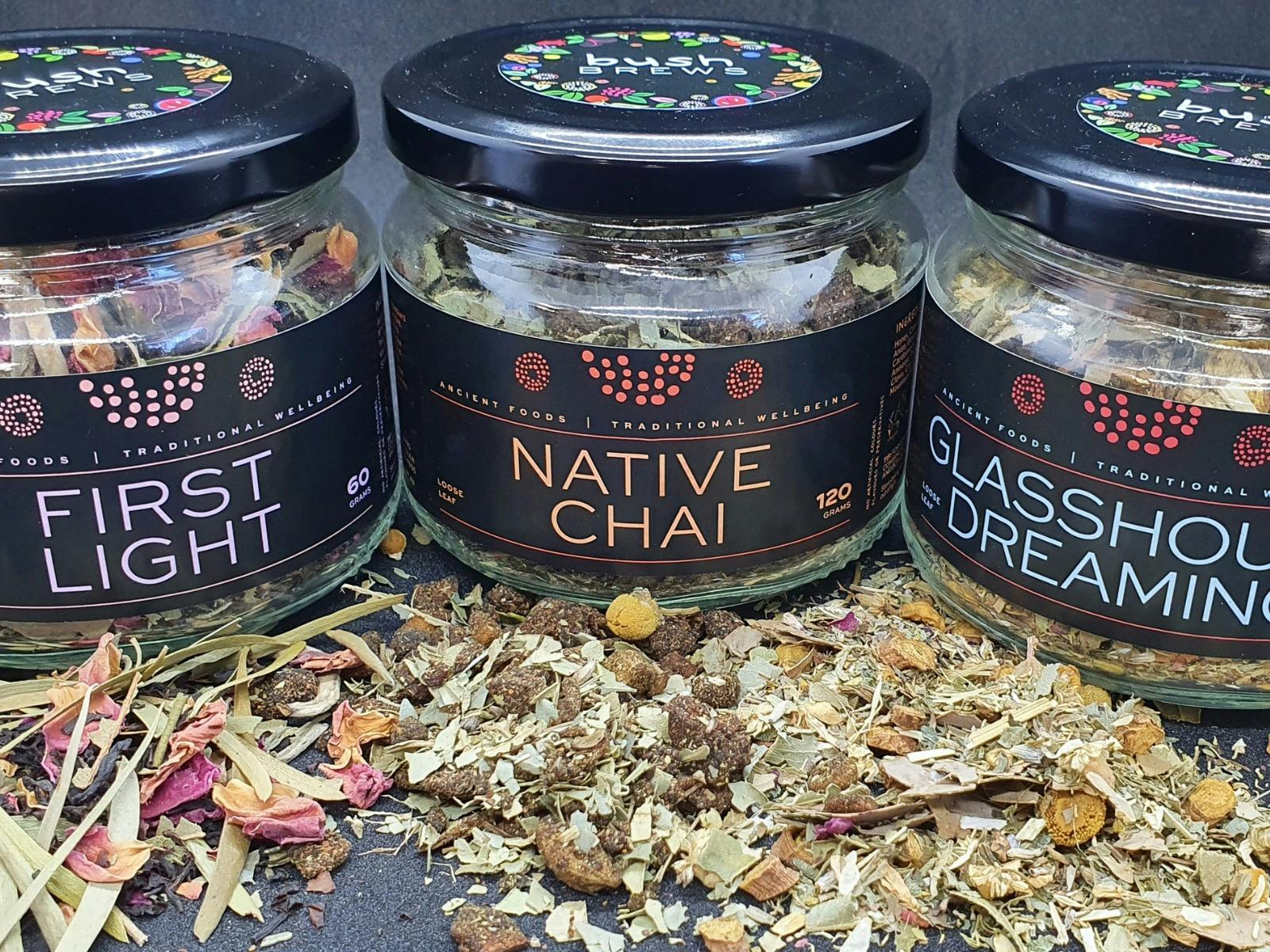
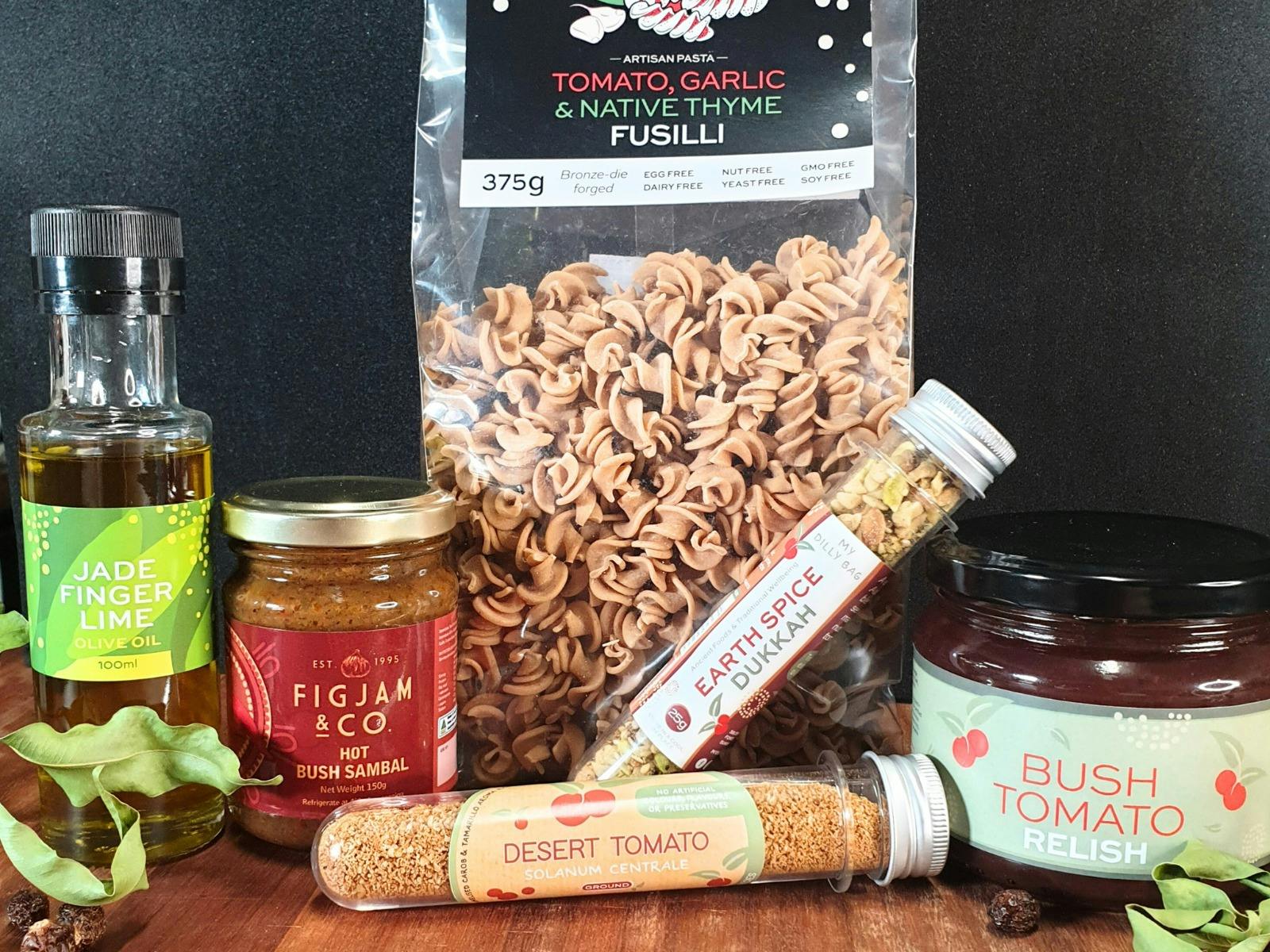
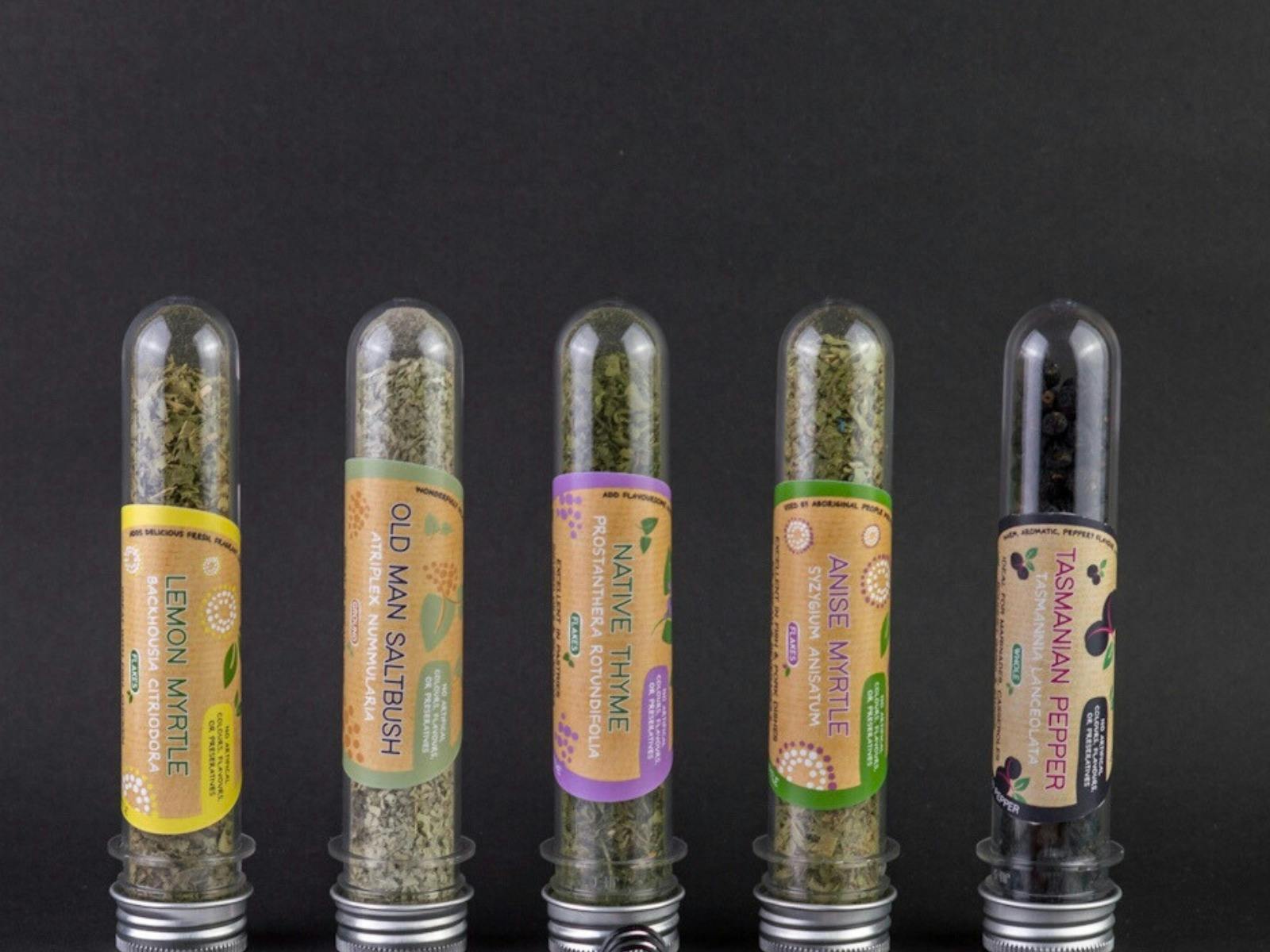
My Dilly Bag offers a diverse range of products featuring native Australian ingredients — including herbs and spices, jams, relishes, pasta and nourishing snacks. Each product celebrates Australia’s unique flavours and reflects a commitment to ethical and sustainable practices.
Visitors to the My Dilly Bag store can enjoy complimentary tastings, with samples of native popcorn, jams, relishes, chutneys, cakes and other bushfood favourites. Relax, have a cuppa and a yarn with our team of Bushtucker Besties as you explore what’s new.
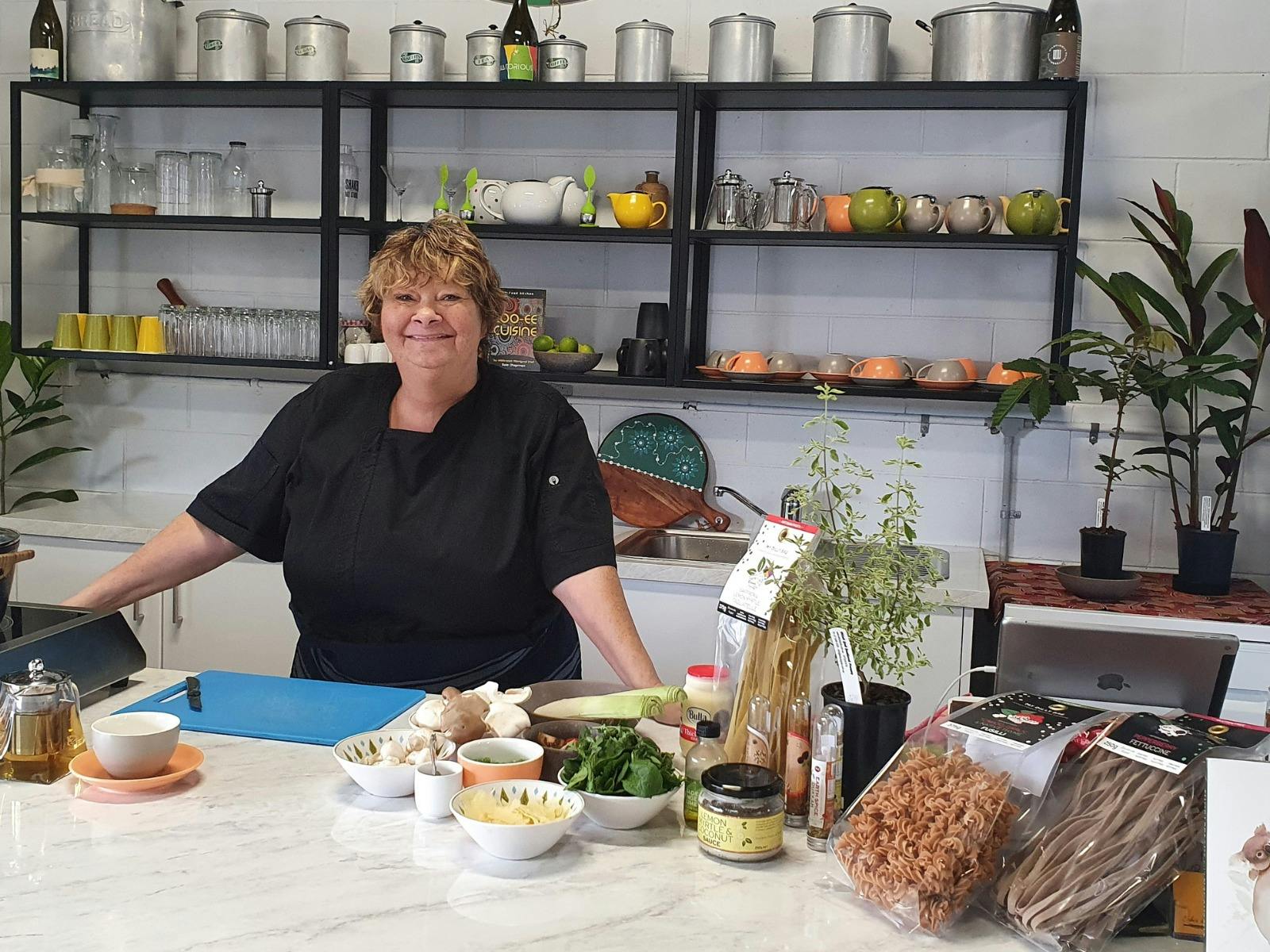
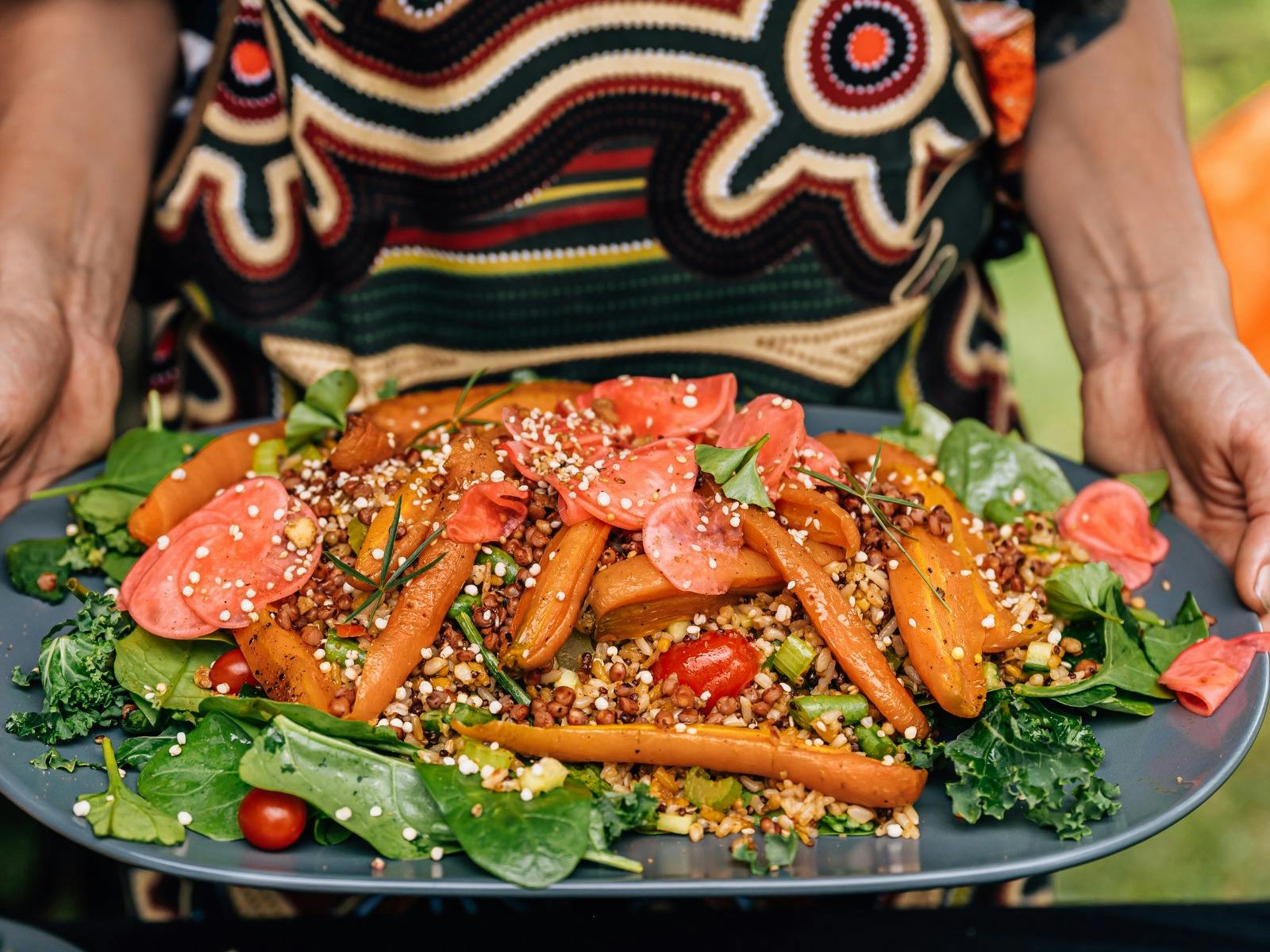
My Dilly Bag also delivers engaging workshops that introduce Australian Sovereign Foods from plant to plate. Learn about growing native ingredients, their nutritional benefits and how to use them in modern cooking through hands-on, culturally grounded experiences.
Discover a culinary journey shaped by culture, connection and Country. Shop with My Dilly Bag and experience the true flavour of Australia.
Images and Video

Features
Tags
Actively welcomes people with access needs.
General access

- Offers multiple options for booking – web, email, phone is available.
- Offers a range of contact methods for receiving complaints.
- Staff are trained in disability awareness.
- Accessibility information and photos, including of a bathroom, room and/or floor plan on their website (can be emailed on request).
- Asks all visitors if there are any specific needs to be met.
- Website meets <a href="https://www.w3.org/WAI/standards-guidelines/wcag/" target="_blank">WCAG 2.0</a> accessibility standards
- Advise tour guides of the access needs of guests at the time of booking (includes pick up and drop off requirements)
- Assistance with booking arrangements (includes providing clear itineraries with written instructions on what to do at various destinations)
Communication

Welcomes and assists people who have challenges with learning, communication, understanding and behaviour. (includes people with autism, intellectual disability, Down syndrome, acquired brain injury (ABI), dyslexia and dementia)
- Staff are trained in communicating with people with learning or behavioural challenges.
- Uses Plain English / easy read signage and information (includes menus and emergency information)
- A quiet space is available at the venue/ facility.
Physical – Wheelchair

Caters for people who use a wheelchair.
- A step free main entrance to the building and/or reception area (includes ramps or slopes with a maximum gradient of 1:14, otherwise are too steep for wheelchairs)
- Doorways which are easy to open and have lever handles (doorways 850mm or wider when open and not heavy).
- An accessible public toilet which is unlocked.
Allergies and intolerances

Caters for people with allergies and intolerances.
- Modify their cooking and cleaning practices to cater for people with food allergies or chemical intolerances (could include menus with meals free from: nuts, dairy, seafood, eggs, gluten etc).
Plan more around this area
 Woombye, QLD
 Sunshine Coast Motor Lodge
A 16 room motel in a leafy setting, centrally located on the beautiful Sunshine Coast with modernised, comfortable and spacious rooms.
 Ilkley, QLD
 Ilkley Heights
This is a hosted stay through Hipcamp, below is the information provided by the Host regarding their offering. Experience the best of both worlds…
 Kiels Mountain, QLD
 Happy Haven
This is a hosted stay through Hipcamp, below is the information provided by the Host regarding their offering. Centrally located on the beautiful Sunshine…

 Eudlo, QLD
 The Old Piggery
This is a hosted stay through Hipcamp, below is the information provided by the Host regarding their offering. The Old piggery has enough space…
 Woombye, QLD
 Sixty6 Acres Woombye
Set on sixty-six acres in a hidden vale is a picture-perfect farm offering country-luxe accommodation for families, couples and groups of friends.
 Sunshine Coast, QLD
 Sunshine Coast Retreat
This is a hosted stay through Hipcamp, below is the information provided by the Host regarding their offering. Nestled among mango, avocado, and lichee…
 Nambour, QLD
 Suncoast Outdoor Adventure Expo
The Suncoast Outdoor Adventure Expo is your gateway to the great outdoors!
 Nambour, QLD
 Showdown Showcase Nambour
A curated big-screen event celebrating the bold, original storytelling emerging from the Sunshine Coast.
 Maroochydore, QLD
 Horizon Festival
Horizon Festival is an annual 10 day festival exploring the intersections of art, people, and place on Kabi Kabi and Jinibara Country, Sunshine Coast.
 Nambour, QLD
 Horizon Dance Hall
Horizon Dance Hall is a free, all-day, all-ages celebration of music, movement and community.
 Maroochydore, QLD
 2 Bent Rods – All Age Fishing Lessons – Maroochydore
Do your kids want to go fishing but you’re not sure what to do?
 Maroochydore, QLD
 2026 UniSport Nationals T20 Cricket
UniSport Nationals T20 Cricket see's the best student-athletes from universities across Australia head to the Sunshine Coast for a thrilling competition.
