National Vietnam Veterans Museum
Highlights
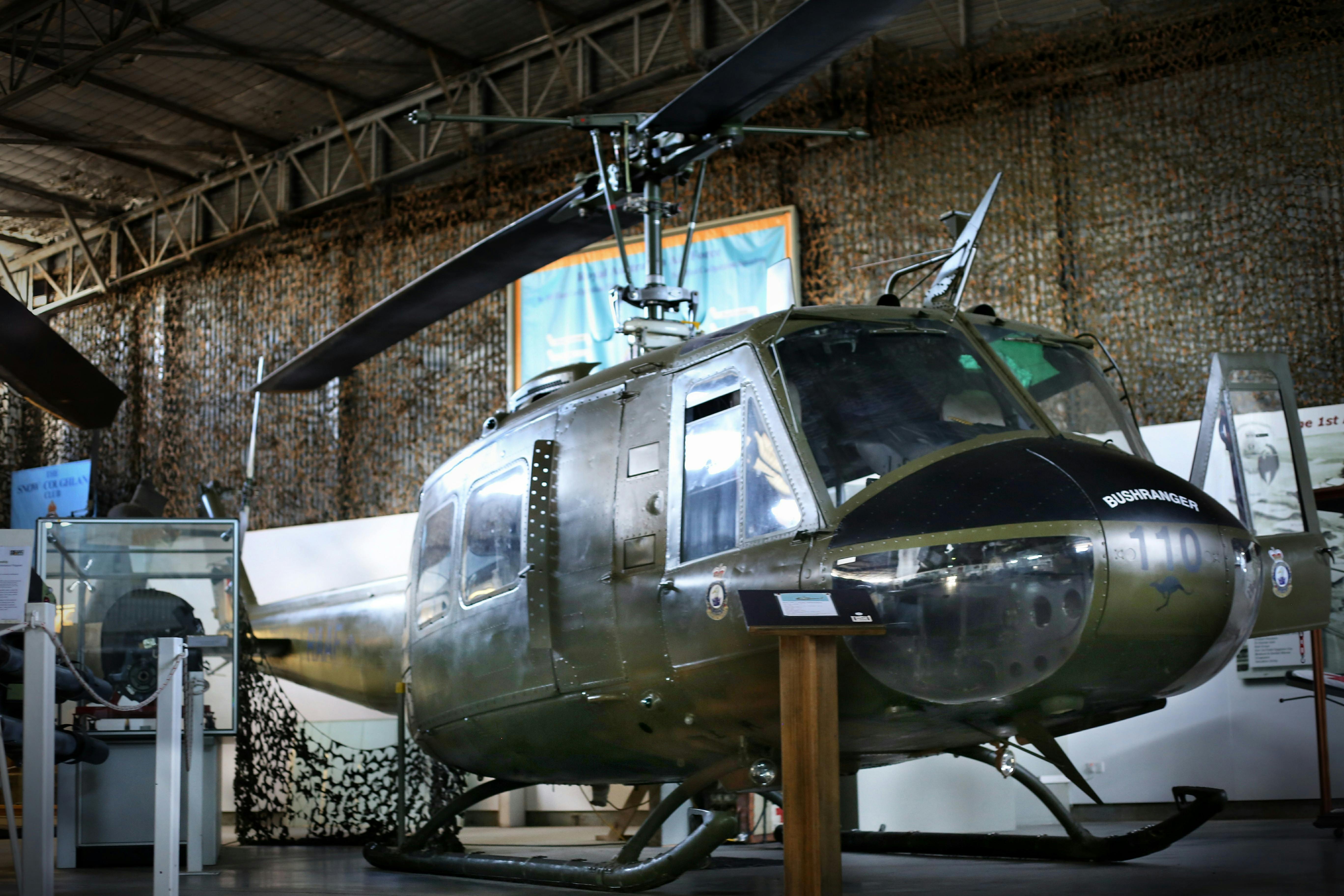
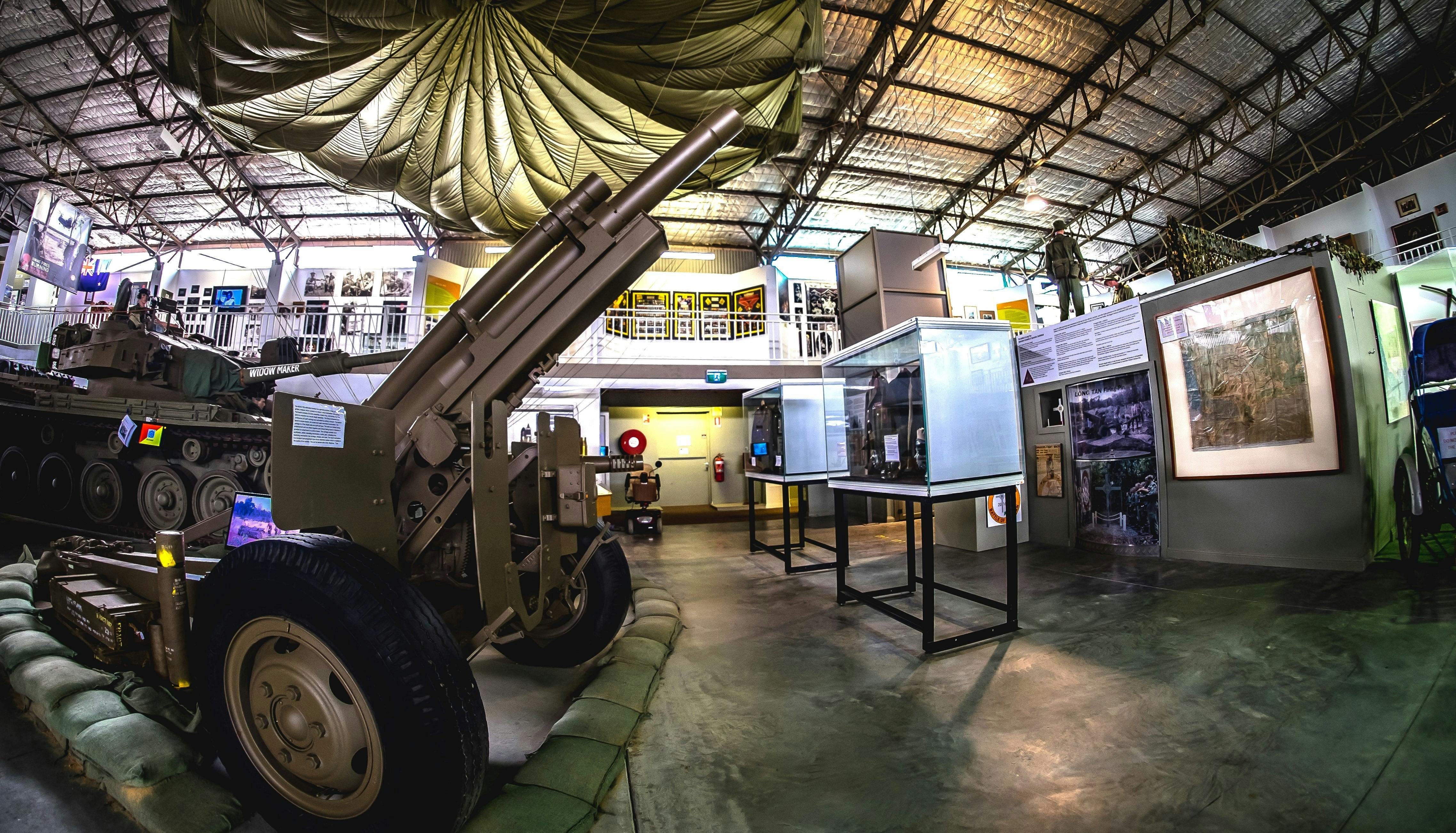
- Explore an internationally unique collection of Vietnam war artifacts that vividly narrate veterans' personal stories.
- Relax in the on-site café, enjoying light lunches and coffee amidst a tranquil setting for up to 45 diners.
- Wander through well-maintained gardens that enhance the reflective atmosphere of this important historical site.
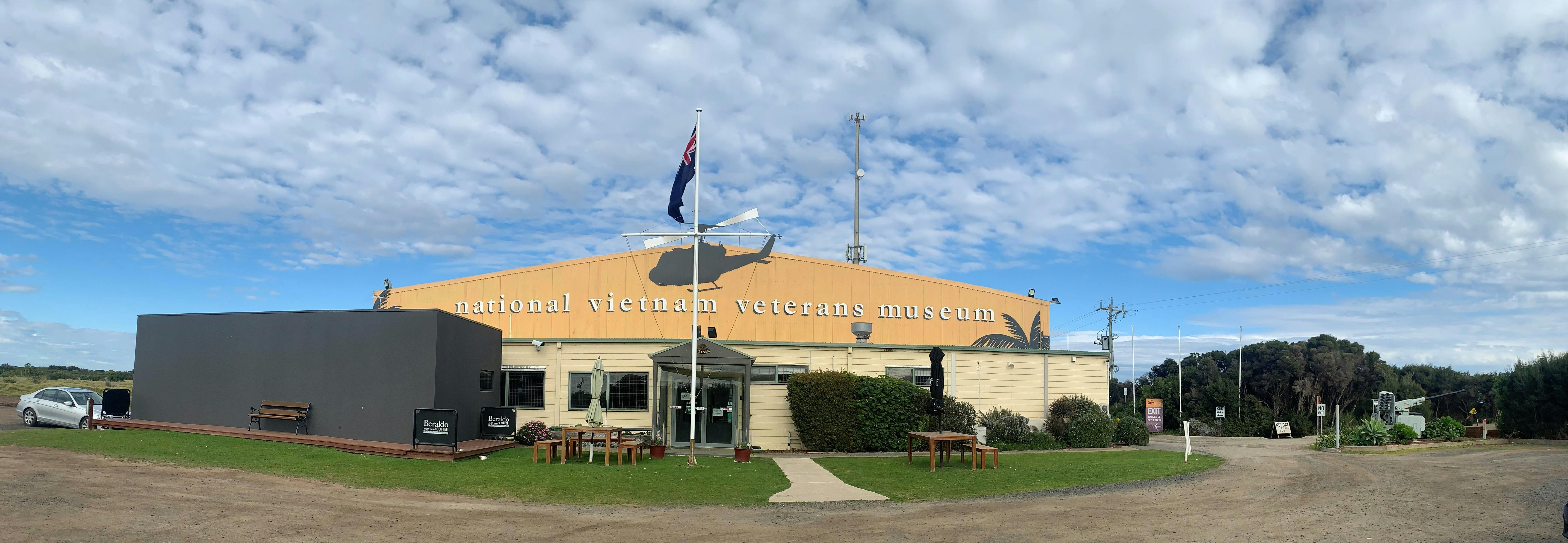
- Visit the National Vietnam Veterans Museum at 25 Veterans Drive, Newhaven, to honour the service and sacrifice of veterans.
National Vietnam Veterans Museum houses an internationally unique collection of artifacts and memorabilia from the Vietnam war era that is dedicated to telling the story of the service and sacrifice of the veterans involved. This museum tells the personal stories of the men who served.
There is an excellent café on the premises selling light lunches, coffee and cakes, with a capacity for approximately 45 diners.
Images and Video

Accreditations
- Australian Museums and Galleries Association
- Victoria Tourism Industry Council
- Visitor Information Centre
Features
Actively welcomes people with access needs.
General access

- Offers multiple options for booking – web, email, phone is available.
- Offers a range of contact methods for receiving complaints.
- Companion Cards are accepted.
- Staff are trained in disability awareness.
- Accessibility information and photos, including of a bathroom, room and/or floor plan on their website (can be emailed on request).
- Asks all visitors if there are any specific needs to be met.
- Website meets <a href="https://www.w3.org/WAI/standards-guidelines/wcag/" target="_blank">WCAG 2.0</a> accessibility standards
- Advise tour guides of the access needs of guests at the time of booking (includes pick up and drop off requirements)
- Assistance with booking arrangements (includes providing clear itineraries with written instructions on what to do at various destinations)
Communication

Welcomes and assists people who have challenges with learning, communication, understanding and behaviour. (includes people with autism, intellectual disability, Down syndrome, acquired brain injury (ABI), dyslexia and dementia)
- Staff are trained in communicating with people with learning or behavioural challenges.
- Uses Plain English / easy read signage and information (includes menus and emergency information)
- A quiet space is available at the venue/ facility.
Physical – Mobility

Caters for people with sufficient mobility to climb a few steps but who would benefit from fixtures to aid balance. (This includes people using walking frames and mobility aids)
- Uses floors/coverings which are slip resistant, firm and smooth
- Uses non-slip tiles in the bathroom or slip resistant matting
- Grab rails in the bathroom
- Seating in common areas including reception area
Physical – Wheelchair

Caters for people who use a wheelchair.
- Step free outdoor pathways (includes picnic areas, barbecues and shelters)
- A step free main entrance to the building and/or reception area (includes ramps or slopes with a maximum gradient of 1:14, otherwise are too steep for wheelchairs)
- Step free access to restaurant, lounge and bar
- Step free access to the conference or function room
- Accessible seating areas in theatrette
- Lifts with enough space for people using a mobility aid to enter and turn around to use the lift buttons. Buttons are at accessible height.
- Doorways which are easy to open and have lever handles (doorways 850mm or wider when open and not heavy).
- An accessible public toilet which is unlocked.
- A wheelchair accessible toilet / shower and change room is available.
- At least one wheelchair accessible parking space with wheelchair accessible signage clearly displayed (International standards are 3200mm wide x 2500 mm high).
Plan more around this area
 Cowes, VIC
Phillip Island Park Lane Holiday Park
Stay at Phillip Island's most fun place, A Maze'N Thing Holiday Park. The park is on five acres and has a variety of self-contained cabins

 Cowes, VIC
 The Gap Retreat
The Gap Retreat is a stylish, eco friendly, boutique accommodation on Phillip Island, located in a bushland setting. Three beautifully crafted two bedroom cabins that
 Cowes, VIC
 Arthur Phillip Motor Inn Cowes
The Arthur Phillip Motor Inn is a family owned and operated motel boasting 12 superbly appointed ground floor units.
 Ventnor, VIC
 Zoarii
The luxury wellness cabin at Zoarii offers breathtaking views of Phillip Island's serene countryside and a stone's throw from the famous Berrys Beach surf break.
 Cowes, VIC
 Verandah Retreat
Verandah Retreat offers five Star, luxury holiday accommodation in Cowes Phillip Island, Victoria.

 Cowes, VIC
Kaloha Holiday Resort
Comfort Resort Kaloha Phillip Island is the island's premier holiday resort, centrally located right on the beach and a minutes walk to the shops, restaurants
 San Remo, VIC
 San Remo Hotel Motel
The San Remo Pub is iconically San Remo’s best known watering hole, situated in the heart of San Remo, gives you beautiful views, fine cuisine
 Cowes, VIC
 Rusty Water Brewery Restaurant & Bar – Phillip Island Brewing Co
Phillip Island is famous for its spectacular coastal scenery, world renowned nature parks and pristine surf beaches – the only thing missing was good local
 Cowes, VIC
 Pino's Trattoria
Tucked away from the main street in Cowes, you will find one of the Island’s best known restaurants.
 Cowes, VIC
 Beach HQ Restaurant & Bar
Located in the heart of Cowes, close to Phillip Island's major retail hub & tourism attractions. • Spectacular Water Views If dining in a casual
 Ventnor, VIC
 Phillip Island Winery
A restaurant, winery and wedding venue set on the south coast of Phillip Island on a fourteen acre property with three acres of vines.
 Balnarring, VIC
Le Bouchon French Cuisine
Located in Balnarring, Le Bouchon French Cuisine is a casual French bistro serving simple and traditional French cuisine.
