Raptor Refuge
Highlights
- Explore the Raptor Refuge's rehabilitation facility to witness the care of injured birds of prey up close.
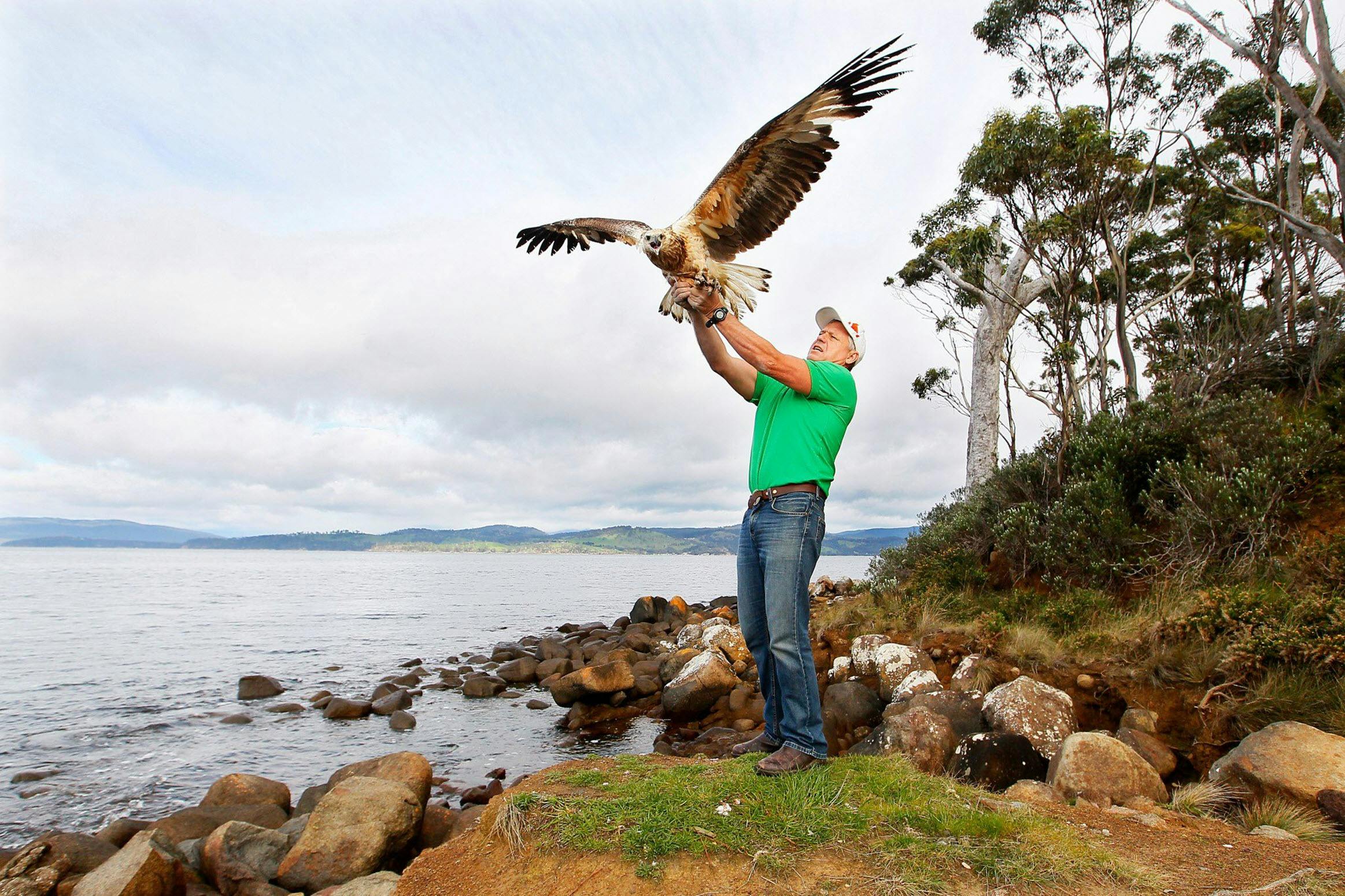
- Discover the majestic Tasmanian Wedge-tailed Eagle and learn about its significance in conservation efforts.
- Engage with knowledgeable guides as they share fascinating insights about raptors and their unique behaviours.
- Capture unforgettable moments during your 90-minute tour, perfect for birdwatching enthusiasts and nature lovers.
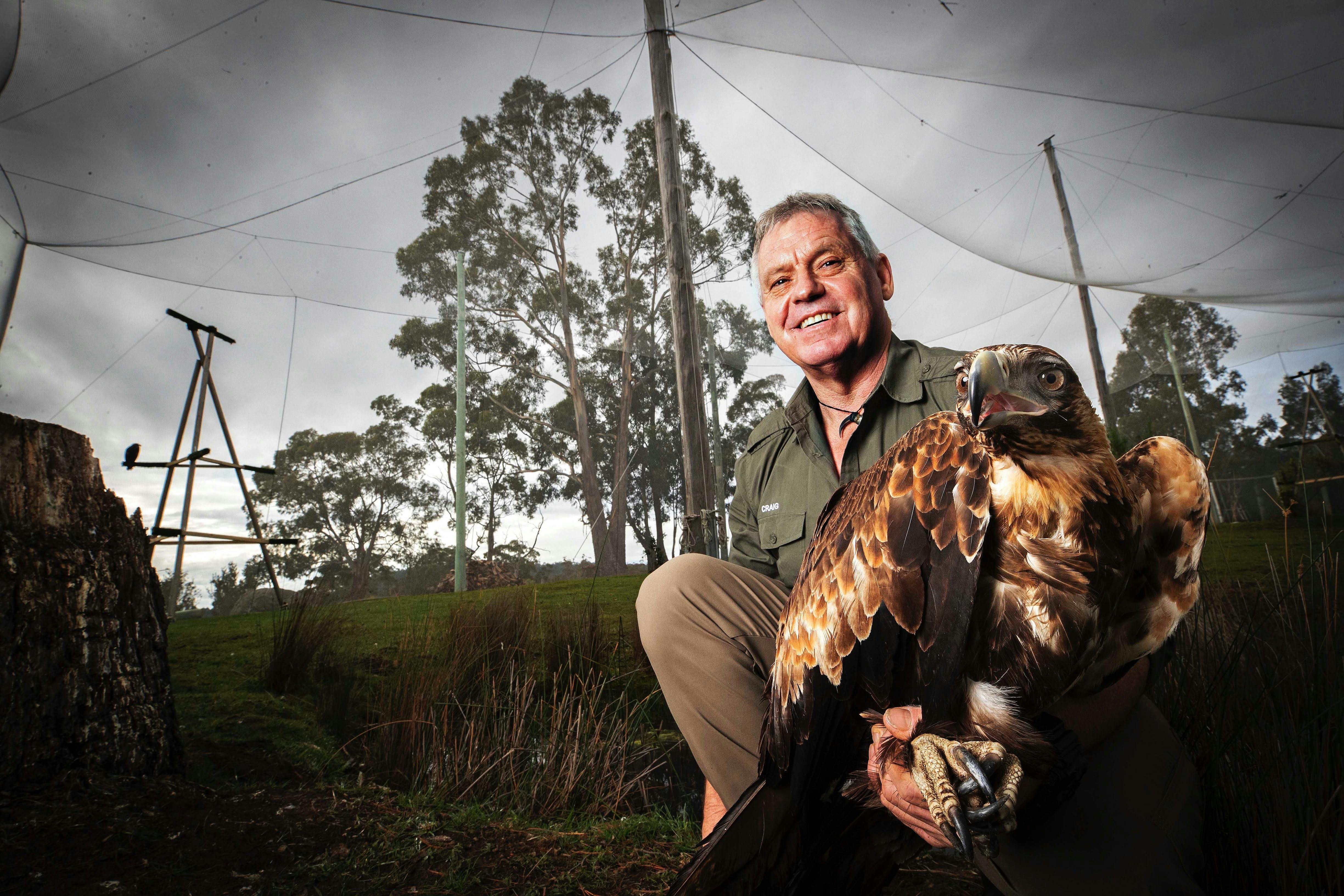
A private tour of the Raptor Refuge is unforgettable! It’s a rare opportunity to see the raptor rehabilitation facility first-hand, where they’ve helped injured birds of prey return to the wild for over 20 years.
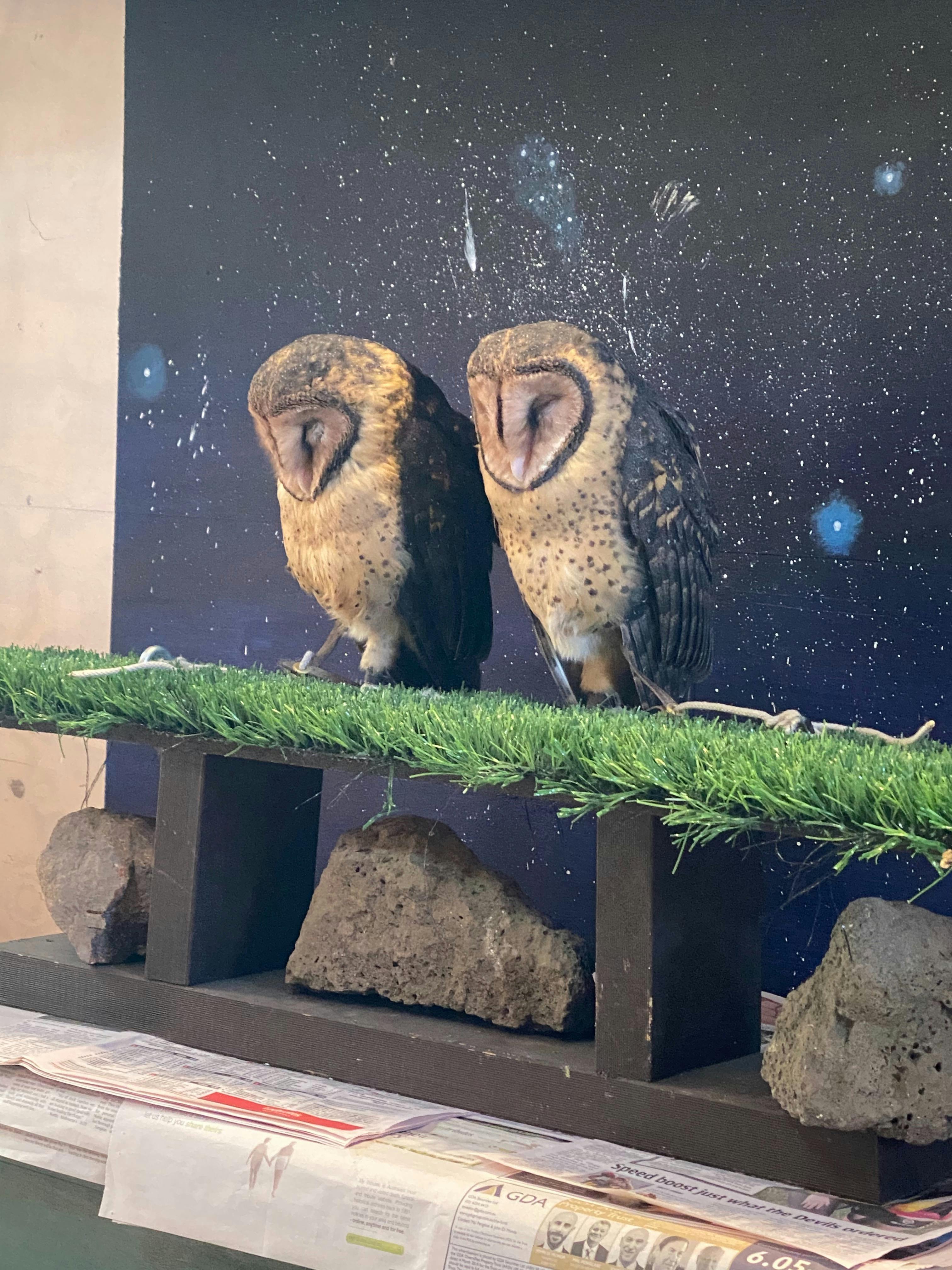
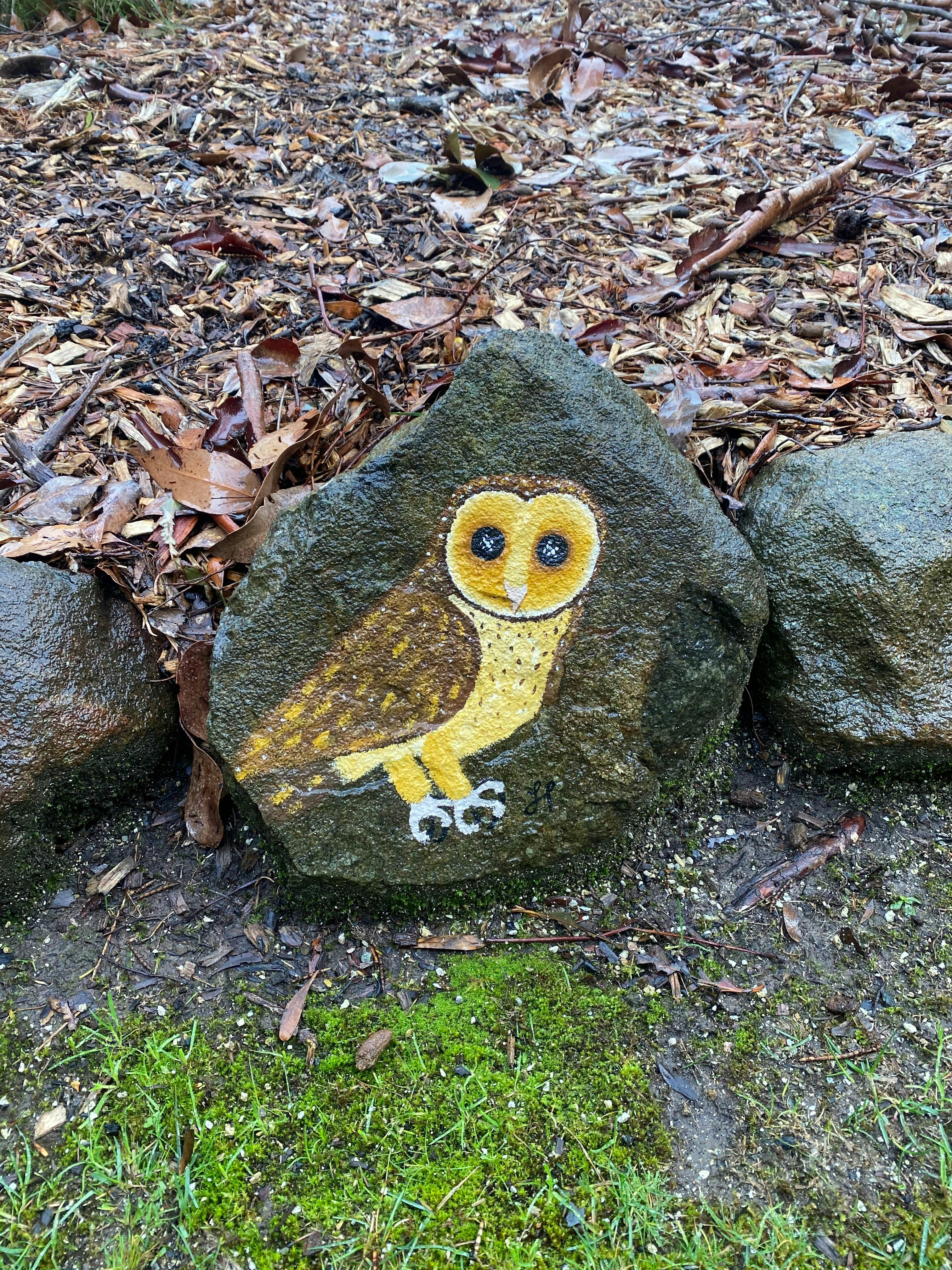
Explore the grounds with friendly and knowledgeable guides. Discover how fast peregrine falcons can fly, see a rare grey goshawk, witness the silent flight of masked owls, and get up close to Australia’s largest raptor—the majestic Tasmanian Wedge-tailed Eagle.
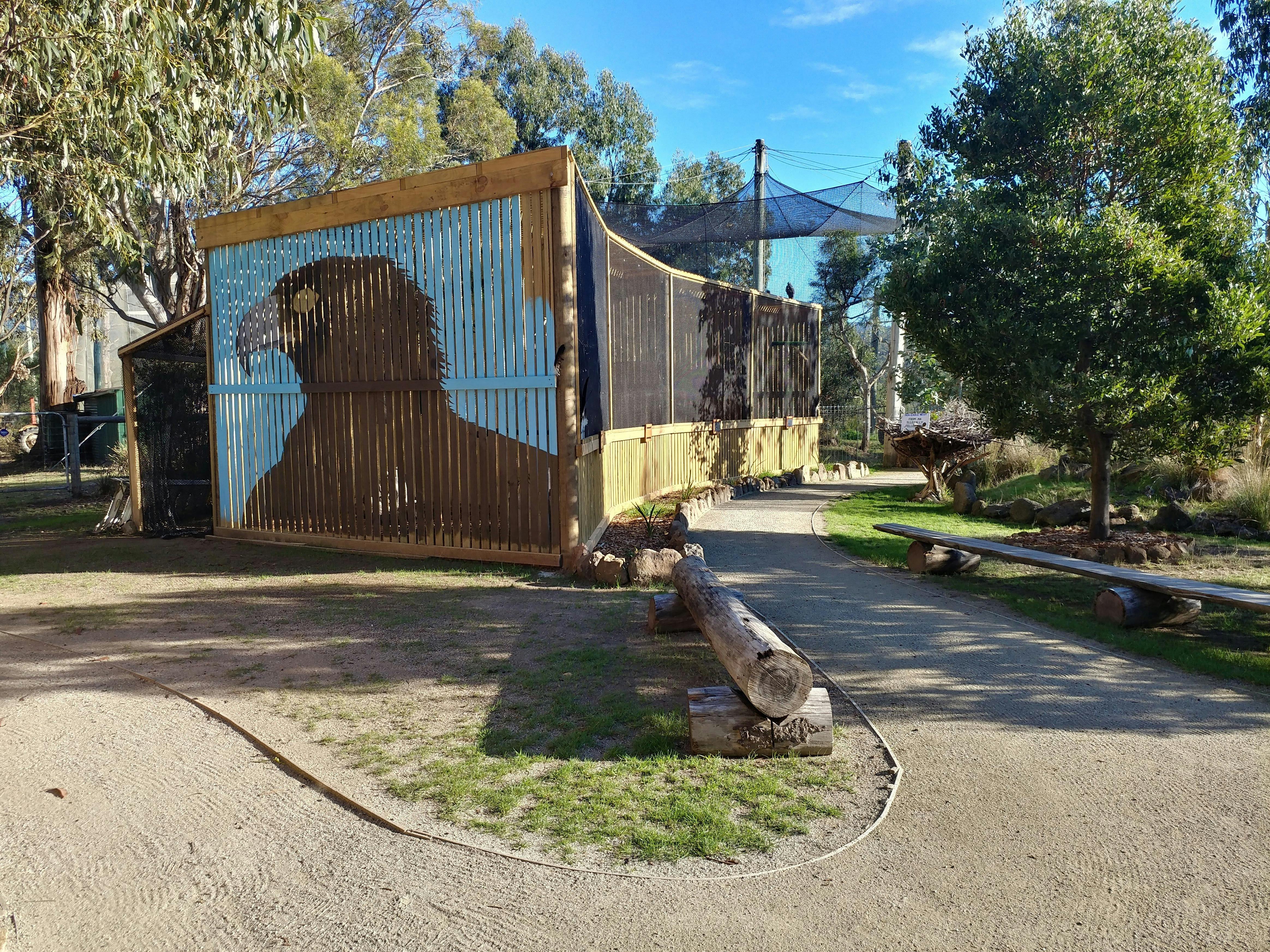
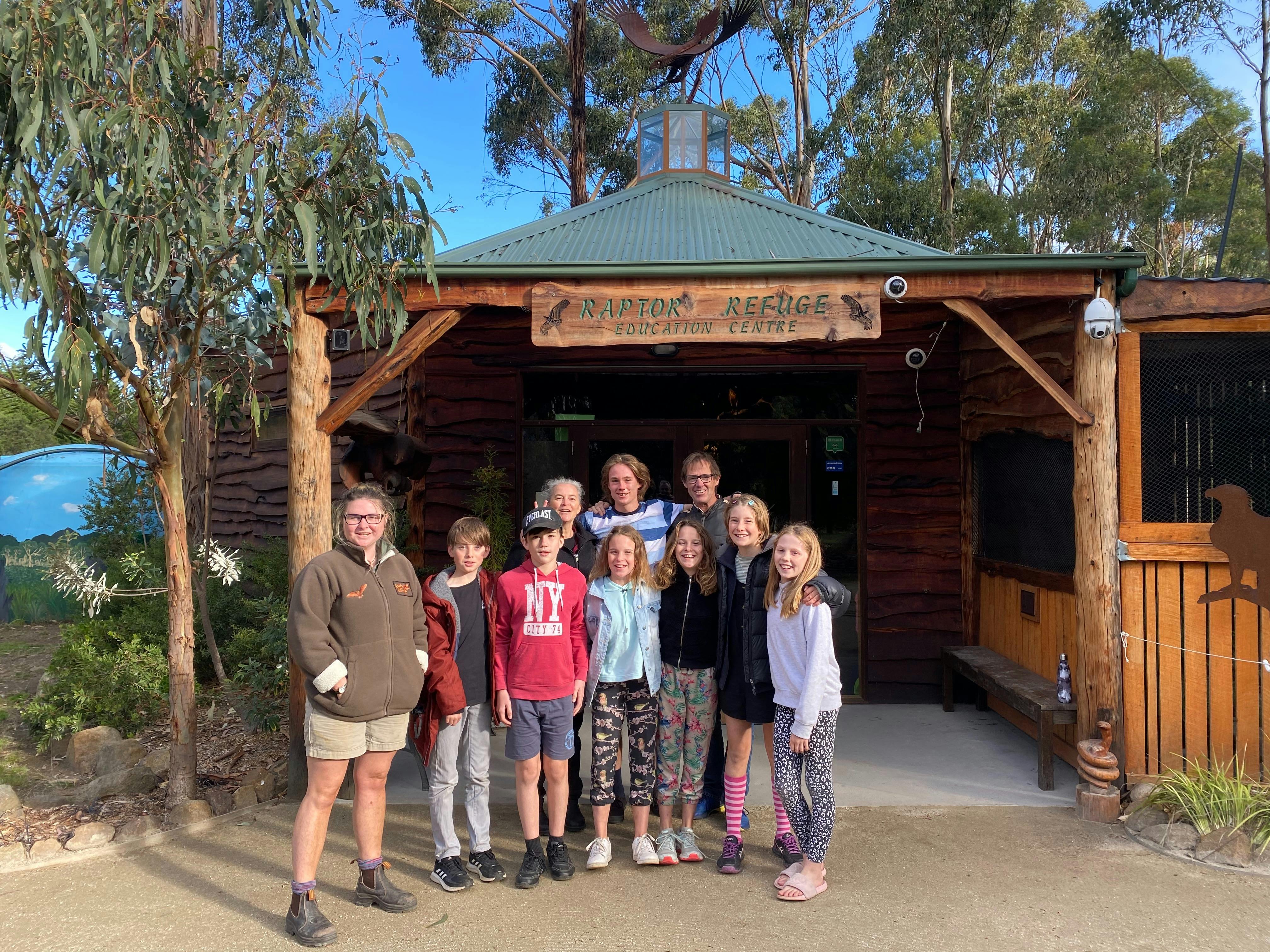
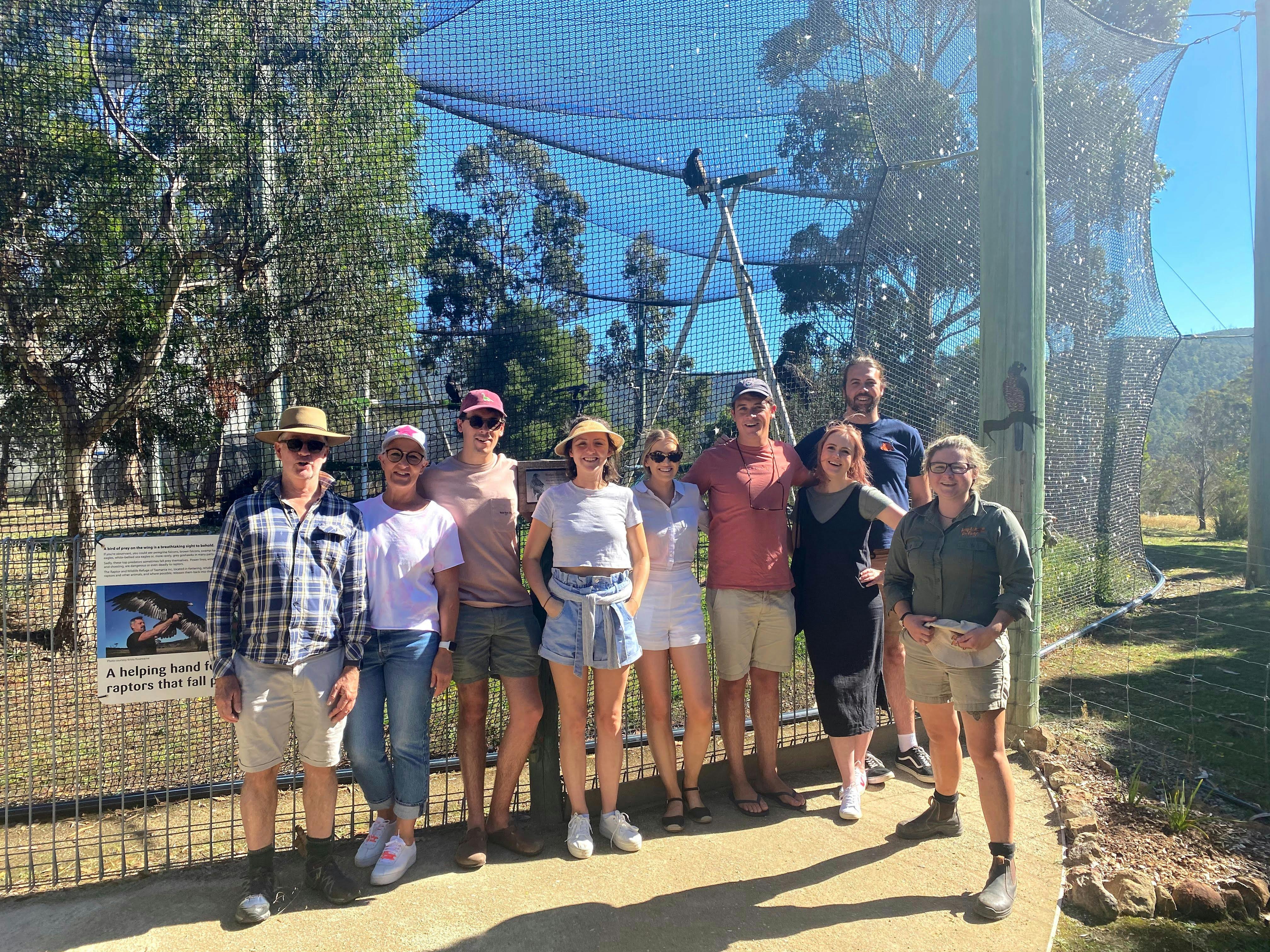
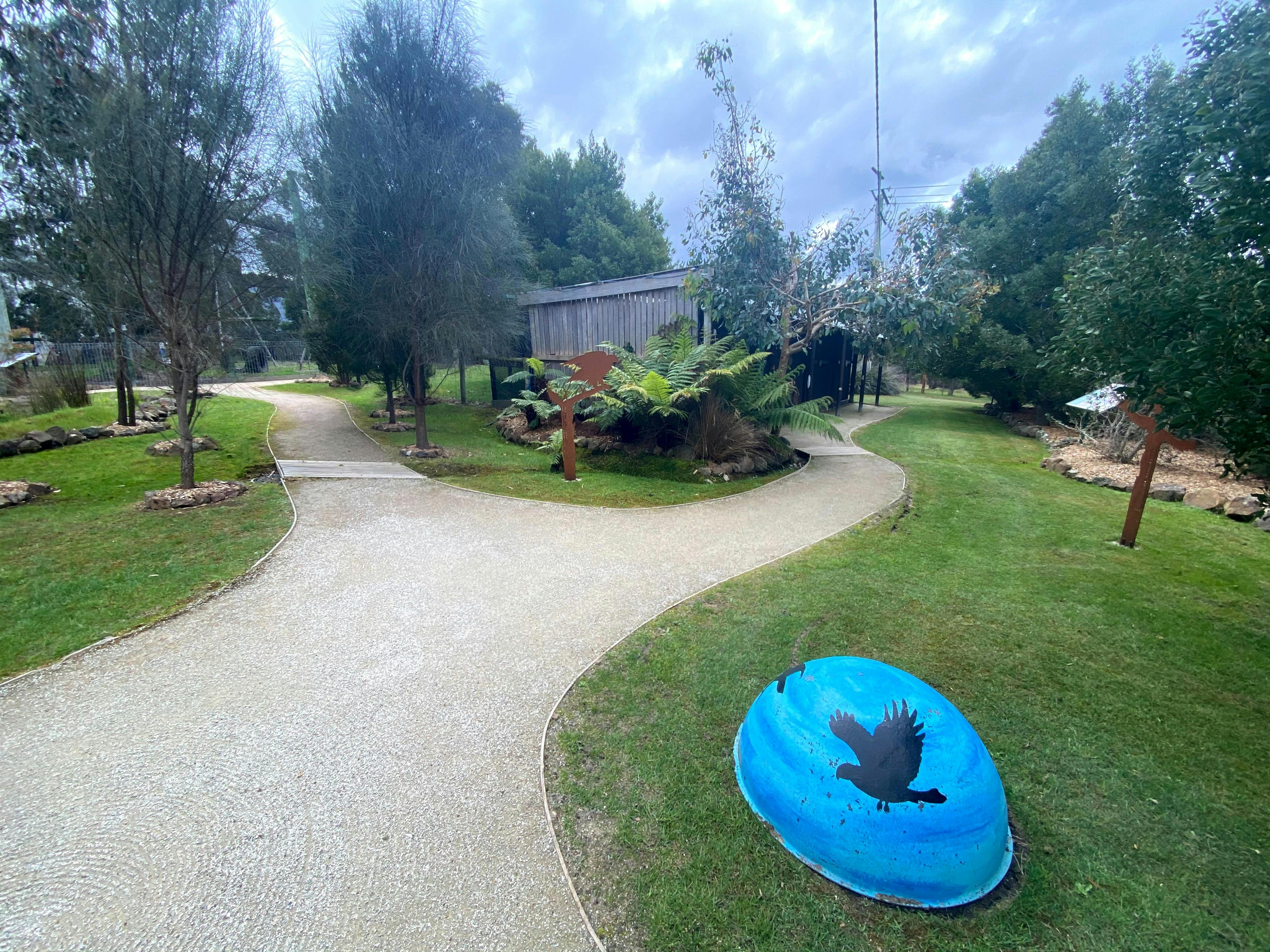
Located just 30 minutes from Hobart in peaceful bushland, the refuge includes some of Tasmania’s largest aviaries and a purpose-built Education Centre. The display birds have permanent injuries that prevent their release. They now help educate the public about raptors and conservation.
Tours last 90 minutes and include time for photos and questions. They run Monday to Saturday at 10am, 12pm, and 2pm. Bookings must be made via the website at least 12 hours in advance.
They’re a non-profit organisation dedicated to protecting Tasmania’s raptors. All funds raised go directly toward their care and rehabilitation.
If you’re looking to extend your visit, eco-accommodation is available next door at Eagle Ridge Retreat—two beautiful, semi-luxurious wilderness studios nestled in the bush. While operated separately from the Refuge, they offer a peaceful stay with stunning views and are perfect for nature lovers. You can find more information by searching “Eagle Ridge Retreat”.
Images and Video



Features
Activities
Actively welcomes people with access needs.
Communication

Welcomes and assists people who have challenges with learning, communication, understanding and behaviour. (includes people with autism, intellectual disability, Down syndrome, acquired brain injury (ABI), dyslexia and dementia)
- Uses Plain English / easy read signage and information (includes menus and emergency information)
- A quiet space is available at the venue/ facility.
Physical – Wheelchair

Caters for people who use a wheelchair.
- Step free outdoor pathways (includes picnic areas, barbecues and shelters)
- A step free main entrance to the building and/or reception area (includes ramps or slopes with a maximum gradient of 1:14, otherwise are too steep for wheelchairs)
- Step free access to the conference or function room
Plan more around this area
 Kettering, TAS
 Eagle Ridge Retreat
Nestled in Tasmania’s pristine bushland, Eagle Ridge Retreat offers a unique fusion of luxury and wilderness.
 Kettering, TAS
 Bruny Vista Cabin
Bruny Vista Cabin has spectacular views across Bruny Island, the D'Entrecasteaux Channel, Kettering and the southern coast of Tasmania.
 Kettering, TAS
 Little Oyster Bayview Cottage
The cottage is a one bedroom (couples only) accommodation in Kettering right near the Bruny Island. Beautiful views overlooking Little Oyster Cove and D'Entrecasteaux Channel.

 Snug, TAS
 Snug Haus
In the foothills of the Snug Tiers, with amazing views over Storm Bay, Snug Haus awaits. Experience Tasmanian country life, surrounded by nature.
 Lower Snug, TAS
 Snug on the Bay
Wake to uninterrupted water views and sunlight streaming through floor-to-ceiling windows at Snug on the Bay, a beautiful two-bedroom, two-bathroom retreat overlooking the tranquil waters
 Snug, TAS
Snug Beach Cabin and Caravan Park
Snug Beach Cabin and Caravan Park offers beachfront holiday accommodation at Snug, in southern Tasmania.
 Grove, TAS

Willie Smith's Apple Shed
The Apple Shed Tasmania is a Museum, Ciderhouse and Cafe in the Huon Valley, showcasing the best local produce.

 Franklin, TAS
 Cinnamon and Cherry
Opposite the Huon River, in the centre of Franklin, sits Cinnamon and Cherry Cafe, a Turkish inspired coffee shop and bakery.
 Ranelagh, TAS
 The Kiln Collective
The Kiln Collective is a showcase of food and drink from local Tasmanian producers.
 Ranelagh, TAS
 Haddow & Dineen
The Kiln Collective is a showcase of food and drink from local Tasmanian producers.
 Simpsons Bay, TAS
Spirit of Bruny®
Craft distillery offering a tasting experience and sales in a beautiful location on Bruny Island.
 Ranelagh, TAS
 Summer Kitchen Bakery
Summer Kitchen Bakery is a family run business based, in the Huon Valley, 40min south of Hobart, which has been operating for over 50 years.
