Royal Flying Doctor Service Alice Springs Tourist Facility & Museum
Highlights
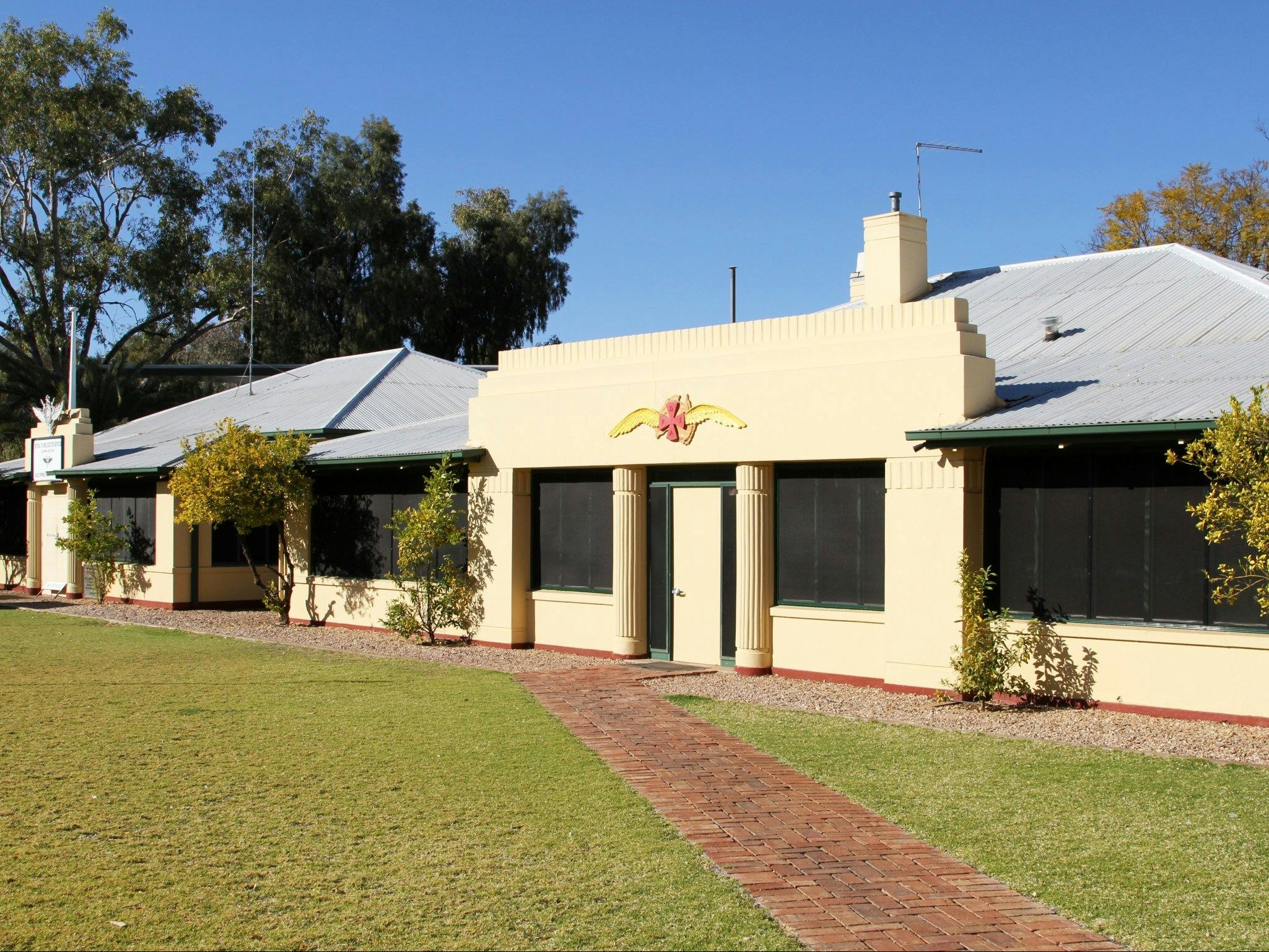
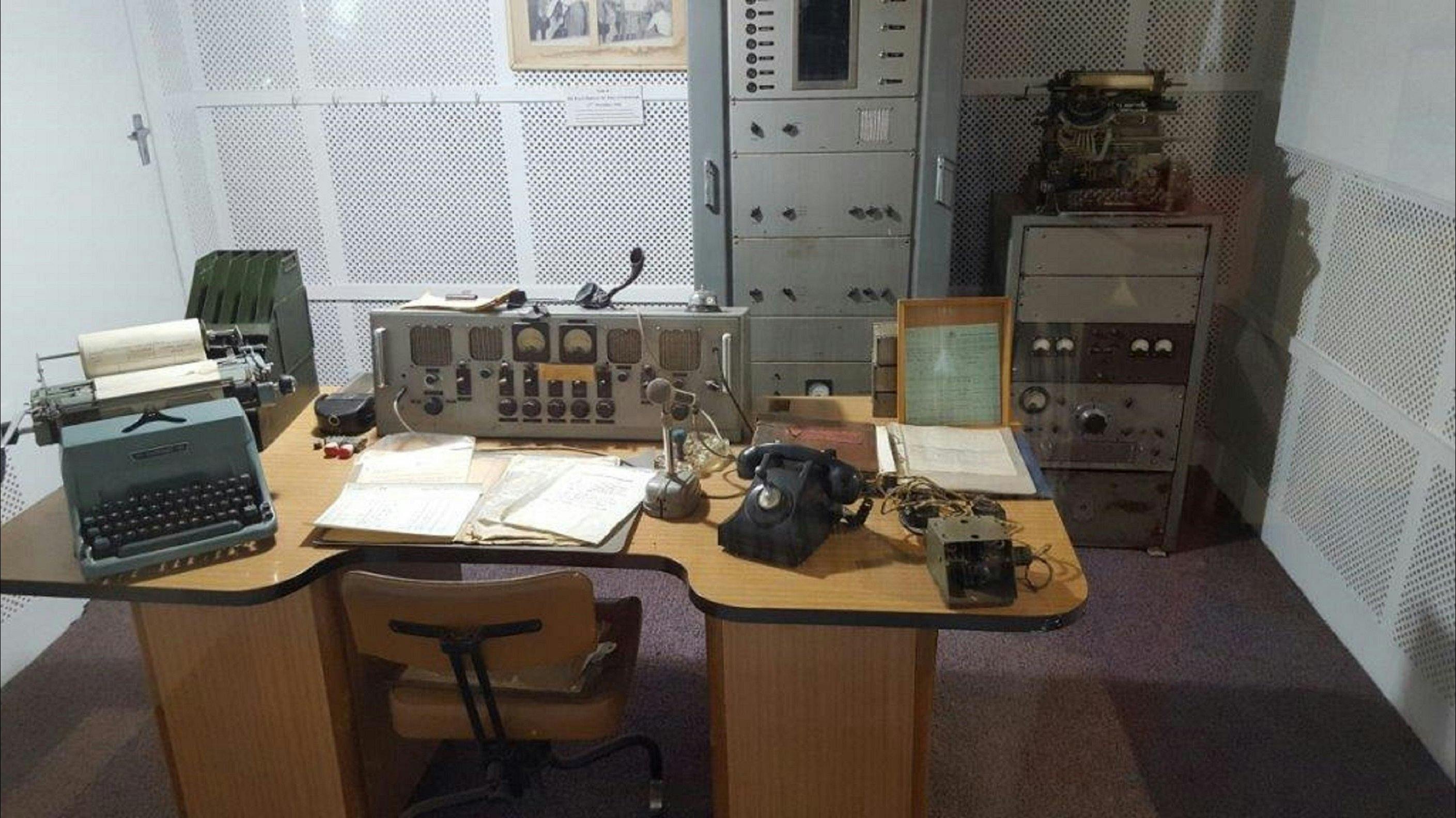
- Explore the original Alice Springs base from 1939, gaining insight into the RFDS's vital role in outback healthcare.
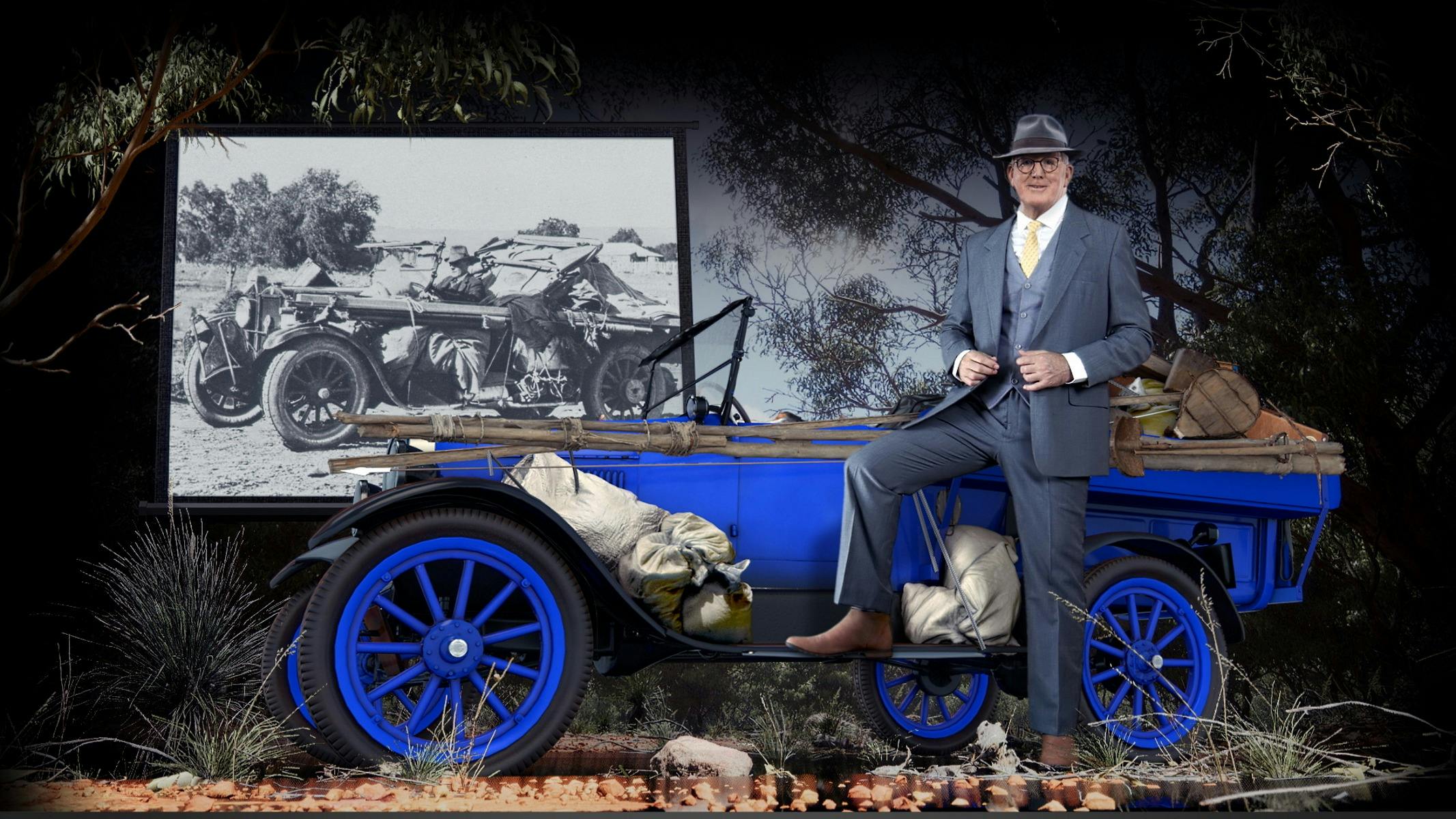
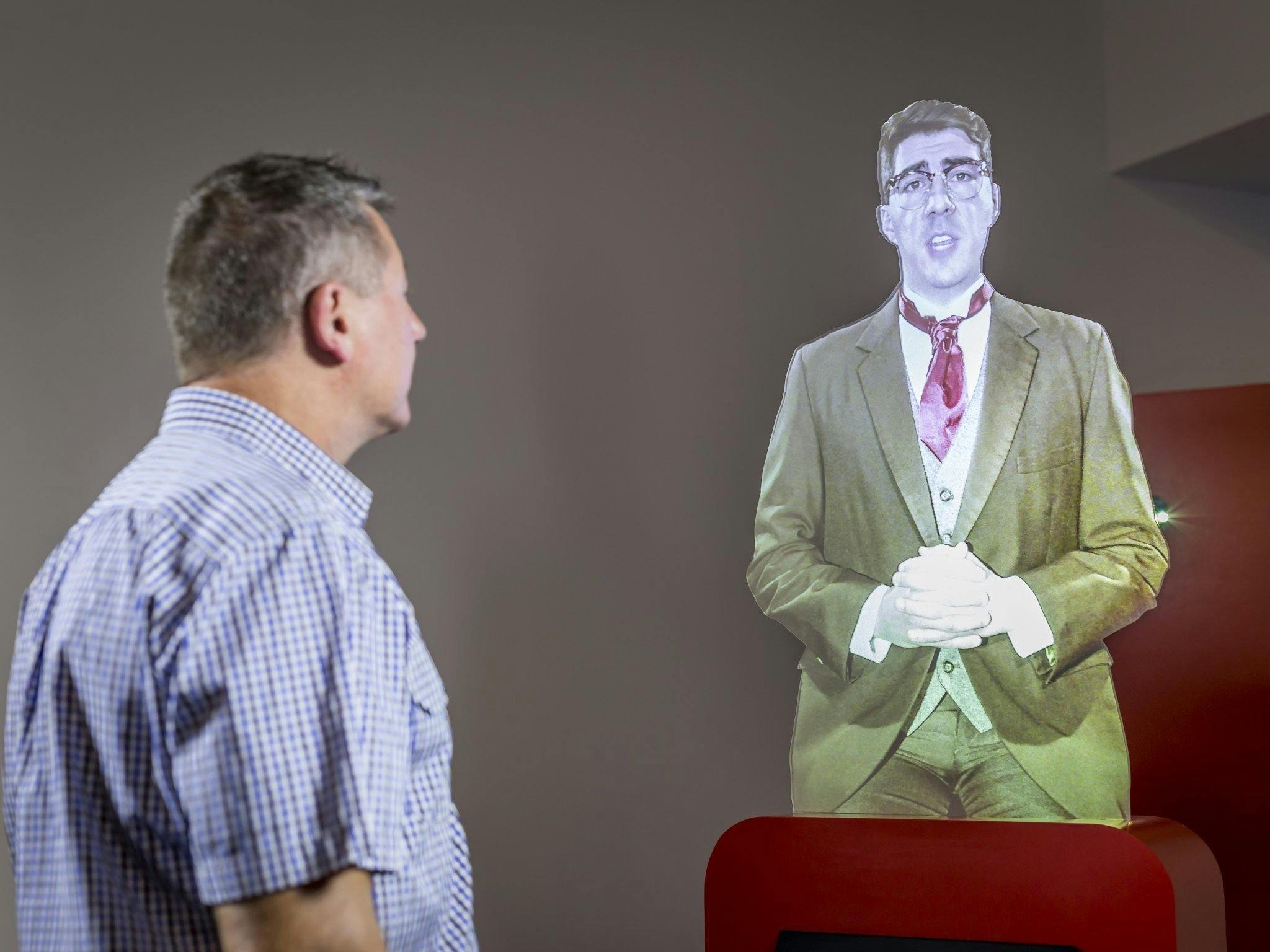
- Experience the pioneering holographic show featuring John Flynn, bringing the history of the RFDS to life in stunning detail.
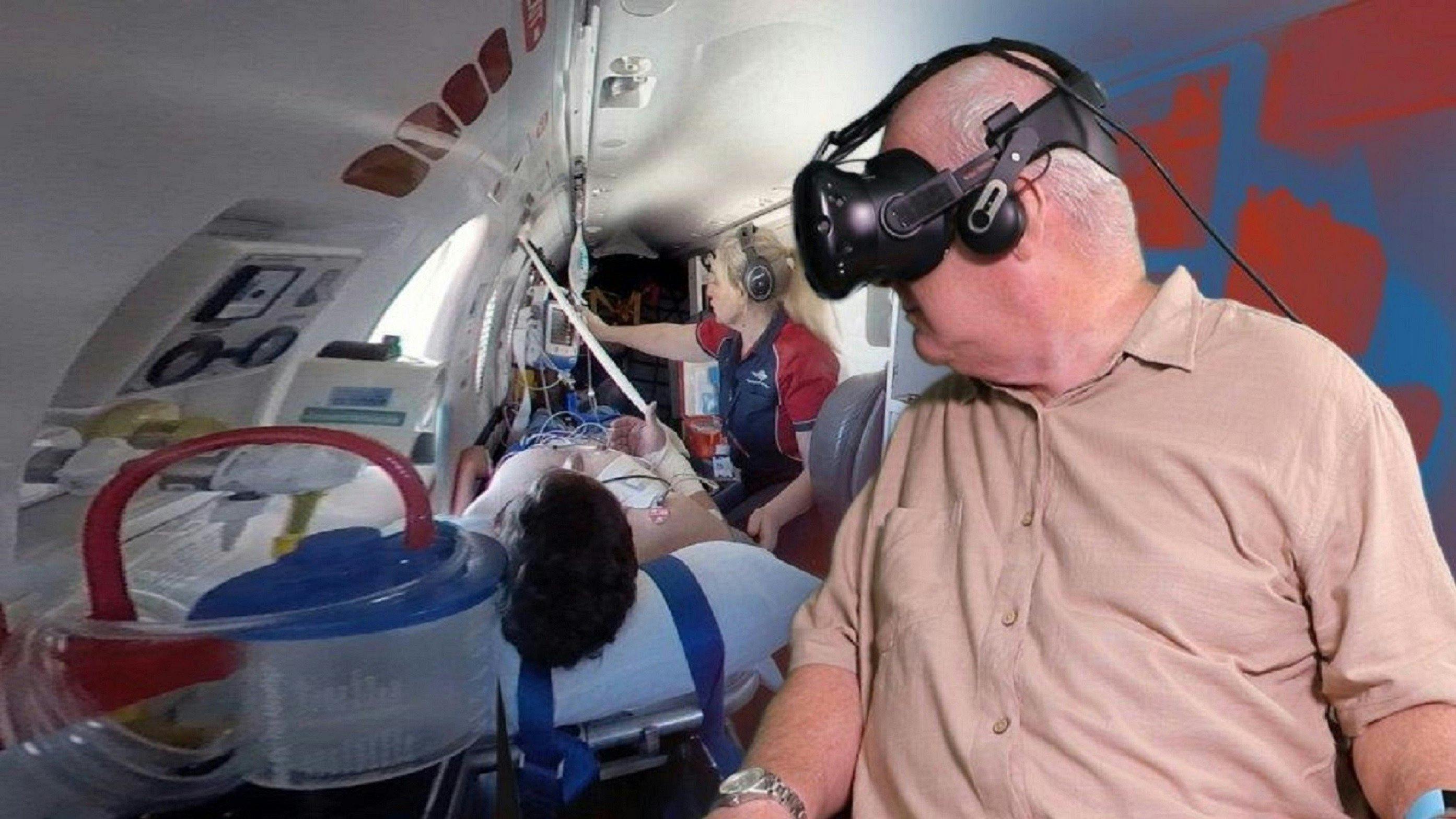
- Relive the emotional journey of patient Gene Hildebrand through immersive Virtual Reality, connecting you to the RFDS's mission.
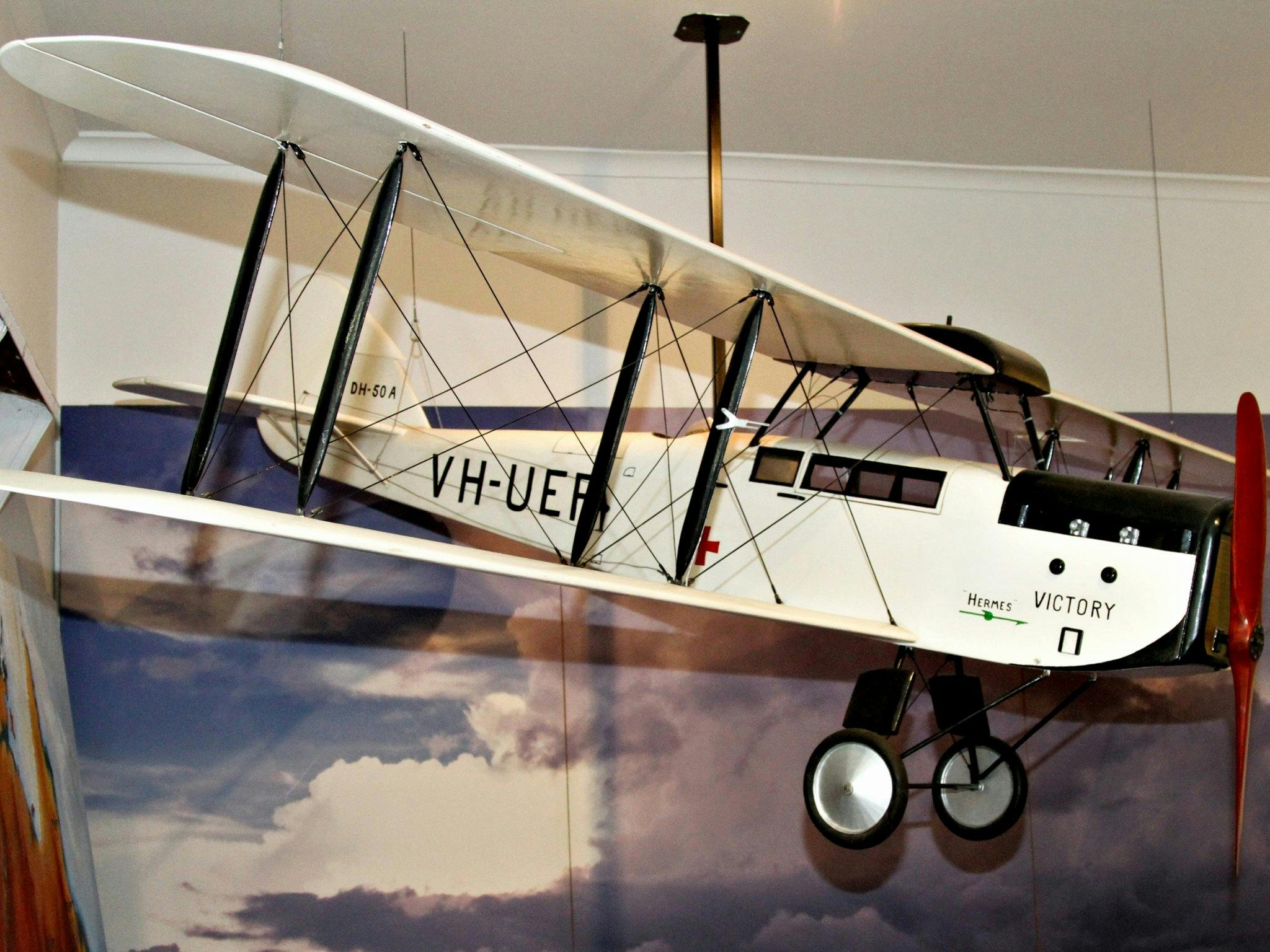
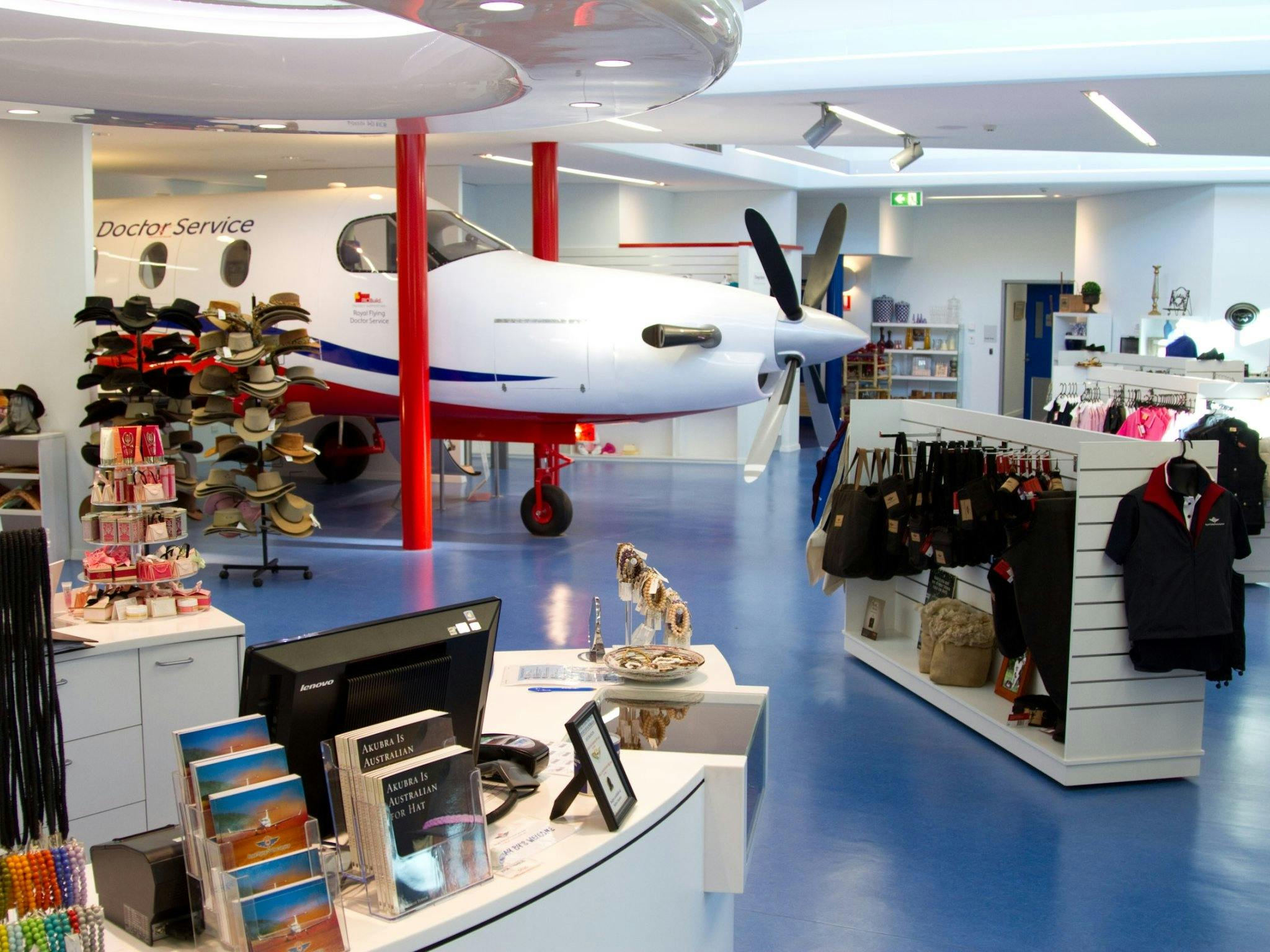
- Step inside a replica RFDS aircraft, feeling the altitude and understanding the challenges of medical care at 15,000 feet.
See, experience and learn through the wonder of technology as history is brought to life. Enjoy heroic tales of the birth and growth of the RFDS.
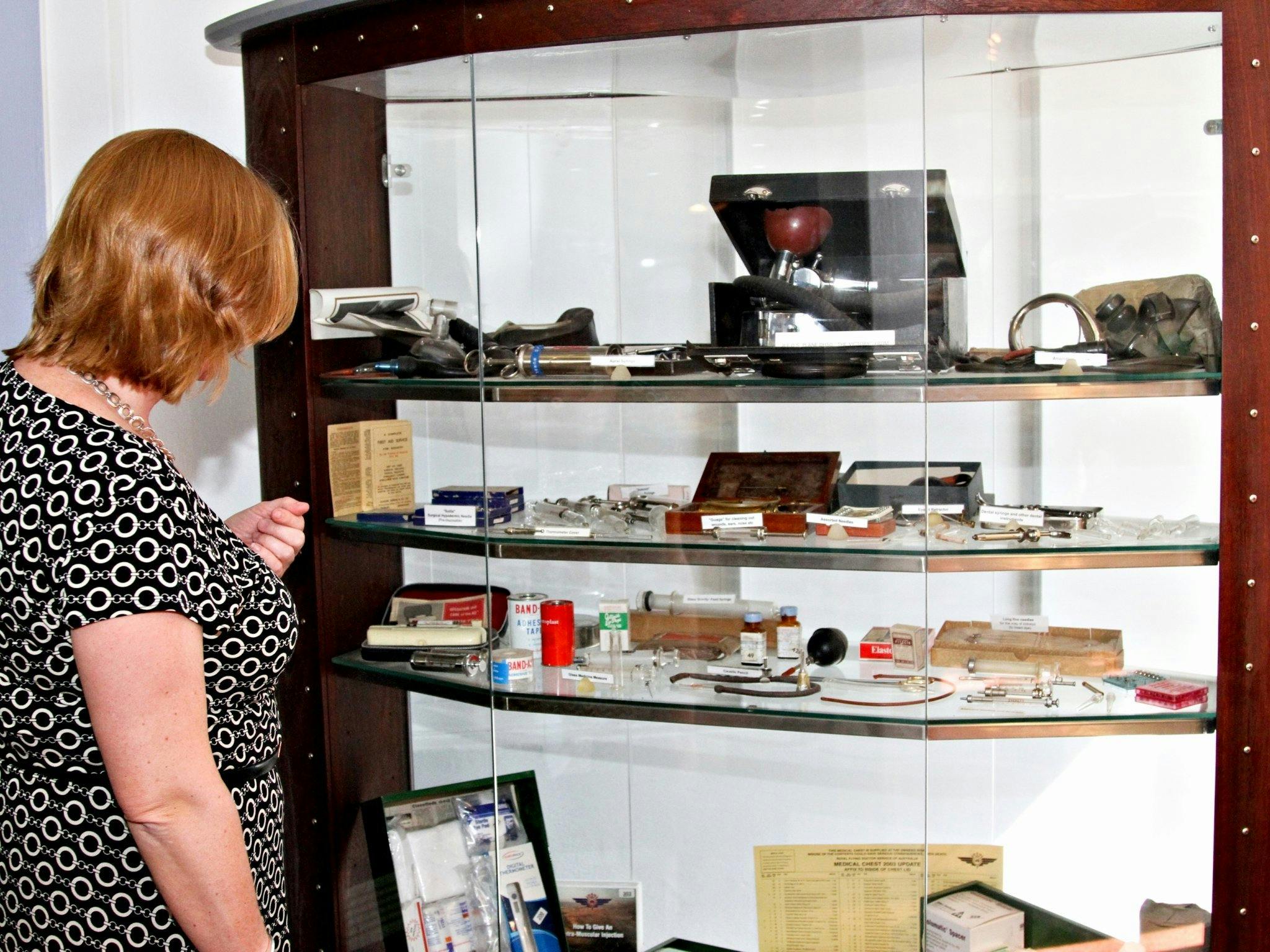
Visit the original Alice Springs working base that commenced operating in 1939. Discover the importance of the RFDS to outback Australians and the medical care required to service isolated regions.
The new John Flynn the hologram is an amazing experience. The pioneering holographic show forms the centrepiece of the facility, as Flynn tells the story of his vision and its realisation into the RFDS of today.
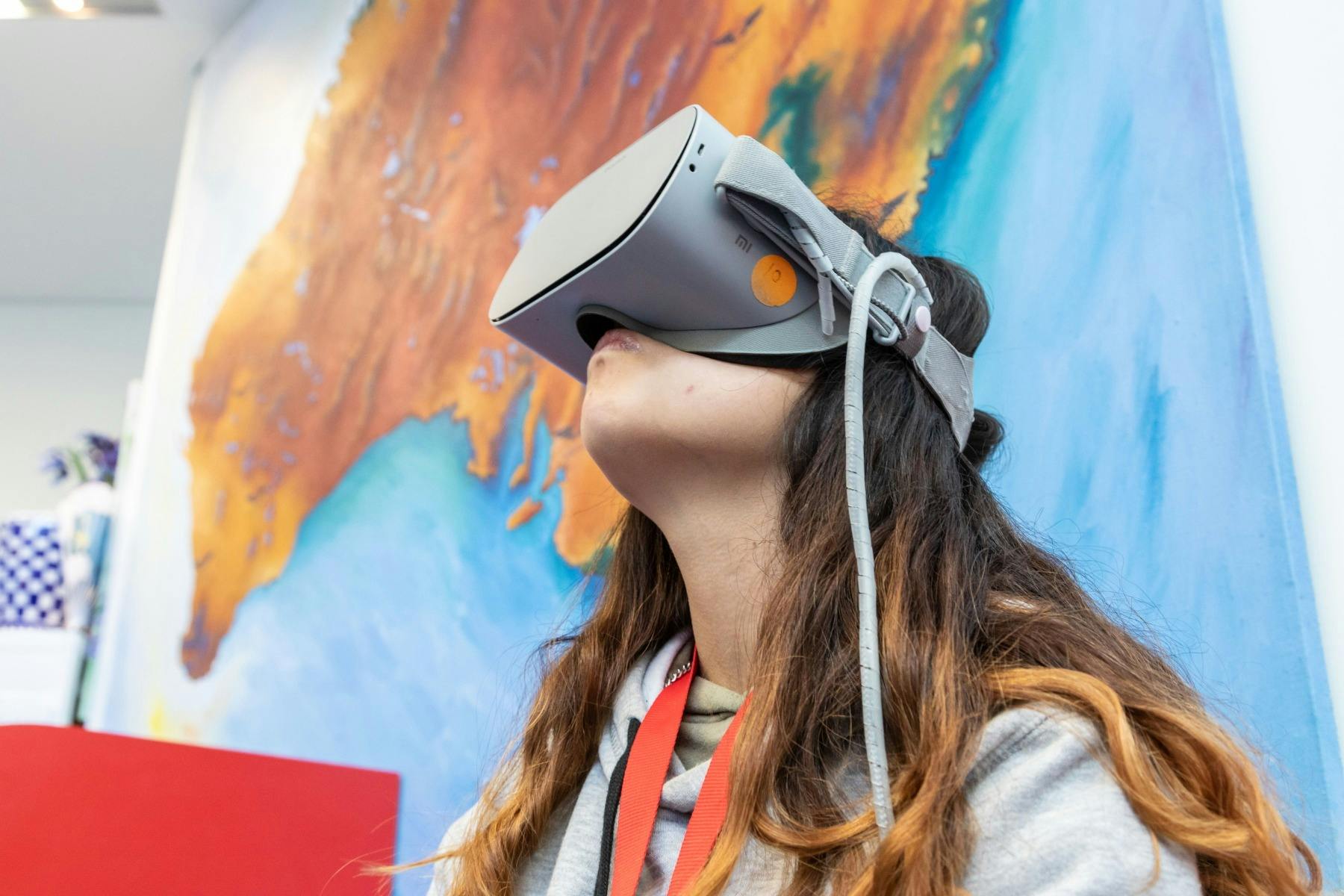
Experience our Virtual Reality and connect to the emotions of the RFDS. Relive the true experience of patient Gene Hildebrand and see what its like to fly with an RFDS pilot.
Step inside a replica RFDS aircraft and feel what it’s like to be a patient at 15,000 feet.
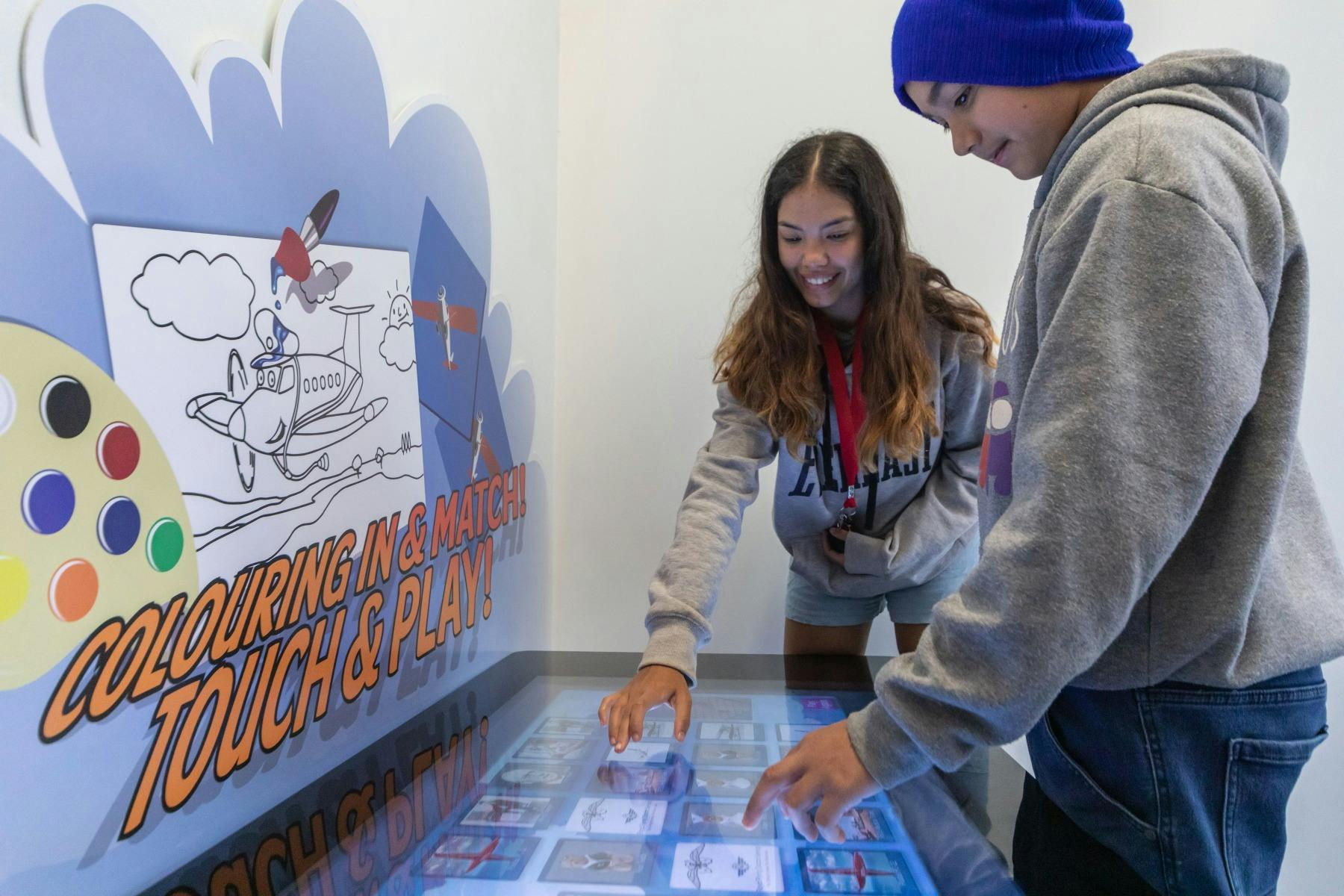
Walk through the museum and meet Alfred Traeger and Nurse Kathy through interactive technology.
Purchase official merchandise along with our latest co-branded range from RM Williams from the Doc Shop and help keep the RFDS flying.
Images and Video


Accreditations
-
 Quality Tourism Accreditation
-
Sustainable Tourism Accreditation by ATIC
- Australian Tourism Export Council
- Regional Tourist/Tourism Association/Organisation
- NT – Tourism Central Australia
- NT – Tourism Top End
Features
Tags
Actively welcomes people with access needs.
General access

- Offers multiple options for booking – web, email, phone is available.
- Offers a range of contact methods for receiving complaints.
- Companion Cards are accepted.
- Asks all visitors if there are any specific needs to be met.
Communication

Welcomes and assists people who have challenges with learning, communication, understanding and behaviour. (includes people with autism, intellectual disability, Down syndrome, acquired brain injury (ABI), dyslexia and dementia)
- Uses Plain English / easy read signage and information (includes menus and emergency information)
Physical – Mobility

Caters for people with sufficient mobility to climb a few steps but who would benefit from fixtures to aid balance. (This includes people using walking frames and mobility aids)
- Uses floors/coverings which are slip resistant, firm and smooth
- Uses non-slip tiles in the bathroom or slip resistant matting
- Grab rails in the bathroom
- Seating in common areas including reception area
Physical – Wheelchair

Caters for people who use a wheelchair.
- Step free outdoor pathways (includes picnic areas, barbecues and shelters)
- A step free main entrance to the building and/or reception area (includes ramps or slopes with a maximum gradient of 1:14, otherwise are too steep for wheelchairs)
- Step free access to restaurant, lounge and bar
- Accessible seating areas in theatrette
- Doorways which are easy to open and have lever handles (doorways 850mm or wider when open and not heavy).
- An accessible public toilet which is unlocked.
- A wheelchair accessible toilet / shower and change room is available.
Plan more around this area
 Alice Springs, NT
 G’day Mate Tourist Park
Enjoy simple Aussie pleasures under the shade of gum trees after a day discovering Central Australia, and choose an accommodation option to suit.
 Alice Springs, NT
 A Good Rest B and B
Whether its business, pleasure or time to unwind, A Good Rest B and B offers a spacious retreat balancing executive finishing's with tropical surrounds.
 Ross River, NT
Discovery Parks – Alice Springs
Located just 5 minutes from Alice Springs CBD is Discovery Parks – Alice Springs (formerly Big4 MacDonnell Range Holiday Park)
 Ross, NT
Heritage Caravan Park
Base yourself in quiet surroundings and explore this fascinating part of the Territory from powered sites, on-site vans and air-conditioned cabins.
 Larapinta, NT
 Alice Springs Tourist Park
Spend the day in the Australian bush and then enjoy Alice Springs buzzing cultural precinct by night, within reach of your cabin or powered site.

 Ross, NT
 Swag Inn
Our backyard campsite is only 9 km from Alice Springs.
 Alice Springs, NT
The Juicy Rump
Look out over the MacDonnell Ranges while enjoying a drink on the spacious deck, or tune into a game on the big screen.
 Ross, NT
 Alice Springs Brewing Co.
Alice Springs Brewing Co is the towns only operating brewery.
 Flynn, NT
 Coolamon Cafe
Coolamon Cafe at Alice Springs Desert Park is open daily. Breakfast with the birds! Lunch with the lizards! Great coffee and beverages, breakfast and lunch.
 Flynn, NT
 Reality Bites Catering
They are a locally run catering company that runs the Coolamon Cafe and Madigan's Function Centre at Alice Springs Desert Park.
