Sidewood Estate
Highlights
- Savour premium cool-climate wines and ciders crafted with passion at Sidewood Estate's award-winning venue.
- Explore curated tasting experiences in a striking cellar door surrounded by natural stone and timber interiors.
- Relax on the expansive deck overlooking native gardens while enjoying woodfired pizzas fresh from the oven.
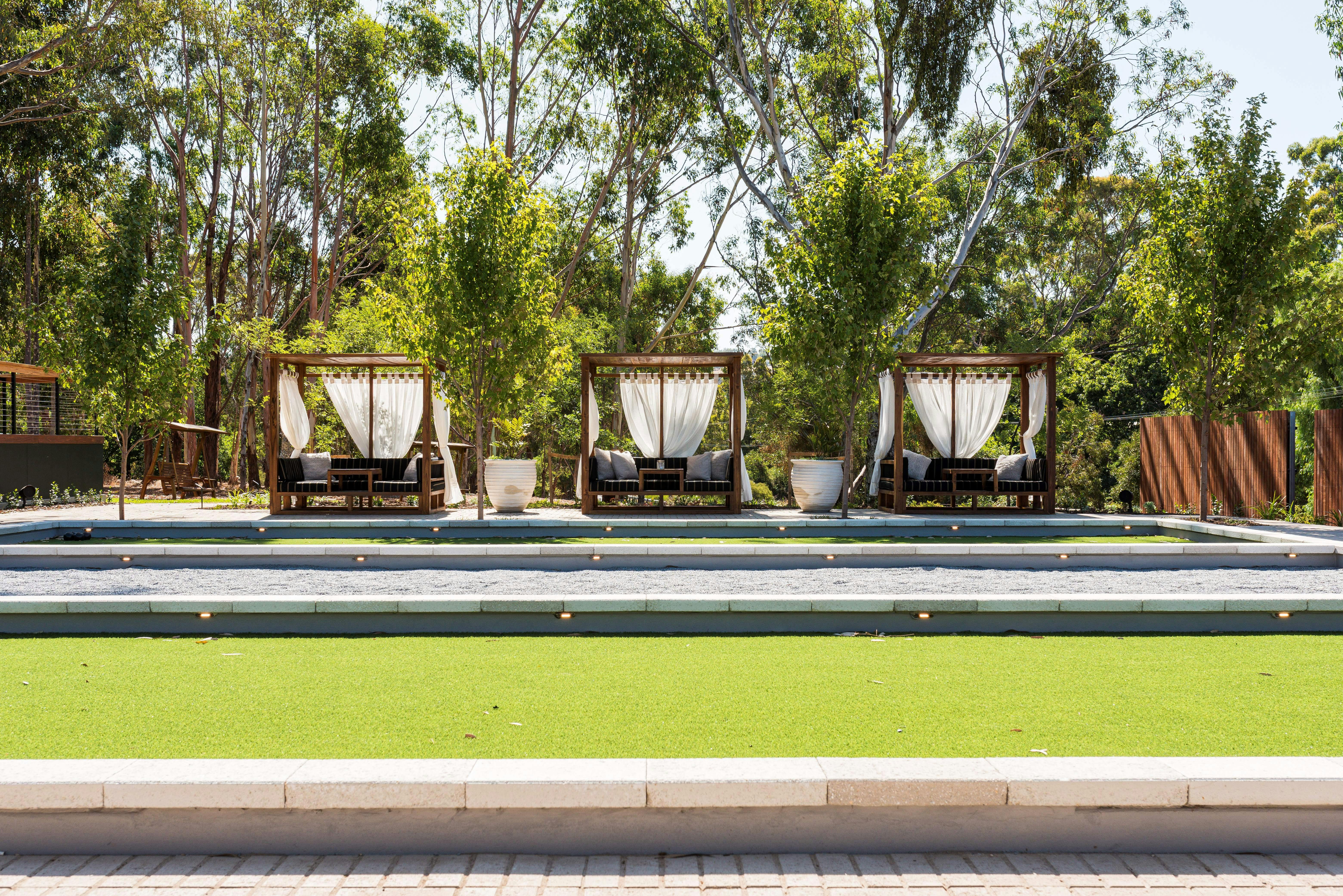
- Engage in family-friendly lawn games like pétanque amidst the tranquil Adelaide Hills lifestyle.
Sidewood Estate is a family-owned winery and award-winning venue nestled in the heart of the Adelaide Hills, just 25 minutes from Adelaide’s CBD. Owned by Owen and Cassandra Inglis, Sidewood is renowned for its premium cool-climate wines and ciders, crafted with passion and precision.
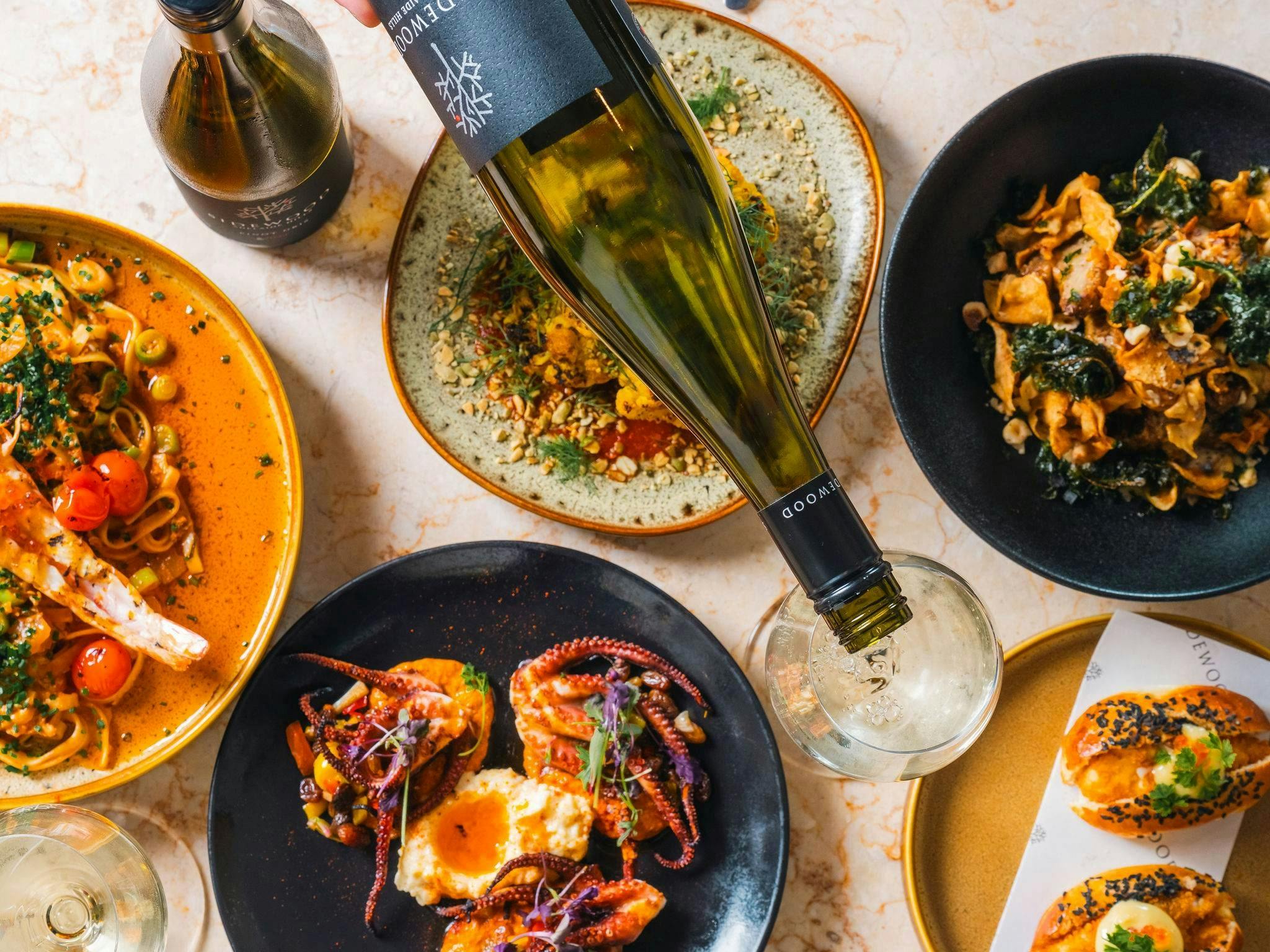
Located in the historic village of Hahndorf, the architecturally striking cellar door and restaurant offer a relaxed yet luxurious atmosphere that celebrates local wine, food, art, and nature. The cellar door presents a range of curated tasting experiences—from casual flights at the bar to guided seated tastings in private spaces. Visitors can explore Sidewood’s diverse range, including sparkling wines, elegant pinot noir, and small-batch releases, all sourced from estate-grown vineyards.
The venue features soaring gables, natural stone and timber interiors, and an eclectic private collection of Australian artwork. An expansive deck overlooks native gardens and peaceful lawns, where guests can dine alfresco, enjoy woodfired pizzas fresh from the oven, or recline on luxury daybeds.
Sidewood is family-friendly, with a nature play area and lawn games like pétanque and Finska. In summer, misting fans cool the deck, while winter brings warmth from in-built heaters.
Whether it’s a wine tasting, long lunch, or a relaxing afternoon by the vines, Sidewood offers a true taste of the Adelaide Hills lifestyle.
Images and Video

Accreditations
- Sustainable Winegrowing Australia Membership
- Tourism Industry Council of SA
Features
Tags
Actively welcomes people with access needs.
General access

- Offers multiple options for booking – web, email, phone is available.
- Offers a range of contact methods for receiving complaints.
- Staff are trained in disability awareness.
- Asks all visitors if there are any specific needs to be met.
Communication

Welcomes and assists people who have challenges with learning, communication, understanding and behaviour. (includes people with autism, intellectual disability, Down syndrome, acquired brain injury (ABI), dyslexia and dementia)
- Staff are trained in communicating with people with learning or behavioural challenges.
- Uses Plain English / easy read signage and information (includes menus and emergency information)
- A quiet space is available at the venue/ facility.
Physical – Mobility

Caters for people with sufficient mobility to climb a few steps but who would benefit from fixtures to aid balance. (This includes people using walking frames and mobility aids)
- Uses floors/coverings which are slip resistant, firm and smooth
- Uses non-slip tiles in the bathroom or slip resistant matting
- Grab rails in the bathroom
- Seating in common areas including reception area
Physical – Wheelchair

Caters for people who use a wheelchair.
- Step free outdoor pathways (includes picnic areas, barbecues and shelters)
- A step free main entrance to the building and/or reception area (includes ramps or slopes with a maximum gradient of 1:14, otherwise are too steep for wheelchairs)
- Step free access to restaurant, lounge and bar
- Step free access to the conference or function room
- Doorways which are easy to open and have lever handles (doorways 850mm or wider when open and not heavy).
- An accessible public toilet which is unlocked.
- A wheelchair accessible toilet / shower and change room is available.
- Wheelchair accessible picnic tables (picnic tables require 720mm knee clearance and 800mm maximum height).
- At least one wheelchair accessible parking space with wheelchair accessible signage clearly displayed (International standards are 3200mm wide x 2500 mm high).
Allergies and intolerances

Caters for people with allergies and intolerances.
- Modify their cooking and cleaning practices to cater for people with food allergies or chemical intolerances (could include menus with meals free from: nuts, dairy, seafood, eggs, gluten etc).
- Staff are trained to respond to allergic reactions.
- Complies with The Food Authority requirements for allergy management in food preparation.
- Equipment to respond to anaphylactic shock such as epi–pens and defibrillator.
Plan more around this area
 Verdun, SA
 Ayurveda Village
Ayurveda Village is a peaceful, nurturing and spiritual environment where people can recuperate, rejuvenate and reacquaint themselves with who they really are.
 Bridgewater, SA
Casa Luna Nature and Wellness Escape
A sustainable, adults only slow-stay and private farm available exclusively for two guests.
 Bridgewater, SA
 Luminous Pond Farm Hahndorf
Luminous Pond Farm offers a private getaway surrounded by breathtaking Farm views, only a five-minute drive to Hahndorf.
 Hahndorf, SA
 The Hahndorf Lodge
Nestled in the charming heritage town of Hahndorf, The Hahndorf Lodge is a 19-room motel set among peaceful, leafy gardens.
 Hahndorf, SA
 The Haus Studios
These exquisite boutique self-contained studio apartments, available in one or two-bedroom split-level configurations, offer a perfect blend of contemporary design and luxury. Nestled in the
 Hahndorf, SA
 Reisen Hotel
Surrounded by the lush allure of the Adelaide Hills, Reisen Hotel is more than a place to stay – it's your permission to slow down.
 Hahndorf, SA
 German Entertainment
Embark on a musical journey around Germany with Heidi and Herman at the German Arms Hotel.

 Verdun, SA
 Jurlique Farm Tour & Ondeen Dining Experience
Experience a unique farm-to-table connection with a behind-the-scenes tour of Jurlique's biodynamic farm, followed by a chef's long lunch at Ondeen featuring their handpicked botanicals.
 Verdun, SA
 RIEDEL Experience and Dinner
Ondeen and Riedel partner to bring an early start to Winter Reds in the Adelaide Hills.
 Verdun, SA
 Quercus x Ondeen | The Winter Truffle Table
This June, you're invited to Ondeen for an exclusive one-night-only dining experience celebrating winter's most coveted ingredient, in collaboration with Quercus Truffles.
 Verdun, SA
 Onedeen Creative Workshop with Georgina Hart (Ages 7–12)
Onedeen Creative Workshop is back these school holidays, inviting young artists aged 7 to 12 to pick up a brush and discover their creativity.
 Hahndorf, SA
 Winter Reds: ChocoVino Masterclass at Hahndorf Hill
Escape to the Adelaide Hills this Winter Reds weekend and settle in for a decadent fireside experience at Hahndorf Hill.
