St. Barbara’s Catholic Church
Highlights
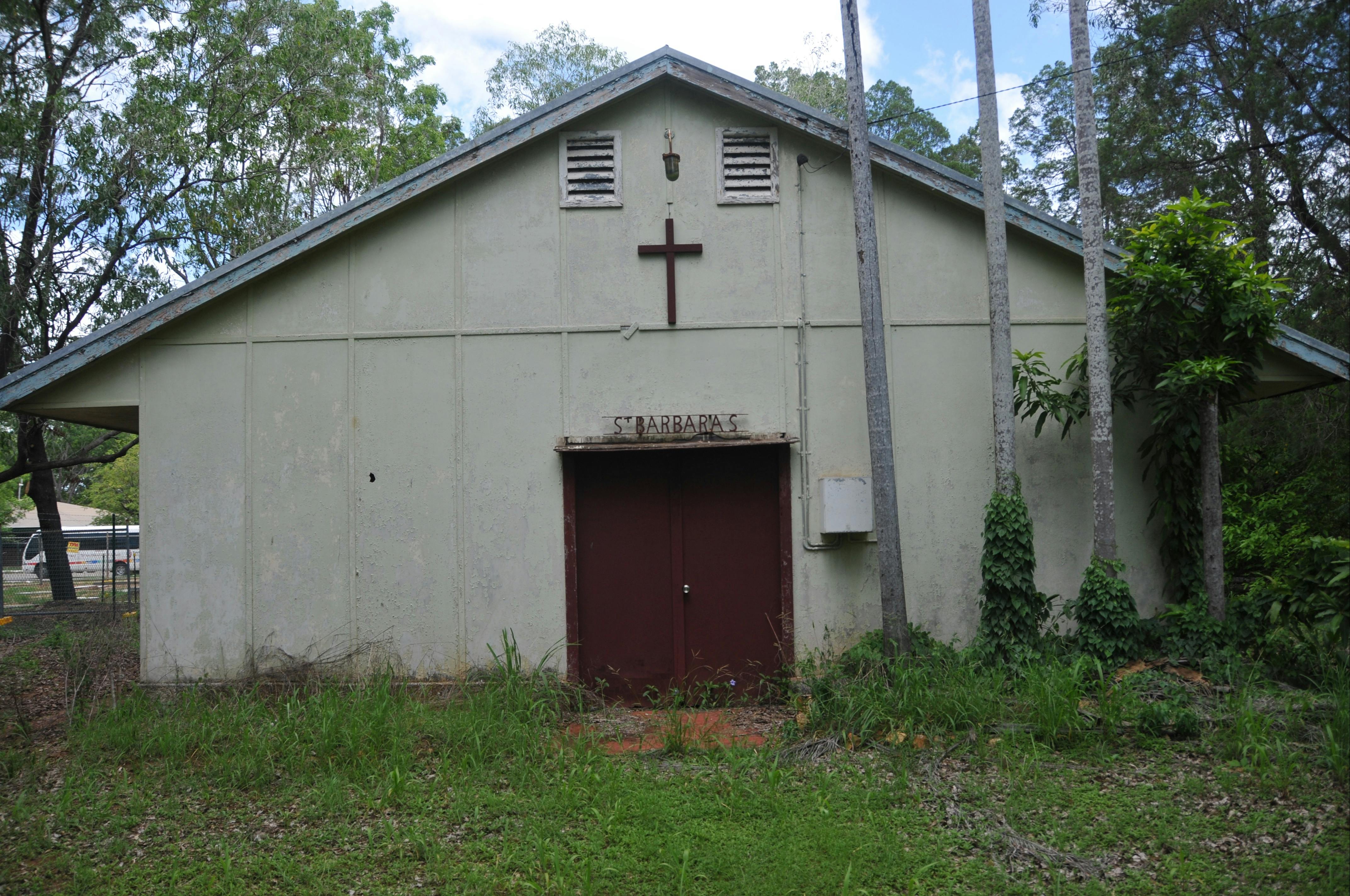
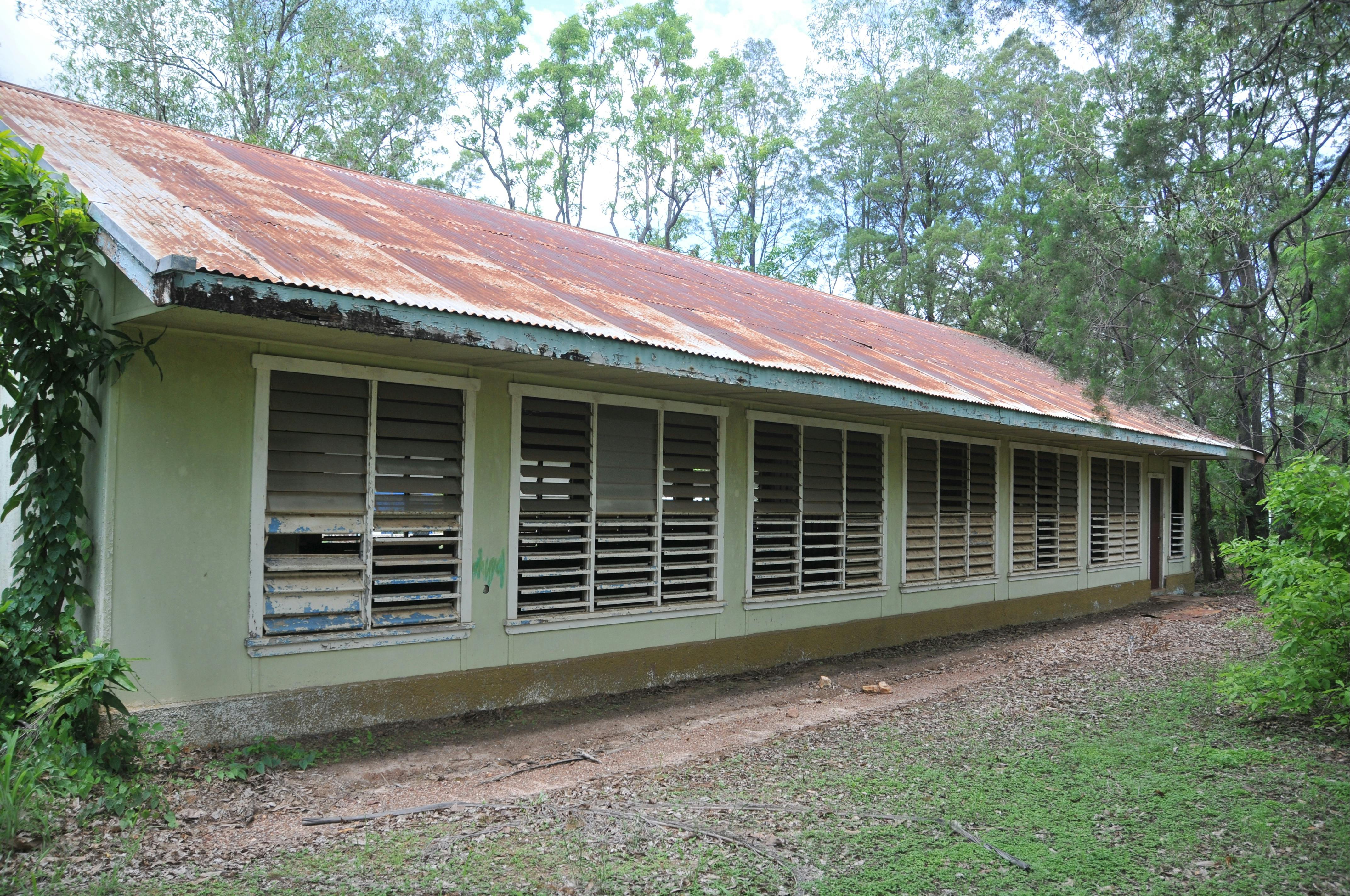
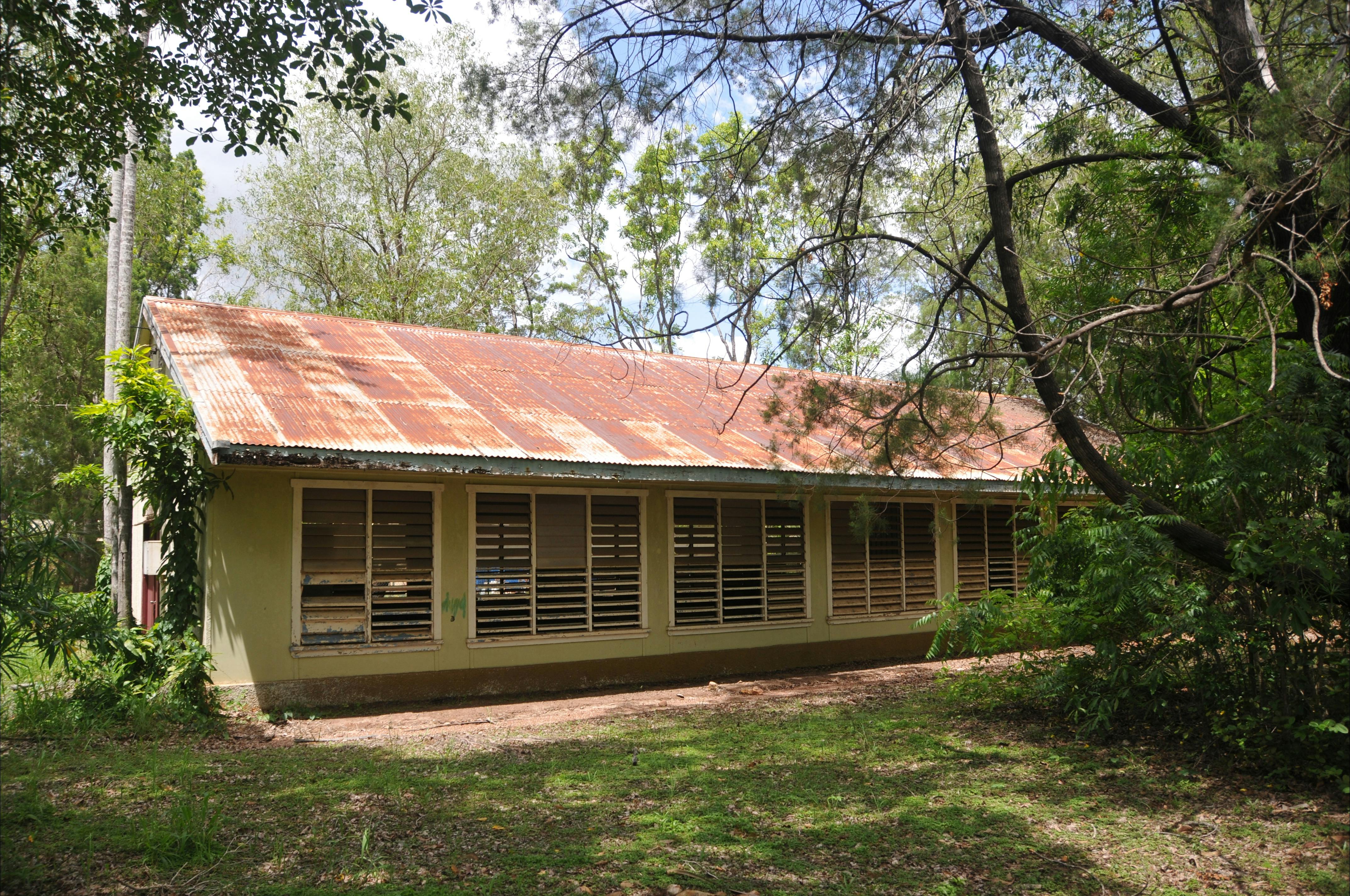
- Explore the unique architecture of St. Barbara’s Church, showcasing recycled timber and prefabricated steel from the 1950s.
- Discover the historical significance of the church, linked to the uranium mining industry at Rum Jungle.
- Appreciate the original features that reflect economic design principles and local craftsmanship.
- Reflect on the church's role in providing worship for the Batchelor community, connecting past and present.
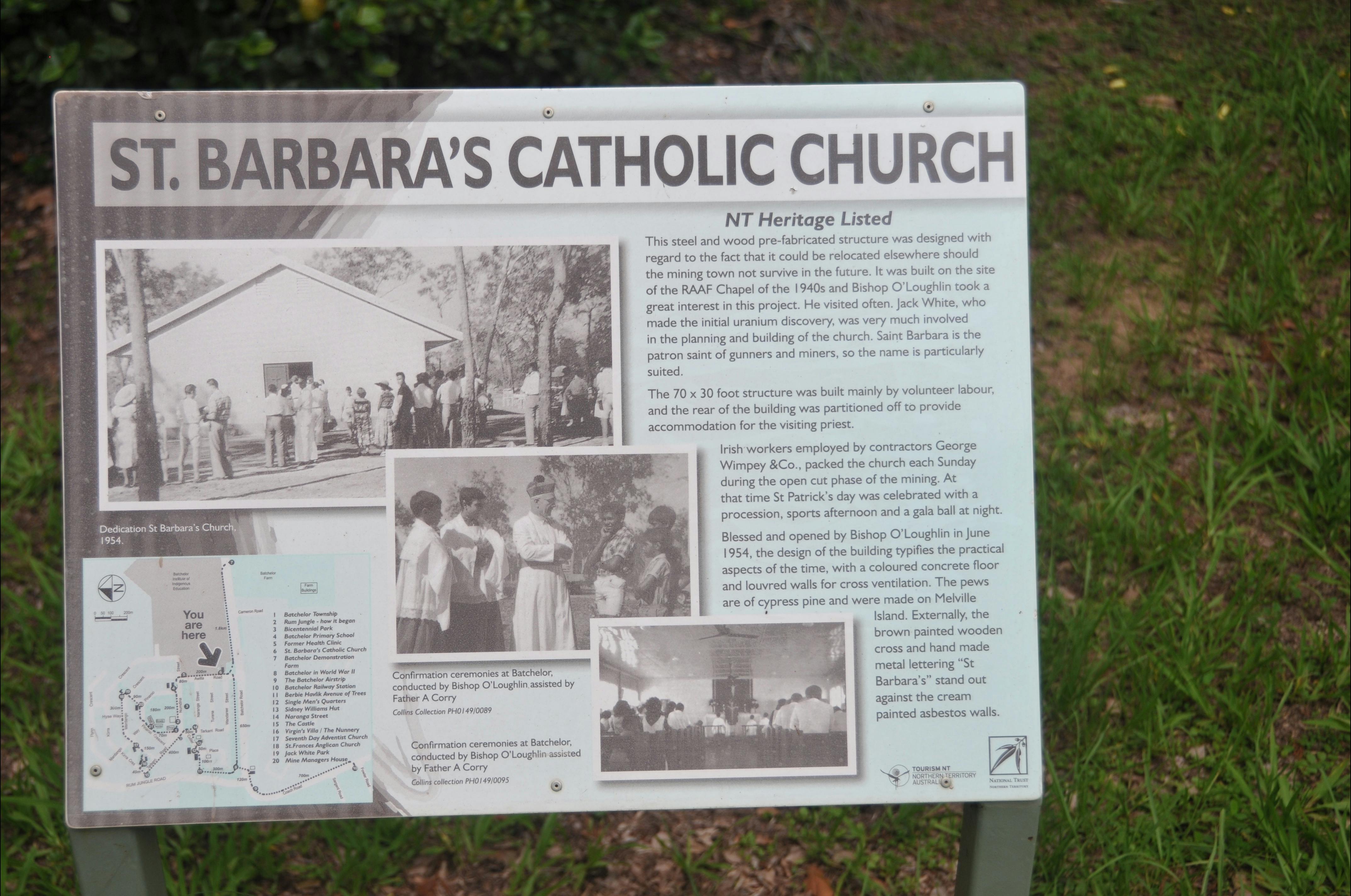
Built in 1954, St Barbara’s Catholic Church is significant because it is historically connected with the uranium mining industry at Rum Jungle.
The church, which was built on the site of the former 1940s Royal Australian Air Force Chapel, was constructed by Irish miners employed at Rum Jungle by the British firm George Wimpey and Co. Pty. Ltd.
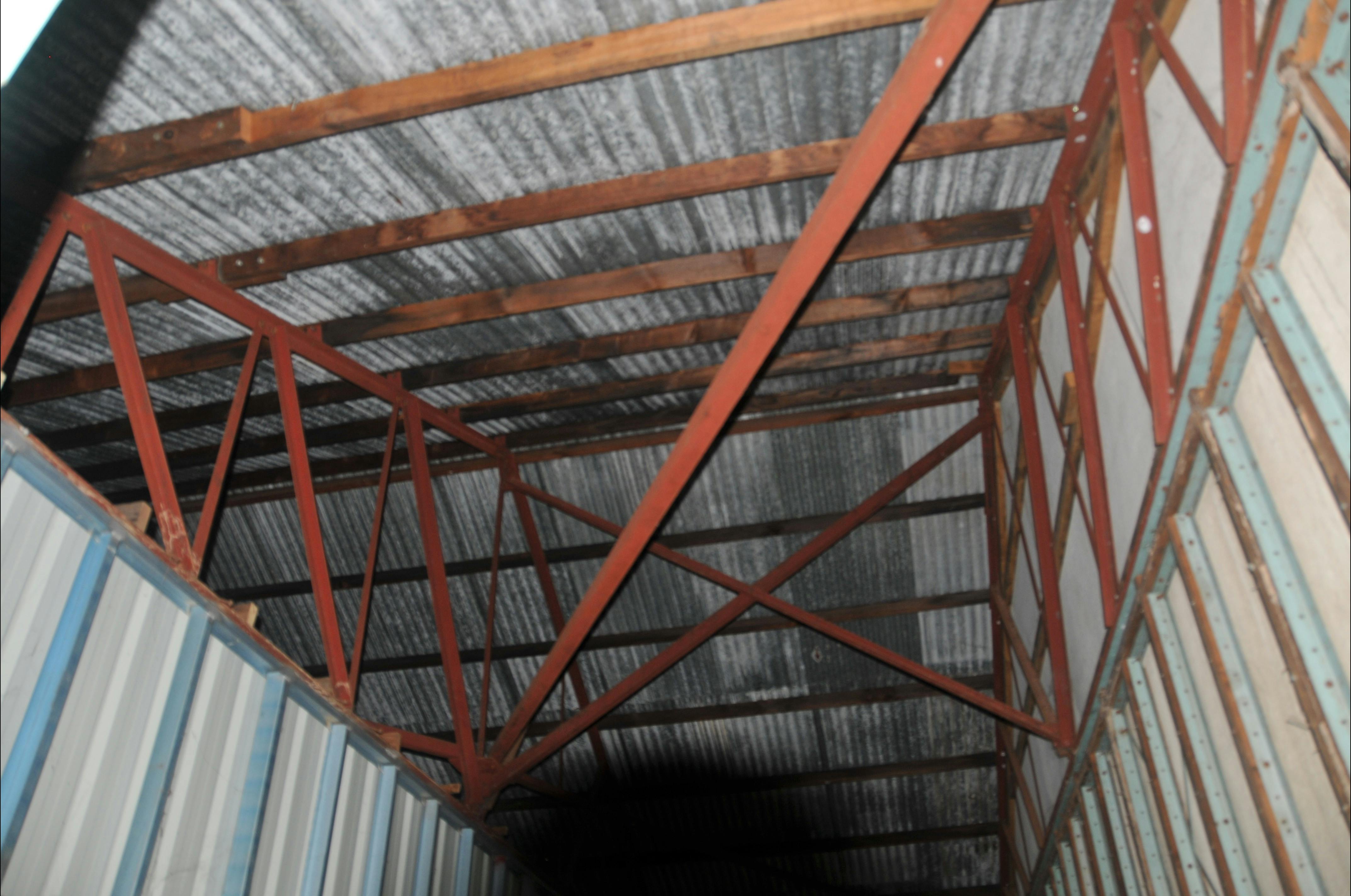
The church retains much of its original features and fabric and demonstrates economic design principles. The method and materials used in constructing the church walls (recycled timber and prefabricated steel) are unique and architecturally significant.
St. Barbara’s Church was named after the patron saint for architects, builders, carpenters, construction workers, explosives workers, geologists and miners, all of whom worked on the Rum Jungle uranium project. St. Barbara also protects against explosions and mine collapse. The church represents the provision of worship for the past and present community in and around Batchelor.
Images and Video
Actively welcomes people with access needs.
Vision

Caters for people who are blind or have vision loss.
Hearing

Caters for people who are deaf or have hearing loss.
Physical – Mobility

Caters for people with sufficient mobility to climb a few steps but who would benefit from fixtures to aid balance. (This includes people using walking frames and mobility aids)
Plan more around this area
 Batchelor, NT
 CMCA RV Park Sundance Farm Batchelor
Relax at CMCA RV Park on the doorstep of Litchfield National Park, Located 1km east of Batchelor within Sundance Farm. Large flat sites welcome you.

 Batchelor, NT
Litchfield Outback Resort
All rooms overlooking our beautifully landscaped pool and gardens, perfect for relaxing after a big day of exploring.
 Coomalie Creek, NT
 Coomalie Creek Camp Ground
This is a hosted stay through Hipcamp, below is the information provided by the Host regarding their offering. Coomalie Creek Campground is located just…
 Rum Jungle, NT
 The Ridge Retreat
The Ridge Retreat is a modern and secluded guest house with stunning escarpment views, just next to Litchfield National Park.
 Rum Jungle, NT
Litchfield Tourist Park
Go a little bit country, setting up camp or living it up in the colonial homestead.
 Rum Jungle, NT
 Rum Jungle Ridge
This is a hosted stay through Hipcamp, below is the information provided by the Host regarding their offering. Off grid property on 310 acres of
