Sydney Cricket Ground Museum
Highlights
- Explore significant cricket memorabilia like baggy green caps and Ricky Ponting's bat at the SCG Museum.
- Discover the rich history of sport through early documents and images from international matches at the SCG.
- Join a 90-minute SCG Tour for an insightful behind-the-scenes journey through this iconic sporting precinct.
- Enjoy family-friendly facilities including gardens and public amenities while immersing in Australia's sporting heritage.
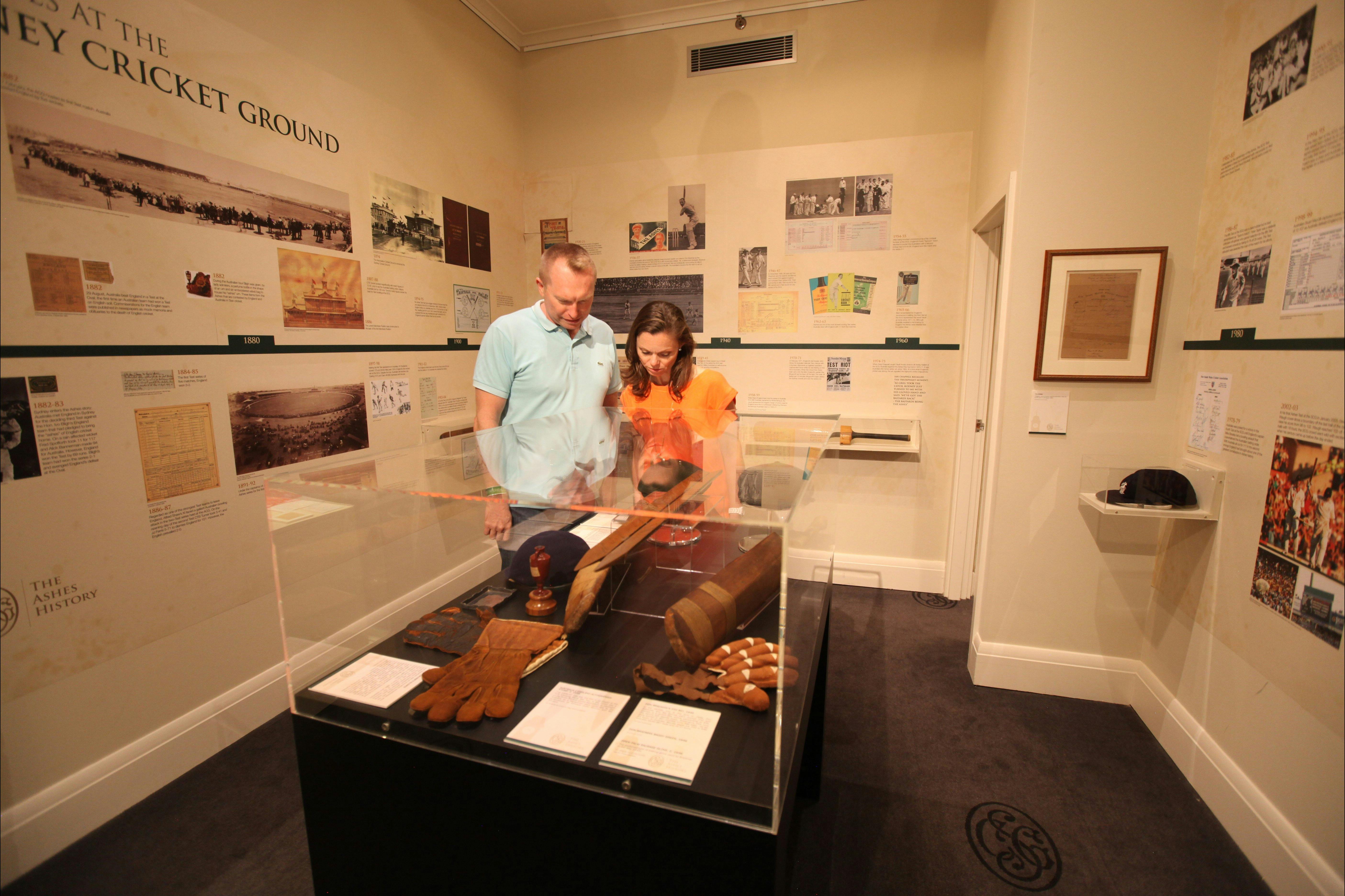
The Sydney Cricket Ground (SCG) Museum is dedicated to collecting, documenting, preserving and displaying the unique sporting and social activities that have occurred on the grounds of the Sydney Cricket Ground and Sydney Sports Ground since the mid-1800s.
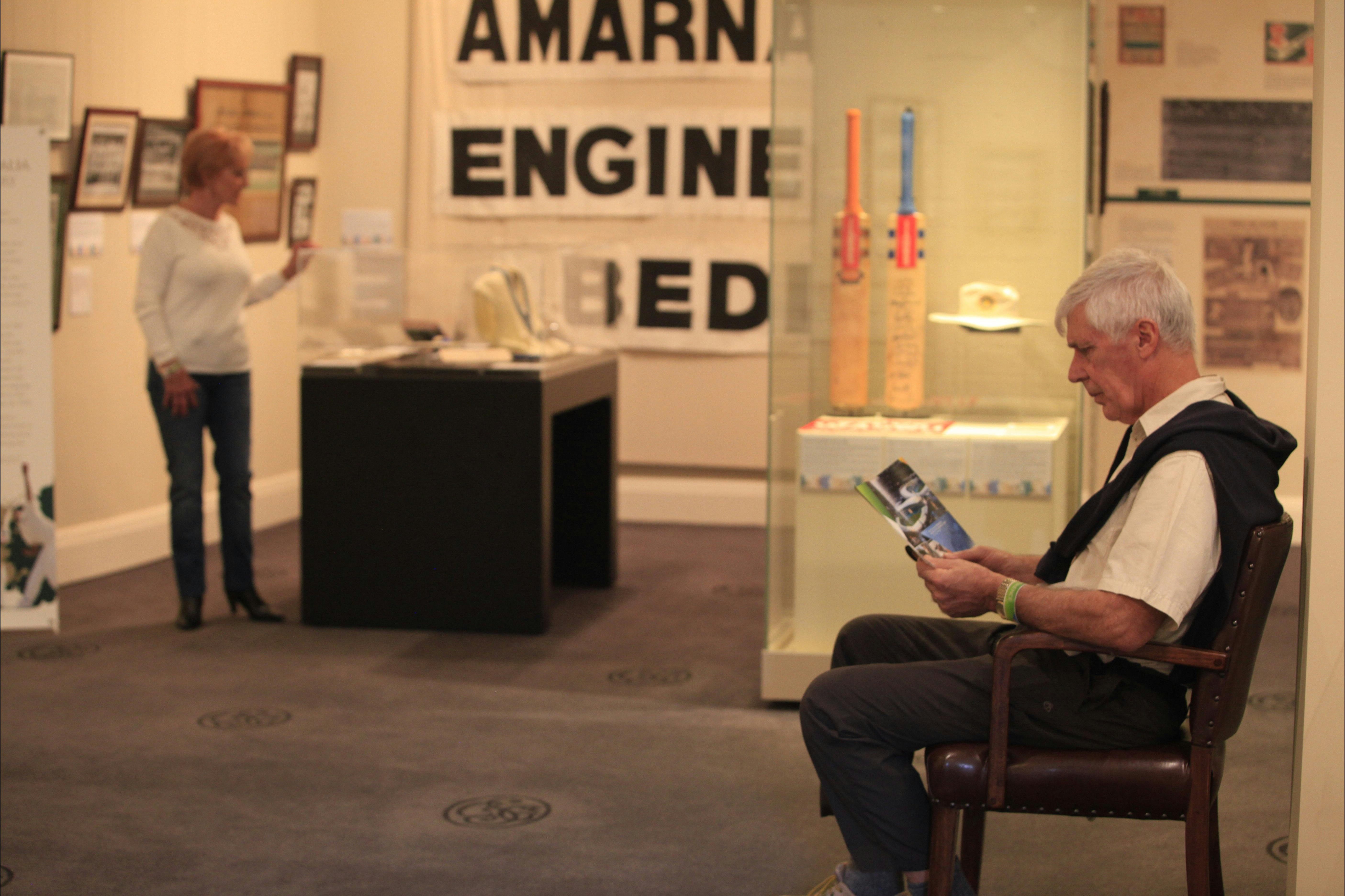
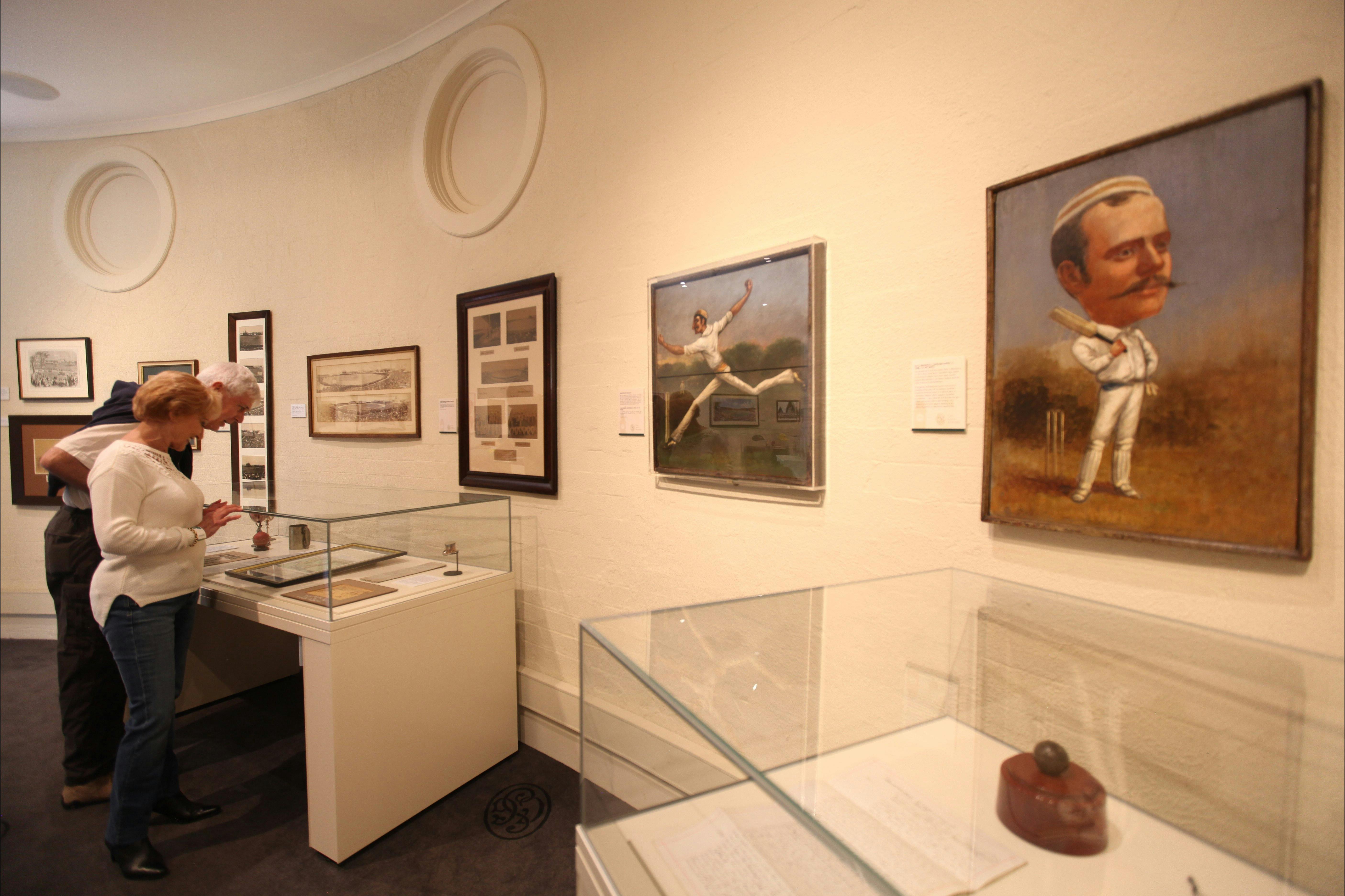
Significant items in the museum include the baggy green caps of cricket legends Victor Trumper, Don Bradman and Steve Waugh, and Ricky Ponting’s 2007 bat.
There are also early documents from the grounds’ administration, and images of early international sporting matches played at the SCG.
The SCG Museum is accessible via the SCG Tour, a 90-minute behind-the-scenes historical journey through the Sydney Cricket Ground precinct and the SCG Museum.
Images and Video


Accreditations
- Australian Museums and Galleries Association
Features
Activities
Tags
Actively welcomes people with access needs.
General access

- Offers multiple options for booking – web, email, phone is available.
- Offers a range of contact methods for receiving complaints.
- Companion Cards are accepted.
- Staff are trained in disability awareness.
- Accessibility information and photos, including of a bathroom, room and/or floor plan on their website (can be emailed on request).
- Asks all visitors if there are any specific needs to be met.
- Advise tour guides of the access needs of guests at the time of booking (includes pick up and drop off requirements)
- Assistance with booking arrangements (includes providing clear itineraries with written instructions on what to do at various destinations)
Communication

Welcomes and assists people who have challenges with learning, communication, understanding and behaviour. (includes people with autism, intellectual disability, Down syndrome, acquired brain injury (ABI), dyslexia and dementia)
- Staff are trained in communicating with people with learning or behavioural challenges.
- Uses Plain English / easy read signage and information (includes menus and emergency information)
- A quiet space is available at the venue/ facility.
Physical – Mobility

Caters for people with sufficient mobility to climb a few steps but who would benefit from fixtures to aid balance. (This includes people using walking frames and mobility aids)
- Uses floors/coverings which are slip resistant, firm and smooth
- Uses non-slip tiles in the bathroom or slip resistant matting
- Grab rails in the bathroom
Physical – Wheelchair

Caters for people who use a wheelchair.
- Step free outdoor pathways (includes picnic areas, barbecues and shelters)
- A doorbell or intercom at an accessible height and display a contact number (accessible height is 900mm-1100 mm)
- A step free main entrance to the building and/or reception area (includes ramps or slopes with a maximum gradient of 1:14, otherwise are too steep for wheelchairs)
- Step free access to the conference or function room
- Accessible seating areas in theatrette
- Lifts with enough space for people using a mobility aid to enter and turn around to use the lift buttons. Buttons are at accessible height.
- Doorways which are easy to open and have lever handles (doorways 850mm or wider when open and not heavy).
- An accessible public toilet which is unlocked.
- A wheelchair accessible toilet / shower and change room is available.
- Portable ramps.
Plan more around this area
 Surry Hills, NSW
Crystalbrook Albion
Situated in the heart of Surry Hills, Sydney, Crystalbrook Albion is an eclectic mix of heritage and contemporary detailed accommodation.
 Potts Point, NSW
 Hotel Indigo Sydney Potts Point
Unwind in the heart of Sydney’s famed Kings Cross with a stay at this boutique hotel bursting with character and quirk.
 Surry Hills, NSW
 Alta Apartments by Urban Rest
Bright and spacious apartments in the heart of Surry Hills that include a much sought-after parking space, fully equipped kitchen, and open plan living area.

 Waterloo, NSW
Meriton Suites Waterloo
Meriton Serviced Apartments – Danks Street is located only minutes from Sydney's central business district in the leafy suburb of Waterloo.
 Surry Hills, NSW
 Paramount House Hotel
Paramount House Hotel is located in the former headquarters of Paramount Picture Studios in Surry Hills, Sydney. Our 29 rooms are a mix of heritage
 Darling Point, NSW
 Villa Bonneville – Darling Point
Experience luxury in this stunning four-bedroom residence in Rushcutters Bay, just steps from the Sydney to Hobart Yacht Race. Open concept living and dining areas
 Surry Hills, NSW
 Tento
You could easily walk past Tento and think it’s just a takeaway coffee joint with a few umbrella-shaded seats outside.
 Surry Hills, NSW
 Bourke Street Bakery – Surry Hills
Bourke Street Bakery has gained legendary status for its rustic bread, gourmet pies and mouth-watering sweets.
 Surry Hills, NSW
 The Beresford
Behind The Beresford's Art Deco exterior beats the heart of a neighbourhood pub with a modern-Italian trattoria. The kitchen offers everything from a simple bowl
 Darlinghurst, NSW
 Paski
A two-level wine bar, run in conjunction with fellow wine importer Mattia Dicati, of Vino Mito, and chef Enrico Tomelleri.
 Paddington, NSW
 Ursula’s
Inspired by the neighbourhood bistros of Europe, Ursula’s is the first independent restaurant from ex-Rockpool Dining Group chef Phil Wood.
 Surry Hills, NSW
 The Art Syndicate
Surrounded by captivating artwork and vintage posters, patrons are guided by knowledgeable staff through a carefully crafted beverage list.
