Tas-Saff
Highlights
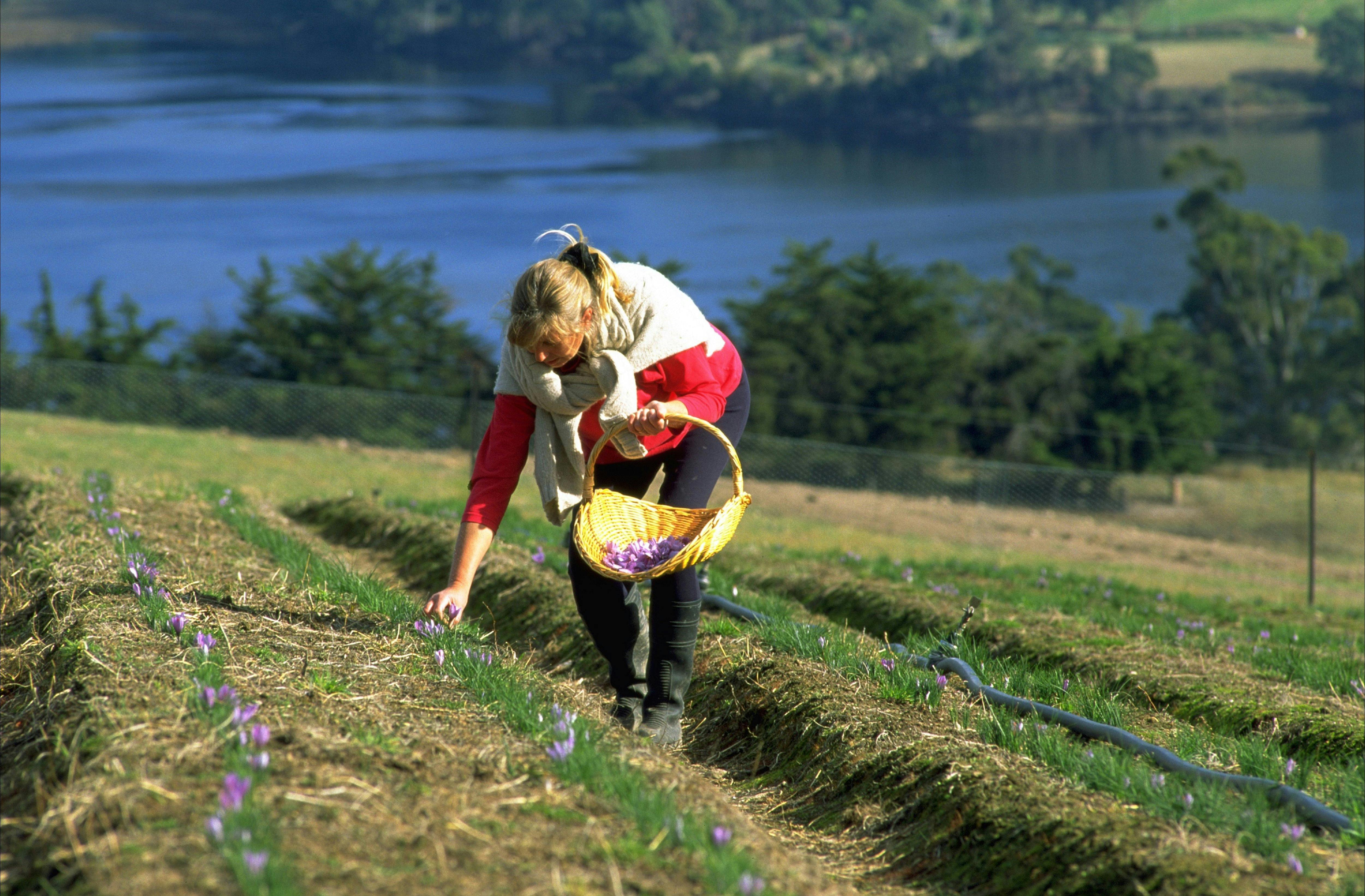
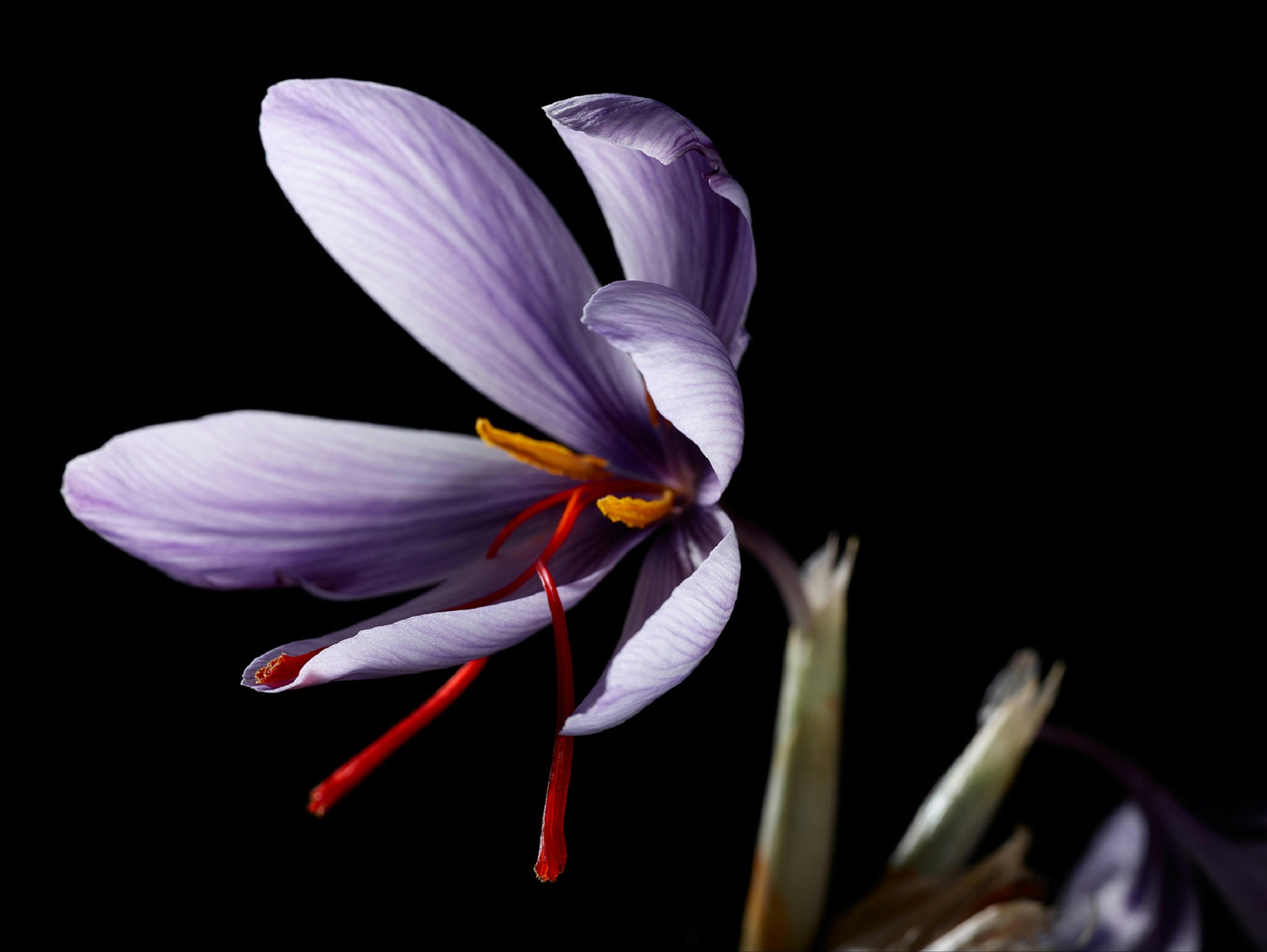
- Explore the vibrant lilac crocus flowers at Tas-Saff, where saffron is harvested each April and May.
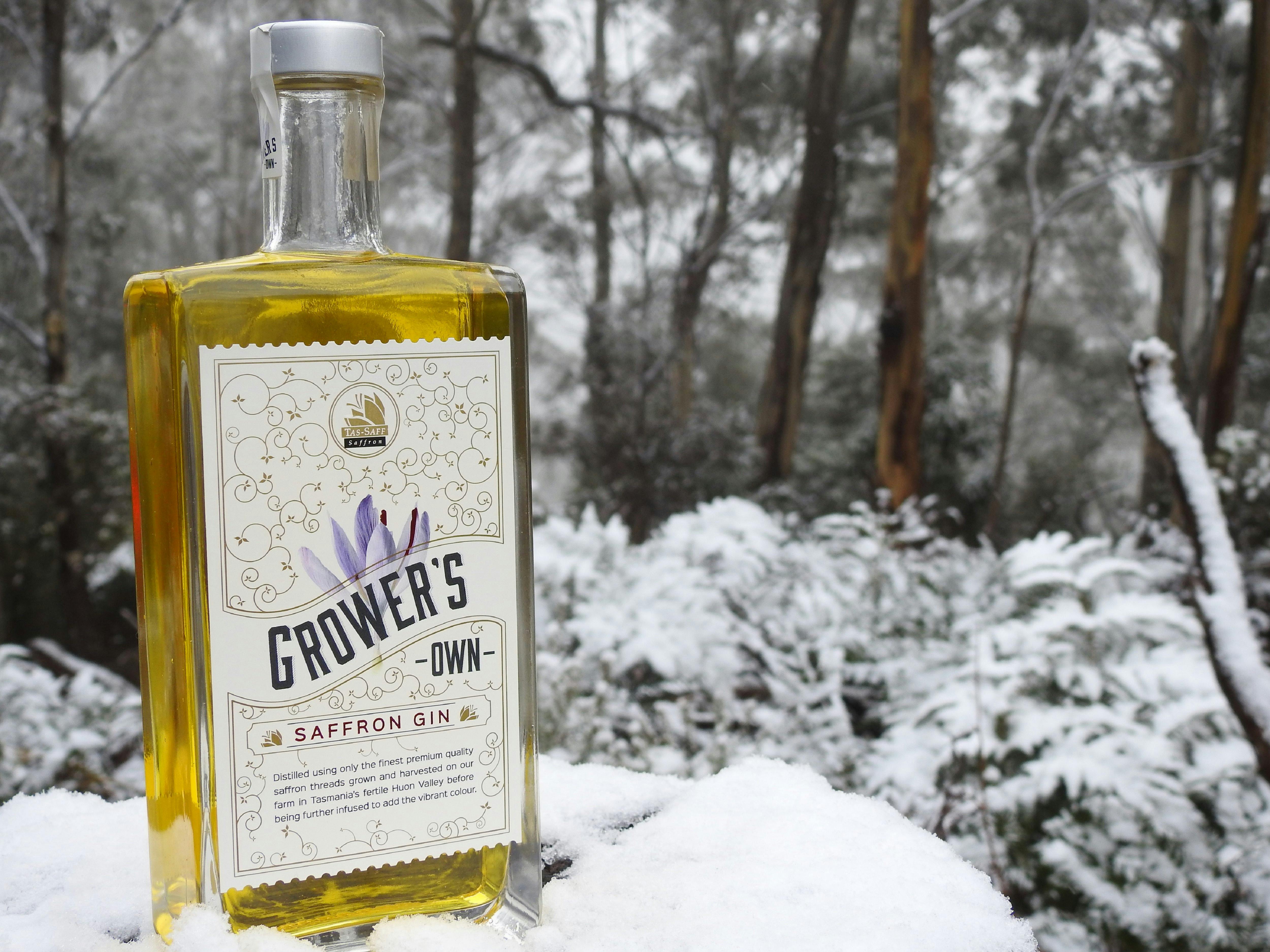
- Savour free saffron gin and tea tastings, showcasing the unique flavours of this prized spice.
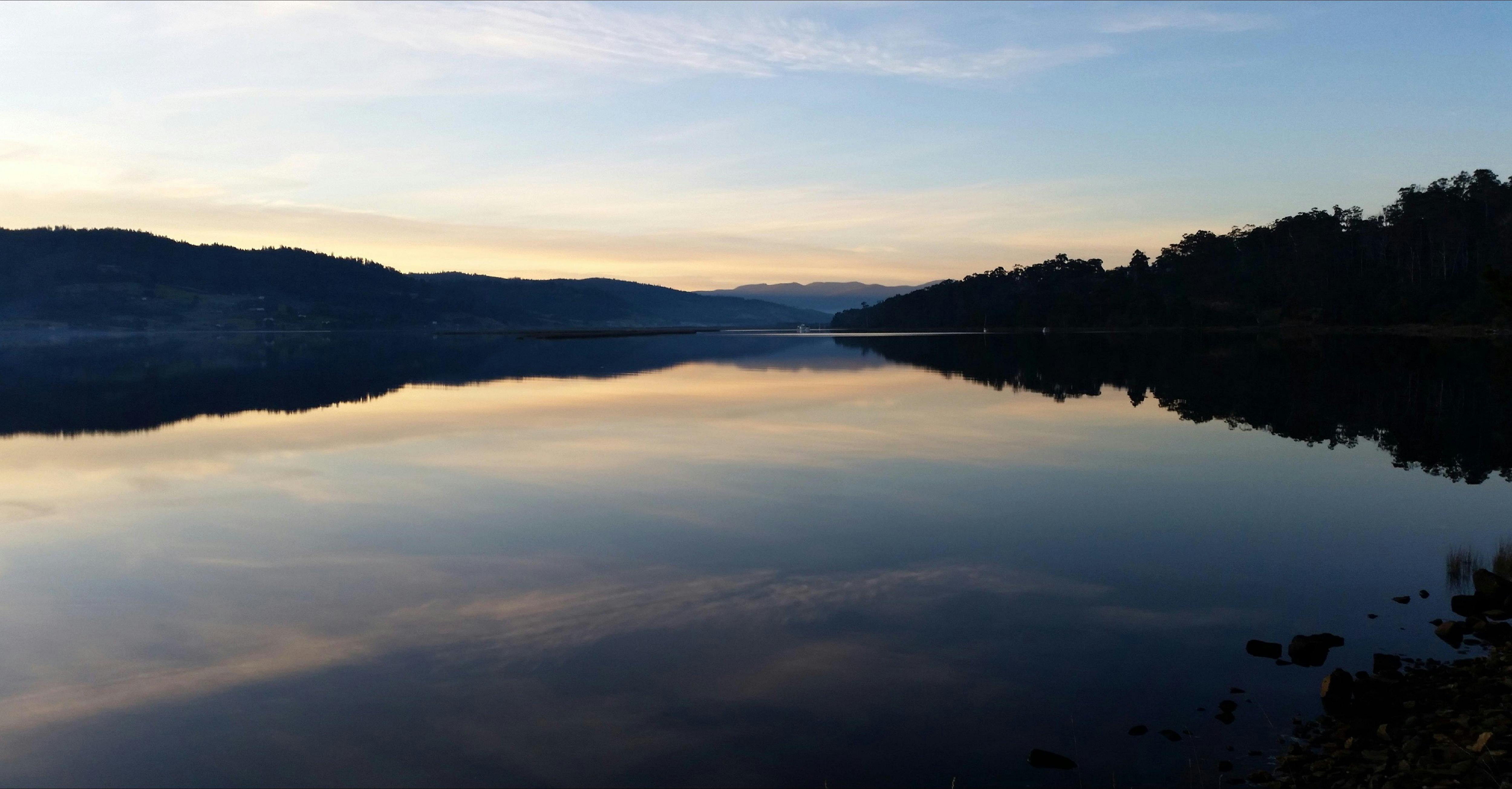
- Wander through the picturesque Huon Valley, enjoying stunning views overlooking Glaziers Bay.
- Visit the farm gate from 10 am to 5 pm, experiencing Tasmania's pioneering saffron industry up close.
Tas-Saff is the saffron hub south of the equator. Terry, Nicky and Patrick Noonan original sea-changers from Sydney in the late ’80s, pioneered the saffron industry in Australia. You will find Tas-Saff perched high on the hill overlooking Glaziers Bay in the idyllic Huon Valley south of Hobart.
Saffron is harvested each year during April and May. The lilac crocus flowers must be picked early each day before the sun comprises the integrity of the saffron. At night, they sit like little rockets with the tip poking through the soil, then they shoot up a few centimetres high in the morning when the sun comes out, hence their name, the Flower of the Sun.
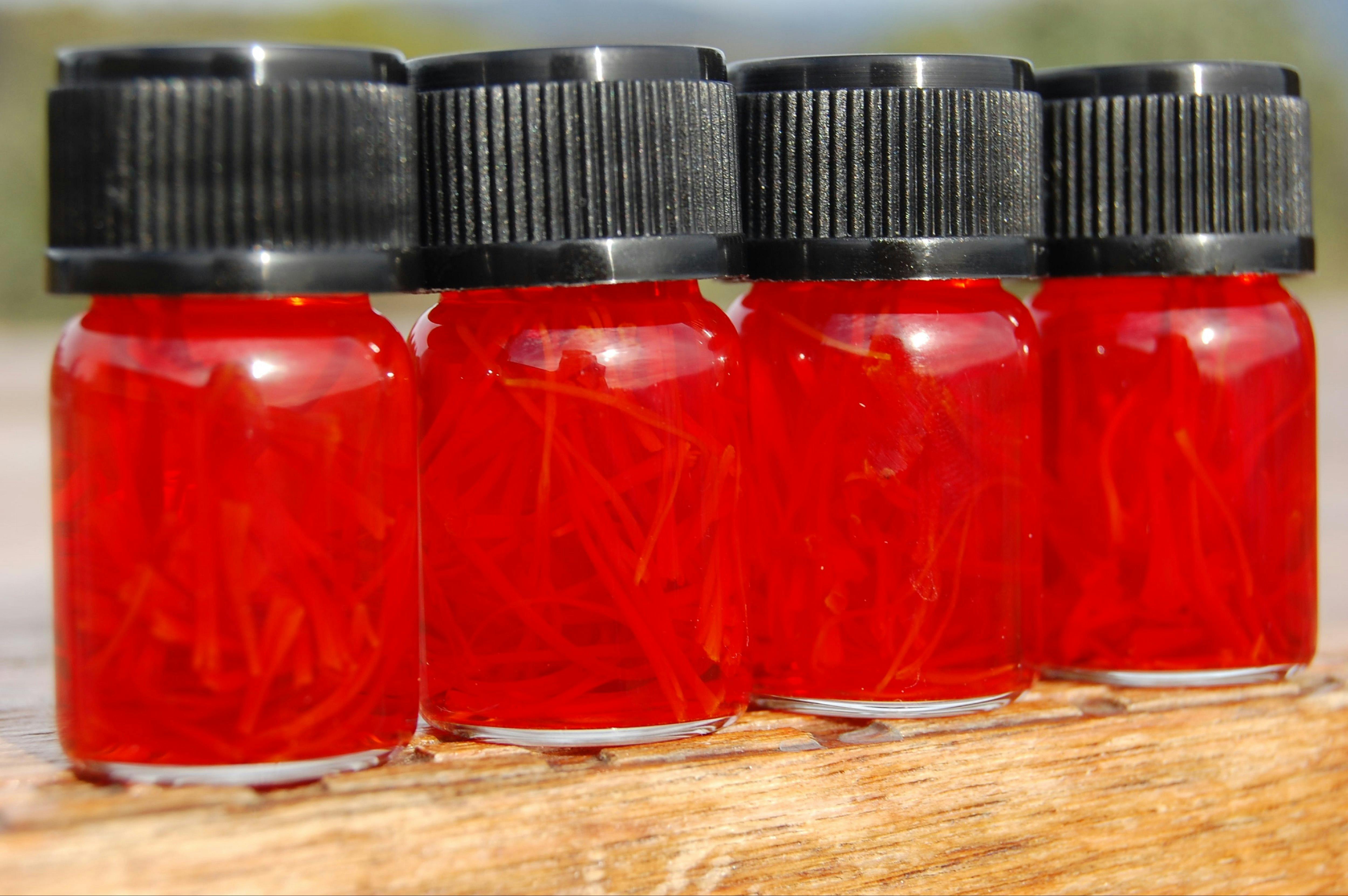
Spice collected from the fiery red stigma of the lilac crocus flowers has been valued for its culinary and medicinal properties for thousands of years.
Tas-Saf offers free saffron gin and saffron tea tastings. The Tas-Saff farm is open 10 am – 5 pm for farm gate visits nearly all year by appointment.
Images and Video





Accreditations
-
 Quality Tourism Accreditation
-
Sustainable Tourism Accreditation by ATIC
- Australian Tourism Export Council
- Regional Tourist/Tourism Association/Organisation
- Visitor Information Centre
Features
Actively welcomes people with access needs.
General access

- Offers multiple options for booking – web, email, phone is available.
- Offers a range of contact methods for receiving complaints.
- Companion Cards are accepted.
- Employs people with disabilities.
- Staff are trained in disability awareness.
- Accessibility information and photos, including of a bathroom, room and/or floor plan on their website (can be emailed on request).
- Asks all visitors if there are any specific needs to be met.
- Advise tour guides of the access needs of guests at the time of booking (includes pick up and drop off requirements)
- Assistance with booking arrangements (includes providing clear itineraries with written instructions on what to do at various destinations)
Communication

Welcomes and assists people who have challenges with learning, communication, understanding and behaviour. (includes people with autism, intellectual disability, Down syndrome, acquired brain injury (ABI), dyslexia and dementia)
- Staff are trained in communicating with people with learning or behavioural challenges.
- Uses Plain English / easy read signage and information (includes menus and emergency information)
- A quiet space is available at the venue/ facility.
Vision

Caters for people who are blind or have vision loss.
- Information in audio format (includes an audio described map of their venue, audio descs of performances and/ or displays) is available.
- Uses easy to read fonts in their signage and communication materials (Helvetica and Arial).
- Staff are trained in customer service for people with vision loss (training would incorporate way finding and communicating with people with vision loss).
- An appropriate area for toileting an assistance dog is available.
Hearing

Caters for people who are deaf or have hearing loss.
- Staff are trained in communicating with people who are deaf or have hearing loss.
- A low noise reception areas with hearing loss friendly acoustics and adequate lighting for viewing facial expressions (includes common areas which are free of background noise, background music) is available.
Physical – Mobility

Caters for people with sufficient mobility to climb a few steps but who would benefit from fixtures to aid balance. (This includes people using walking frames and mobility aids)
- Uses floors/coverings which are slip resistant, firm and smooth
- Uses non-slip tiles in the bathroom or slip resistant matting
- Seating in common areas including reception area
Physical – Wheelchair

Caters for people who use a wheelchair.
- Step free outdoor pathways (includes picnic areas, barbecues and shelters)
- A doorbell or intercom at an accessible height and display a contact number (accessible height is 900mm-1100 mm)
- A step free main entrance to the building and/or reception area (includes ramps or slopes with a maximum gradient of 1:14, otherwise are too steep for wheelchairs)
- An accessible public toilet which is unlocked.
- A wheelchair accessible toilet / shower and change room is available.
Physical – High support needs

Caters for people with high support needs who travel with a support person.
Plan more around this area
 Glaziers Bay, TAS
 Glaziers Bay Cottage
Glaziers Bay Cottage is a colonial-style building with modern facilities. Featuring high ceilings,open plan living area, a kitchen, bedroom, walk-in robe and bathroom.
 Glaziers Bay, TAS
 Bramley Hollow
Bramley Hollow is a timber cabin located in the wonderful Huon Valley at Glaziers Bay, surrounded by spectacular views of the Huon River.
 Cradoc, TAS
 Valencia Rhoda 26
Short-term guest suite accommodation with stunning views overlooking the Huon River in the Huon Valley.
 Cradoc, TAS
 Huon River Hideaway
Huon River Hideaway . Peace, luxury, serenity and privacy. Huon River Hideaway is a haven for couples and solo travellers.
 Cygnet, TAS
 The Barn at Eden Farmstay
Eden Farmstay at Cygnet in Tasmania's south is more then just self-contained family accommodation.
 Cygnet, TAS
 The Barn @ Eden Farmstay
This is a hosted stay through Hipcamp, below is the information provided by the Host regarding their offering. This memorable place is anything but ordinary.

 Kettering, TAS
 Hunnington Distillery
Hunnington Distillery is an award-winning, family-owned business located just outside Kettering, Tasmania, overlooking Trial Bay and Deadman's Point.
 Birchs Bay, TAS
 Art Farm Birchs Bay and The Venue at Five Bob Farm
Fleurtys is a farm and café at Birchs Bay, on southern Tasmania’s D’Entrecasteaux Channel.
 Flowerpot, TAS
Mewstone Wines
Mewstone Wines is located 35 minutes south of Hobart on the stunning D'Entrecasteaux Channel.
 Margate, TAS
 The Channel Cafe
A cafe in the Channel Museum that serves delicious snacks and light meals – and great coffee. The cafe also sells a range of gifts.
 Longley, TAS
 Longley International Hotel
Established in 1861, the Longley International Hotel has been a cornerstone of the Longley community for over a century.
 Margate, TAS
 Hopfields Brewery
Hopfields Brewery, Bar and Restaurant is set on a historic farm property, 20 mins south of Hobart City.
