Tasmanian Wool Centre
Highlights
- Explore Tasmania’s wool heritage at the Tasmanian Wool Centre, enriching your understanding of local craftsmanship.
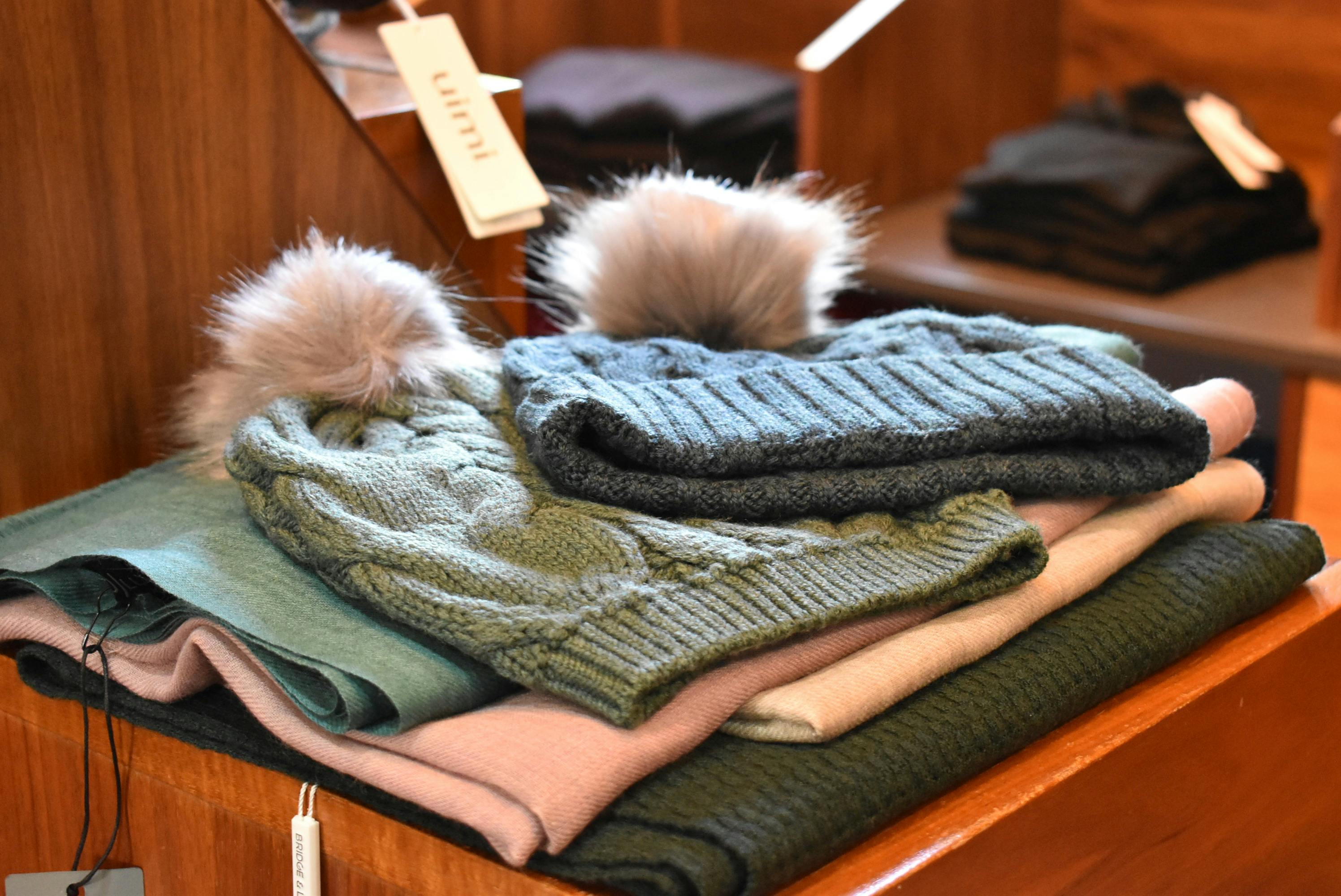
- Discover unique woollen garments made from ethically sourced Australian wool, ensuring quality and comfort in every piece.
- Visit the onsite Museum to uncover Ross's rich history, featuring artefacts and exhibitions that connect you to the region.
- Enjoy a family-friendly atmosphere with ample parking, making your visit to Ross convenient and enjoyable.
There’s something about Ross, Tasmania – It’s a collection of marvels everywhere you look, giving one the impression that there’ll always be something to see, despite its size. Does that sound like a nice place to stop off on the Midland Highway? We hope so! The Tasmanian Wool Centre has been nestled in this idyllic village since its inception in 1988.
As a not-for-profit business, the Tasmanian Wool Centre contributes directly back into the Ross Community, preserving the heritage, and developing and maintaining wonderful unique visitor experiences that share the stories of Ross. Being surrounded by expansive properties that continue to produce fine wool, we have grown to be the largest retailer of woollens in Tasmania, offering everything from timeless, comfortable wearables to superfine, ethical yarn.
All the manufacturers we deal with use Australian wool in their garments. Some of the items we stock are made in Australia, and some are manufactured offshore. This enables us to provide an extensive range of options and price points for our customers, with a focus on quality.
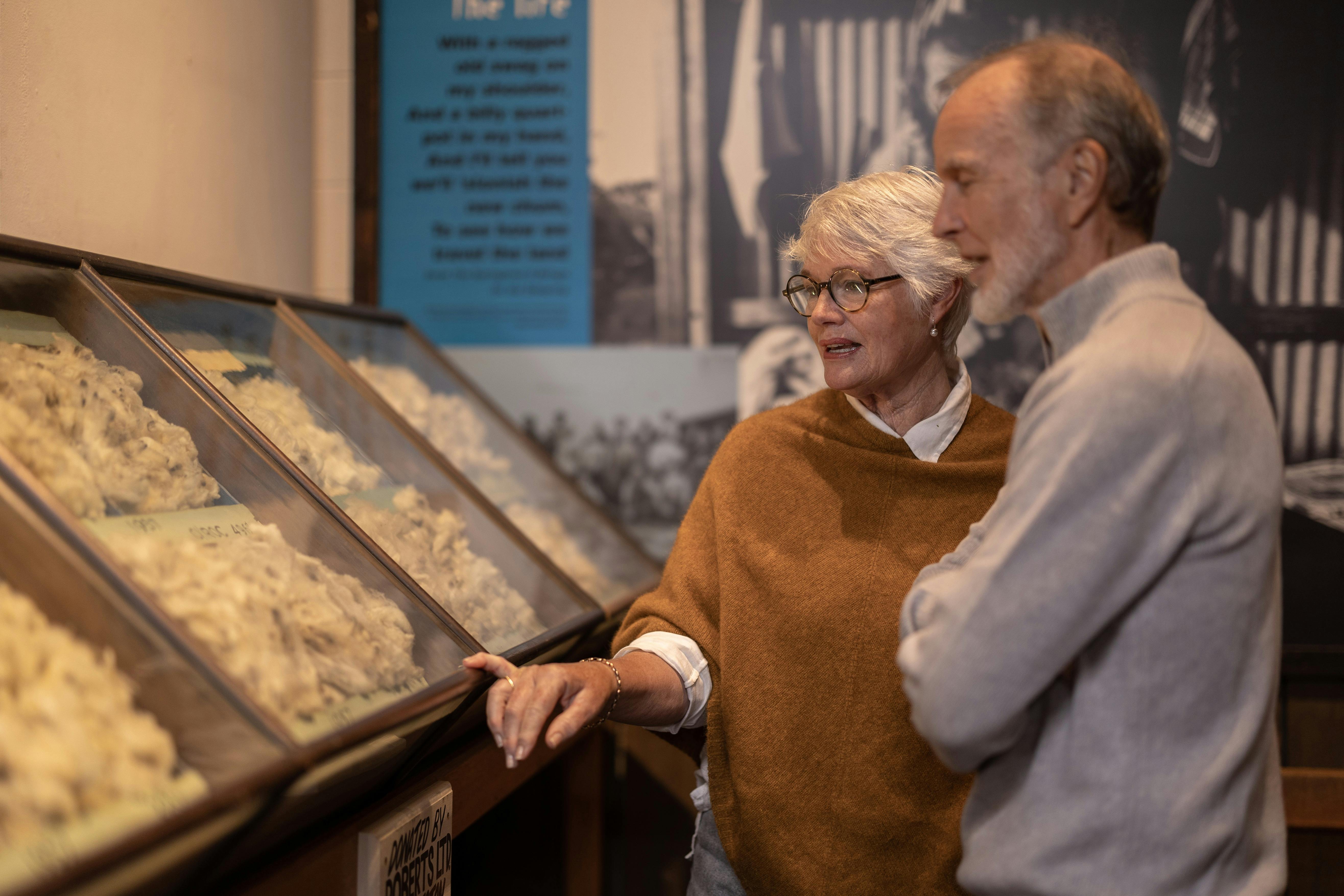
When you call in, also take the time to visit our fabulous onsite Museum which relates to our region’s history and wool connections. There are many artefacts on display in our Wool Exhibition room and adjoining History Gallery, including permanent exhibitions on the Ross Bridge, as well as changing short-term exhibitions.
Images and Video

Accreditations
-
 Quality Tourism Accreditation
-
Sustainable Tourism Accreditation by ATIC
- Australian Museums and Galleries Association
- Regional Tourist/Tourism Association/Organisation
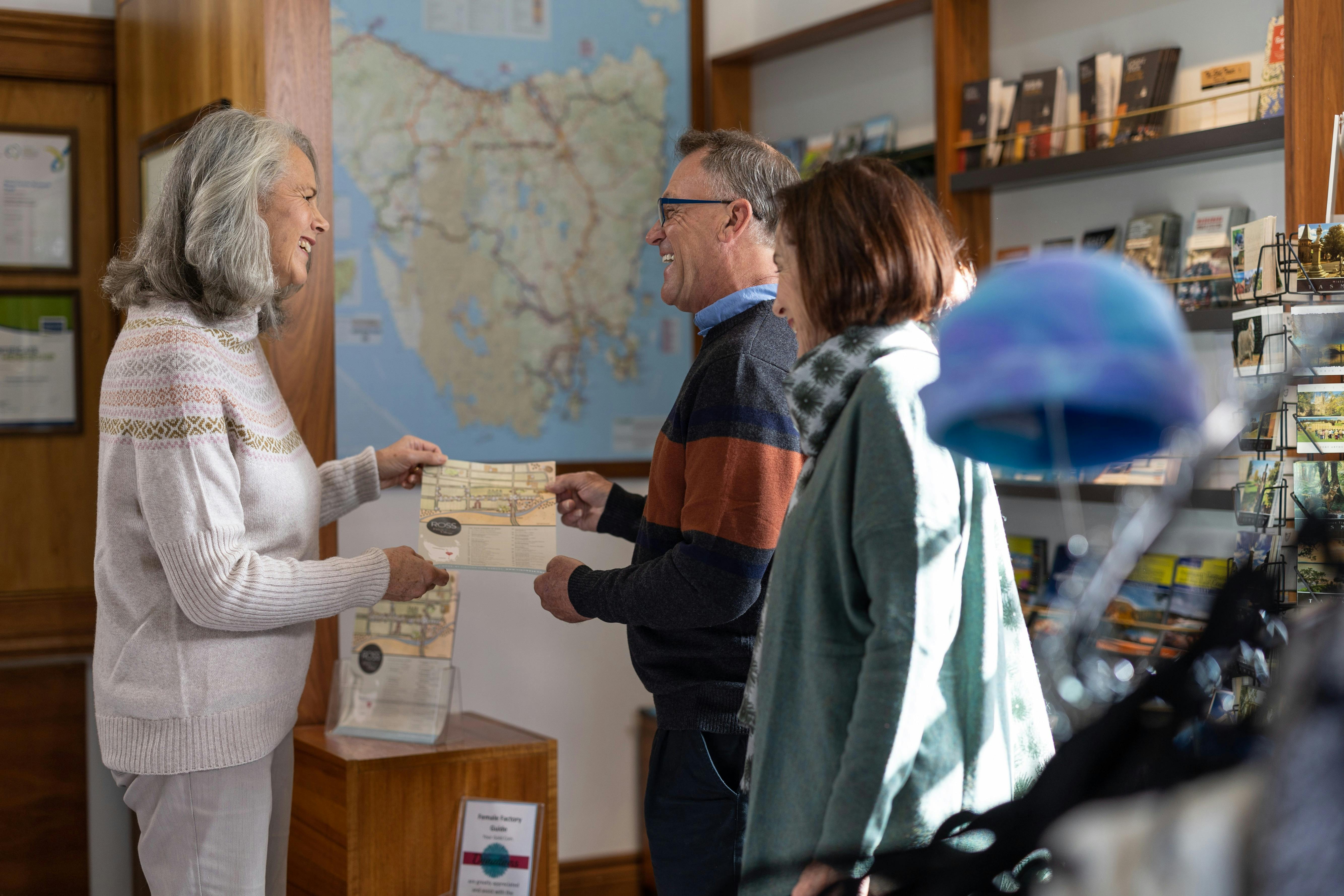
- Visitor Information Centre
Features
Tags
Current offers

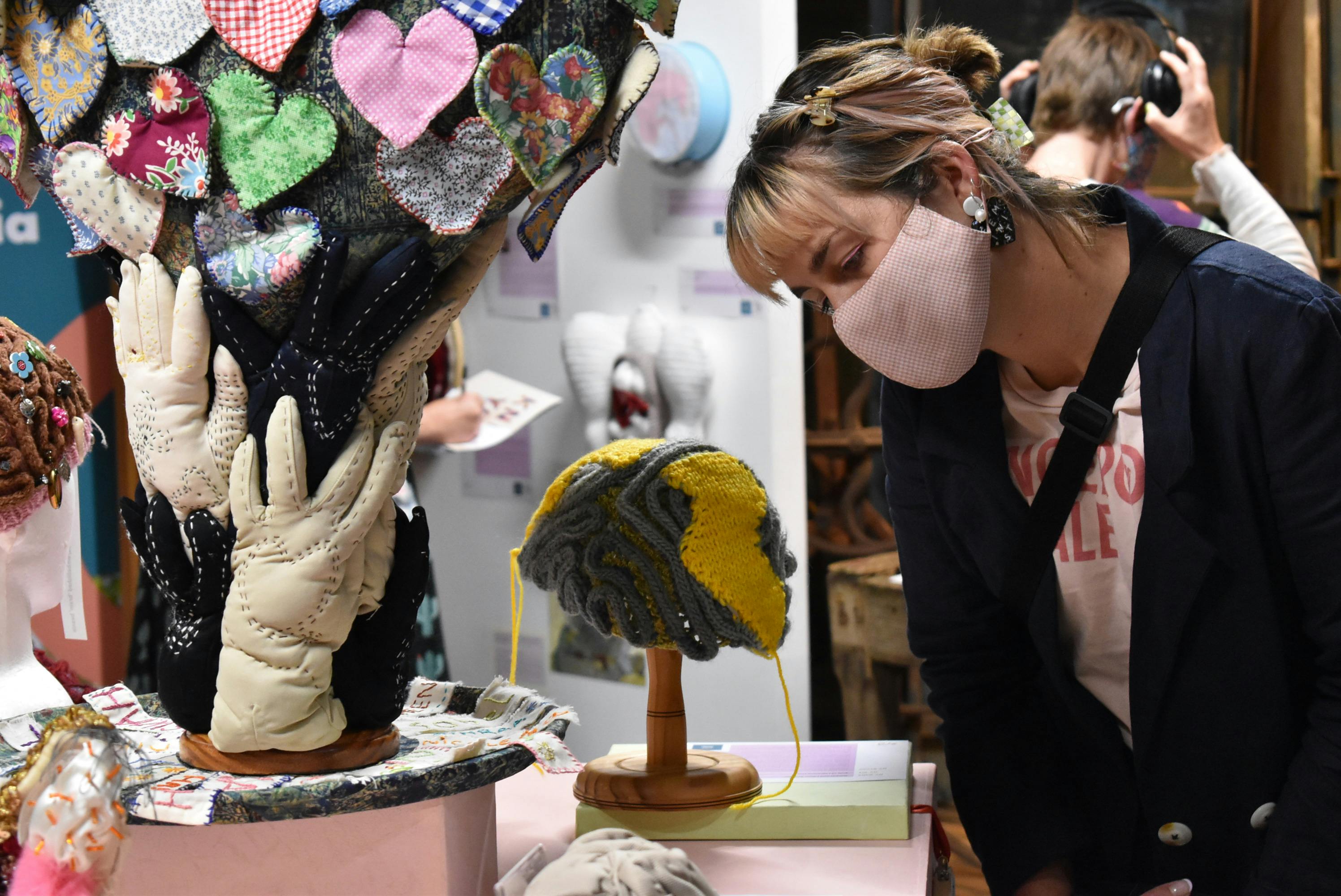
Rug up Ross: knit woolly warmth for trees
Winter in Ross isn’t about hibernating – it’s about rugging up trees. Drop into the Tasmanian Wool Centre, pick up needles and yarn, and help wrap historic elm trees in woolly layers, one stitch at a time. This self-guided community art project invites you to contribute your piece of perfectly unnecessary winter warmth to the streetscape. Knit for as long or as little as you like. Free to join. Part art, part mischief, all Ross.
Actively welcomes people with access needs.
General access

- Offers a range of contact methods for receiving complaints.
Communication

Welcomes and assists people who have challenges with learning, communication, understanding and behaviour. (includes people with autism, intellectual disability, Down syndrome, acquired brain injury (ABI), dyslexia and dementia)
- Uses Plain English / easy read signage and information (includes menus and emergency information)
- A quiet space is available at the venue/ facility.
Vision

Caters for people who are blind or have vision loss.
- Information in audio format (includes an audio described map of their venue, audio descs of performances and/ or displays) is available.
- Uses easy to read fonts in their signage and communication materials (Helvetica and Arial).
- Exit signs which are visible at a ground level (high level signs are difficult to see in a fire) are available.
Physical – Mobility

Caters for people with sufficient mobility to climb a few steps but who would benefit from fixtures to aid balance. (This includes people using walking frames and mobility aids)
- Uses floors/coverings which are slip resistant, firm and smooth
- Seating in common areas including reception area
Physical – Wheelchair

Caters for people who use a wheelchair.
- Step free outdoor pathways (includes picnic areas, barbecues and shelters)
- A step free main entrance to the building and/or reception area (includes ramps or slopes with a maximum gradient of 1:14, otherwise are too steep for wheelchairs)
Plan more around this area
 Ross, TAS
 Ross Caravan Park
A cosy and peaceful spot, our dog and cat friendly caravan park is located next to the Historic Ross Bridge alongside the Macquarie River.

 Ross, TAS
Riverview at Ross
The Ross Motel provides four-star accommodation in the historic village of Ross, Tasmania.

 Ross, TAS
 Shepherds Story
Shepherds Story has been restored from the rubble of sandstone left from the original cottage, retaining the old where possible. Lime plaster walls and exposed
 Ross, TAS
 Old Wetmore BnB
Old Wetmore is an historic convict-built sandstone homestead. Settled in 1824, thoughtfully modernised with luxurious comforts.
 Campbell Town, TAS
 Haven on High
Haven on High combines historic charm with modern comforts, perfect for guests who want to immerse themselves in a rejuvenating space.
 Lake Leake, TAS
Lake Leake Inn
Lake Leake Inn offers old-fashioned country comfort at its best! Wood fires, cold beer and great tucker.
 Ross, TAS
 The Ross Hotel
The Ross Hotel is located right in the middle of Tasmania, in the historic and picturesque town of Ross.
 Lake Leake, TAS
Lake Leake Inn
Steeped in history, Lake Leake Inn is a charming country pub that’s family and budget friendly.
