The Anzac Memorial
Highlights
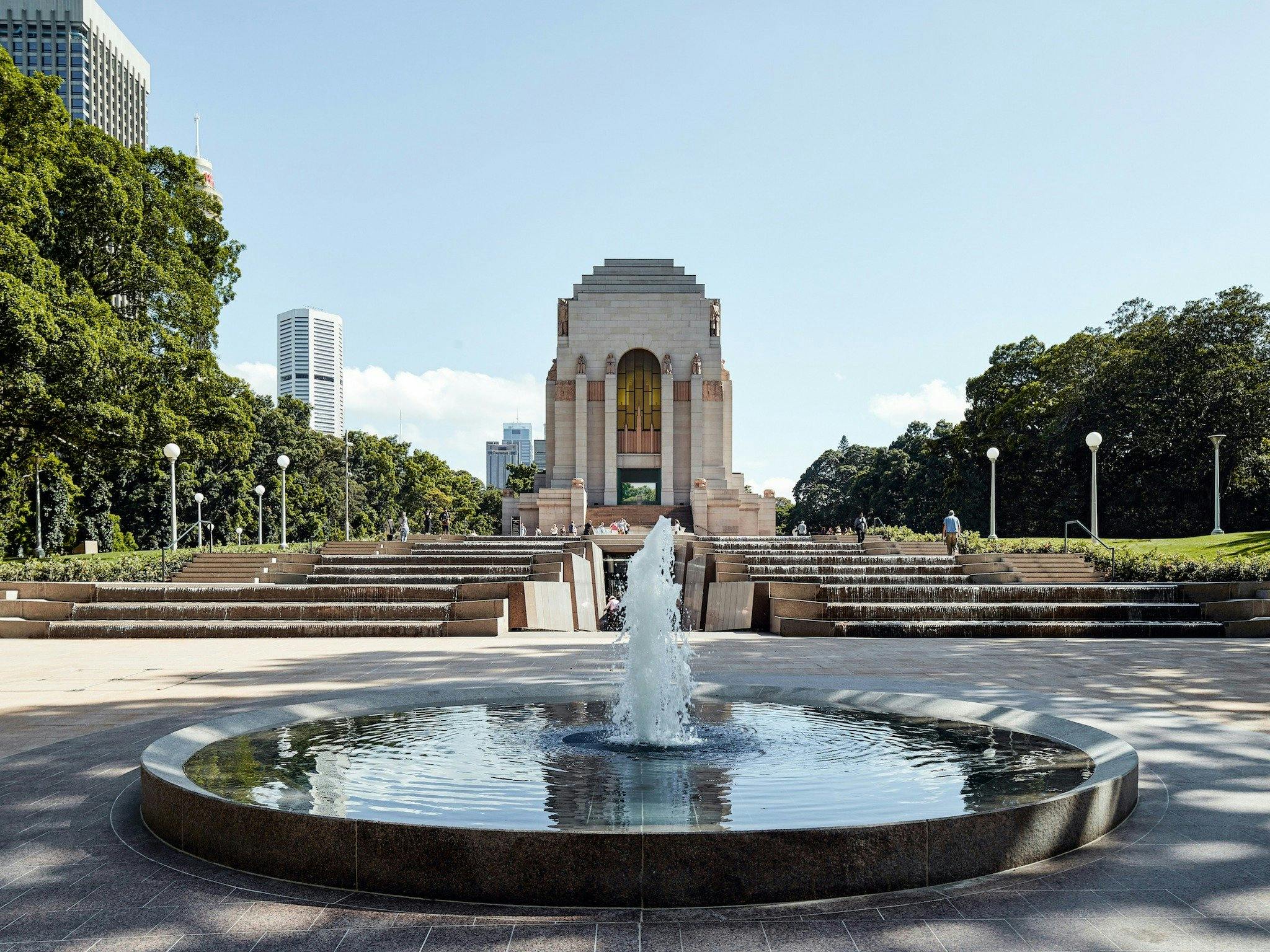
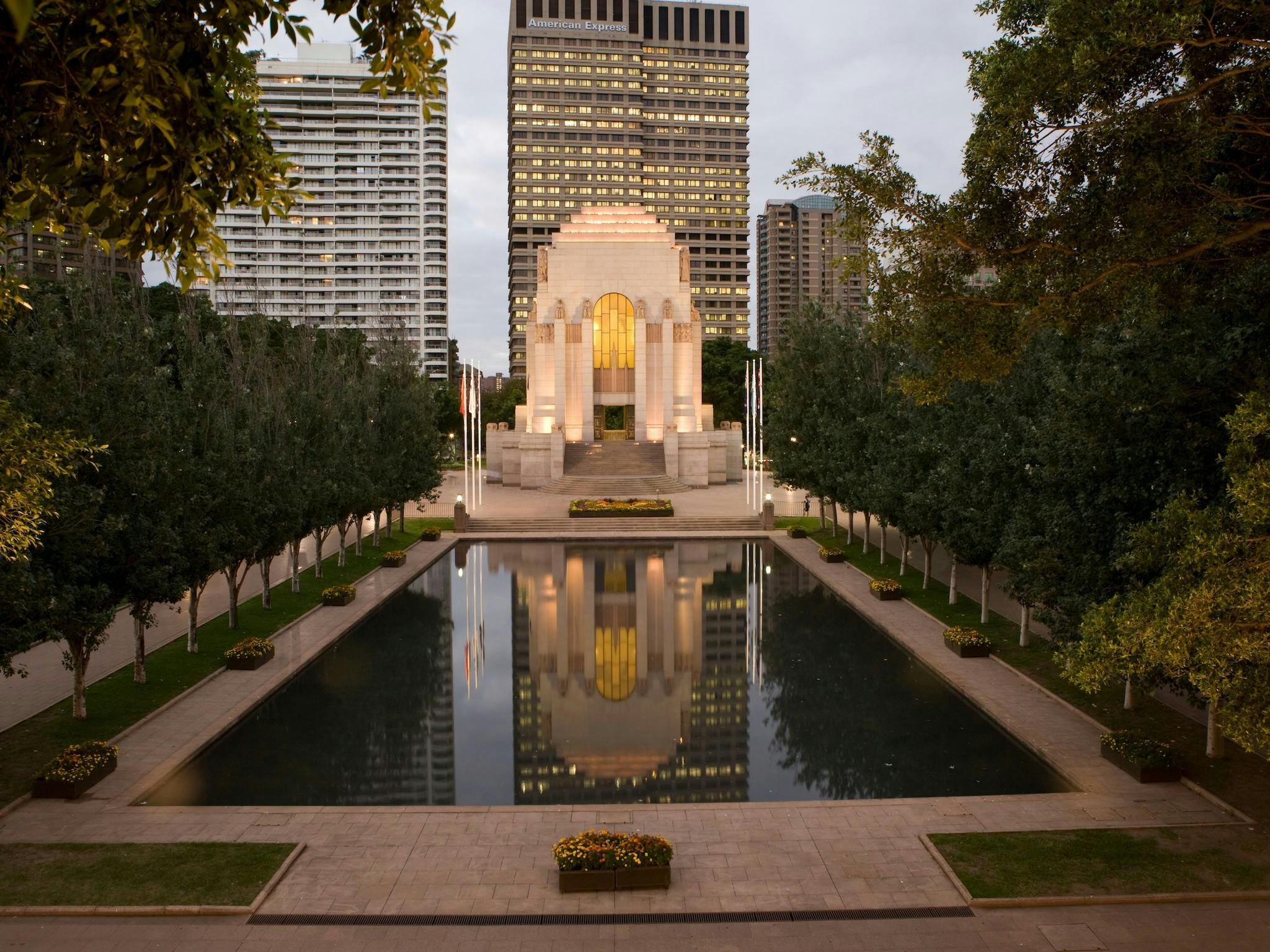
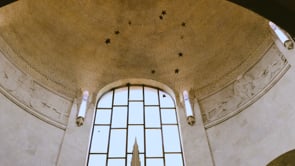
- Explore the stunning architecture of the Anzac Memorial, a tribute to Australians who served in the Defence Force.
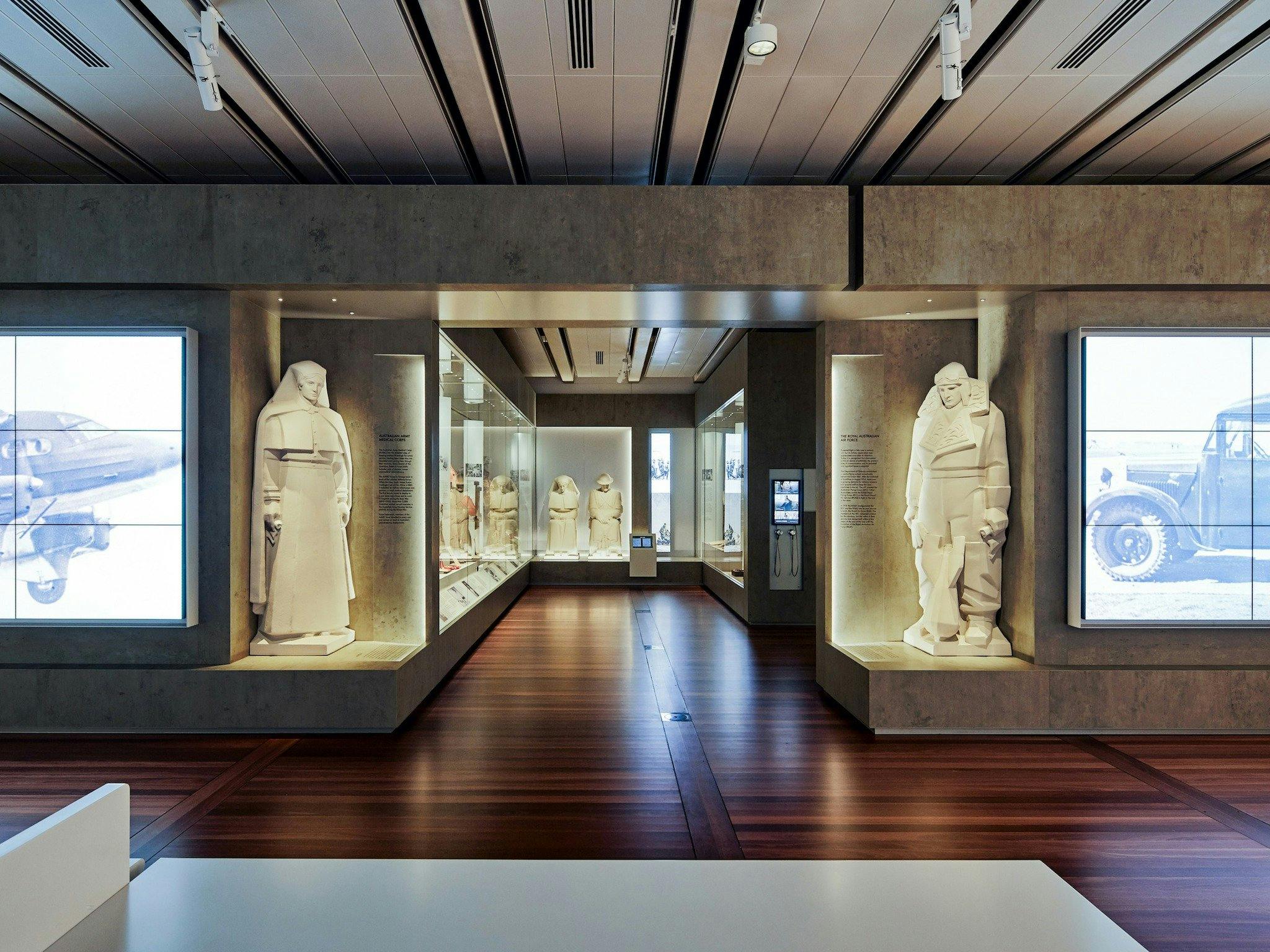
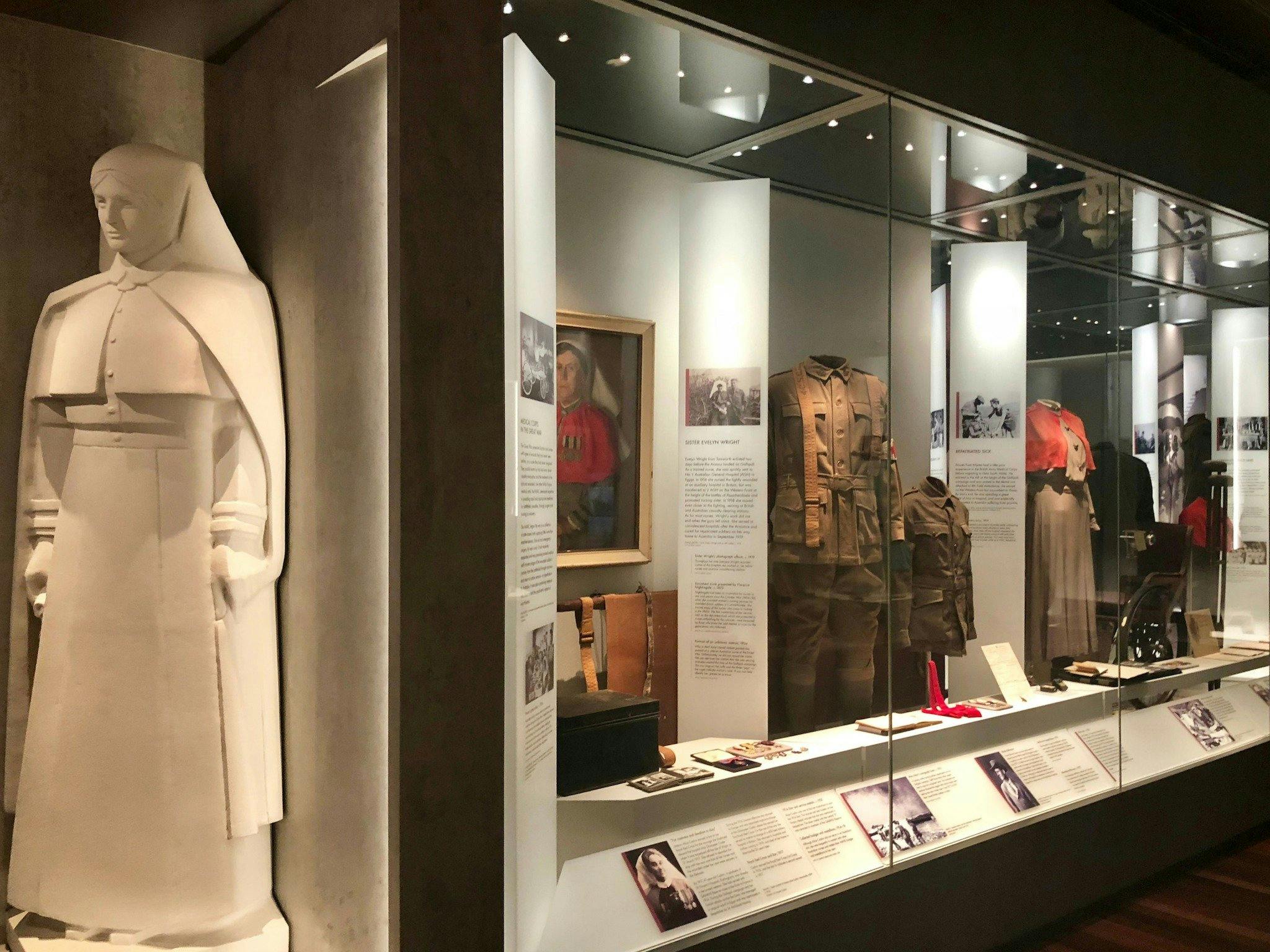
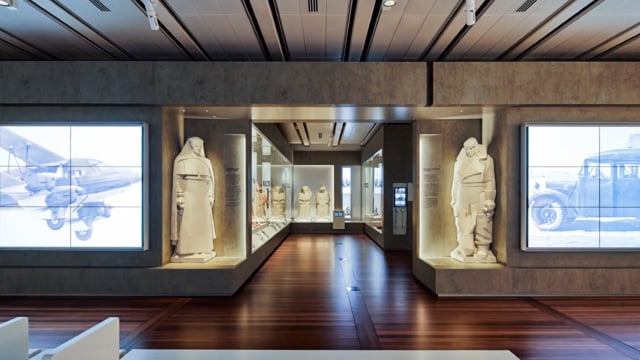
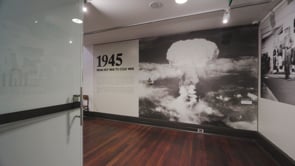
- Experience the Centenary Exhibition Gallery, showcasing detailed storytelling of Australian military service and NSW stories.
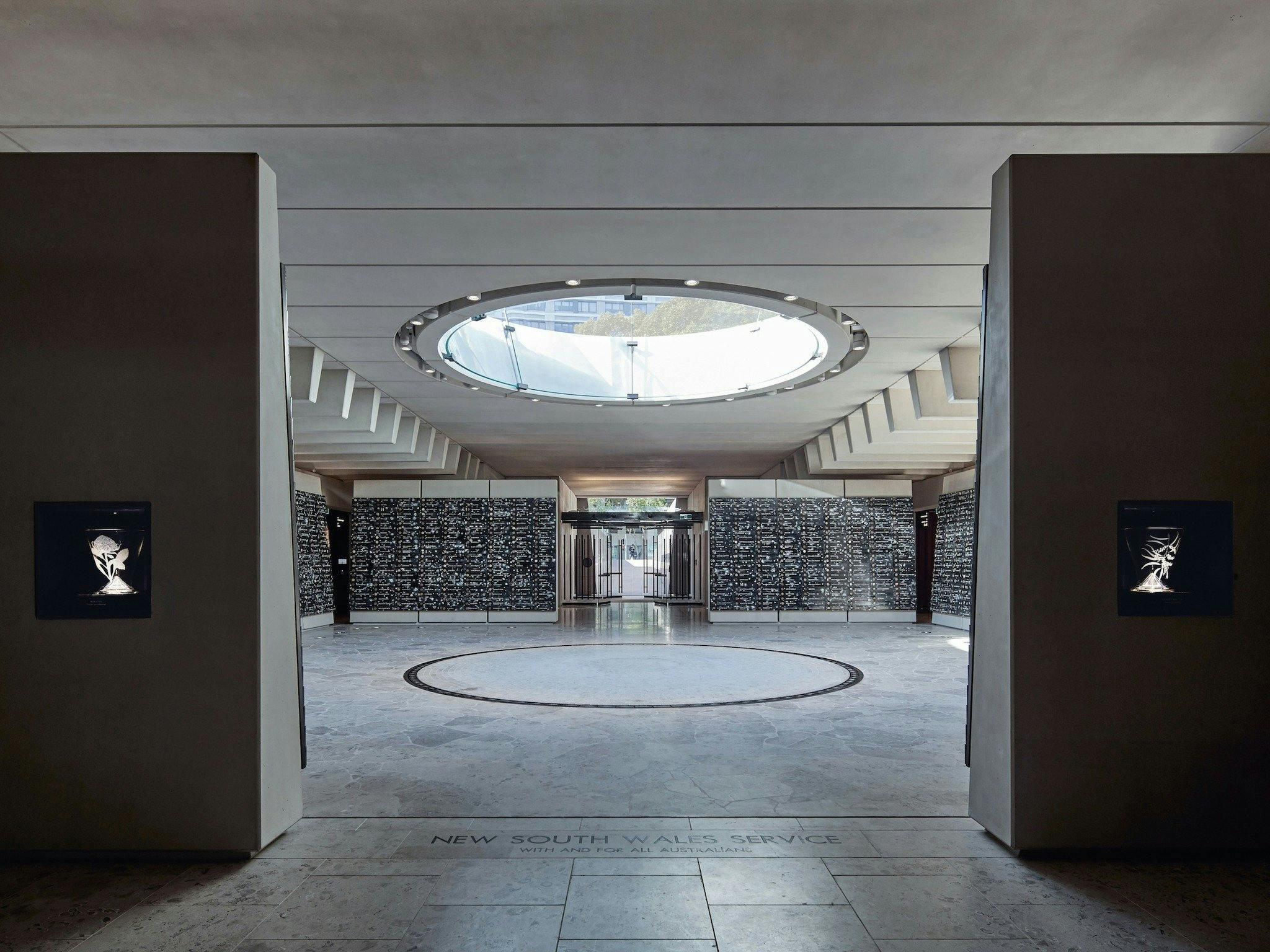
- Reflect in the quiet spaces of the memorial, offering comfort to those remembering lost loved ones.
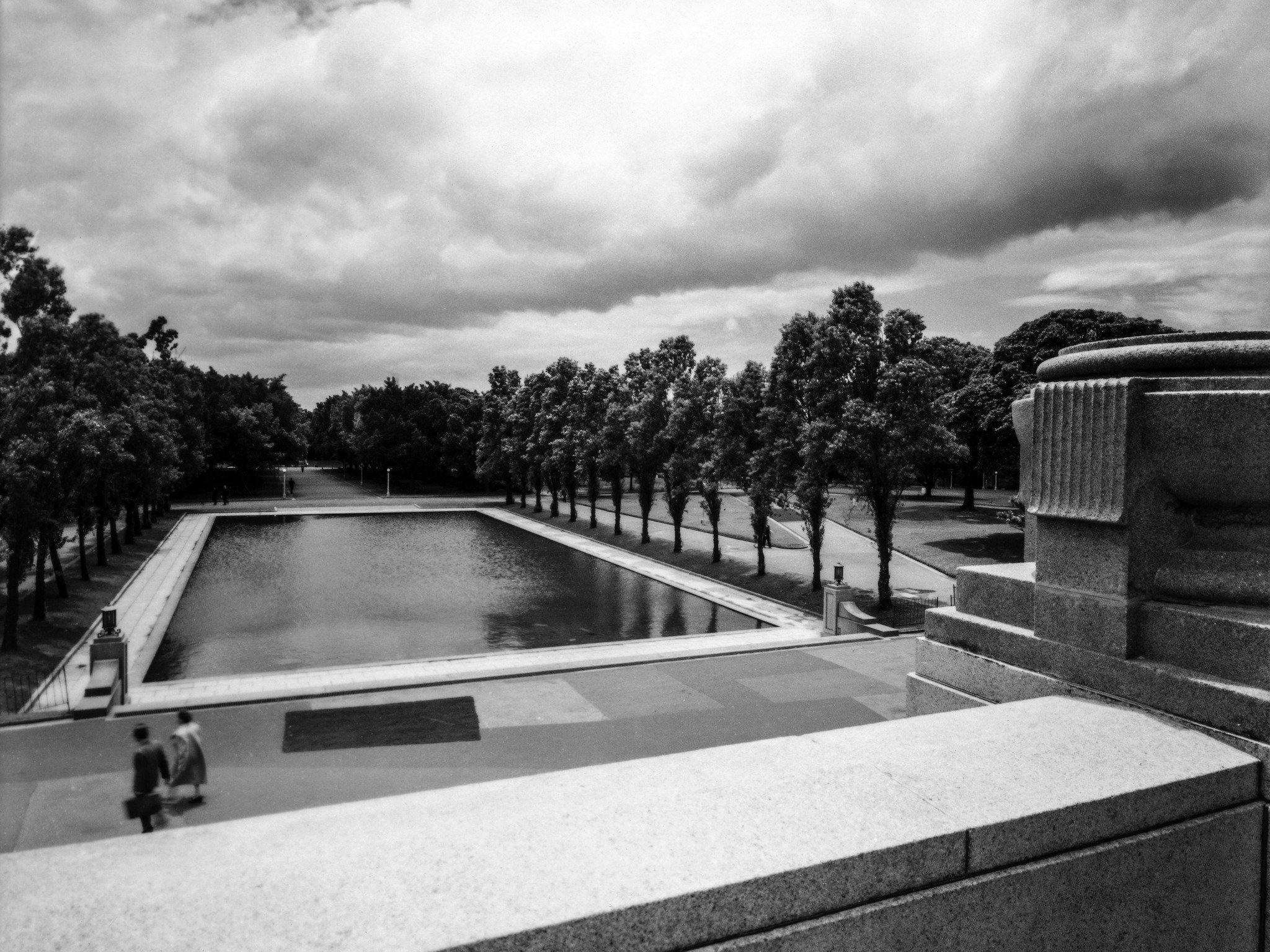
- Visit Hyde Park South to immerse yourself in a significant piece of Australian history and heritage.
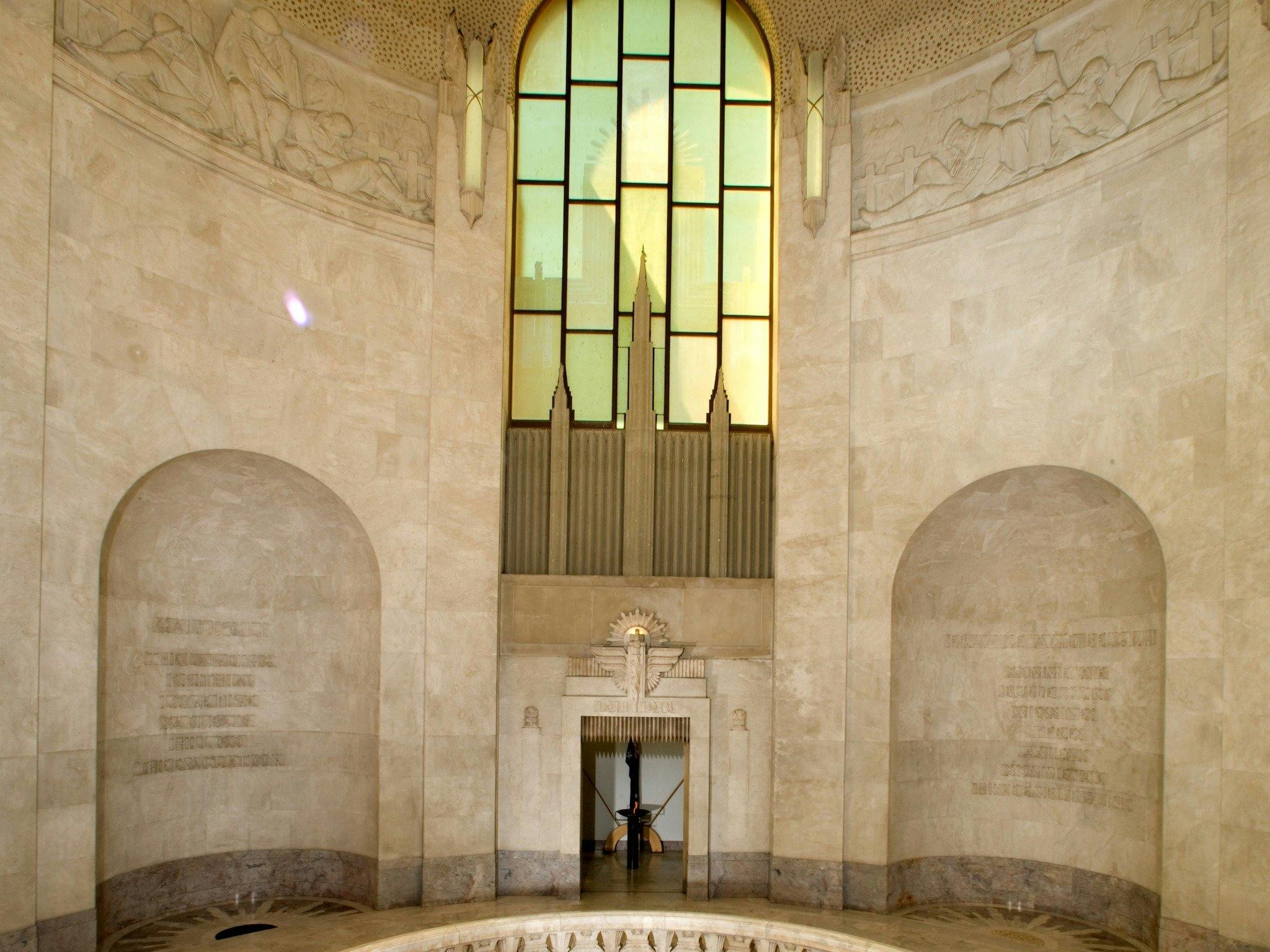
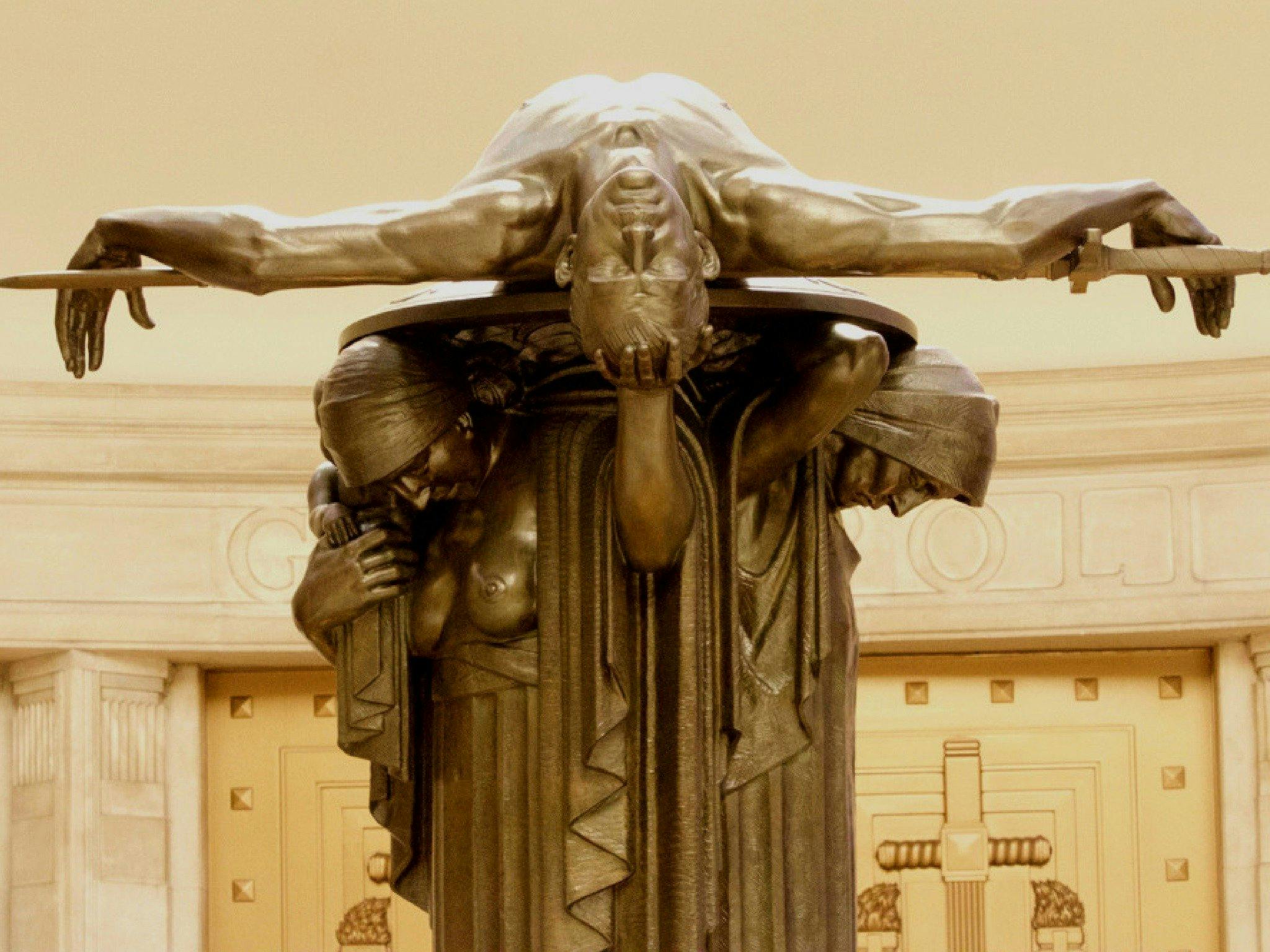
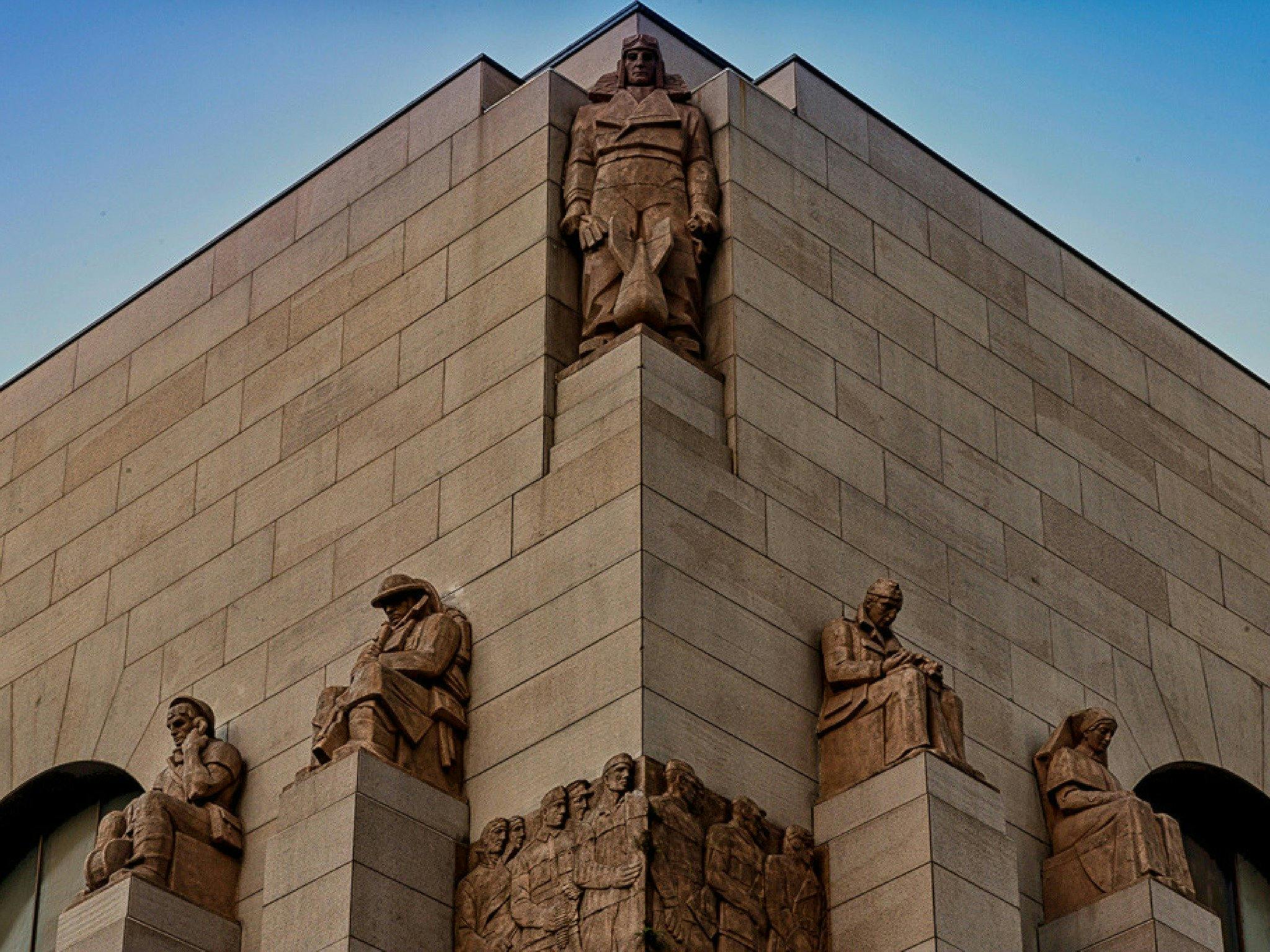
The Anzac Memorial, in Sydney’s Hyde Park, is New South Wales’ principal memorial to all Australians who have served in the Defence Force. The Memorial Building in both its original and its extended form is a work of art and a remarkable piece of architecture. It is a physical expression of the spirit and legend of the Anzacs and a place of comfort for those who have lost loved ones.
Exhibition and interpretation spaces allow the Anzac Memorial to illustrate the evolution of Australian military service while focusing on NSW stories.
The detailed storytelling within the Centenary Exhibition Gallery complements the quiet spaces and symbols of the original Memorial building.
Images and Video




Accreditations
- Australian Museums and Galleries Association
Features
Actively welcomes people with access needs.
General access

- Offers multiple options for booking – web, email, phone is available.
- Offers a range of contact methods for receiving complaints.
- Employs people with disabilities.
- Staff are trained in disability awareness.
- Accessibility information and photos, including of a bathroom, room and/or floor plan on their website (can be emailed on request).
- Website meets <a href="https://www.w3.org/WAI/standards-guidelines/wcag/" target="_blank">WCAG 2.0</a> accessibility standards
- Advise tour guides of the access needs of guests at the time of booking (includes pick up and drop off requirements)
- Assistance with booking arrangements (includes providing clear itineraries with written instructions on what to do at various destinations)
Communication

Welcomes and assists people who have challenges with learning, communication, understanding and behaviour. (includes people with autism, intellectual disability, Down syndrome, acquired brain injury (ABI), dyslexia and dementia)
- Staff are trained in communicating with people with learning or behavioural challenges.
- Uses Plain English / easy read signage and information (includes menus and emergency information)
- A quiet space is available at the venue/ facility.
Vision

Caters for people who are blind or have vision loss.
- Digital communication materials (hard copy information also online) is available.
- Uses easy to read fonts in their signage and communication materials (Helvetica and Arial).
- Staff are trained in customer service for people with vision loss (training would incorporate way finding and communicating with people with vision loss).
- Audio enabled lifts are available.
- Raised tactile buttons in lifts are available.
- Handrails on all stairways
Hearing

Caters for people who are deaf or have hearing loss.
- A hearing loop is available.
- Staff are trained in communicating with people who are deaf or have hearing loss.
- Transmitter receivers for hearing aids on tours are available.
- A low noise reception areas with hearing loss friendly acoustics and adequate lighting for viewing facial expressions (includes common areas which are free of background noise, background music) is available.
Physical – Mobility

Caters for people with sufficient mobility to climb a few steps but who would benefit from fixtures to aid balance. (This includes people using walking frames and mobility aids)
- Uses floors/coverings which are slip resistant, firm and smooth
- Uses non-slip tiles in the bathroom or slip resistant matting
- Grab rails in the bathroom
- Seating in common areas including reception area
Physical – Wheelchair

Caters for people who use a wheelchair.
- Step free outdoor pathways (includes picnic areas, barbecues and shelters)
- A doorbell or intercom at an accessible height and display a contact number (accessible height is 900mm-1100 mm)
- A step free main entrance to the building and/or reception area (includes ramps or slopes with a maximum gradient of 1:14, otherwise are too steep for wheelchairs)
- Step free access to the conference or function room
- Accessible seating areas in theatrette
- Lifts with enough space for people using a mobility aid to enter and turn around to use the lift buttons. Buttons are at accessible height.
- An accessible public toilet which is unlocked.
- A wheelchair accessible toilet / shower and change room is available.
- Wheelchair access to amusements and activities including boats and bush trails (includes tour rides, skyways, trolley cars, flying fox, amusement rides and boating).
- Wheelchair accessible transport options available in the general vicinity (provide information on name of the operator, phone and website link to individual providers for private vehicles, community transport train, mini vans, hire cars, buses, taxis, ferry, tram, light rail etc in their access statement).
Physical – High support needs

Caters for people with high support needs who travel with a support person.
Allergies and intolerances

Caters for people with allergies and intolerances.
Plan more around this area
 Sydney, NSW
 The Resch House
Located in the heart of Sydney, our newly renovated rooms are comfortable and convenient featuring numerous shared bathrooms on each floor and seamless self check-in
 Surry Hills, NSW
 202 Elizabeth
A hidden boutique hotel on Elizabeth Street, where luxury meets exclusivity — a captivating refuge where sophistication meets tranquillity.

 Sydney, NSW
Meriton Suites Kent Street, Sydney
Meriton Suites Kent Street, Sydney is one of the final designs by world-famous Australian architect, Harry Seidler.
 Sydney, NSW
Sheraton Grand Sydney Hyde Park
Enjoy a warm Australian welcome at the Sheraton on the Park. Located directly opposite Hyde Park in the heart of Sydney's business and retail districts,
 Sydney, NSW
Metro Hotel Marlow Sydney Central
Conveniently located in Sydney's central business district opposite the Capitol Theatre, Metro Hotel Marlow Sydney Central offers 220 well-appointed guestrooms and suites.

 Surry Hills, NSW
 The Second
Spanning a whole floor of a heritage-listed building, The Second is for group stays. The architect-redesigned space mixes old and new, layering contemporary furniture and
 Surry Hills, NSW
 Poly
Poly is a walk-in natural wine bar from Mat Lindsay and the team at Ester. Modern Australian share plates cooked over fire and served in
 Surry Hills, NSW
 Butter
Part sneaker store, part fried chicken restaurant, part champagne bar – Butter ticks a lot of boxes. The menu is simple, offering chicken burgers, chicken.
 Sydney, NSW
The Sydney Cidery
From the heart of the city, The Sydney Cidery is dedicated to creating the best ciders in Australia.

 Sydney, NSW
 Amber Restaurant
Centrally located within Rydges World Square, Amber Restaurant offers a refined yet welcoming dining experience in the heart of Sydney's CBD. Nestled in the vibrant
 Surry Hills, NSW
 AP Bakery Paramount House
Perched atop the Paramount House Hotel, A.P Bakery is a Surry Hills gem.
 Sydney, NSW
 NEL Restaurant
Join NEL on a culinary odyssey, experience echoes of the past. Each 11-course degustation menu will ensnare and delight the senses.
