Images and Video


The Old Kowleman's Department Store Site to Goulburn Visitor Information Centre
Highlights
- Wander down Montague Street, absorbing the historic charm of 1860s Victorian architecture and local merchant stories.
- Explore the Goulburn Club, where Dr Waugh once crafted his renowned baking powder, enriching local culinary history.
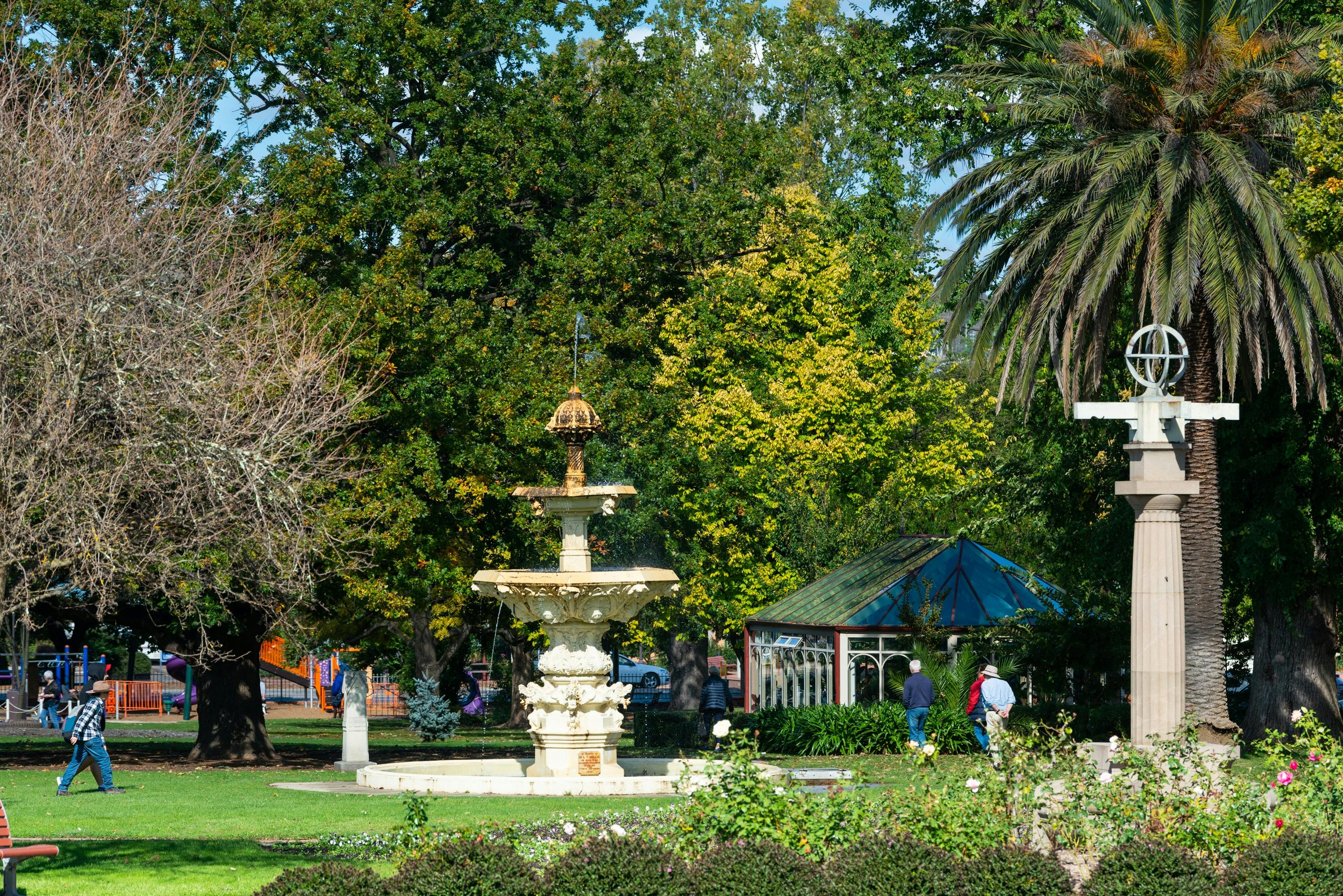
- Stroll through Belmore Park, a former Market Square, now a serene botanical garden with echoes of past livestock sales.
- Relax in the park's shade, beneath the oak tree planted in 1869, a lasting tribute to Goulburn's railway heritage.
From the Old Knowleman’s Department Store site you will walk down Montague Street back towards the Goulburn Visitor Information Centre.
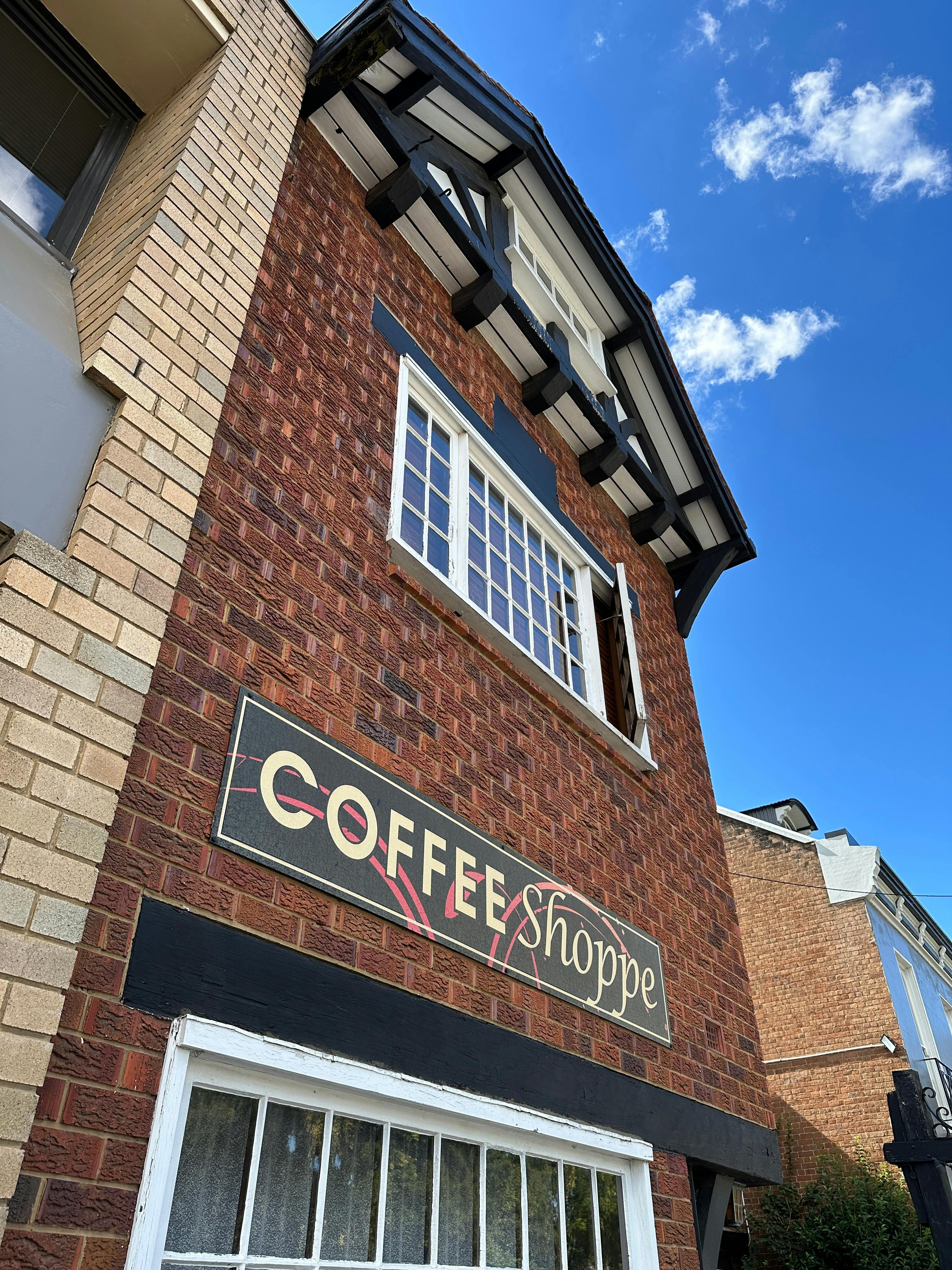
Next door is a Victorian terrace townhouse with an attic, built for a local merchant during the 1860s. Neighbouring, is the Goulburn Club (1848), which was once the Medical Hall. It was here that Dr Waugh invented and manufactured his famous baking powder. In 2003 the veranda was built to the original plans drawn by EC Manfred (c.1904). To the right of the Goulburn Club is a Stone Archway which once led to the Bull & Woodward stores and warehouses at the rear. The memory of the early storekeepers is kept alive with their initials ‘B & W’ decorated in the keystone.
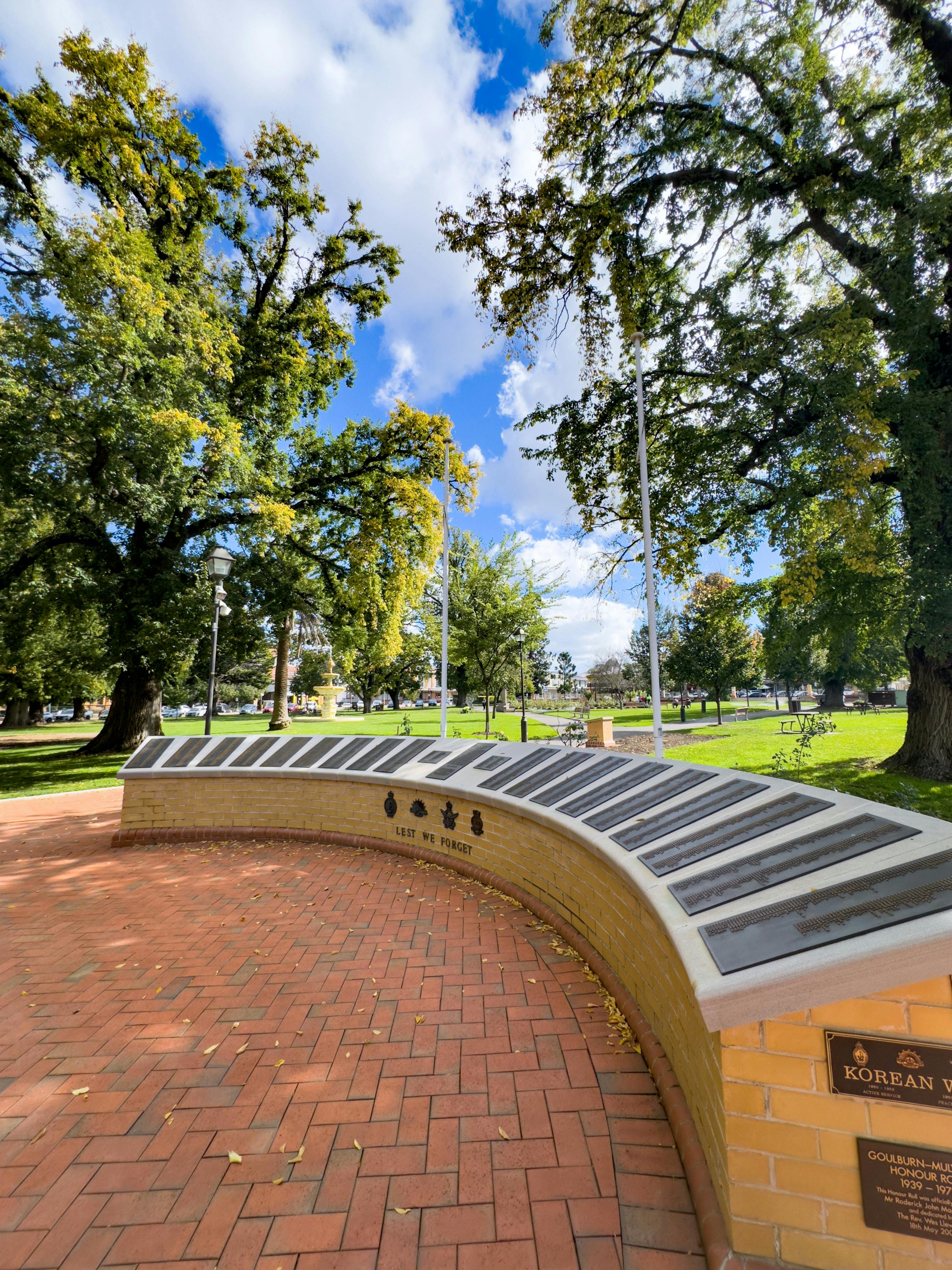
Cross Market Street into the centre of Belmore Park via the Honour Roll.
Belmore Park was originally the town’s Market Square. It was once surrounded by a white picket fence, and here residents could sell their livestock, farm produce and merchandise. The park became a botanical garden, and for 16 years it had a small zoo with emus, deer, peacocks and kangaroos. The park was named Belmore after Lord and Lady Belmore, who planted the oak tree in the centre of the park in honour of the Railway opening in Goulburn in 1869.
Features
Service facilities
Journey Travel Type
Sevice Activity
Operation information
A Self-Guided Heritage Tour of Goulburn
The land that Goulburn was settled on was first passed by Hamilton Hume and John Meehan in 1818. Two years later Governor Macquarie declared the countryside fit for settlement under the name ‘Goulburn Plains’.
The plans for the township were originally laid out closer to the property of Riversdale but were soon relocated to the current location in 1832-3. This was due to the previous locations’ low-lying land being prone to flooding.
After being settled the City benefited from the wool industry, a short-lived nearby gold rush, and the development of the rail system.
On 14th March 1863 Queen Victoria wrote her last royal letters patent and Goulburn was declared the first inland city in Australia. By the 1880s Goulburn was the second biggest city in NSW, behind Sydney. Many of the buildings remaining from this time illustrate that Goulburn was a very wealthy city in its prime.
This tour will give you a brief glance back to some of Goulburn’s fascinating history passing some of the most magnificent architecture for the period in town.
Distance units
Time units
Plan more around this area
 Goulburn, NSW
 The Abbey Motel
Where history and modern luxury are blended perfectly.
 Goulburn, NSW
 Goulburn Central Motel
Built in the 1960s, Goulburn Central Motor Lodge was one of the original Travelodge motels.
 Goulburn, NSW
 Clonsilla Goulburn
This is your dazzling home away from home, perfect for your next country retreat with family and friends.
 Goulburn, NSW
 Southern Railway Hotel
Guests will feel right at home when they step inside this traditional pub hotel.

 Goulburn, NSW
 Sloane Street Shared Home
This beautiful terrace has everything you need to feel right at home.
 Goulburn, NSW
 Quest Goulburn
Quest Apartments Goulburn brings a stunning new accommodation experience for both the business traveller and leisure traveller to the Southern Tablelands.
 Goulburn, NSW
 NOI Goulburn
Serving authentic Vietnamese street food, Vietnamese Ca Phe (coffee) and Boba Tea. Open for relaxed casual dine-in or takeaway.
 Goulburn, NSW
 Paragon Café
The Paragon Cafe has been serving locals and travelers old-fashioned, good-quality, fresh foods for over 70 years.
 Goulburn, NSW
 Bluebird Cafe and Bar
Goulburn's newest Cafe & Bar, drop by the Bluebird Cafe and Bar for a cup of the special blend coffee.
 Goulburn, NSW
 The Empire Hotel
Whether you want a quiet drink with friends or to catch your favourite live sport, the Empire Hotel is the place to visit.
 Goulburn, NSW
 Bryant's Pies – Bakery Cafe
Goulburn's famous pie shop, Bryants Pies has been serving Goulburn gourmet pies, treats, bread and Nerissimo roasted coffee since 1851.
 Goulburn, NSW
 The Coffee Club Goulburn
The Coffee Club is an Australian multinational coffeehouse-style café chain. Established in 1989, the concept includes expanded menu and table service.
