Theatre Royal Hobart
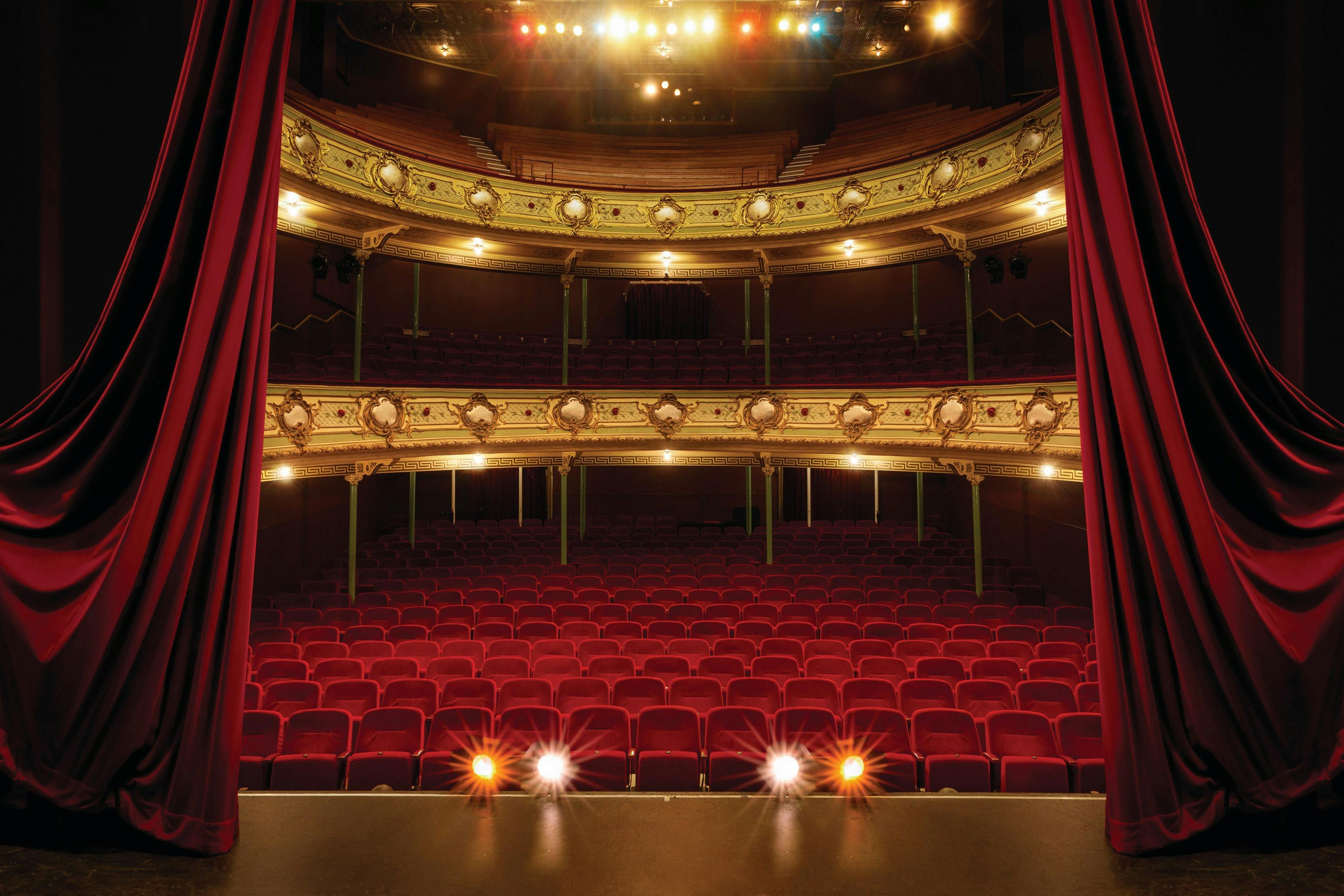
Opened in 1837, Hobart’s Theatre Royal has been the home of contemporary theatre in Tasmania for more than 185 years and is Australia’s oldest working theatre. This 700-seat heritage treasure occupies an important place in the hearts of Tasmanians and many visitors to Hobart.
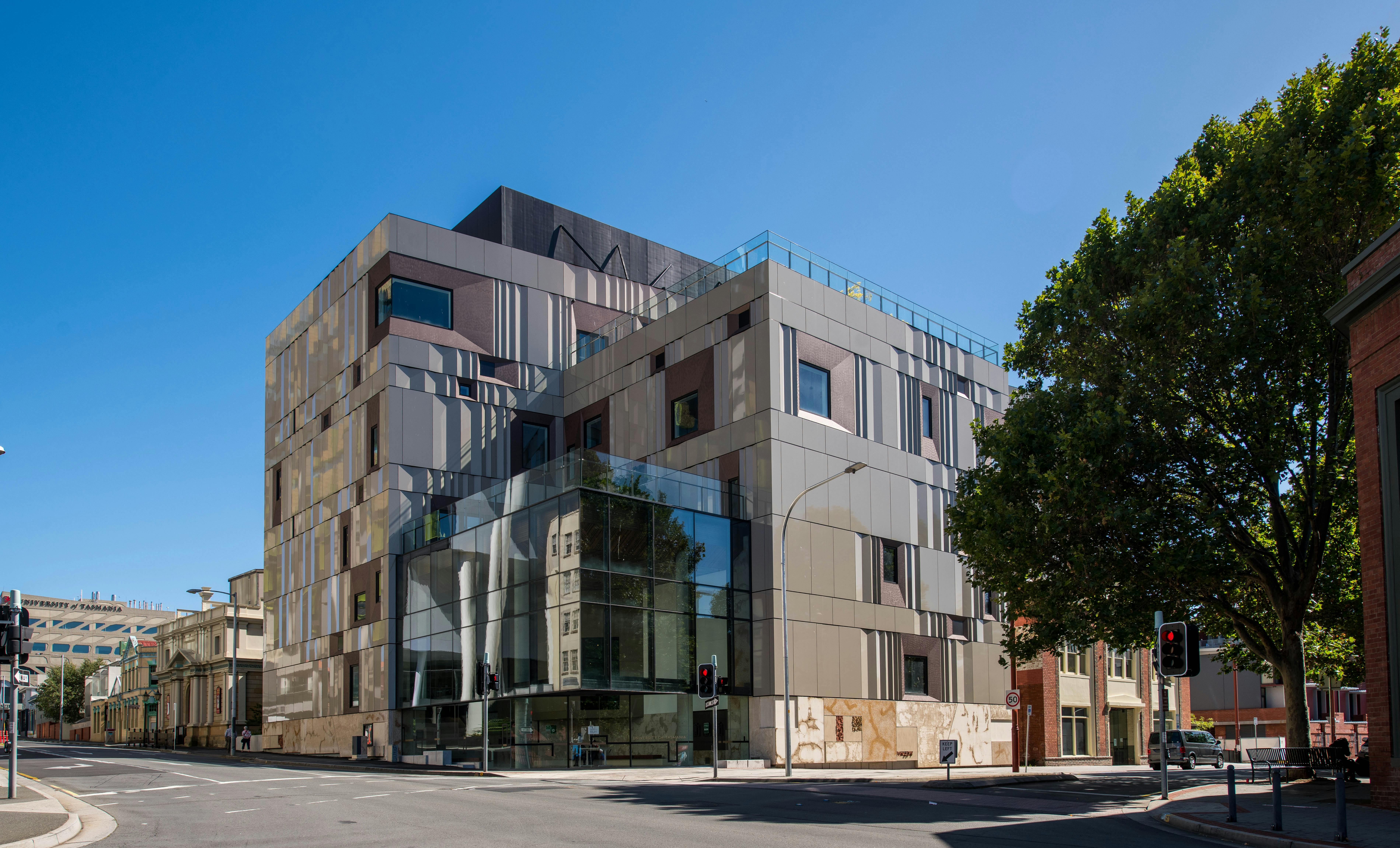
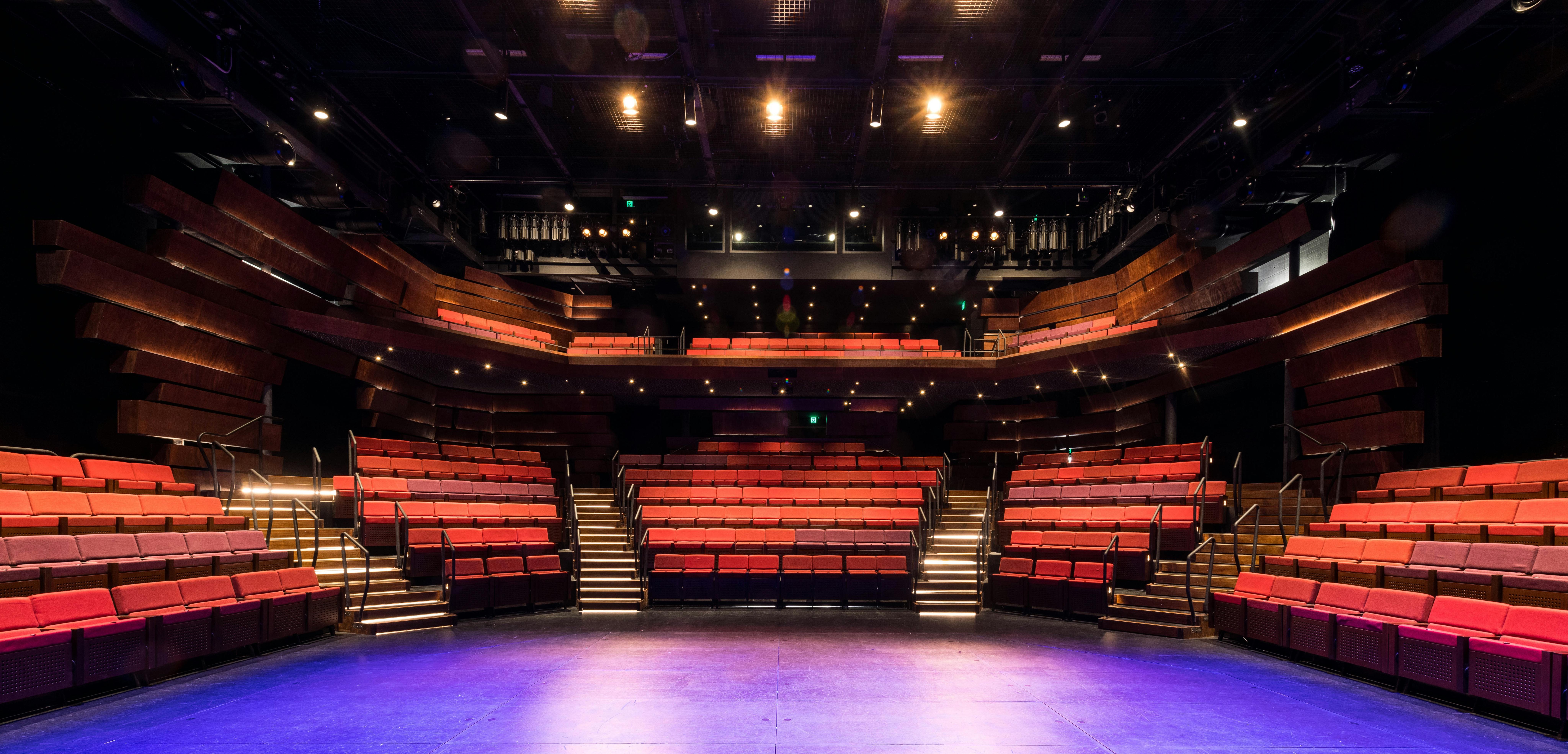
Since 2020, the Theatre Royal has also occupied the Hedberg, a new state-of-the-art facility shared with the University of Tasmania. Three levels of foyers and bars, and a new 285-seat Studio Theatre, have provided many new opportunities for audiences.
Every year, the Theatre Royal curates an annual season of contemporary performance and events, which aim to present high calibre experiences that our audiences would not otherwise have the opportunity to see.
Images and Video

Features
Current offers

Behind the scenes Theatre Royal tour
Step onto the main stage this winter on a guided tour of Australia’s oldest working theatre. Head behind the scenes to explore areas normally off-limits to the public, including historic dressing rooms. Hear entertaining stories about the building’s colourful past and the performers who have graced the stage. During the Off Season, tour participants receive a 10% discount for the Hedberg Café when you show your ticket stub.
Tours last 75min and run 11am Mondays, Wednesdays and Fridays.
Actively welcomes people with access needs.
General access

- Offers multiple options for booking – web, email, phone is available.
- Offers a range of contact methods for receiving complaints.
- Companion Cards are accepted.
- Employs people with disabilities.
- Asks all visitors if there are any specific needs to be met.
- Website meets <a href="https://www.w3.org/WAI/standards-guidelines/wcag/" target="_blank">WCAG 2.0</a> accessibility standards
- Advise tour guides of the access needs of guests at the time of booking (includes pick up and drop off requirements)
Communication

Welcomes and assists people who have challenges with learning, communication, understanding and behaviour. (includes people with autism, intellectual disability, Down syndrome, acquired brain injury (ABI), dyslexia and dementia)
- Uses Plain English / easy read signage and information (includes menus and emergency information)
- A quiet space is available at the venue/ facility.
Vision

Caters for people who are blind or have vision loss.
- Digital communication materials (hard copy information also online) is available.
- Raised tactile buttons in lifts are available.
- Handrails on all stairways
- Exit signs which are visible at a ground level (high level signs are difficult to see in a fire) are available.
Hearing

Caters for people who are deaf or have hearing loss.
- A hearing loop is available.
- Volume controlled phones are available.
Physical – Mobility

Caters for people with sufficient mobility to climb a few steps but who would benefit from fixtures to aid balance. (This includes people using walking frames and mobility aids)
- Uses floors/coverings which are slip resistant, firm and smooth
- Seating in common areas including reception area
Physical – Wheelchair

Caters for people who use a wheelchair.
- Step free outdoor pathways (includes picnic areas, barbecues and shelters)
- A doorbell or intercom at an accessible height and display a contact number (accessible height is 900mm-1100 mm)
- A step free main entrance to the building and/or reception area (includes ramps or slopes with a maximum gradient of 1:14, otherwise are too steep for wheelchairs)
- Step free access to restaurant, lounge and bar
- Step free access to the conference or function room
- Accessible seating areas in theatrette
- Lifts with enough space for people using a mobility aid to enter and turn around to use the lift buttons. Buttons are at accessible height.
- Doorways which are easy to open and have lever handles (doorways 850mm or wider when open and not heavy).
- An accessible public toilet which is unlocked.
- At least one wheelchair accessible parking space with wheelchair accessible signage clearly displayed (International standards are 3200mm wide x 2500 mm high).
- Wheelchair accessible transport options available in the general vicinity (provide information on name of the operator, phone and website link to individual providers for private vehicles, community transport train, mini vans, hire cars, buses, taxis, ferry, tram, light rail etc in their access statement).
Plan more around this area
 Hobart, TAS
Allurity Hotel
The hotel is conveniently located in the heart of Hobart. The Maritime Museum of Tasmania, the Federation Concert Hall, and Government House are all nearby.
 Hobart, TAS
Crowne Plaza Hobart
The 235 room Crowne Plaza Hobart is located in the heart of the city. The hotel is within walking distance of the city’s renowned Salamanca.

 Hobart City, TAS

Hadley's Orient Hotel
Hadley’s Hotel Hobart is the oldest continuously operating boutique hotel in Tasmania.
 Glebe, TAS
The Corinda Collection
Perched right next to Hobart`s CBD and boasting far reaching views over the harbour and Domain, this unique boutique hotel is ideally placed for visits.
 Hobart, TAS

RACV Hobart Hotel
RACV/RACT Hobart Apartment Hotel is an easy walk to Hobart's iconic sites and attractions including Salamanca Market, Constitution Dock and the shopping precinct.

 Hobart, TAS
The Tasman, A Luxury Collection Hotel, Hobart
The Tasman is a destination luxury experience that connects guests to this unique environment and community, creating a sense of indulgence and reinvigoration.

 Hobart, TAS
Kelp Bar
Designed to immerse guests in a celebration of sustainability and Tasmanian innovation, Kelp Bar offers a truly unique bar experience.
 Hobart, TAS
 IXL Long Bar at The Henry Jones Art Hotel
In the heart of Hobart's waterfront, the IXL Long Bar is a refined yet welcoming space where Hobart's rich history meets contemporary cocktail culture.
 Hobart, TAS
 Jam Packed Café
Set on Hobart’s stunning waterfront within the historic walls of The Henry Jones Art Hotel, Jam Packed offers a relaxed spot.
 Hobart, TAS
 Hobart Brewing Co.
Our Brewery and Tap Room is situated in the Red Shed at Hobart's waterfront at Macquarie Point. We have year round core beers.
 Hobart, TAS
 Criterion Street Cafe
A buzzy little cafe, in the heart of the city. Upstairs, inside and street-side Criterion hits the mark with original café food.
 Hobart, TAS
 Dandy Lane Cafe
Dandy Lane Cafe is a hidden-lane brunch café in Hobart CBD, tucked away in Collins Court just off Collins Street.
