
Tiati Wangkanthi Kumangka (Truth-Telling Together)
Highlights
- Explore the Tiati Wangkanthi Kumangka exhibition at the Bay Discovery Centre for an honest dialogue on South Australia's colonisation.
- Discover the rarely-seen Letters Patent from 1836, revealing crucial insights into South Australia's founding and Aboriginal recognition.
- Engage with the curated narratives from the Kaurna Nation, deepening your understanding of Aboriginal culture and history.
- Visit the award-winning exhibition in Glenelg Town Hall, a must-see for anyone interested in South Australia's true history.
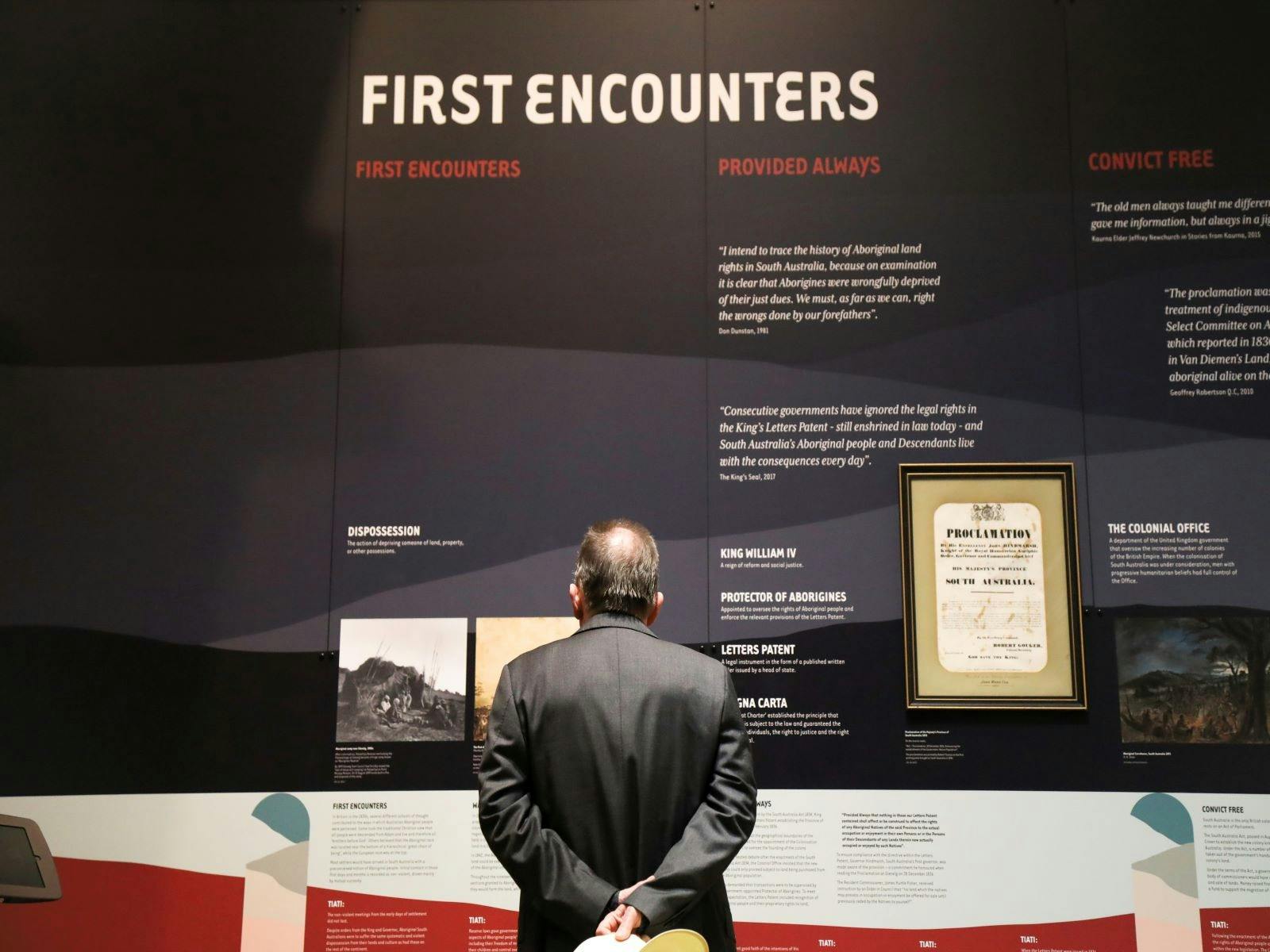
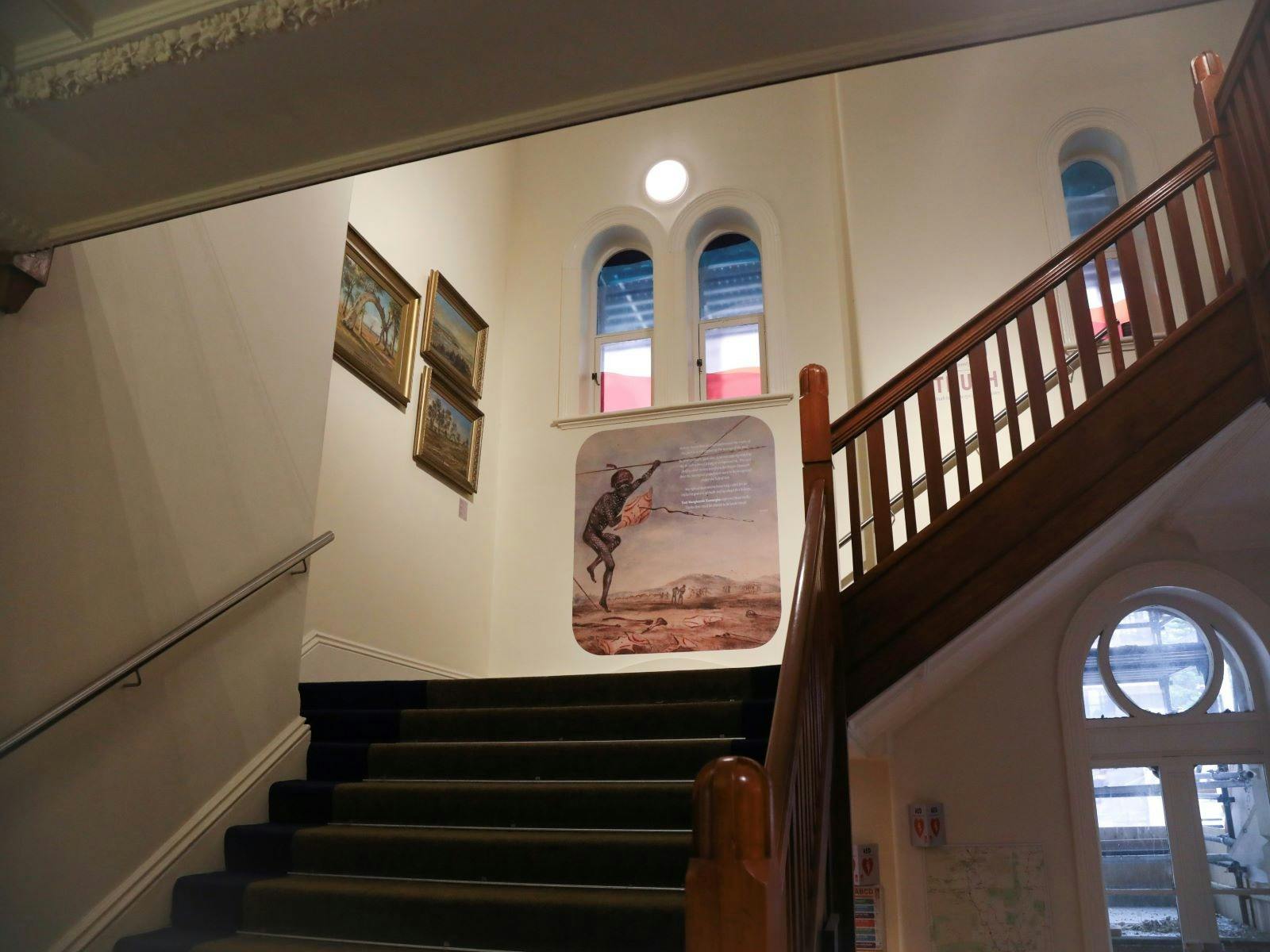
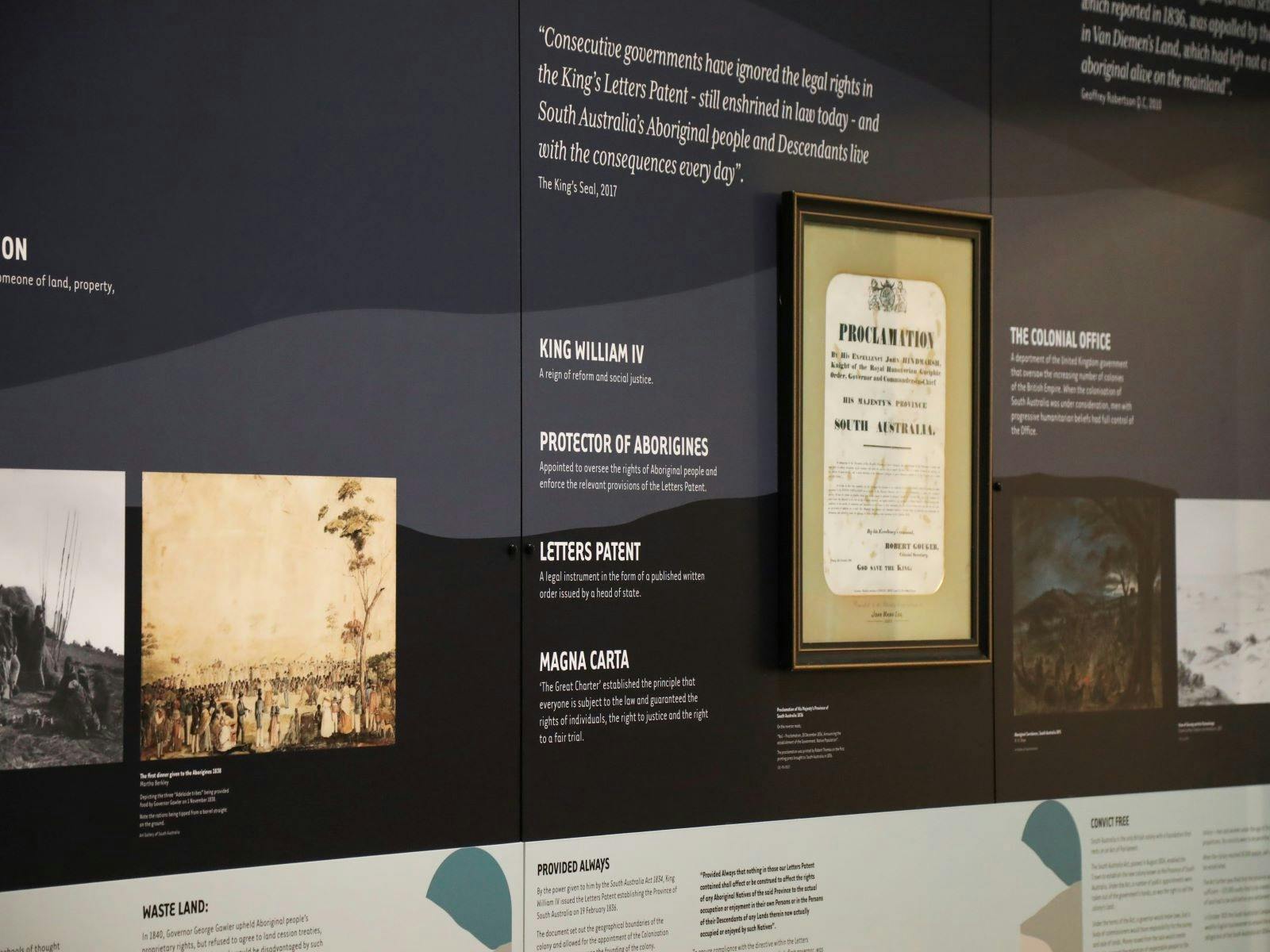
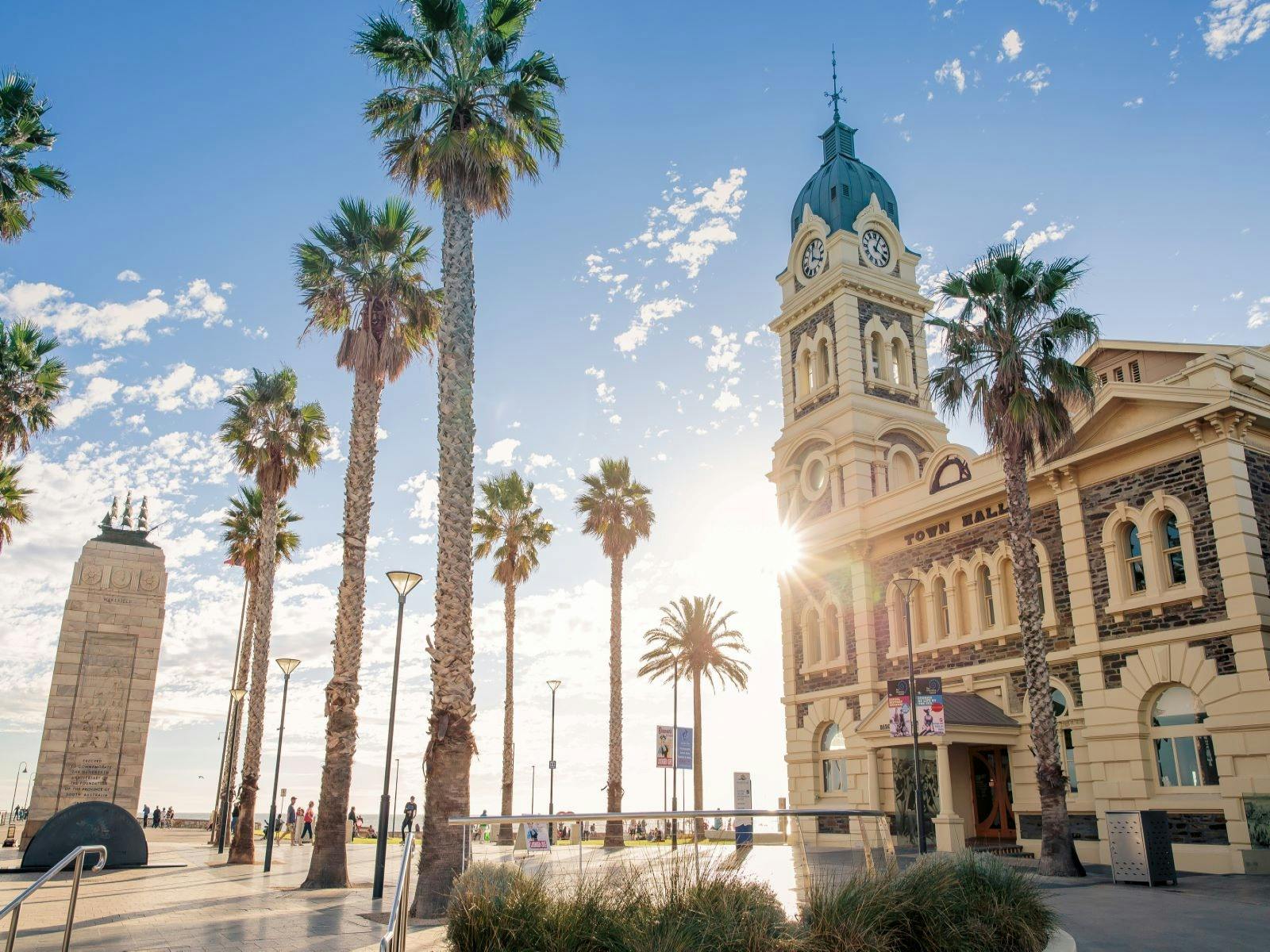
Tiati Wangkanthi Kumangka is a permanent exhibition at the Bay Discovery Centre, situated in the Glenelg Town Hall, Moseley Square. The exhibition was curated together with the Kaurna Nation and explores the true history of South Australia, opening up an honest discussion about South Australia’s colonisation.
The exhibition is about truth-telling that challenges some of South Australia’s history books, won the Australian museum sector’s most prestigious award in the Museum and Galleries National Awards MAGNA for 2020, and is a must-see to learn about the settlement of South Australia in parallel with the historical experiences of Aboriginal people.
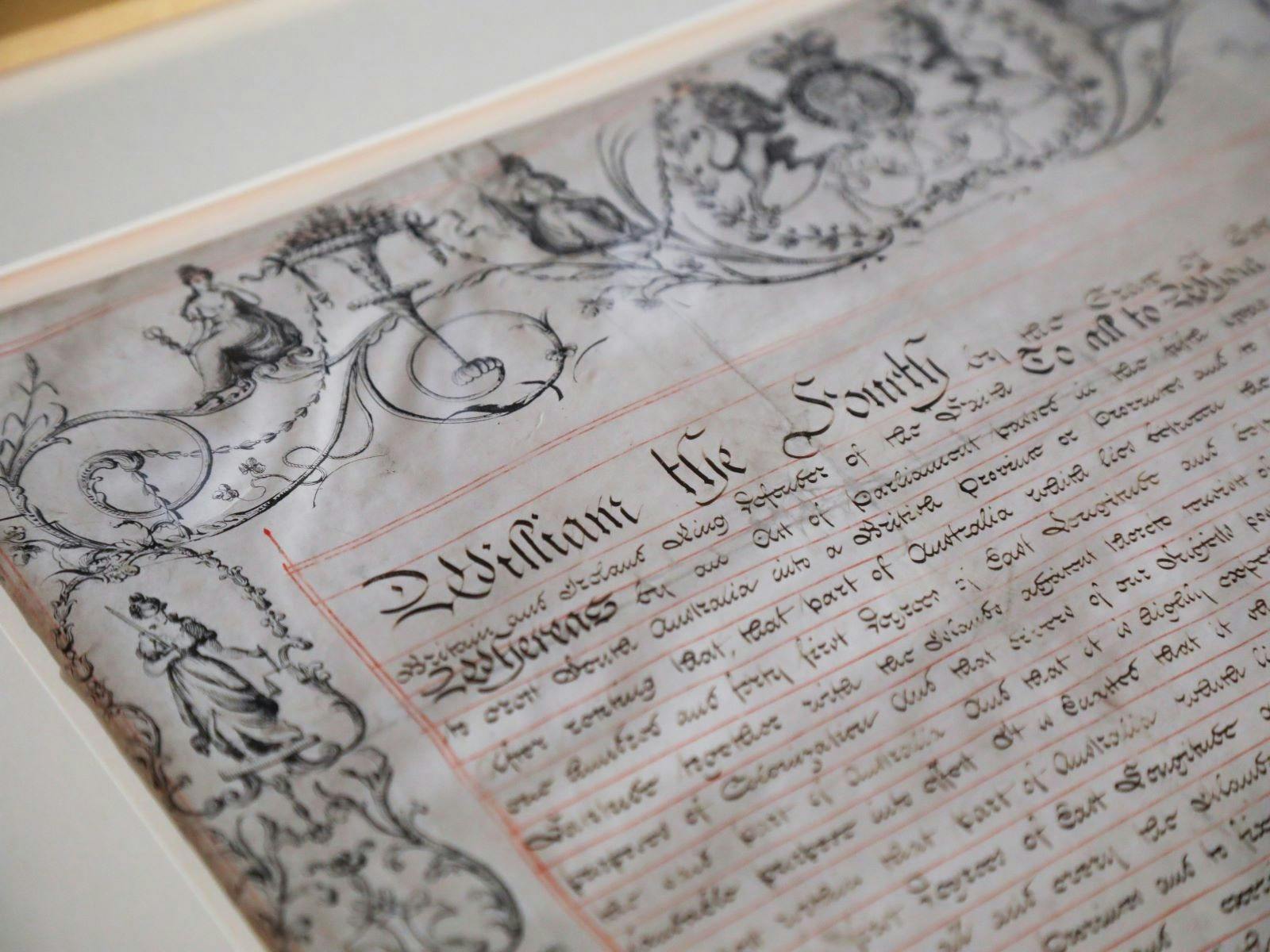
A copy of South Australia’s founding document, the rarely–seen Letters Patent, which dates back to 1836, is on public display. The invaluable piece of South Australia’s history is a key element of the exhibition which examines the words of the Letters Patent, which include recognition of “Aboriginal Natives” to occupy and live within the lands of the Province of South Australia.
Images and Video



Accreditations
-
 Quality Tourism Accreditation
- Tourism Industry Council of SA
Features
Tags
Actively welcomes people with access needs.
General access

- Offers a range of contact methods for receiving complaints.
- Employs people with disabilities.
Physical – Wheelchair

Caters for people who use a wheelchair.
- A step free main entrance to the building and/or reception area (includes ramps or slopes with a maximum gradient of 1:14, otherwise are too steep for wheelchairs)
- Lifts with enough space for people using a mobility aid to enter and turn around to use the lift buttons. Buttons are at accessible height.
- Doorways which are easy to open and have lever handles (doorways 850mm or wider when open and not heavy).
- An accessible public toilet which is unlocked.
- A wheelchair accessible toilet / shower and change room is available.
- Wheelchair accessible transport options available in the general vicinity (provide information on name of the operator, phone and website link to individual providers for private vehicles, community transport train, mini vans, hire cars, buses, taxis, ferry, tram, light rail etc in their access statement).
Plan more around this area
 Glenelg, SA
 The George Glenelg
The George Glenelg is a boutique coastal retreat offering refined accommodation in the heart of Glenelg. Located just steps from Glenelg Beach and the lively

 Glenelg, SA
 Durham Serviced Apartments
Durham Serviced Apartments offers self-contained accommodation, situated in the heart of Glenelg.
 Glenelg, SA
Grandview House Apartments
Grandview House, circa 1910, is a fully restored, elegant, two storey seaside residence at Glenelg.
 Glenelg, SA
 Nightfall by Sabbatical
Welcome to Nightfall, where vintage meets modern luxury!
 Glenelg, SA
 Seafield Tower Glenelg Apartments
Enjoy the beachfront while being close to local shops and eateries in the historic Seafield Towers on the Esplanade Glenelg.
 Glenelg, SA
 Oaks Glenelg Liberty Suites
Oaks Liberty Towers offers contemporary fully self contained one, two and three bedroom apartments.

 Glenelg, SA
 The Promenade Restaurant
The Promenade Restaurant at Glenelg offers spectacular views of Glenelg beach while you dine.
 Glenelg, SA
 Horizons Cocktail Lounge
Horizons Cocktail Lounge at Glenelg is one of Adelaide’s best kept secrets.
 Glenelg, SA
 The Grand Bar
With million-dollar views of Glenelg beach, a relaxed atmosphere there has never been a better time to visit The Grand Bar.
 Glenelg, SA
 The Bay Fish Shop
Located just steps from the golden sands of Glenelg Beach, The Bay Fish Shop is a true coastal icon serving up classic Aussie fish and
 Glenelg, SA
 Ballet Wine Bar
Ballet is a bespoke neighbourhood wine bar with European influence in the heart of Glenelg. Offering a range of old world and new world wines
 Glenelg, SA
 Grill n Thrill – GT Burger Restaurant
At Grill and Thrill – GT Burger Restaurant, they make the best American-style burgers on Jetty Road Glenelg.
