Bunurong Coast Education
Highlights
- Explore the magical rock pools at Flat Rocks, uncovering vibrant marine life during low tide excursions.
- Join a Dinosaur Discovery at Eagles Nest, witnessing Australia's first dinosaur bone site and its geological wonders.
- Engage in hands-on palaeontology at the Palaeo Laboratory, creating your own dinosaur fossil replica.
- Spot nocturnal wildlife in Inverloch, experiencing the thrill of night-time spotlighting for unique Australian mammals.
Bunurong Coast Education is the education arm of The South Gippsland Conservation Society Inc. which presents activities with an environmental focus through excursions, presentations and their famous school holiday program.
Join an experienced Tour Guide from Bunurong Coast Education to explore the local rock platforms and learn about the dinosaurs that roamed the Bass Coast area. A range of regular programs are offered for schools, groups and visitors. Talks and excursions can also be tailored to your individual requirements with wide range of topics are on offer, including dinosaur discoveries in the local area, rock pooling, erosion and human impact, local fauna and flora, geology, astronomy, whale watching and many more. If the particular subject you are looking for is not listed please get in touch with their presenters to assist.
Most tours are scheduled for two hours and include an introduction and safety briefing at Inverloch before transferring to one of the spectacular Bass Coast beaches or headlands. Children under 18 must be accompanied by a supervising adult. Participants will need their own transport. Warm clothing will be needed in cooler weather and sun protection should be worn. Please also make sure that you have suitable footwear for exploring the uneven, wet rock platform.
Images and Video
Tour/s
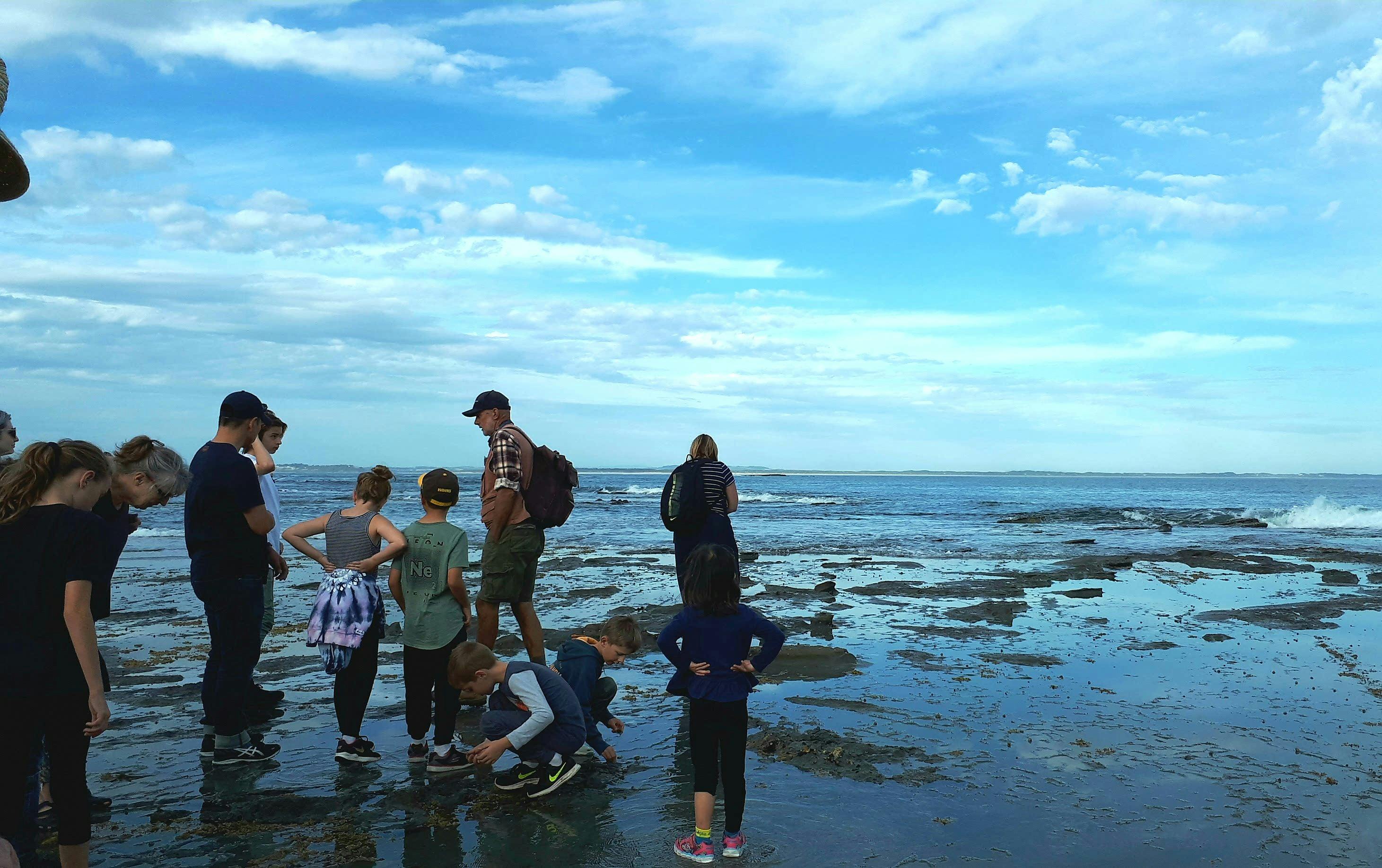
Rock Pool Ramble at Flat Rocks, Inverloch
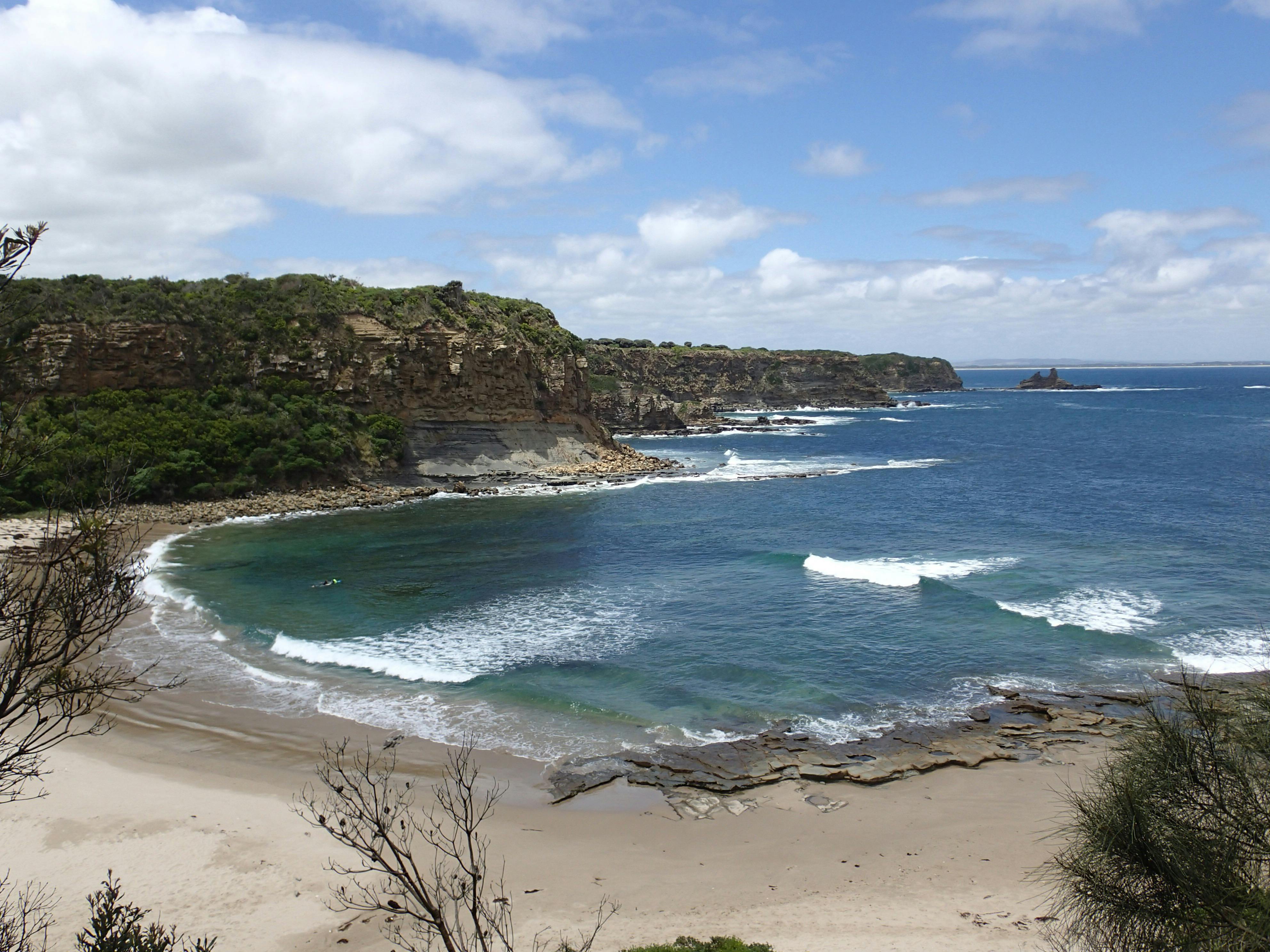
Explore the magical rock pools of the Bunurong Coast at low tide.
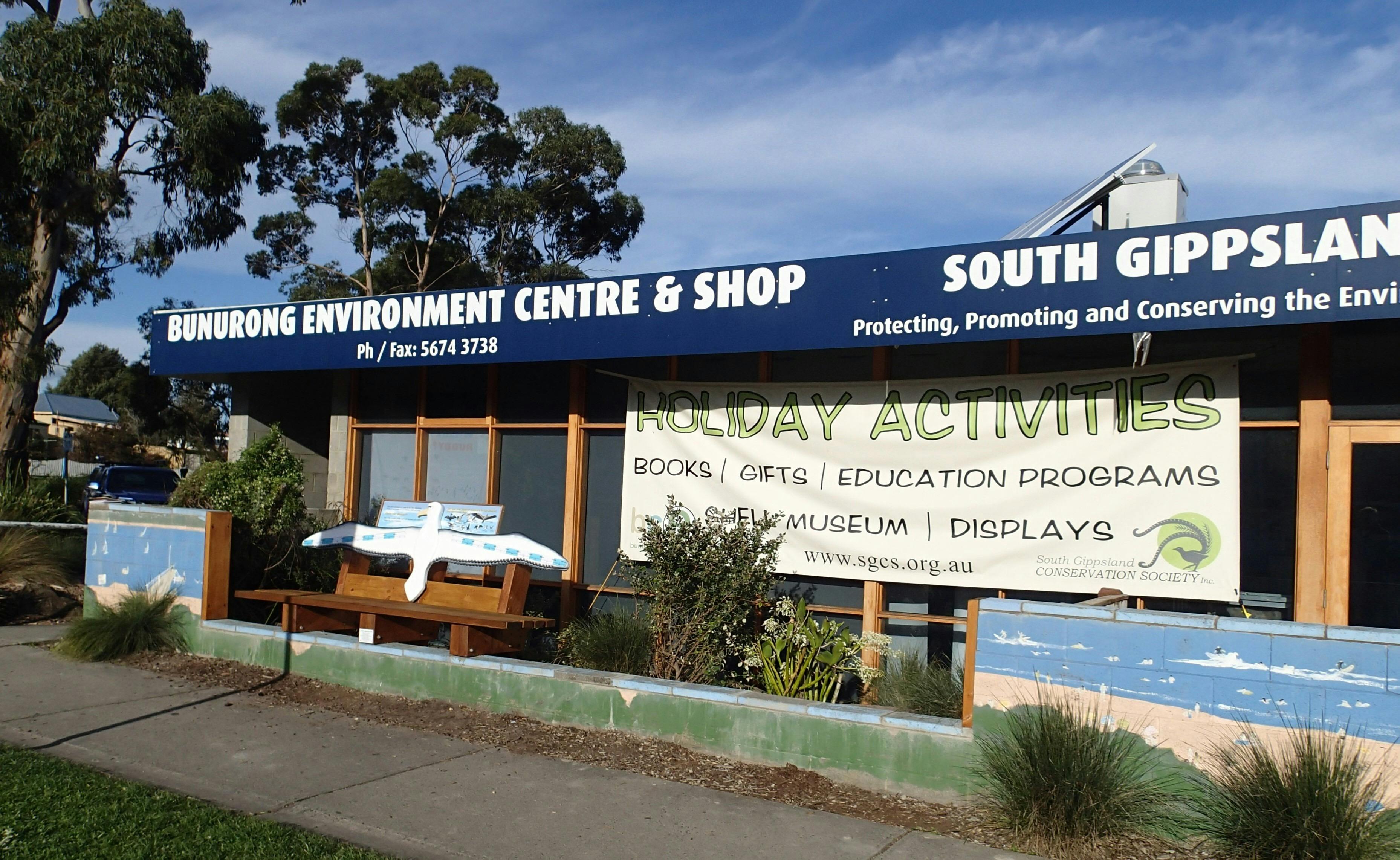
The experience begins with an introduction and safety briefing at the Bunurong Environment Centre in Inverloch where you learn about the amazing marine life that lives on the Bunurong Coast in the Bass Coast area of South Gippsland.
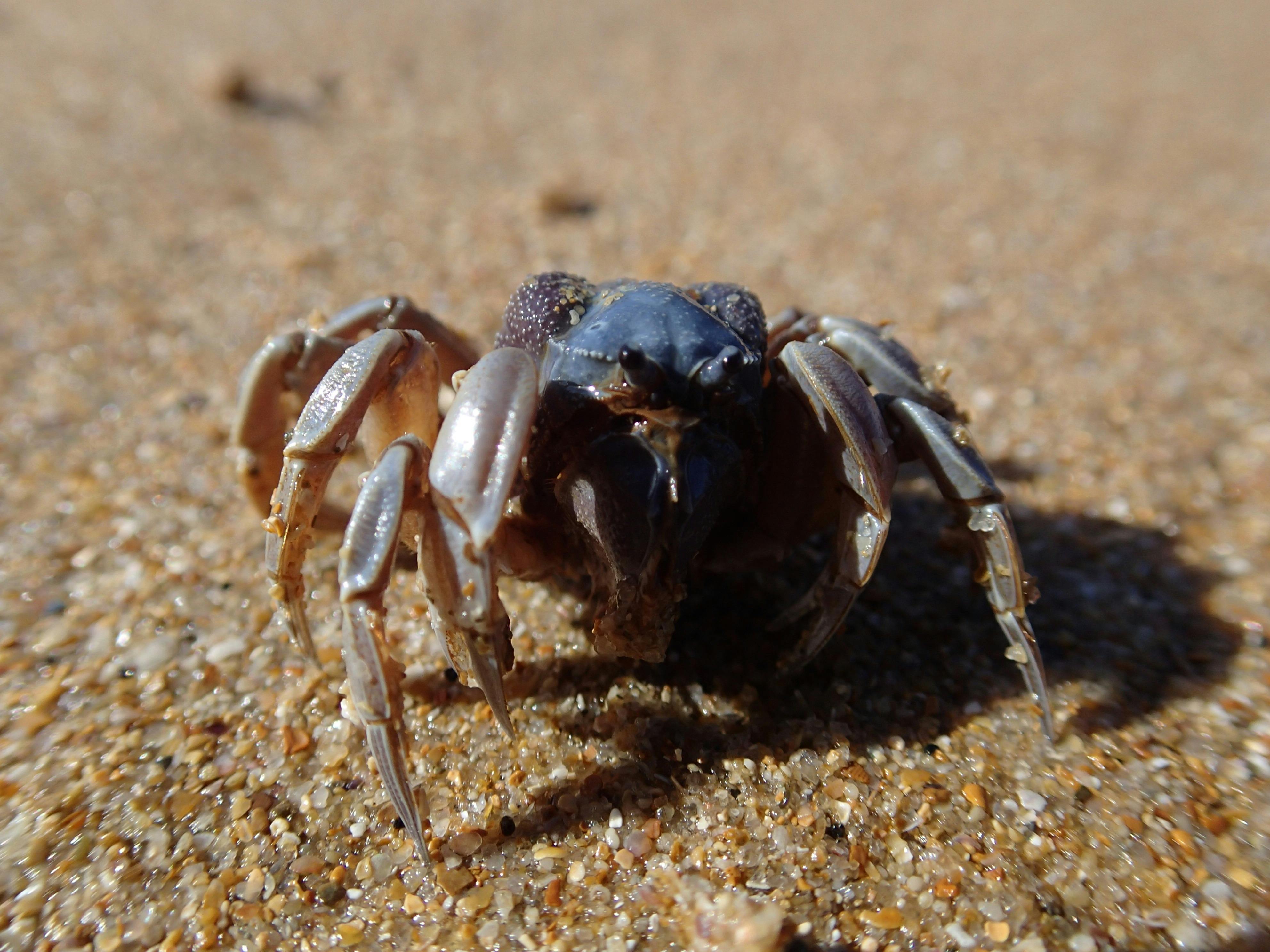
Discover the incredible variety of marine life: Sea stars, crabs, marine snails, anemones, small fish, elephant snails, colourful seaweeds, grasses, marine sponges and more.
You then travel to Flat Rocks about six minutes away on the Cape Paterson Road, to explore the rock platforms with their experienced Marine Guide.
You might be lucky to see a foraging octopus or their largest sea star.
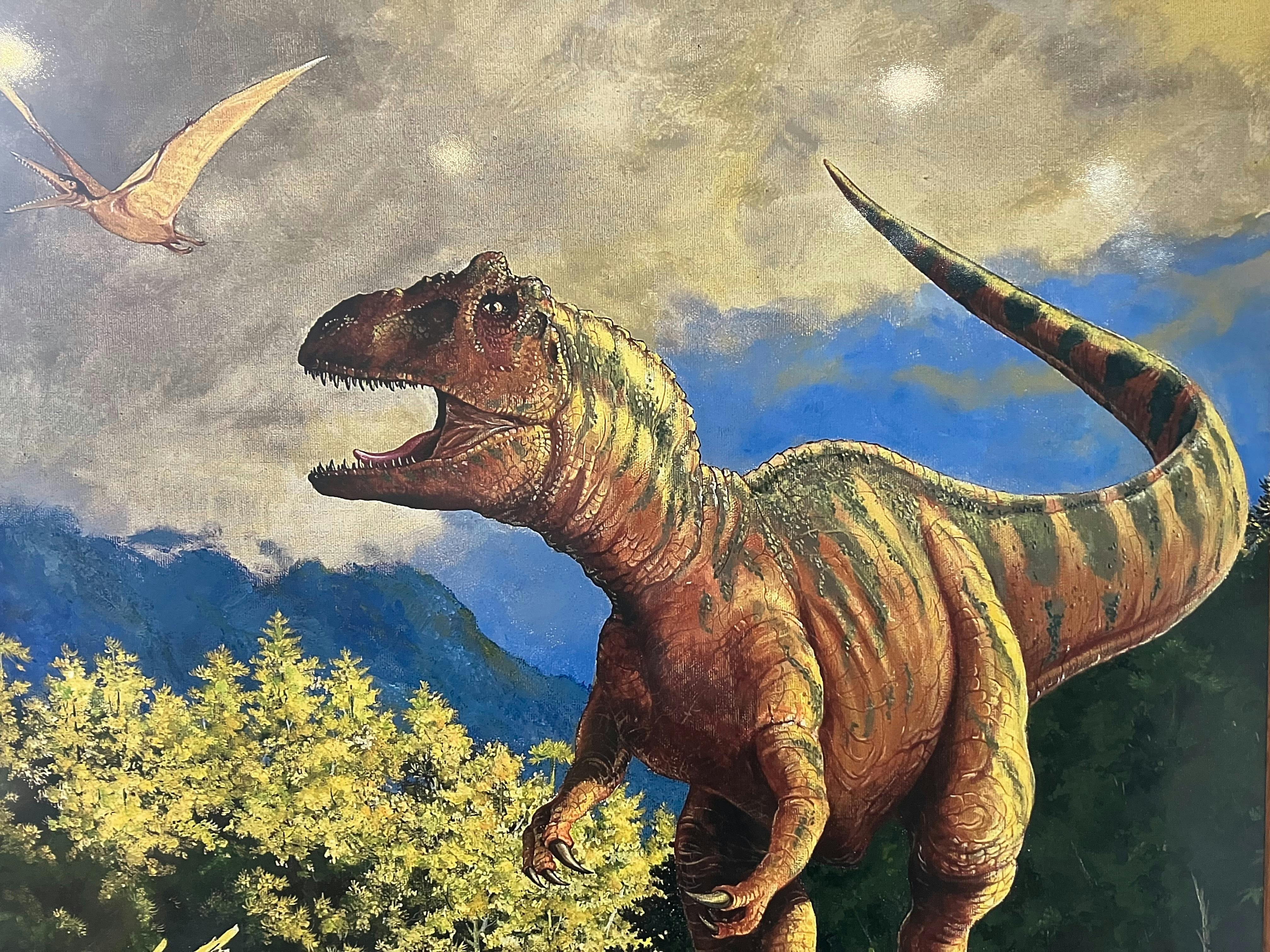
Dinosaur Discovery – Palaeo Laboratory
This is a laboratory activity suited to budding palaeontologists.
Learn how to find and identify Australian dinosaurs, get up to date with the latest paleontology research and make your own dinosaur fossil.
You will get hands on and make a plaster replica of either a dinosaur footprint, the first fossil found in Australia, an Ammonite, or a Dinosaur Claw.
While the plaster is drying, participants will travel under five minutes to Wallace Avenue Community Park in Inverloch to break open rocks in a search for new fossils.
You get to keep any fossils you find.
You will then return to the Bunurong Environment Centre to paint your replica, ready for your to take home.
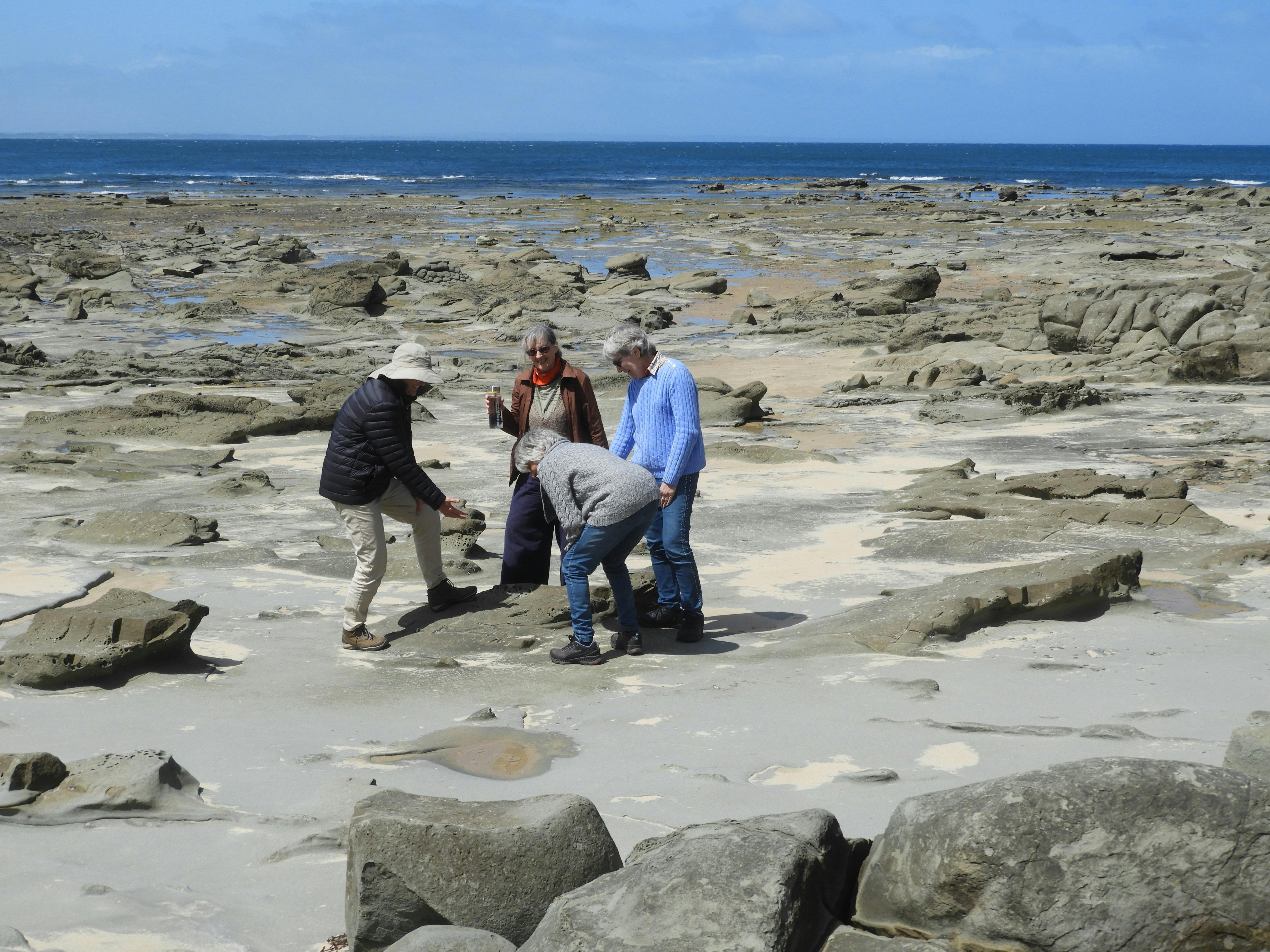
Dinosaur Discovery at The Caves, Inverloch
You will discover the dinosaurs that roamed the Bass Coast region and join the hunt for dinosaur fossils., you will also see a dinosaur footprint on the rock platform.
This session is presented by an Education Officer from Bunurong Environment Centre.
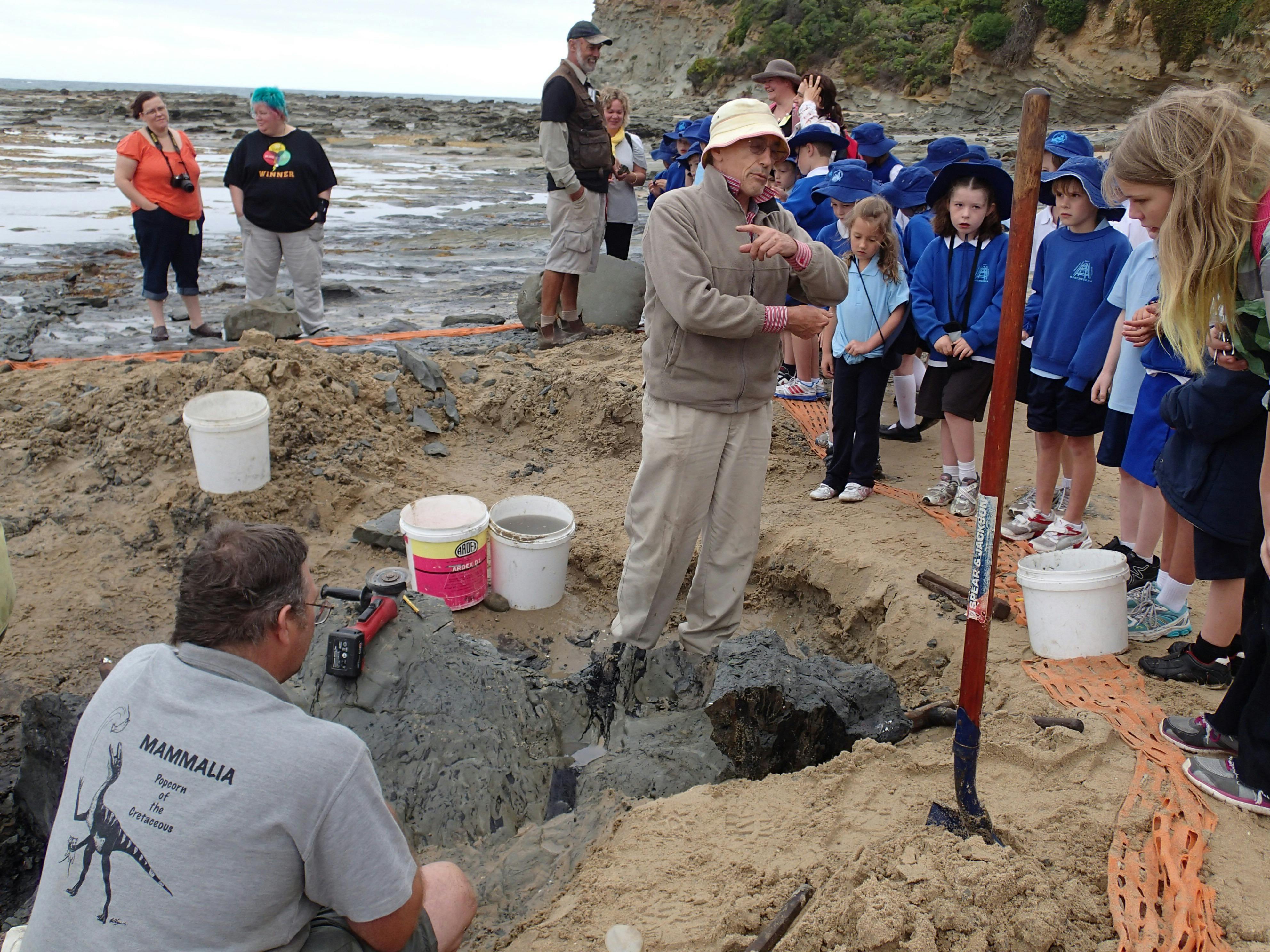
You will see fault lines from ancient earthquakes and petrified trees from the age of the dinosaurs, followed by rock breaking to possibly find a fossil yourself.
Following an introduction to the activity and a safety briefing, you will travel to The Caves on the Cape Paterson-Inverloch Road about five minutes away.
Participants will need their own transport and footwear suitable for the rock platform. Warm clothing will be needed in cooler weather and sun protection should be worn.
After exploring The Caves, rock breaking is held at the Wallace Avenue Community Park in Inverloch.
Rock breaking hammers supplied or bring your own.
The Education Officer will provide you with directions to The Caves beach and Wallace Avenue Community park during the briefing.
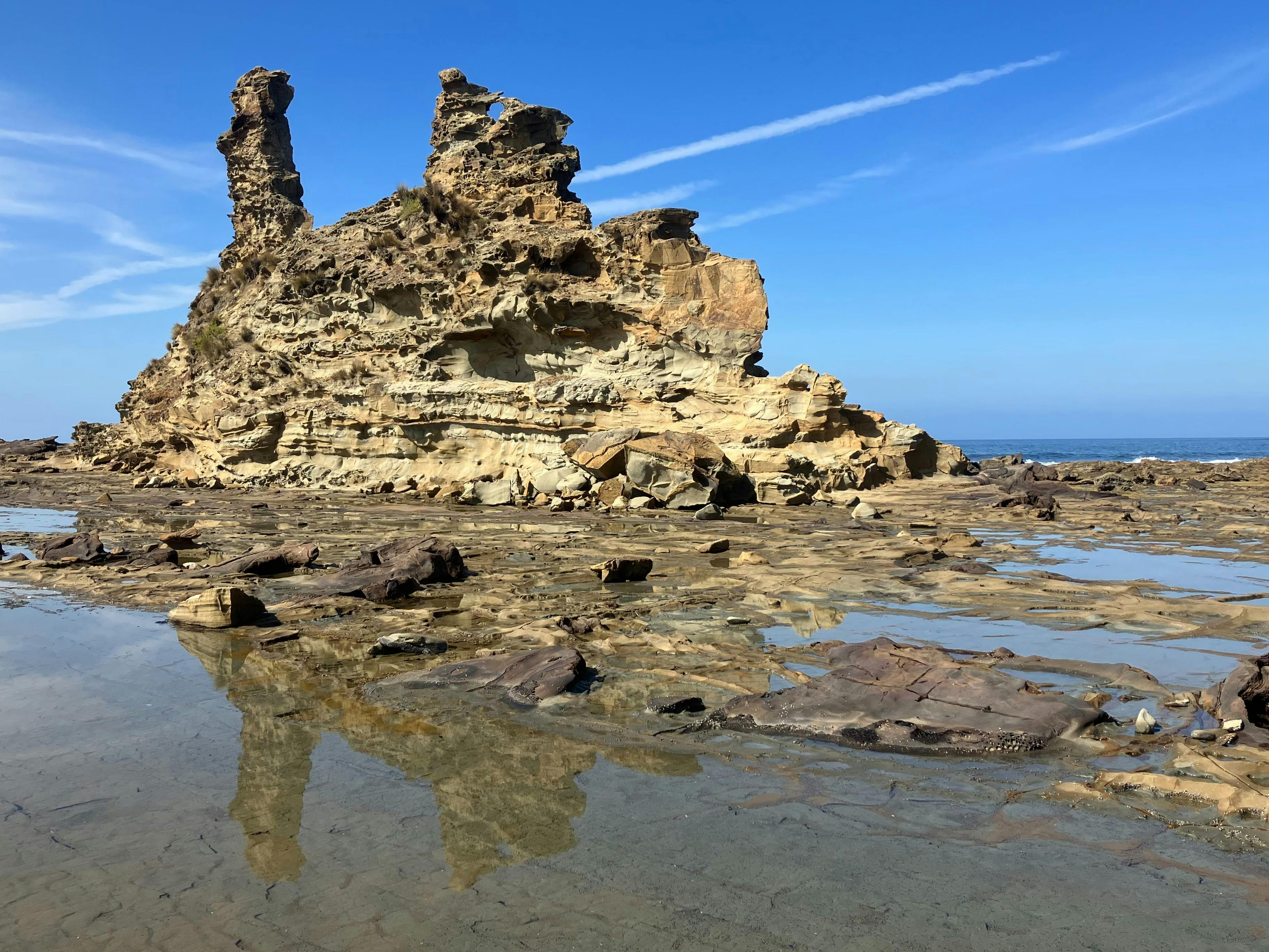
Dinosaur Discovery at Eagles Nest
You will visit Eagles Nest, the site of Australia’s first dinosaur bone discovery.
The Cape Paterson claw is recognised as the first dinosaur bone/fossil discovered in Australia. Found by geologist William Ferguson on May 7, 1903, near Eagles Nest (between Cape Paterson and Inverloch, Victoria), this Early Cretaceous theropod claw was initially thought to be a tooth, but later identified as a dinosaurian claw.
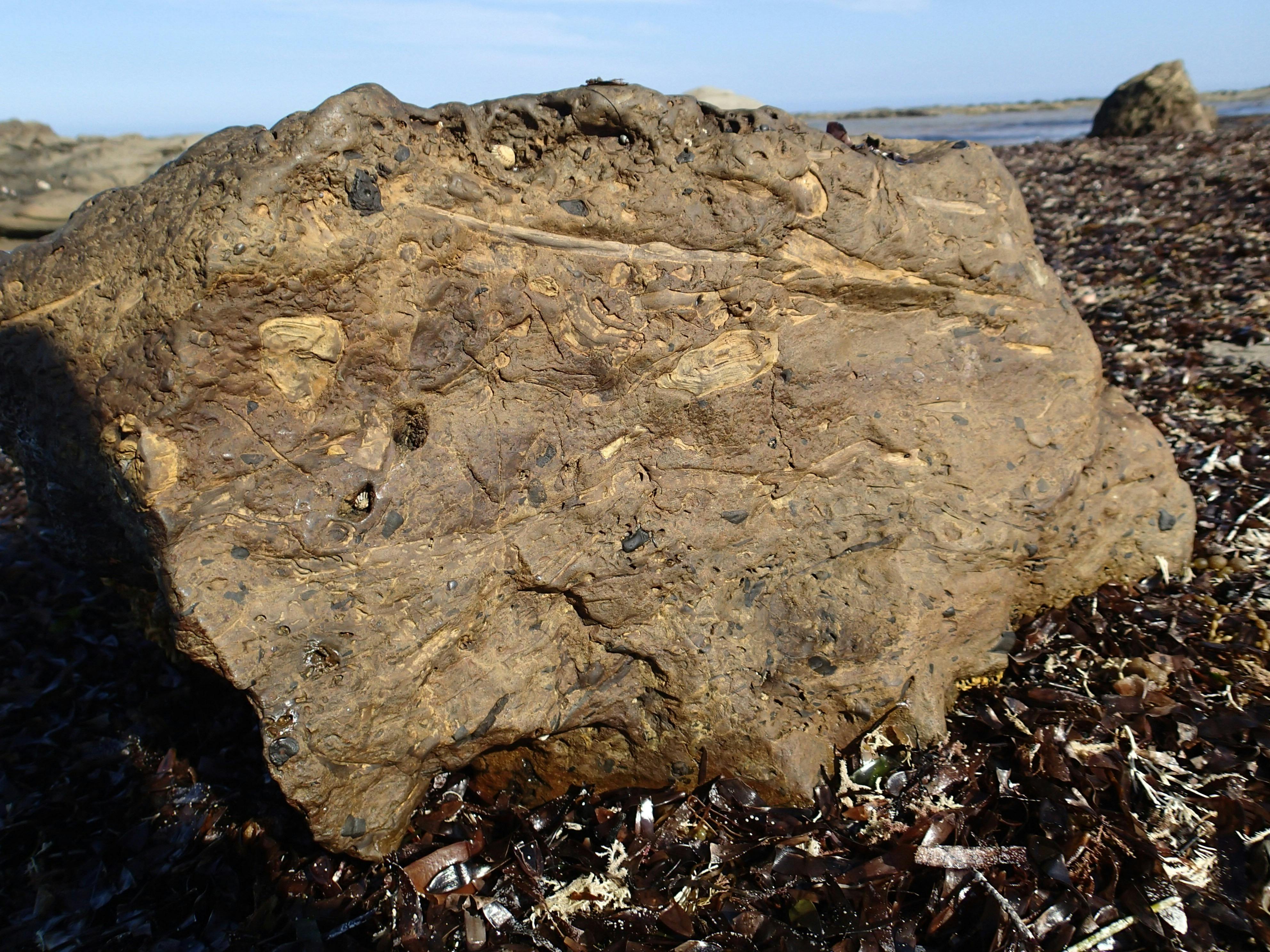
You will also see fault lines from ancient earthquakes, petrified trees and hunt for fossils yourself.
Following an introduction to the activity and a safety briefing the group will go to Eagles Nest about seven kilometres away.
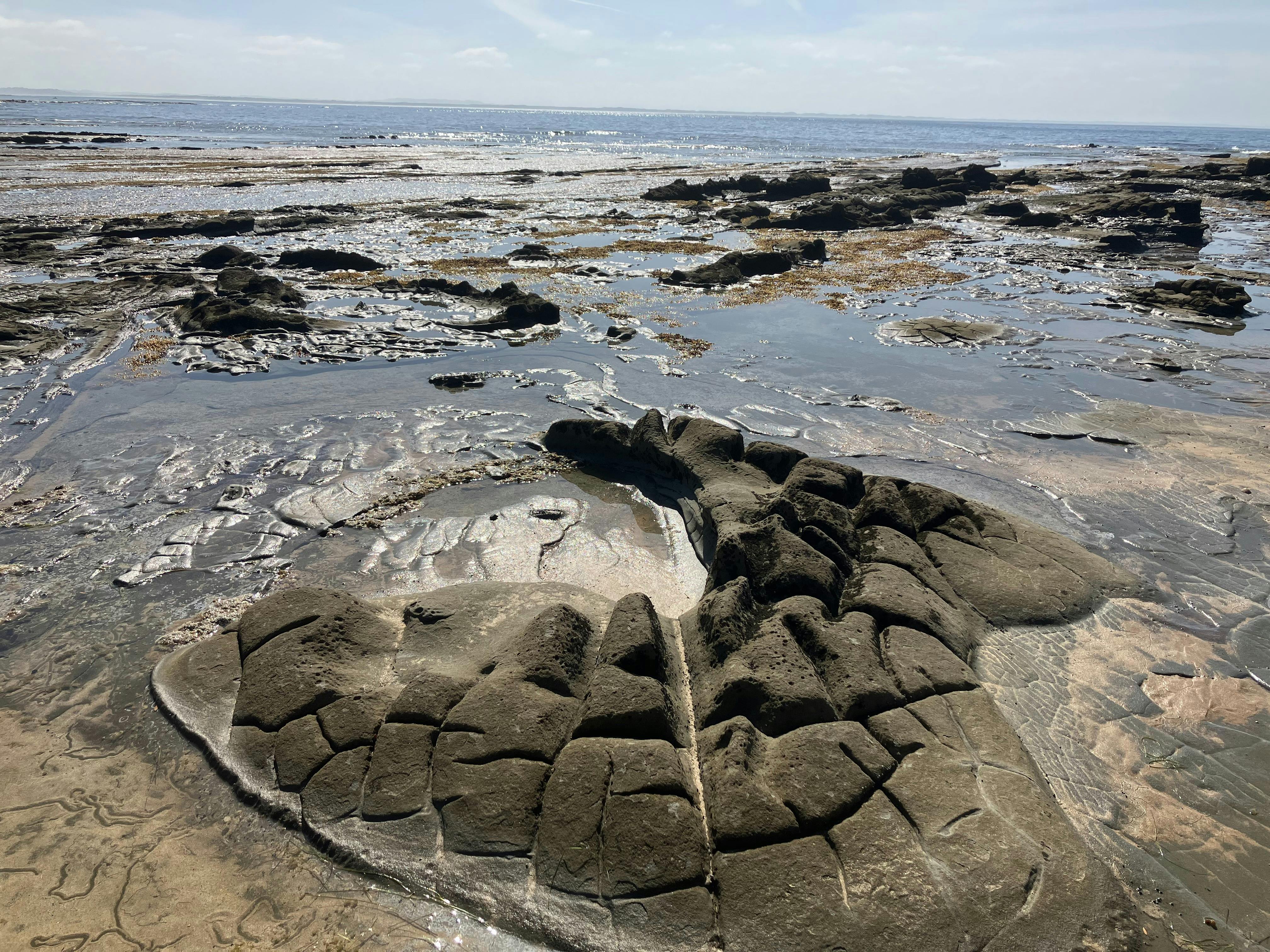
Dinosaur Discovery at Flat Rocks
A special trip to Flat Rocks to see the Mary Anning fossil site, volcanic lava, fault lines from ancient earthquakes and petrified trees.
You will be sure to find samples of petrified wood while hunting for dinosaur fossils.
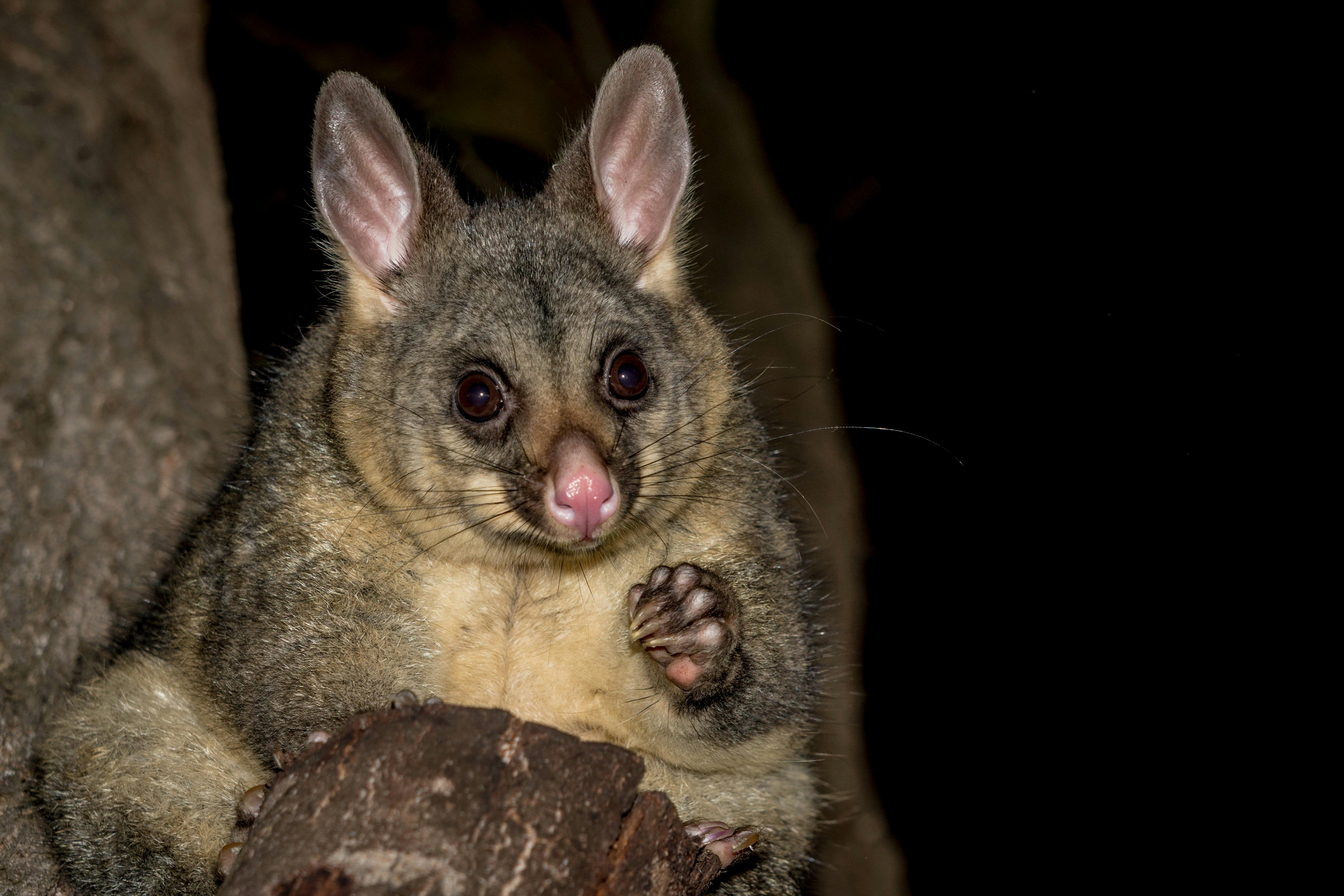
Wildlife of the Night – Spotlighting
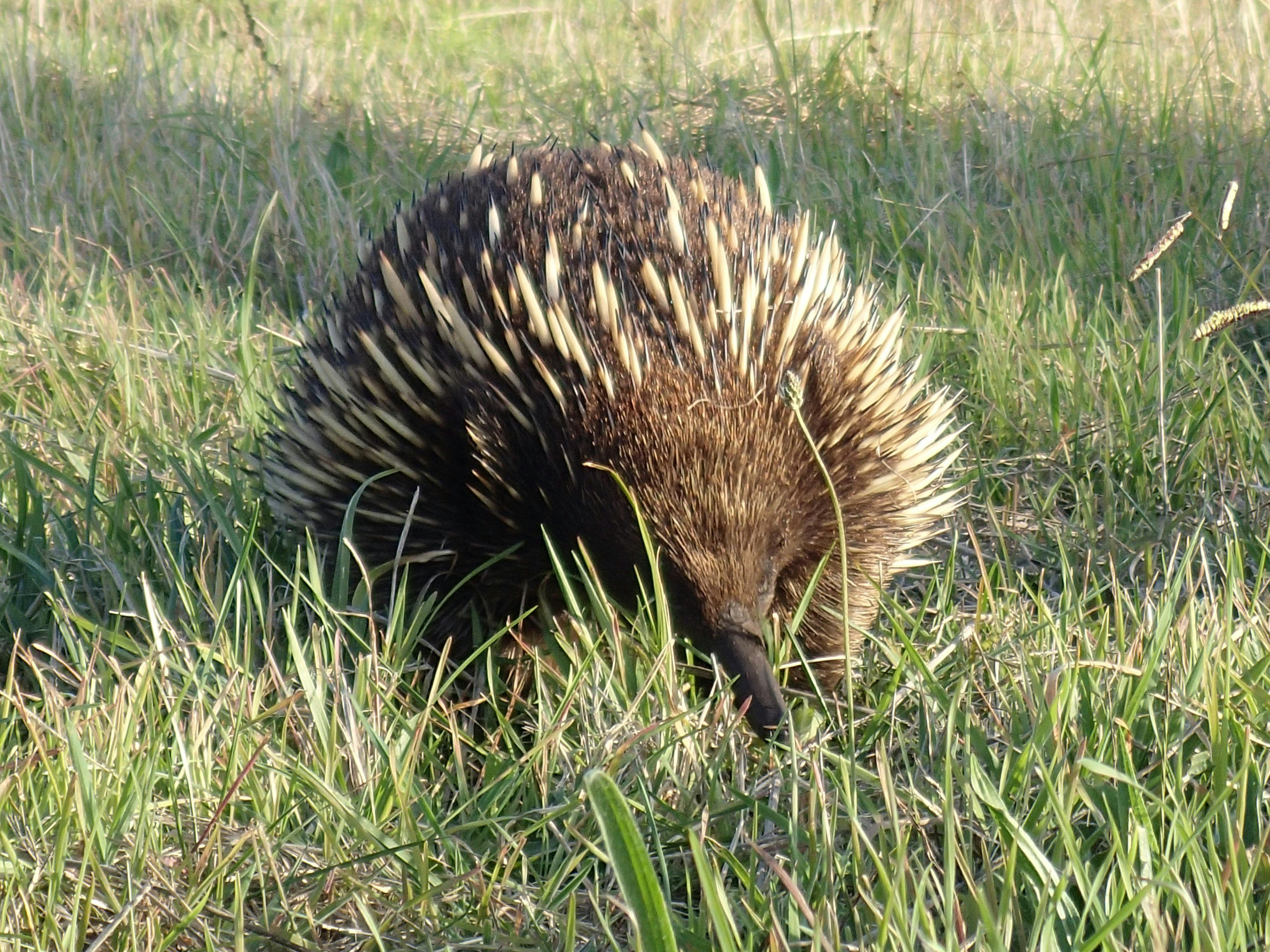
Most of Australia’s small mammals are nocturnal with approximately 70% of all Australian mammal species active after dark and the best time to see them is at night.
One of the best ways for you to see them is to go spotlighting at night in Inverloch.
Here in Inverloch, they are fortunate to have a unique habitat that is home to many interesting animals. You will have the opportunity to see their local Strzelecki Koalas, possums, native bush rats and water rats, owls (can be spotted once their calls are heard), gliders, wombats, and micro bats, which emerge at or after dusk to forage.
They can also do a little bit of astronomy weather permitting.
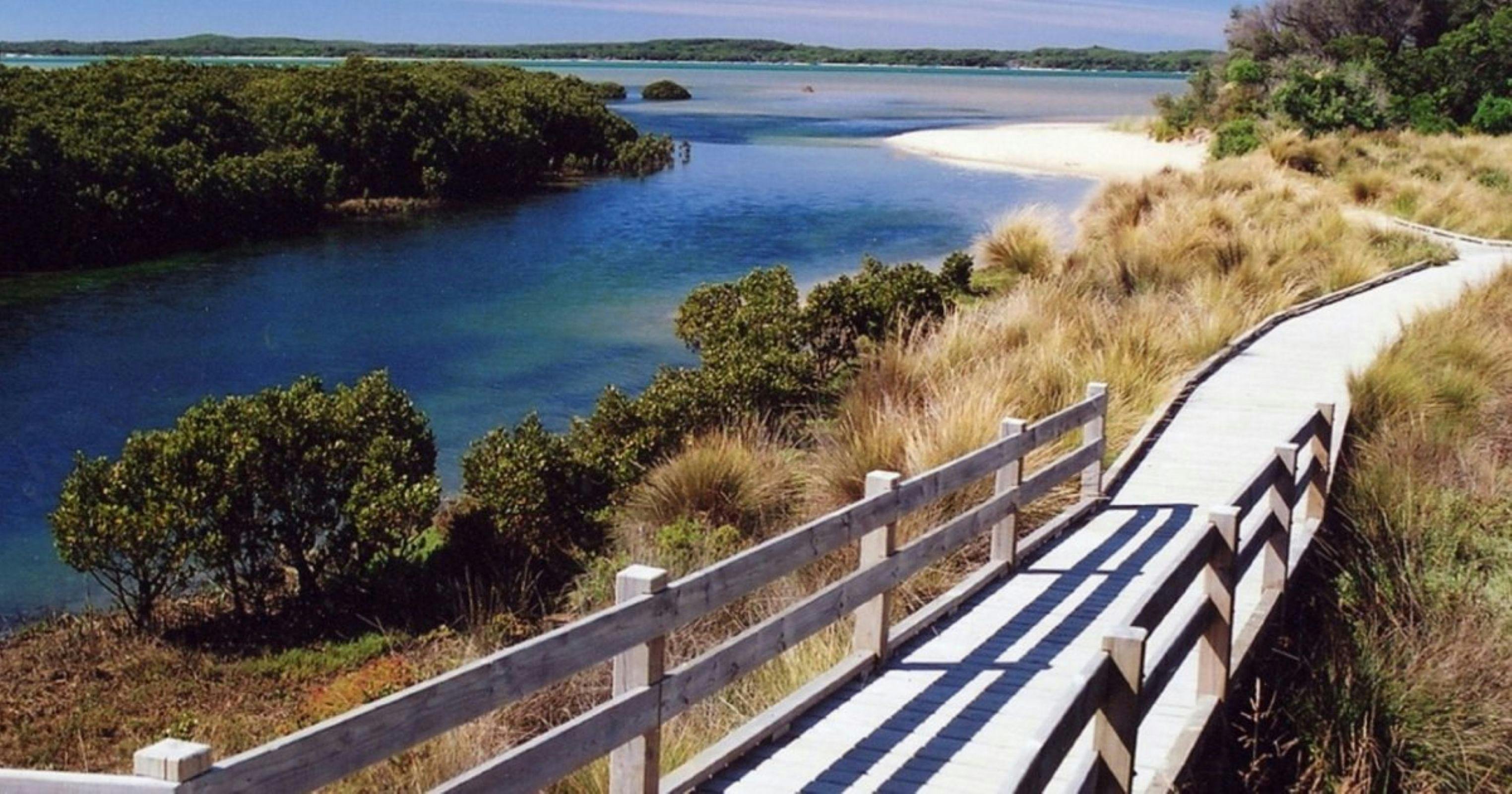
Explore the living wonders of Screw Creek, Inverloch
Explore the dynamic estuarine areas of Screw Creek at Anderson’s Inlet, Inverloch, where you’ll find coastal scrub, open woodlands, mangroves, saltmarsh and mudflats, along with inhabitants of Anderson’s Inlet, a significant site for wading birds, fish breeding and endangered species such as the orange bellied parrot.
Estuaries form a transition zone between river and ocean environments.
Subjected to tides, waves and the influx of seawater, as well as flows of freshwater and sediment, they are some of the most productive natural habitats in the world.
You will have an opportunity to use mist nets to sample critters of Screw Creek; beetles, fish fly (aquatic insects) crabs, worms, and our favourite the snapping shrimp.
Snapping shrimp measure in at a couple of centimetres, yet their snapping claw can grow to be half the size of their body.
Memberships
- Regional Tourist/Tourism Association/Organisation
- Visitor Information Centre
Plan more around this area
 Inverloch, VIC
 The Sandyplace
Welcome to The Sandyplace in Inverloch, a four-bedroom holiday home nestled in the beautiful coastal town. This comfortable house is perfect for families.
 Inverloch, VIC
BIG4 Ingenia Holidays Inverloch
BIG4 Inverloch Holiday Park is superbly situated on Anderson Inlet, close to the nearby attractions of Phillip Island and Wilson’s Promontory.

 Inverloch, VIC
 La Mer
Boasting four bedrooms, two and a half bathrooms, gourmet kitchen, large sun deck and outdoor courtyard areas this beautiful home really does provide the ultimate
 Inverloch, VIC
 The Blue Bay
This three bedroom unit is decorated to suit the coastal feel of Inverloch.
 Inverloch, VIC
 Cozy and Modern Home in the Cove
A cozy modern beach home located in a quiet court only a 15 minute walk to the surf beach and with features that the whole
 Inverloch, VIC
 A Sand and Sea Retreat
Sand and Sea Retreat – Your Coastal Paradise Awaits. This Pet Friendly property is the perfect escape to the tranquil beauty of Inverloch and discover
 Jumbunna, VIC
 The Truffle House
The Truffle House is the jewel in the crown of Gippsland's most picturesque truffle farm, just 90 minutes from Melbourne CBD, in the rolling foothills
 Korumburra, VIC
 Burra Brewing Co
The Burra Brewing Co. is a microbrewery located in the beautiful rolling hills of Korumburra, the gateway to South Gippsland. Try a delicious wood fired

 Korumburra, VIC
 Tsuko Japan
At Tsuko Japan, one can enjoy the authentic flavours of real Japanese food. Many of the dishes offered here are inspired by the home-style cuisine
