
Zoo Foods School Holidays at Adelaide Zoo
Highlights
- Grab your binoculars and embark on a treasure hunt through Adelaide Zoo's diverse habitats.
- Explore the Zoo Foods Recipe Book to learn about animal diets and their health benefits.
- Solve puzzles and uncover clues to complete your wild-inspired recipes for home.
- Enjoy family-friendly facilities, including cafes and shops, enhancing your zoo adventure.
A Recipe for Wild Fun
These school holidays, enjoy a flavour-filled learning adventure at Adelaide Zoo.
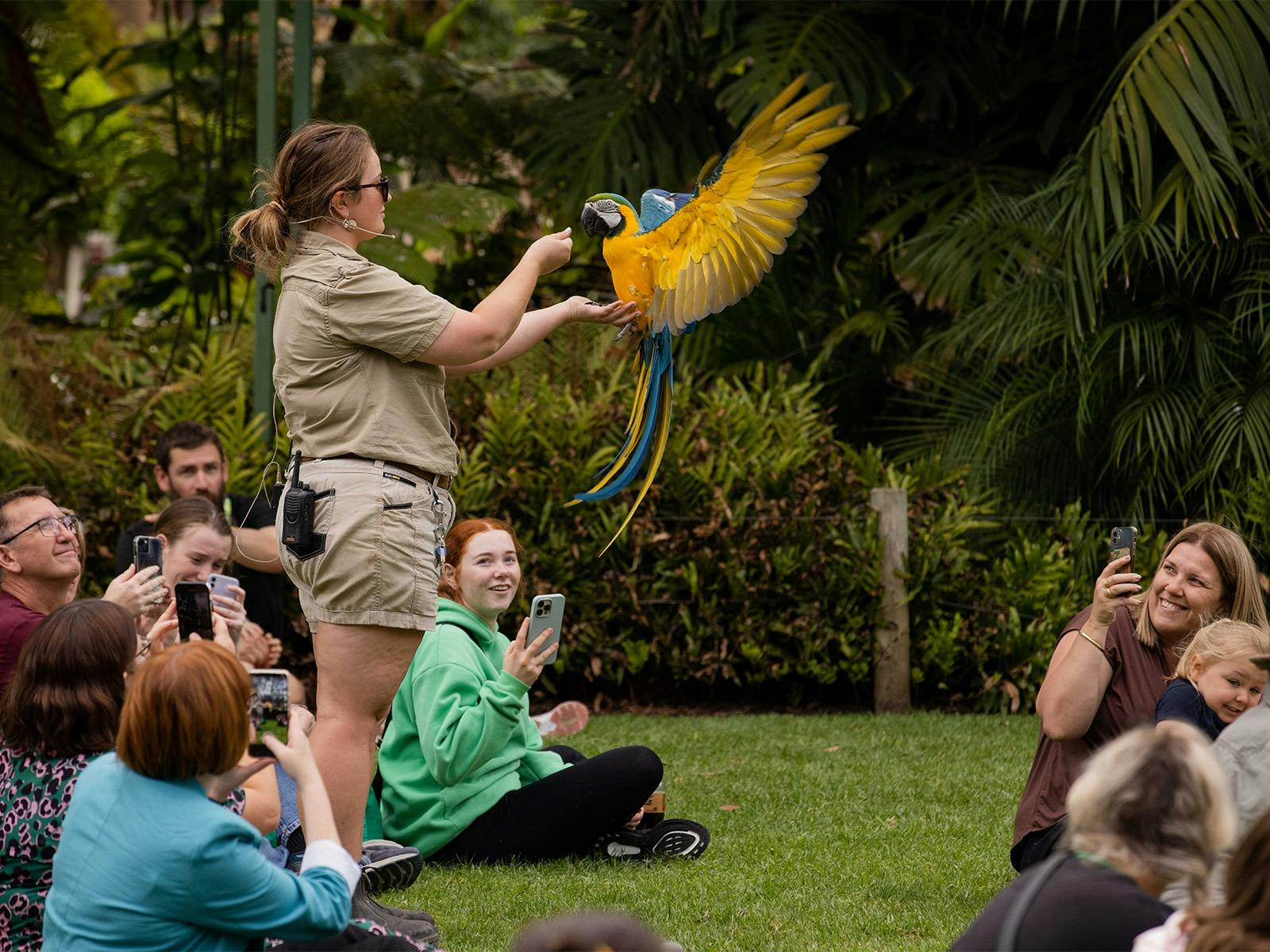
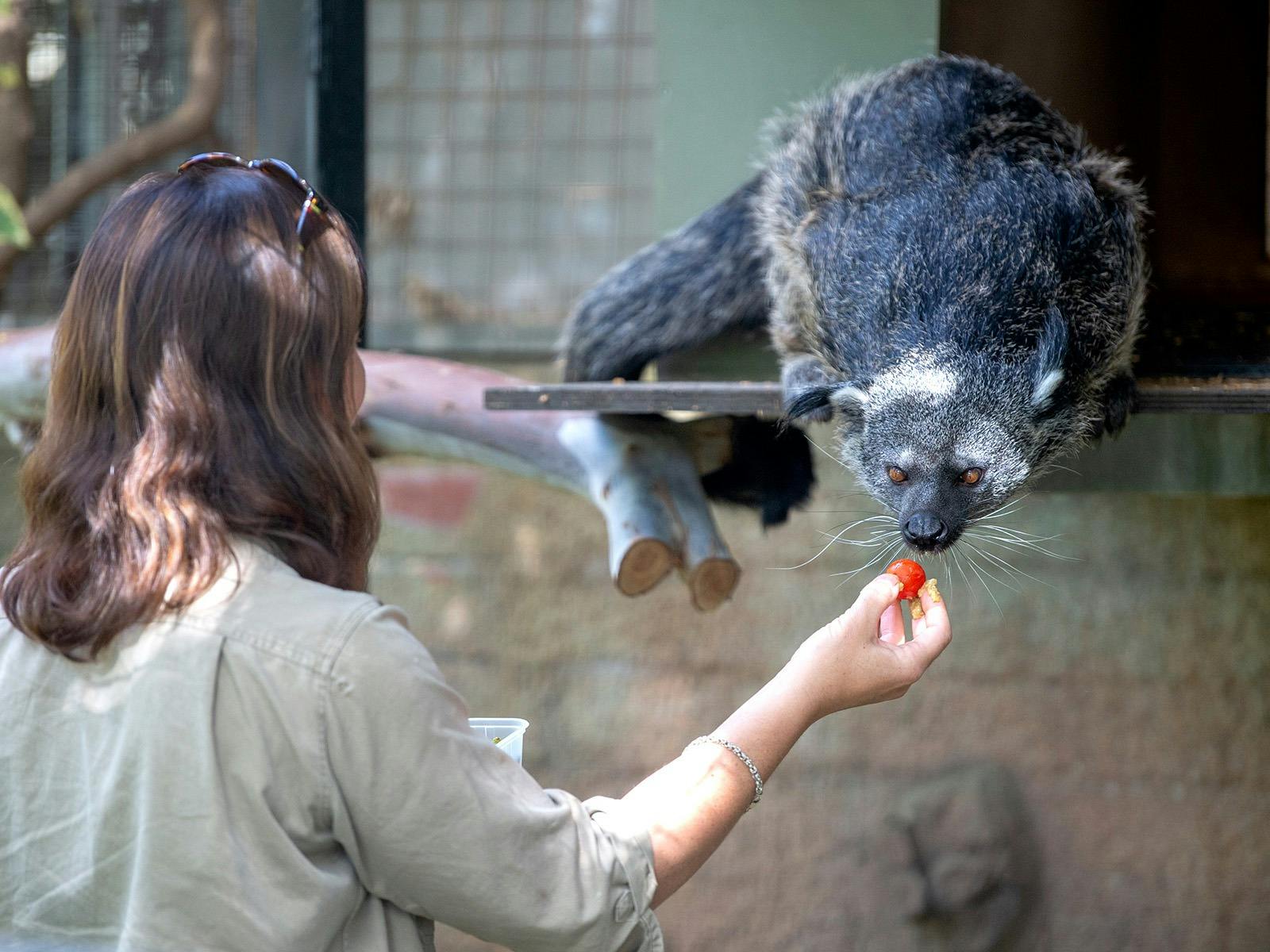
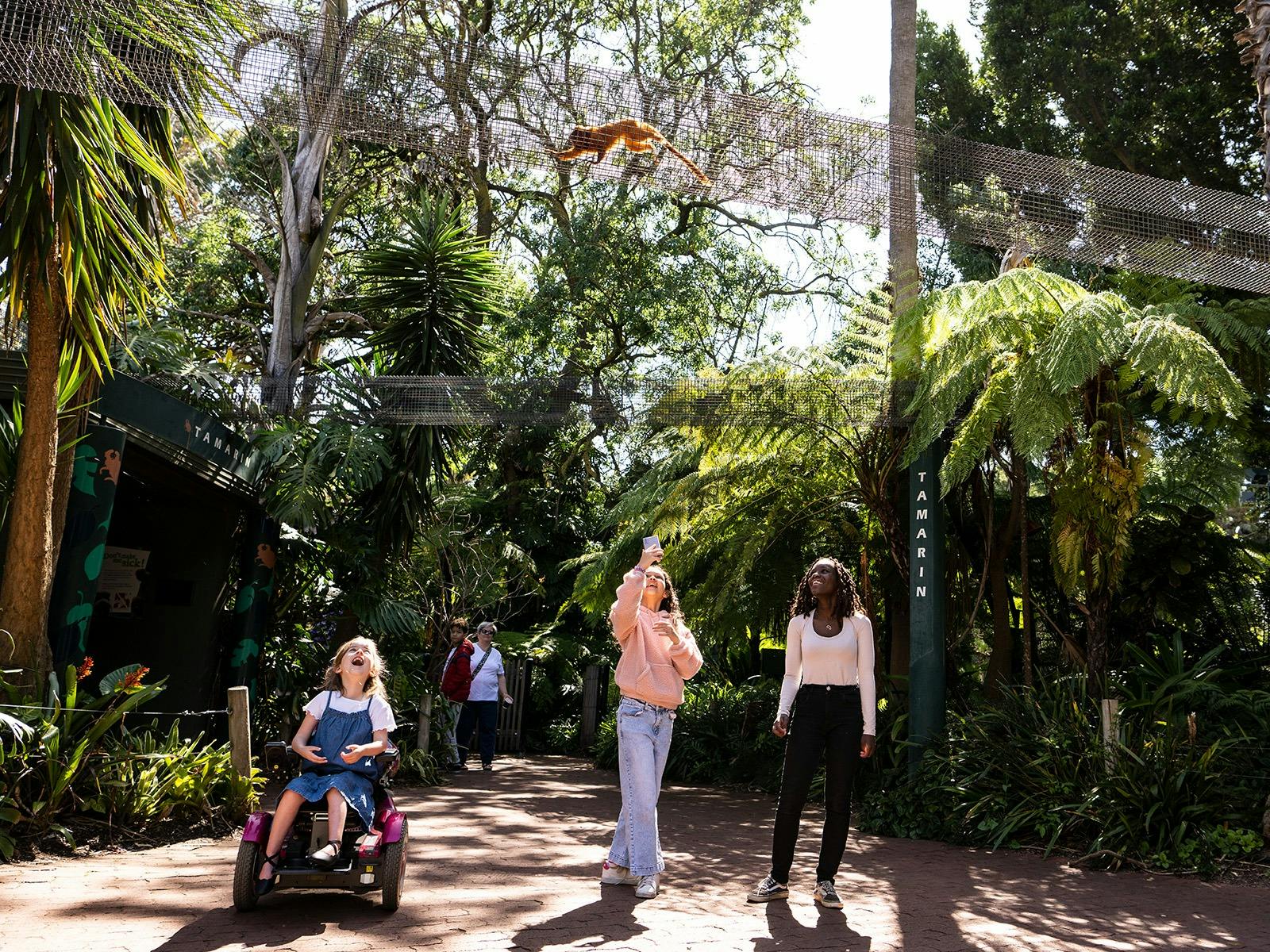
Pick up your Zoo Foods Recipe Book on arrival and explore as you discover what different animals eat and why it supports their health and wellbeing. From curious primates to scaly reptiles, each habitat reveals something new.
There’s just one catch. Some of your recipes are missing an ingredient.
As you explore, follow your booklet to complete activities, uncover clues and decode the missing ingredients. Solve the puzzles to finish your recipes, then take them home and recreate your own wild-inspired treats.
Perfect for families, this interactive experience brings together fun, learning and discovery.
Images and Video




Dates & times
- Next occurrence: reoccurring
Features
Actively welcomes people with access needs.
General access

- Offers multiple options for booking – web, email, phone is available.
- Offers a range of contact methods for receiving complaints.
- Companion Cards are accepted.
- Employs people with disabilities.
- Staff are trained in disability awareness.
Communication

Welcomes and assists people who have challenges with learning, communication, understanding and behaviour. (includes people with autism, intellectual disability, Down syndrome, acquired brain injury (ABI), dyslexia and dementia)
- Staff are trained in communicating with people with learning or behavioural challenges.
- Uses Plain English / easy read signage and information (includes menus and emergency information)
Vision

Caters for people who are blind or have vision loss.
- Uses easy to read fonts in their signage and communication materials (Helvetica and Arial).
Hearing

Caters for people who are deaf or have hearing loss.
- Staff are trained in communicating with people who are deaf or have hearing loss.
Physical – Mobility

Caters for people with sufficient mobility to climb a few steps but who would benefit from fixtures to aid balance. (This includes people using walking frames and mobility aids)
- Grab rails in the bathroom
- Seating in common areas including reception area
Physical – Wheelchair

Caters for people who use a wheelchair.
- Step free outdoor pathways (includes picnic areas, barbecues and shelters)
- A step free main entrance to the building and/or reception area (includes ramps or slopes with a maximum gradient of 1:14, otherwise are too steep for wheelchairs)
- Step free access to restaurant, lounge and bar
- Step free access to the conference or function room
- Lifts with enough space for people using a mobility aid to enter and turn around to use the lift buttons. Buttons are at accessible height.
- An accessible public toilet which is unlocked.
- A wheelchair accessible toilet / shower and change room is available.
- Wheelchair accessible picnic tables (picnic tables require 720mm knee clearance and 800mm maximum height).
- At least one wheelchair accessible parking space with wheelchair accessible signage clearly displayed (International standards are 3200mm wide x 2500 mm high).
- Wheelchair accessible transport options available in the general vicinity (provide information on name of the operator, phone and website link to individual providers for private vehicles, community transport train, mini vans, hire cars, buses, taxis, ferry, tram, light rail etc in their access statement).
Physical – High support needs

Caters for people with high support needs who travel with a support person.
- A bathroom which is fully accessible and equipped with ceiling hoist and adult change table.
- Have a Changing Places or Lift & Change toilet with a hoist and adult change table
Allergies and intolerances

Caters for people with allergies and intolerances.
- Modify their cooking and cleaning practices to cater for people with food allergies or chemical intolerances (could include menus with meals free from: nuts, dairy, seafood, eggs, gluten etc).
- Staff are trained to respond to allergic reactions.
- Equipment to respond to anaphylactic shock such as epi–pens and defibrillator.
Plan more around this area
 North Adelaide, SA
Majestic Minima Hotel
Opened in 2008 the Majestic Minima Hotel is being transformed into a creative space for guests and artists.
 Adelaide, SA
Adelaide Mansions Serviced Apartments
Adelaide Mansions Serviced Apartments provides stylish hotel-quality living with more space, privacy and facilities than you'll find in any nearby accommodation.
 Adelaide, SA
Majestic Roof Garden Hotel
The award-winning 4.5-star Majestic Roof Garden Hotel is only metres from the bars, restaurants and shopping of Rundle Street.
 Adelaide, SA
 Swainson on Bent
This apartment features a 100% Cleanliness and Satisfaction Guarantee. Only steps away from Adelaide's premier streets for shopping, restaurants and night-life

 Adelaide, SA
Pullman Adelaide
Adelaide’s premium 5-star hotel in the heart of the city.

 Adelaide, SA
 Swainson on Hindmarsh
This top-floor apartment is completely furnished and has views of both the Eastern hills and the Western beaches. You will want to look at this
 North Adelaide, SA
 The Spot on Melbourne
Established since 2016, The Spot on Melbourne is a modern Vietnamese restaurant in North Adelaide. Provide authentic Vietnamese food and beverage. Using only fresh produce,
 Adelaide, SA
 Ballers Clubhouse Adelaide
Welcome to Ballers Clubhouse Adelaide – where the fun never stops and the good times roll on!
 Adelaide, SA
 Africola
AFRICAN RESTAURANT LOCATED ON EAST TERRACE, ADELAIDE. COMPACT, SIMPLE SHOP WITH A WESTERN SOUNDTRACK, AFRICAN-INSPIRED VEGETABLES, GRILLED AND SMOKED MEATS, FLATBREADS, PICKLES AND NATURAL WINE.
 North Adelaide, SA
 URCaffe
Small cafe tucked away on Melbourne Street NorthAdelaide established in 2011, serving great coffee roasted by local roaster and scrumptious brunch.
 Adelaide, SA
 OZIN
OZIN is a sophisticated fine dining restaurant located in the heart of Adelaide’s vibrant East End offering a unique gastronomic experience.
 North Adelaide, SA
 ChulPan
A family-friendly Korean restaurant serving a wide variety of authentic Korean dishes, from dakgalbi and kalguksu to Korean fried chicken, in a warm and welcoming
