Melrose Heritage Museum
Highlights
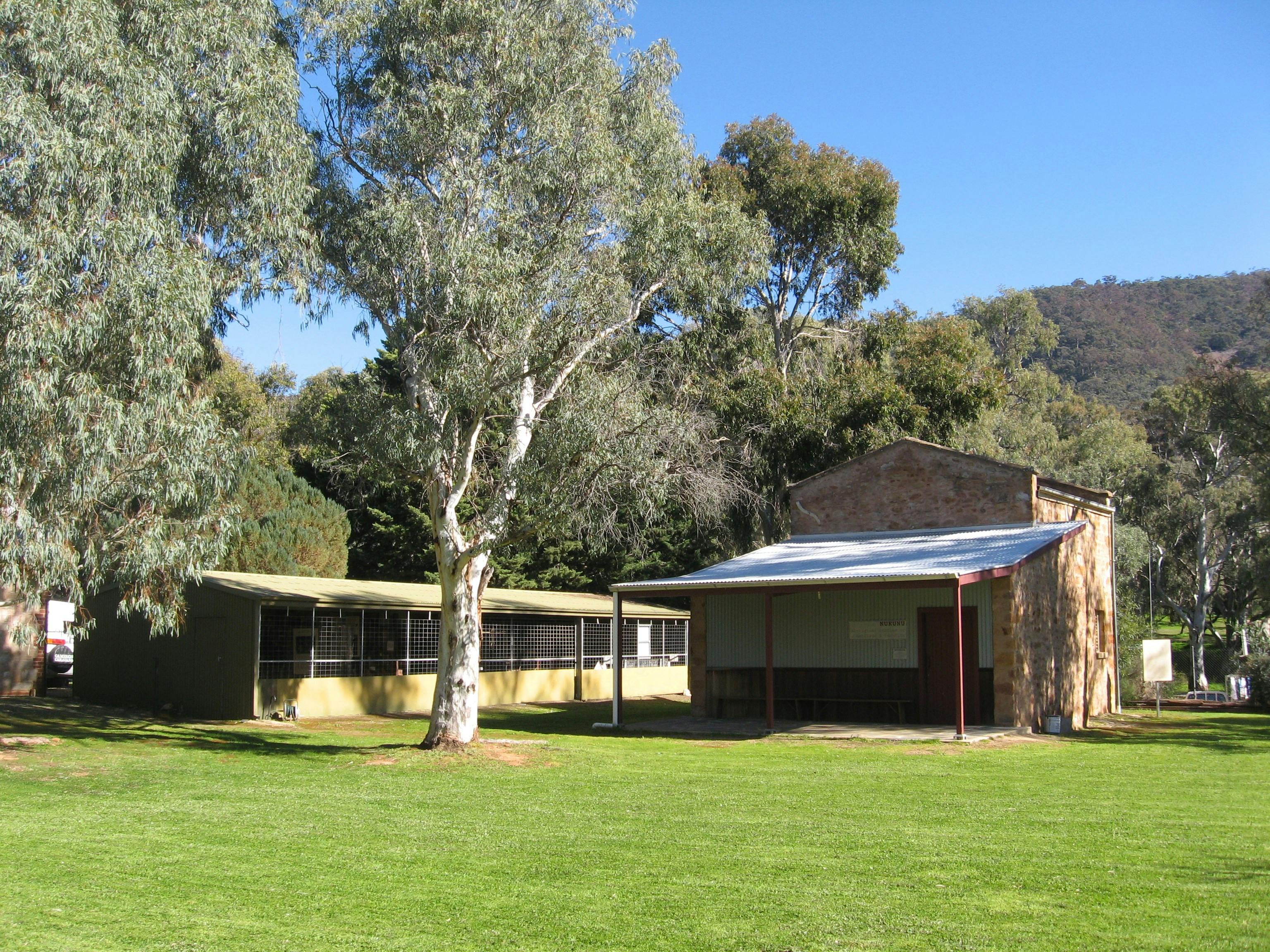
- Explore five authentic buildings that reveal the rich history of Melrose and its pioneering past.
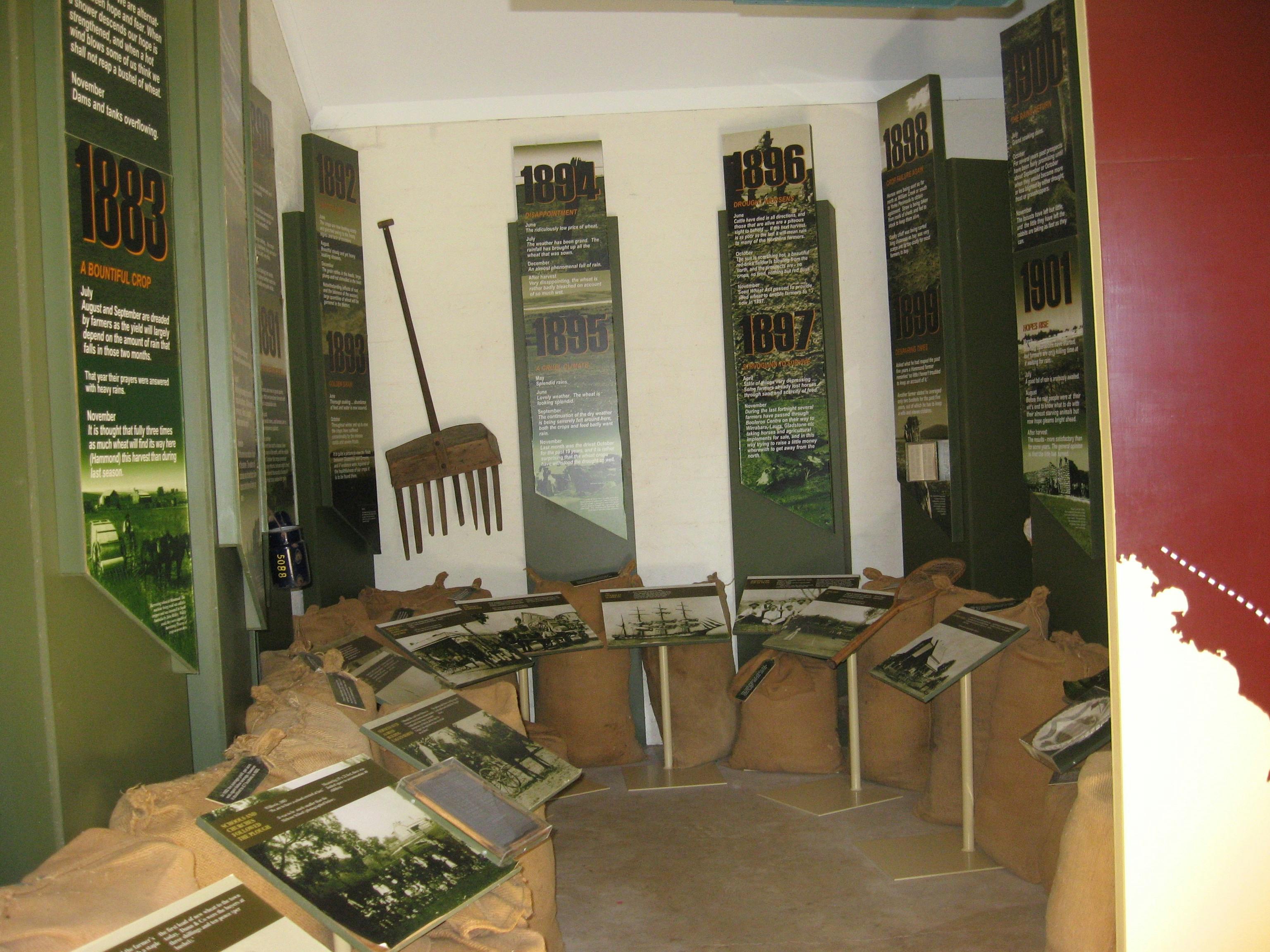
- Discover the hardships faced by early settlers through engaging exhibitions and audiovisual presentations.
- Wander through gardens and picnic areas, enjoying a family-friendly atmosphere in a historical setting.
- Learn about Goyder's Line and the Nukunu Aboriginal people's story, connecting with local heritage.
The Melrose Heritage Museum is an adventure into the past. Discover the history of this unique area by visiting the authentic exhibitions and audio visual presentations that tell the story of opening the north of South Australia, with the establishment in 1848 of the police and judicial presence at this site.
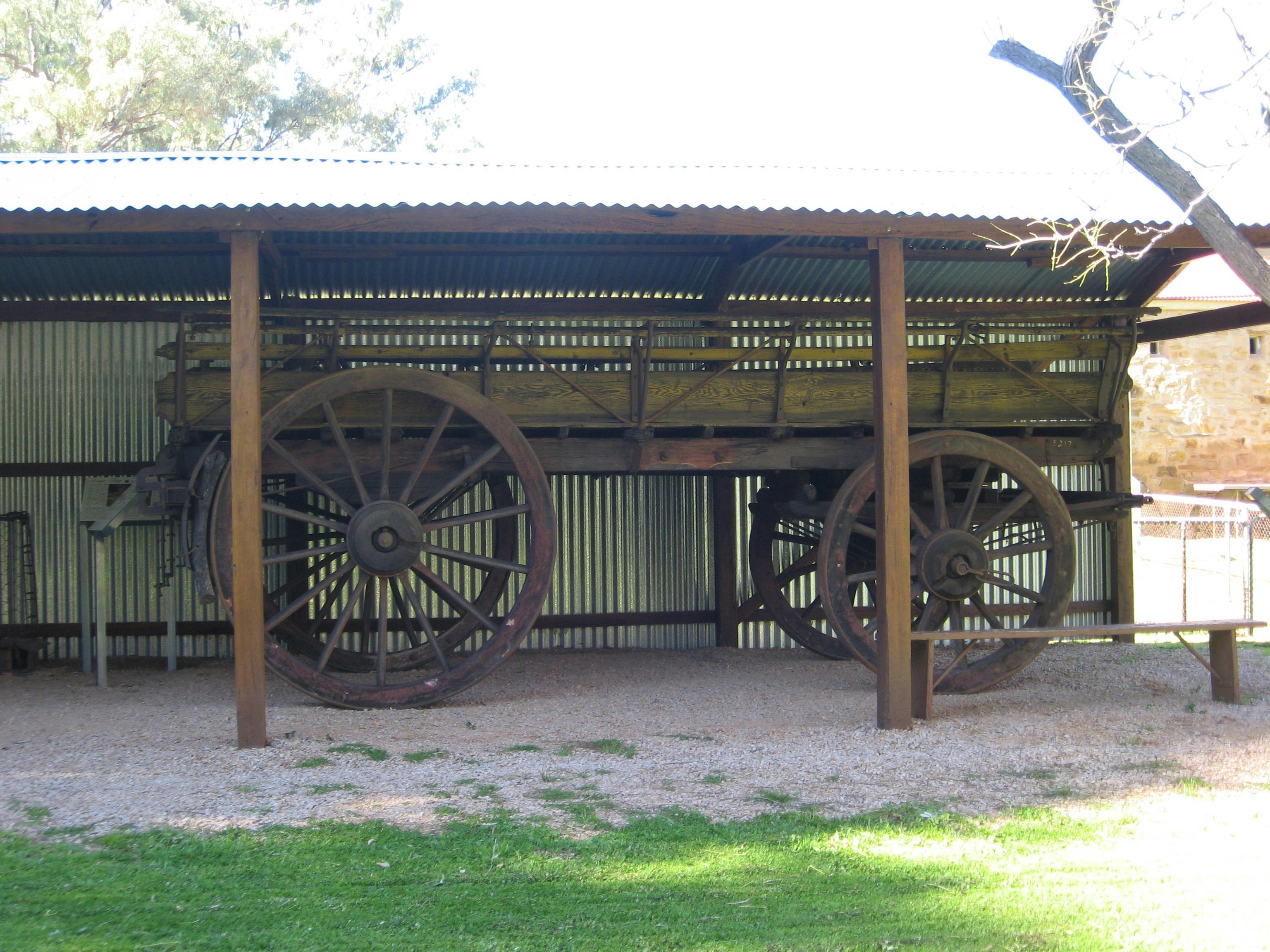
Learn about Goyder’s Line, which runs through this area, bringing to life the hardships the pioneers suffered. Experience all aspects of rural settlement, mining, workingmen’s blocks, a village settlement and a returned soldier-training farm. The story of the European pioneers and the Nukunu Aboriginal people are well interpreted. There are five buildings to explore.
Images and Video
Accreditations
- Australian Museums and Galleries Association
Features
Activities
Tags
Actively welcomes people with access needs.
General access

- Offers multiple options for booking – web, email, phone is available.
- Offers a range of contact methods for receiving complaints.
Communication

Welcomes and assists people who have challenges with learning, communication, understanding and behaviour. (includes people with autism, intellectual disability, Down syndrome, acquired brain injury (ABI), dyslexia and dementia)
- A quiet space is available at the venue/ facility.
Physical – Mobility

Caters for people with sufficient mobility to climb a few steps but who would benefit from fixtures to aid balance. (This includes people using walking frames and mobility aids)
- Uses floors/coverings which are slip resistant, firm and smooth
Physical – Wheelchair

Caters for people who use a wheelchair.
- Step free outdoor pathways (includes picnic areas, barbecues and shelters)
- A doorbell or intercom at an accessible height and display a contact number (accessible height is 900mm-1100 mm)
- A step free main entrance to the building and/or reception area (includes ramps or slopes with a maximum gradient of 1:14, otherwise are too steep for wheelchairs)
- Accessible seating areas in theatrette
- Wheelchair accessible picnic tables (picnic tables require 720mm knee clearance and 800mm maximum height).
Plan more around this area
 Wilmington, SA
 Alligator Lodge – Mount Remarkable National Park
This cottage is nestled in the park's natural landscape and overlooks the waters of Spalding Cove. This restored lodgings offers a great secluded seaside escape
 Mambray Creek, SA
 Mambray Creek Cabin – Mount Remarkable National Park
Mambray Creek Cabin is a simple, single-room cabin, nestled amongst magnificent red gums of Mount Remarkable National Park.
 Wilmington, SA
 Beautiful Valley Caravan Park
Wilmington's Beautiful Valley Caravan Park is adjacent to the spectacular Alligator Gorge set in natural bushland with self contained cabins of various standards.
 Laura, SA
 Beetaloo Grove
Beetaloo Grove is a rustic style bed and breakfast situated in Beetaloo Valley in the Southern Flinders Ranges just a short drive from Laura.

 Melrose, SA
Over the Edge Melrose Cafe
A bike shop and cafe, with a coffee machine that never turns off, serving home made goodies using local products.
 Melrose, SA
 Jacka Brothers Brewery
Established 1877 in the oldest town in the Flinders Rangers – Melrose. Now turned into a beautiful venue while capturing its former glory. The ground
 Wilmington, SA
 Wilmington Hotel
Wilmington Hotel is a country pub with Acocmodation available as well. Its a very old pub and the only pub in Town.
 Wirrabara, SA
 Julia's Kitchen @ The Old Bakery Wirrabara
Julia's Kitchen offers a range of old-fashioned bakery goods made in-house, including pies that won the "Regions Best" award – voted by the people.
