Johnson Lodge
Highlights
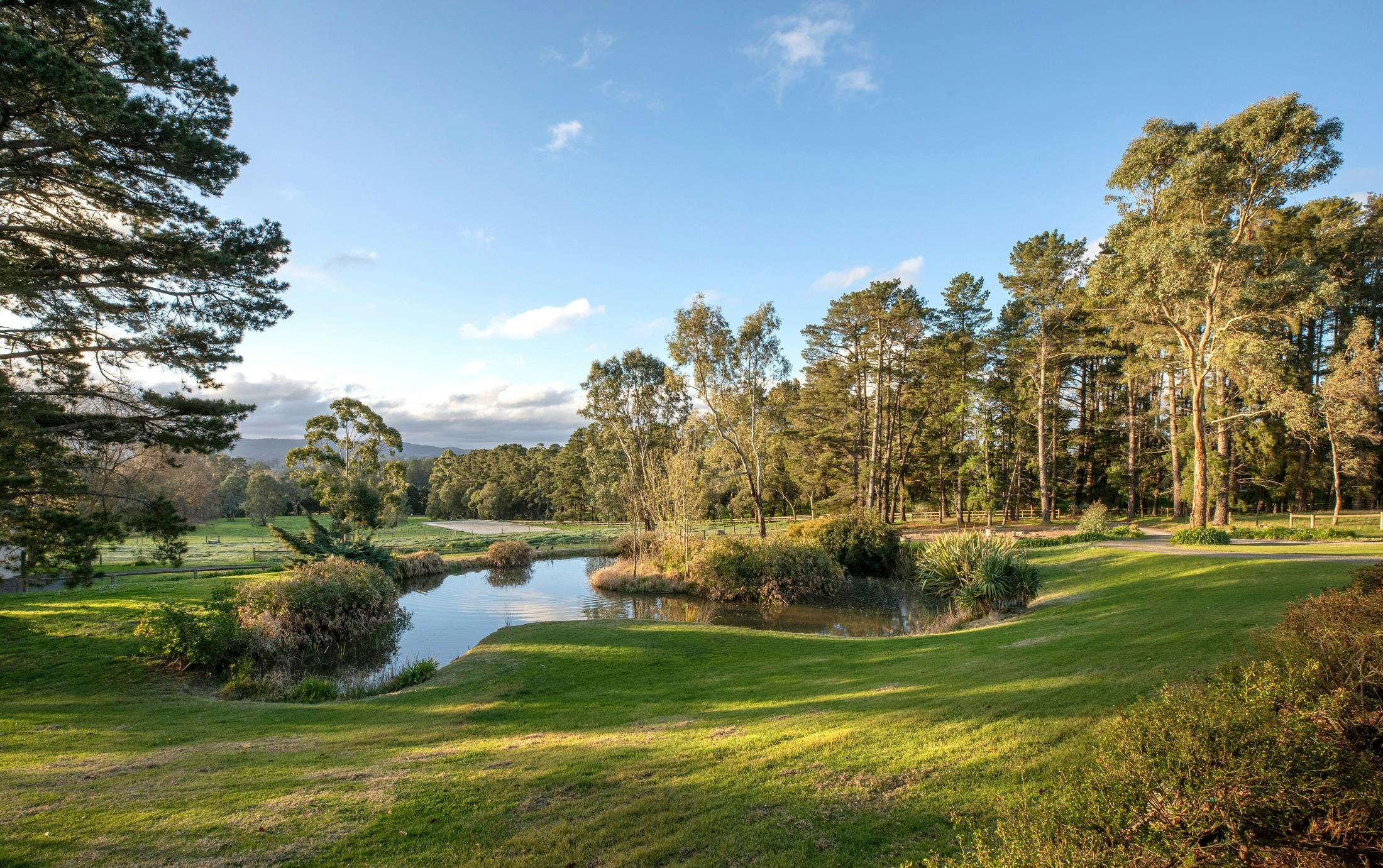
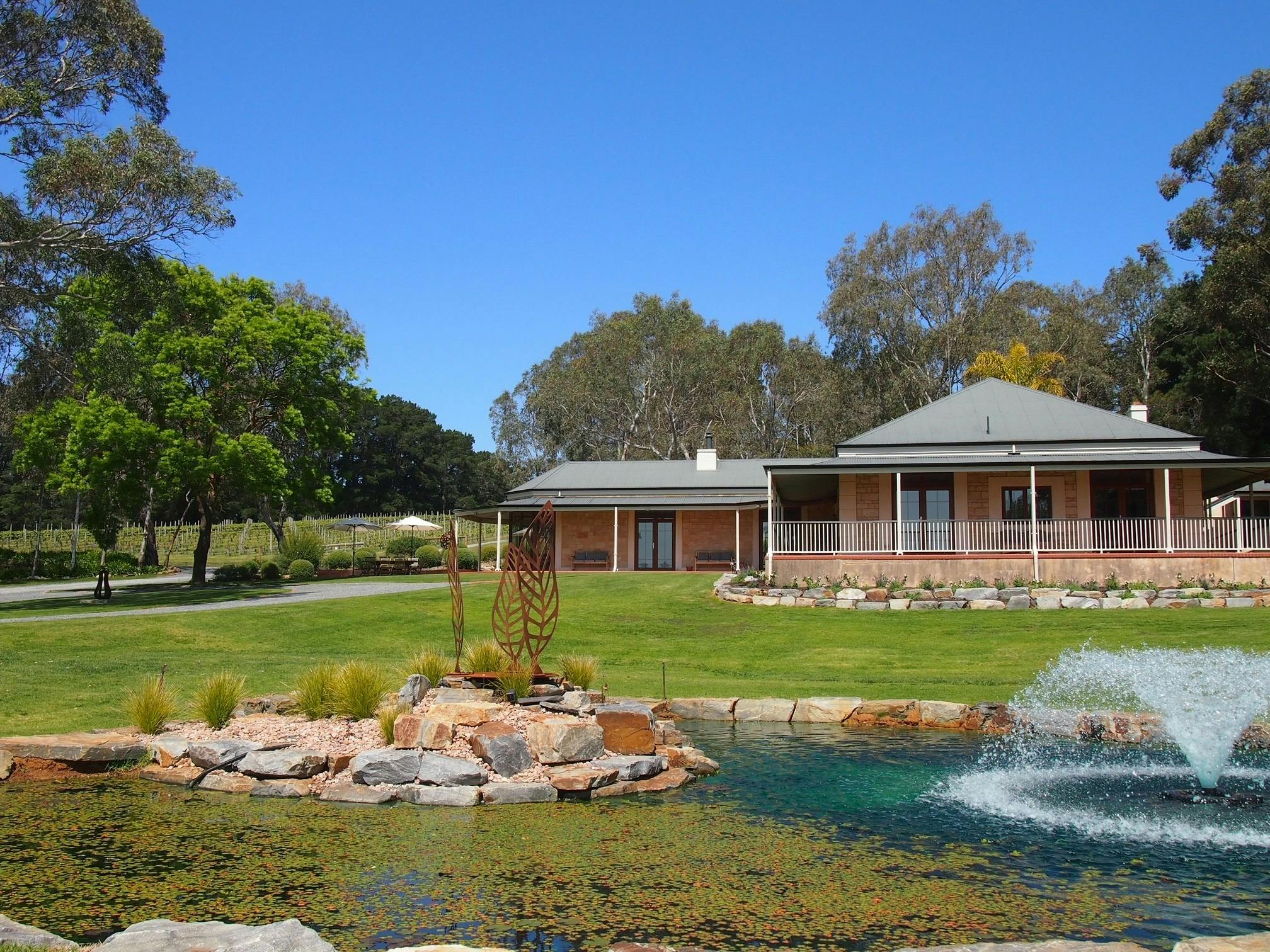
- Wander through manicured gardens and discover serene views of the blue hills and ornamental pond.
- Savour local wines from nearby Shaw and Smith and The Lane wineries, enhancing your culinary experience.
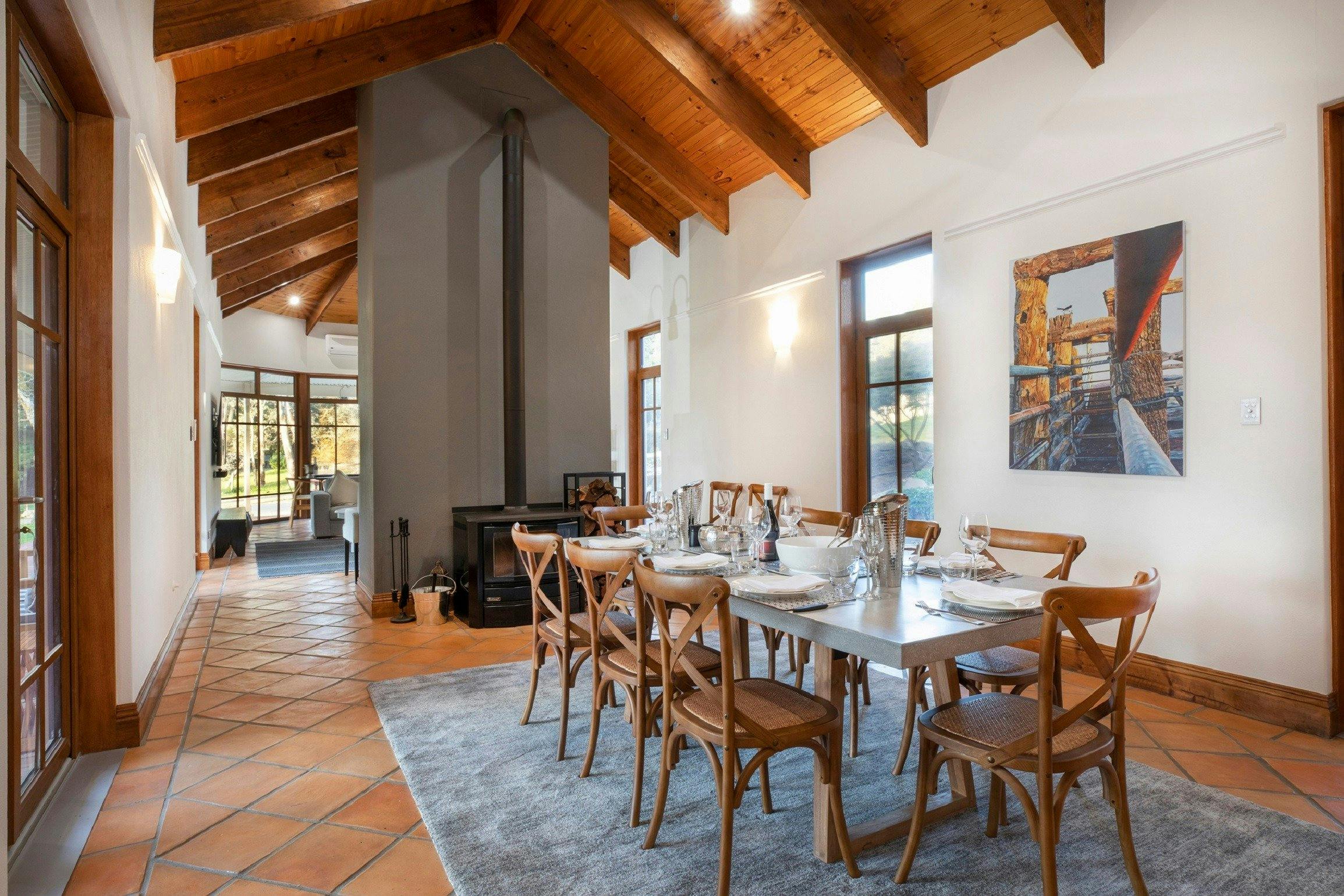
- Unwind by the open fireplace during winter, creating a cosy atmosphere for relaxation.
- Explore the vibrant Adelaide Hills festivities, immersing yourself in culture and entertainment throughout the year.
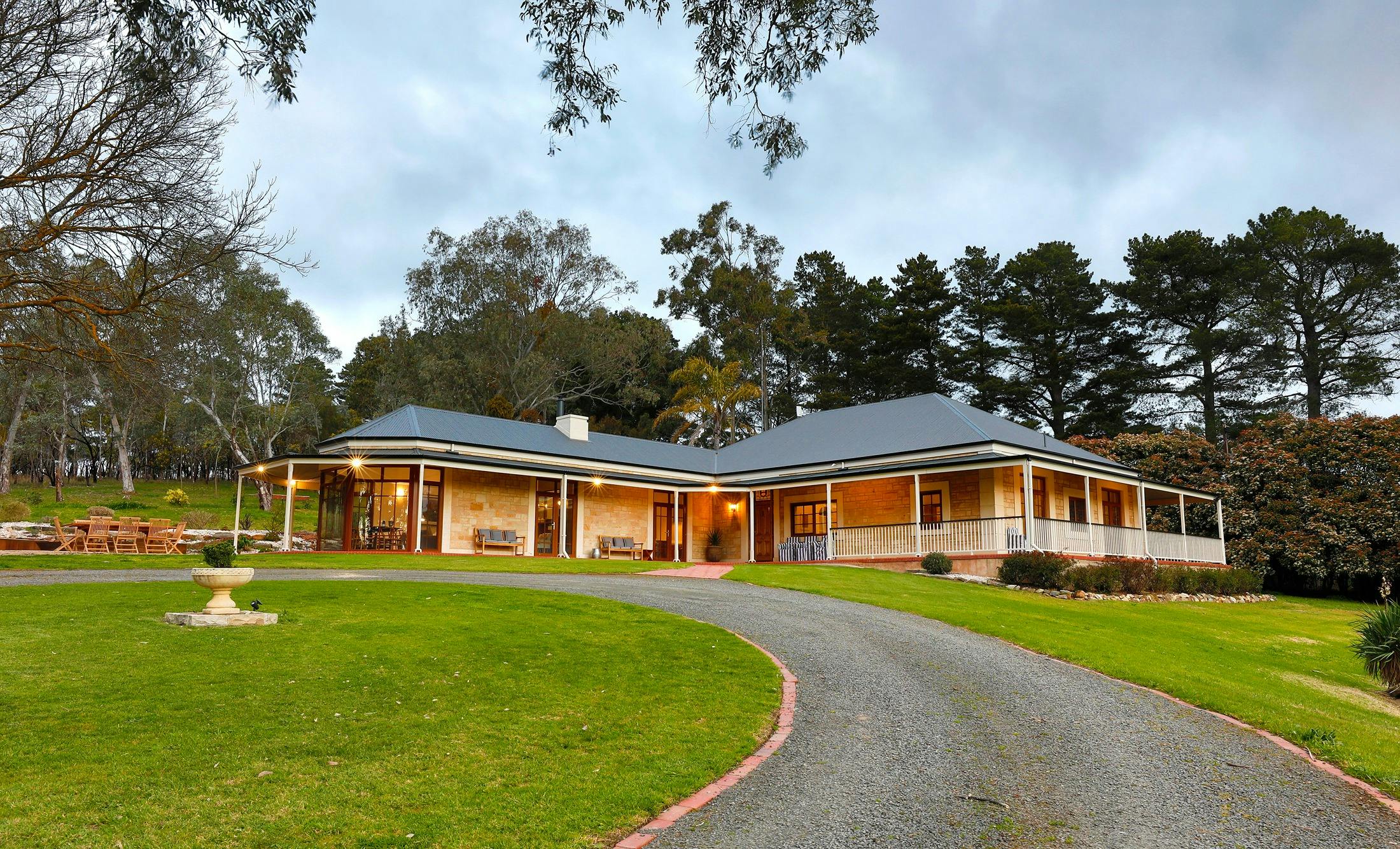
Wind your way through the beautiful Adelaide Hills to find yourself at a magnificent getaway just 45 minutes from the CBD.
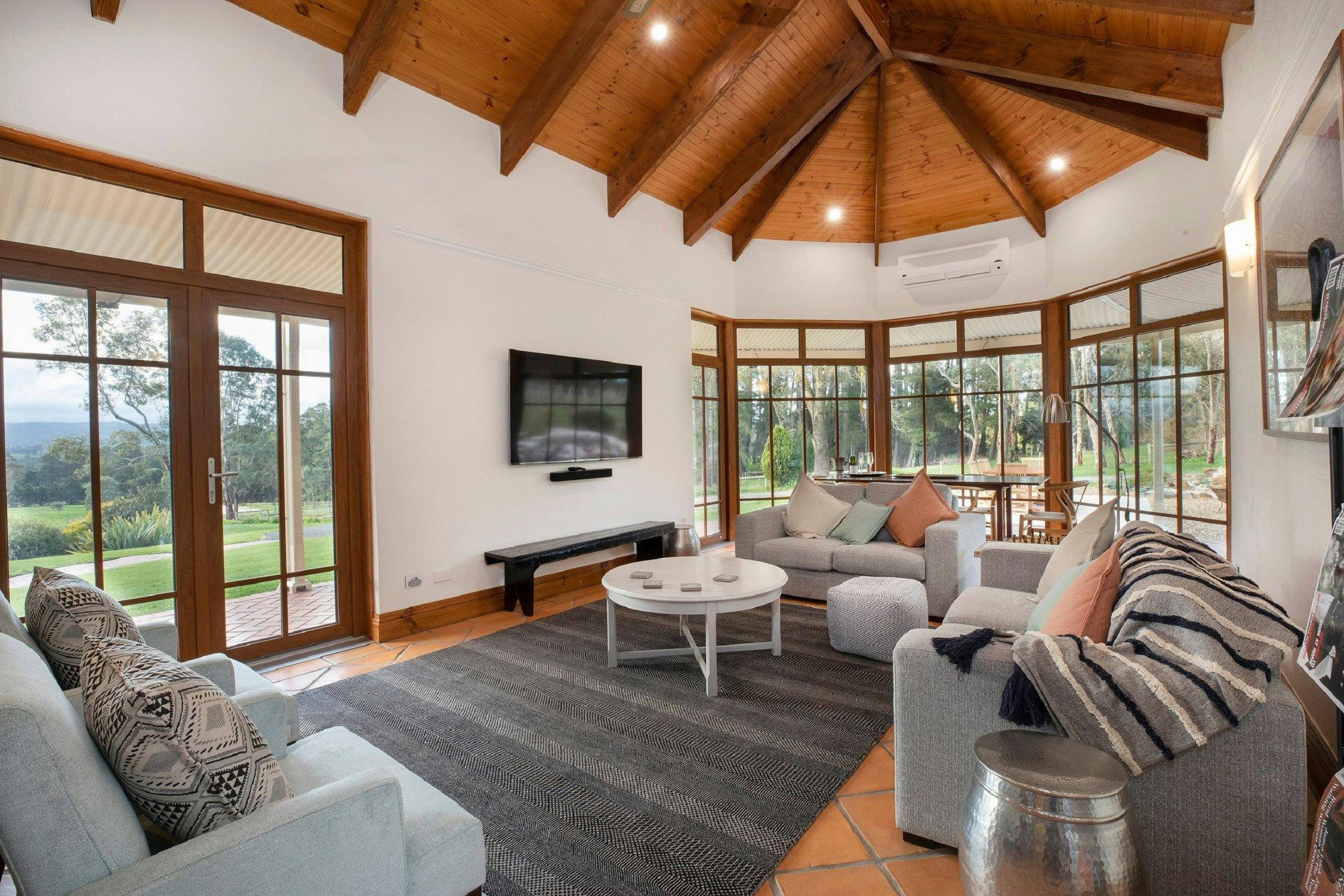
Wander around this extensive property and dwell on the beauty at your feet, the blue hills in the distance, the trees in the foreground, manicured gardens, dining outdoors and an ornamental pond at the bottom of the garden – this is the place to relax, unwind and enjoy.
With the fresh morning air, the birds in the trees and kangaroos abounding, get in touch with nature as you re-discover yourself. Warm by the fire in the winter or dine outside for a cool summer evening.
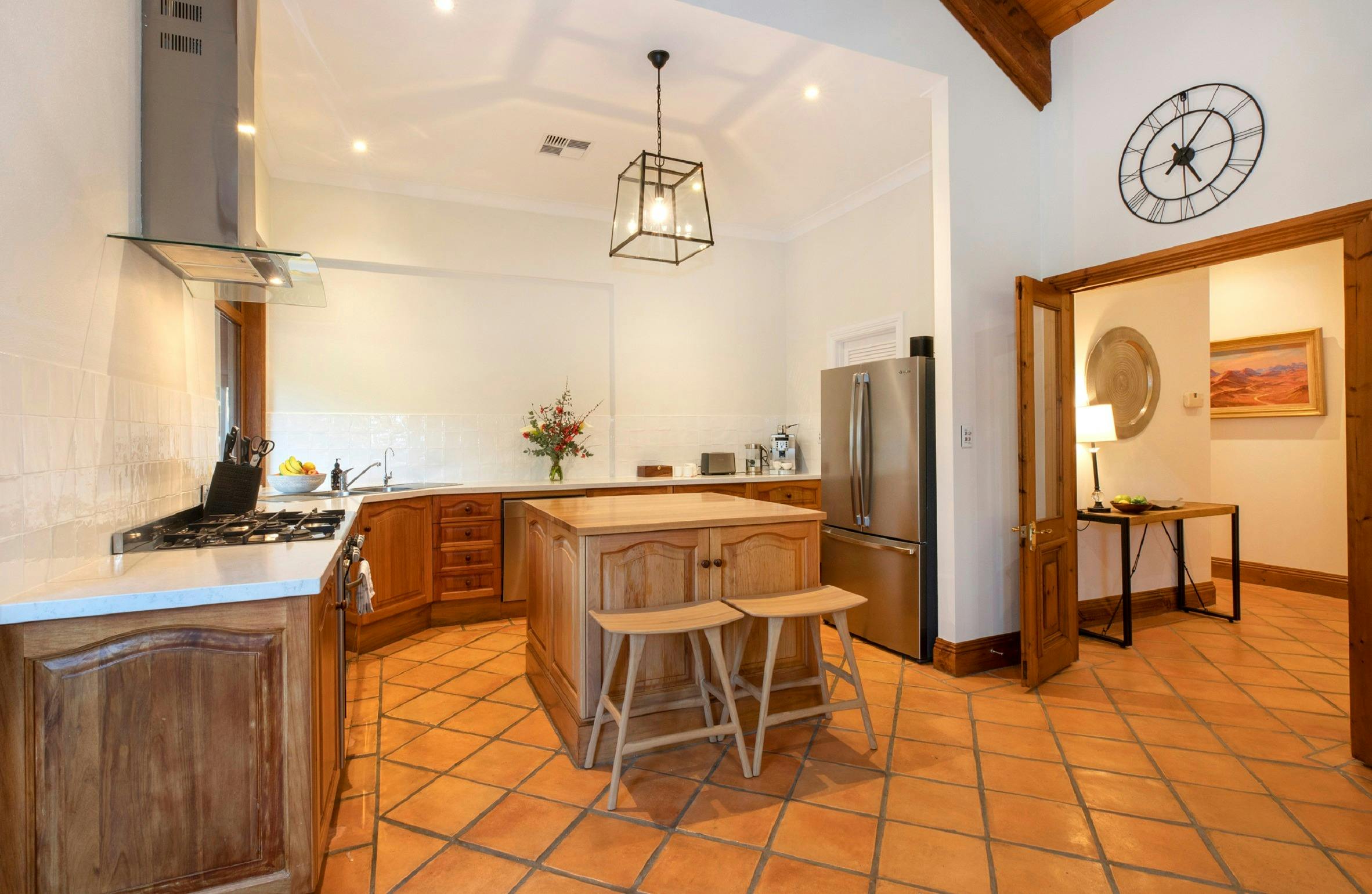
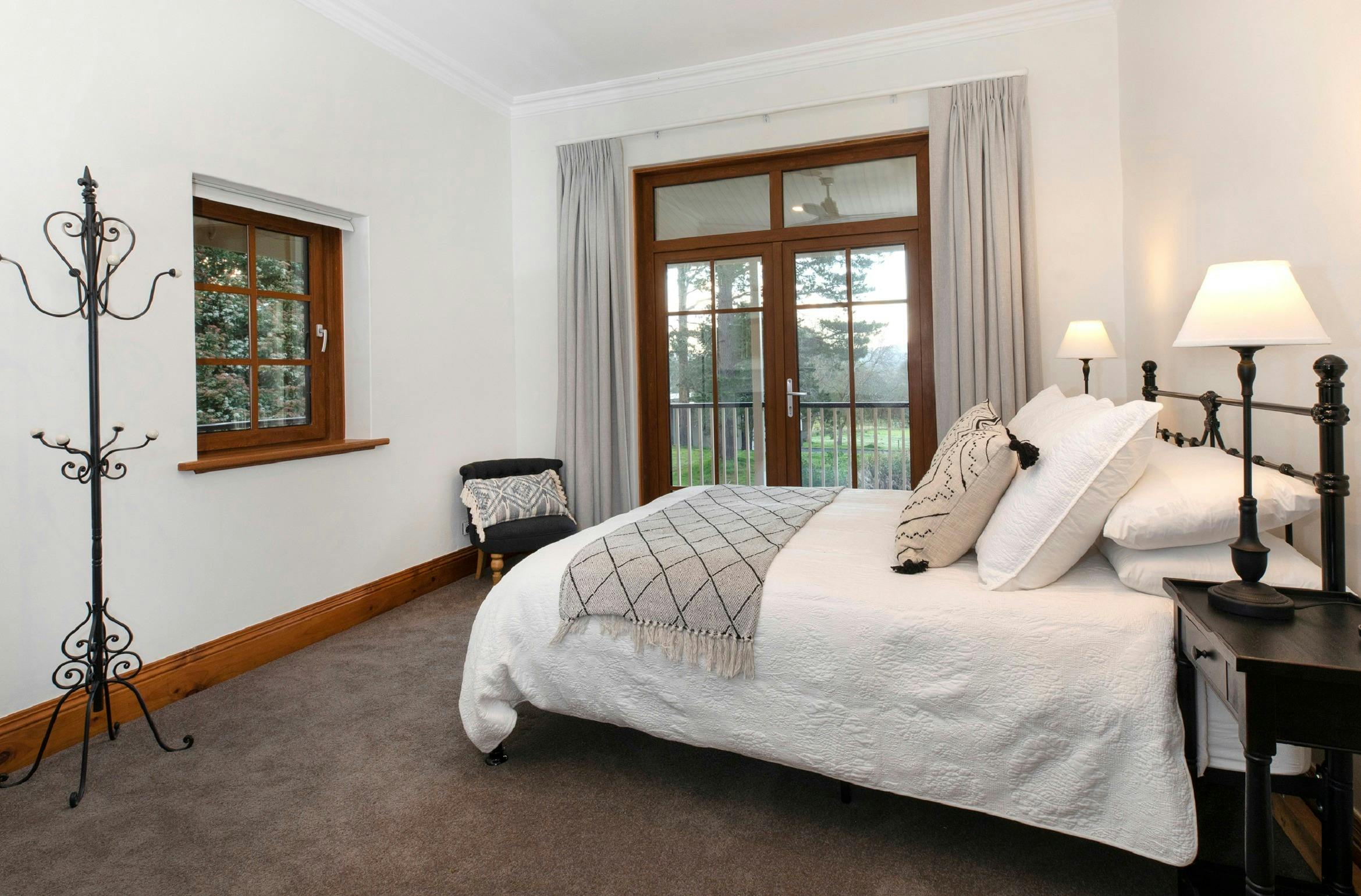
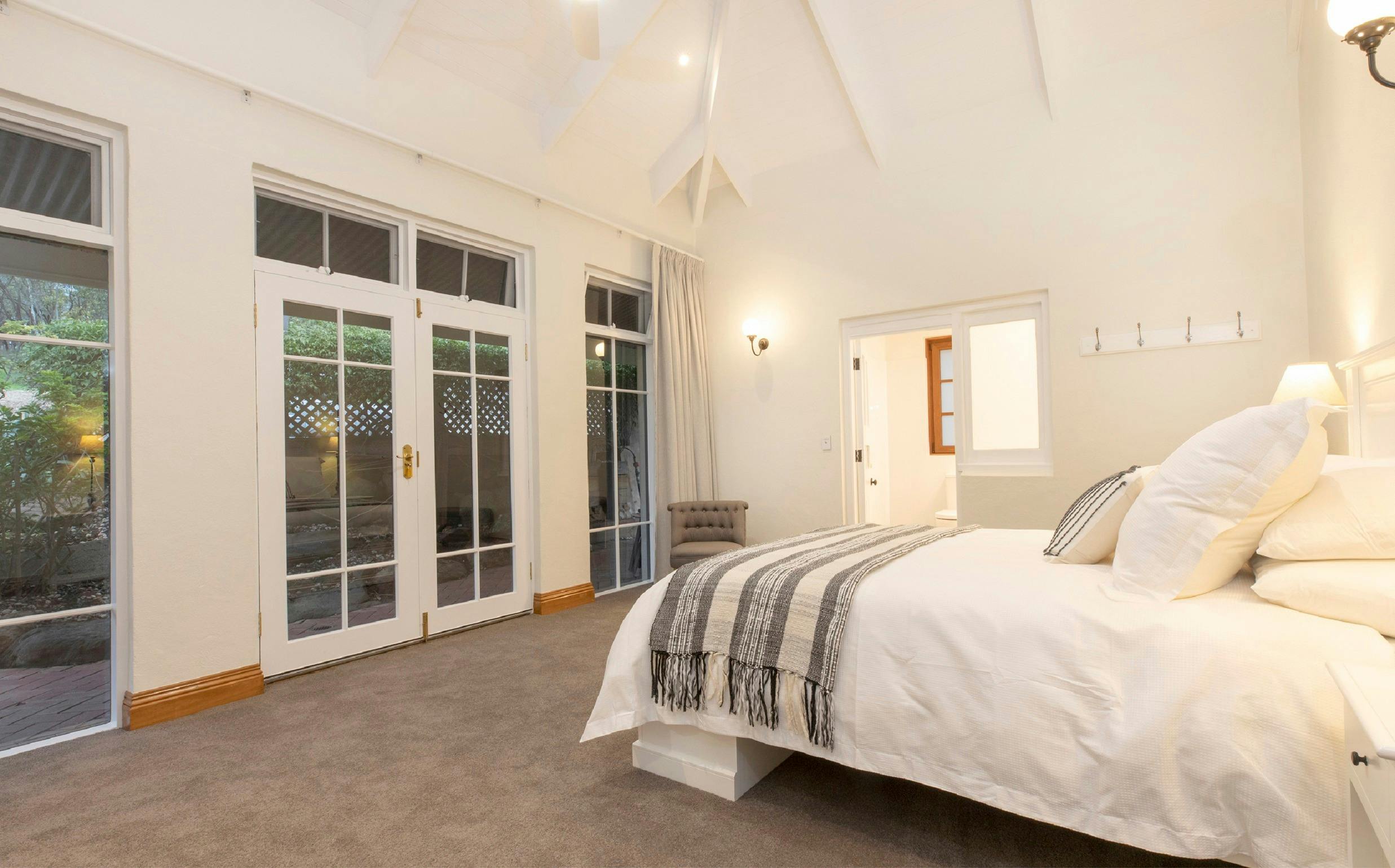
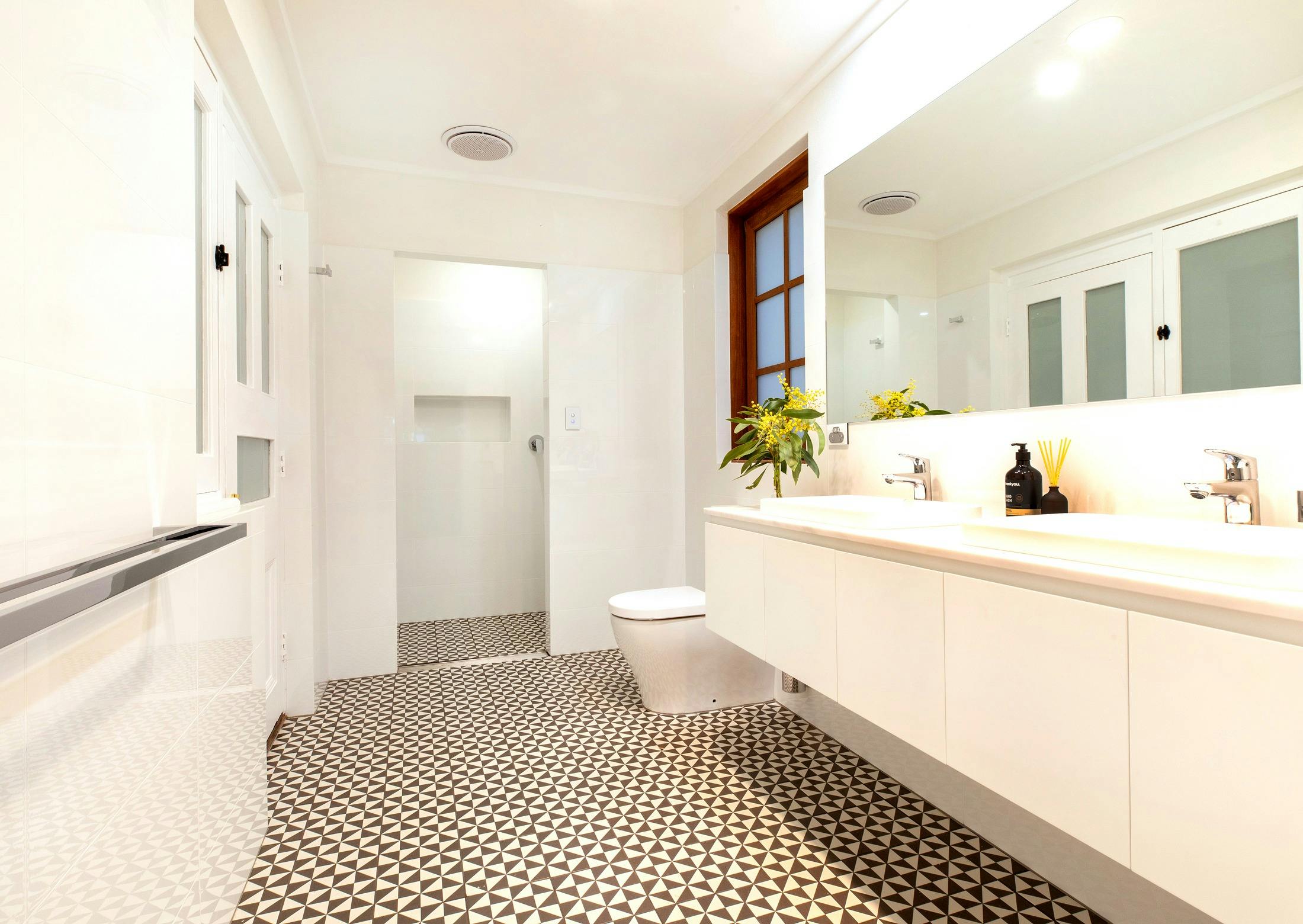
Languish inside with luxurious furnishings and appointments, a choice of rooms and spaces, four double bedrooms, three bathrooms and a study for writing or catching up on some business with views from every window.
Taste the local wines from the many wineries in the Adelaide Hills wine region along with the many restaurants and cafes. Take a ten-minute walk to Shaw and Smith Wines in Balhannah or a little further to The Lane winery in Hahndorf or drive for a day of shopping, sightseeing and a smorgasbord of food choices in Hahndorf. Experience the Adelaide Hills festivities including the Crush Festival, Adelaide Fringe and concerts at the UKARIA Cultural Centre for a fully entertaining stay.
Images and Video

Accreditations
- Tourism Industry Council of SA
Features
Disabled access available, contact operator for details.
Plan more around this area
 Hahndorf, SA
 Sensory House
Welcome to the Sensory House, a space where you can pause and be closer to the very essence of South Australia.
 Balhannah, SA
 The Olive Branch Café & Catering
The Olive Branch Café and Catering is a family owned business based in Balhannah in the beautiful Adelaide Hills.

 Hahndorf, SA
 Heaps Good Spirits – Hahndorf Distillery Tasting Room
Heaps Good Spirits is a proudly South Aussie gin distillery with a tasting room right here in Hahndorf, Adelaide Hills.
 Hahndorf, SA
 Adelaide Hills Wine Bar
Adelaide Hills Wine Bar is the perfect place to start your Adelaide Hills food and wine journey.
 Hahndorf, SA
 Eis Haus & Glühwein Hütte
Eis Haus is the German Ice Cream Cafe, where you can indulge in Hahndorf's famous Spaghetti Ice Cream, a true German delight!
 Hahndorf, SA
 Sidewood Estate
Sidewood Estate is a family-owned winery and award-winning venue nestled in the heart of the Adelaide Hills, just 25 minutes from Adelaide's CBD. Owned by
 Woodside, SA
Amy Gillett Bike Hire – Adelaide Hills
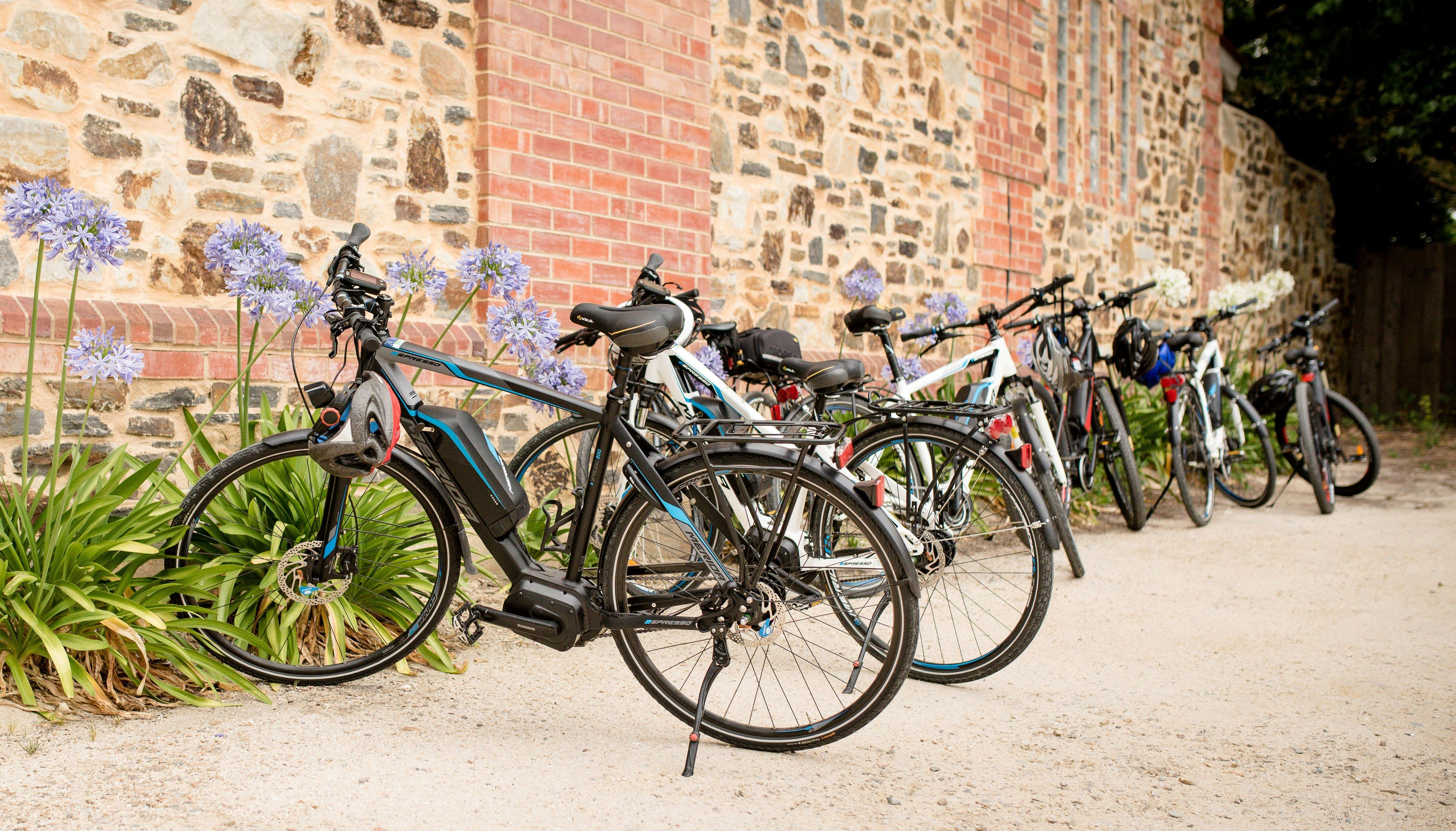
Jump on a Bike at Woodside, to see and taste all that the famous Adelaide Hills Amy Gillett rail trail has to offer. A great day out for the whole family. Sample globally award-winning cheeses from renowned Woodside Cheese Wrights and watch the Melba's team melt, pour, coat…
 Hahndorf, SA
'A Taste of Hahndorf' Gourmet Food & Wine E-Bike Tour
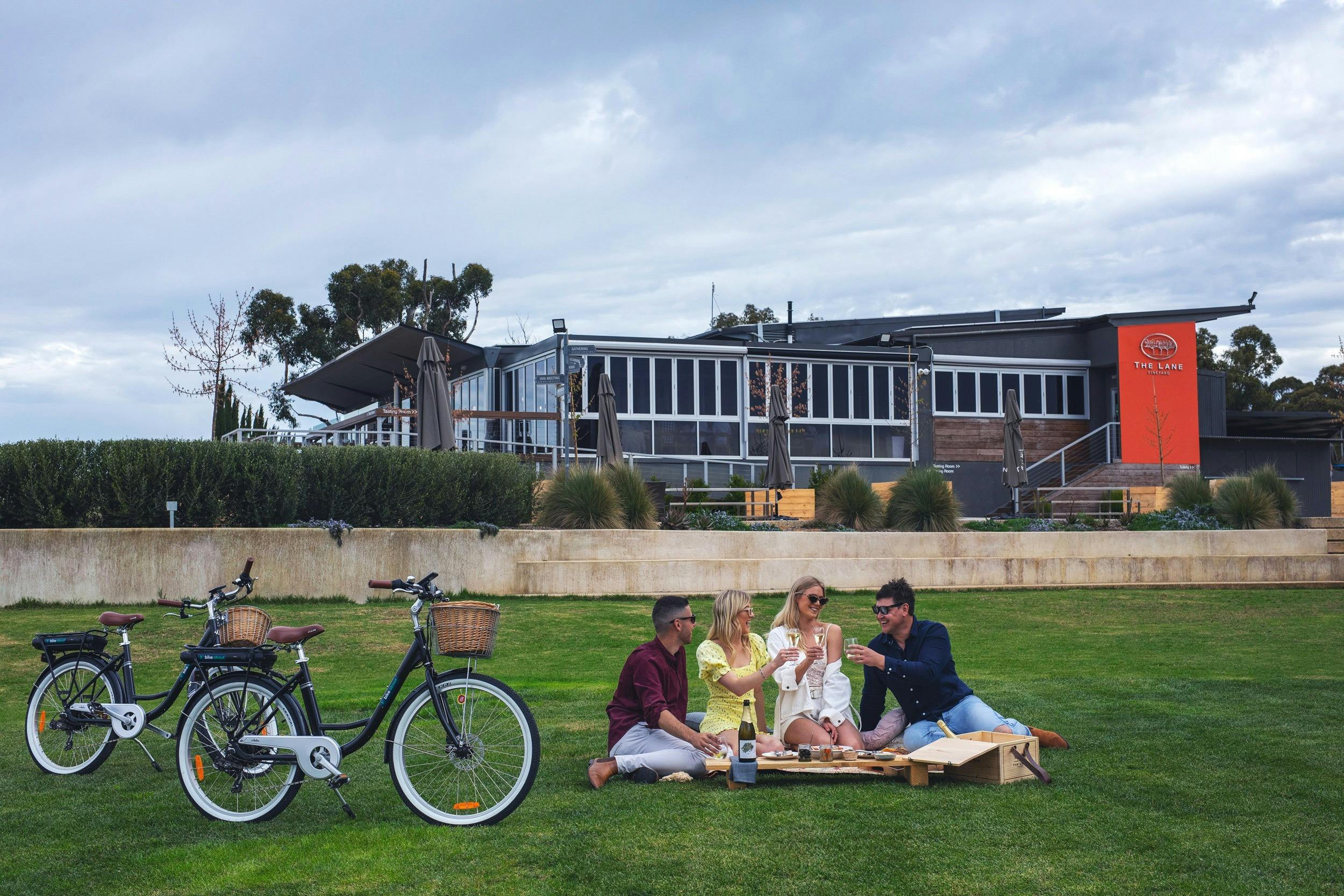
Join this tour of the senses as you travel through the Adelaide Hills and experience all that this beautiful region has to offer. During your 5-hour tour, you will visit four premium locations and sample world-famous produce. Ride through the region’s stunning valleys. Experienced, local guides will guide…
 Hahndorf, SA
Mt Lofty E-Wheels & Wildlife tour
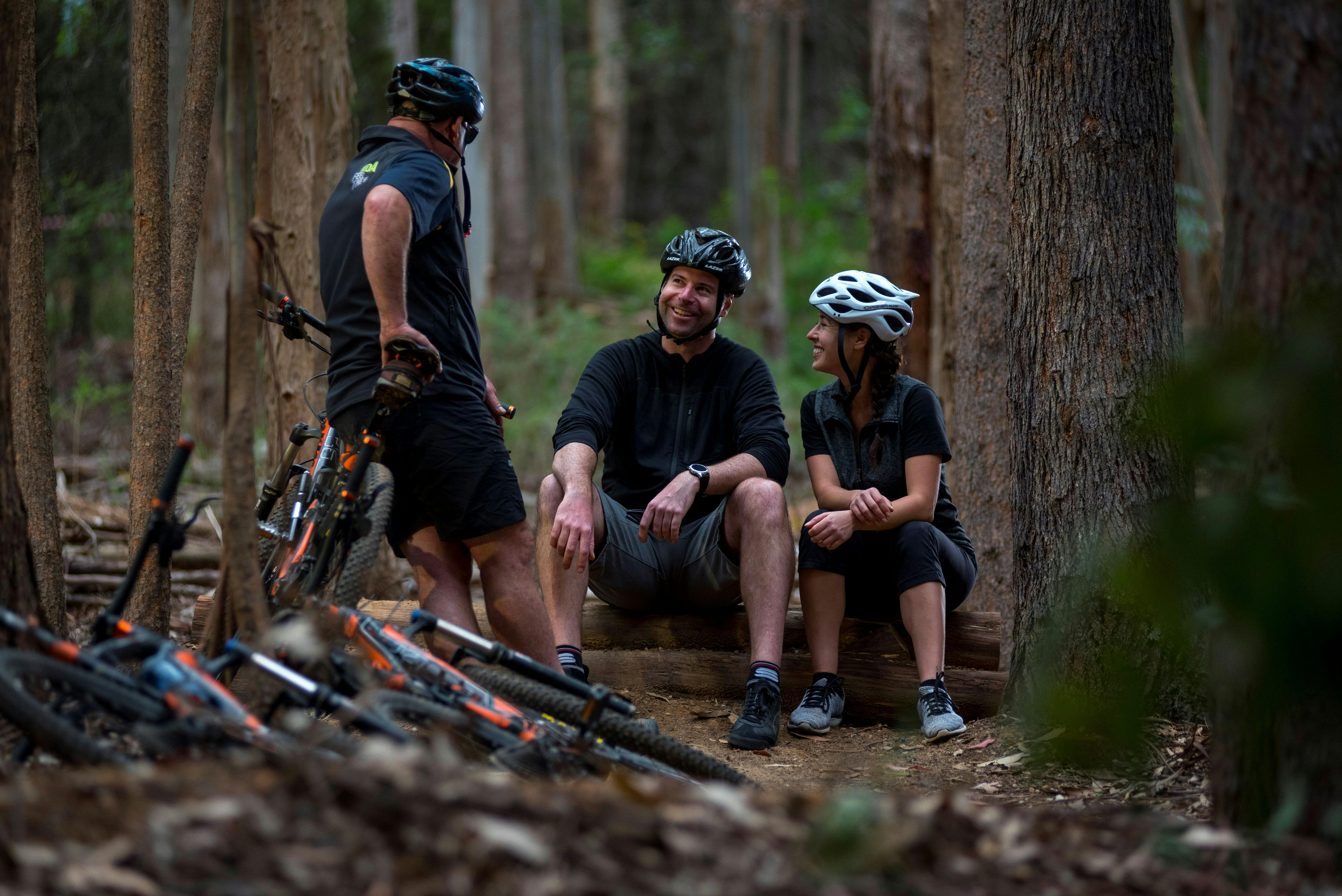
Experience the best secret views of Adelaide, even locals don't know about! Ride the empowering Pioneer Women's Trail and through the Cleland Conservation Park to the summit of Mt Lofty and Mt Osmond. You may even spot Australian wildlife! Bike About will meet you at The Manna in…
 Adelaide, SA
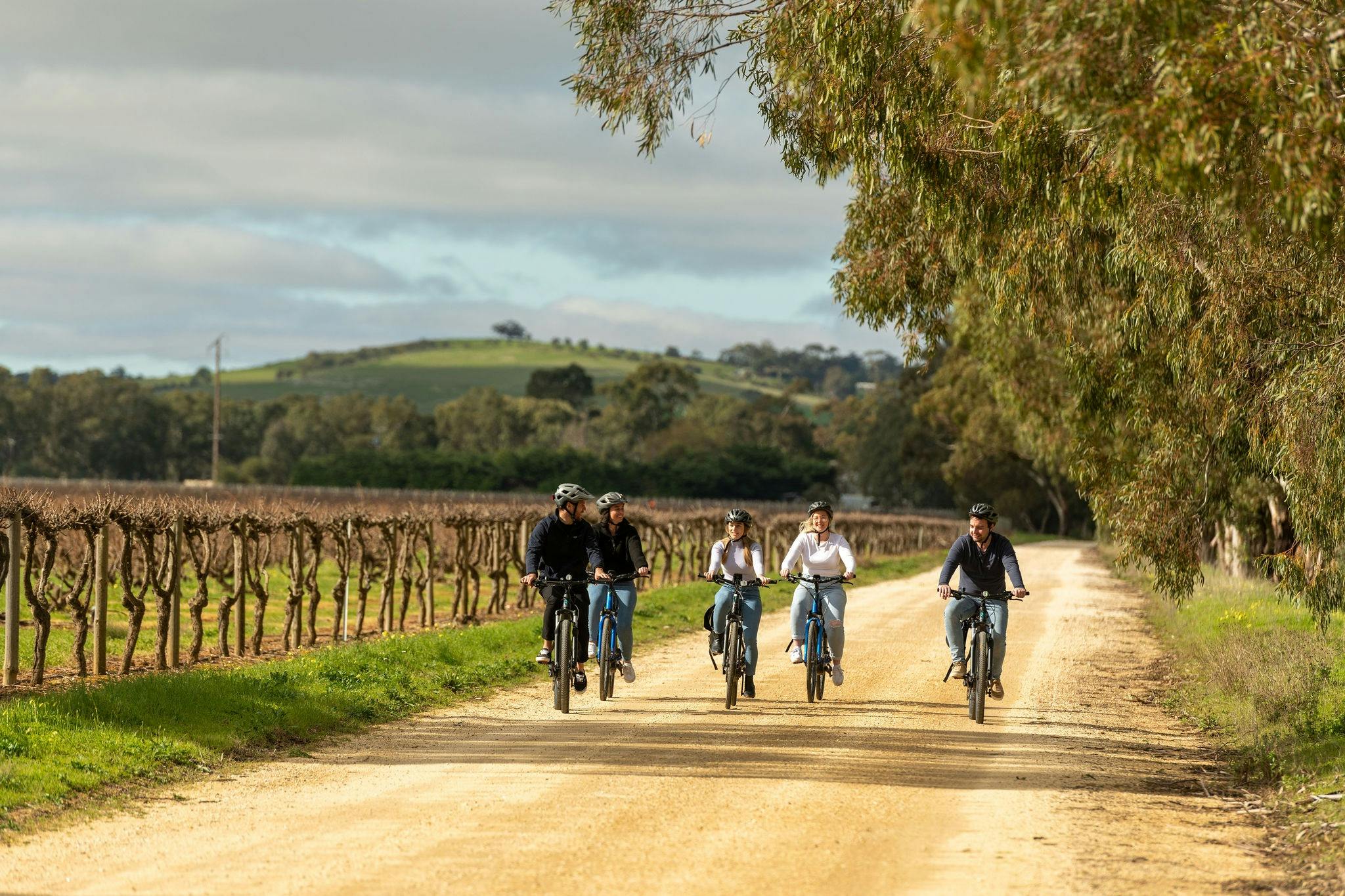
7-Day South Australian Food & Wine E-Bike Tour
Experience South Australia’s best wine regions by e-bike on a small group tour. Have a local guide show you around and Indulge in wine tasting, sample artisan cheese, cycle scenic rail trails and more. 'It's better by bike' Throughout this 7-day cycling escape, you'll become fully immersed in…
 Hahndorf, SA
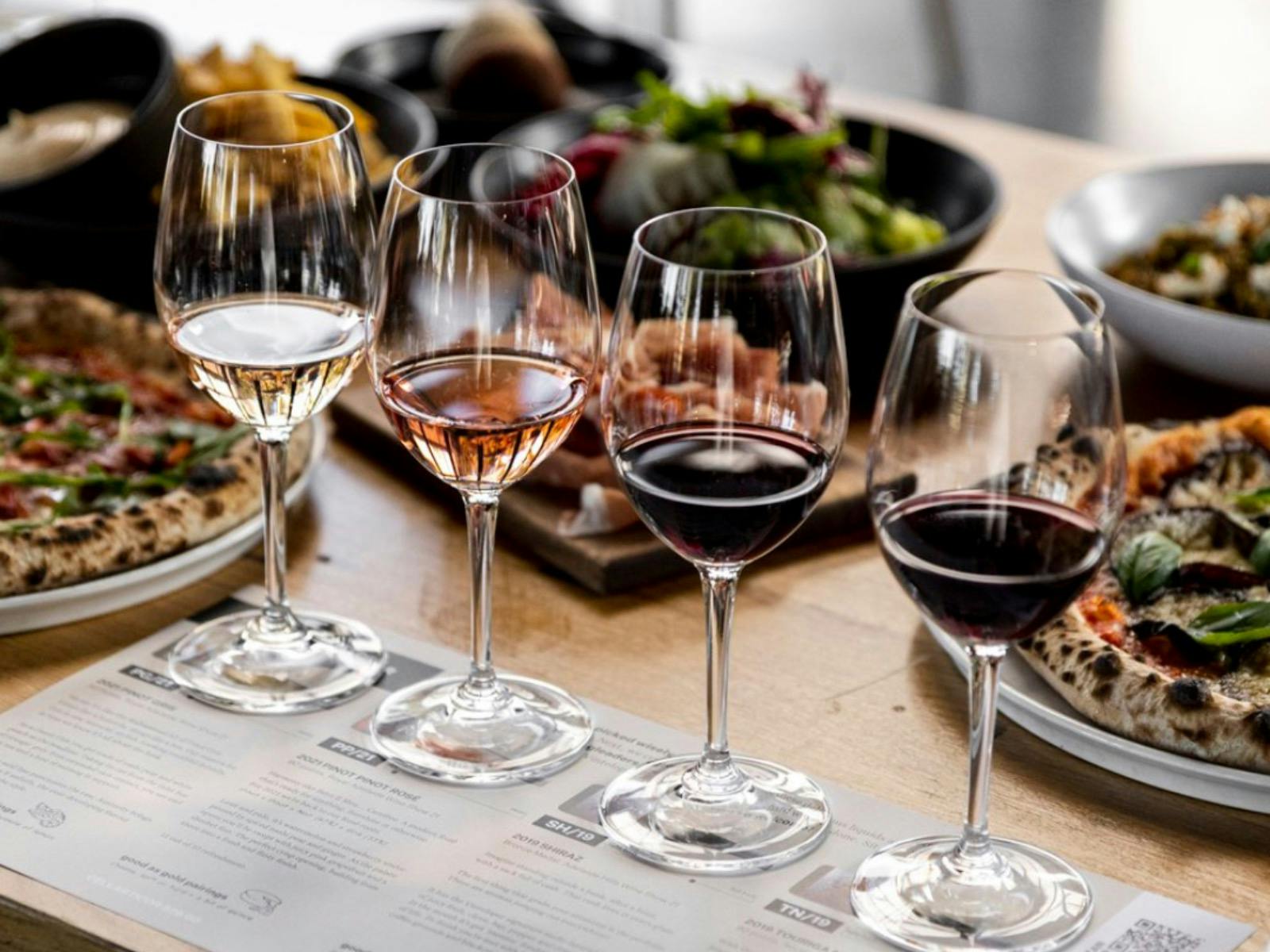
Elevated Tasting Flight
Ditch the ordinary wine tour and take off on an elevated tasting adventure across the Adelaide Hills. Fly between The Lane Vineyard, Lot 100, and Ambleside Distillers, indulging in fine wine, craft beer, wood-fired pizza, and artisanal gin. The experience is a thrilling hot lap of some of…
 Hahndorf, SA
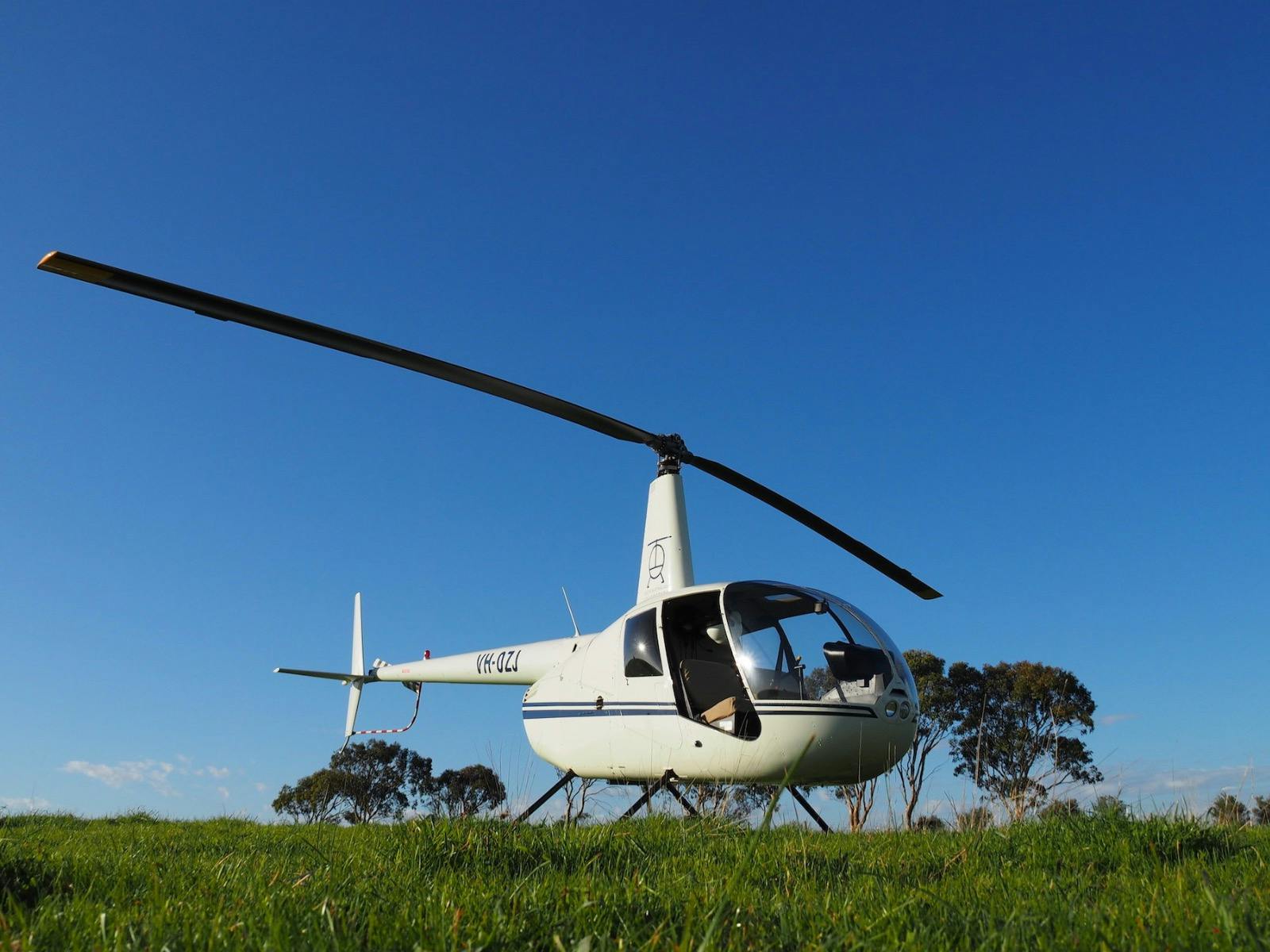
Return transfer from Hahndorf to Experience location
This return Hahndorf transfer is the epitome of luxury, picking guests up from Ambleside Distillery Hahndorf in time for their booked experience. This provides the benefit of being closer to Adelaide CBD for guests. Drop off will conclude at the end of the experience back to Hahndorf, however,…
 Hahndorf, SA
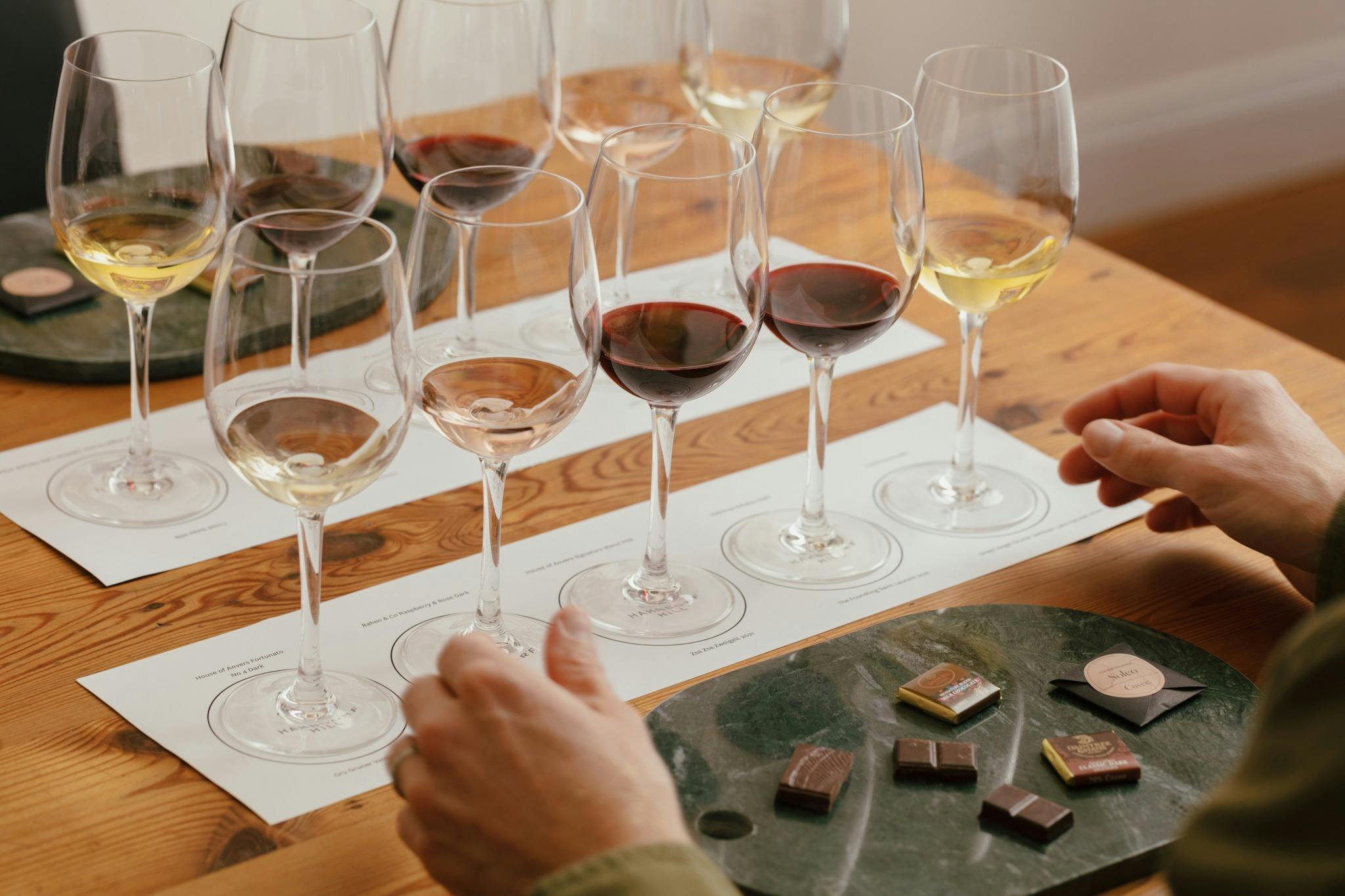
ChocoVino Wine and Chocolate Pairing at Hahndorf Hill
The ChocoVino Experience at Hahndorf Hill pairs boutique cool-climate wines with some of the world's finest chocolate. Guided by terroir, this hosted tasting explores how vineyard expression and chocolate origin combine to create harmonious matches. Guests enjoy exceptional chocolate from leading Australian chocolatiers alongside a curated flight of…
 • Hahndorf, SA
Chef's Table Experience
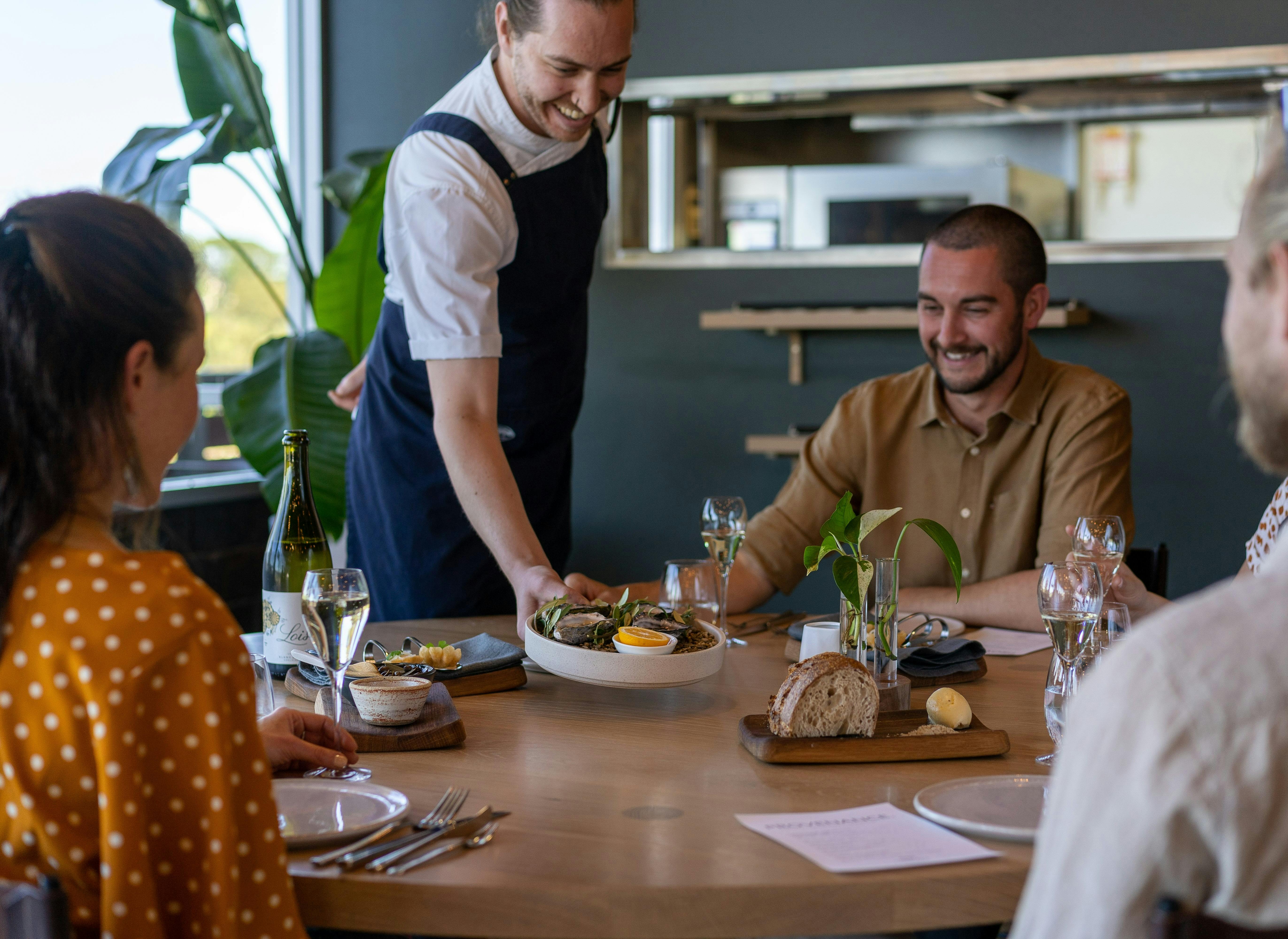
The Lane Vineyards ultimate food experience. An immersive, sensory food experience from estate to plate – hosted by the Lane's kitchen team. Enjoy a seven course chefs menu that celebrates seasonal ingredients grown and produced either on the estate or by local farmers, growers and suppliers – all…
 Hahndorf, SA
Boatshed Experience
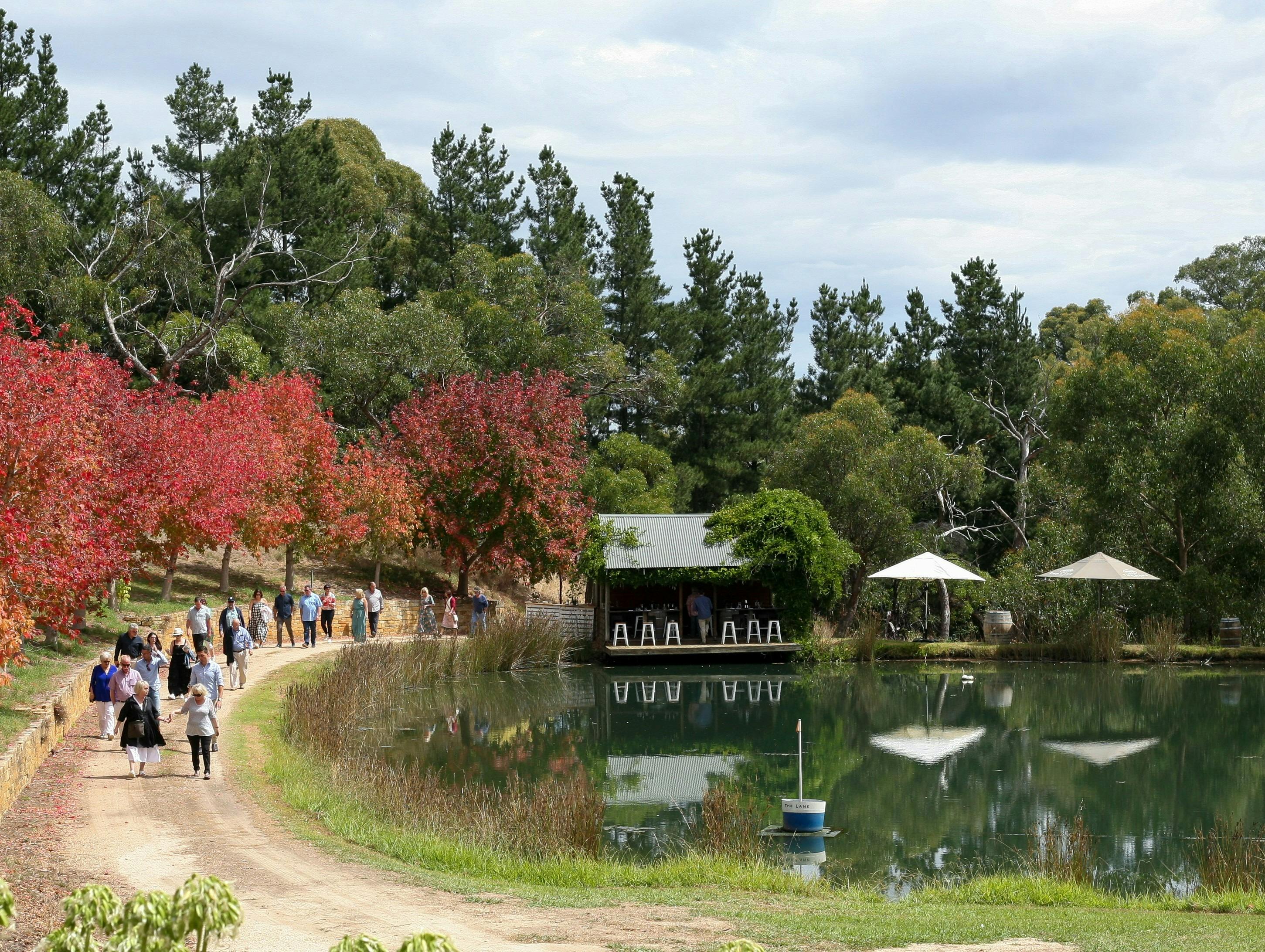
Explore our Lane Series wines and enjoy a gourmet picnic, with incredible local produce prepared by our Head Chef Tom Robinson, while relaxing at our picturesque Boatshed. Compete against your friends or colleagues with Boatshed Golf – if your ball lands in the floating target, you win a…
 • Hahndorf, SA
Gathering Experience
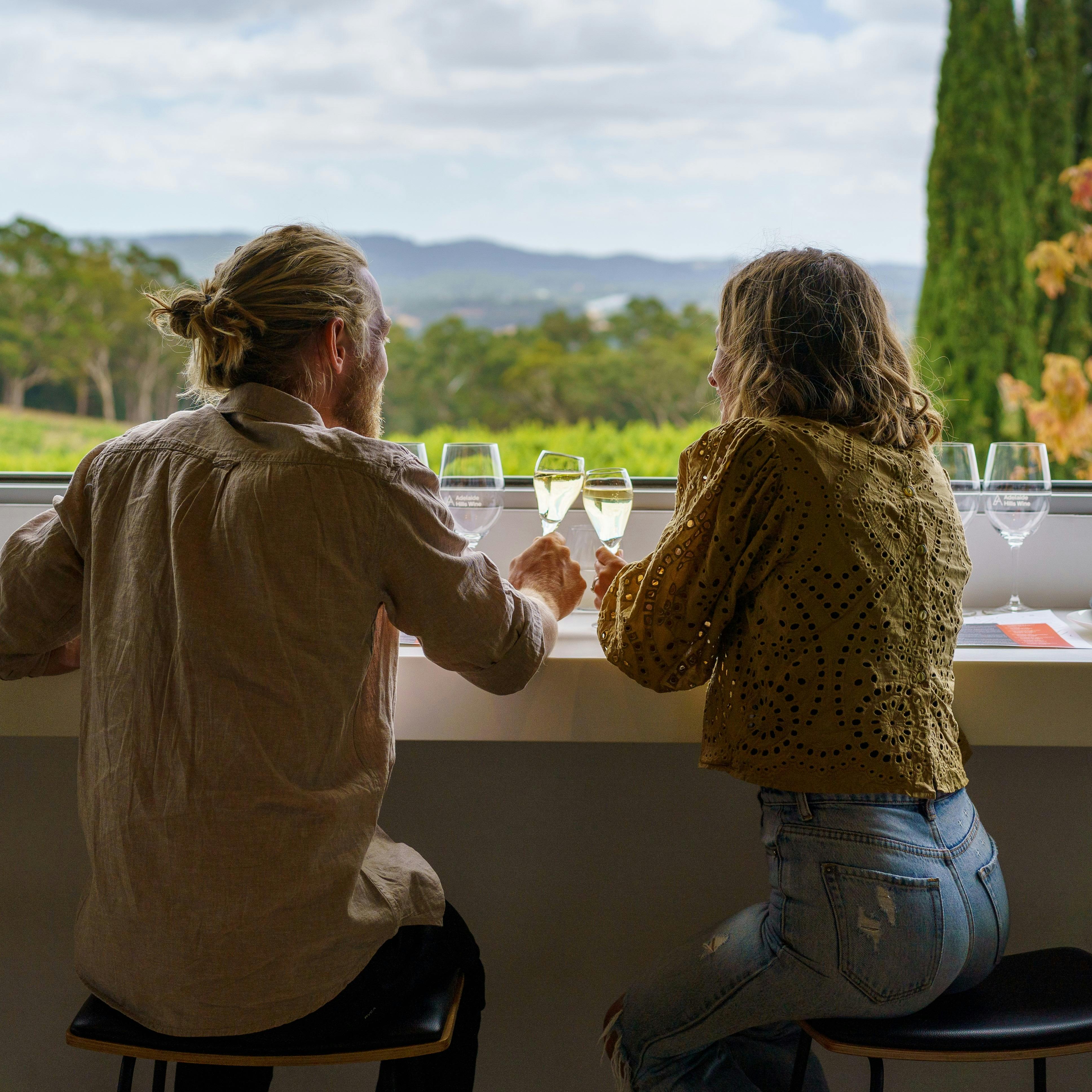
The Lane's signature tasting. Take a seat and enjoy our Gathering Experience – a miniature degustation-style wine tasting that showcases the harmony between our estate wines and restaurant menu. Discover the nuances of our flagship Estate range, expertly paired with a series of seasonal snacks. Available 7 Days…
 Hahndorf, SA
Blend Your Own Wine Experience
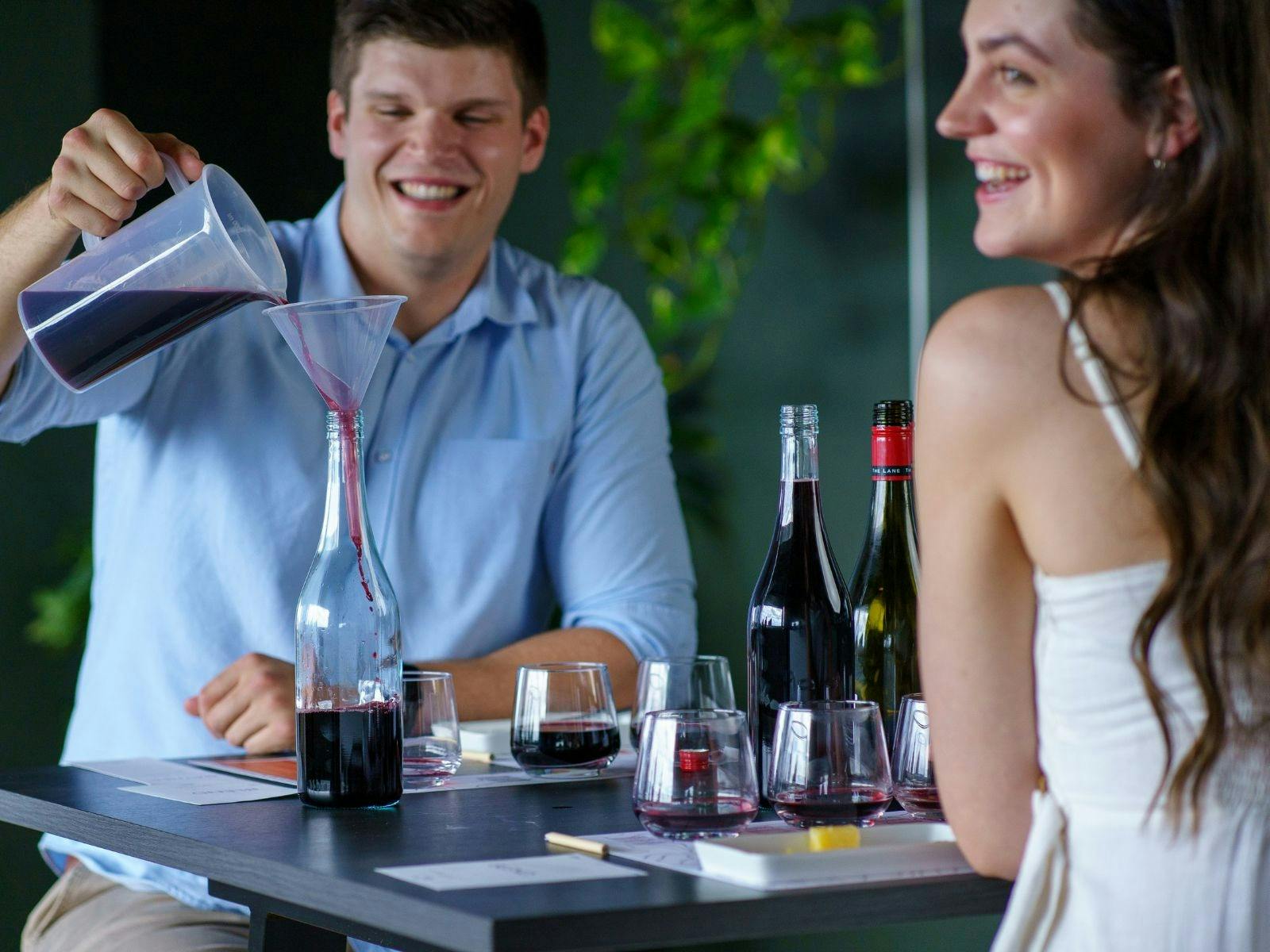
This interactive experience will take you through the art of winemaking* before you’re unleashed to blend your own wine! What varietals will be in your own signature blend? Start with a glass of Lois Blanc de Blancs, before unlocking your inner oenophile under the guidance of our tasting…
 Hahndorf, SA
Estate Picnic
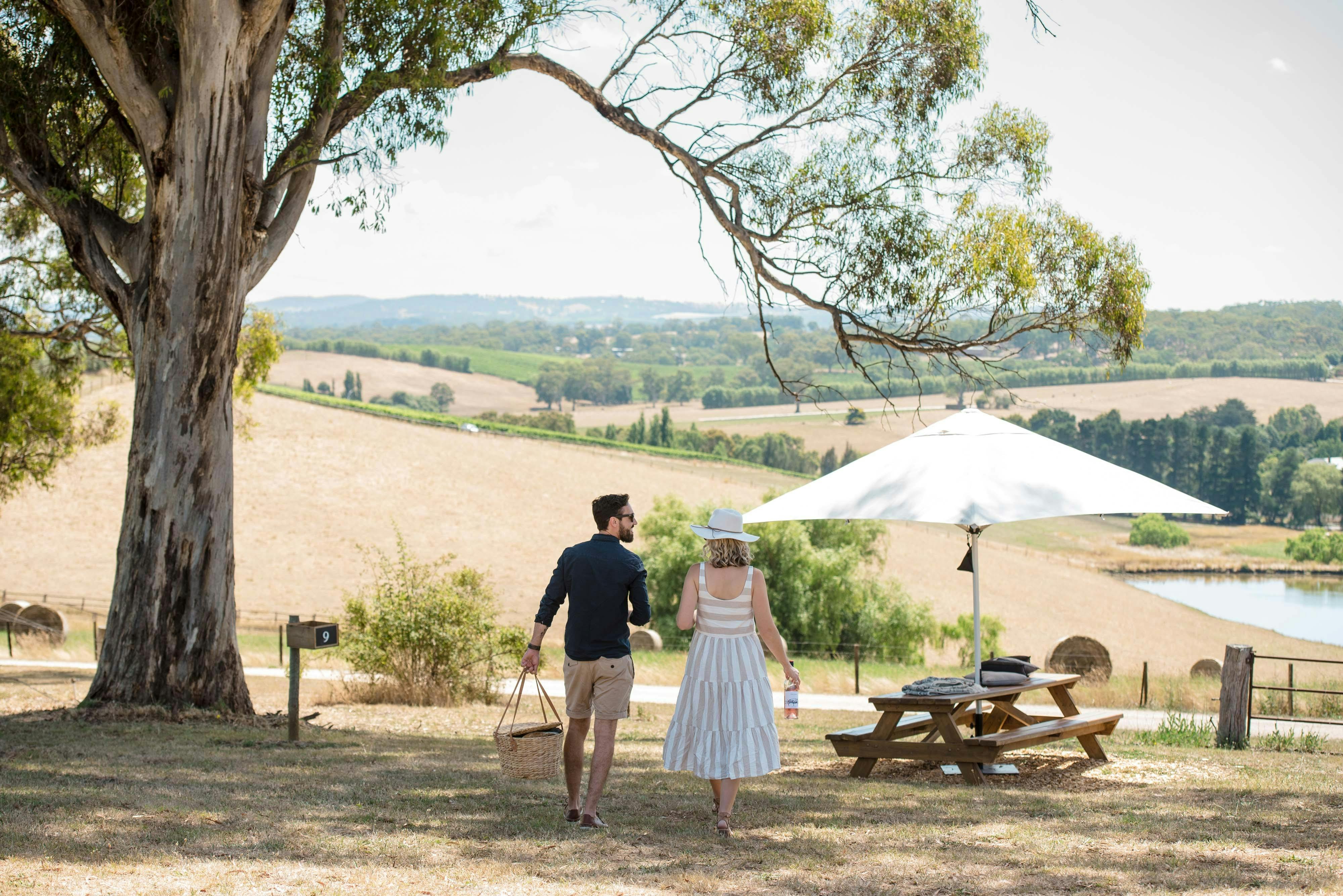
Make the most of our open spaces. Follow The Lane walking map and find your picnic table at one of picturesque locations. Enjoy a seasonal chef-made picnic hamper nestled amongst the ancient gum trees and rolling vineyards of our estate. Choose from a private site or shared site.…
 Hahndorf, SA
Cellar Experience
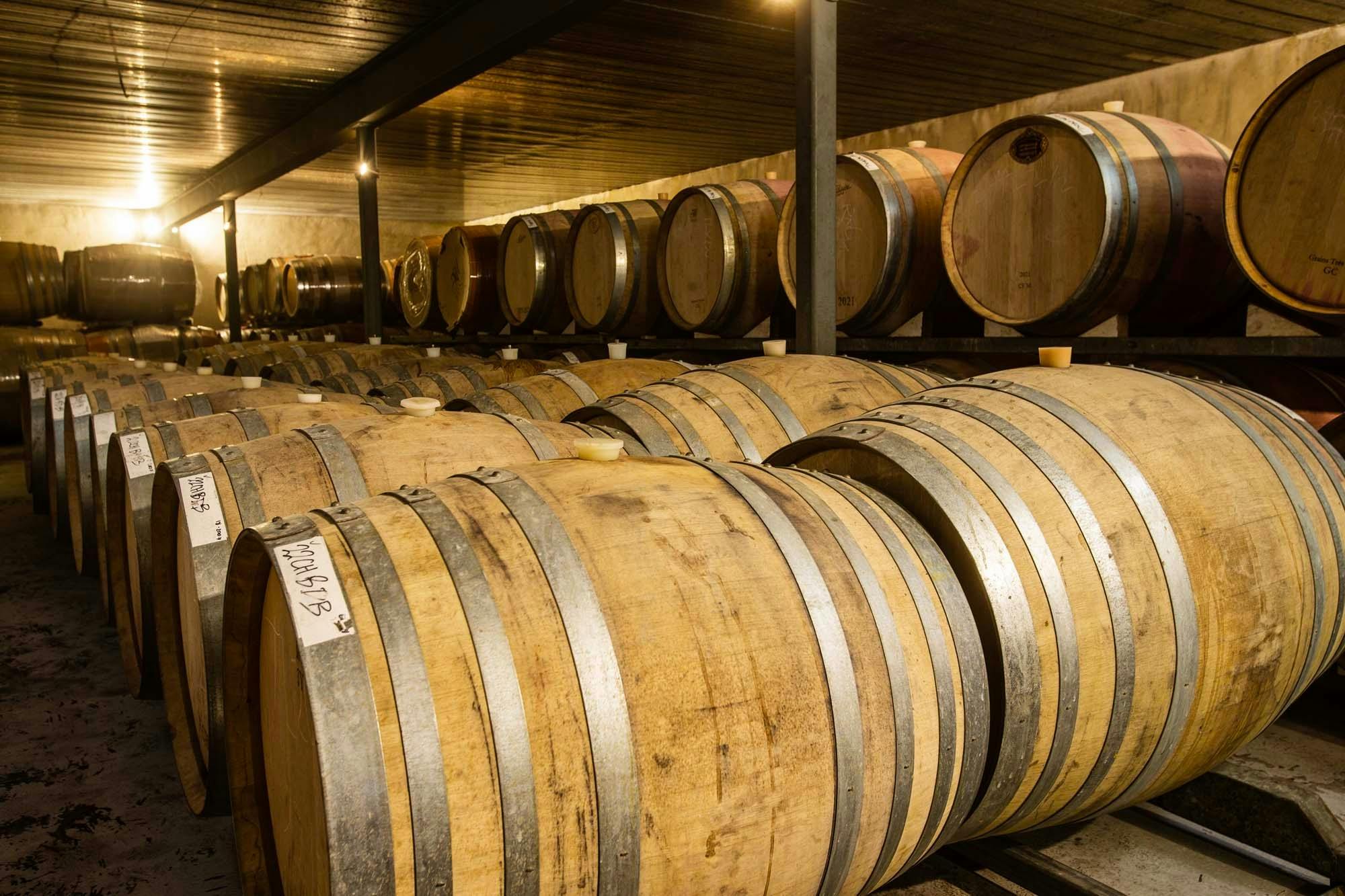
In our Ultimate Cellar Experience, you get to see what happens behind closed doors in our state-of-the-art winery. In this interactive experience, you’ll get a crash course in winemaking with one of our tasting room team, before being unleashed to create your own master blend! After bottling your…
 Hahndorf, SA
Panorama Experience
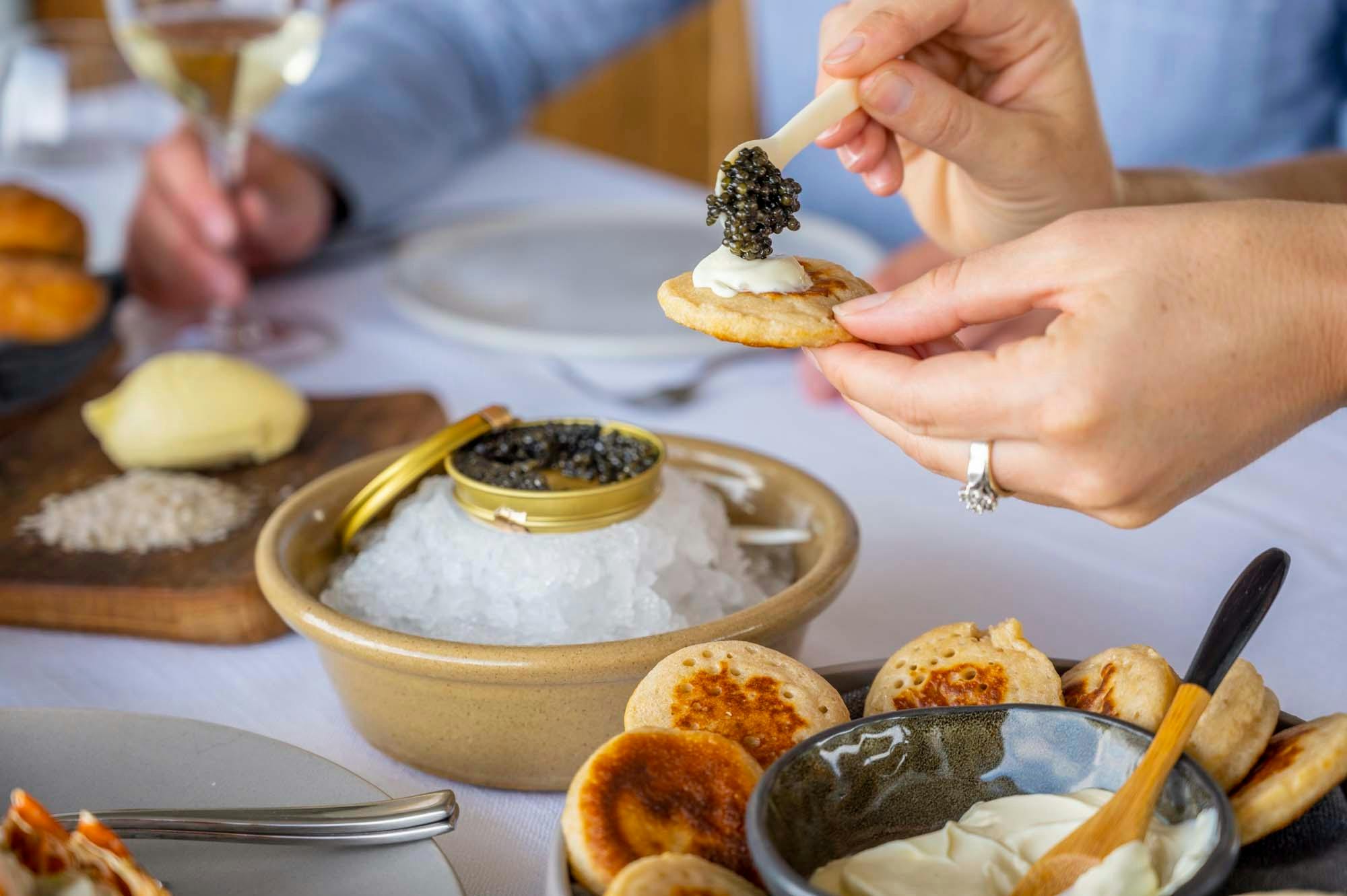
Treat yourself to a touch of extravagance with our Panorama Experience. Relax with a private luxury picnic in the fresh hills’ air with sweeping views over our estate and the Mt Lofty Ranges – enjoyed from the comfort of our hill-top Panorama location. Our Panorama Picnic package is…
 Hahndorf, SA
Ultimate ATV Experience
Step out of the tasting room and into the heart of our vineyards – an expansive 40-hectare property waiting to be explored in a luxe ATV, guided by a Winemaker. Discover the wine's origin, the art of crafting it, and the unique essence shaped by the cool-climate magic…
 Verdun, SA
 Ayurveda Village
Ayurveda Village is a peaceful, nurturing and spiritual environment where people can recuperate, rejuvenate and reacquaint themselves with who they really are.
 Hahndorf, SA
Adelaide Hills and Hahndorf Hideaways – Small Group Tour
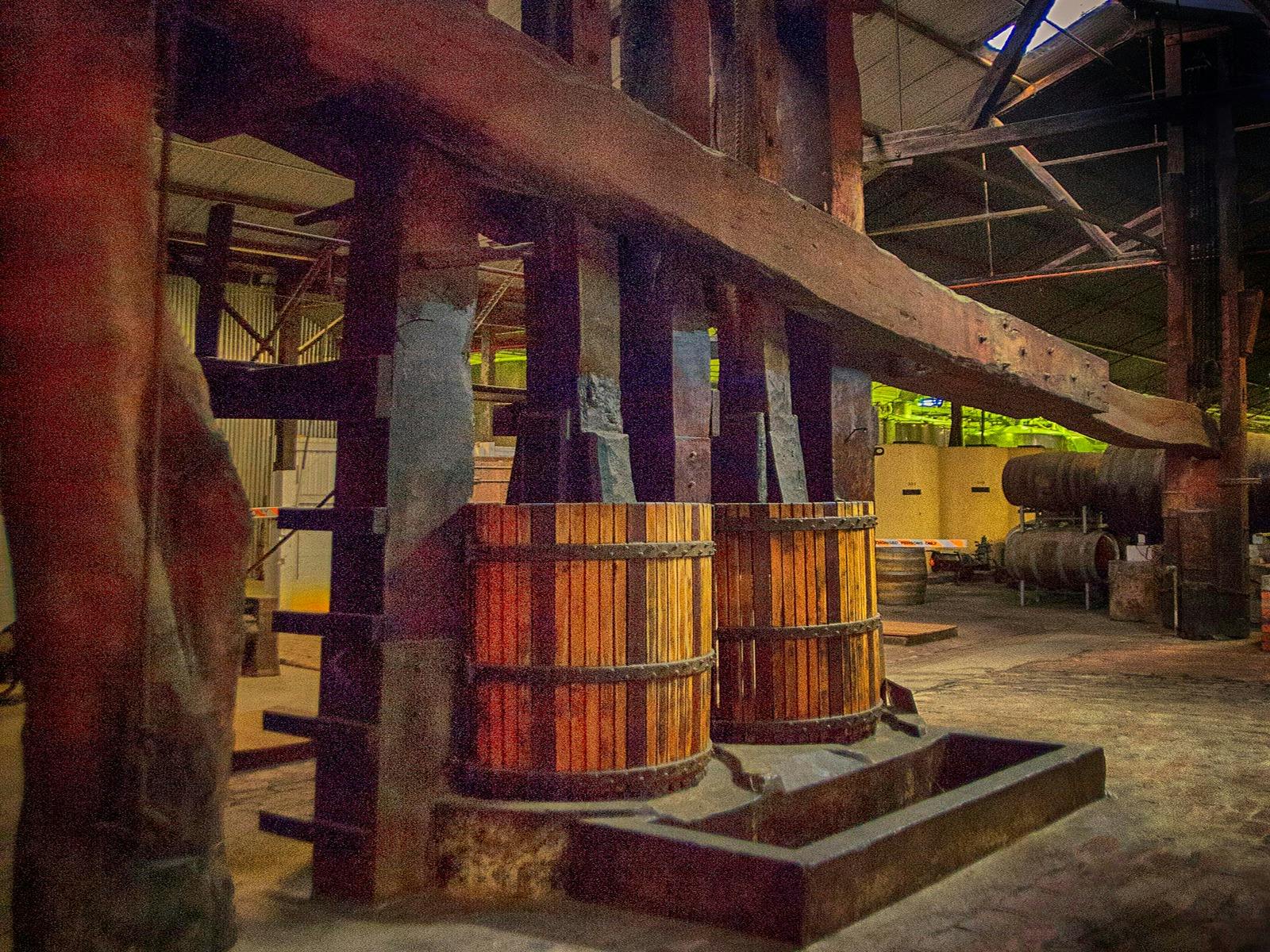
Join them on the Adelaide Hills & Hahndorf Hideaway Tour for a day of stunning scenery, delicious flavours, and unforgettable experiences. Begin at Mt Lofty Summit, taking in breathtaking views over Adelaide and the plains beyond. Next, visit the famous Beerenberg Farm Shop, a beloved family business known…
 Adelaide, SA
Langhorne Creek Crossing
Langhorne Creek is one of Australia's oldest and most significant wine regions – South East of Adelaide. The area was founded on the broad flood plain. Bremer and Angas Rivers. Alfred Langhorne, brought animals overland to a property known as Langhorne Station during the 1840s. The vineyards of…
 Hahndorf, SA
Hahndorf and Adelaide Hills Extravagance
Experience the epitome of luxury amidst the picturesque landscapes of the Adelaide Hills with our Adelaide Hills Extravagance. This exclusive journey unveils the region's rich tapestry of rolling hills, verdant valleys, and sweeping vistas while indulging in its renowned cool-climate wines and culinary delights. The adventure begins with…
