Tocal Homestead
Highlights
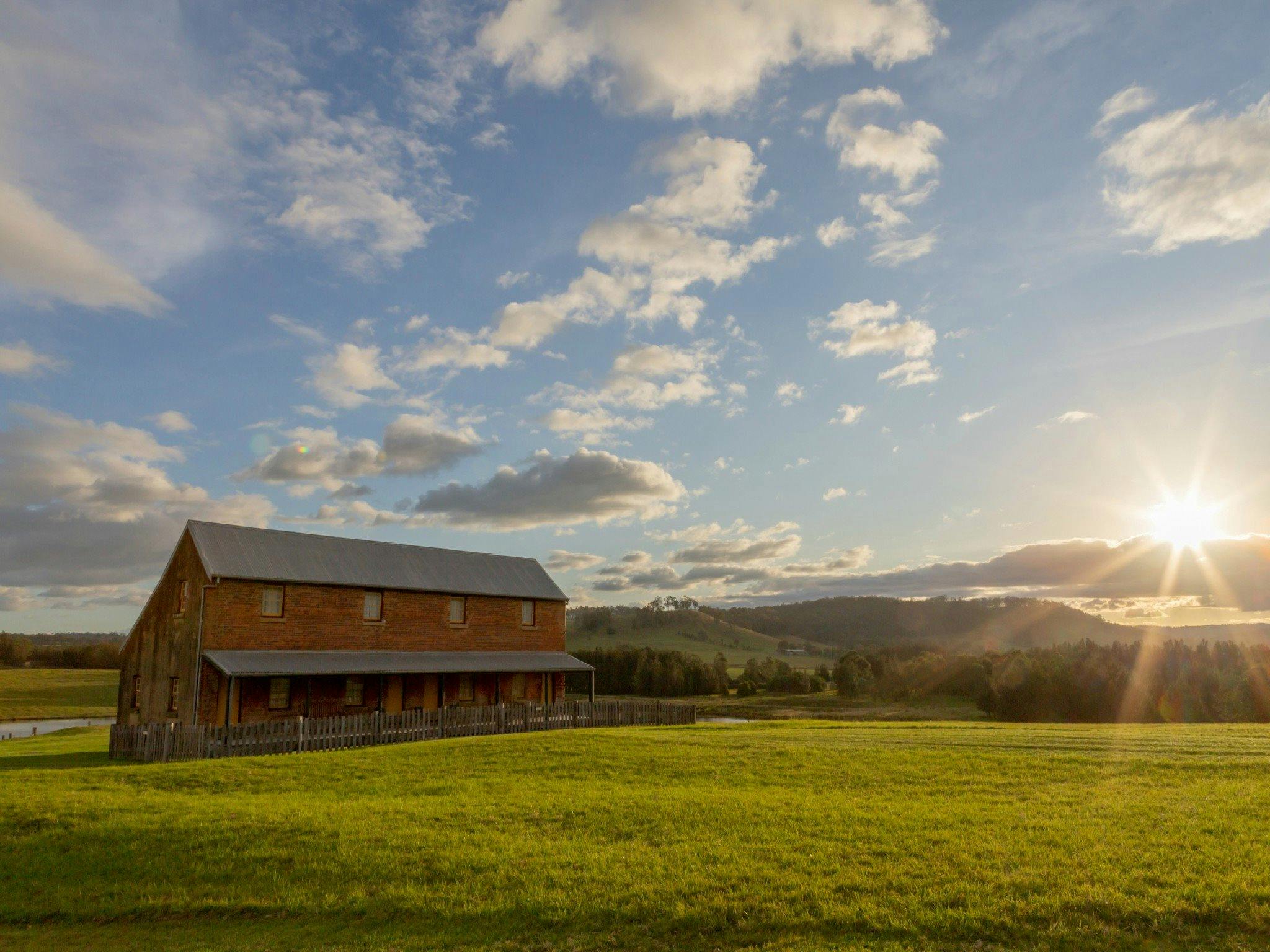
- Explore one of Australia's finest collections of colonial farm buildings dating from the 1830s at Tocal Homestead.
- Wander among magnificent fig trees while enjoying stunning views of Tocal lagoon and the Paterson River.
- Join farm tours to witness seasonal activities across beef, horse, dairy, and sheep enterprises on this working farm.
- Relax in the beautiful gardens and heritage site, open every Sunday for a family-friendly experience.
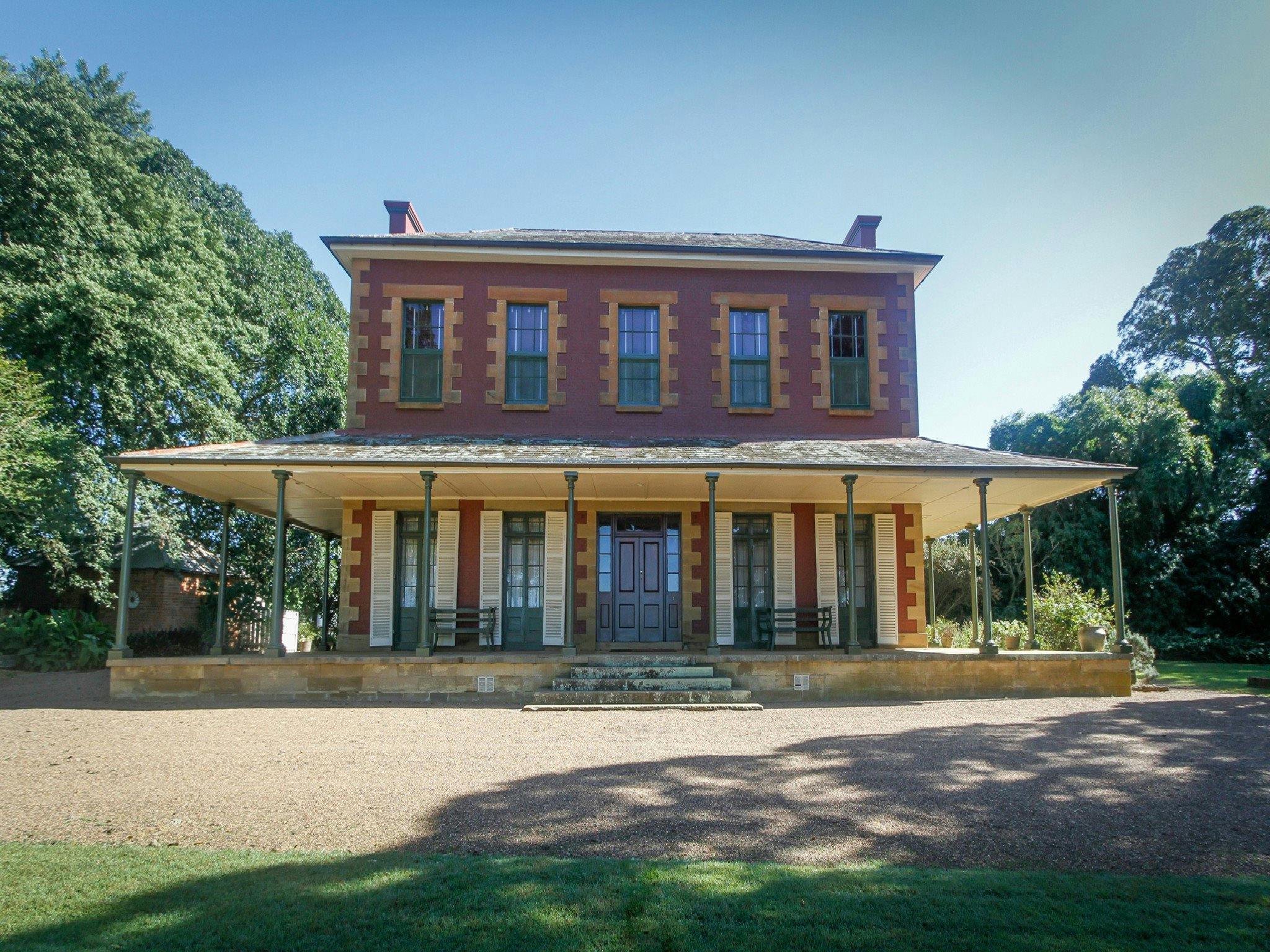
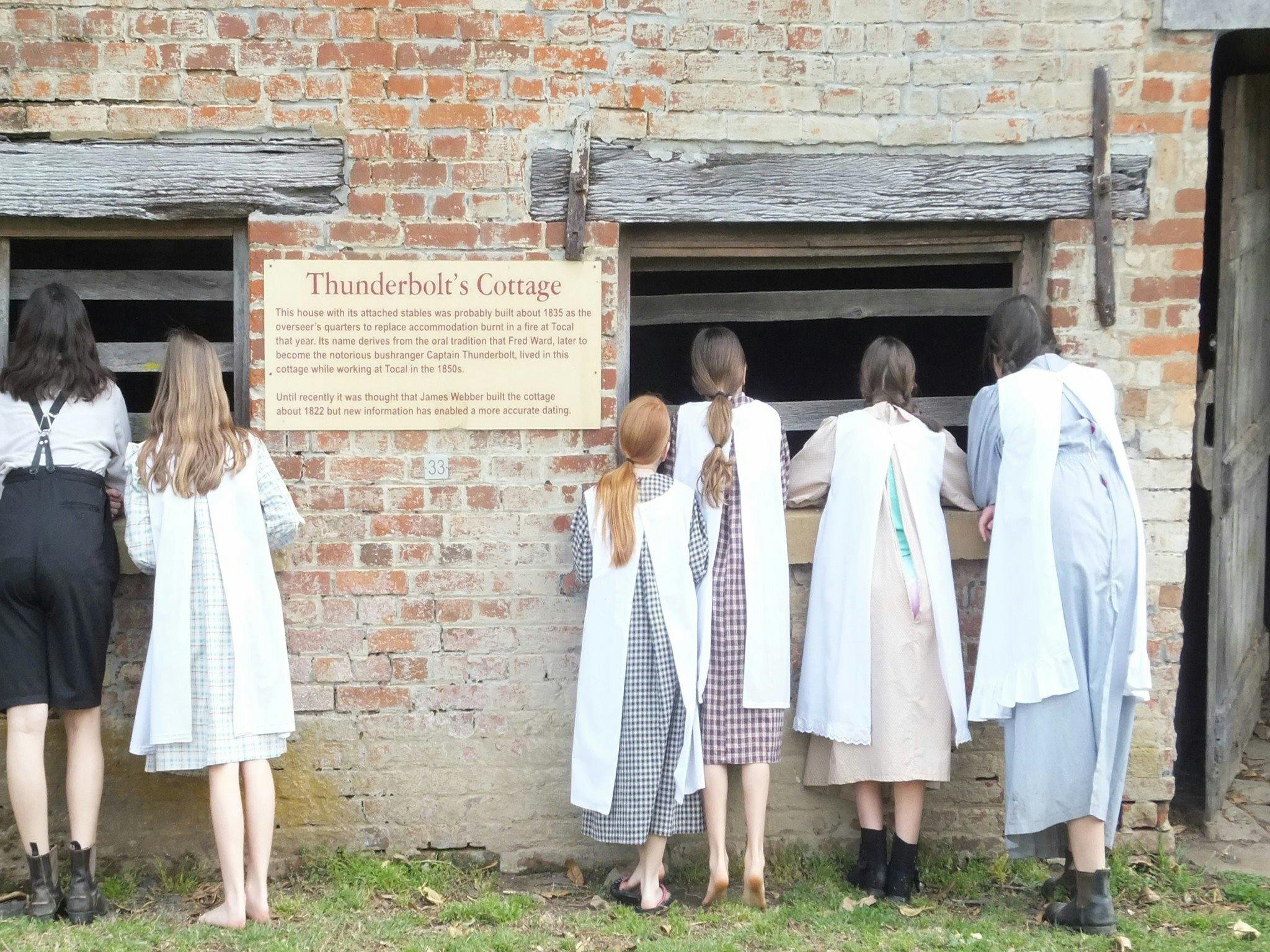
Tocal Homestead has one of Australia’s finest collections of colonial farm buildings dating from the 1830s.
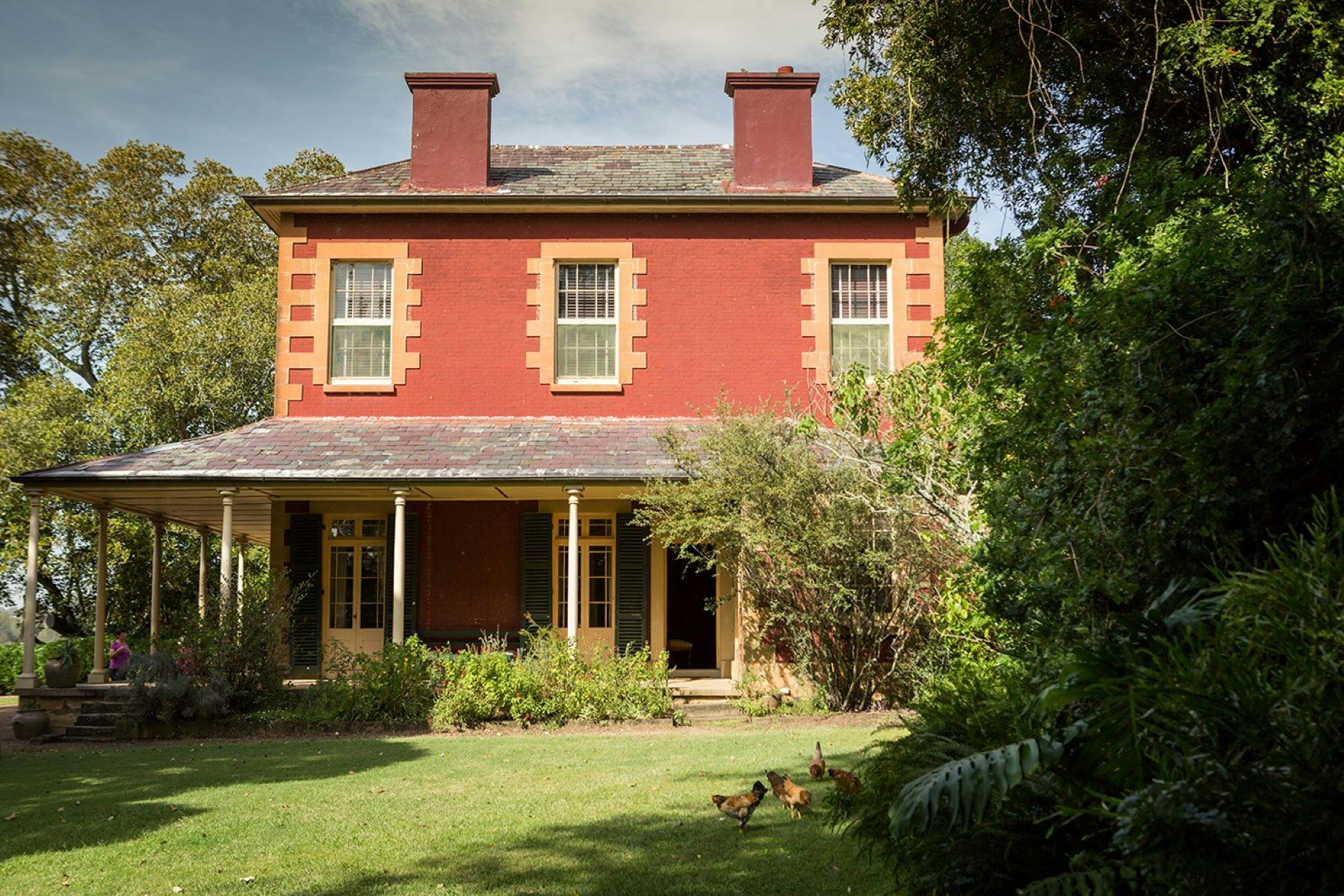
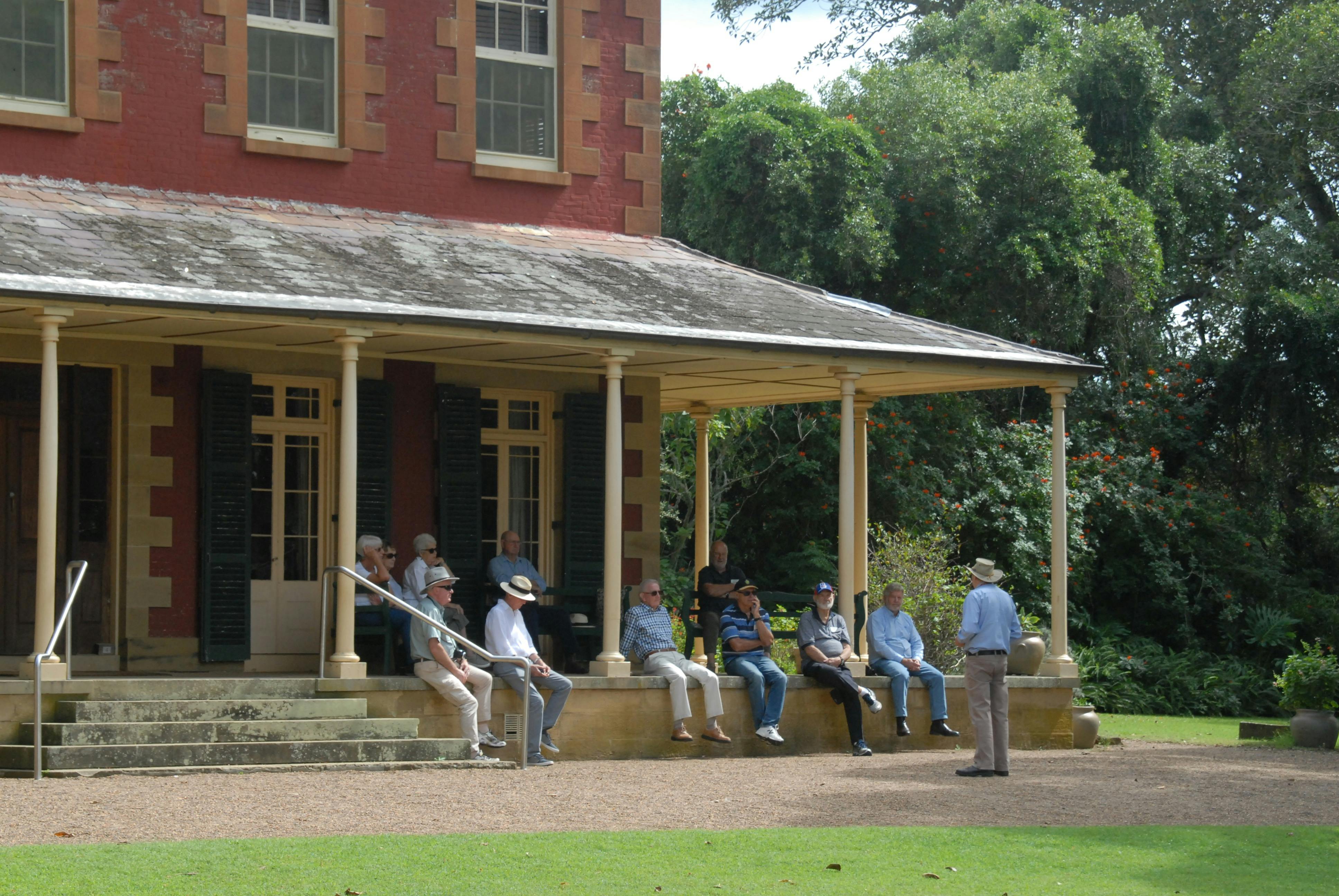
The Homestead is set among magnificent fig trees and overlooks the Tocal lagoon, with the Paterson River beyond. Built in 1840 as a country retreat for Felix Wilson, the house is only one of the fascinating buildings on this site which illustrates the changes in the land use at Tocal since 1822.
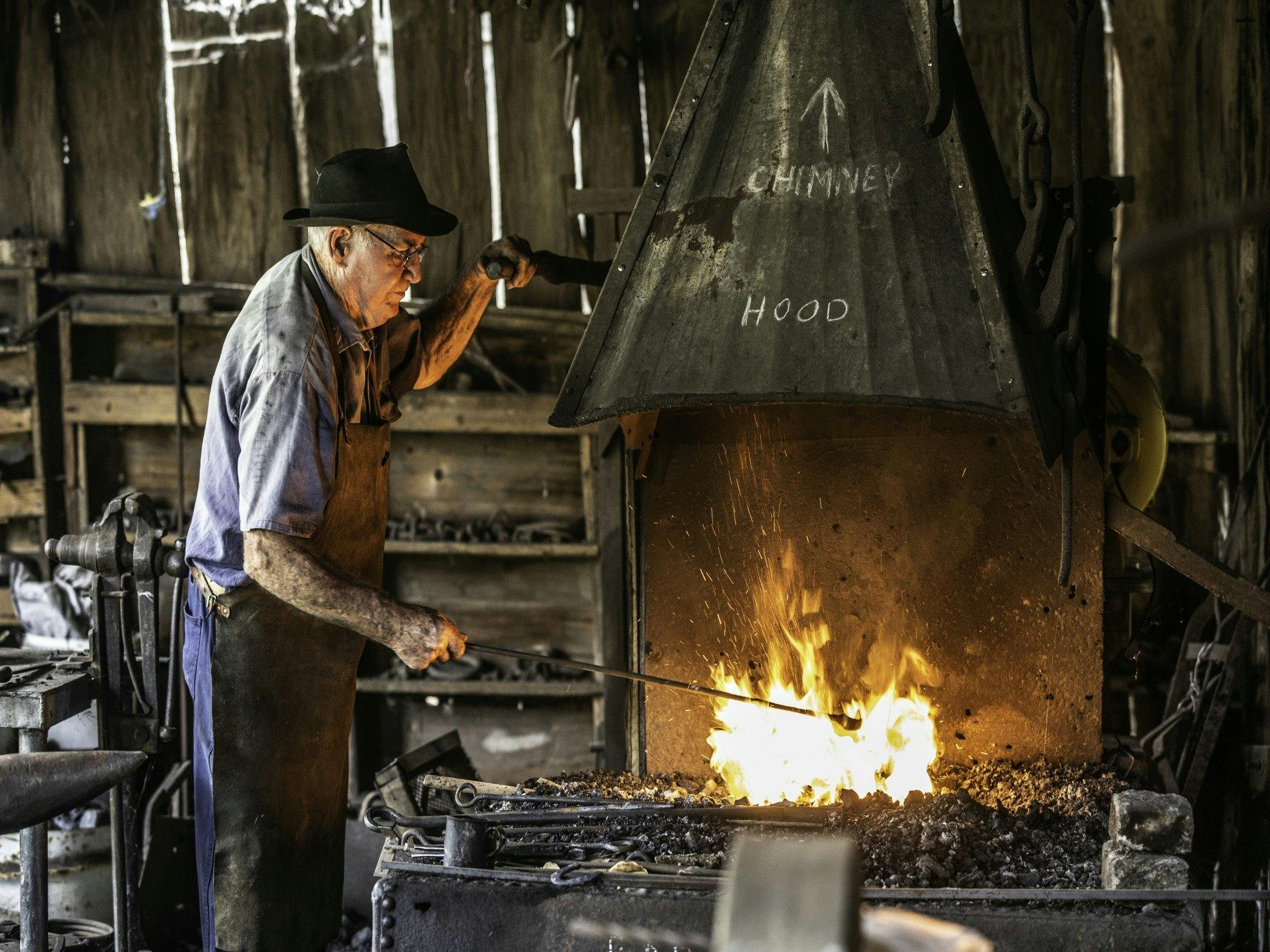
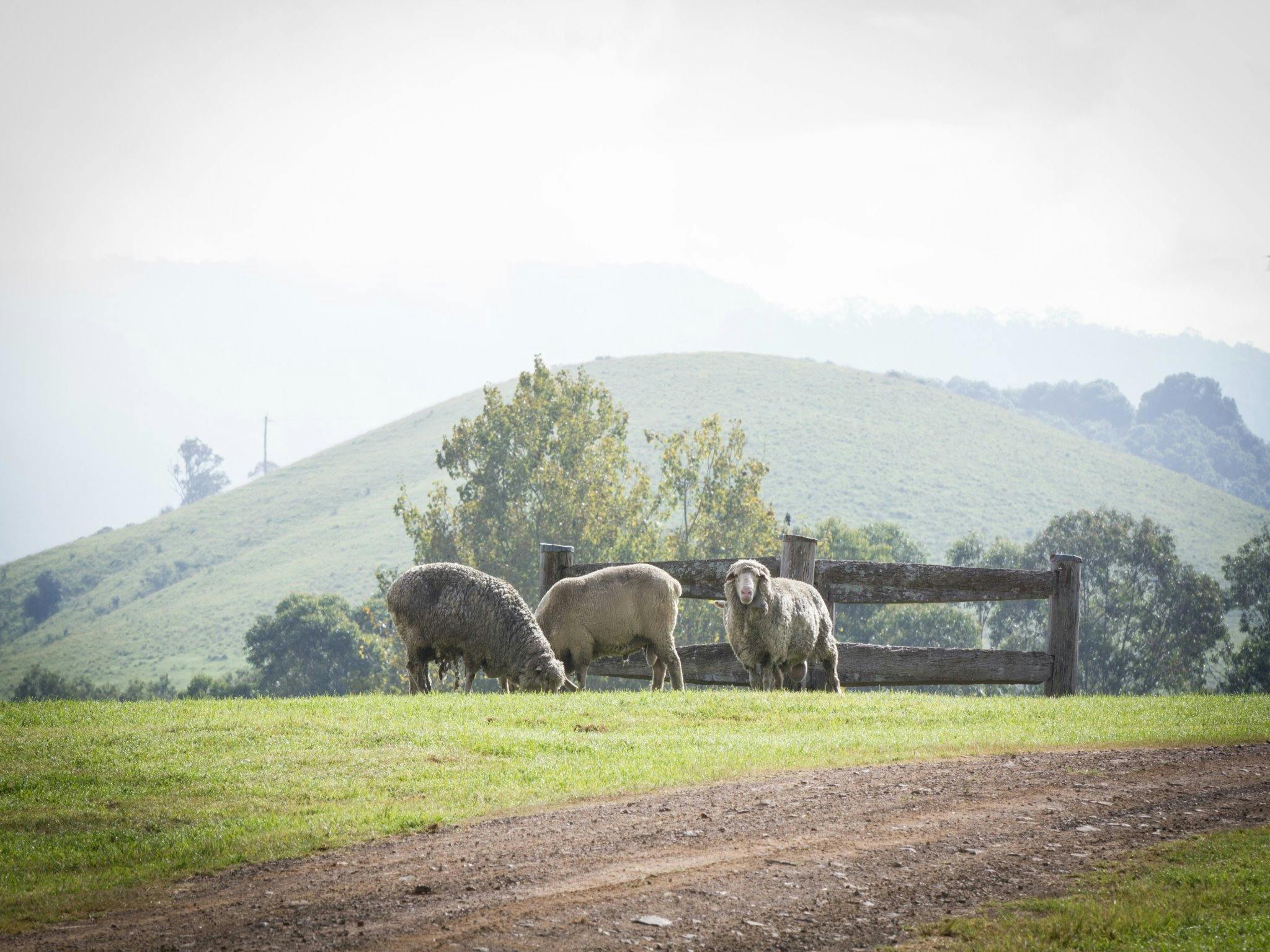
Farm tours provide an opportunity to experience this beautiful property. The tour includes the beef, horse, dairy and sheep enterprises as well as the natural features of the historic landscape. Tocal is a working farm so visitors can view the seasonal activities of the farm operations.
The heritage site is open every Sunday.
Images and Video




Accreditations
- NSW – Tourism Hunter
Features
Tags
Actively welcomes people with access needs.
General access

- Offers multiple options for booking – web, email, phone is available.
- Offers a range of contact methods for receiving complaints.
- Companion Cards are accepted.
- Staff are trained in disability awareness.
- Asks all visitors if there are any specific needs to be met.
- Advise tour guides of the access needs of guests at the time of booking (includes pick up and drop off requirements)
- Assistance with booking arrangements (includes providing clear itineraries with written instructions on what to do at various destinations)
Communication

Welcomes and assists people who have challenges with learning, communication, understanding and behaviour. (includes people with autism, intellectual disability, Down syndrome, acquired brain injury (ABI), dyslexia and dementia)
- Staff are trained in communicating with people with learning or behavioural challenges.
- Uses Plain English / easy read signage and information (includes menus and emergency information)
- A quiet space is available at the venue/ facility.
Vision

Caters for people who are blind or have vision loss.
- Information in large print is available.
- Information in audio format (includes an audio described map of their venue, audio descs of performances and/ or displays) is available.
- Digital communication materials (hard copy information also online) is available.
- Uses easy to read fonts in their signage and communication materials (Helvetica and Arial).
- Handrails on all stairways
- Exit signs which are visible at a ground level (high level signs are difficult to see in a fire) are available.
Physical – Mobility

Caters for people with sufficient mobility to climb a few steps but who would benefit from fixtures to aid balance. (This includes people using walking frames and mobility aids)
- Seating in common areas including reception area
Physical – Wheelchair

Caters for people who use a wheelchair.
- Step free outdoor pathways (includes picnic areas, barbecues and shelters)
- Step free access to the conference or function room
- A wheelchair accessible toilet / shower and change room is available.
- Wheelchair accessible transport options available in the general vicinity (provide information on name of the operator, phone and website link to individual providers for private vehicles, community transport train, mini vans, hire cars, buses, taxis, ferry, tram, light rail etc in their access statement).
Physical – High support needs

Caters for people with high support needs who travel with a support person.
Allergies and intolerances

Caters for people with allergies and intolerances.
- Modify their cooking and cleaning practices to cater for people with food allergies or chemical intolerances (could include menus with meals free from: nuts, dairy, seafood, eggs, gluten etc).
- Staff are trained to respond to allergic reactions.
- Complies with The Food Authority requirements for allergy management in food preparation.
- Equipment to respond to anaphylactic shock such as epi–pens and defibrillator.
- Toiletries which are chemical and fragrance free (if requested).
Plan more around this area
 Paterson, NSW
 Kings and Queens
Defining features of the rooms in Kings nd Queens Paterson include private ensuite bathrooms, queen beds, access to the wrap around balcony and fireplaces.
 Maitland Vale, NSW
 Ayr Farm Riverside Camp
This is a hosted stay through Hipcamp, below is the information provided by the Host regarding their offering. Welcome Ayr Farm Riverside Camp, a…
 Rosebrook, NSW
 Rosebrook River Camp
This is a hosted stay through Hipcamp, below is the information provided by the Host regarding their offering. Do you fancy camping on your…

 Largs, NSW
 The Old Convent Guesthouse
Originally the residence for the Sisters of St Joseph, circa 1893, The Old Convent Guesthouse is now a grand accommodation.
 Rosebrook, NSW
 Hunter River Retreat
Leave the city behind and unwind on the veranda of your own private spa cottage.
 Rosebrook, NSW
 Cadair Cottage
Cadair Cottage consists of two romantic luxury spa cottages in the Hunter Valley. Magically secluded with sweeping views of the Hunter River.
 Lorn, NSW
 Lorn Park Sports and Recreation Club
Located in the quaint village of Lorn, ensure you try a meal from the Mushroom Pavilion Restaurant at Lorn Park Sports and Recreation Club.
 Rutherford, NSW
 Sanma Espresso – Rutherford
Whether you're grabbing a coffee on the go or kicking back with a smoothie bowl, this is the place to be.
 Rutherford, NSW
 The Rutherford Hotel
The locals are what make this pub the heart of Rutherford with its lively trivia nights, meat raffles, live music and delicious weekly specials.
 Morpeth, NSW
 Morpeth Deli
Morpeth Deli provides the Hunter Valley with a high quality gourmet selection from the delicatessen and meals to enjoy outside, in this quaint village.
 Morpeth, NSW
 The Historic Arnott Bakehouse
Situated in the restored c. 1850 Historic Arnott Bakehouse is Morpeth Sourdough, offering fresh authentic sourdough.
 Morpeth, NSW
 Sourdough Class with Stephen Arnott
You will learn to mix, shape and bake your own sourdough bread in a totally hands-on experience, flour dust and all!
