Variety Spin4Kids
Highlights
- Join teams at Princes Wharf Shed 1 to pedal for a cause and create lasting memories together.
- Experience the electric atmosphere with great music and cheering crowds, energising your spirit throughout the event.
- Support Tassie kids by fundraising, helping provide essential programs and opportunities for those in need.
- Enjoy family-friendly facilities, including cafes and shops, making it a perfect day out for everyone.
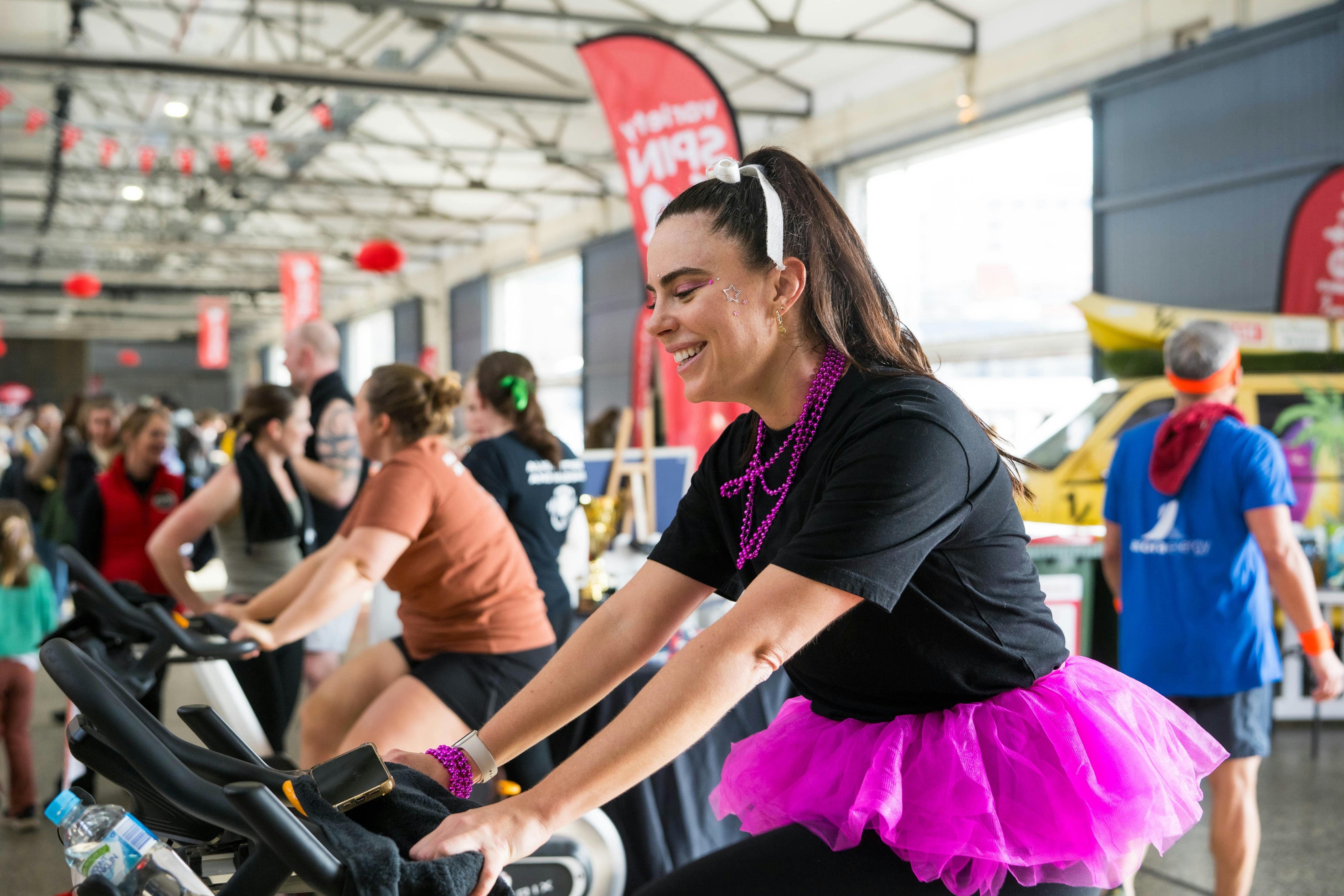
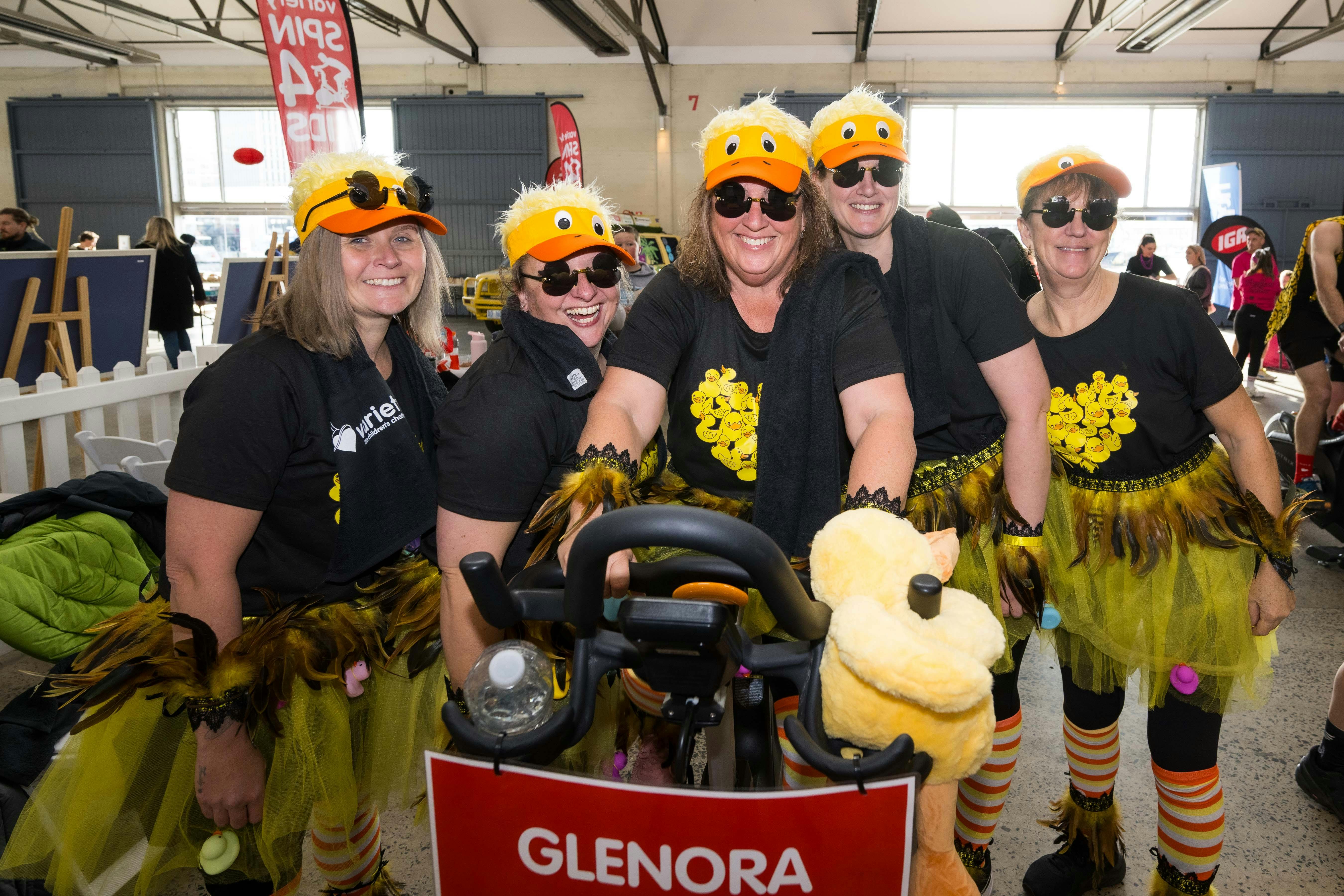
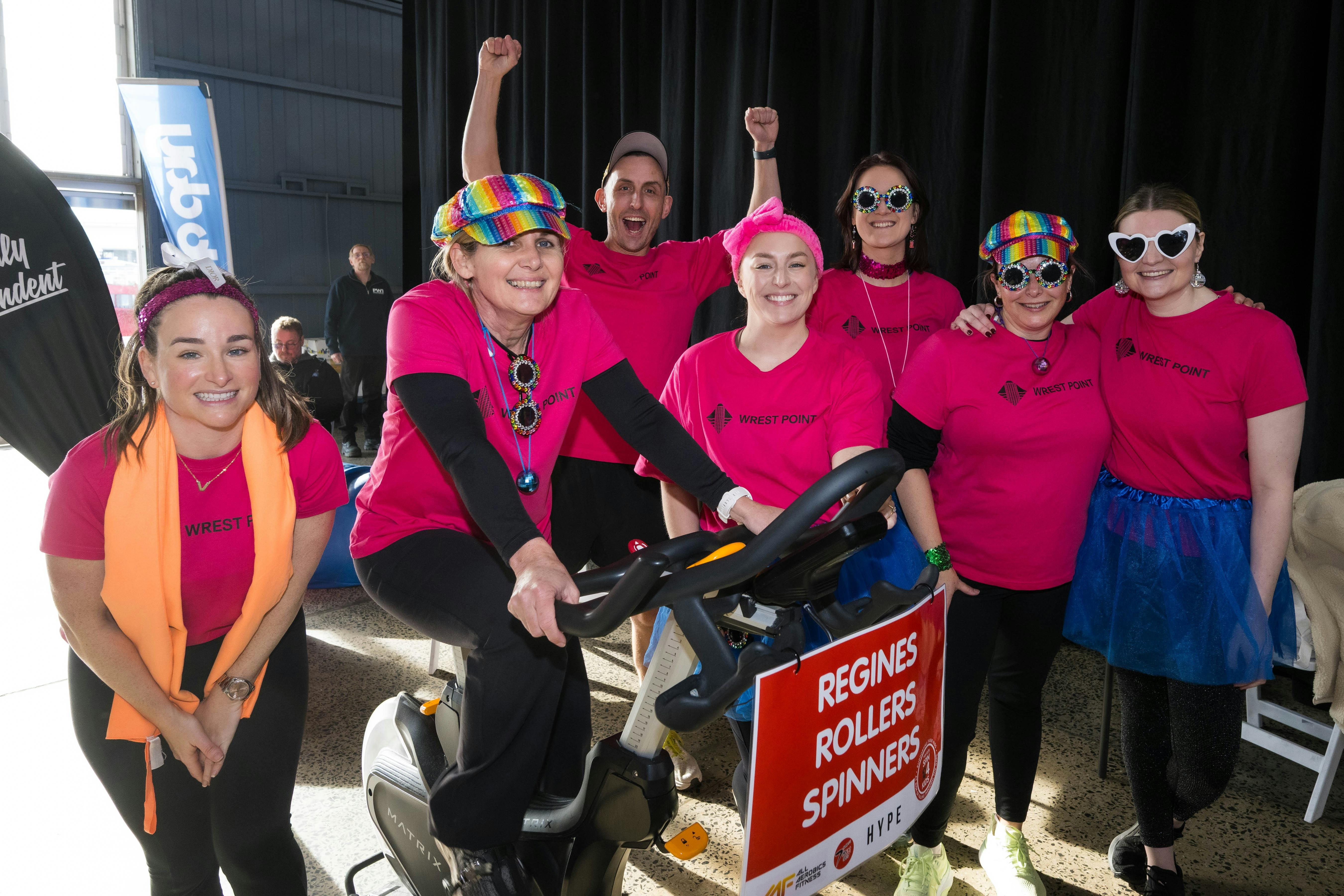
Spin4Kids is a high-energy, five-hour spin-a-thon where teams come together to pedal, fundraise and have a whole lot of fun, all in support of Tassie kids. Whether you’re a workplace, sporting club or group of friends, it’s the perfect chance to build team spirit while making a real difference.
Taking place at Princes Wharf Shed 1 (PW1) alongside the Variety Monster Book Fair, the day is packed with great music, themed costumes, and plenty of energy to keep you moving. Expect an electric atmosphere, cheering crowds, and a few surprises along the way.
Every dollar raised helps Variety Tasmania provide practical support, programs and opportunities for children who are sick, experiencing disadvantage or living with disability.
Register your team – or support a team – and join in as they pedal towards a brighter future for Tassie kids.
Images and Video

Dates & times
- Next occurrence:
Features
Actively welcomes people with access needs.
General access

- Offers multiple options for booking – web, email, phone is available.
- Offers a range of contact methods for receiving complaints.
- Companion Cards are accepted.
- Staff are trained in disability awareness.
- Accessibility information and photos, including of a bathroom, room and/or floor plan on their website (can be emailed on request).
- Asks all visitors if there are any specific needs to be met.
- Website meets <a href="https://www.w3.org/WAI/standards-guidelines/wcag/" target="_blank">WCAG 2.0</a> accessibility standards
- Assistance with booking arrangements (includes providing clear itineraries with written instructions on what to do at various destinations)
Communication

Welcomes and assists people who have challenges with learning, communication, understanding and behaviour. (includes people with autism, intellectual disability, Down syndrome, acquired brain injury (ABI), dyslexia and dementia)
- Staff are trained in communicating with people with learning or behavioural challenges.
- Uses Plain English / easy read signage and information (includes menus and emergency information)
- A quiet space is available at the venue/ facility.
Vision

Caters for people who are blind or have vision loss.
- Information in large print is available.
- Digital communication materials (hard copy information also online) is available.
- Uses easy to read fonts in their signage and communication materials (Helvetica and Arial).
- Staff are trained in customer service for people with vision loss (training would incorporate way finding and communicating with people with vision loss).
- An appropriate area for toileting an assistance dog is available.
- Exit signs which are visible at a ground level (high level signs are difficult to see in a fire) are available.
Hearing

Caters for people who are deaf or have hearing loss.
- Staff are trained in communicating with people who are deaf or have hearing loss.
- Staff are trained in Auslan.
- Visual alerts for emergencies (Include flashing light) are available.
Physical – Mobility

Caters for people with sufficient mobility to climb a few steps but who would benefit from fixtures to aid balance. (This includes people using walking frames and mobility aids)
- Uses floors/coverings which are slip resistant, firm and smooth
- Uses non-slip tiles in the bathroom or slip resistant matting
- Grab rails in the bathroom
- Seating in common areas including reception area
Physical – Wheelchair

Caters for people who use a wheelchair.
- Step free outdoor pathways (includes picnic areas, barbecues and shelters)
- A step free main entrance to the building and/or reception area (includes ramps or slopes with a maximum gradient of 1:14, otherwise are too steep for wheelchairs)
- Doorways which are easy to open and have lever handles (doorways 850mm or wider when open and not heavy).
- An accessible public toilet which is unlocked.
- At least one wheelchair accessible parking space with wheelchair accessible signage clearly displayed (International standards are 3200mm wide x 2500 mm high).
Physical – High support needs

Caters for people with high support needs who travel with a support person.
- A place to store medical equipment (eg oxygen).
Plan more around this area
 Hobart, TAS

Mövenpick Hotel Hobart
Located in the heart of picturesque Hobart, Movenpick Hotel Hobart is a place to savour life and create unforgettable moments.



 Hobart, TAS
Mantra One Sandy Bay Road
Mantra One Sandy Bay Road offers apartment accommodation near the centre of Hobart.
 Hobart, TAS

MACq 01 Hotel
Nestled in the heart of the historic Hobart waterfront, MACq 01 is a luxury story hotel that combines premium accommodation with immersive, not forgettable storytelling.
 Hobart City, TAS
Hadley's Orient Hotel
Hadley’s Hotel Hobart is the oldest continuously operating boutique hotel in Tasmania.
 Hobart, TAS
Quest Savoy
Quest Savoy – inner city boutique apartments located in the heart of Hobart’s central business district.
 Hobart, TAS
Mantra Collins Hotel
Mantra Collins Hotel is one of Hobart's most popular hotels due to its central location and historic charm.
 Battery Point, TAS
 Farzi
Farzi is a culinary gem nestled in Salamanca on Hobart’s waterfront. We are a unique café and restaurant offering contemporary Australian cuisine.
 Battery Point, TAS
 Rockwall Bar and Grill
Rockwall Bar and Grill showcases the unique textures and tastes of Tasmania. A significant symbol of Hobart's history. Convict labour was used to quarry
 Battery Point, TAS
 A Moment Of Tea
A Moment of Tea, located in the Salamanca Arts Centre in Hobart, offers a curated selection of premium Chinese and locally sourced Tasmanian teas and
 Hobart, TAS
 Billys Burgers and Bar
A family friendly Burger restaurant and take away providing great meals and fun times for all ages. Absolute waterfront dining, friendly service, local products, indoor
 Hobart, TAS
 T42 Hobart
We offer Absolute waterfront dining on the historic Elizabeth Street Pier in the heart of Hobart. Our style is casual fine dining with share plates
 Hobart, TAS
 Restaurant Maria
Maria is located at the end of award-winning Brooke Street Pier, sitting in the shadow of Mt Wellington and overlooking the beautiful harbour.
