Images and Video

7 Day Southwest to Esperance Frontier
Highlights
- Discover towering forests and pristine coastlines, immersing yourself in the diverse landscapes of Western Australia.
- Savour world-class wines and gourmet tastings in the Margaret River region, indulging your palate with local flavours.
- Wander high above the treetops on the Valley of the Giants Tree Top Walk, experiencing nature from a unique perspective.
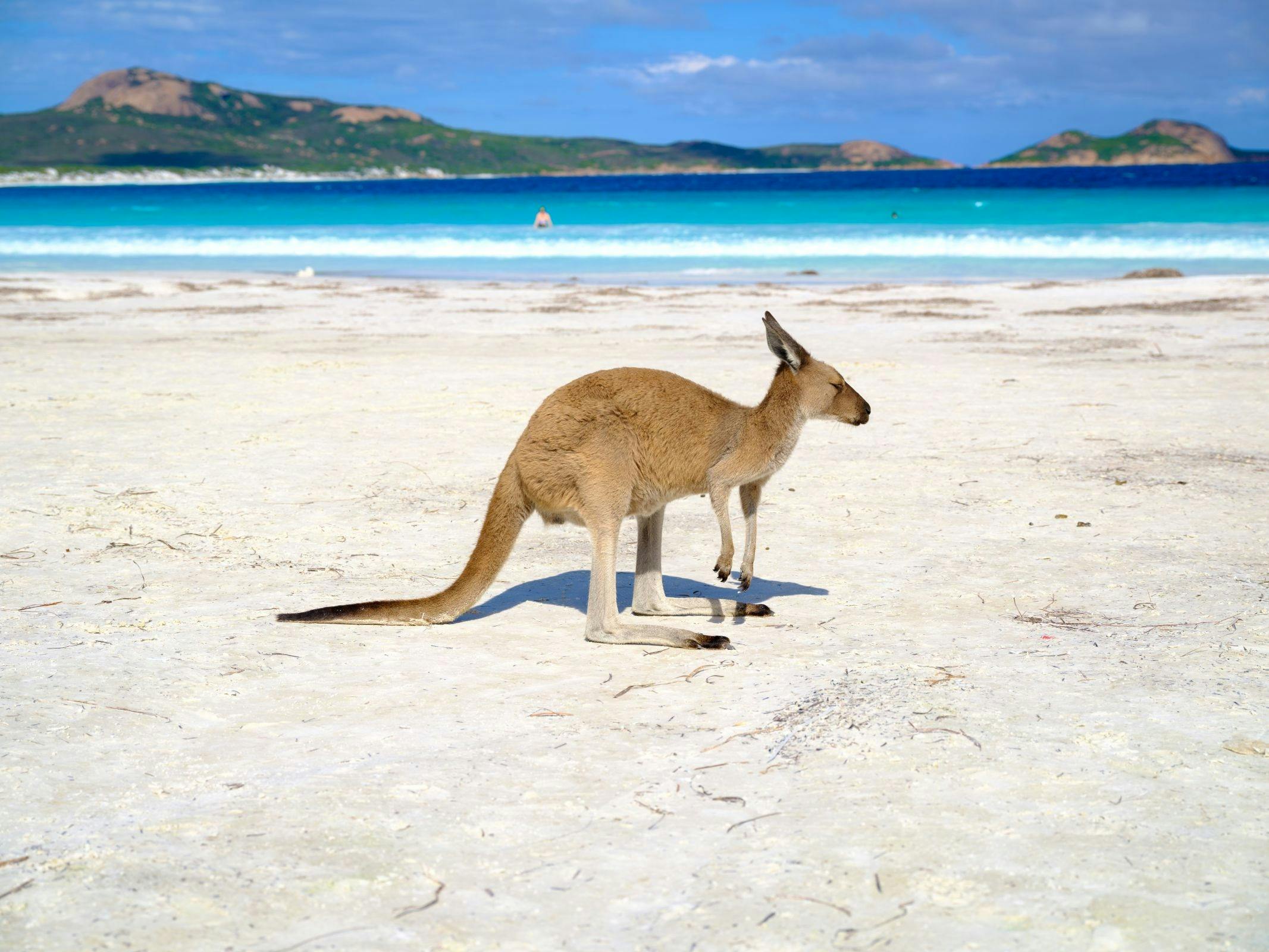
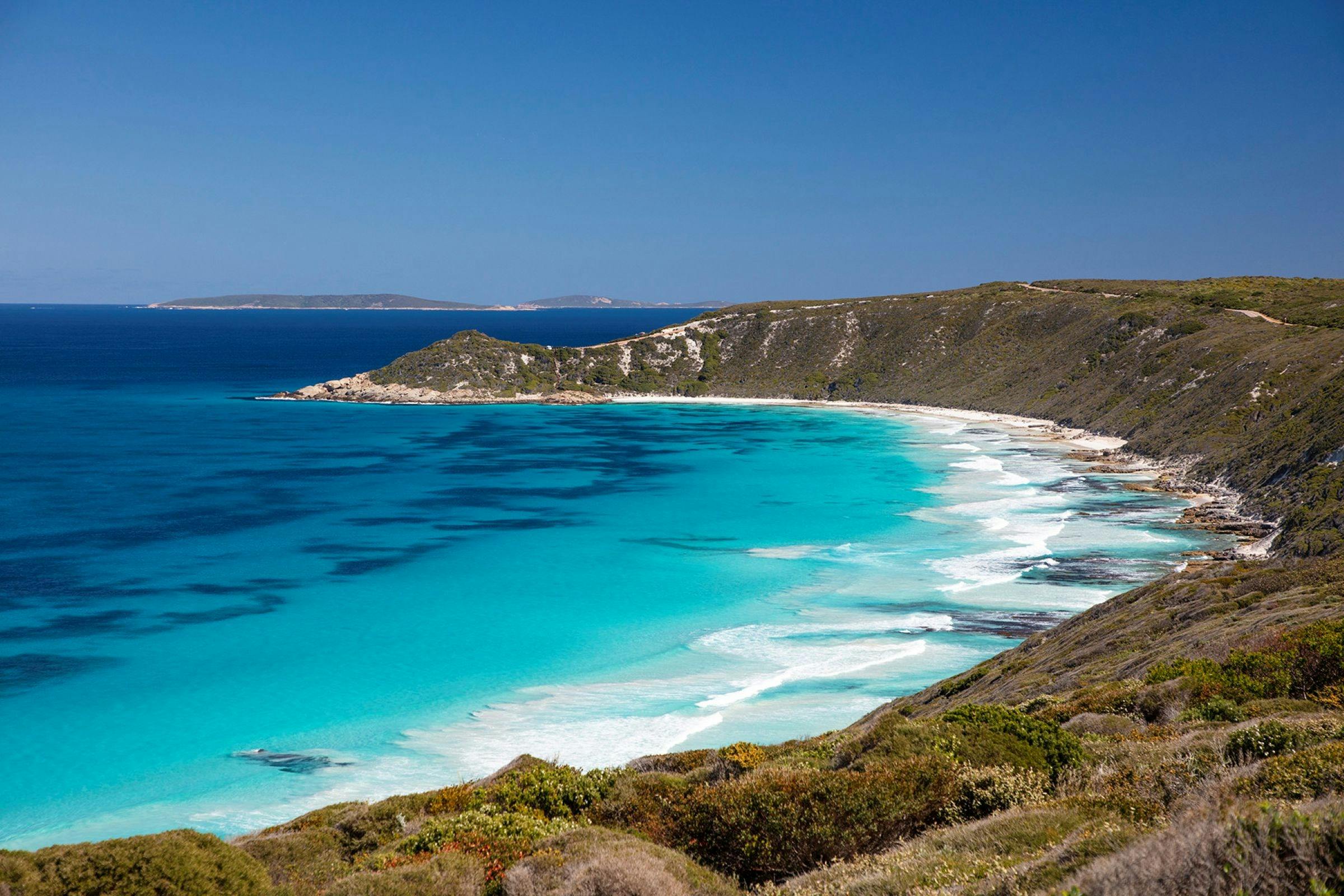
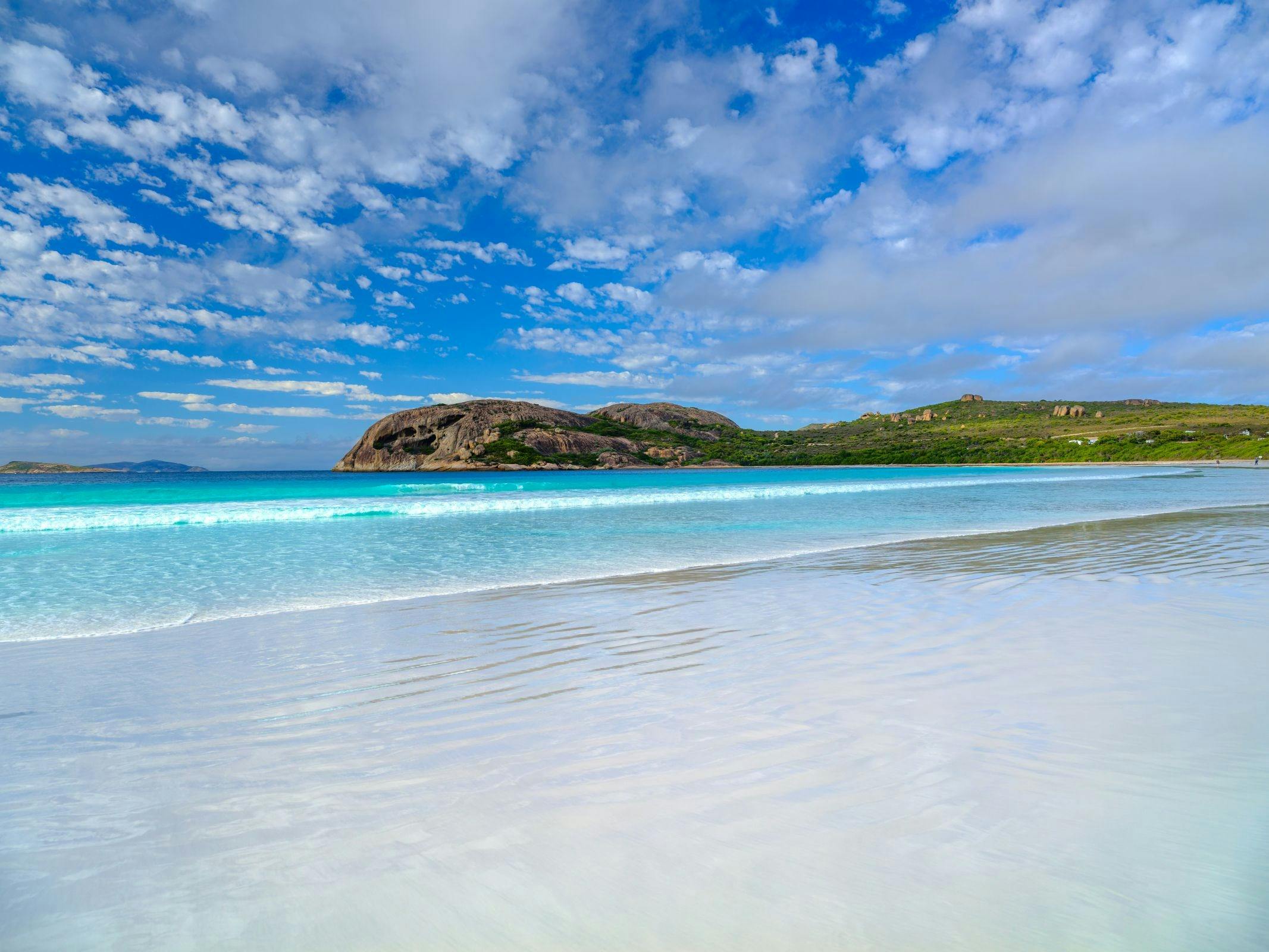
- Relax along Esperance's Great Ocean Drive, where kangaroos bask on pure white sand and turquoise waters invite exploration.
Discover the extraordinary diversity of Western Australia on this handcrafted seven-day small-group journey from Perth to Esperance. Travel through world-class wine country, towering forests and along pristine southern coastlines, where every day reveals new landscapes, flavours and stories.
Explore Busselton Jetty, descend into ancient limestone caves and enjoy wine, beer and gourmet tastings in the Margaret River region. Visit Canal Rocks, Prevelly, Hamelin Bay and stand where two oceans meet at Cape Leeuwin Lighthouse. Stay lakeside at Karri Valley Resort, surrounded by forest tranquillity.
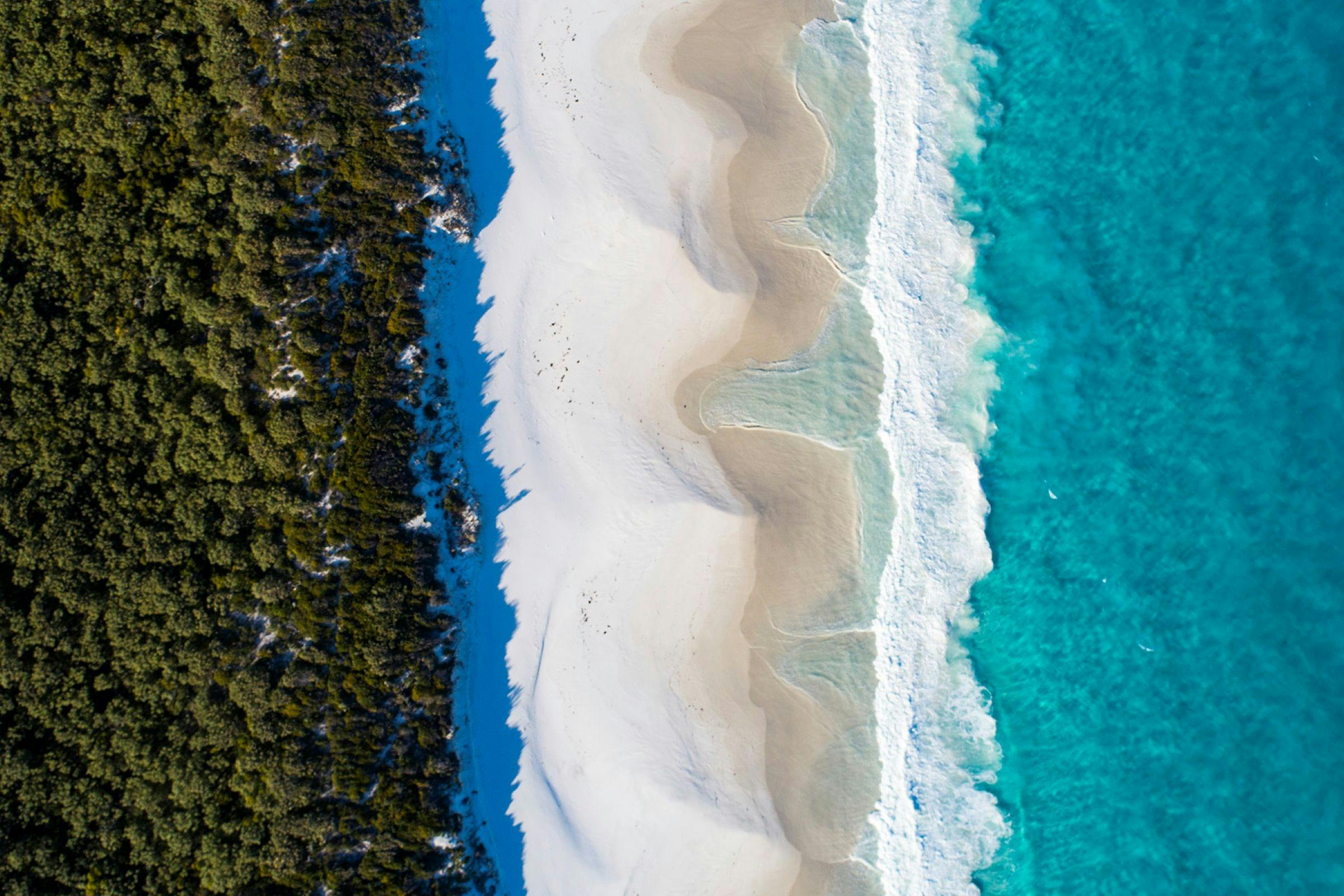
Wander high above the treetops on the Valley of the Giants Tree Top Walk, marvel at Elephant Rocks and the dramatic cliffs of Albany’s The Gap. Continue through the Stirling Ranges and Porongurup National Park to Esperance, home to crystal-clear waters and snow-white beaches.
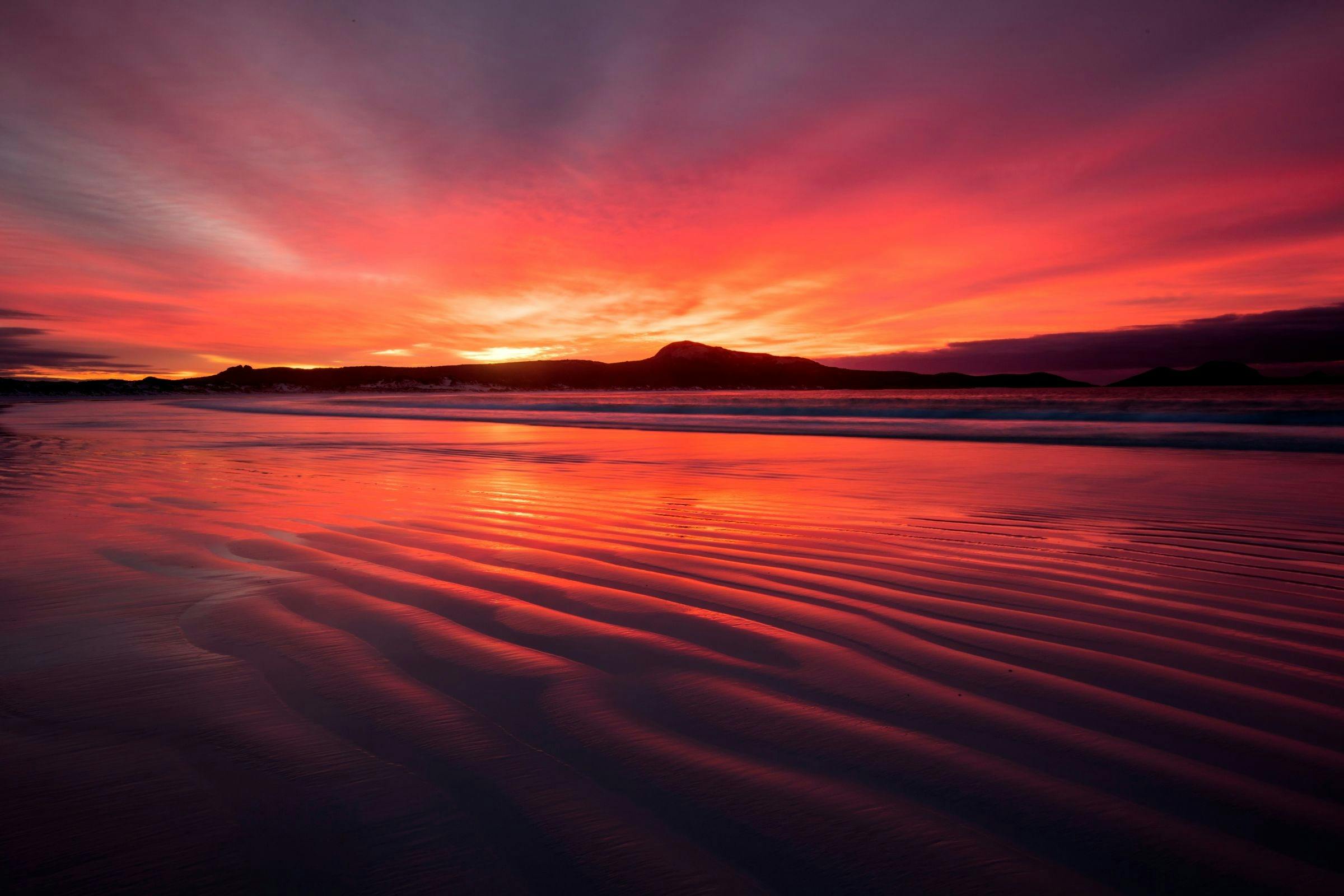
Relax along Esperance’s Great Ocean Drive and spend a day in Cape Le Grand National Park, where kangaroos laze on pure white sand and granite peaks rise above turquoise bays.
From coast to forest to wild southern shores, this journey captures the spirit of Western Australia’s Southern Frontier.
Itinerary highlights
Busselton Jetty
Busselton Jetty is one of Western Australia’s most iconic attractions and the longest timber-piled jetty in the Southern Hemisphere, stretching 1.8 kilometres over the turquoise waters of Geographe Bay. Built in 1865, the jetty is steeped in maritime history and today welcomes visitors to walk or take the charming jetty train to the end.
At the far end, you’ll find the Underwater Observatory, where a spiral staircase descends eight metres below the ocean to reveal a living marine reef, home to colourful corals, fish and thriving sea life. Above the water, the jetty offers panoramic views, fishing spots, crystal-clear swimming areas and spectacular sunrise and sunset photo opportunities.
The foreshore precinct features cafés, playgrounds, art installations and waterfront picnic spaces, making it a popular stop for families, photographers and travellers.
Heritage, nature and adventure come together at Busselton Jetty — a must-see along Western Australia’s South West coast.
Ngilgi Cave
Ngilgi Cave, located near Yallingup in the Margaret River Region, is one of Western Australia’s most captivating limestone caves. Discovered in 1899, it features stunning stalactites, stalagmites, helictites and crystal formations that have been developing for hundreds of thousands of years.
Visitors descend into a series of chambers filled with shimmering calcite crystals and cathedral-like caverns. Boardwalks and subtle lighting highlight the cave’s natural beauty while guided commentary reveals its geology, history and deep cultural significance.
Ngilgi Cave holds an important place in Aboriginal storytelling. Named after the spirit Ngilgi from Wardandi Noongar Dreaming, the cave is a site of ancient legend, reflecting the local people’s connection to the land.
The semi-guided tour allows time to explore at your own pace, sit in the stillness of the Amphitheatre Chamber or learn more in the interpretive areas above ground.
With its blend of natural wonder and cultural heritage, Ngilgi Cave is a must-visit experience when travelling through the Margaret River region.
Canal Rocks
Canal Rocks is a dramatic coastal landmark located near Yallingup in Western Australia’s South West. Shaped over millions of years by wind and powerful Indian Ocean swells, this natural granite formation features narrow channels and rugged rock islands carved by the sea.
Visitors can walk along the wooden boardwalk and bridges that stretch across the rock channels, offering spectacular views of swirling turquoise water, crashing waves and layered granite formations. On calm days, the rock pools reveal clear water and marine life, while stormy conditions showcase the raw force of the ocean.
A favourite spot for photographers, nature lovers and sunset seekers, Canal Rocks beautifully captures the wild spirit of the Margaret River coastline. The site also holds cultural significance for the Wardandi Noongar people.
With its dramatic scenery and ever-changing ocean moods, Canal Rocks is a must-see stop along the Cape to Cape coast.
Prevelly Beach
Prevelly Beach is a picturesque coastal village located just minutes from Margaret River, renowned for its sweeping ocean views, surf culture and relaxed seaside charm. Overlooking the Indian Ocean, the beach is a favourite for surfers, walkers and those seeking a peaceful place to unwind.
The shoreline offers a mix of rugged headlands, soft sandy stretches and lookout points perfect for watching powerful waves roll in. Nearby Surfers Point is world-famous for hosting international surf competitions such as the Margaret River Pro, drawing spectators from around the globe.
Cafés like the White Elephant Beach Café provide stunning oceanfront dining, especially at sunrise and sunset when the sky glows over the sea. The area also holds cultural and historical significance, home to the Greek Orthodox Chapel of St John, built in honour of local hospitality shown during World War II.
Whether you’re here for coastal walks, surfing, photography or simply to relax with a coffee and ocean breeze, Prevelly Beach perfectly captures the spirit of Western Australia’s laid-back coastal lifestyle.
Margaret River
Margaret River is one of Western Australia’s most iconic destinations, renowned for its world-class wineries, gourmet food, surf breaks and breathtaking natural landscapes. Located three hours south of Perth, the region combines coastal beauty, ancient forests and a thriving culinary and arts scene.
The township itself is charming and relaxed, lined with boutique shops, artisan cafés, galleries and local produce stores. Just beyond town, rolling vineyards and cellar doors offer premium wines, particularly cabernet sauvignon and chardonnay, alongside craft breweries, distilleries and farm-to-table restaurants.
Nature lovers can explore nearby limestone caves such as Ngilgi and Mammoth, walk through majestic Karri forests, or visit stunning beaches like Prevelly, Gnarabup and Hamelin Bay. The dramatic coastline around Surfers Point is famous for its world-class surf and spectacular sunsets.
With its perfect blend of nature, flavour and culture, Margaret River is a must-visit destination for travellers seeking relaxation, adventure and premium local experiences.
Hamelin Bay
Hamelin Bay is a tranquil coastal gem in Western Australia’s South West, best known for its crystal-clear waters, white sand beaches and friendly wild stingrays that glide close to the shoreline. Located between Margaret River and Augusta, it offers a peaceful escape with breathtaking coastal scenery.
Visitors can often see large stingrays and eagle rays in the shallows near the boat ramp, particularly in the early morning. These gentle creatures have become an iconic feature of Hamelin Bay, making it a favourite spot for nature lovers and photographers.
Beyond the beach, the area offers excellent swimming, snorkelling, fishing and scenic coastal walks. Remnants of the historic timber port can still be seen along the shore, hinting at the area’s past.
Surrounded by coastal heath, Karri forests and rolling dunes, Hamelin Bay is a perfect stop on the journey through the Margaret River Region. Whether you’re here for wildlife encounters, beach walks or sunset views over the Indian Ocean, it delivers a truly memorable coastal experience.
Cape Leeuwin Lighthouse
Cape Leeuwin Lighthouse stands at the most south-westerly point of Australia, where the Indian and Southern Oceans dramatically meet. Located near Augusta in the Margaret River Region, it is the tallest mainland lighthouse in Australia and one of the country’s most historically significant maritime landmarks.
Built in 1895 from local limestone, the lighthouse has guided ships along one of the world’s most treacherous stretches of coastline for over a century. Visitors can take guided tours to climb the lighthouse tower, learn about its history and enjoy breathtaking 360-degree views of rugged cliffs, crashing waves and endless ocean.
The surrounding lighthouse precinct includes restored cottages, interpretive displays and scenic walking paths that tell the story of maritime history and early lighthouse keepers. On clear days, you can see migrating whales offshore (seasonally) and striking contrasts where the two oceans converge.
With its rich history, powerful seascapes and iconic location, Cape Leeuwin Lighthouse is a must-visit attraction in Western Australia’s South West.
Augusta
Augusta is a peaceful coastal town in Western Australia’s South West, where the Blackwood River meets the Indian and Southern Oceans. Known for its natural beauty, marine life and relaxed charm, it is the perfect place to slow down and explore one of the state’s most scenic coastal regions.
Just a short drive from town is Cape Leeuwin Lighthouse, the most south-westerly point of Australia, where the two oceans meet. Augusta is also a prime location for spotting migrating humpback and southern right whales (May–September), with tours departing from the marina.
Visitors can enjoy tranquil river cruises, fishing, kayaking and scenic drives along the coast. Nearby attractions include Jewel Cave, one of the largest show caves in Western Australia, and picturesque beaches such as Flinders Bay and Granny’s Pool.
With its blend of maritime history, wild coastal landscapes and peaceful atmosphere, Augusta is a beautiful stop along the Margaret River Region and an ideal base for exploring the South West.
Cowaramup
Cowaramup, affectionately known as “Cow Town,” is a charming village in the heart of the Margaret River Region. Surrounded by rolling vineyards and farmland, the town is famous for its quirky life-sized cow sculptures dotted along the streets, giving it a playful and welcoming character.
The village features boutique stores, artisan chocolatiers, cellar doors, gourmet food producers and local art galleries. It’s a great place to wander, sample locally made cheeses, fudge, ice cream, olive oil, wines and craft beverages, all celebrating the region’s rich produce.
Cowaramup’s name originates from the Noongar word “Cowara,” meaning purple-crowned lorikeet, not actual cows — yet the bovine theme has become an iconic and beloved feature of the town.
Just a short drive from Margaret River, Cowaramup is a popular stop for travellers exploring the region’s wineries and countryside, offering a relaxed rural atmosphere, friendly locals and plenty of photo opportunities.
Whether you’re tasting your way through local delights or taking a selfie with a cow statue, Cowaramup is a delightful stop in Western Australia’s Southwest.
Albany
Albany is a coastal town rich in history, natural beauty and wild Southern Ocean landscapes. Located on Western Australia’s southernmost edge, it was the state’s first European settlement and still carries a deep sense of heritage and maritime story.
The rugged coastline is breathtaking — from the dramatic granite cliffs of The Gap and Natural Bridge to the calm turquoise waters of Elephant Rocks, Greens Pool and Middleton Beach. During whale season, humpback and southern right whales can be seen migrating through King George Sound, with the Historic Whaling Station offering powerful insights into Albany’s whaling past.
Albany’s town centre is filled with beautifully preserved colonial buildings, museums, galleries, cafés and boutique shops. Mt Clarence and the National Anzac Centre overlook the harbour, honouring the ANZAC troops who departed from Albany’s shores in 1914.
Surrounded by the Stirling Range and Porongurup National Parks, Albany also offers wildflowers, hiking and panoramic lookouts over mountains and coast.
With its blend of history, ocean, nature and storytelling, Albany is one of Western Australia’s most captivating destinations.
The Gap
The Gap is one of Western Australia’s most dramatic natural attractions, located within Torndirrup National Park near Albany. Here, the powerful Southern Ocean surges against a 24-metre granite cliff, showcasing the raw energy of nature where ancient rock meets crashing waves.
A specially built viewing platform extends out over the granite edge, allowing visitors to safely stand above the churning ocean and feel the sea spray as waves thunder below. The platform also provides stunning views across the rugged coastline, granite formations and the endless horizon of the Southern Ocean.
Nearby is the Natural Bridge, another impressive rock formation shaped over millions of years by wind and water. Interpretive signage shares stories of geology, local maritime history and the significance of this coastline to the Menang Noongar people.
Whether it’s the roar of the ocean, the sheer drop beneath your feet, or the beauty of its wild landscape, The Gap is a powerful reminder of nature’s force and a must-visit highlight of Albany.
Stirling Ranges
Stirling Range National Park is one of Western Australia’s most dramatic and diverse mountain landscapes, rising suddenly from flat farmland into rugged peaks, wildflower-filled valleys and sweeping views. Located north of Albany, it is the only major mountain range in the southern half of Western Australia and home to Bluff Knoll, the state’s tallest peak in the southwest.
Famous for its wildflowers, the park contains over 1,500 plant species, many found nowhere else on Earth. In spring, the landscape bursts into colour with orchids, mountain bells and banksias. Bushwalkers of all levels can enjoy trails ranging from gentle lookouts to challenging summit hikes, including Bluff Knoll, Toolbrunup Peak and Mount Trio.
The Stirling Ranges also hold cultural significance to the Noongar people and are rich in geological history, shaped over millions of years by ancient tectonic forces.
Misty mornings, dramatic cliffs, changing light and occasional winter snow on Bluff Knoll make this region a breathtaking photography and hiking destination.
Esperance
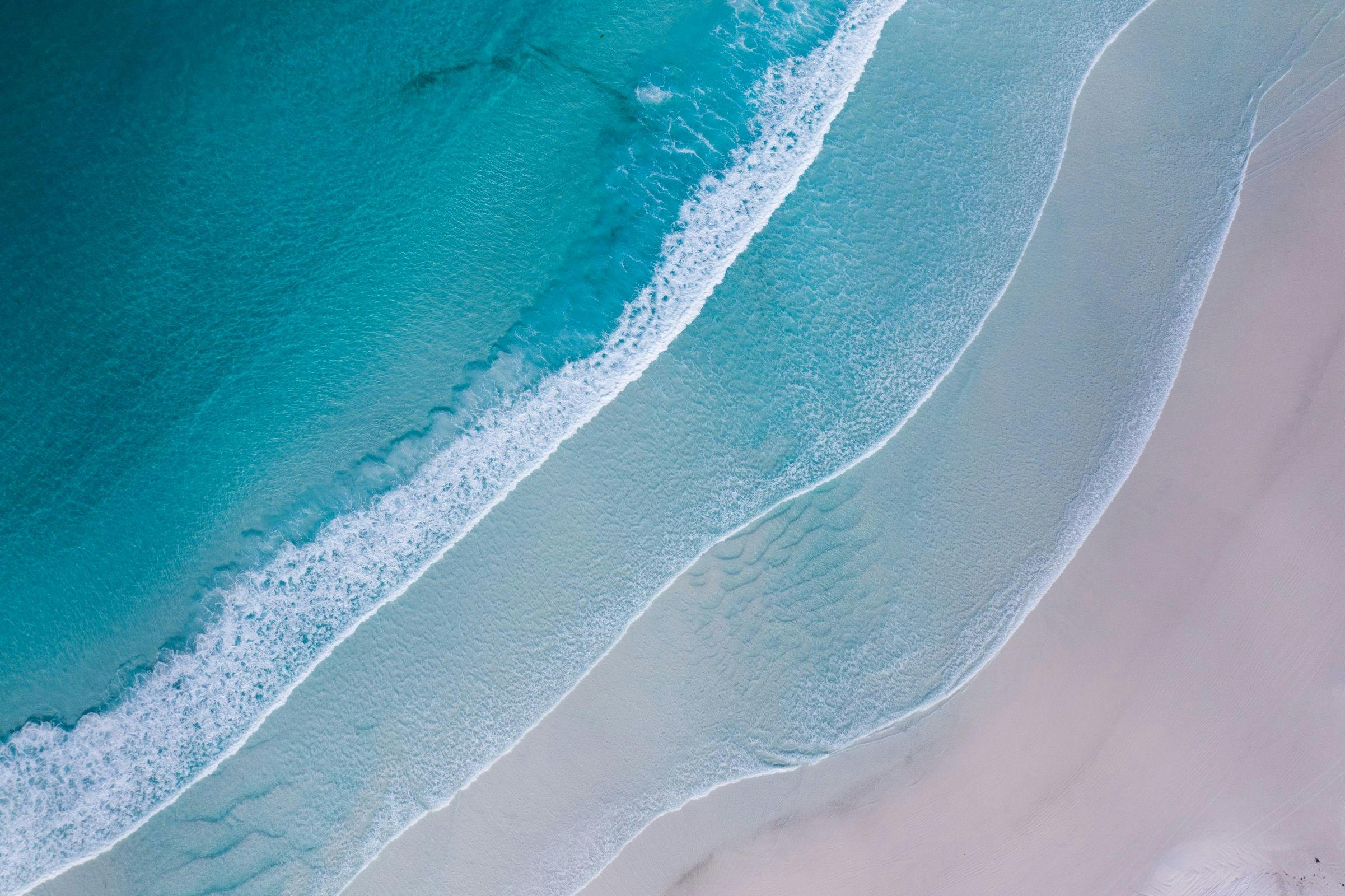
Esperance is one of Western Australia’s most breathtaking coastal destinations, famous for its pure white sand, turquoise water and untouched natural beauty. Located on the state’s south coast, this relaxed seaside town is a gateway to some of the most iconic beaches in Australia.
The coastline is home to pristine stretches such as Lucky Bay, where kangaroos are often seen lounging on the beach, and Twilight Beach, known for its crystal-clear waters and granite outcrops. The Great Ocean Drive offers a scenic loop of lookouts, swimming bays and surf breaks.
Just a short drive away, Cape Le Grand National Park showcases rugged peaks, coastal heathlands, wildflowers and some of the clearest water in the world. The town itself offers cafés, local art, boutique stores and a laid-back atmosphere.
Wild and beautiful, Esperance is also the starting point for adventures to Woody Island and the remote Recherche Archipelago, a chain of untouched islands rich in wildlife and marine life.
With its dazzling beaches, rich biodiversity and peaceful coastal charm, Esperance is a dream destination for nature lovers, photographers and those seeking serenity by the sea.
Cape Le Grande
Cape Le Grand National Park, near Esperance, is one of Western Australia’s most spectacular coastal wilderness areas. Famous for its dazzling white-sand beaches, turquoise waters and dramatic granite peaks, it is a place where nature feels untouched and extraordinary.
The park’s most iconic location, Lucky Bay, is known for its resident kangaroos that often lounge on the beach, set against some of the whitest sand and clearest water in the world. Other stunning bays include Hellfire Bay, Thistle Cove and Le Grand Beach, each offering crystal waters perfect for swimming, snorkelling and photography.
Adventurers can hike Frenchman’s Peak (Mandooboornup) to enjoy panoramic views over the coastline, islands and inland heathlands. In spring, the park blooms with wildflowers and native orchids.
Cape Le Grand is rich in cultural significance for the Wudjari Noongar people and is home to unique wildlife, rugged headlands, coastal bushland and serene campgrounds.
Remote, wild and impossibly beautiful — Cape Le Grand is a must-visit destination on Western Australia’s south coast.
Lucky Bay
Lucky Bay is one of the most iconic and photographed beaches in Australia, renowned for its powder-white sand, turquoise water and friendly kangaroos relaxing along the shoreline. Located within Cape Le Grand National Park near Esperance, it is consistently rated among the world’s whitest beaches.
Stretching along a sheltered bay, Lucky Bay offers calm, clear waters perfect for swimming, paddleboarding and beach walks. The contrast of brilliant blue ocean against granite headlands and untouched coastal dunes creates a breathtaking scene, especially at sunrise and sunset.
Kangaroos are often seen grazing along the sand, adding to the bay’s unique charm and appeal for photographers and nature lovers. From the beach, walking trails lead to scenic lookouts and neighbouring bays, while the nearby campground provides beachside stays under a sky filled with stars.
Rich in natural beauty and coastal serenity, Lucky Bay is a must-see destination and a true symbol of Western Australia’s wild and pristine coastline.
Frenchman Peak
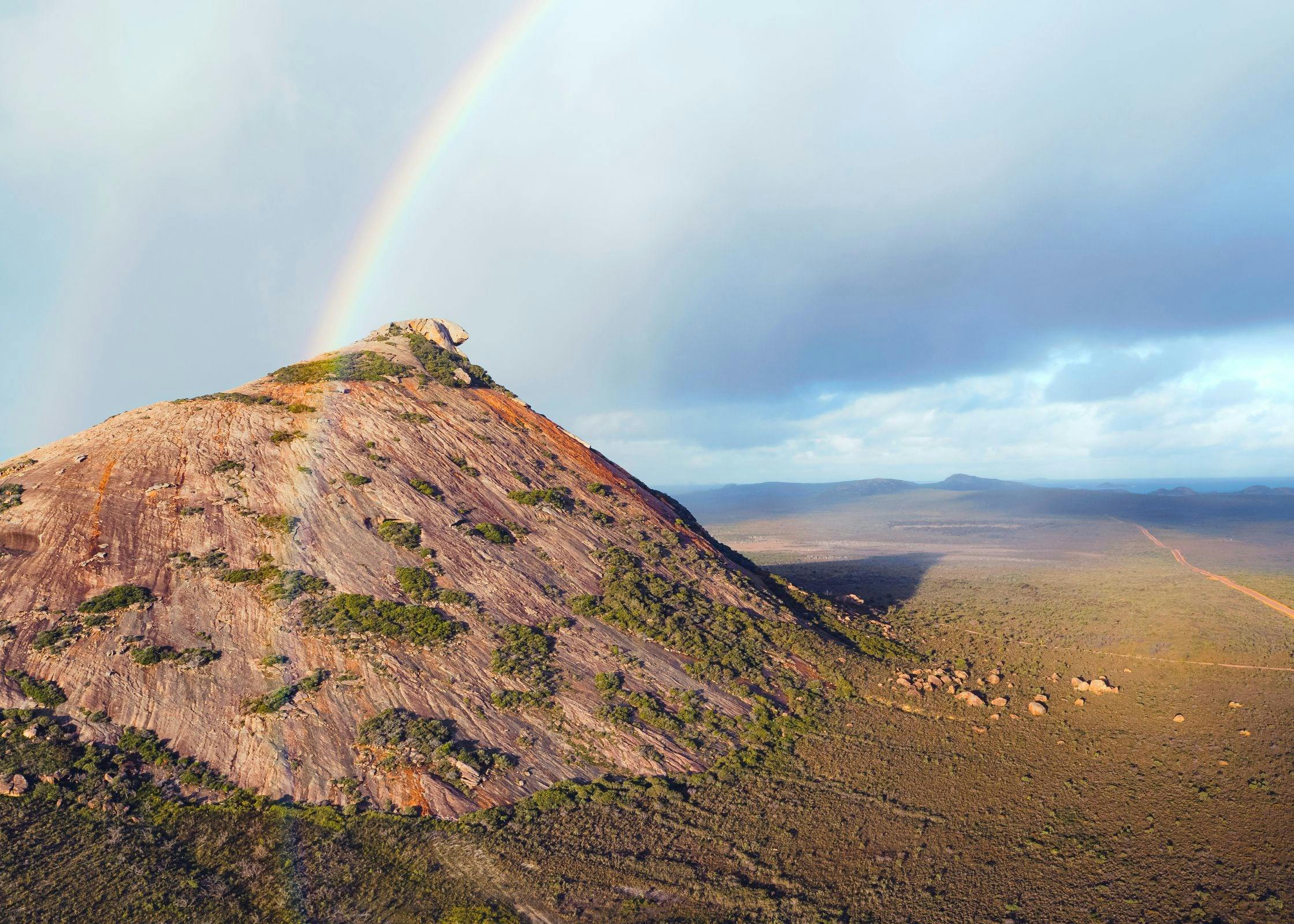
Frenchman Peak, known as Mandooboornup to the Wudjari Noongar people, is one of the most iconic natural landmarks in Cape Le Grand National Park, near Esperance. Rising 262 metres above sea level, this striking granite peak offers one of the best panoramic views on Western Australia’s south coast.
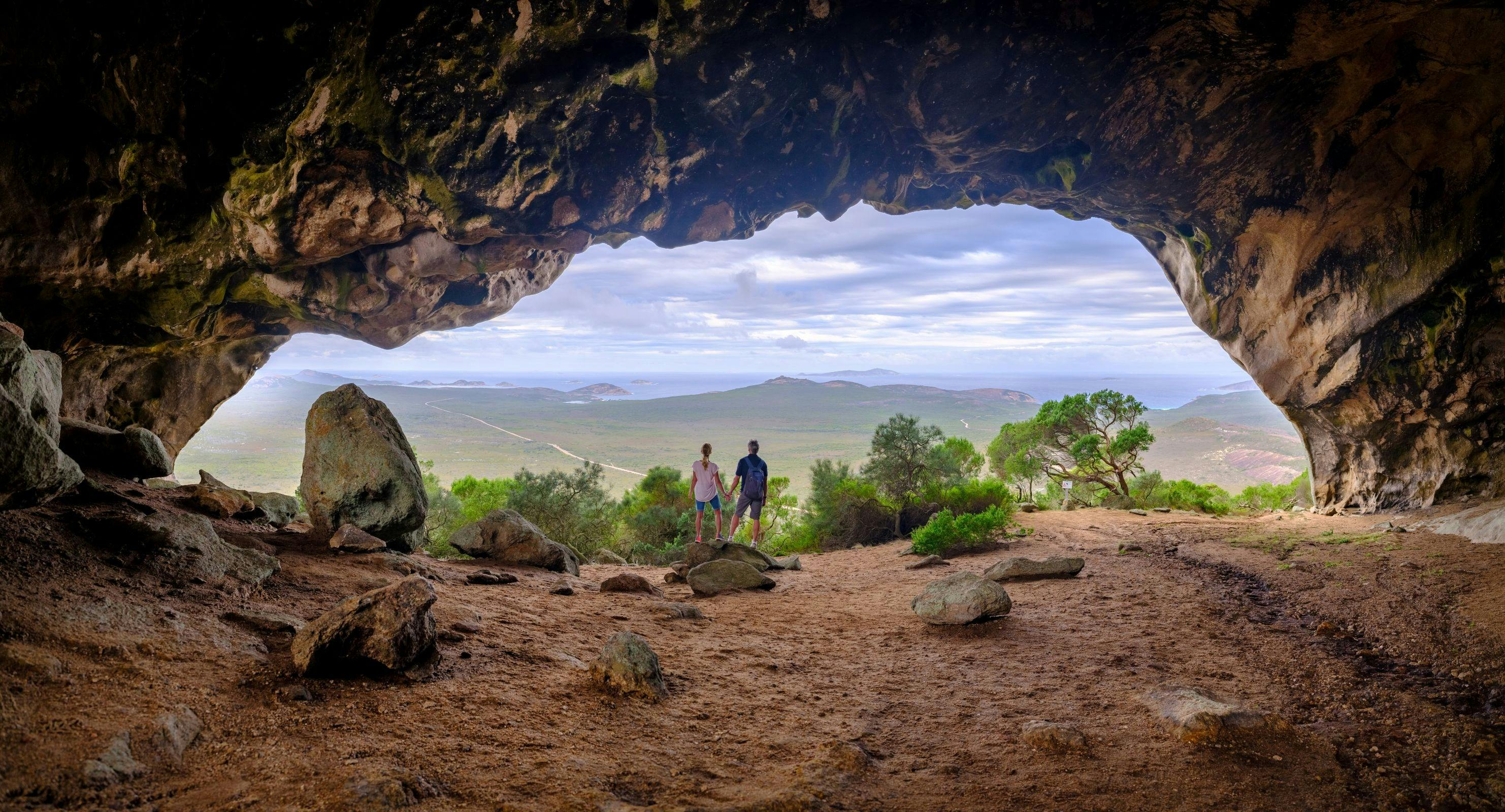
The hike to the summit is a short but steep climb, rewarding adventurers with sweeping views of Lucky Bay, Hellfire Bay, the Recherche Archipelago and the surrounding coastal heathlands. Near the top lies a large cave-like opening, formed by ancient erosion, framing the sky and ocean beyond.
The peak holds deep cultural significance for Traditional Owners, with Dreaming stories tied to its creation and landscape. Visitors are encouraged to respect its cultural importance and natural environment.
Best climbed in calm, dry weather, Frenchman Peak is a favourite for photographers, hikers and nature lovers seeking a unique perspective of the park’s rugged coastline and pristine wilderness.
Tour details
- On demand
Features
Service facilities
Disabled access available, contact operator for details.
Access & Inclusion

An access and inclusion statement is available on the business website.
- https://www.ocean2outbackwa.com.au/
Operation information
Ocean2Outback Western Australia
Ocean2Outback Western Australia offers premium, detail driven, small group tours designed to immerse visitors in the diverse beauty of Western Australia. From wild coastlines, marine encounters, ancient gorges to outback station stays. Each journey connects guests with the land, wildlife and stories of the local region.
Every tour is handcrafted to blend Comfort with adventure. Guests enjoy gourmet meals sourced from local producers, guided walks through national parks, and authentic cultural experiences.
Ocean2Outback Western Australia is committed to conservation, community, and creating meaningful connections. The result is a travel experience that is personal, enriching and truly unforgettable.
Accreditations
- Accessible Tourism Limited Mobility
-
 Quality Tourism Accreditation
-
Sustainable Tourism Accreditation by ATIC
Memberships
- Australian Tourism Export Council
- Visitor Information Centre
- WA – Australia's Coral Coast
- WA – Australia's Golden Outback
- WA – Australia's South West
- WA – Destination Perth
Plan more around this area
 Busselton, WA
 Nightcap at The Ship Inn
The Ship Inn offers contemporary self-contained suites in the heart of Busselton.

 Busselton, WA
 Esplanade Hotel – Busselton
The Esplanade Hotel has been a family-owned and operated business since 1952 when William Gray left the wheatbelt to live closer to the ocean. It
 Busselton, WA
 The Observatory Guesthouse
Welcome to your home away when visiting Busselton! Whether you want to explore Busselton or the South West – there’s something for everyone such as
 West Busselton, WA
 Jacaranda Guest House
Jacaranda Guest House was built in the late 1920s and was first established as a tea house in the 1940s by a local fisherman. It
 Busselton, WA
Hilton Garden Inn Busselton
Hilton Garden Inn Busselton is located on the bustling town foreshore, overlooking the Iconic Busselton Jetty.
 Busselton, WA
Busselton Jetty Chalets
Busselton Jetty Chalets is a small group of fully self-contained chalets central to Busselton and close to the beach.

 Dunsborough, WA
 Blue Manna Bistro
Blue Manna Bistro is a buzzing fully licensed restaurant in Dunsborough's town centre. They specialise in local seafood and produce. All their fish is line
 Dunsborough, WA
 Yarri Resturant and Bar
Yarri Restaurant + Bar is a celebration of the land, the people who work it, and the ingredients it yields.
 Metricup, WA
 Beerfarm
Beerrm is a farm, a brewery, and a hospitality venue.
 Quindalup, WA
 Vintners Ridge Estate
Indulge in this boutique winemaker's multi award-winning Cabernet Sauvignon which reflects Margaret River's exceptional regional characteristics.
 Metricup, WA
Churchview Estate
As stewards of the land, Churchview has worked hard to transform the conventionally operated farm, into a fully organically operated vineyard.
