Ballaarat Engine
Highlights
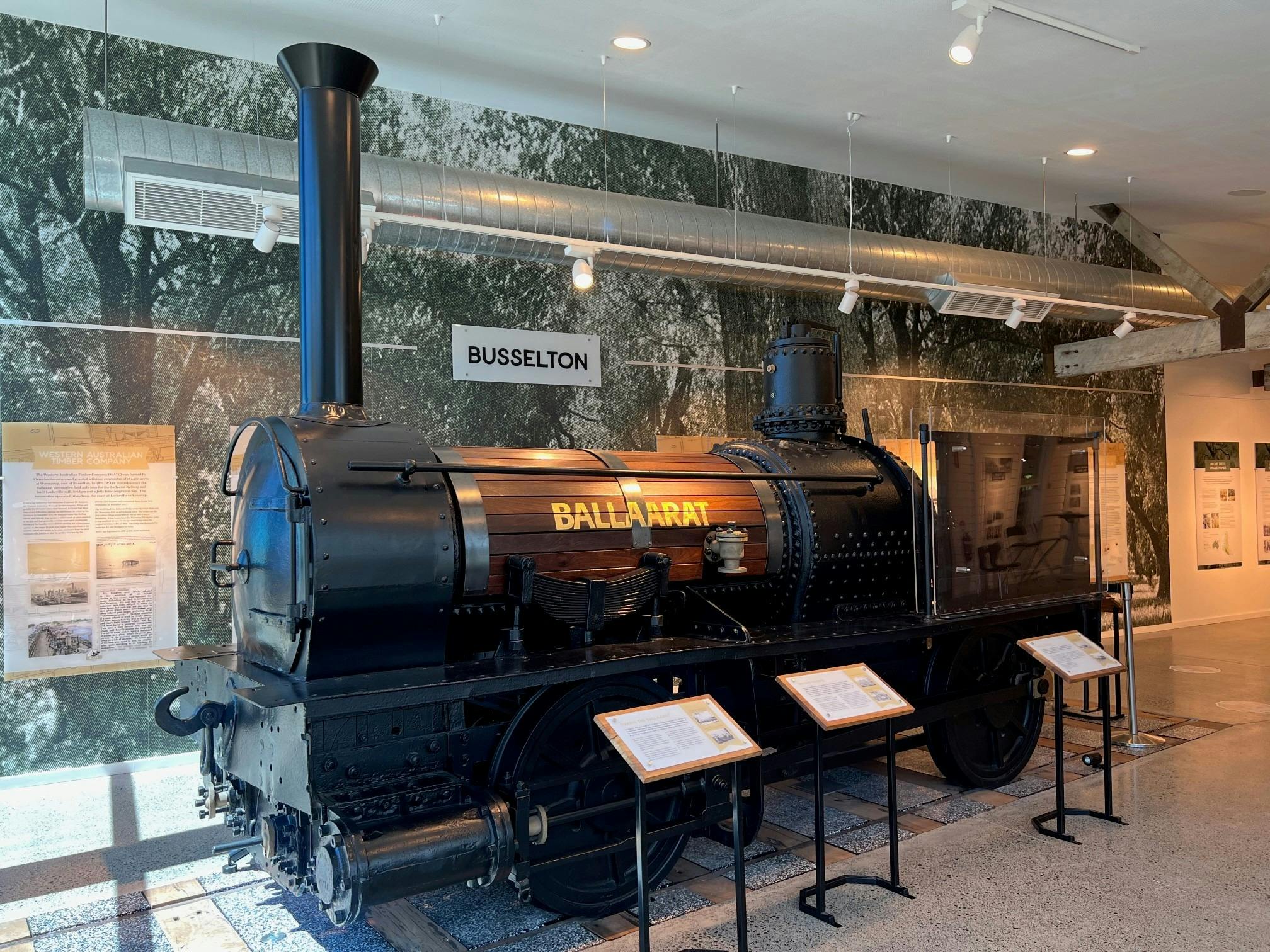
- Explore the Ballaarat locomotive, the oldest Australian-built steam engine, and connect with Western Australia's rich railway heritage.
- Discover the colourful history of the Ballaarat, from timber hauling to its restoration by dedicated local volunteers.
- Wander through Victoria Square in Busselton, where the Ballaarat stands as a testament to community spirit and resilience.
- Enjoy family-friendly facilities, including a gallery and interpretive centre, enhancing your visit to this historic attraction.
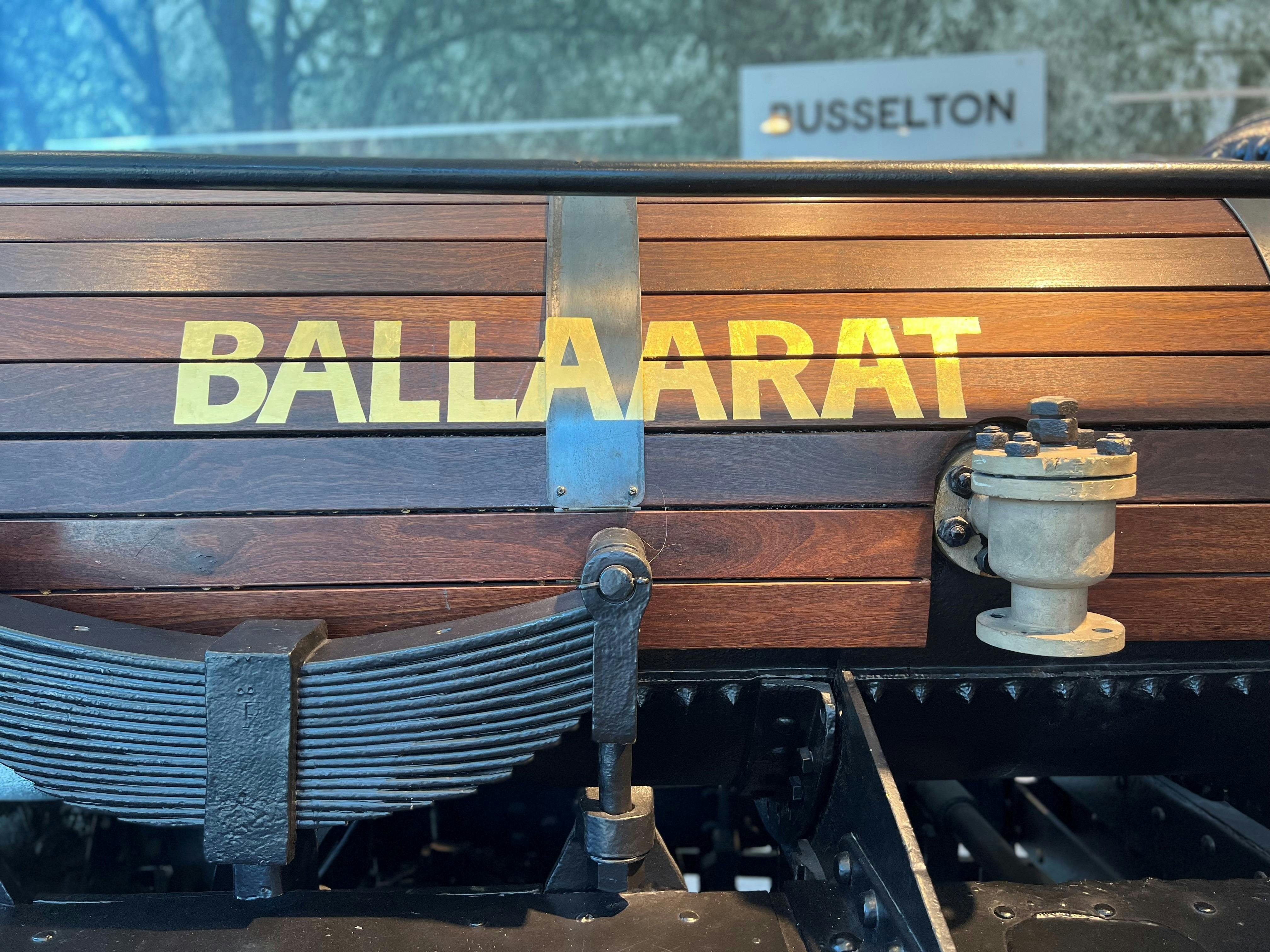
The much-loved Ballaarat locomotive is the oldest Australian-built steam locomotive still extant and the first steam engine to operate in Western Australia. It was built in Ballarat, Victoria and named after the town using the original spelling. The engine was commissioned by the Western Australian Timber Company (WATC) which had been awarded a milling concession by the Colony’s governor. The Ballaarat arrived by ship to the Lockeville Jetty in Wonnerup in 1871. It hauled timber 19 kilometres in the Jarrahwood State Forest until the mill closed in 1887.
The Ballaarat has a colourful history. Burnt in a shed and left in a paddock, donated to the Council who donated it to the Western Australian Museum around 1924. The Museum received it but found it too big to move and too expensive to restore, so it was sent to the Western Australian Government Rail Yards. In 1929, it featured in the State Centenary Parade before returning to the Midland railyards. The Busselton community lobbied for its return and after three years, it was sent home and installed in Victoria Square in 1937.
In 2012, it was disassembled and lovingly put back together taking over 550 volunteer hours, local business support and grants.
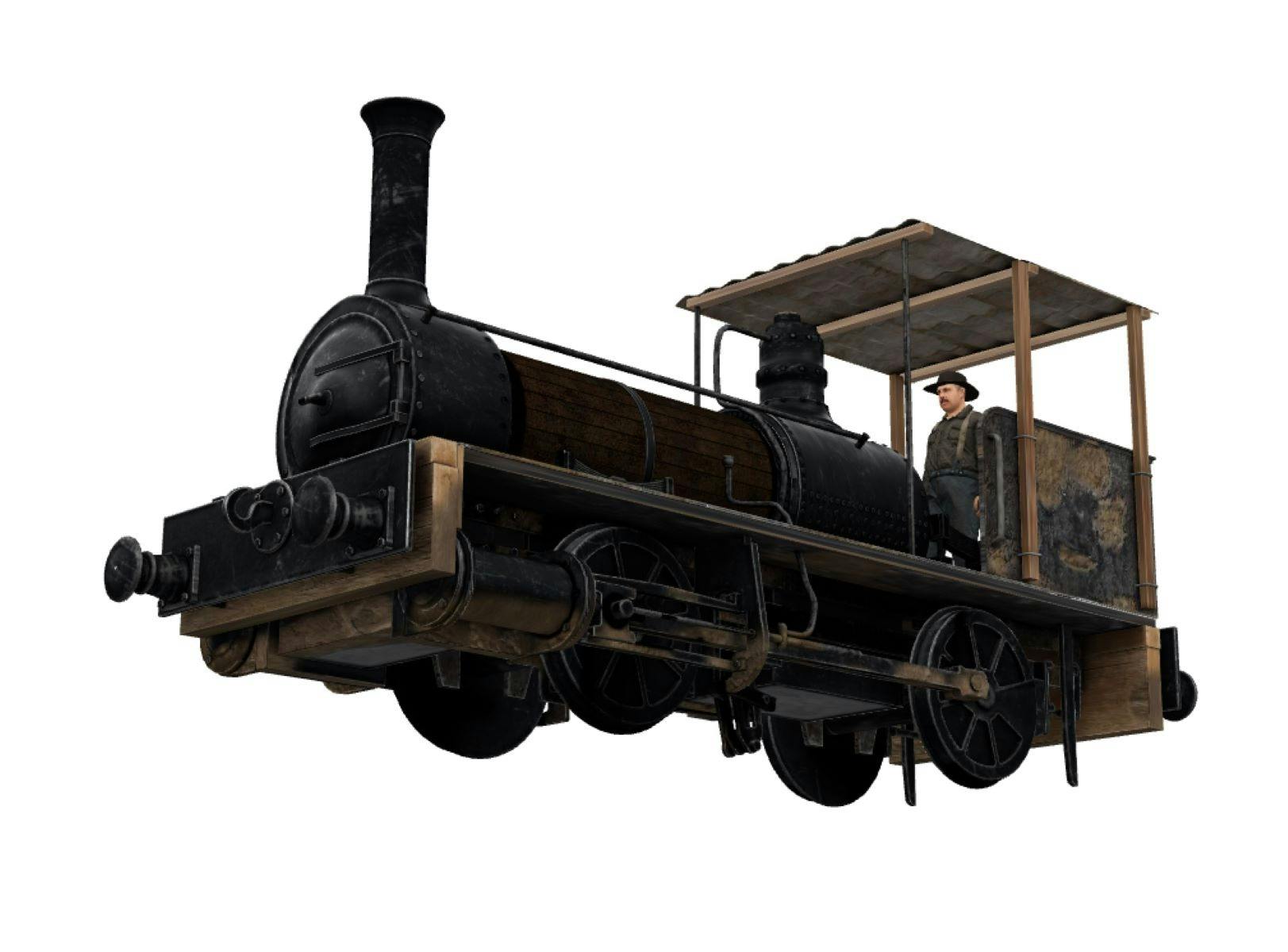
In 2024, a 3D model of the engine was developed alongside stories and information. Please find more information on the website.
Images and Video


Accreditations
- Regional Tourist/Tourism Association/Organisation
Features
Tags
Actively welcomes people with access needs.
Physical – Wheelchair

Caters for people who use a wheelchair.
- Step free outdoor pathways (includes picnic areas, barbecues and shelters)
- A step free main entrance to the building and/or reception area (includes ramps or slopes with a maximum gradient of 1:14, otherwise are too steep for wheelchairs)
- Step free access to the conference or function room
- Doorways which are easy to open and have lever handles (doorways 850mm or wider when open and not heavy).
- An accessible public toilet which is unlocked.
Plan more around this area
 Geographe, WA
 Ayatana By The Bay
This is a hosted stay through Hipcamp, below is the information provided by the Host regarding their offering. Ayatana means “the place where your senses
 West Busselton, WA
Busselton Villas and Glamping Village
Busselton Villas and Glamping Village offer a range of accommodations and facilities for couples, families and travellers.
 West Busselton, WA
Amalfi Resort
Amalfi Resort is nestled 100 metres from the calm waters of Geographe Bay in Western Australia's beautiful south west.
 Busselton, WA
BIG4 Breeze Holiday Parks – Busselton
Your home away from home. Dog-friendly and family-friendly, its a place you will return to time and time again.


 Vasse, WA
 Cape Rendezvous
Cape Rendezvous is a beautiful, eco-friendly, rural retreat set on five acres of native bushland, close to Busselton.
 Broadwater, WA
Mandalay Holiday Resort and Tourist Park
Mandalay Holiday Resort is situated right opposite the beach in Geographe Bay, Busselton.
 Chapman Hill, WA
 Whicher Ridge Wines
Whicher Ridge is a small family-owned winery and vineyard operated by a dynamic team of two, Neil and Cathy Howard.
 Dunsborough, WA
 Simmo's Ice Creamery – Dunsborough
Established in 1993, Simmo's Ice Creamery and family fun park is perfect for kids from 1 to 100 years old!
 Yelverton, WA
 Island Brook Estate
Known for its iconic old red truck, this family-owned estate produces single-variety, single-vineyard wines at that can be enjoyed with the owner-makers.
 Dunsborough, WA
 La Lah Cafe
La Lah is a buzzing little café, spilling out onto the pavements in the heart of Dunsborough.
 Dunsborough, WA
 Wayfinder Wine Bar and Restaurant
A unique blend of Cellar Door and Restaurant in the heart of Dunsborough, Wayfinder offers the rare opportunity to taste wines from Margaret River.
 Dunsborough, WA
 Lady Lola
Lady Lola is casual yet refined, a fresh new place to share tales and tastes. Arrive with a sense of adventure, sandy feet welcome!
