
Gold Coast Motor Museum
Highlights
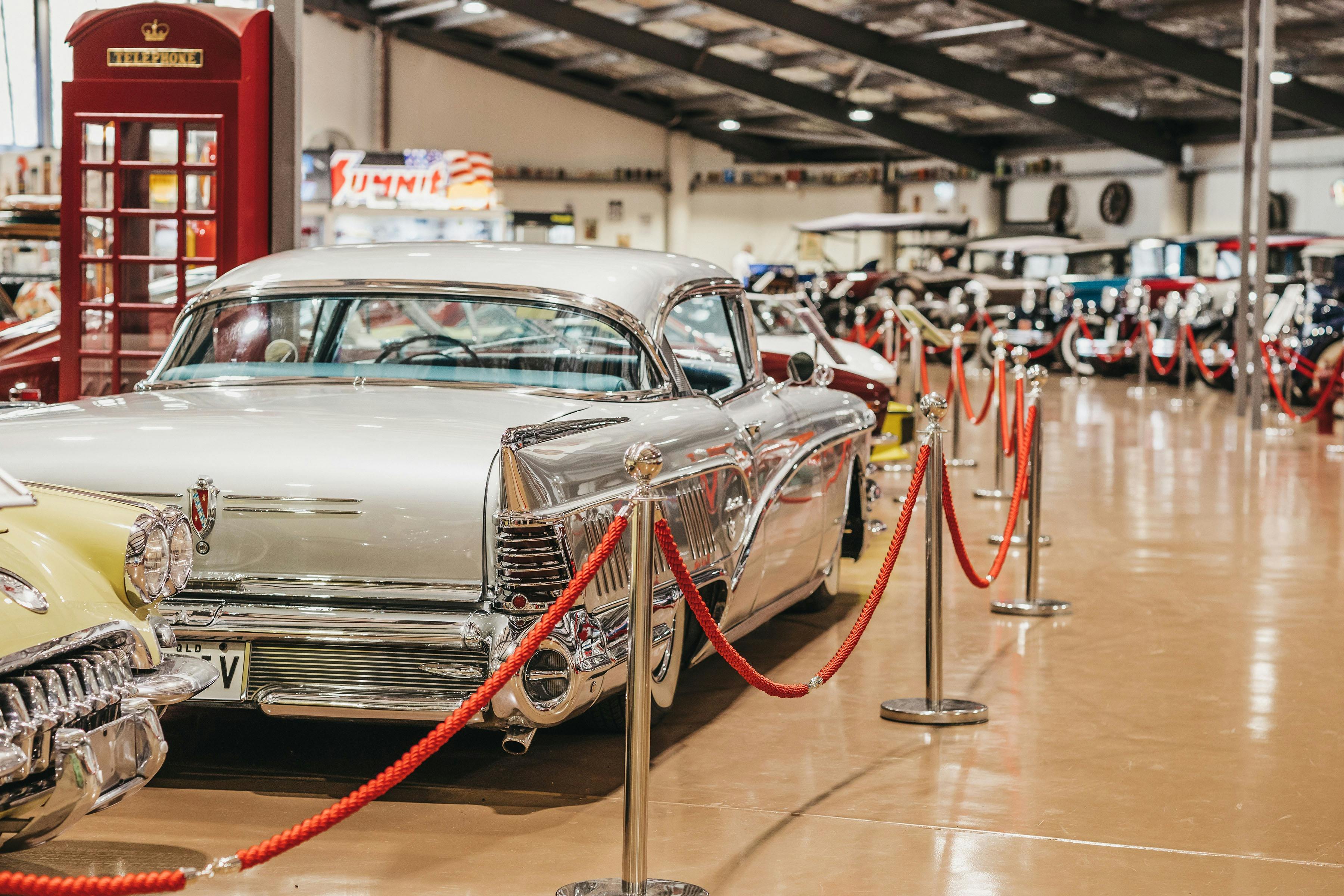
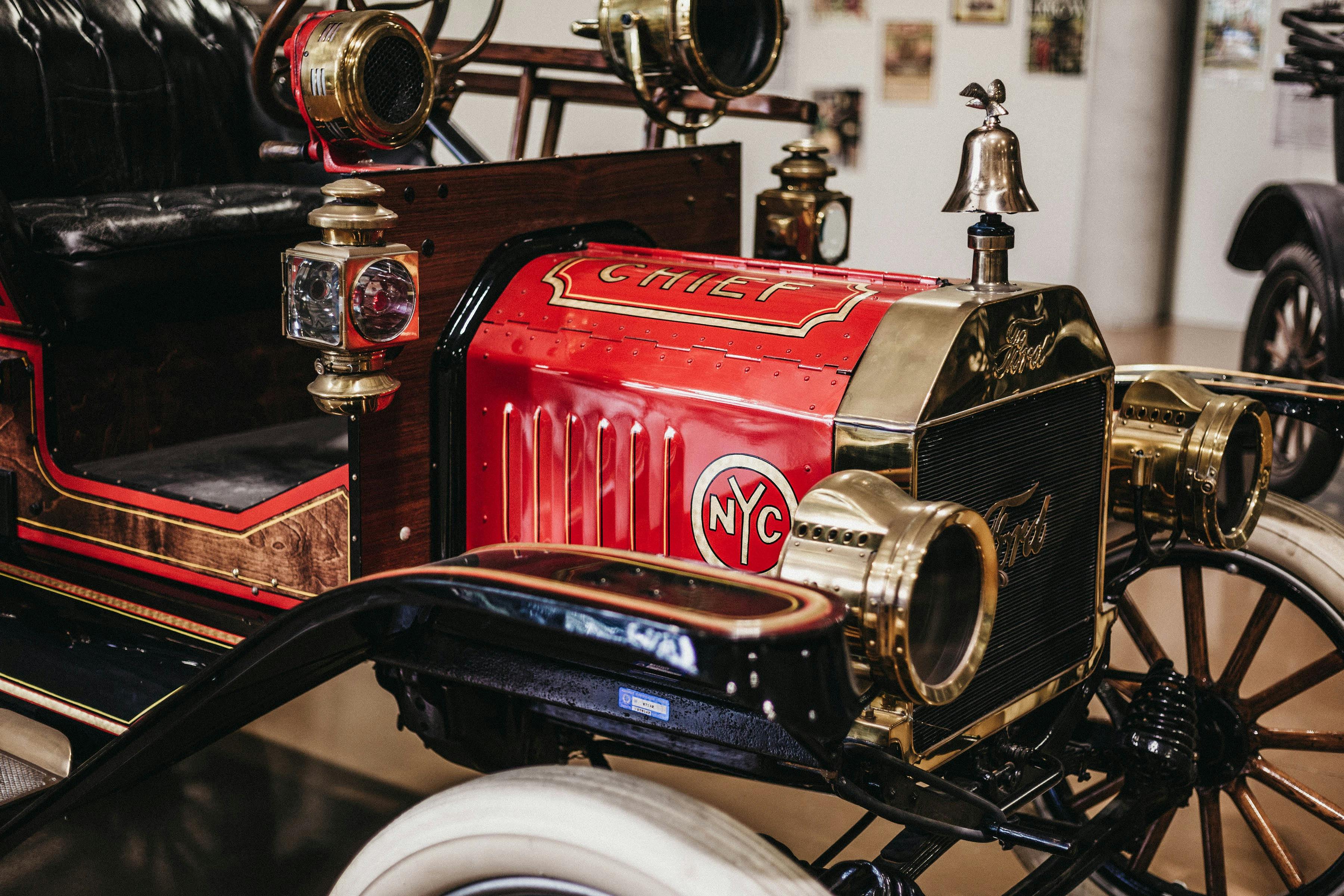
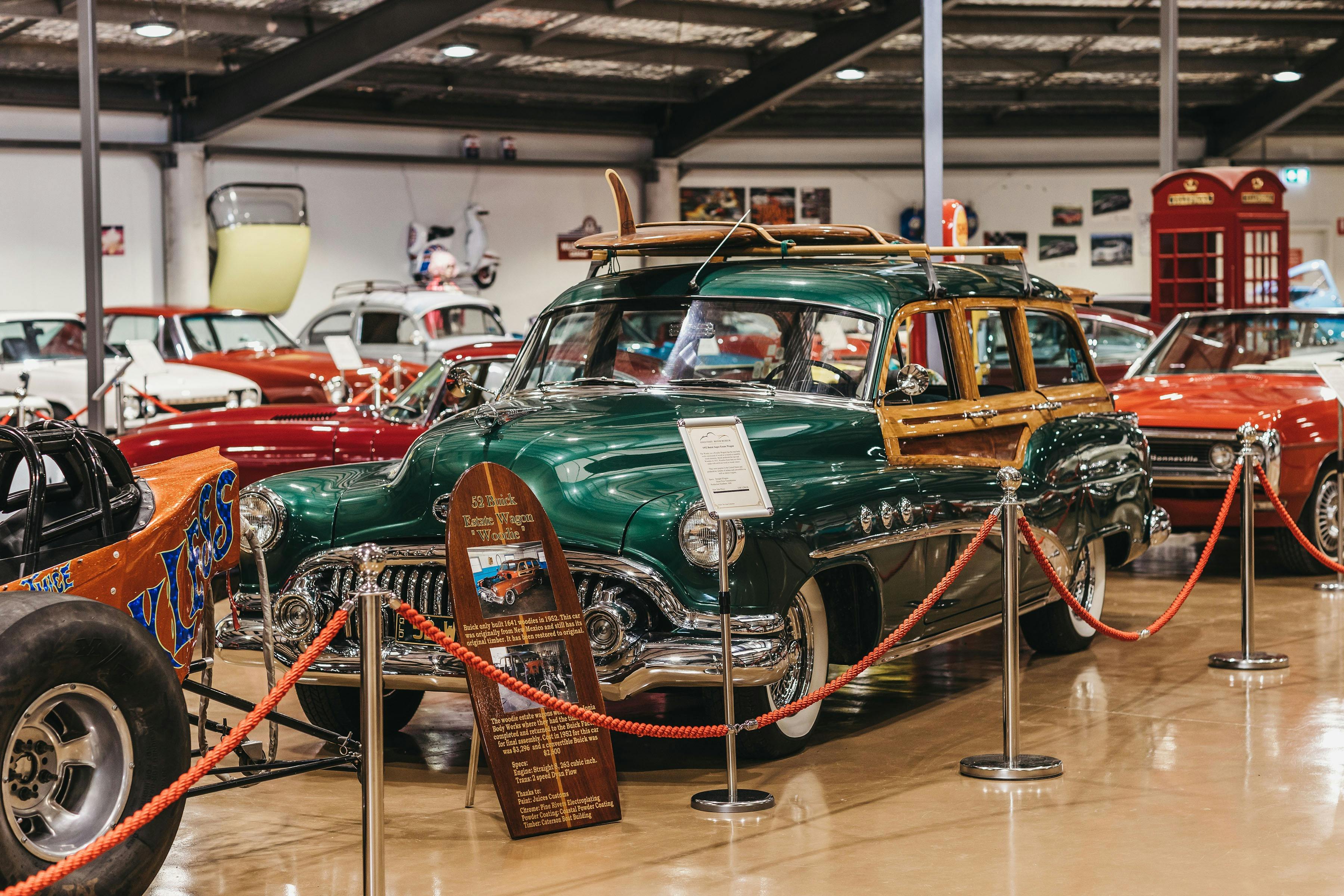
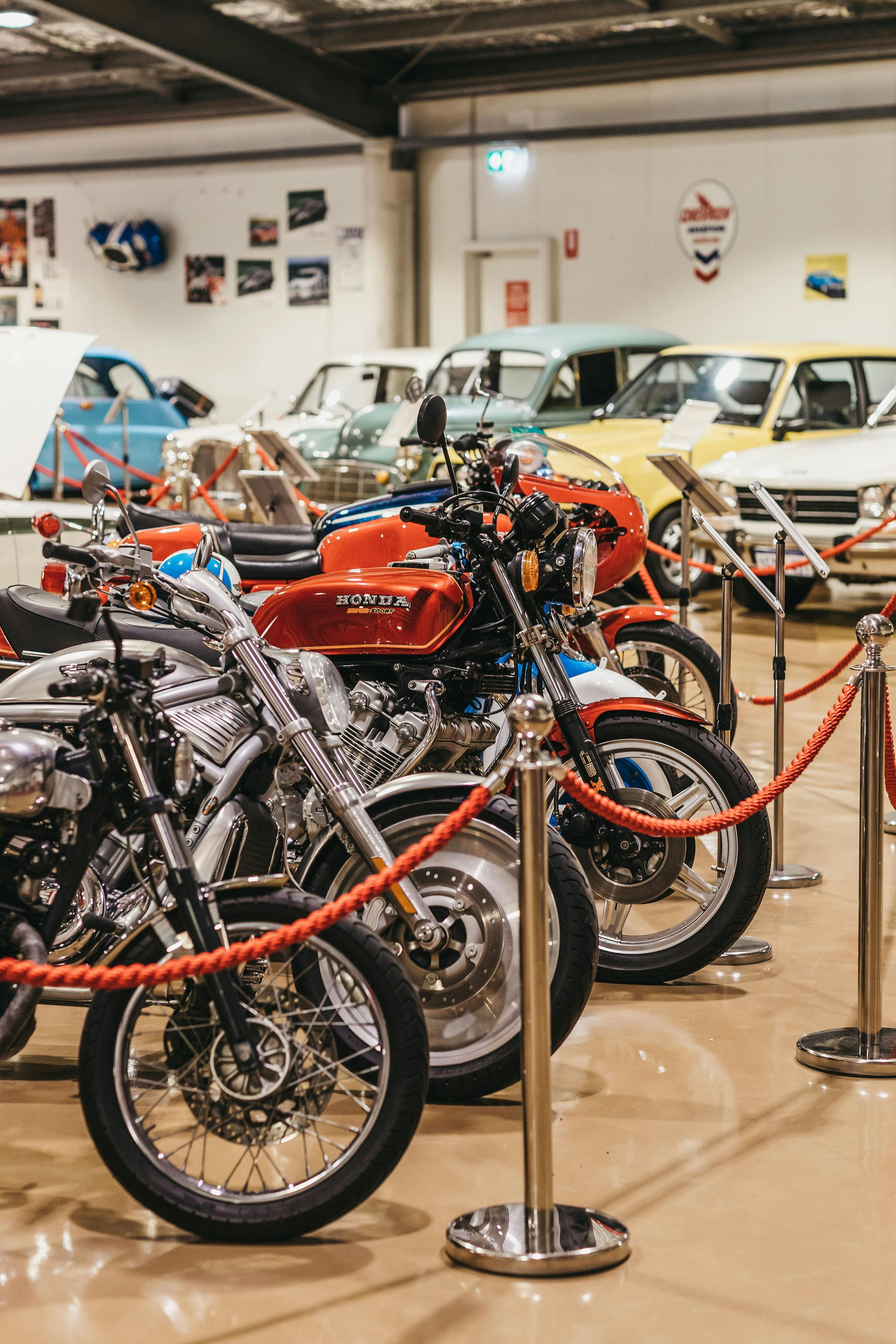
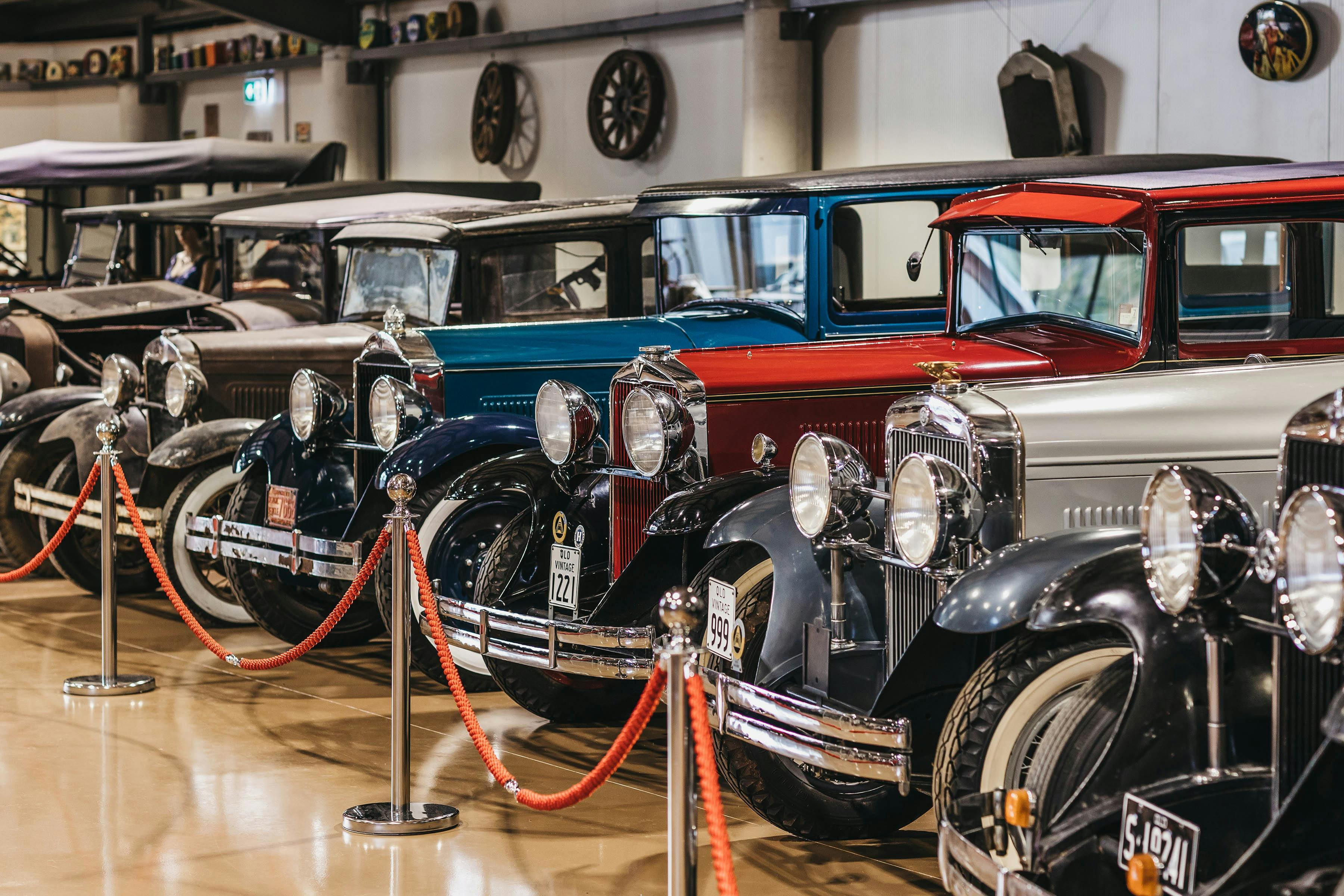
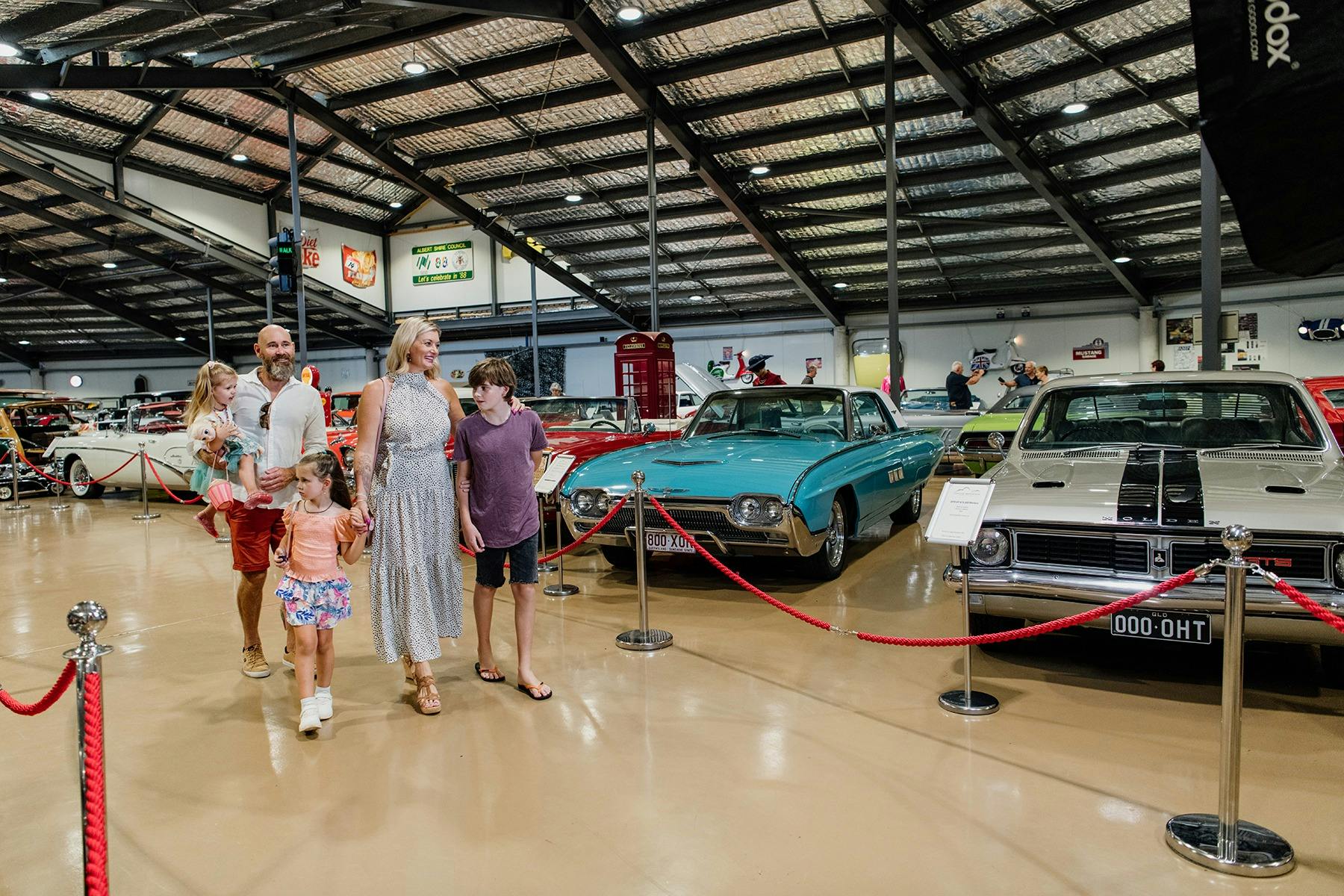
- Explore over 80 classic cars and bikes, immersing yourself in automotive history from 1900 to 1988.
- Savour stunning views of Coomera Valley while enjoying a meal at the museum's striking restaurant.
- Discover unique relics, including horse-drawn buggies and period fashion, appealing to history enthusiasts of all ages.
- Relax in the picturesque Gold Coast Hinterland, surrounded by native trees and expansive grassland.
You don’t need to be a car lover to enjoy the Gold Coast’s latest, greatest attraction—just a lover of a great view, history and a fantastic meal.
Mind you, car buffs will drool over the Gold Coast Motor Museum.
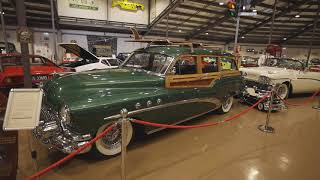
Just 10 minutes inland from the M1 and Movie World, you’ll find a huge selection of cars and motorbikes from 1900 through to 1988. There’s horse-drawn buggies, old pushbikes and peddle cars too, and other relics of history, from telephones to tools and the finest period fashion for women.
Many car museums are one-make museums, but here you’ll find everything from Holdens to Lamborghinis. Built by Carl Amor as a tribute to his late father, the museum showcases an impressive private collection of more than 80 cars and bikes, memorabilia and period dressed mannequins and antique household items that will impress mothers and grandmothers alike.
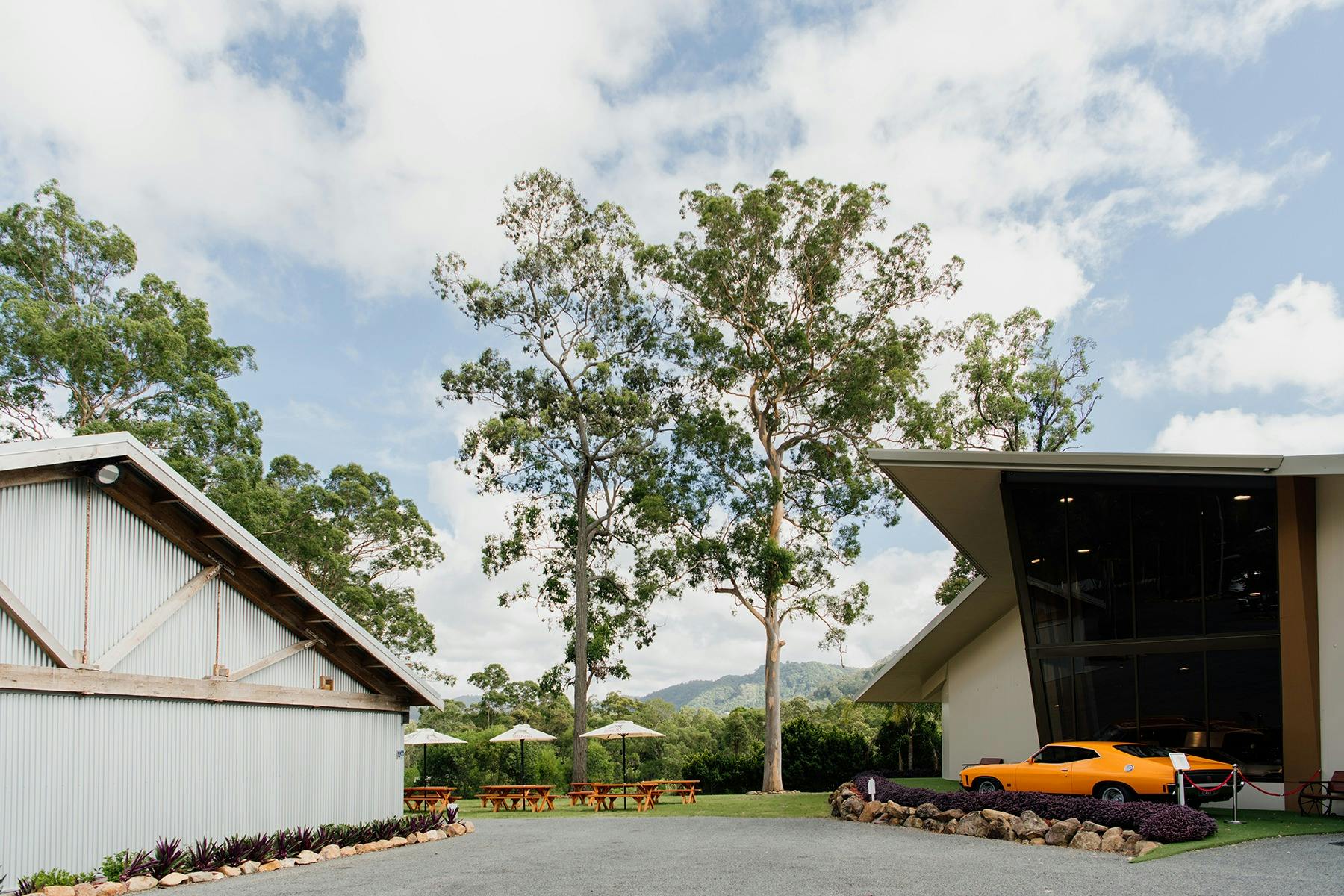
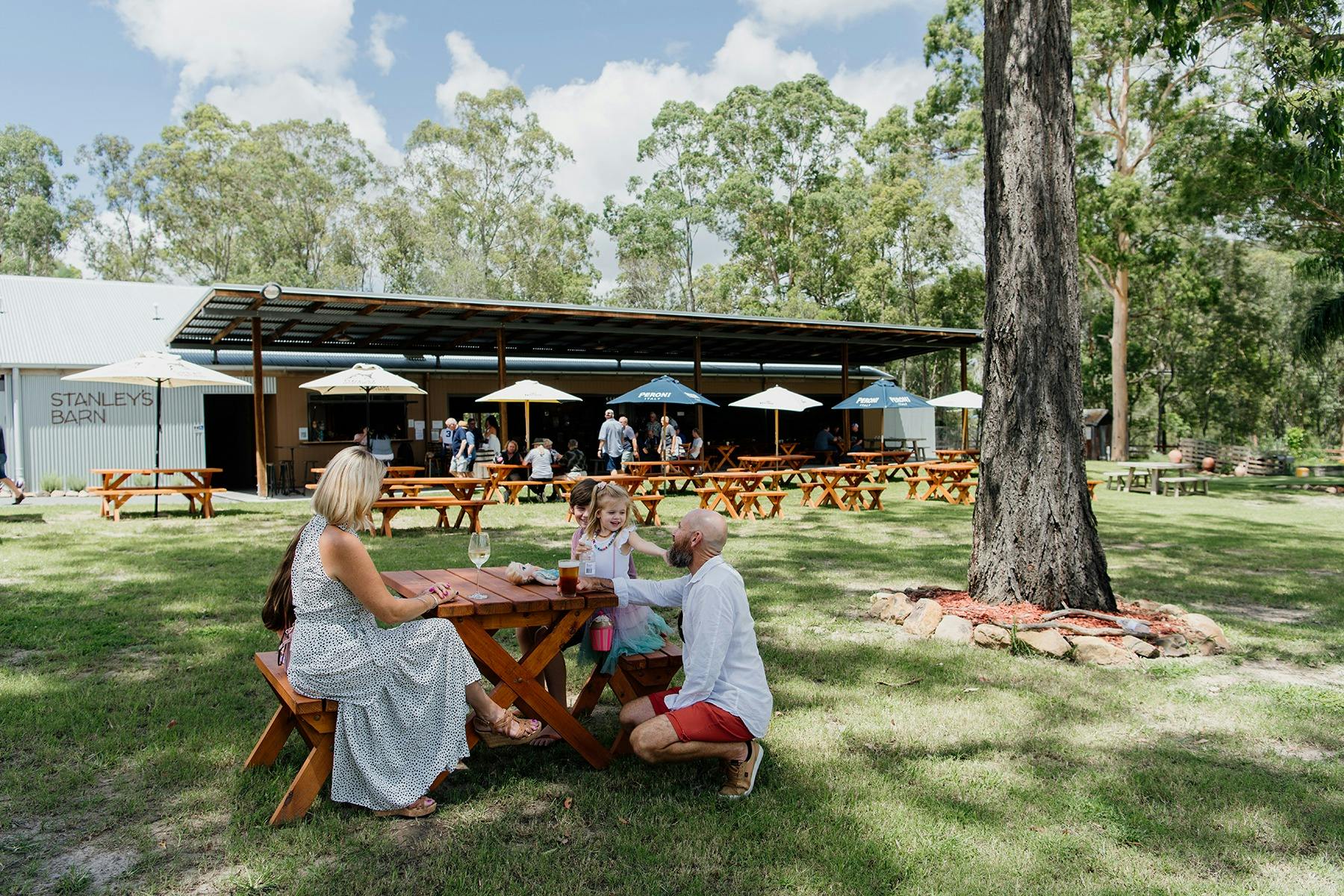
Set on 12 acres in the picturesque Gold Coast Hinterland and surrounded by native trees and grassland, the museum and striking restaurant are set on the crest of the hill, offering views to Coomera Valley.
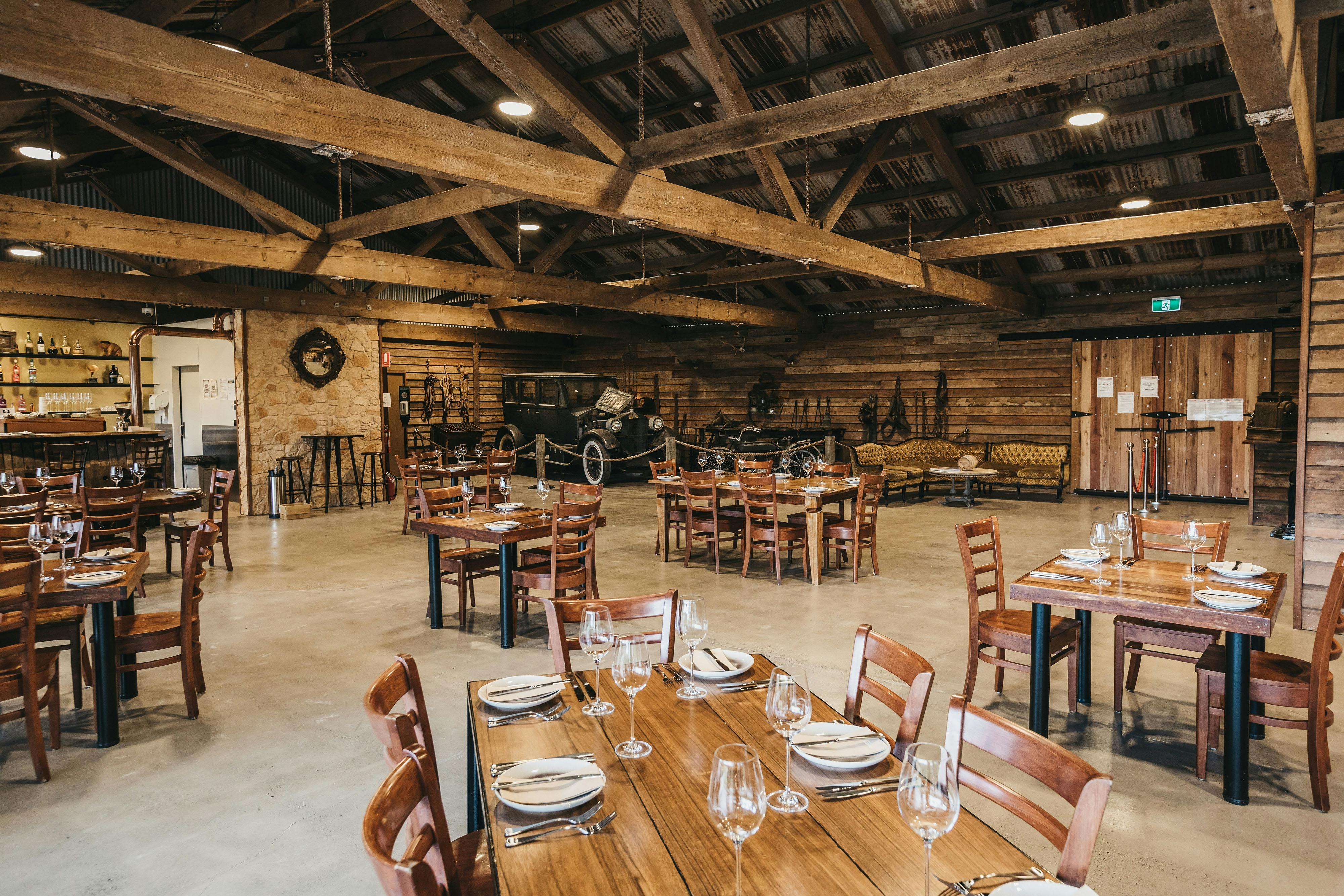
Next door to the museum, Stanley’s Barn’s offers culinary treats in a barn-style setting that looks historic (it was built from 100-year-old trusses, and its internal walls are clad with weatherboards from 80-year-old Queensland homes).
Images and Video

Accreditations
- QLD – Experience Gold Coast
Features
Tags
Actively welcomes people with access needs.
General access

- Offers multiple options for booking – web, email, phone is available.
- Companion Cards are accepted.
Communication

Welcomes and assists people who have challenges with learning, communication, understanding and behaviour. (includes people with autism, intellectual disability, Down syndrome, acquired brain injury (ABI), dyslexia and dementia)
- Uses Plain English / easy read signage and information (includes menus and emergency information)
Vision

Caters for people who are blind or have vision loss.
- Information in large print is available.
Physical – Mobility

Caters for people with sufficient mobility to climb a few steps but who would benefit from fixtures to aid balance. (This includes people using walking frames and mobility aids)
- Grab rails in the bathroom
- Seating in common areas including reception area
Physical – Wheelchair

Caters for people who use a wheelchair.
- Step free outdoor pathways (includes picnic areas, barbecues and shelters)
- A step free main entrance to the building and/or reception area (includes ramps or slopes with a maximum gradient of 1:14, otherwise are too steep for wheelchairs)
- Step free access to restaurant, lounge and bar
- Doorways which are easy to open and have lever handles (doorways 850mm or wider when open and not heavy).
- An accessible public toilet which is unlocked.
- A wheelchair accessible toilet / shower and change room is available.
- Wheelchair accessible picnic tables (picnic tables require 720mm knee clearance and 800mm maximum height).
- At least one wheelchair accessible parking space with wheelchair accessible signage clearly displayed (International standards are 3200mm wide x 2500 mm high).
Allergies and intolerances

Caters for people with allergies and intolerances.
- Modify their cooking and cleaning practices to cater for people with food allergies or chemical intolerances (could include menus with meals free from: nuts, dairy, seafood, eggs, gluten etc).
- Complies with The Food Authority requirements for allergy management in food preparation.
- Equipment to respond to anaphylactic shock such as epi–pens and defibrillator.
Plan more around this area
 Gold Coast, QLD
 King Parrot Camping
This is a hosted stay through Hipcamp, below is the information provided by the Host regarding their offering. Nestled amongst bird wildlife in beautiful…
 Tamborine Mountain, QLD
 Tamborine Mountain Flower Farm
Set amidst 5 acres of gardens and open air flower fields these modern air conditioned cottages are fully self contained.

 Tamborine Mountain, QLD
 Sunset Heaven
Sunset Heaven and Spa, standing 550m above sea level in the heart of Tamborine Mountain with a breathtaking view.
 Nerang, QLD
 Nightcap at Commercial Hotel
Experience a fresh take on affordable accommodation at the brand new Nightcap at Commercial Hotel Nerang.
 Sanctuary Cove, QLD
 InterContinental Sanctuary Cove Resort
InterContinental Sanctuary Cove Resort reflects the grand and graceful architecture of a Queensland estate, unlike any other venue.
 Tamborine Mountain, QLD
 Verandah House Country Estate
Verandah House Country Estate, a brand new hotel, located at Tamborine Mountain, the first five star luxury retreat with the most breathtaking views.
 Upper Coomera, QLD
 Panezski Artisan Distillery
A little splash of Polish tradition on the Gold Coast, Panezski Artisan Distillery is a family-run gem crafting premium small-batch vodka and gin with heart,

 Tamborine Mountain, QLD
 Boxer Brewing Co. – 'The Kennel' Tap Room & Sports Bar
Welcome to Boxer Brewing Co. where passion, love for beer, and good times collide.
 Tamborine Mountain, QLD
Witches Falls Winery and Cellar Door
At Witches Falls their passion is wine. They love growing it, making it, drinking it, and matching it with all kinds of foods.
 Coomera, QLD
 The Bavarian Coomera
Enjoy good food, good beers, good times, and the best of both worlds at The Bavarian.
 Coomera, QLD
 The Park Coomera
The Park Coomera is a family friendly entertainment centre and restaurant.
 Tamborine Mountain, QLD
 Tamborine Mountain Coffee Plantation
Tamborine Mountain Coffee Plantation is a 250 seat breakfast restaurant based in a 120 year old classic queenslander home.
