
Kandos Museum
Highlights
- Explore the Kandos Museum's rich industrial heritage through rare equipment and captivating social history displays.
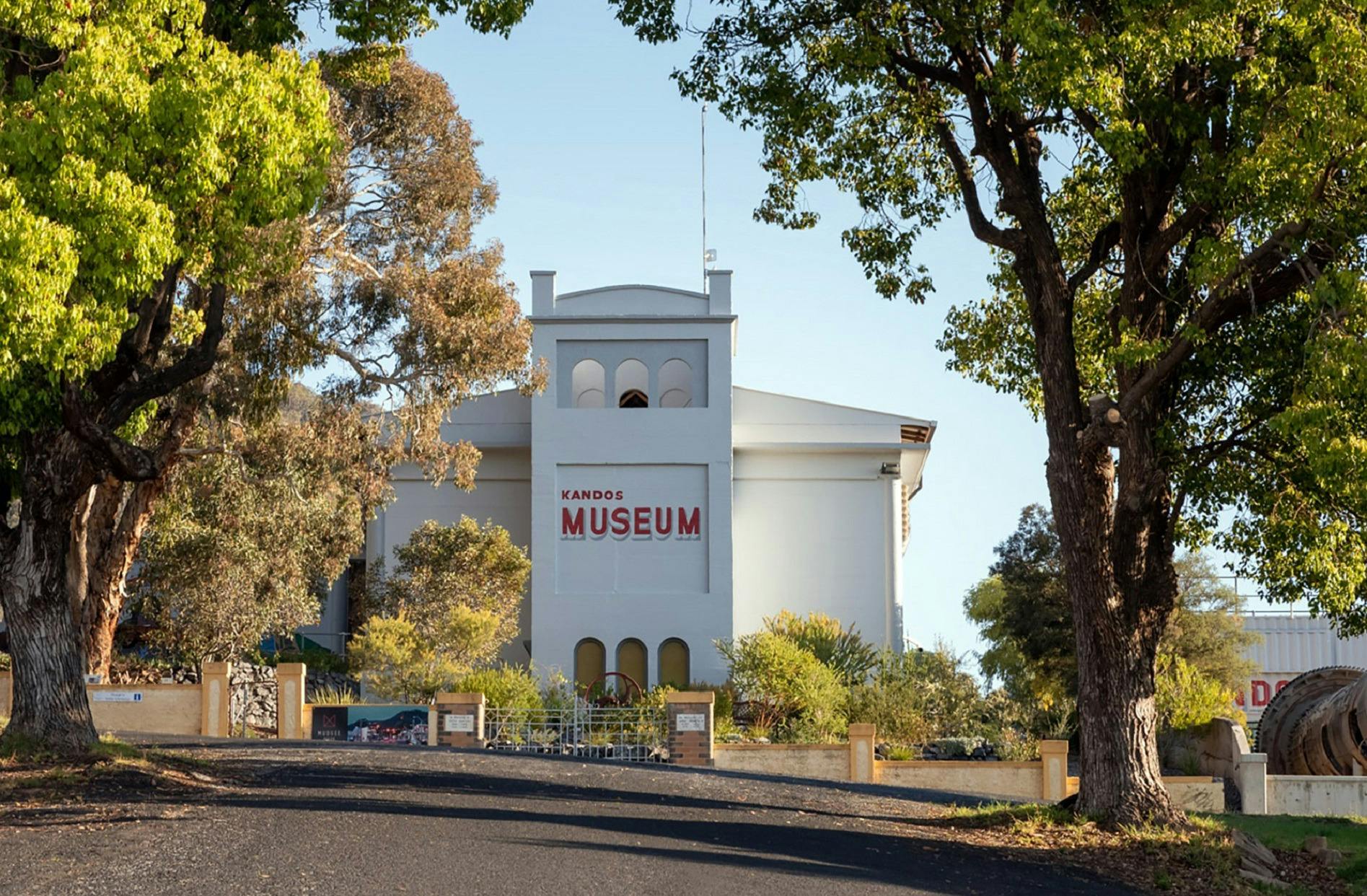
- Marvel at the unique Spanish mission architecture of the former Methodist Church, built from local cement in 1919.
- Wander through native gardens surrounding the museum, providing a serene backdrop to your historical journey.
- Discover large industrial artifacts like ball mills and coal loaders, showcasing Kandos' pivotal role in cement production.
Kandos is the town that made the cement that made your town.
Established by the cement works in 1914, Kandos thrived as a modern 20th-century town in a spectacular rural setting. With the cement works closing in 2011, the Kandos Museum has a vital role in preserving the town’s industrial and social history.
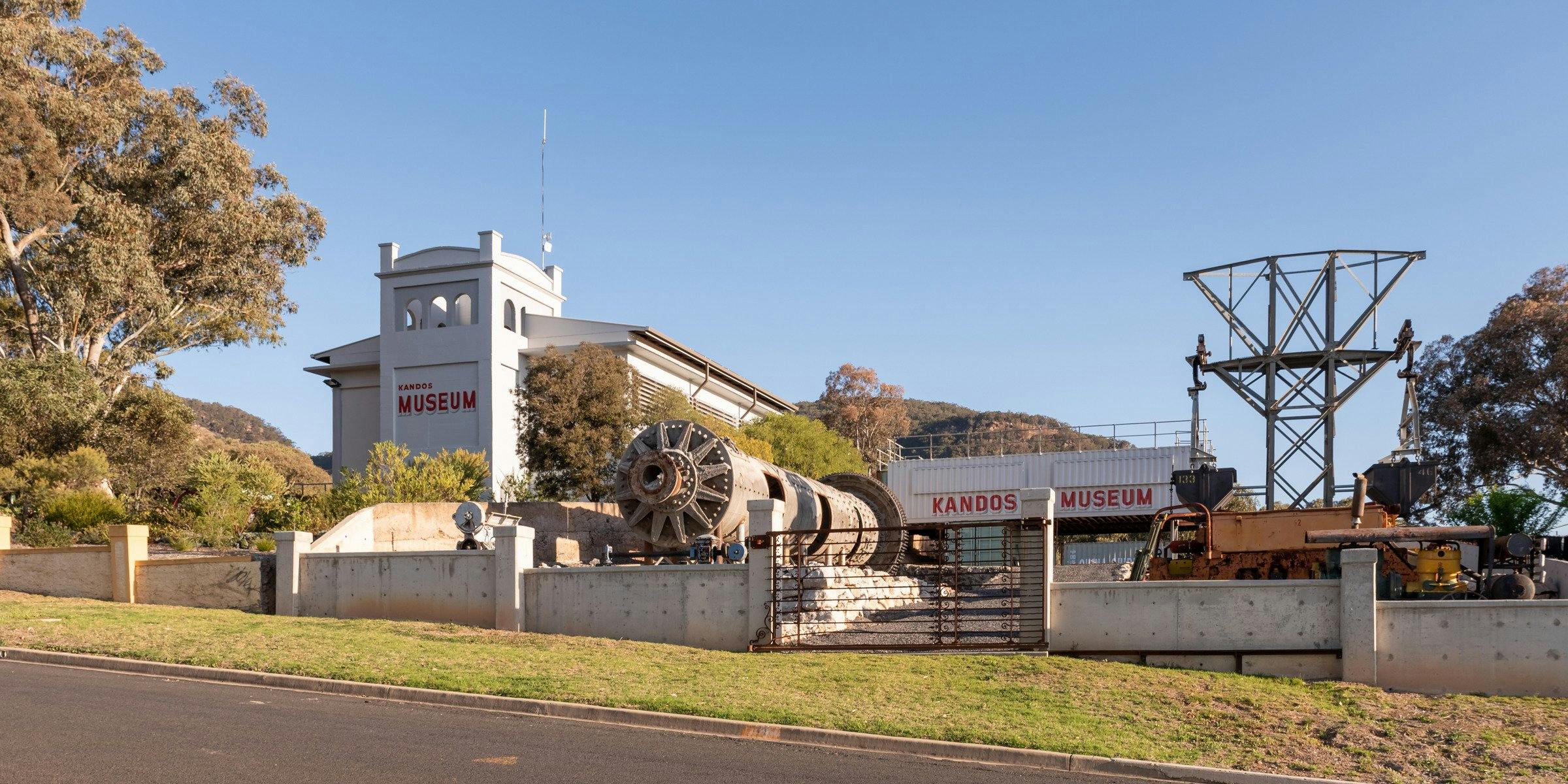
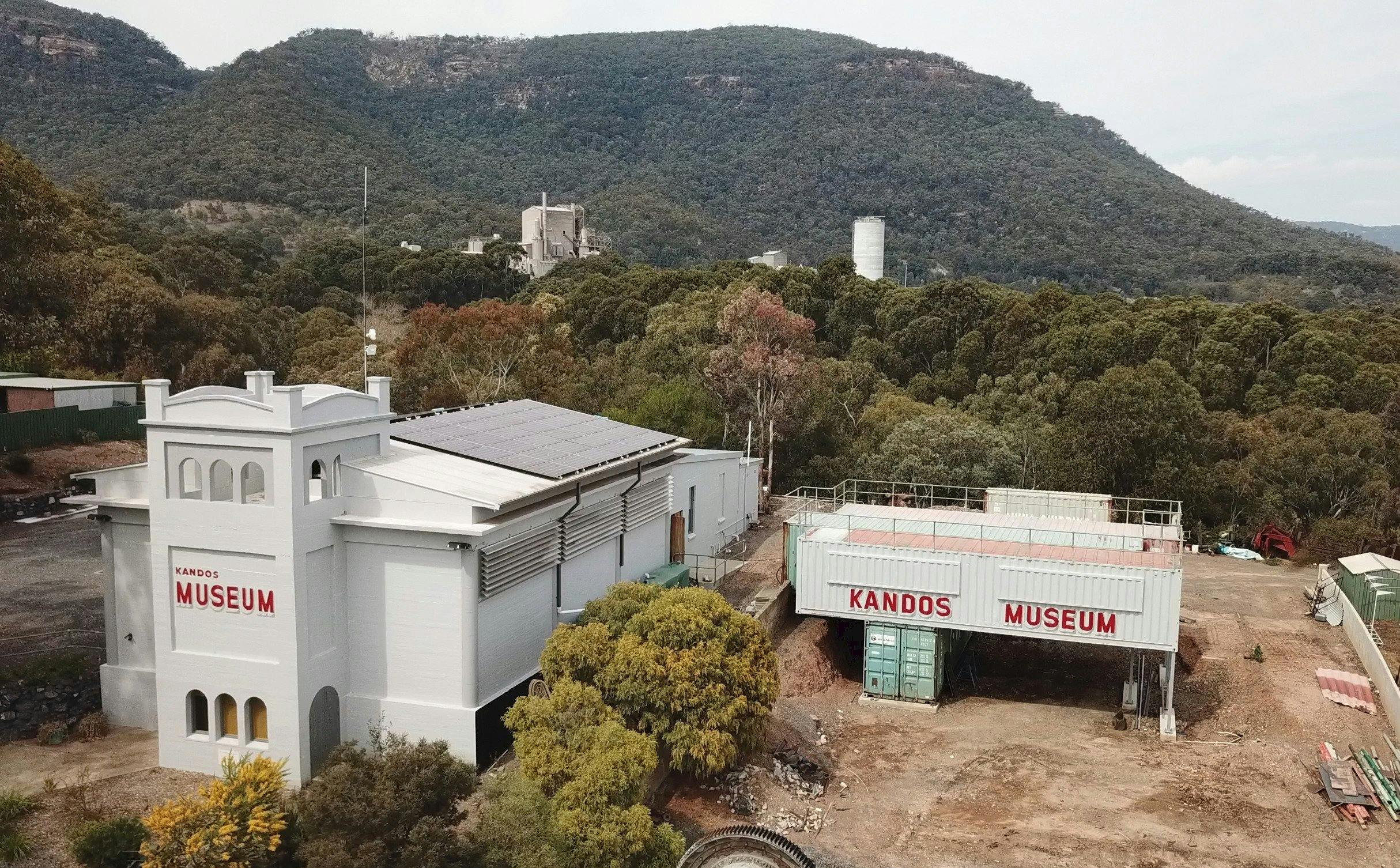
The museum is home to stories, objects and photographs focused on industrial heritage. Kandos Museum occupies the former Kandos Methodist Church built from cement made at the newly established Kandos Cement Works in 1919. Its Spanish mission appearance belies its real inspiration – the factories of the then burgeoning American car industry.
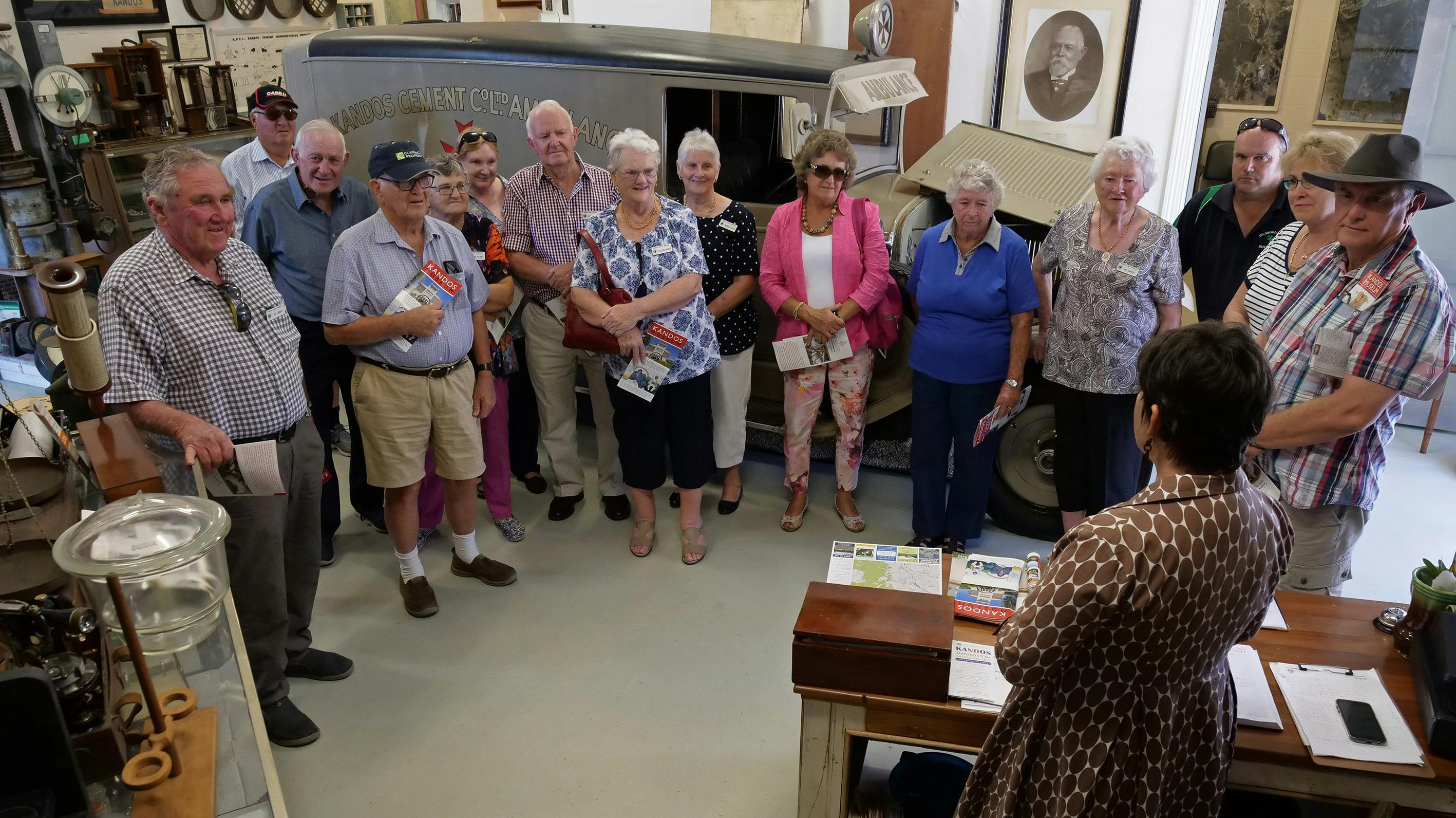
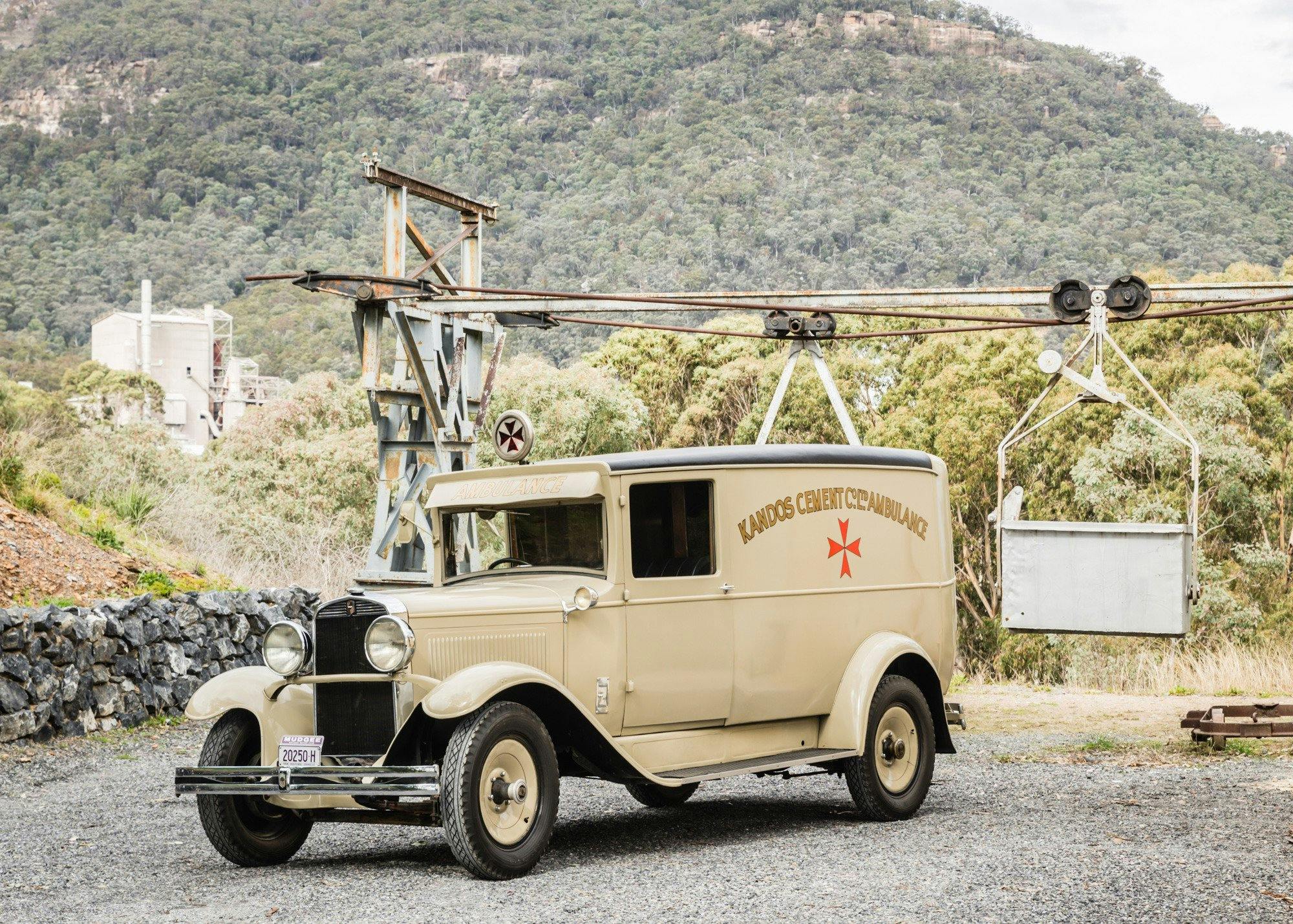
Surrounded by native gardens the museum is elevated above street level. Prominent at its entrance is a mural by descendants of the the Dabee Wiradjuri, the respected custodians of this land. On entering you see rare and fascinating equipment and relics of an industry, 20th century social history displays of military remembrance, school, sporting memorabilia, Scouting and Guiding, the Lady Bushranger, Post WW2 migration and music. Always showing are moving images on varied topics – the Sydney Harbour bridge, cement bag charity races to lectures on cement chemistry. In the grounds are large industrial artifacts – ball mill, rope way towers, buckets, coal loaders and loco.
Kandos Museum operated by Kandos Museum Incorporated, a not-for-profit, New South Wales incorporated association.
Images and Video




Accreditations
- Australian Museums and Galleries Association
- New South Wales Business Chamber
- Regional Tourist/Tourism Association/Organisation
- Visitor Information Centre
- NSW – Mudgee Region Tourism
Features
Tags
Actively welcomes people with access needs.
General access

- Offers multiple options for booking – web, email, phone is available.
- Offers a range of contact methods for receiving complaints.
- Companion Cards are accepted.
- Employs people with disabilities.
- Staff are trained in disability awareness.
- Accessibility information and photos, including of a bathroom, room and/or floor plan on their website (can be emailed on request).
- Asks all visitors if there are any specific needs to be met.
- Advise tour guides of the access needs of guests at the time of booking (includes pick up and drop off requirements)
- Assistance with booking arrangements (includes providing clear itineraries with written instructions on what to do at various destinations)
Communication

Welcomes and assists people who have challenges with learning, communication, understanding and behaviour. (includes people with autism, intellectual disability, Down syndrome, acquired brain injury (ABI), dyslexia and dementia)
- Staff are trained in communicating with people with learning or behavioural challenges.
- Uses Plain English / easy read signage and information (includes menus and emergency information)
- A quiet space is available at the venue/ facility.
Physical – Mobility

Caters for people with sufficient mobility to climb a few steps but who would benefit from fixtures to aid balance. (This includes people using walking frames and mobility aids)
- Uses floors/coverings which are slip resistant, firm and smooth
- Grab rails in the bathroom
- Seating in common areas including reception area
Physical – Wheelchair

Caters for people who use a wheelchair.
- Step free outdoor pathways (includes picnic areas, barbecues and shelters)
- A step free main entrance to the building and/or reception area (includes ramps or slopes with a maximum gradient of 1:14, otherwise are too steep for wheelchairs)
- Step free access to the conference or function room
- Doorways which are easy to open and have lever handles (doorways 850mm or wider when open and not heavy).
- An accessible public toilet which is unlocked.
- A wheelchair accessible toilet / shower and change room is available.
Plan more around this area
 Bogee, NSW
 Policemans Point campground
Policemans Point campground, in Capertee National Park, is a great place for setting up a bush campsite with nearby swimming, walking, cycling and bird watching.
 Running Stream, NSW
 Akuna Estate – Luxury Glamping
Akuna Estate offers adult only, luxury glamping accommodation 40 minutes from Lithgow.
 Rylstone, NSW
 Into The Wild Escapes – Tiny Maggie
Discover Tiny Maggie, a serene escape nestled in the heart of NSW's wine region.
 Kelgoola, NSW
 Ganguddy-Dunns Swamp campground
Dunns Swamp, or Ganguddy as it is known to local Aboriginal people, is a beautiful, serene waterway on the Cudgegong River in Wollemi National Park.

 Nullo Mountain, NSW
 The Wollemi Art Farm
This is a hosted stay through Hipcamp, below is the information provided by the Host regarding their offering. The Wollemi Art Farm is a…
 Pyangle, NSW
 Elephant Mountain House
Hidden in the Pyangle Valley, 38 kilometres east of Mudgee, sits a beautiful family-owned and run Elephant Mountain House vineyard and guest house.
 Kandos, NSW
 Kandos Hotel
Kandos Hotel is a welcoming country pub at the heart of Kandos, NSW — a place where locals and visitors come together for good food,

 Rylstone, NSW
Naked Lady Wines
This small, family-run boutique vineyard produces hand-picked, basket-pressed and award-winning wines.
 Rylstone, NSW
 Vigneron Experience at De Beaurepaire Wines
For fine wine enthusiasts, there is no better way to truly experience the essence of De Beaurepaire Wines.
 Rylstone, NSW
De Beaurepaire Wines
Inspired by the family's Burgundian origins, the wines are farmed regeneratively and made with a minimum of intervention to capture their 'unique to Australia' terroir.
 RYLSTONE, NSW
 The Globe Hotel
The Globe Hotel in Rylstone is a classic Aussie country pub with deep roots and a big heart.
 Rylstone, NSW
 29 Nine 99
In the tiny village of Rylstone, owner and chef Na Lan has been serving authentic Chinese yum cha and tea since 2008.
