Museum Wine Night
Highlights
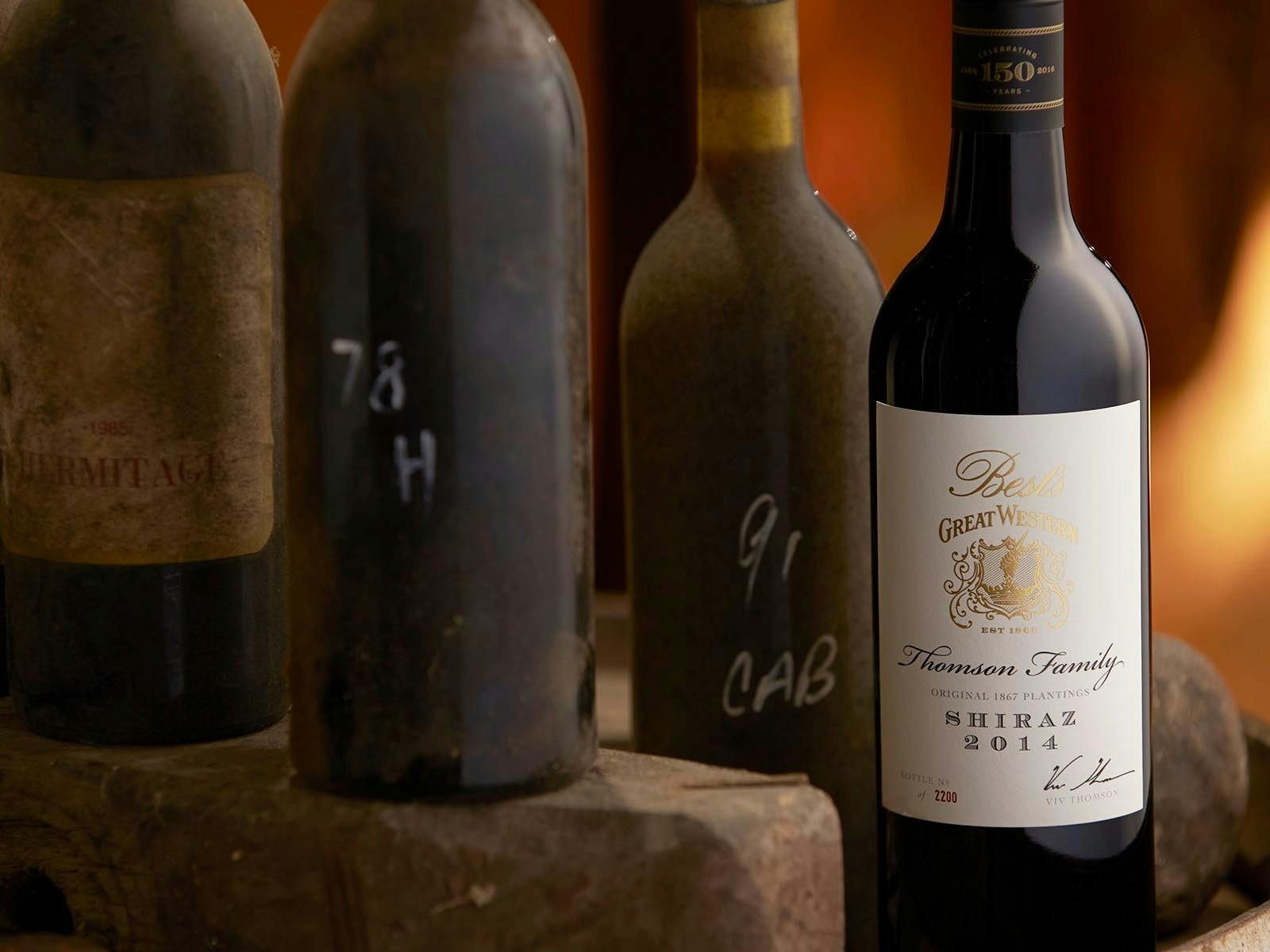
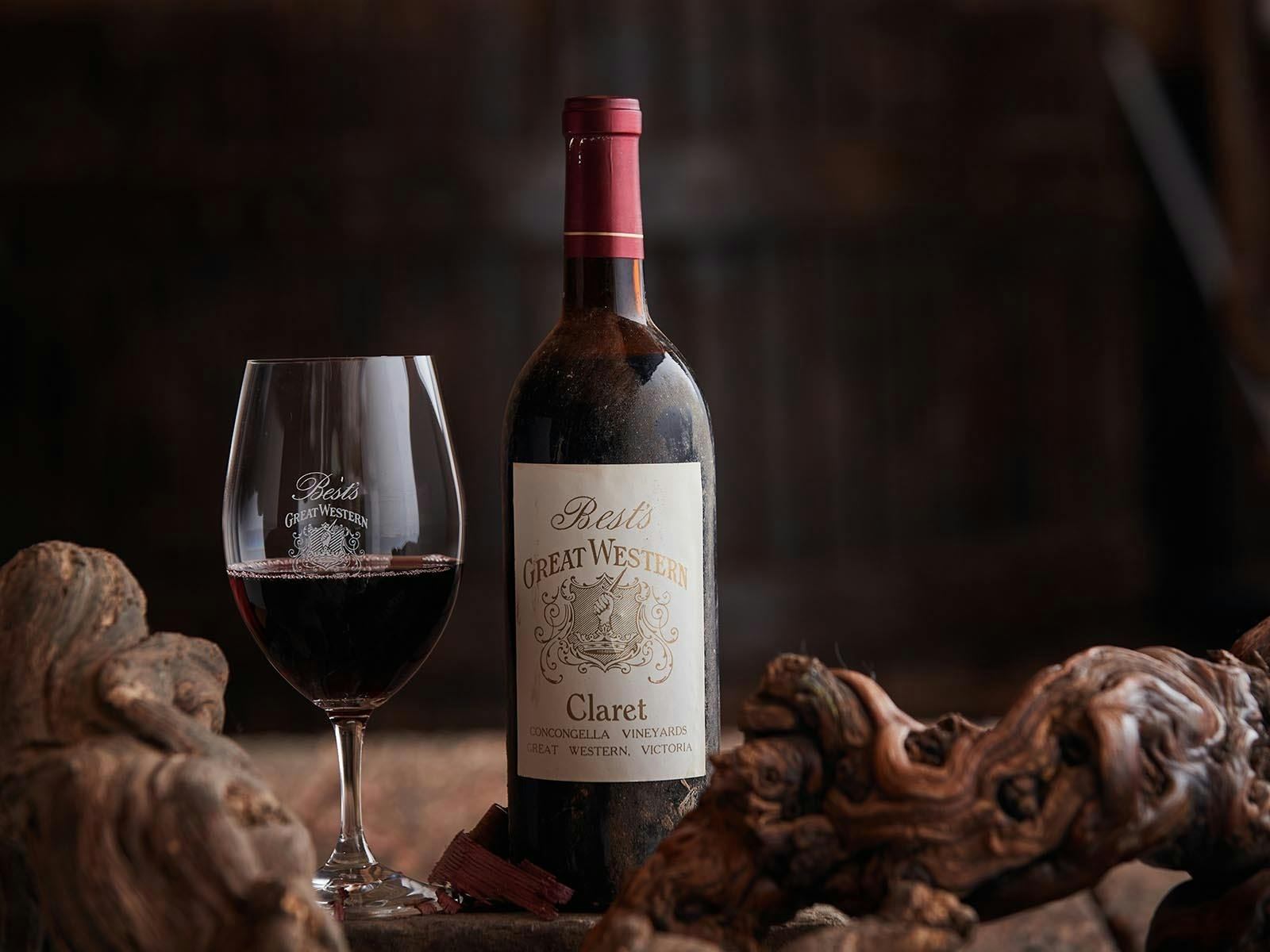
- Savour aged wines from Best's underground cellar, discovering unique flavours that showcase the winery's rich heritage.
- Enjoy a glass of sparkling on arrival, setting the tone for an unforgettable evening of exquisite tastings.
- Indulge in Pick a Platter cheese boards, perfectly complementing the museum wines for a delightful culinary experience.
- Choose a non-tasting ticket for a relaxed evening, enjoying the atmosphere without the wine if preferred.
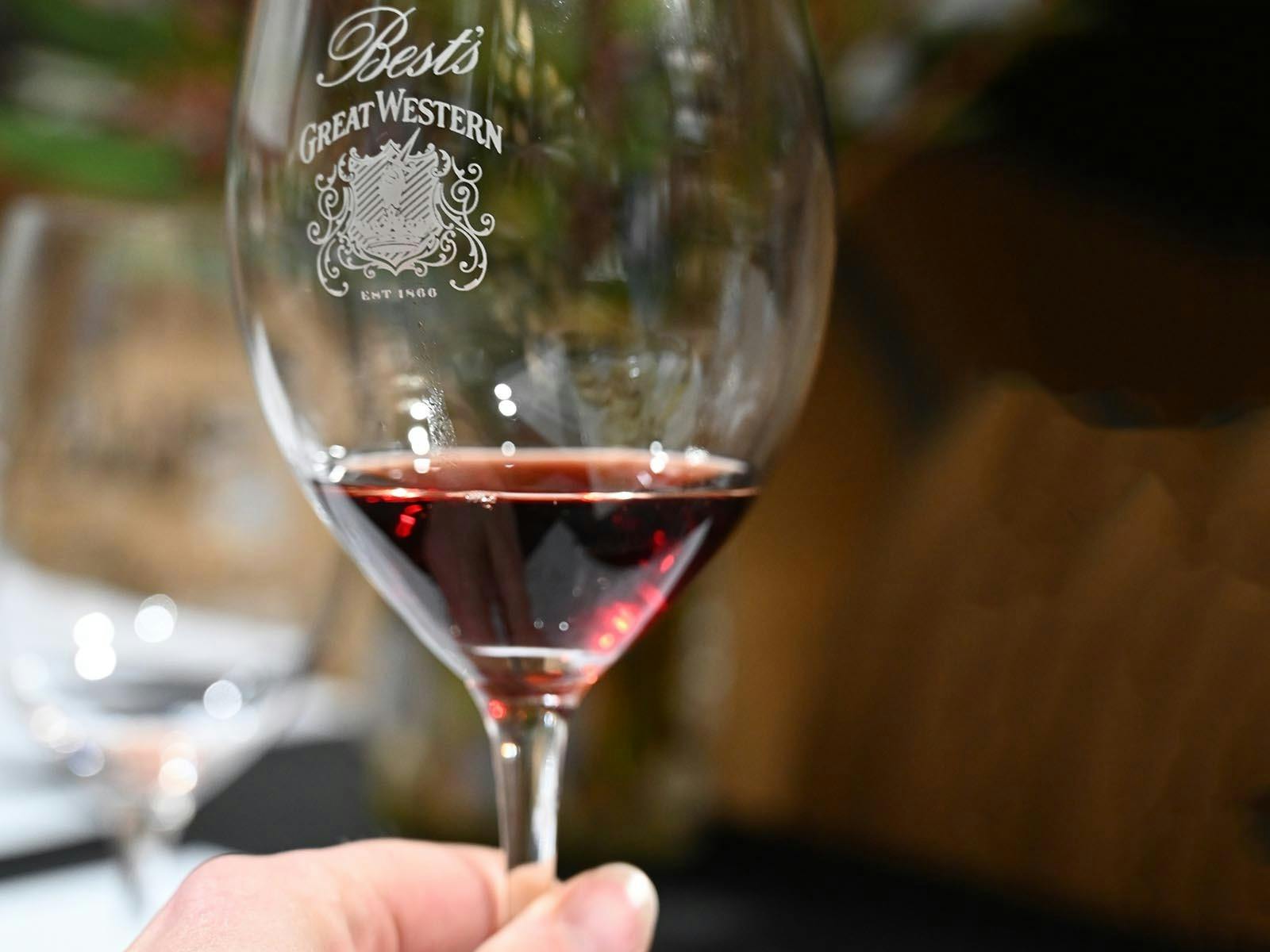
Best’s Wines Museum Nights are a rare and unique opportunity to try aged wines from the depths of their underground cellar. Guests are able to sample back vintage wines before deciding on a favourite and settling in with a glass.
The Pick a Platter cheese boards will be available on the night. Entry fee is inclusive of a glass of sparkling on arrival (red or white) and four tastings of museum wines.
A non-tasting ticket is available for non-wine drinkers and designated drivers. Not a big wine drinker but keen to come along? Book a non-tasting entry ticket.
Best’s Wines in Great Western, Victoria is one of Australia’s best kept winery secrets. Founded in 1866, they are a family-owned and operated winery with some of the oldest and rarest vines in the world. Shiraz, Cabernet and Riesling are their specialties and they also produce small-parcel wines.
Images and Video

Dates & times
- Next occurrence:
Features
Actively welcomes people with access needs.
General access

- Offers multiple options for booking – web, email, phone is available.
- Offers a range of contact methods for receiving complaints.
- Companion Cards are accepted.
Allergies and intolerances

Caters for people with allergies and intolerances.
- Modify their cooking and cleaning practices to cater for people with food allergies or chemical intolerances (could include menus with meals free from: nuts, dairy, seafood, eggs, gluten etc).
- Equipment to respond to anaphylactic shock such as epi–pens and defibrillator.
Plan more around this area
 Ararat, VIC
 Acacia Caravan Park and Holiday Units
Acacia Caravan Park in Ararat is an inviting friendly family run park that provides an excellent range of reasonably priced accommodation including ensuite cabins, Family

 Ararat, VIC
 G'Day Parks Ararat
Pyrenees Caravan Park is a family owned and operated park located in a tranquil bush setting in the rural city of Ararat.
 Lake Fyans, VIC
Lake Fyans Holiday Park
Experience the natural beauty of the Eastern Grampians at Lake Fyans Holiday Park.
 Ararat, VIC
 Crabapple Cottage
Crabapple Cottage has been lovingly renovated with visitors in mind. Inviting and spacious, this regional idyll is a welcome retreat after winery hopping, hiking in
 Ararat, VIC
 Ararat Motor Inn
Ararat Motor Inn offers well-appointed modern accommodation. Great location at 367 Barkly St Ararat, with cafes, restaurants, pubs, clubs, and shopping just minutes away. Ararat
 Pomonal, VIC
Pomonal Estate Wines & Luxury Villas
Established in 2017, Pomonal Estate owners, Adam and Pep Atchison welcome you to their new winery, microbrewery and cider house.

 Pomonal, VIC
Pomonal Estate Winery
Established in 2017, Pomonal Estate owners, Adam and Pep Atchison welcome you to their new winery, microbrewery and cider house.
 Pomonal, VIC
 Black and Ginger Wine Shed
The Black and Ginger Wine Shed is a laid-back, eclectic hideaway for wine lovers and wanderers alike.
 Pomonal, VIC
 Barney's Bar & Bistro
Nestled at the foot of the Grampians is Barney's Bistro Bar. This rustic old shearing shed has been converted into a bistro offering affordable meals
