John Brack x Noel McKenna: A face in the mirror
Highlights
- Explore over 90 captivating works that reveal the playful exchange between John Brack and Noel McKenna.
- Discover the nuanced portraiture that reflects modern life’s texture and emotional depth at King Edward Terrace.
- Engage with social commentary that balances satire and compassion, inviting deeper reflection with each viewing.
- Relax at the on-site café, perfect for unwinding after immersing yourself in the exhibition's rich themes.
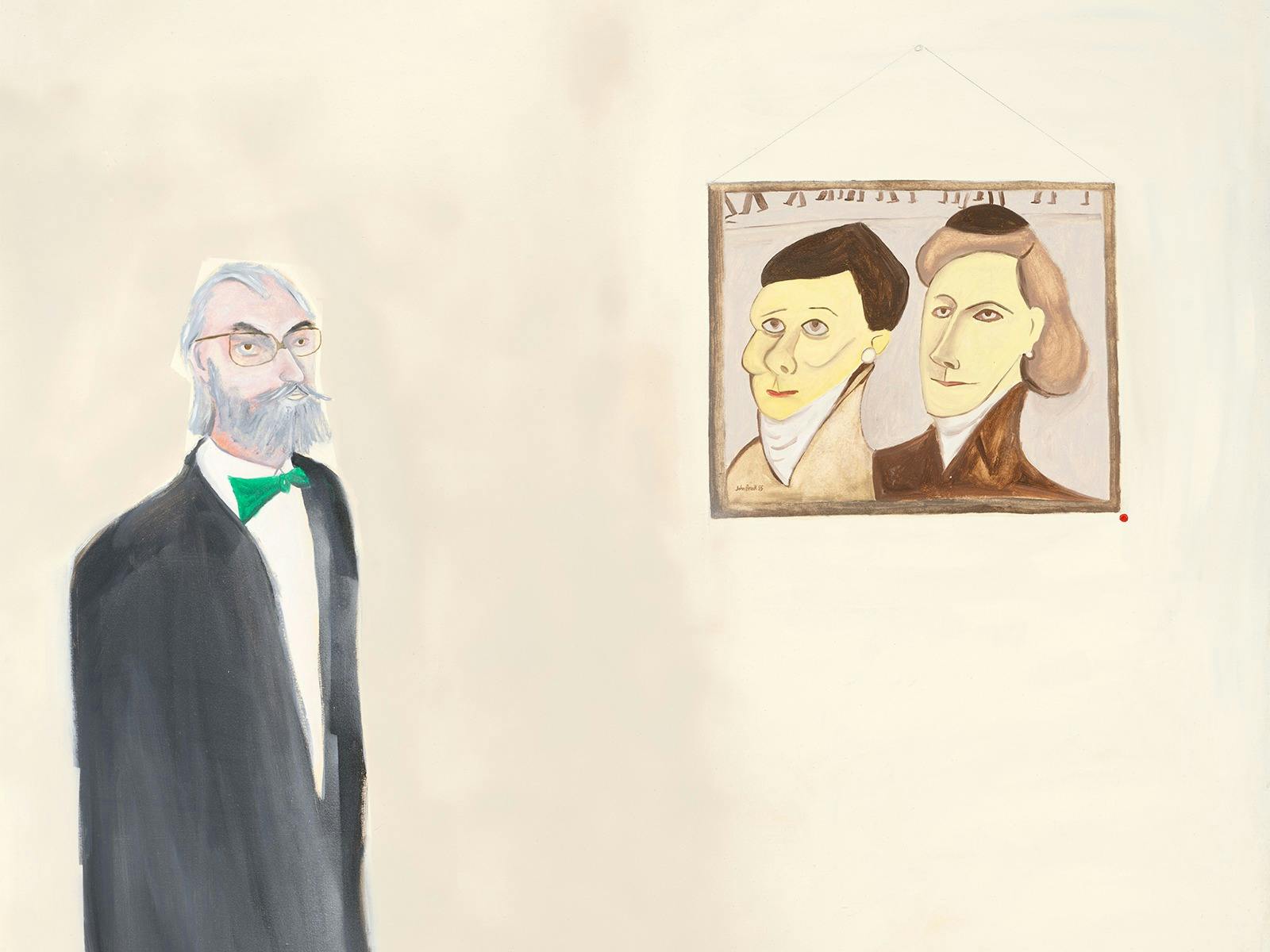
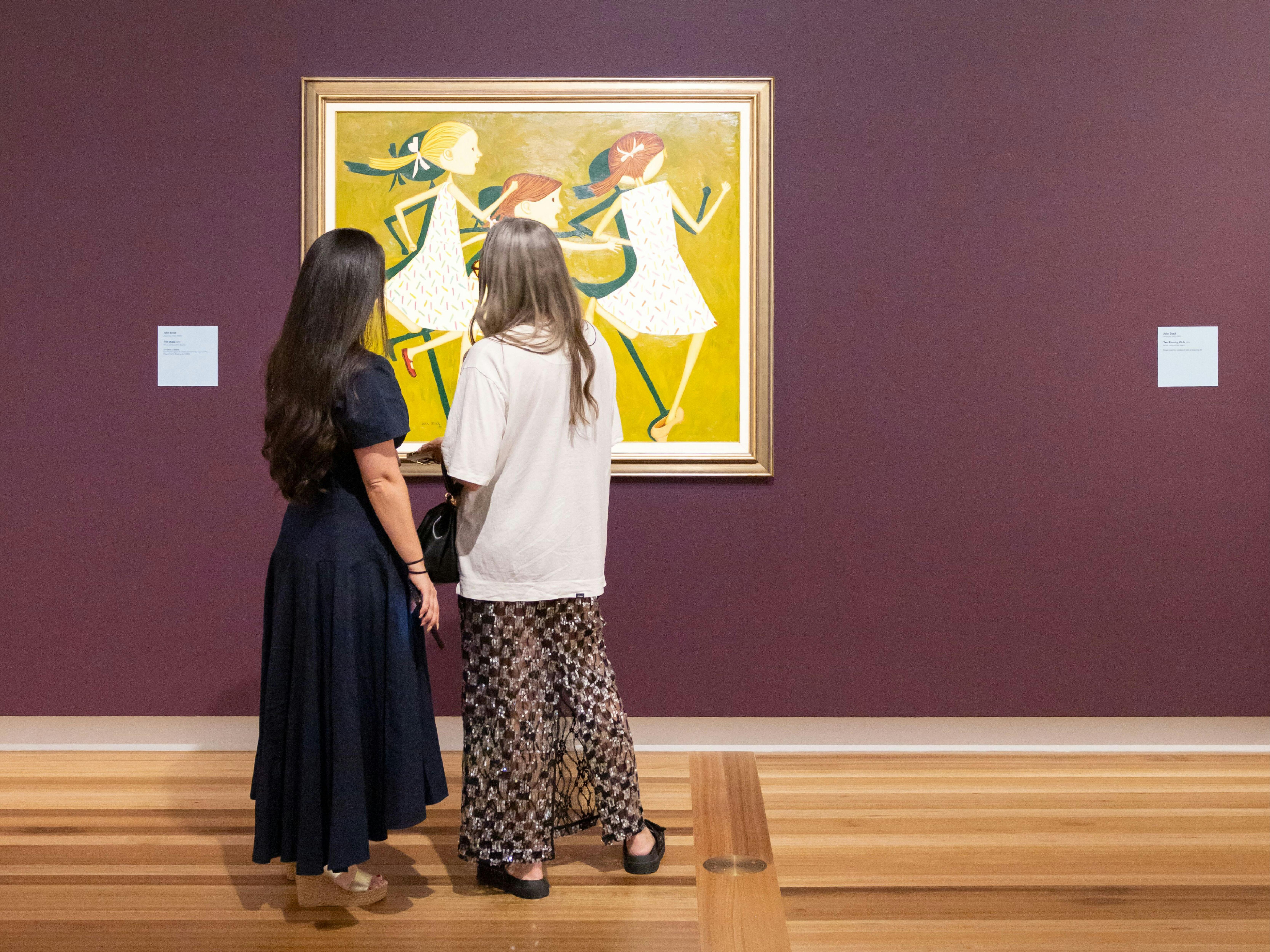
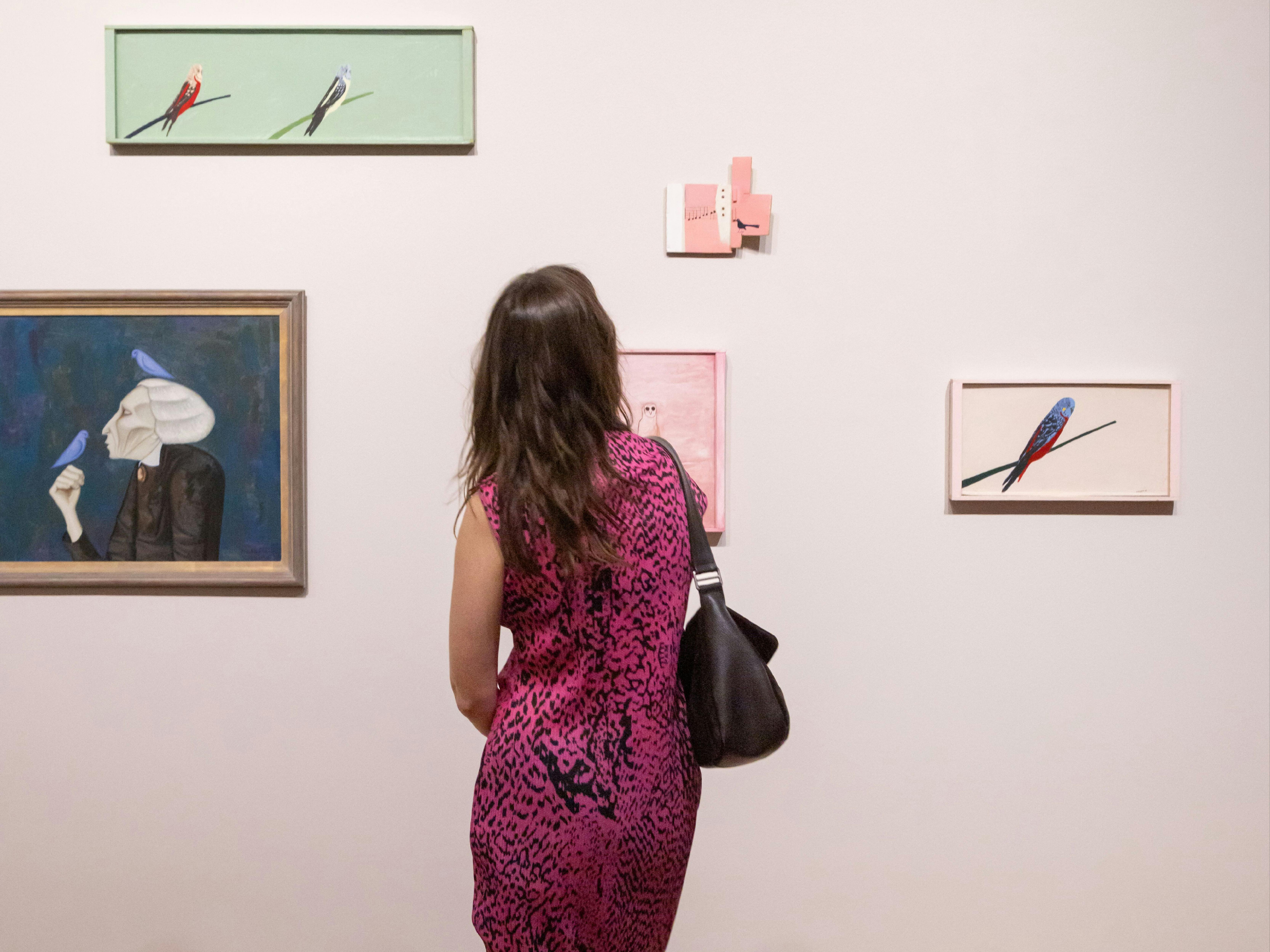
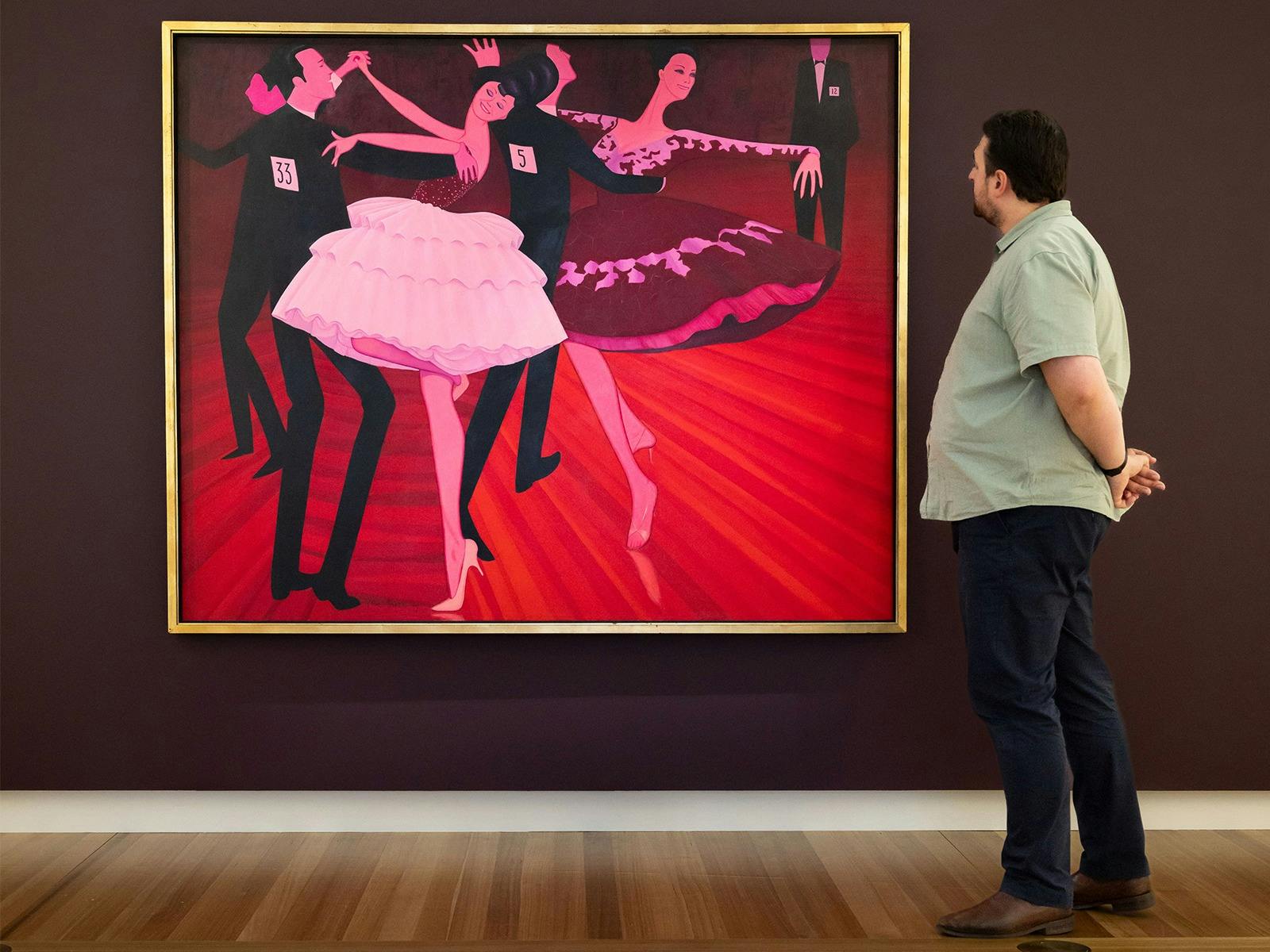
‘John Brack x Noel McKenna: A face in the mirror’ brings together the work of two influential Australian artists. Presented as a playful exchange of more than 90 works, the exhibition maps the clear aesthetic and thematic lineages between the artists who worked almost half a century apart. This exhibition offers new ways of thinking about each artist’s work and the echoes that reverberate between them.
Both artists draw on the texture of modern life, offering a social commentary that is at times satirical, and always wry, yet tempered by sympathy and compassion. More explicit connections slyly emerge the longer you look: the personalities of the racetrack, figures in sparsely furnished interiors or apparently unremarkable suburban landscapes, and their shared tendency towards compositional flatness. These artists have carved their own paths, operating outside artistic trends. Concerned with the interior and interiority, Brack and McKenna have each pursued a portraiture practice that is nuanced and emotionally astute, carrying tenderness that cuts through with humour that is dry and deadpan but still delights.
Images and Video
Dates & times
- Next occurrence: reoccurring
Accreditations
- Australian Museums and Galleries Association
Features
Actively welcomes people with access needs.
General access

- Offers multiple options for booking – web, email, phone is available.
- Offers a range of contact methods for receiving complaints.
- Companion Cards are accepted.
- Employs people with disabilities.
- Staff are trained in disability awareness.
- Accessibility information and photos, including of a bathroom, room and/or floor plan on their website (can be emailed on request).
- Assistance with booking arrangements (includes providing clear itineraries with written instructions on what to do at various destinations)
Communication

Welcomes and assists people who have challenges with learning, communication, understanding and behaviour. (includes people with autism, intellectual disability, Down syndrome, acquired brain injury (ABI), dyslexia and dementia)
- Staff are trained in communicating with people with learning or behavioural challenges.
- Uses Plain English / easy read signage and information (includes menus and emergency information)
Vision

Caters for people who are blind or have vision loss.
- Information in large print is available.
- Information in audio format (includes an audio described map of their venue, audio descs of performances and/ or displays) is available.
- Digital communication materials (hard copy information also online) is available.
- Uses easy to read fonts in their signage and communication materials (Helvetica and Arial).
- Staff are trained in customer service for people with vision loss (training would incorporate way finding and communicating with people with vision loss).
- Raised tactile buttons in lifts are available.
- Handrails on all stairways
Hearing

Caters for people who are deaf or have hearing loss.
- Staff are trained in communicating with people who are deaf or have hearing loss.
- Caption all entertainment (TVs, live shows, performances) is available.
- Volume controlled phones are available.
- Visual alerts for emergencies (Include flashing light) are available.
Physical – Mobility

Caters for people with sufficient mobility to climb a few steps but who would benefit from fixtures to aid balance. (This includes people using walking frames and mobility aids)
- Uses floors/coverings which are slip resistant, firm and smooth
- Uses non-slip tiles in the bathroom or slip resistant matting
- Grab rails in the bathroom
- Seating in common areas including reception area
Physical – Wheelchair

Caters for people who use a wheelchair.
- Step free outdoor pathways (includes picnic areas, barbecues and shelters)
- A doorbell or intercom at an accessible height and display a contact number (accessible height is 900mm-1100 mm)
- A step free main entrance to the building and/or reception area (includes ramps or slopes with a maximum gradient of 1:14, otherwise are too steep for wheelchairs)
- Step free access to restaurant, lounge and bar
- Step free access to the conference or function room
- Accessible seating areas in theatrette
- Lifts with enough space for people using a mobility aid to enter and turn around to use the lift buttons. Buttons are at accessible height.
- Doorways which are easy to open and have lever handles (doorways 850mm or wider when open and not heavy).
- An accessible public toilet which is unlocked.
- Wheelchair accessible picnic tables (picnic tables require 720mm knee clearance and 800mm maximum height).
- At least one wheelchair accessible parking space with wheelchair accessible signage clearly displayed (International standards are 3200mm wide x 2500 mm high).
- Wheelchair accessible transport options available in the general vicinity (provide information on name of the operator, phone and website link to individual providers for private vehicles, community transport train, mini vans, hire cars, buses, taxis, ferry, tram, light rail etc in their access statement).
Access & Inclusion

An access and inclusion statement is available on the business website.
- https://portrait.gov.au/content/access/
Plan more around this area
 Canberra, ACT
 Little Drifter Canberra
Little Drifter Canberra is where culture, nature, and conversation meet in the heart of the capital, just steps from Lake Burley Griffin.
 Canberra, ACT
 Quest Canberra City Walk
Located in the heart of Canberra, Quest Canberra City Walk is ideally positioned between The Canberra Centre, Glebe Park and the National Convention Centre.

 Kingston, ACT
 Knightsbridge Canberra
Knightsbridge Canberra is your home away from home – pure style, premium quality and that stress-free lifestyle that makes you want to linger even longer.
 Kingston, ACT
Adina Serviced Apartments Canberra Kingston
Adina Serviced Apartments Canberra Kingston is a short stroll from the renowned restaurants, cafes and shopping of Kingston and Manuka.
 Kingston, ACT
 Abode Kingston
Situated in the heart of Canberra’s inner-south, Abode Kingston offers 63 stylishly appointed self-contained, apartment-style rooms perfect for guests travelling for work or leisure.
 Griffith, ACT
Manuka Park Apartments
Manuka Park Serviced Apartments is close to Canberra's major attractions, boutique shopping, restaurant villages, nightlife and business precincts.
 Parkes, ACT
 Paperplate cafe at the National Library of Australia
Paperplate offers light refreshments such as fresh and toasted sandwiches, soup, wraps, salads, assorted baked goods, fruit salad, along with hot and cold beverages.
 Parkes, ACT
 Bookplate cafe at the National Library of Australia
Bookplate's delicious–yet-casual all-day menu has something for everyone, from eggs benedict to sushi bowls.
 Parkes, ACT
 Rosa's
An all-day garden bar and takeaway with outdoor deck seating. Grab pizza by the pie, coffee on the run, as well as paninis and pastries.
 Parkes, ACT
 Ballyhoo
A refreshing departure from the formality of the National Triangle, come for a laid-back atmosphere at Ballyhoo.
 Parkes, ACT
 KOTO Japanese Restaurant
Located in The Lobby building in one Canberra’s most prominent location on King George Terrace, KOTO is an integral part of the National Triangle.
 Parkes, ACT
 Dining Domes on Lake Burley Griffin
Enjoy an exclusive Dining Dome Experience at Water’s Edge Restaurant, Dine in style and comfort in your private, exclusive and warm Dining Dome.
