St Hubert's
Highlights
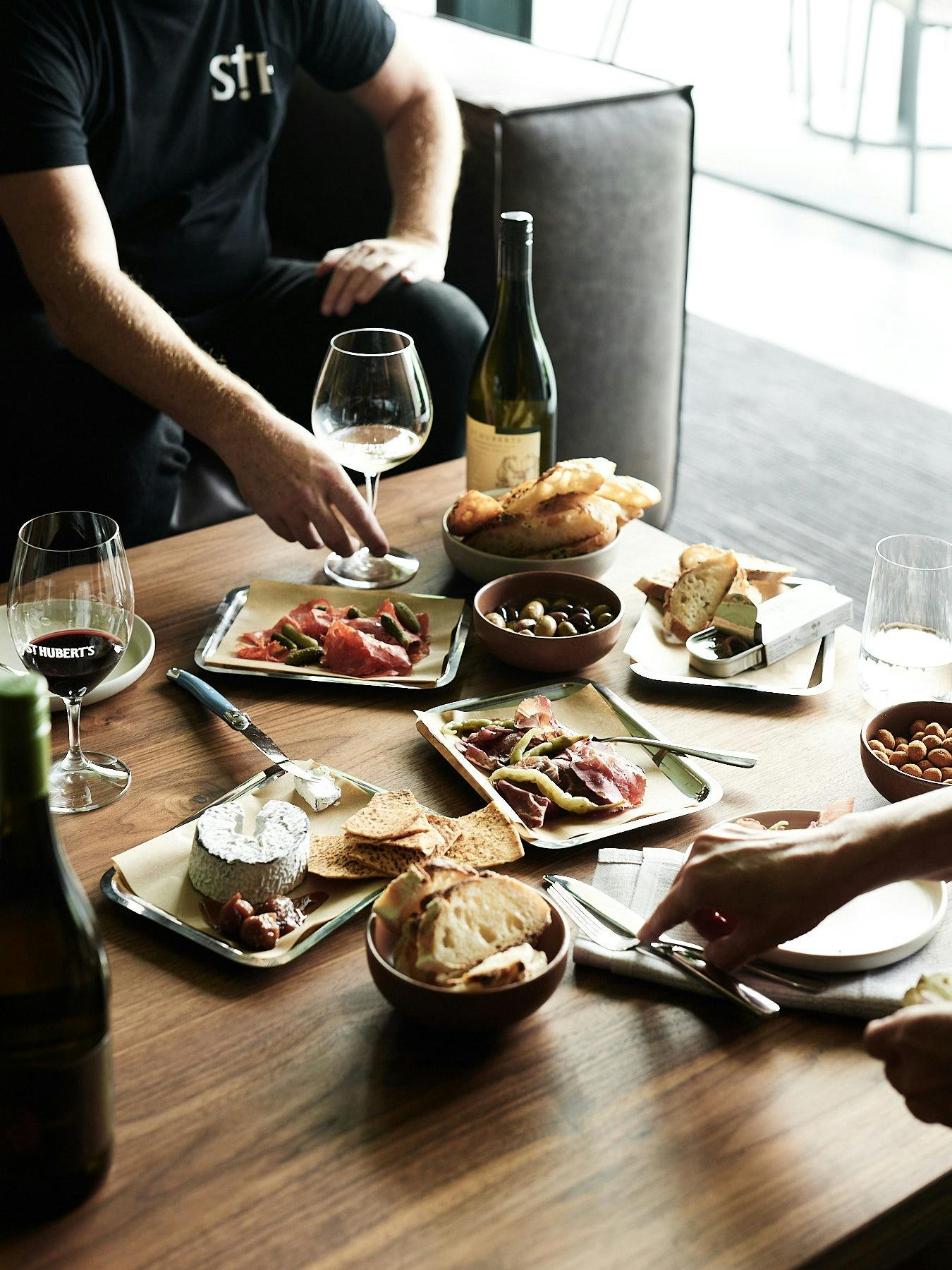
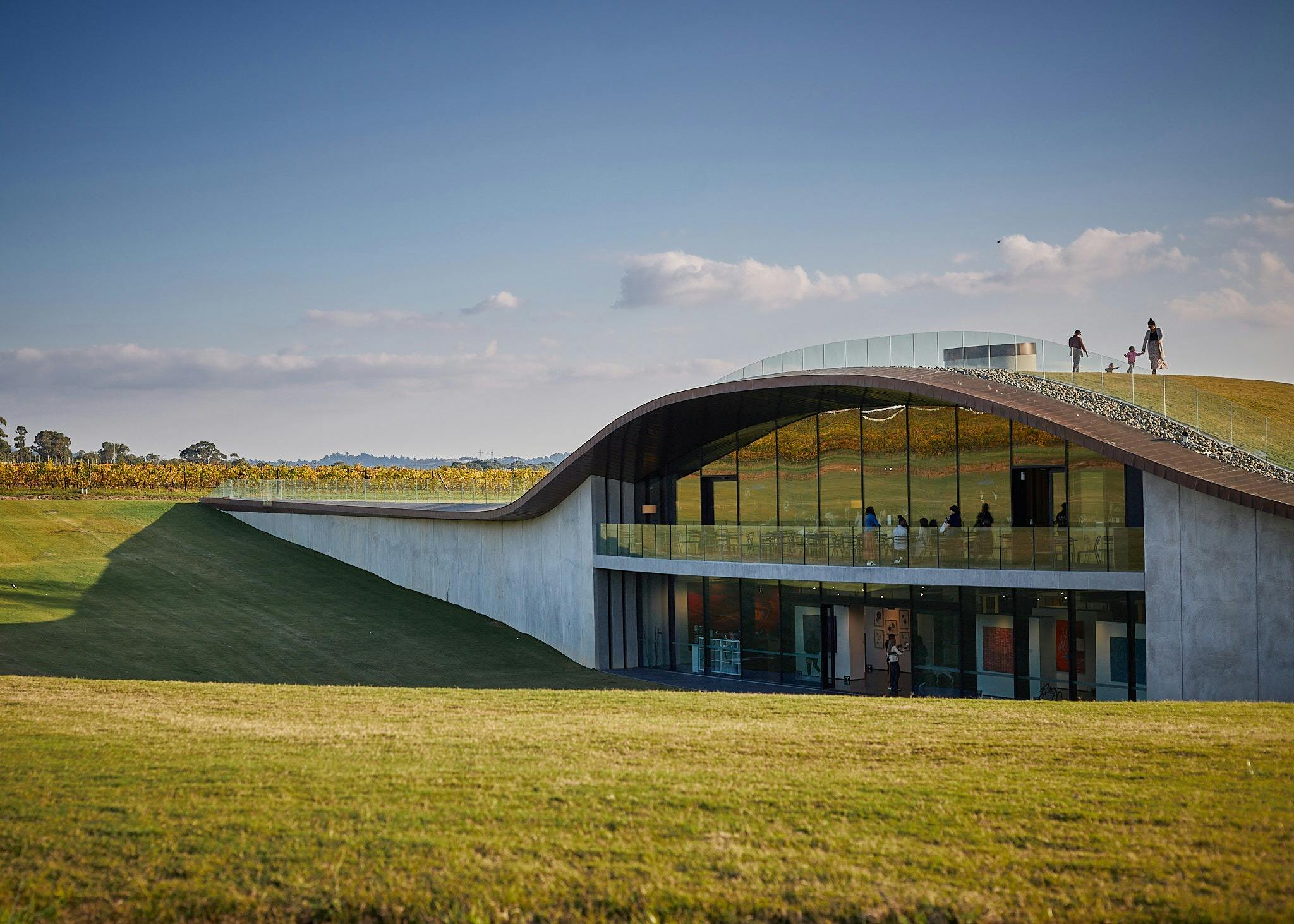
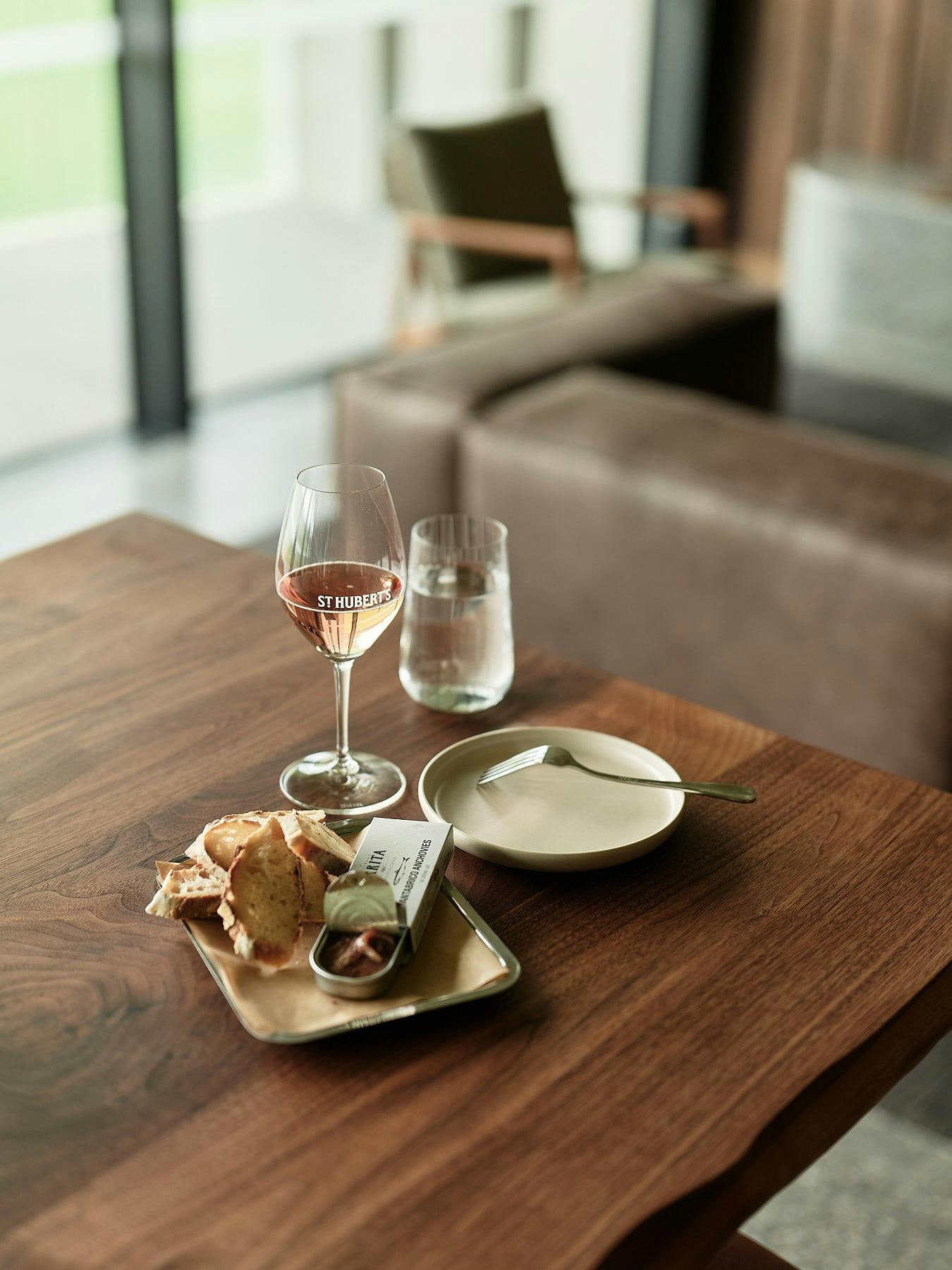
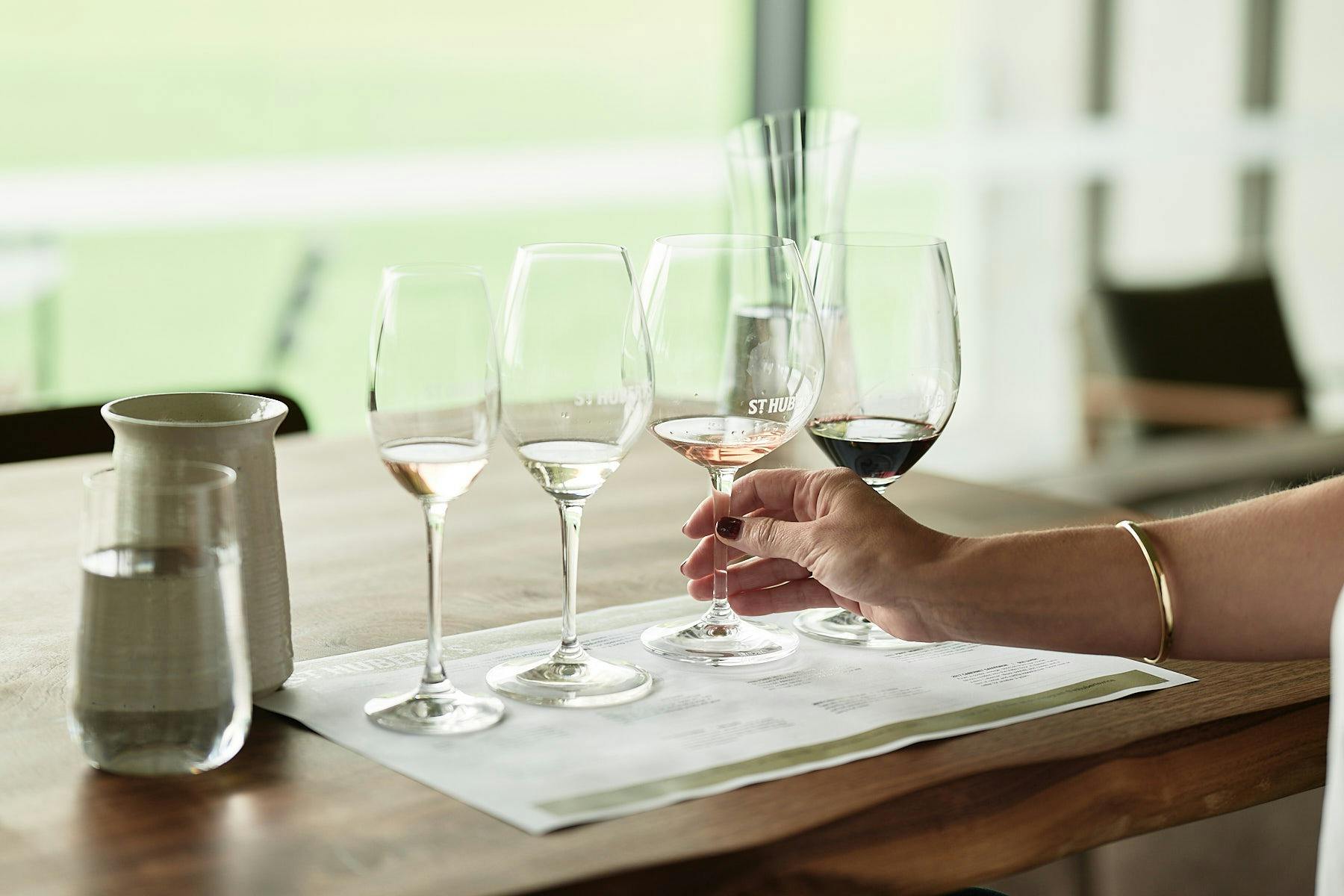
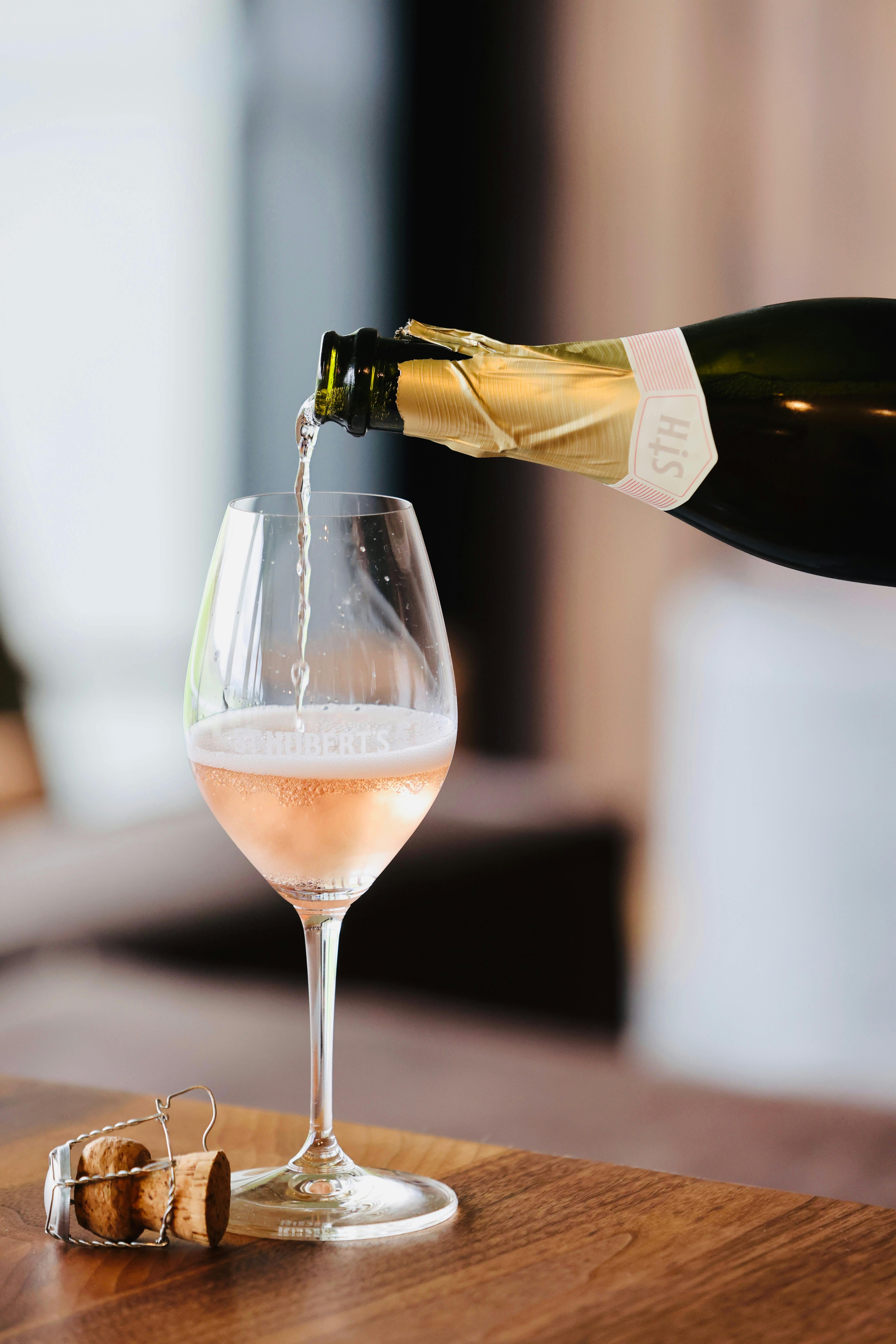
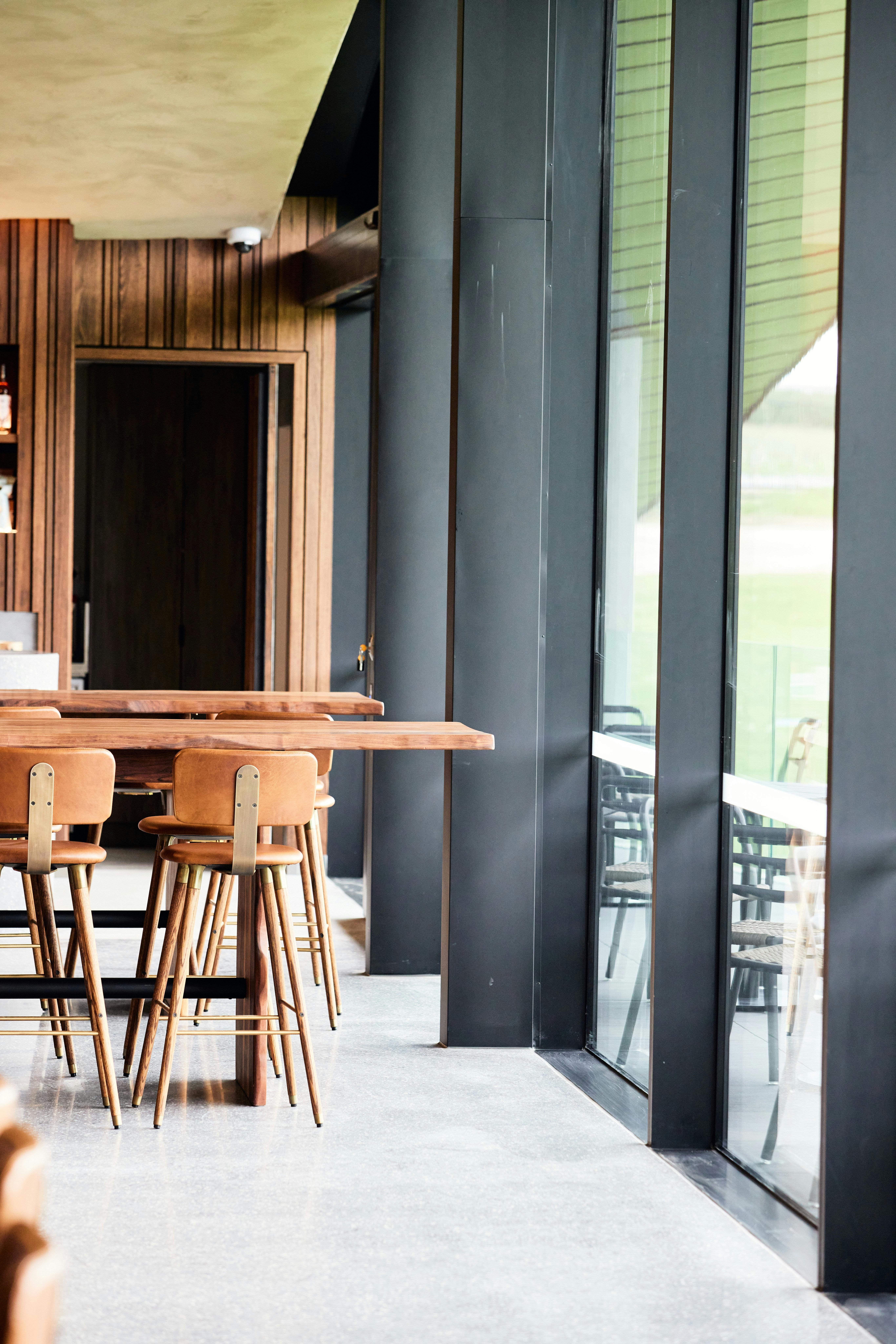
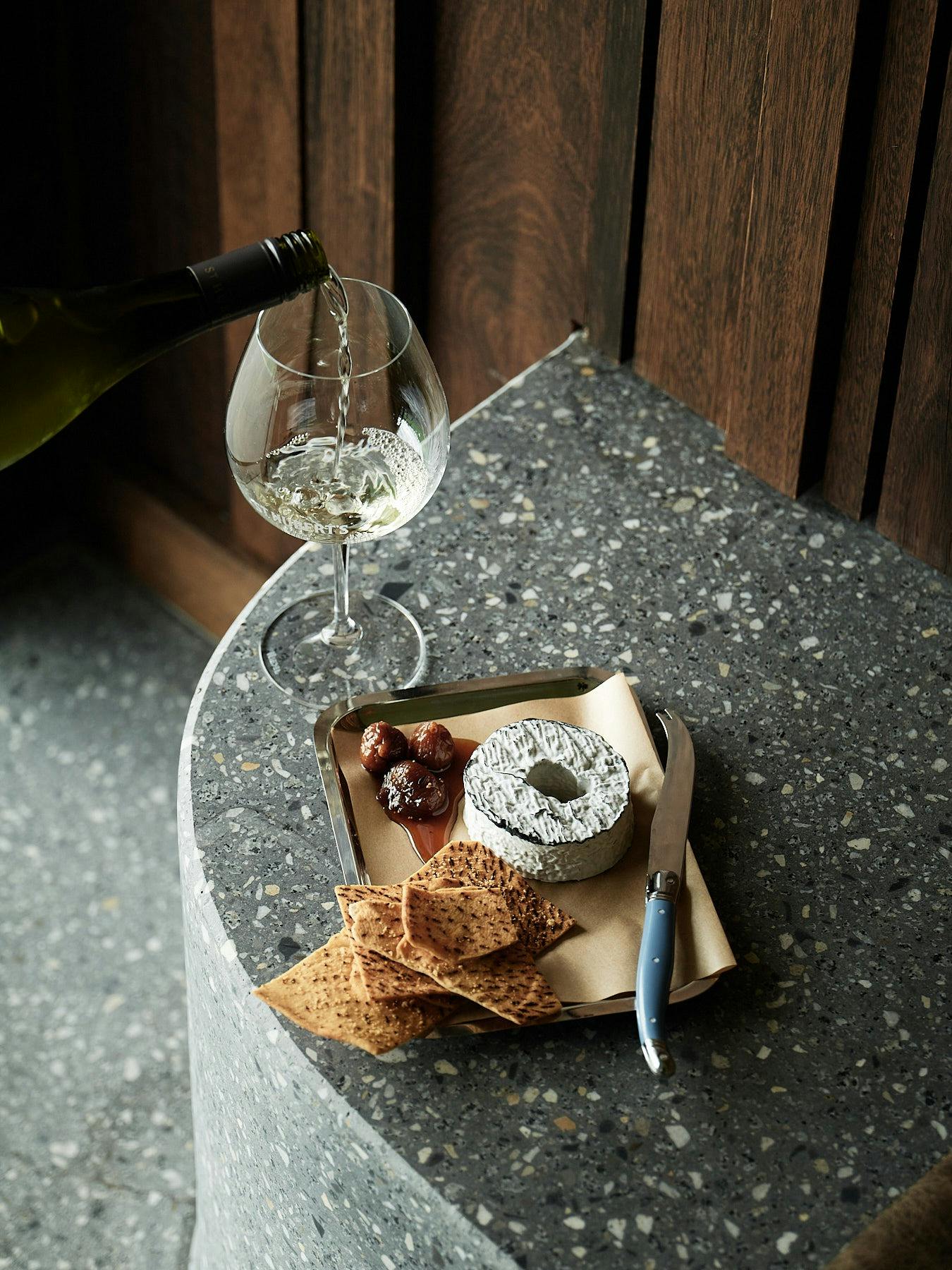
- Explore the innovative cellar door experience at St Hubert's, setting a new benchmark for wine tastings.
- Savour the rich heritage of one of the Yarra Valley's pioneering wineries, established in 1862.
- Relax in the alfresco dining area surrounded by beautiful gardens, enhancing your culinary experience.
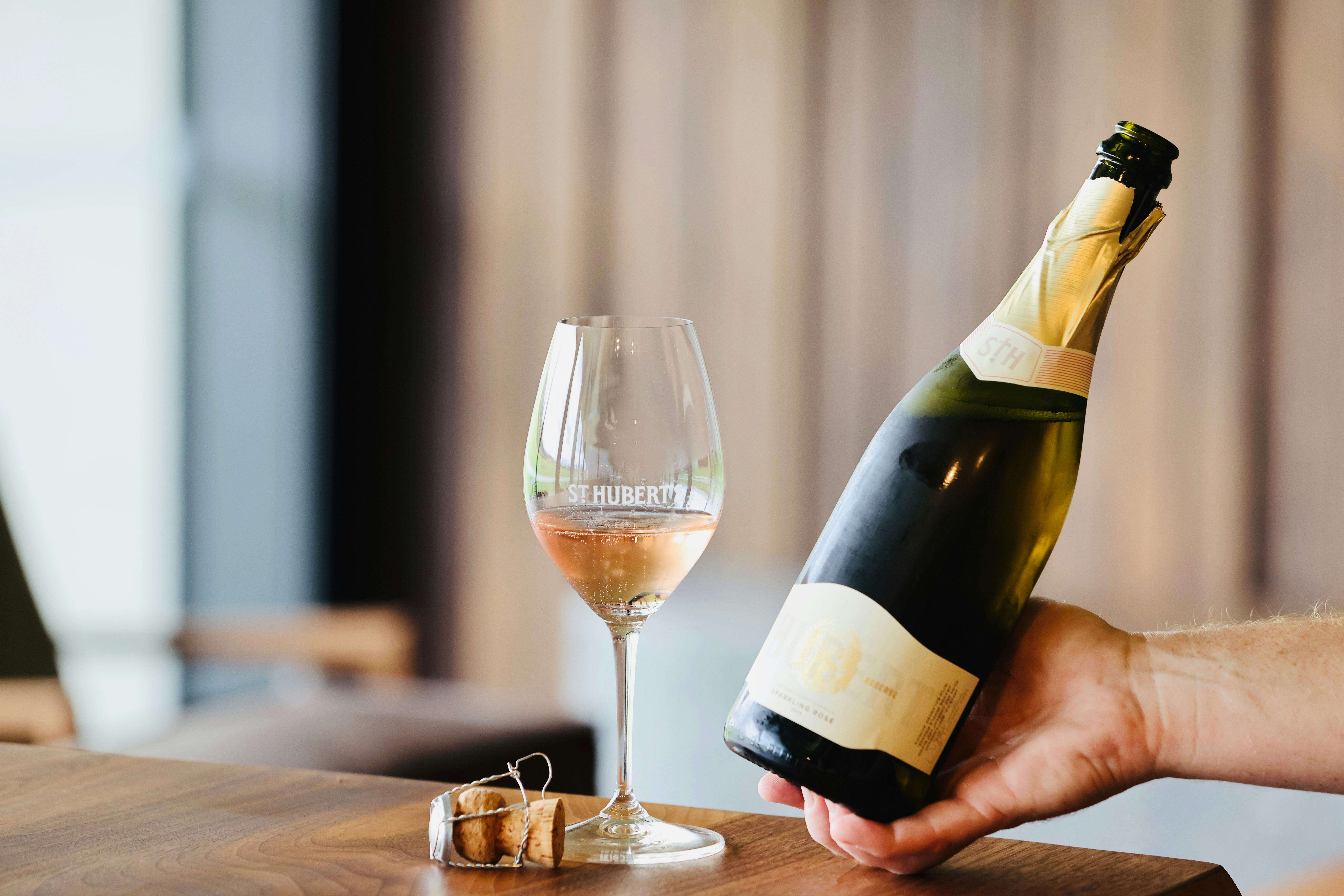
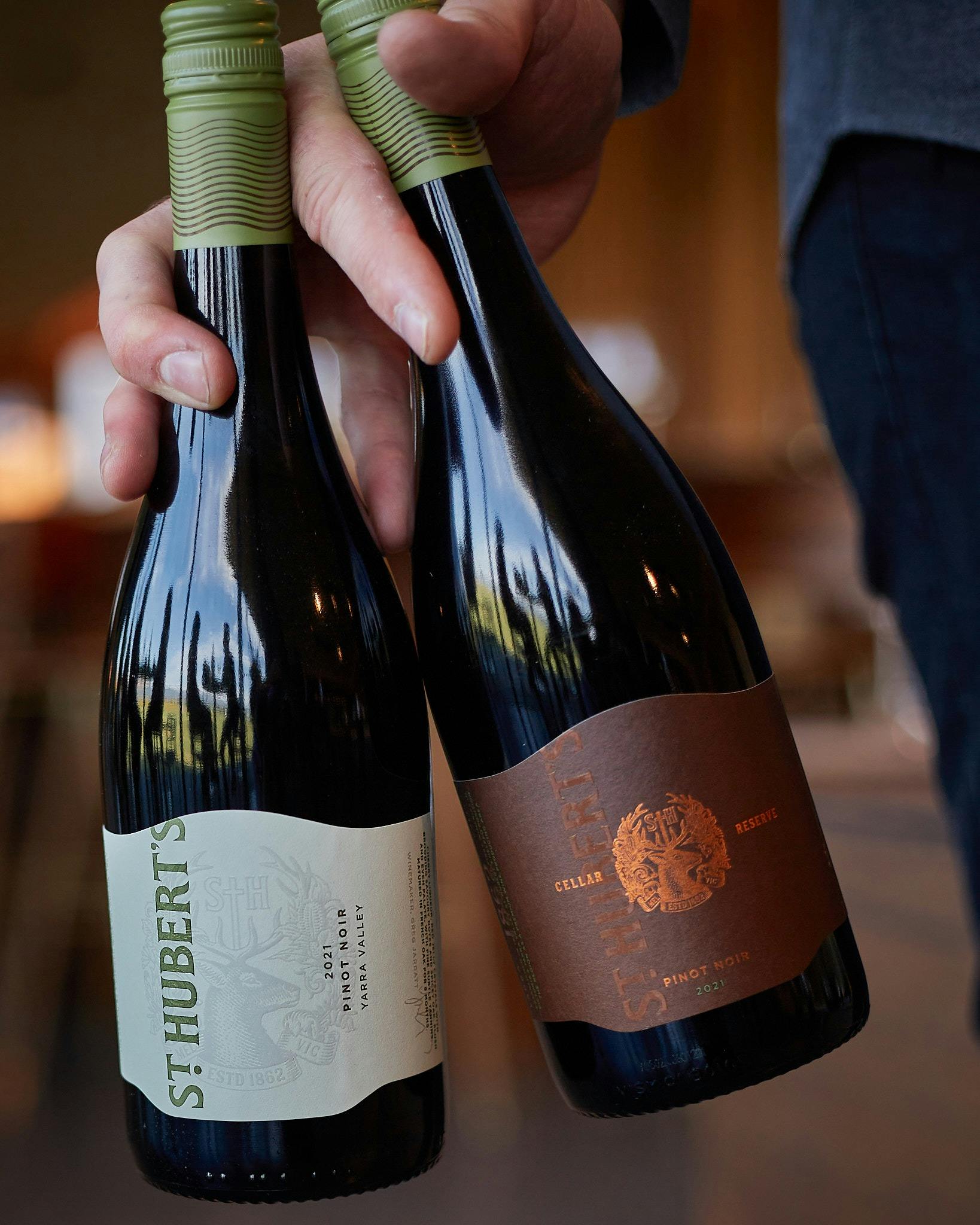
- Discover the premium wines that helped shape the Yarra Valley’s reputation as a top wine-producing region.
Established in 1862 as one of the first wineries in the region, St Hubert’s helped position the area as a premium wine producing location and was a champion of the Yarra Valley’s wine Renaissance in the 1960s.
In 2017 they embarked on a journey to re-imagine this heritage brand and took the first progressive steps in the journey of St Hubert’s.
As one of the pioneers of premium winemaking in the Yarra Valley, they are thrilled to create an innovative cellar door experience that will set a benchmark for tasting room experiences.
Images and Video

Accreditations
- Victoria Tourism Industry Council
Features
Actively welcomes people with access needs.
General access

- Offers multiple options for booking – web, email, phone is available.
- Offers a range of contact methods for receiving complaints.
- Employs people with disabilities.
- Staff are trained in disability awareness.
- Accessibility information and photos, including of a bathroom, room and/or floor plan on their website (can be emailed on request).
- Asks all visitors if there are any specific needs to be met.
- Website meets <a href="https://www.w3.org/WAI/standards-guidelines/wcag/" target="_blank">WCAG 2.0</a> accessibility standards
- Advise tour guides of the access needs of guests at the time of booking (includes pick up and drop off requirements)
- Assistance with booking arrangements (includes providing clear itineraries with written instructions on what to do at various destinations)
Communication

Welcomes and assists people who have challenges with learning, communication, understanding and behaviour. (includes people with autism, intellectual disability, Down syndrome, acquired brain injury (ABI), dyslexia and dementia)
- Staff are trained in communicating with people with learning or behavioural challenges.
Physical – Wheelchair

Caters for people who use a wheelchair.
- Step free outdoor pathways (includes picnic areas, barbecues and shelters)
- A doorbell or intercom at an accessible height and display a contact number (accessible height is 900mm-1100 mm)
- A step free main entrance to the building and/or reception area (includes ramps or slopes with a maximum gradient of 1:14, otherwise are too steep for wheelchairs)
- Step free access to restaurant, lounge and bar
- Step free access to the conference or function room
- Lifts with enough space for people using a mobility aid to enter and turn around to use the lift buttons. Buttons are at accessible height.
- Doorways which are easy to open and have lever handles (doorways 850mm or wider when open and not heavy).
- An accessible public toilet which is unlocked.
- A wheelchair accessible toilet / shower and change room is available.
Allergies and intolerances

Caters for people with allergies and intolerances.
- Modify their cooking and cleaning practices to cater for people with food allergies or chemical intolerances (could include menus with meals free from: nuts, dairy, seafood, eggs, gluten etc).
- Staff are trained to respond to allergic reactions.
- Complies with The Food Authority requirements for allergy management in food preparation.
- Equipment to respond to anaphylactic shock such as epi–pens and defibrillator.
Plan more around this area
 Healesville, VIC
 One Wee Cottage
Nestled in the heart of the Yarra Valley, my rustic and romantic mud-brick cottage offers the perfect blend of privacy and convenience—just a 1-minute drive

 Healesville, VIC
 Healesvillas
Architecturally designed, Pandora and Jacquina form Healesvillas – two luxury villas which are elevated to take advantage of the breathtaking mountain views in the heart
 Dixons Creek, VIC
 Glenlowren
Glenlowren Cottage is a romantic getaway in the heart of the Yarra Valley. A fully self-contained cottage and luxury B&B for couples, Glenlowren is privately
 Chirnside Park, VIC
 Yarra Valley Lodge
Yarra Valley Lodge is a magnificent resort offering total luxury.
 Dixons Creek, VIC
 The Burrow at Wombat Bend Bed and Breakfast
The Burrow at Wombat Bend Bed and Breakfast is a beautifully designed mud brick and cedar cottage offering self contained Bed and Breakfast accommodation in
 Badger Creek, VIC
BIG4 Yarra Valley Park Lane Holiday Park
In the heart of the Yarra Valley is the delightful BIG4 Yarra Valley Park Lane Holiday Park (formerly BIG4 Badger Creek Holiday Park).
 Yarra Glen, VIC
 Mother's Day at Balgownie Estate
Mother's Day Breakfast: Kick off the day with a gourmet buffet featuring a selection of locally sourced hot and cold dishes, paired with fresh juices,
 Yarra Glen, VIC
 Truffle Dinner at Balgownie estate
Celebrate truffle season at its peak with Balgownie's Truffle Dinner. Back for another year and always a crowd favourite, this special evening kicks off with
 Yarra Glen, VIC
 Father's Day at Balgownie Estate
Father's Day Breakfast: Start the day with a gourmet buffet of locally sourced hot and cold dishes, paired with fresh juices, smoothies, coffee, and tea.
 Yarra Glen, VIC
 Balgownie's Wedding Open Day 2026
Balgownie Estate invites you to their annual Wedding Open Day! This is your chance to explore the beauty of the Yarra Valley and discover why
 Yarra Glen, VIC
 Four Pillars x Balgownie Estate
Gin lovers and foodies, our Four Pillars gin dining experience returns in 2026 with a fresh line-up of gins, flavours and a delicious new menu.
 Yarra Glen, VIC
 Carols by the Barrels
Join us for our annual Carols by the Barrels! A festive afternoon of live music, good cheer, and community spirit on the front lawn at
