St Ignatius Vineyard
Highlights
- Savour the exquisite Malbec, a Bordeaux varietal that intrigues the mind and warms the heart.
- Experience the seductive floral aromas of the Contemplation Torrontes, exclusively grown in the Pyrenees.
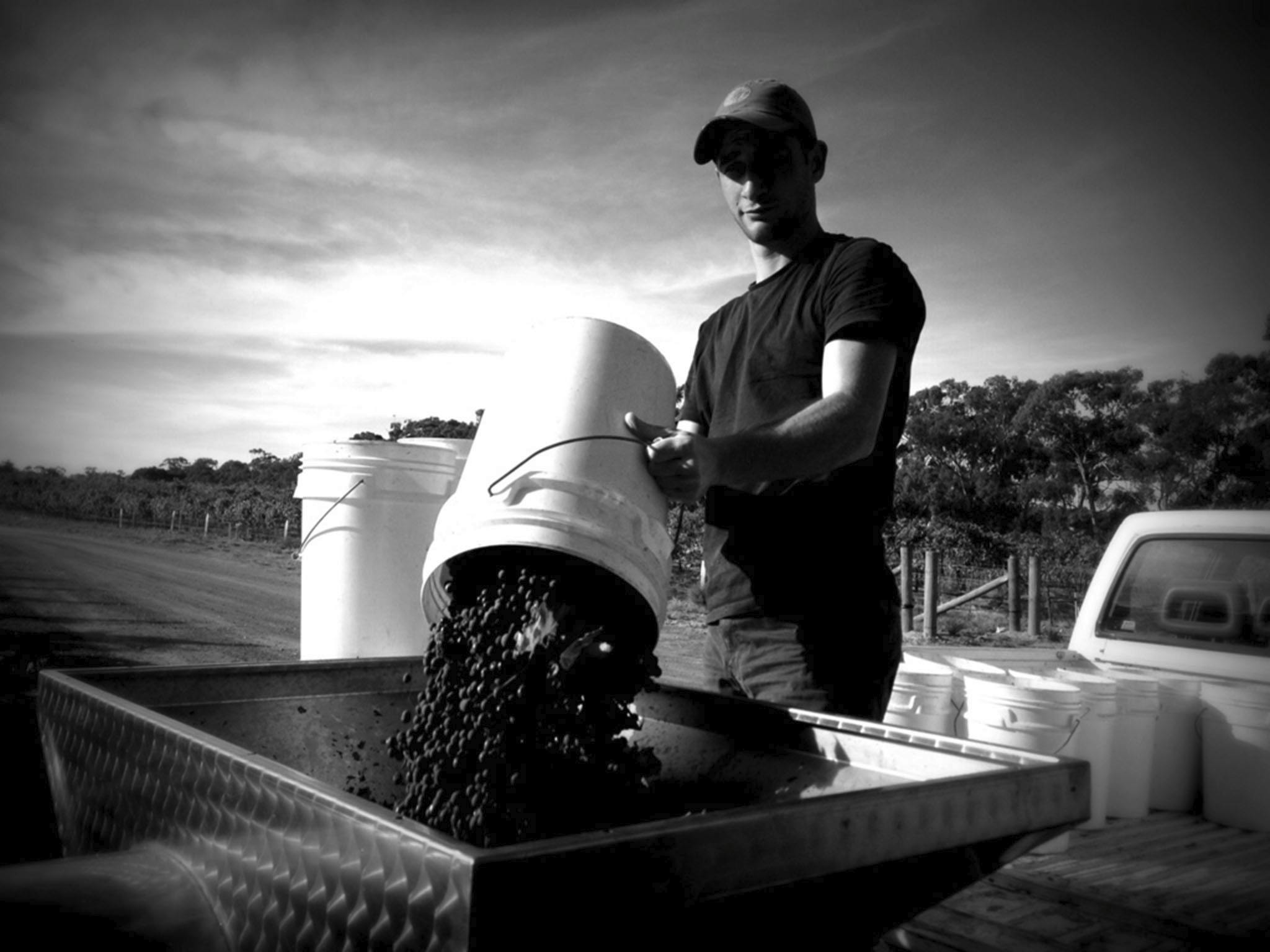
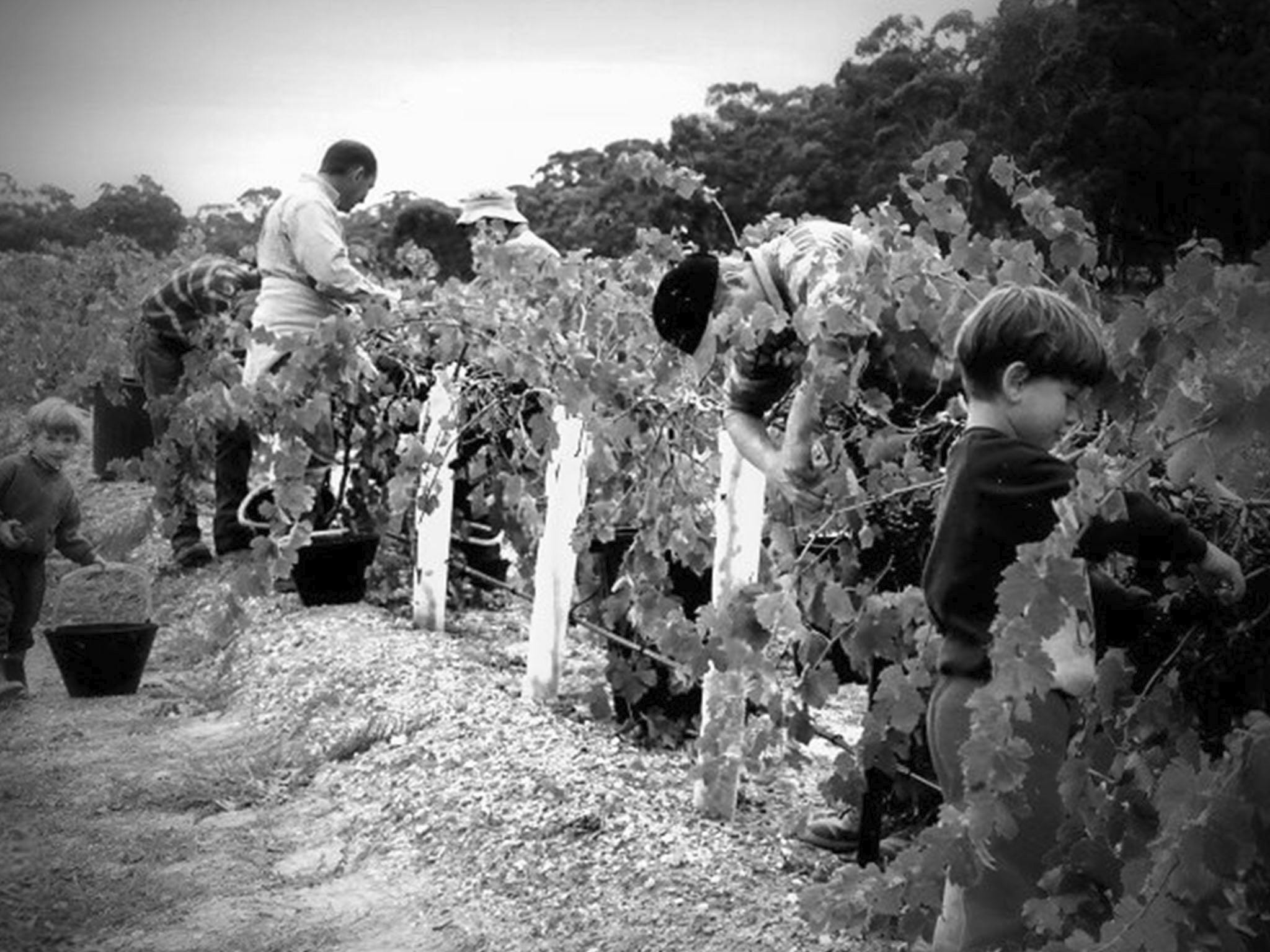
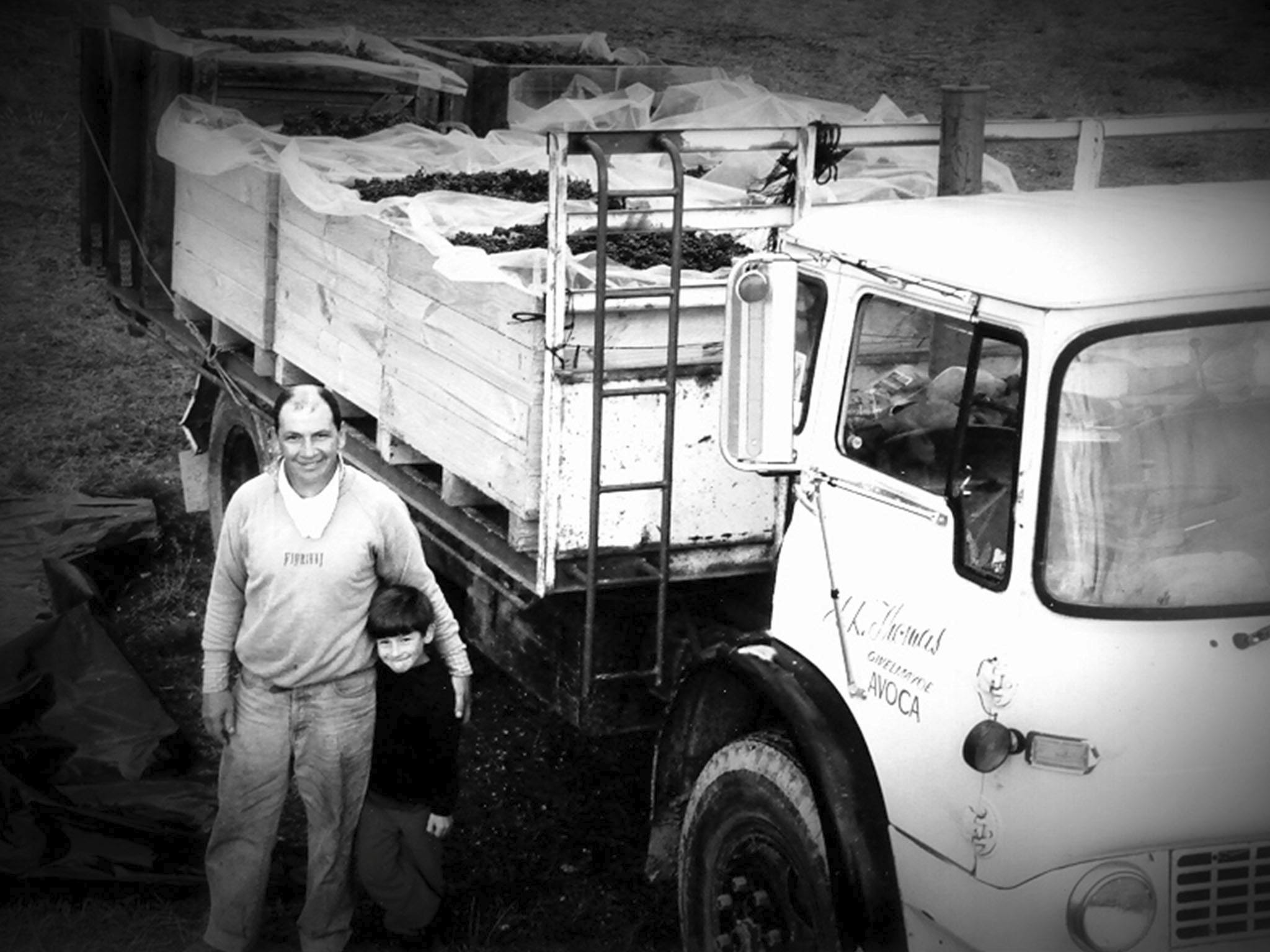
- Discover the meticulous hand-picking process of grapes, ensuring premium quality in every bottle.
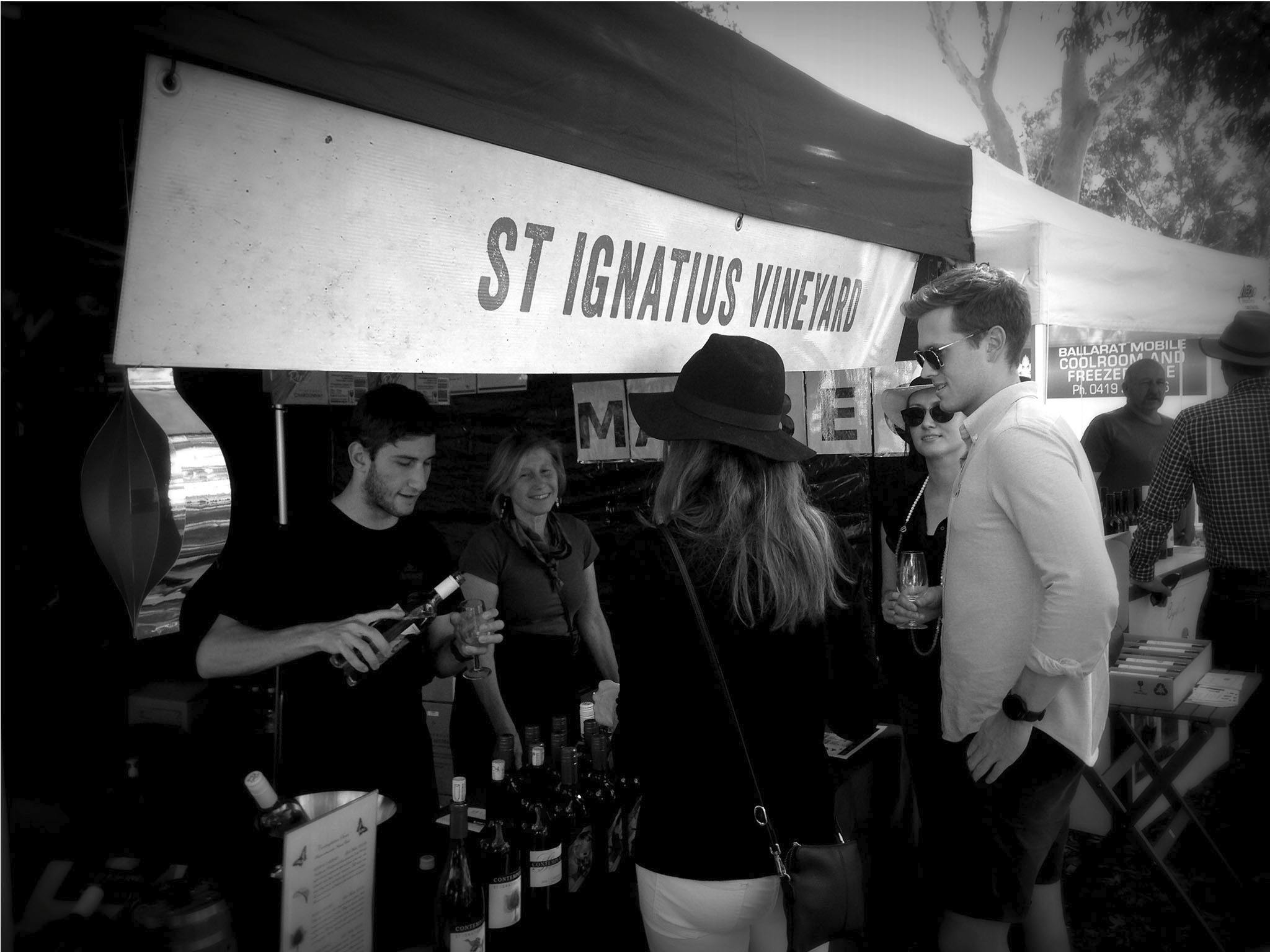
- Enjoy wine tastings at the cellar door, where each sip reveals the vineyard's rich heritage.
A visit to St Ignatius Vineyard will warm your soul. With a heritage expanding over three continents, including Italy and Argentina, St Ignatius Vineyard is the house of Malbec. This fine Bordeaux varietal is one that speaks to the senses, intrigues the mind and appeals to the heart.
The Contemplation Torrontes will captivate you with its seductive floral aromas. This exotic varietal was first introduced from Argentina by St Ignatius Vineyard in 2000. Today it is exclusively grown and produced in the Pyrenees.
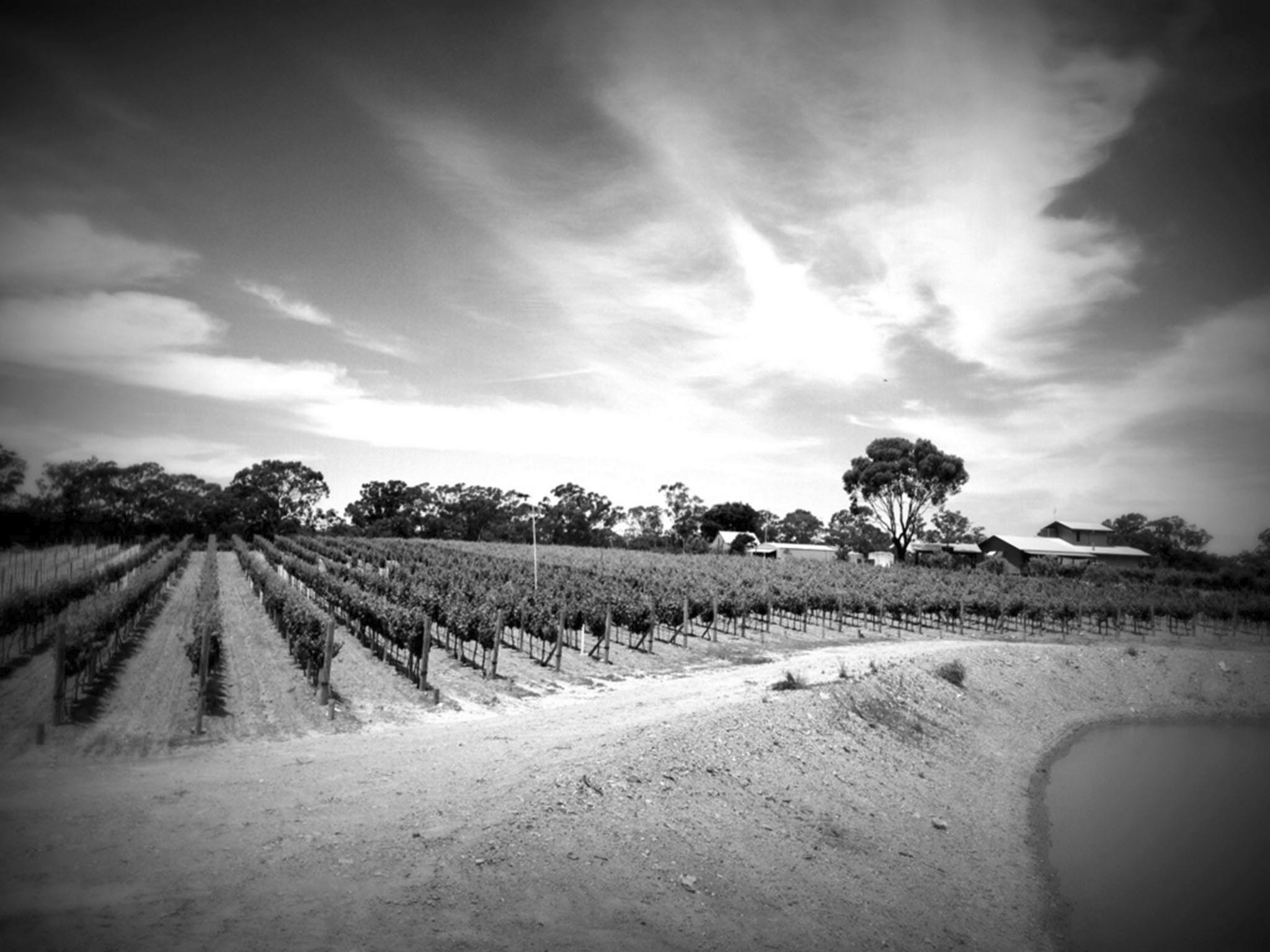
Understand why the grapes are exclusively hand-picked from our single vineyard. Learn about the innovative protocols, best winemaking practices and why St Ignatius Vineyard continues bottling their reds under premium natural cork.
Will you choose a great wine, delicately crafted and unique, or a lesser commercial wine, one that could come from anywhere and taste just like anything else?
Images and Video


Features
Tags
Actively welcomes people with access needs.
General access

- Offers multiple options for booking – web, email, phone is available.
- Offers a range of contact methods for receiving complaints.
- Companion Cards are accepted.
- Staff are trained in disability awareness.
- Asks all visitors if there are any specific needs to be met.
- Advise tour guides of the access needs of guests at the time of booking (includes pick up and drop off requirements)
- Assistance with booking arrangements (includes providing clear itineraries with written instructions on what to do at various destinations)
Communication

Welcomes and assists people who have challenges with learning, communication, understanding and behaviour. (includes people with autism, intellectual disability, Down syndrome, acquired brain injury (ABI), dyslexia and dementia)
- Staff are trained in communicating with people with learning or behavioural challenges.
- Uses Plain English / easy read signage and information (includes menus and emergency information)
- A quiet space is available at the venue/ facility.
Vision

Caters for people who are blind or have vision loss.
- Information in large print is available.
- Digital communication materials (hard copy information also online) is available.
- Uses easy to read fonts in their signage and communication materials (Helvetica and Arial).
- Staff are trained in customer service for people with vision loss (training would incorporate way finding and communicating with people with vision loss).
- An appropriate area for toileting an assistance dog is available.
- Handrails on all stairways
- Exit signs which are visible at a ground level (high level signs are difficult to see in a fire) are available.
Physical – Mobility

Caters for people with sufficient mobility to climb a few steps but who would benefit from fixtures to aid balance. (This includes people using walking frames and mobility aids)
- Uses floors/coverings which are slip resistant, firm and smooth
- Uses non-slip tiles in the bathroom or slip resistant matting
- Grab rails in the bathroom
- Seating in common areas including reception area
Physical – Wheelchair

Caters for people who use a wheelchair.
- Step free outdoor pathways (includes picnic areas, barbecues and shelters)
- A doorbell or intercom at an accessible height and display a contact number (accessible height is 900mm-1100 mm)
- A step free main entrance to the building and/or reception area (includes ramps or slopes with a maximum gradient of 1:14, otherwise are too steep for wheelchairs)
Plan more around this area
 Avoca, VIC
 Avoca Cottages
Avoca Cottages offers fully self-contained accommodation in Victoria's historic Pyrenees wine region. One and two bedroom cottages with large kitchen and living areas. These well

 Avoca, VIC
 Avoca Caravan Park
Avoca Caravan Park is conveniently located in the centre of town, just a short stroll to Avoca’s Main Street with its many shops, cafes and
 Avoca, VIC
 Eco-Luxe at Mount Avoca
Nestled amongst the picturesque organic vineyard and olive grove, eco-luxe @ Mount Avoca blends a balance of luxury with an eco-sensibility, perfect for couples and
 Moonambel, VIC
 Summerfield Winery and Accommodation
Summerfield Winery Accommodation is comprised of five beautifully styled, spacious studio apartments adjacent to the cellar door and overlooking the manicured gardens. Each studio features
 Maryborough, VIC
 Gilbert by Whiskey June
Dripping with character and charm, this spacious property is ideal for families or groups of friends seeking a getaway from the everyday. Large and luxuriously
 Warrenmang, VIC
 Unyoked – Jude
Unyoked is all about unplugging and unwinding in nature.
 Avoca, VIC
 Demanding Proof – Exhibition by Colin Clark
Demanding Proof is an exhibition by Colin Clark.
 Maryborough, VIC
 HONK! Untitled Goose Exhibition
Golden Textures Contemporary Art Quilt Award 2025 on display now until 12 Oct 2025 FREE ENTRY – Hours: Thursday to Sunday 10am to 4pm. Maryborough
 Maryborough, VIC
 Pretty Much – Portraits and stories from real people by Andy Ferg
Andy's fascination with people and the stories etched into their features comes to life in this exhibition of large mixed-media portraits.
 Avoca, VIC
 Avoca Riverside Market
Under the shade of the ancient river gums, by the side of clear running waters of the Avoca River is this beautiful little market offering
 Maryborough, VIC
 Words in Winter Central Goldfields: Events to Inspire Festival
Words in Winter – Central Goldfields, is an annual celebration of words. Written. Spoken. Sung. Join in. Held over the final weekend in June, the
 Maryborough, VIC
 Mapping Truth − A collection of woven works by Jayne Newgreen
Golden Textures Contemporary Art Quilt Award 2025 on display now until 12 Oct 2025 FREE ENTRY – Hours: Thursday to Sunday 10am to 4pm. Maryborough
