Tasting Trails Australia
Highlights
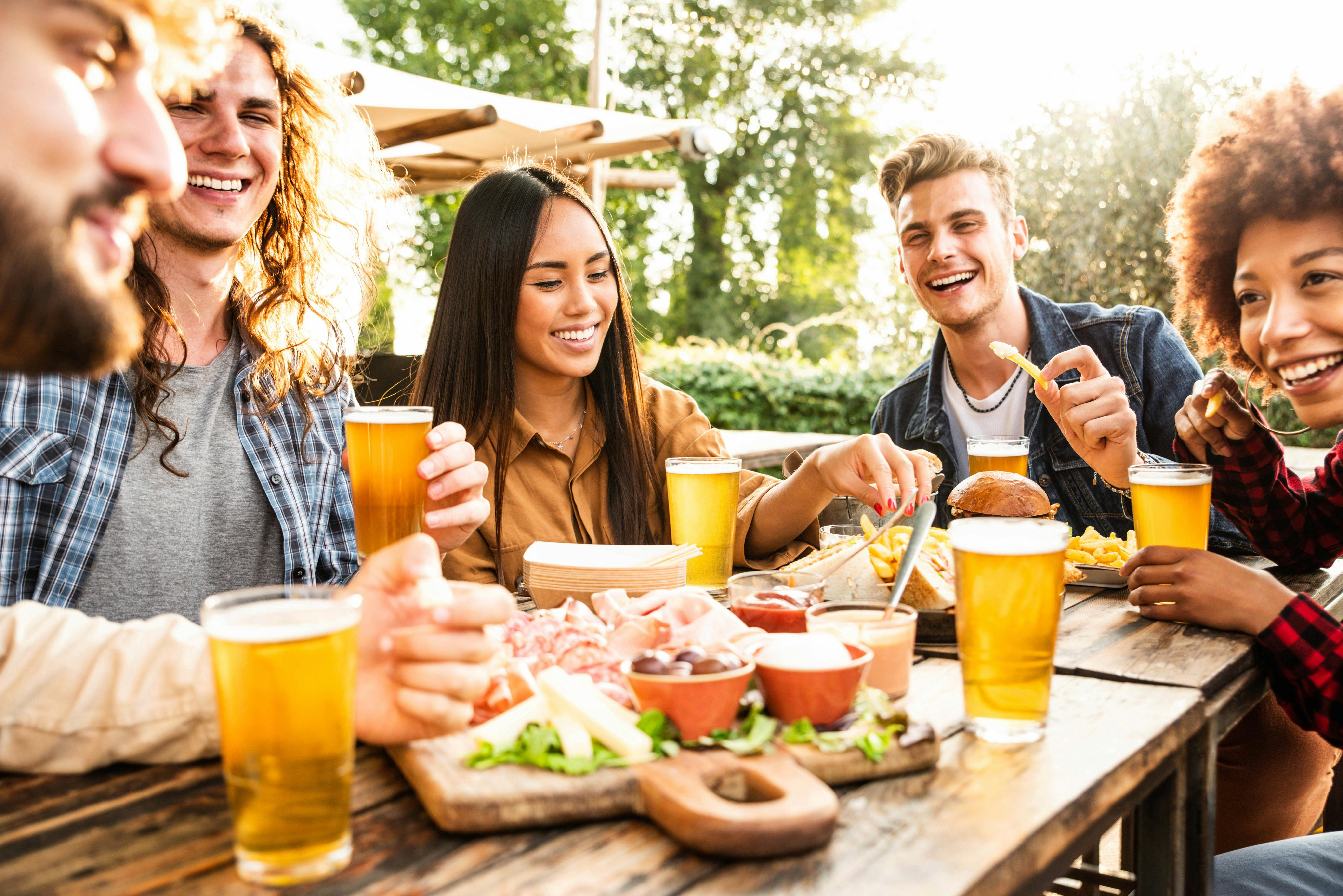
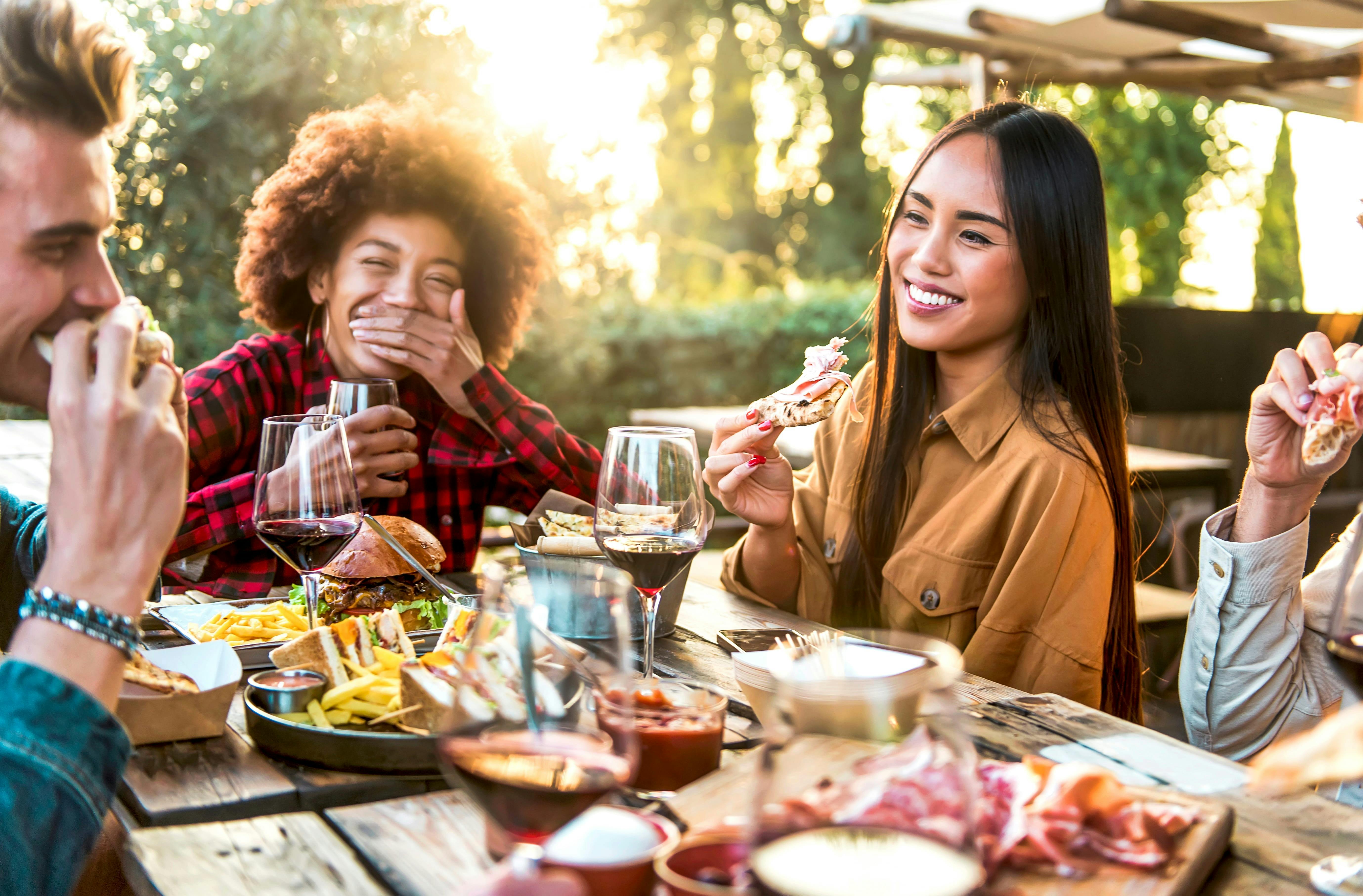
- Explore local flavours as you wander through vineyards, breweries, and distilleries along the scenic Kiama drive.
- Savour artisanal bites from independent makers while enjoying the flexibility of a self-guided foodie experience.
- Discover the stories behind each taste as you connect with local farms and bakeries at your own pace.
- Indulge in a curated selection of the region's best sips and bites, all conveniently accessible on your phone.
The Tasting Trails Australia is a self-guided foodie trail that curates a region’s best bites and sips into one easy experience, all on your phone.
From vineyards, breweries and distilleries to bakeries, and farms, it’s a simple way to discover behind the scenes, independent makers and taste your way around at your own pace
Images and Video



Current offers

Tasting Trails Foodie Pass
Southern Highlands Foodie Pass
Valued at over $150 and available for just $89, the Southern Highlands Foodie Pass offers an immersive way to explore the region’s food and drink scene. Enjoy access to over 30 wineries, breweries, distilleries, bakeries, cafés, and artisan producers. Choose any 5 tasting experiences, receive $20 in tasting credit, enjoy self-guided audio and video tours, plus exclusive value adds, special offers, and discounts — all at your own pace.
Actively welcomes people with access needs.
General access

- Offers multiple options for booking – web, email, phone is available.
- Offers a range of contact methods for receiving complaints.
- Asks all visitors if there are any specific needs to be met.
- Website meets <a href="https://www.w3.org/WAI/standards-guidelines/wcag/" target="_blank">WCAG 2.0</a> accessibility standards
- Advise tour guides of the access needs of guests at the time of booking (includes pick up and drop off requirements)
- Assistance with booking arrangements (includes providing clear itineraries with written instructions on what to do at various destinations)
Communication

Welcomes and assists people who have challenges with learning, communication, understanding and behaviour. (includes people with autism, intellectual disability, Down syndrome, acquired brain injury (ABI), dyslexia and dementia)
- Staff are trained in communicating with people with learning or behavioural challenges.
- Uses Plain English / easy read signage and information (includes menus and emergency information)
- A quiet space is available at the venue/ facility.
Vision

Caters for people who are blind or have vision loss.
- Information in audio format (includes an audio described map of their venue, audio descs of performances and/ or displays) is available.
- Digital communication materials (hard copy information also online) is available.
- Uses easy to read fonts in their signage and communication materials (Helvetica and Arial).
- Staff are trained in customer service for people with vision loss (training would incorporate way finding and communicating with people with vision loss).
- An appropriate area for toileting an assistance dog is available.
- Audio enabled lifts are available.
Hearing

Caters for people who are deaf or have hearing loss.
- Staff are trained in communicating with people who are deaf or have hearing loss.
- Volume controlled phones are available.
- Visual alerts for emergencies (Include flashing light) are available.
- Transmitter receivers for hearing aids on tours are available.
Physical – Mobility

Caters for people with sufficient mobility to climb a few steps but who would benefit from fixtures to aid balance. (This includes people using walking frames and mobility aids)
- Uses floors/coverings which are slip resistant, firm and smooth
- Uses non-slip tiles in the bathroom or slip resistant matting
- Grab rails in the bathroom
- Seating in common areas including reception area
Physical – Wheelchair

Caters for people who use a wheelchair.
- Step free outdoor pathways (includes picnic areas, barbecues and shelters)
- An accessible public toilet which is unlocked.
- Wheelchair accessible picnic tables (picnic tables require 720mm knee clearance and 800mm maximum height).
Allergies and intolerances

Caters for people with allergies and intolerances.
- Modify their cooking and cleaning practices to cater for people with food allergies or chemical intolerances (could include menus with meals free from: nuts, dairy, seafood, eggs, gluten etc).
- Staff are trained to respond to allergic reactions.
- Complies with The Food Authority requirements for allergy management in food preparation.
- Equipment to respond to anaphylactic shock such as epi–pens and defibrillator.
- Toiletries which are chemical and fragrance free (if requested).
- Linen that is chemical and fragrance free (if requested).
- Uses organic (chemical and fragrance free) cleaning products.
- Uses organic (chemical and fragrance free) deodorisers in public areas and rooms.
Plan more around this area
 Kiama Downs, NSW
 Jones’s Beach House
Jones's Beach house has four bedrooms, three bathrooms, three living areas and an outdoor spa on the terrace.
 Kiama Downs, NSW
 Aqua – Kiama Downs
This modern, well-appointed house offers uninterrupted views out to sea with glass doors surrounding the expansive living/kitchen/dining area.
 Minnamurra, NSW
 Minnamurra Island View
Minnamurra Island View has breathtaking views and is in an ideal location for families wanting a relaxing short break getaway or extended holiday.
 Minnamurra, NSW
 Minnamurra Villa on the River
The Villa is the closest property to the ocean at the dazzling Minnamurra River mouth, backing onto a hidden sandy beach across a grassy verge.
 Minnamurra, NSW
 Rangoon Sunrise at Minnamurra
Rangoon Sunrise is a newly renovated four-bedroom house, a perfect place to sit back and relax and enjoy your next beach holiday.
 Minnamurra, NSW
 Aroona at Minnamurra
Ideal for a short stay getaway or family holiday. Aroona at Minnamurra is sure to delight the most discerning of guests.
 Kiama, NSW
Parfait Patisserie
Parfait Patisserie is a showcase of delicious, high-quality French-inspired cakes, pastries, and bread created by skilled pastry chefs and bakers.
 Kiama, NSW
 Finding Fillmore's
Finding Fillmore's is a licensed plant-based cafe with a strong focus on art and culture, fostering an inclusive, accessible, and community-building space.
 Kiama, NSW
 The Quarry Cafe at Burnetts on Barney Garden Centre
Nestled within Burnetts on Barney Garden Centre, The Quarry Café offers a charming, homestyle dining experience in a picturesque setting beneath towering basalt quarry walls.
 Kiama, NSW
 Slow Dough
Slow Dough was conceived with the philosophy of slowing down and bringing people together around good, wholesome food.
 Kiama, NSW
 Silica Restaurant
Silica is a new, modern Australian restaurant situated right on Kiama's Surf Beach, boasting beautiful views of the coastline.

 Kiama, NSW
Olive and Vine
The beachside restaurant offers a relaxed atmosphere, perfect for casual dining with friends and family.
